How to Beat Jet Lag: The Science Backed Recovery Plan
Sep 23, 2026, 10 min read
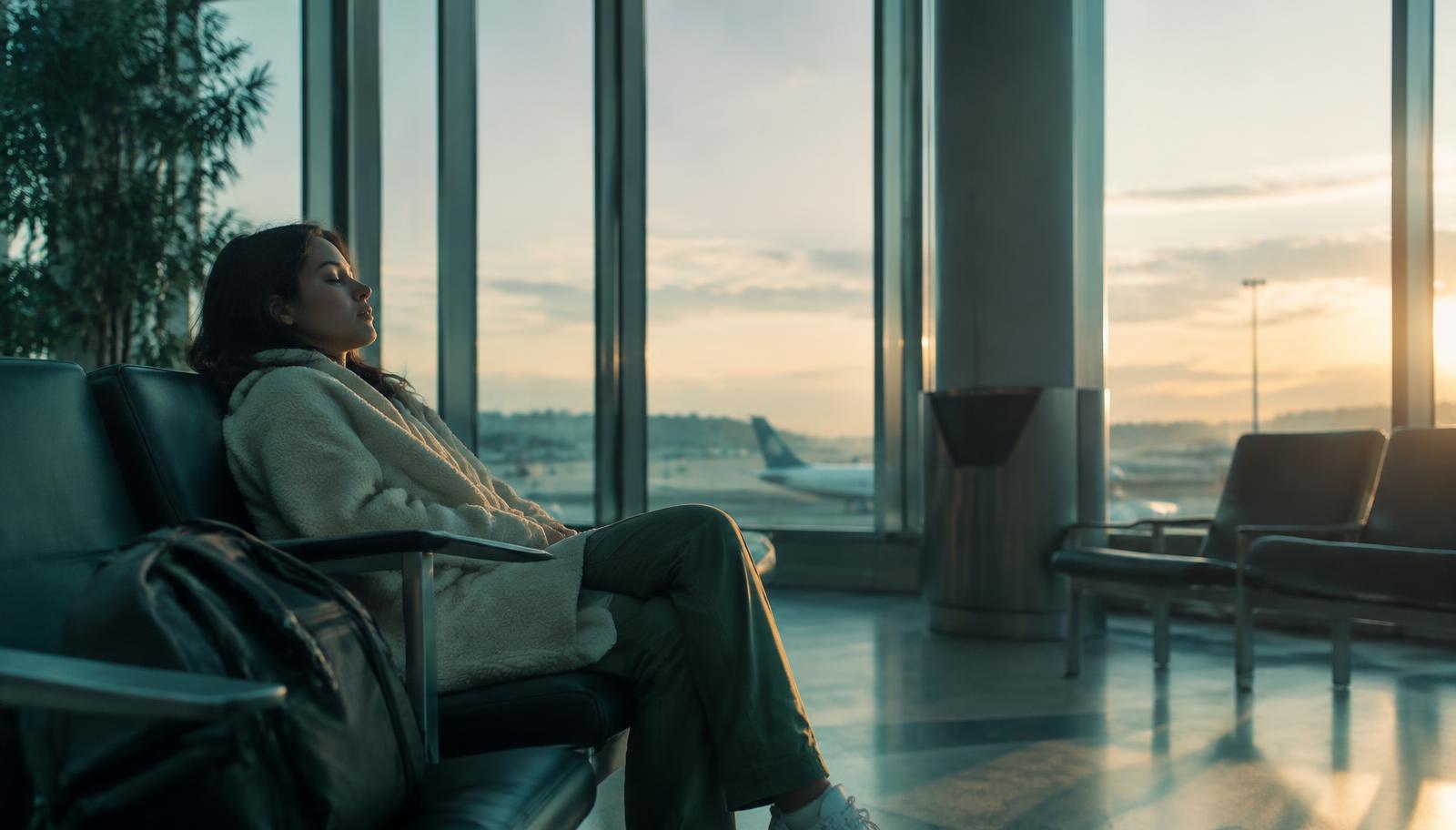
Jet lag is not tiredness, it is your body clock sitting in the wrong time zone. Light timing fixes it faster than anything else. Here is the recovery plan that works, including what to do before, during and after the flight.
Jet lag is not simply being tired from a long flight. It is a mismatch between your internal body clock, which sits in the brain and runs on roughly a 24 hour cycle, and the local time at your destination. Your clock is still telling your body to sleep, digest and release hormones on the old schedule. That mismatch is what produces the fog, the 3am wakefulness and the afternoon collapse.
The good news is that your body clock responds to one signal more strongly than any other, and you can control it: light.
The rule of thumb
Expect to shift about one time zone per day naturally. A flight from New York to Paris (six zones east) takes roughly five to six days to fully resolve if you do nothing. Used properly, the tactics below can shorten that considerably.
Eastward is harder than westward
Flying east asks you to fall asleep earlier than your body wants, which is difficult. Flying west asks you to stay up later, which most people manage easily. Plan for more disruption on the eastbound leg, and be gentler with yourself on arrival.
Before you fly: shift gradually
For three days before an eastbound trip, go to bed and get up 30 to 60 minutes earlier each day and seek bright light in the morning. Before a westbound trip, do the opposite: stay up later and get evening light. Even a partial shift makes a real difference on arrival.
Set your watch to destination time as you board
It sounds trivial, and it is the single best mental trick available. From that moment, eat and sleep on the new schedule rather than the old one.
On the plane: sleep only if it is night at your destination
If you land in the morning, sleep as much as possible on board. If you land in the evening, stay awake so you sleep on arrival. Earplugs, an eye mask and a neck pillow can make a real difference to how much you sleep.
Hydrate, skip the alcohol
Cabin air is very dry, usually 10 to 20% humidity. Dehydration mimics and worsens jet lag symptoms. Alcohol fragments sleep quality even when it helps you drop off, and caffeine late in the flight will keep you awake at the worst possible moment.
Light timing on arrival, the core of the whole plan
Flying east: get bright morning light and avoid strong light in the late evening. Flying west: get bright light in the late afternoon and early evening, and avoid early morning light for the first day or two. Getting this backwards can actually push your clock the wrong way, which is why people sometimes feel worse on day three.
Melatonin, used correctly
A low dose of 0.5 to 3 milligrams taken about an hour before your target bedtime at the destination helps shift the clock eastward. Bigger doses are not better and often leave grogginess. It is far less useful for westward travel, where staying awake is the challenge. Check whether it is available or legal where you are going, and speak to a doctor if you take other medication.
The first day: do not nap for hours
If you are desperate, cap it at 20 to 30 minutes before mid afternoon. A two hour nap at 5pm guarantees another broken night.
Move and eat on local time
A walk outdoors on arrival gives you light, movement and fresh air at once, and eating meals at local times helps the peripheral clocks in your gut and liver catch up with your brain.
Plan the trip around it
Do not schedule a demanding early start, a long drive or an important meeting on the first morning after a long eastbound flight. Build a soft first day, then go hard from day two.
Let Joy Plus shape the first days
When you tell Joy Plus your arrival time, it can build a calm opening day and push the big sights to day two, so the itinerary works with your body clock instead of against it. Start planning your trip
Frequently asked questions
How long does jet lag last?
As a rough rule, your body clock shifts about one time zone per day on its own, so six time zones means roughly five to six days of symptoms. Well timed light exposure, a gradual pre trip shift and low dose melatonin can shorten that considerably. Eastward travel takes noticeably longer to recover from than westward.
Why is flying east worse than flying west?
Your internal clock naturally runs slightly longer than 24 hours, so stretching the day is easy and shortening it is hard. Flying west asks you to stay up later, which your body accepts readily. Flying east asks you to fall asleep before your body is ready, which is why eastbound trips produce worse and longer lasting jet lag.
Does melatonin actually work for jet lag?
It can, for eastward travel, when timed correctly, though the NHS does not recommend it for jet lag because the evidence is limited. Take 0.5 to 3 milligrams about an hour before your target bedtime at the destination. Higher doses are not more effective and often cause morning grogginess. It is much less useful flying west, where the goal is staying awake. Check local availability and speak to a doctor if you take other medication.
Should I sleep on the plane?
Only if it is night where you are going. Match your in flight sleep to the destination clock: sleep as much as you can if you land in the morning, and stay awake if you land in the evening so you sleep on arrival. Earplugs, an eye mask and a neck pillow make a large practical difference.
What is the best way to reset your body clock after a flight?
Light timing is the strongest tool available. Flying east, get bright morning light and dim the evening. Flying west, get bright late afternoon and early evening light and avoid harsh light at dawn. Combine that with meals at local times, a walk outdoors on arrival, and no naps longer than 30 minutes.
Can you prevent jet lag before you travel?
Partly. Shifting your bedtime by 30 to 60 minutes a day for three days before departure, in the direction you are flying, gives your clock a head start. Arriving rested rather than sleep deprived also matters, because sleep debt on top of a clock shift is what makes the first two days feel unbearable.
Do jet lag apps and light therapy glasses help?
They can, because they do one useful thing: tell you exactly when to seek and avoid light for your specific route. The science behind them is sound. You can achieve the same result for free by following the eastward and westward light rules, but an app removes the guesswork on complicated multi leg itineraries.