Tokyo for First-Time Visitors: 5-Day Guide With Hidden Gems
Mar 12, 2026, 14 min read
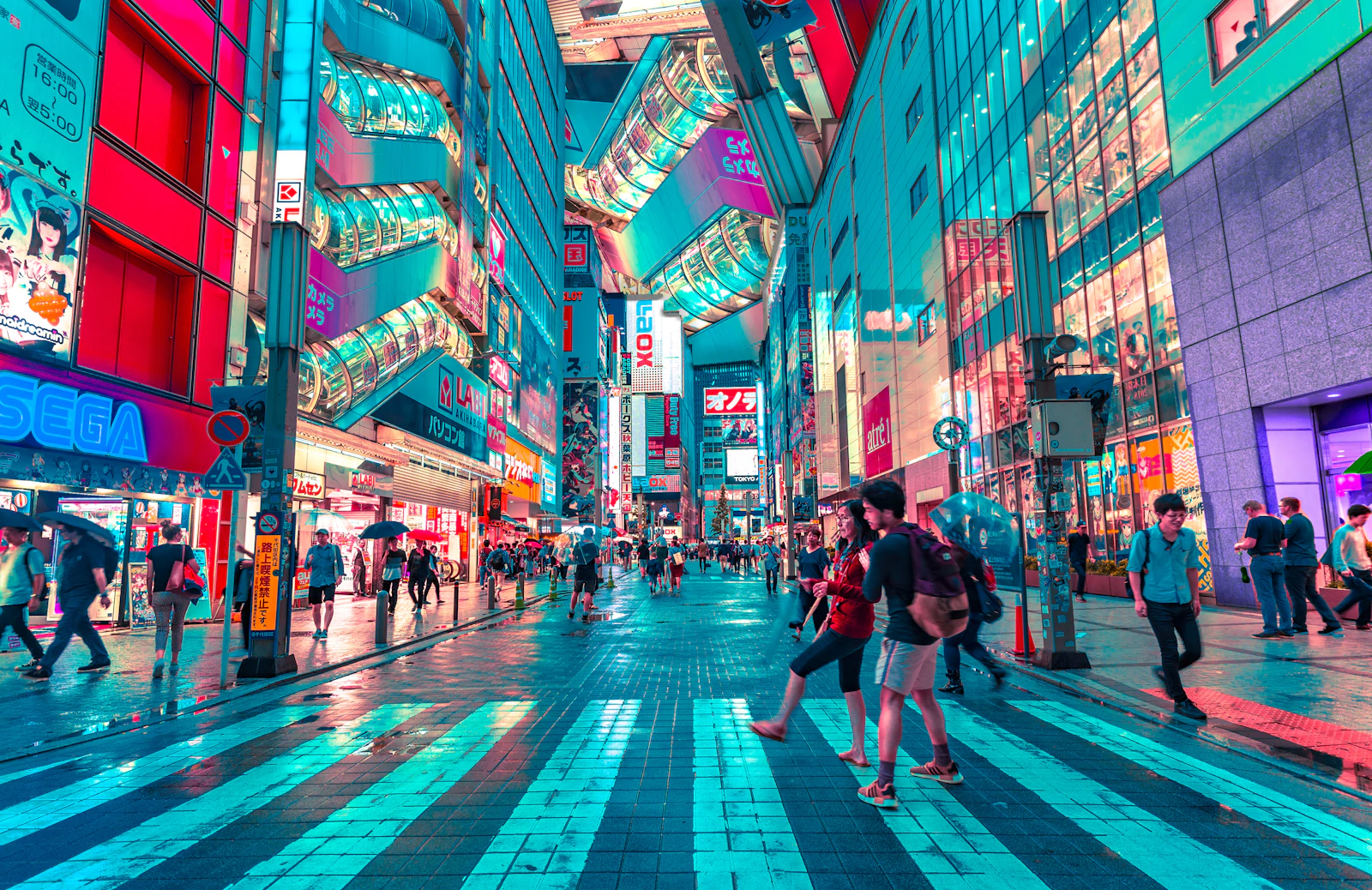
Forget the overwhelm. This Tokyo guide gives you a clear 5-day route through Shibuya, Shinjuku, Asakusa and the back-alley spots locals actually love.
Tokyo is the kind of city that breaks your brain in the best way. 14 million people, hundreds of train stations, and somehow it all works. The trick on a first visit is not trying to see everything. Pick your zones, walk a lot, and leave room to get pleasantly lost.
Before you go
Get a Suica or Pasmo IC card the moment you land. Download Google Maps offline and the NAVITIME's Japan Travel app for trains. Cash is still king at small restaurants, so pull out 30,000 yen on day one.
Day 1: Shibuya and Harajuku
Start at Shibuya Crossing (best view from the Starbucks across the street, for the price of a drink), wander into Center Gai, then walk to Harajuku via Cat Street. Skip Takeshita Street unless you love crowds. Lunch at Afuri ramen. End at Yoyogi Park as the sun sets.
Day 2: Shinjuku and Golden Gai
Morning at the Tokyo Metropolitan Government Building observation deck (free, great views). Walk through Shinjuku Gyoen garden. Evening: Omoide Yokocho for yakitori in tiny alleyways, then Golden Gai for one drink at a shoebox bar. Don Quijote for souvenirs late at night.
Day 3: Asakusa, Akihabara and a sumo morning
Sunrise at Senso-ji Temple before the crowds. Walk to Asakusa Engei Hall area for old Tokyo charm. Train to Akihabara for arcades and a maid café (do it once). After Senso-ji and before Akihabara, watch morning sumo practice at Arashio-beya (free, from about 7:30 am, no booking needed; check the stable's calendar first, as there is no practice while it is away at tournaments).
Day 4: Day trip to Kamakura or Hakone
Kamakura: Great Buddha, bamboo forest, easy beach town. Hakone: ryokan, onsen, Mount Fuji views on a clear day. Both are doable from Tokyo in a day, but Hakone is better with one overnight.
Day 5: Tsukiji, teamLab, and a last-night omakase
Breakfast sushi at Tsukiji Outer Market (the inner market moved, but the outer is still electric). Afternoon at teamLab Planets in Toyosu, book tickets in advance. Final dinner: omakase at a small counter spot, your AI itinerary will find one.
Hidden gems most guides miss
Yanaka district for old Tokyo without the tourists. Shimokitazawa for vintage shopping. Daikanyama T-Site bookstore. Kichijoji on a Sunday. Nakameguro along the canal during cherry blossom season.
Where to stay
Shinjuku for first-timers (everything connects there). Shibuya for nightlife. Asakusa for traditional. Avoid airport hotels.
Food rules
Slurp ramen loudly, never tip, do not eat while walking, and try the convenience store food. 7-Eleven egg sandwiches are world-famous for a reason.
Best time to visit Tokyo
Late March to early April for cherry blossoms, mid-November to early December for autumn leaves. Avoid Golden Week (late April to early May).
Tokyo will exhaust you and energise you in the same hour. Slow down, eat well, and remember: there is no wrong way to experience this city. The point is just to be in it.
Frequently asked questions
How many days do you need in Tokyo for a first visit?
Five days minimum to see the main neighbourhoods (Shibuya, Shinjuku, Asakusa, Harajuku) plus one day trip to Kamakura or Hakone. Seven days is more comfortable and lets you slow down for hidden spots like Yanaka or Shimokitazawa.
What is the best time to visit Tokyo?
Late March to early April for cherry blossoms and mid-November to early December for autumn leaves. Both seasons have mild weather and clear skies. Avoid Golden Week (late April to early May) when domestic travel makes everything crowded and expensive.
Is Tokyo expensive for tourists?
Less than you would think. Budget around ¥15,000 to ¥28,000 per day (roughly $95 to $175) for a mid-range trip including a business hotel, two restaurant meals, transit and one activity. Convenience-store food, ramen shops and free museums keep daily costs low.
Do you need to speak Japanese to travel in Tokyo?
No. English signage is widespread on transit and major attractions, and Google Translate handles menus. Learning a few phrases (sumimasen, arigatou gozaimasu, kore o kudasai) goes a long way and is appreciated.
What is the best way to get around Tokyo?
Get a Suica or Pasmo IC card the moment you land. The metro and JR lines cover everywhere you need, run on time, and the cards work on buses, vending machines and convenience stores too. Avoid taxis except late at night.