Destinations / Africa
Accra, Ghana travel guide
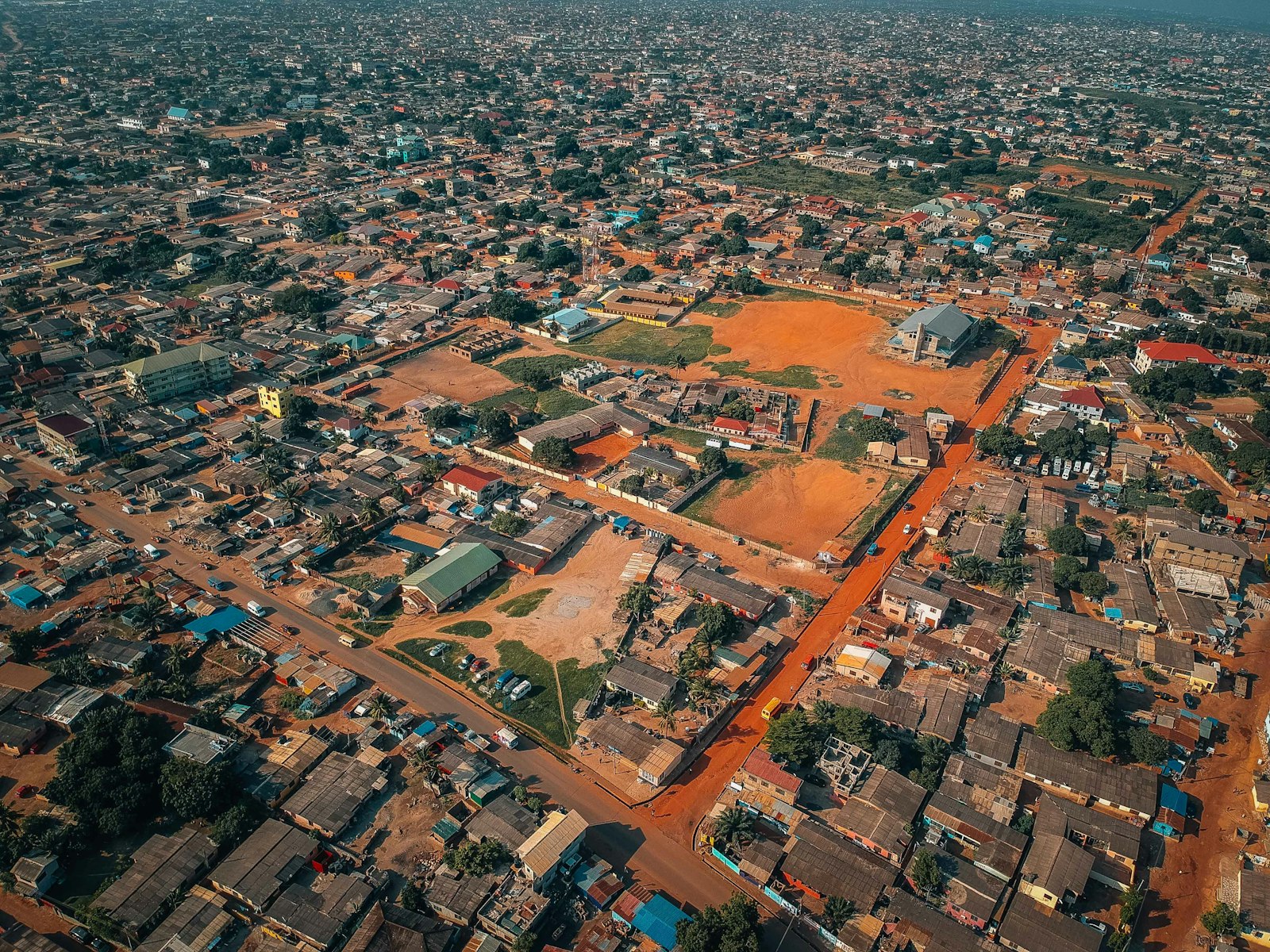
West Africa's coolest capital - beaches, history, Afrobeats and a booming creative scene.
- Best time to visit: November-March (dry season)
- Daily budget (budget traveller): $45 to $95 USD
- Ideal trip length: 3 to 4 days
Accra is the warm, welcoming gateway to West Africa and one of the continent's most exciting creative capitals - Afrobeats, fashion, art and food spilling out across a city on the Atlantic. It's also a place of deep history, from independence monuments to the slave-trade forts along the coast. Joy Plus balances the must-see history with Accra's brilliant nightlife, markets and beaches, all in safe, well-loved neighbourhoods.
Accra does not hand you a postcard. There is no old town to tick off and no single skyline. What you get is a sprawling, sweaty, hilarious Atlantic city where a Black Star Square parade ground sits ten minutes from a fishing harbour, and a rooftop Afrobeats set is ten minutes after that. Give it a day to click. Once you've eaten waakye out of a leaf at 8am and haggled over kente at the Arts Centre, you'll start to get it.
The history is heavy and worth your time. Kwame Nkrumah declared independence here in 1957, W.E.B. Du Bois is buried in Cantonments, and the forts at Jamestown and Cape Coast are some of the most sobering places on the continent. Then the city pivots. Osu's Oxford Street is loud and bright, galleries like Nubuke Foundation in East Legon show serious contemporary work, and the live music at +233 Jazz Bar & Grill is the real thing. December is a different animal entirely, thanks to Detty December, when the diaspora lands and everything doubles in price.
Be realistic about logistics. Accra is spread out, the traffic is brutal between 6 and 9am and 4 and 8pm, and 'sights' are rarely signposted. Cluster your days by area, use Bolt or Uber for everything, and keep small cedi notes in your pocket. Ghanaians are among the friendliest hosts in West Africa. Say 'good morning' before you ask for anything, and the rest of the trip gets easier.
How many days in Accra?
For Accra, we recommend 3 to 4 days.
| Trip length | What you'll see | Itinerary |
|---|---|---|
| 2 days | Osu; Independence history and central Accra | Accra in 2 days |
| 3 days · Recommended | Adds: Jamestown on foot | Accra in 3 days |
| 4 days · Recommended | Adds: Cape Coast and Elmina day trip | Accra in 4 days |
| 5 days | Adds: Markets, galleries and Pan-African history | Accra in 5 days |
| 7 days | Adds: Aburi Gardens or Kokrobite; Labadi, last bites | Accra in 7 days |
Accra itinerary
Arrive, settle, Osu
Morning: Land at Kotoka (ACC), grab a Bolt to Osu (GH¢70-120, 20 to 40 min depending on traffic). Drop bags, drink a bottled water, don't fight the heat.
Afternoon: Stroll Oxford Street, pop into the forex bureaus for a decent rate, and try kelewele from a street cart. Look at Osu Castle (Christiansborg) from the outside.
Evening: Dinner at Buka for banku and tilapia or red red. Drinks at Republic Bar & Grill or Front/Back. Bolt home.
Independence history and central Accra
Morning: Kwame Nkrumah Memorial Park at opening (9am), then the National Museum on Barnes Road. Go early before it heats up.
Afternoon: Independence Square (Black Star Square) for the photo, then the Arts Centre for kente, carvings and haggling. Lunch at Asanka Local.
Evening: Live music at +233 Jazz Bar & Grill in Cantonments, book a table on show nights.
Jamestown on foot
Morning: Bolt to Jamestown before 9am. Climb the lighthouse (about GH¢30), then walk down to the fishing harbour as the boats come in. Agree a guide's fee (GH¢150-300) up front.
Afternoon: Ussher Fort and James Fort, then a boxing gym visit in Ga Mashie. Late lunch and a coffee at Jamestown Café.
Evening: Sunset on the seafront, then dinner back in Osu. Keep phones tucked away in the crowded lanes.
Cape Coast and Elmina day trip
Morning: Leave Accra by 6am to beat traffic. About 3 to 4 hours to Cape Coast. Cape Coast Castle guided tour is the emotional core of the day.
Afternoon: Lunch in Cape Coast, then Elmina Castle. Consider Kakum canopy walk if you have energy and time.
Evening: Drive or bus back, arrive late. Easy dinner near your hotel.
Markets, galleries and Pan-African history
Morning: Makola Market with a guide, before 10am. It is crowded, loud and brilliant. Keep valuables close and go with small notes.
Afternoon: W.E.B. Du Bois Memorial Centre in Cantonments, then the Artists Alliance Gallery for Ghanaian art, or Nubuke Foundation in East Legon.
Evening: Dinner at Chez Clarice or Santoku. Late drinks in Osu.
Aburi Gardens or Kokrobite
Morning: Bolt to Aburi Botanical Gardens (about an hour north). Cooler air, shade and the Akuapem Hills views.
Afternoon: Browse the woodcarving stalls on the Aburi road, or head west to Kokrobite for beach time and Big Milly's Backyard.
Evening: Back to Accra. Casual dinner and an early night.
Labadi, last bites, depart
Morning: Slow breakfast of waakye or hotel eggs. Pack, then take a Bolt to Labadi Beach (best on Sundays, live music and horse rides).
Afternoon: Last lunch of fish and fufu or jollof. Pick up gifts at the Arts Centre or in Osu.
Evening: Bolt to Kotoka two to three hours before the flight. Traffic can eat your buffer.
Best neighbourhoods
- Osu: The lively heart - Oxford Street's shops, restaurants, bars and nightlife. Central first-timer base.
- Labadi: Home to Accra's most famous public beach, busiest and best at weekends.
- Cantonments / Airport Residential: Leafy, upmarket, secure areas with hotels, embassies and fine dining.
- Jamestown: The historic, atmospheric old fishing quarter - colonial buildings, street art and boxing gyms.
- East Legon: Modern, affluent district with cafes, malls and a growing creative and nightlife scene.
Must-do experiences
- Kwame Nkrumah Mausoleum: The memorial park to Ghana's independence leader - elegant, symbolic and a primer on the nation's story.
- Jamestown walking tour: Colonial lighthouse, fishing harbour, street art and boxing culture in Accra's oldest district.
- Labadi Beach: Live music, horse rides and the city's most sociable stretch of sand, especially on weekends.
- Cape Coast day trip: The sobering slave-trade castles of Cape Coast and Elmina, around three hours west - essential history.
Hidden gems
- Makola Market for an overwhelming, authentic dive into Accra commerce (go with a guide).
- The Artists Alliance Gallery, a multi-storey trove of Ghanaian art on the coast.
- Independence (Black Star) Square at quiet hours for monumental photos.
- A live highlife or Afrobeats night at +233 Jazz Bar & Grill.
Daily budget
- Accommodation: budget GH¢180-350 / night (hostel dorm or basic guesthouse), mid-range GH¢900-1,800 (boutique double, Cantonments or Airport Residential), splurge GH¢3,500+ (Kempinski Gold Coast City, Labadi Beach Hotel). Prices are 2026 estimates and the cedi moves, so check rates before booking. Osu is the best value base for first-timers.
- Food: budget GH¢120-180 / day (chop bars, waakye, street kelewele), mid-range GH¢300-500 (Buka or Asanka Local lunch, nice dinner), splurge GH¢900+ (Santoku, hotel tasting dinners). Waakye with egg and fish is GH¢40-70, jollof with chicken GH¢70-120 at a good local spot. Sachet water is GH¢1-2.
- Transport: budget GH¢60-100 / day (tro-tros plus the odd Bolt), mid-range GH¢200-300 (Bolt or Uber everywhere), splurge GH¢1,000-1,600 (private driver for a Cape Coast day). Short Bolt rides in Osu are GH¢25-50, cross-town GH¢80-150. Airport to Osu is GH¢70-120. Tro-tros are GH¢3-10 and need local help.
- Activities: budget GH¢50-120 / day (one museum or fort, free beach), mid-range GH¢250-450 (Nkrumah Park, Jamestown guide, Aburi Gardens), splurge GH¢1,000+ (private Cape Coast and Kakum tour). Entry is usually GH¢30-100 for foreigners at Nkrumah Park, Ussher Fort and the Du Bois Centre. Cape Coast and Elmina castles are higher, so budget separately.
- Drinks & nightlife: budget GH¢50-80 (Star beer at a spot, akpeteshie shots), mid-range GH¢150-300 (Osu bar night, live music at +233 Jazz Bar), splurge GH¢600+ (bottle service, rooftop and club night). Local beers like Star and Club run GH¢25-50 in bars. Cocktails are GH¢80-150. Cover charges at big club nights can be GH¢100-300.
Where to stay
- Social hostel in Osu (GH¢180-350 / night): Pink Hostel or similar in Osu puts you steps from Oxford Street, bars and cheap eats, with a mixed solo crowd. For a beach hostel scene, Big Milly's Backyard in Kokrobite is a long-running backpacker favourite.
- Boutique hotel in Cantonments / Airport Residential (GH¢1,000-1,800 / night): Villa Monticello and similar guesthouses, leafy, secure, quiet and close to restaurants, galleries and embassies. Good generators and wifi, which matters.
- Apartment in East Legon (GH¢700-1,400 / night): Serviced apartments and Airbnbs with a kitchen, generator and wifi, near cafes, malls and Nubuke Foundation. Best value for 5+ nights.
- Splurge in Ridge / Labadi seafront (GH¢3,500-6,500 / night): Kempinski Gold Coast City Hotel in the centre, or Labadi Beach Hotel on the sand. Pools, polished service, and a short ride to the main sights.
What to eat
- Jollof rice (and the friendly Ghana-vs-Nigeria debate)
- Banku and tilapia with pepper sauce
- Waakye (rice and beans) for breakfast
- Kelewele (spiced fried plantain)
Day trips
- Cape Coast and Elmina (3 to 4 hours by road): UNESCO-listed slave castles at Cape Coast and Elmina, among the most powerful places in West Africa. Add Kakum National Park's canopy walk if you have time. Better as an overnight if you can. VIP or STC coach from Accra, GH¢80-130 each way, or hire a driver for the day at GH¢1,000-1,600. Castle entry for foreigners is around GH¢100-200 each. Leave by 6am.
- Aburi Botanical Gardens (About 1 hour north): Cool air, tall trees and a quiet break from the city, in the Akuapem Hills. The nearby road is lined with woodcarving stalls. Bolt or Uber, about GH¢200-300 each way, or tro-tro from Madina for GH¢15-20. Entry roughly GH¢30-50.
- Kokrobite (1 to 1.5 hours west): A laid-back beach village with drumming, reggae nights and surf. Big Milly's Backyard is the classic hangout, with dorms and a restaurant on the sand. Bolt or Uber about GH¢150-250, or tro-tro from Kaneshie or Mallam Junction. Go midweek for quiet, weekends for the party.
When to visit
- Dry season (November - February): 23-33°C, sunny, lower humidity, dusty harmattan haze from late December. Crowds: Heavy in December (Detty December), moderate otherwise. The best window for weather. Book flights and rooms by September for December, when prices can double.
- Hot season (March - April): 26-34°C, sticky, first heavy showers by April. Crowds: Moderate, spikes around Independence Day (6 March) and Easter. Hot but fine. Plan beach and fort visits for mornings, and save museums for the afternoon heat.
- Major rains (May - July): 24-30°C, heavy downpours, flash flooding in low areas, peak in June. Crowds: Low. Cheapest rooms and green landscapes, but traffic turns miserable after a storm. Skip unless budget rules.
- Little dry season (August - October): 22-28°C, cloudy and cooler, short showers in September and October. Crowds: Moderate, busy during Chale Wote in August. The locals' favourite. Cooler, calmer, cheaper, and Jamestown comes alive with the Chale Wote street art festival.
Entry rules for your passport
Visa rules for Ghana depend on the passport you travel on. Check the official source before you book: Ghana Immigration Service
Getting there
Kotoka International Airport (ACC) is about 10km from Osu and Cantonments, with direct long-haul flights from London, Amsterdam, Istanbul, Dubai and several US cities. Immigration can be slow, so allow an hour. Expect to need a visa for most nationalities, and carry your yellow fever certificate. Western passport holders must get the visa before they fly, since visa on arrival needs approval arranged in advance. A Bolt or Uber to Osu is GH¢70-120 and takes 20 to 40 minutes depending on traffic. Official airport taxis quote in dollars and cost far more, so skip them. Leave extra time for the return, because the road to the airport jams badly at rush hour. Overland, VIP and STC coaches run from Accra to Cape Coast, Kumasi and Takoradi.
Getting around
Use ride apps like Uber, Bolt or Yango - they're cheap, reliable and remove fare haggling. Traffic is heavy, so plan around rush hours. Shared minibuses (tro-tros) are authentic but tricky for first-timers. For coastal day trips, hire a trusted driver for the day.
Safety
Accra is one of West Africa's safest capitals and very welcoming, with petty theft the main concern rather than violent crime. Use ride apps at night, keep valuables discreet in markets and crowds, and agree prices for any informal service. Tap water isn't potable - drink sealed or filtered water. Solo travellers, including women, generally find it comfortable.
Solo travel tips
- Live on ride apps: Bolt, Uber and Yango are your safety net. Check the plate and driver before you get in, share the trip with someone, and always confirm the fare. Avoid hailing street taxis at night.
- Eat at chop bars: Chop bars are the local canteens. Point at what's on the pot, eat with your right hand, and wash up first. You'll get into a conversation within minutes, and a full plate is GH¢40-80.
- Hostel pick: Osu or Kokrobite: Osu hostels like Pink Hostel put you near bars and restaurants, with easy rides. For beach vibes and drumming, Big Milly's Backyard in Kokrobite has dorms and a long-running traveller crowd.
- Do Makola with a guide: Makola is overwhelming and brilliant, but easy to get lost in. Go before 10am with a local guide (GH¢100-200), keep your phone zipped away, and bring small notes.
- Solo female travellers: Accra is generally comfortable for women alone. Expect friendly attention and the occasional marriage proposal, and a firm smile handles it. Take Bolt at night, keep drinks in sight, and dress modestly away from beach areas.
- Find your tribe at live nights and Labadi: Live music at +233 Jazz Bar & Grill draws solos. Sunday afternoons at Labadi Beach are the most sociable stretch of sand in town, and August's Chale Wote festival in Jamestown is a ready-made crowd.
Cultural etiquette
- Greet first. Say 'good morning' or 'good afternoon' before asking anything, and shake hands. A slight finger snap at the end is normal.
- Use your right hand to eat, pass money and hand things over. The left is considered rude.
- Always ask before photographing people, and never photograph military or government buildings. Ask permission at markets, and expect to pay a small tip at some stalls.
- Dress modestly in town and for church or funerals. Beachwear belongs at the beach. Fridays you'll see many Ghanaians in traditional dress.
- Haggle at markets and the Arts Centre, with a smile. Start at about half the first price, and don't bargain at chop bars or in shops with fixed prices.
- Sunday morning is for church. Many shops are quiet, so plan beach or museum time. Funerals on Saturdays are large and joyful, so don't gate-crash.
- LGBTQ+ travellers should be discreet. Same-sex relations are criminalised in Ghana and public attitudes are conservative.
Frequently asked questions
Is Accra safe for tourists?
Yes - Accra is considered one of the safest and most welcoming capitals in West Africa. Petty theft and pickpocketing in crowds are the main risks, not violent crime against visitors. Use ride apps at night, keep valuables discreet, and you'll find Ghanaians famously friendly and helpful.
How many days do you need in Accra?
Three to four days lets you see the monuments, Jamestown, the markets and the beach, while soaking up the nightlife and food scene. Add a day for a sobering but essential trip to the Cape Coast slave castles, about three hours west along the coast.
What is the best time to visit Accra?
The dry season from November to March offers the most comfortable weather, with sunny days and lower humidity. December is especially lively thanks to 'Detty December' festivities, when the diaspora returns for concerts and events. Avoid the heaviest rains of May to June if you can.
Do I need a visa for Ghana?
Most visitors need a visa, and Western passport holders must get it before they travel: since 25 May 2026 Ghana issues visas through its online e-Visa system, with decisions usually within 48 hours, and visa on arrival has been discontinued. Requirements change, so check the latest rules for your nationality well before travel, and note that proof of yellow fever vaccination is required for entry.
Can you visit the Cape Coast slave castles from Accra?
Yes - Cape Coast and Elmina castles are popular and deeply moving day trips, roughly three hours west of Accra by road. They're UNESCO World Heritage sites central to the transatlantic slave trade. Go with a guide or organised tour to fully understand the history; it's one of Ghana's most powerful experiences.
Is Accra expensive?
It's moderately priced - cheaper than Western capitals but not the bargain some expect. Street food, local eateries and ride apps are very affordable, while imported goods, upscale hotels and expat-oriented restaurants cost more. A comfortable day runs $45 to $95 depending on your style.
What vaccinations do I need for Accra?
Proof of yellow fever vaccination is mandatory for entry to Ghana. Malaria is present, so antimalarials and mosquito precautions are strongly advised, and routine vaccinations plus typhoid and hepatitis A are recommended. Visit a travel clinic several weeks before departure for personalised advice.
Tours and activities in Accra | Accra in 2 days | Accra in 3 days | Accra in 4 days | Accra in 5 days | Accra in 7 days
Can't decide? Compare Accra with...
Joy Plus home | Destinations | Itineraries | Activities | Flights | Budget planner | Calendar | Map | Blog | Lifetime access