Destinations / Oceania
Aitutaki, Cook Islands travel guide
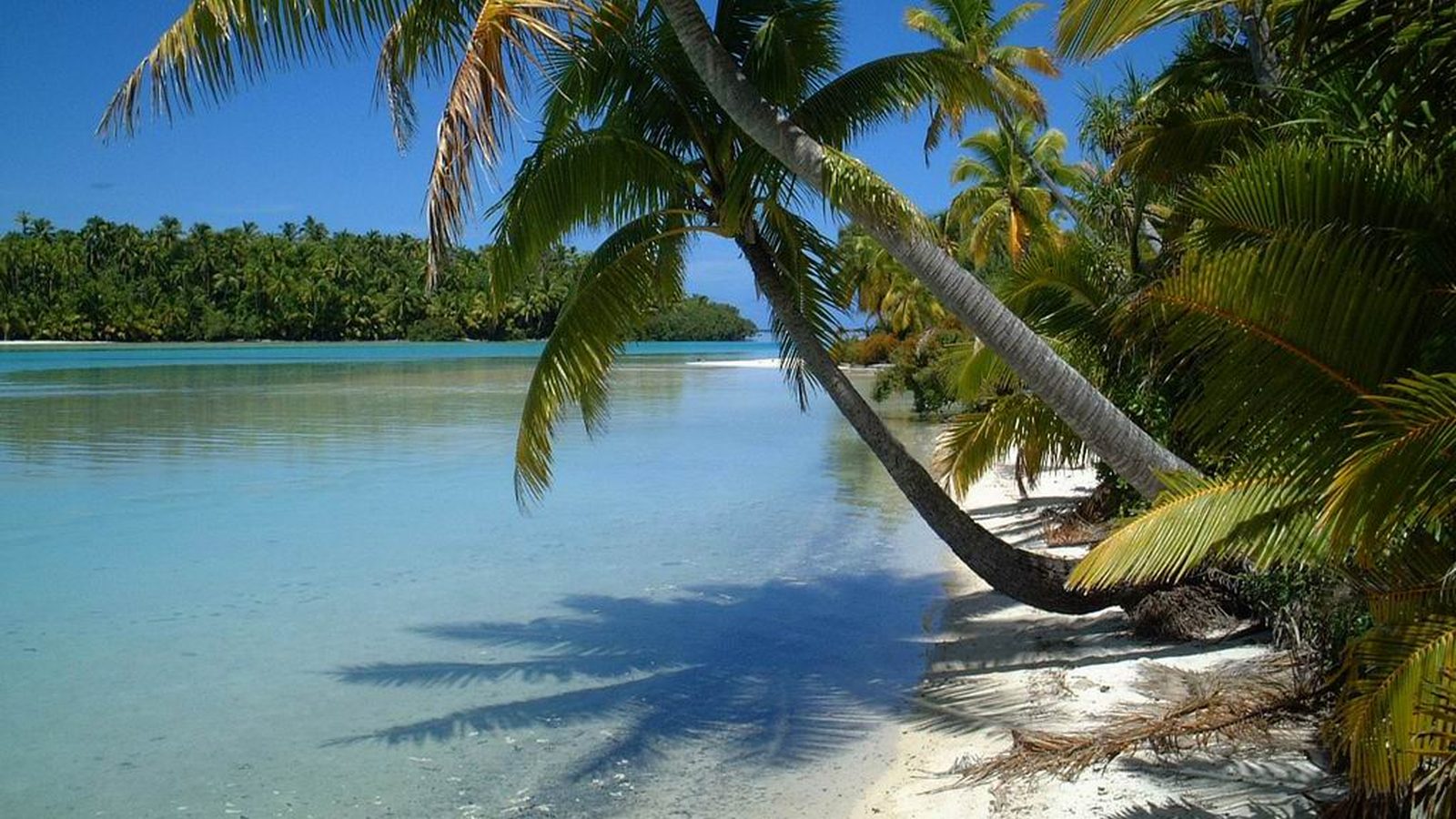
A tiny hilly island wrapped in a huge turquoise lagoon, where you get around by scooter, get your passport stamped on One Foot Island and eat fresh tuna by the water.
- Best time to visit: May to October
- Daily budget (budget traveller): $100 to $295 USD
- Ideal trip length: 4 to 7 days
Aitutaki sits about 50 minutes north of Rarotonga by plane. It is a small, hilly main island with one ring road and roughly 2,000 residents, set inside a triangular lagoon edged with around 15 motu (small islets). The lagoon is the reason people come. It is shallow, bright turquoise and full of giant clams and reef fish, and it ends at One Foot Island, where a tiny post office will stamp your passport. Plenty of visitors see it all in one long day trip from Rarotonga. Stay a few nights instead and you get the slower version: the lagoon at dawn, sunsets over Amuri, Saturday market stalls at Arutanga and harmony singing drifting out of the old church on Sunday. Aitutaki is not cheap. There are no real hostels or public buses, and most groceries arrive by ship. Still, self-contained lodges, scooter hire, takeaway counters and free beaches make it workable for a solo traveller on a budget. It is small, friendly and very hard to get lost on.
Aitutaki is a 'near atoll': a small hilly island of about 18 square kilometres inside a huge triangular lagoon, with roughly 15 motu scattered around the reef. About 2,000 people live here. Most visitors meet it on Air Rarotonga's day tour, which costs about NZ$749 and bundles flights, an island drive and the Vaka Cruise into one long day. That works if time is short, but it is a rush. Spend a few nights and you get a different island: kayaking over coral at dawn, scooter rides past taro patches, sunset at Amuri, Saturday market coffee and Sunday harmonies from the church in Arutanga. Aitutaki is not a backpacker island. There are no true hostels or buses, and most food arrives by ship. But there is a cheaper way to do it, with self-contained lodges, a scooter at roughly NZ$25-35 a day, takeaway plates, free beaches and one great cruise.
Logistics are simple once you have reached Rarotonga. Air Rarotonga flies its Saab turboprops to Aitutaki in about 50 minutes. Return fares tend to fall somewhere around NZ$400-700 depending on season and how early you book, so check live prices. Base yourself in Amuri for sunsets and places to eat within walking distance, or on the Ootu side for the lagoon and cruise departures. Hire a scooter on day one. The coast road is only about 18km, and inland tracks cut across the middle. Book your lagoon cruise for your second or third full day, so you have a spare day if wind or rain cancels it.
Timing shapes the trip. May to October is the dry season, with steady trade winds, comfortable temperatures and clearer skies. Humpback whales pass through Cook Islands waters from roughly July to October. July and the New Zealand and Australian school holidays fill flights and lodges. November to April is hotter and more humid, with heavy downpours, and it is the official cyclone season. Aitutaki is very safe, English is spoken everywhere alongside Cook Islands Māori, and things shut early. If you want nightlife, stay on Rarotonga. If you want a snorkel, a nap in a hammock and a plate of ika mata in one day, this is the place.
Aitutaki itinerary
Fly in and settle into Amuri
Morning: This plan assumes you arrive on a Monday. Take a morning Air Rarotonga flight (about 50 minutes) and sit on the right-hand side for lagoon views on approach. Your host collects you from the airport.
Afternoon: Check in, pick up a delivered scooter and do a slow first lap to Arutanga for cash, water and groceries. Swim off the beach in Amuri.
Evening: Sunset on the Amuri shore, then a cheap plate from Kai Tari Takeaway eaten on the sand. Early night.
Maunga Pu and the ring road
Morning: Climb Maunga Pu at about 7am for the whole lagoon in morning light. Allow about an hour return including the views. Then ride the coast road anticlockwise.
Afternoon: Stop at Piraki Lookout, follow the east coast through Vaipae and Tautu, and have a late lunch at Avatea Café. Picnic or swim off Vaipae Wharf.
Evening: Back to Amuri for sunset. Book tomorrow's cruise if you have not already, then dinner at Resort Tava'e.
Lagoon cruise to One Foot Island
Morning: Head to Ootu Wharf for the Vaka Cruise (about NZ$299), or take the hotel pickup for Bishop's (NZ$230) or Kia Orana (NZ$225, maximum 10 people). Snorkel with giant clams and reef fish.
Afternoon: Lunch on board or on a motu, stops at Akaiami and Moturakau, then One Foot Island for a passport stamp (bring a few dollars cash) and a wade across the sandbar.
Evening: Rinse off the salt. Check which resort has an island night this evening, as Pacific Resort has run its show on Wednesdays, and book a seat for the umu buffet and fire dancing.
Ootu Beach and a slow day
Morning: Breakfast at Koru Café, then hire or borrow a kayak and paddle the shallows off Ootu Beach while the water is still glassy.
Afternoon: Snorkel near the shore, nap in the shade and walk the beach towards Aitutaki Village. Lunch at The Boat Shed Bar & Grill.
Evening: Sunrise-side sunsets are muted here, so ride back to Amuri for the real thing. Self-cater tonight to give your budget a rest.
Culture and inland tracks
Morning: If it is running, join the Punarei cultural tour, which has historically run on Mondays, Wednesdays and Fridays and includes an umu lunch. Confirm it is operating, because listings are patchy. Otherwise, ride the inland tracks past plantations.
Afternoon: Stop at Tauono's in Amuri for fruit and something sweet, then swim and snorkel off the west coast at a calm spot your host recommends.
Evening: Sundowner at a beachfront bar in Amuri. Fish and chips or a takeaway, then stargaze from the beach.
Saturday market and Honeymoon Island
Morning: Arutanga's Saturday market from about 7am for coffee, fruit, banana poke and crafts. Go early, because stalls sell out and pack up by late morning.
Afternoon: Join a half-day boat or private charter to Honeymoon Island and Maina in the southwest of the lagoon, for sandbars and seabirds. Book ahead and agree what is included.
Evening: Farewell dinner at Blue Lagoon Restaurant at Aitutaki Village or Rapae Bay Restaurant. Pack and confirm Sunday flight times.
Sunday hymns and fly out
Morning: Dress neatly and join the Sunday service at the Cook Islands Christian Church in Arutanga to hear the harmony singing. Shops and most cafés stay shut today.
Afternoon: A last swim, then fly back to Rarotonga. Sunday has fewer flights, so book early or shift your departure to Monday.
Evening: Connect onwards from Rarotonga, or stay a night near the airport for an international flight the next morning.
Best neighbourhoods
- Arutanga: The main village on the west coast. It has the harbour, the police station, a few shops, an ATM, the historic Cook Islands Christian Church and the Saturday morning market. It is practical rather than pretty, and the place to sort out cash and errands.
- Amuri: The northwest strip and the best side of the island for sunsets. Guesthouses, Pacific Resort, Tamanu Beach and Resort Tava'e all sit here, along with Kai Tari Takeaway. A solo traveller can walk to dinner and the beach from most of the budget places.
- Ootu Beach: A narrow peninsula near the airport on the lagoon side, with shallow water for kayaking and sunrise swims. Koru Café, The Boat Shed and Aitutaki Village are here, and the Vaka Cruise leaves from Ootu Wharf.
- Vaipae and Tautu: Quiet villages on the east coast, facing the lagoon. Here you get village life, Avatea Café, wharves for picnics and cheaper self-contained lodges such as Gina's Garden Lodges near Tautu. You will need a scooter.
- Akitua: The motu off the northeastern tip of the main island, home to Aitutaki Lagoon Private Island Resort and reached by a short boat transfer. It is a splurge base for overwater bungalows and total quiet.
Must-do experiences
- Take a full-day lagoon cruise to One Foot Island: Snorkel with giant clams, wade across sandbars, stop at motu such as Akaiami and Moturakau, then land on Tapuaetai (One Foot Island) for a passport stamp. Full-day cruises cover far more of the lagoon than half-day trips.
- Climb Maunga Pu: The island's highest point, at about 124m, is a short, steep walk through the bush. From the top you can see the whole lagoon, so go early in the morning or near sunset for softer light.
- Scooter the ring road: The coast road around the main island is roughly 18km. Ride it in a morning, stopping at Piraki Lookout, the east coast villages and the wharves, and grab lunch at Avatea Café in Tautu.
- Go to an island night: Several resorts hold drumming, dancing and fire shows with a buffet, and Aitutaki's dancers have a big reputation. Days change, so check what is on and book through your accommodation.
- Kayak off Ootu Beach: The water on the lagoon side is shallow and glassy in the morning. Paddle over coral heads near the shore, then dry off with breakfast at Koru Café.
- Hear Sunday hymns in Arutanga: The Cook Islands Christian Church in Arutanga dates from the 1820s and is often called the oldest church in the country. Visitors are welcome at Sunday morning service if they dress neatly and sit quietly near the back.
- Browse the Saturday market: Arutanga's Saturday morning market sells fruit, snacks, crafts and coffee, and it is the best time to meet locals in town. Go early, because stalls pack up before midday.
Hidden gems
- Piraki Lookout, an inland viewpoint you can ride straight up to, no hike needed, with views of the eastern motu through the bush
- Vaipae Wharf on the east coast, a quiet picnic spot for a takeaway lunch, with the lagoon and passing fishing boats
- Akaiami's sandy shallows, where the old Coral Route flying boats once landed to refuel, worth requesting as a long stop if you book a smaller or private boat
- Tauono's in Amuri, a small garden café and fruit stall that is a good place to stock up on fresh produce if you are self-catering
- The Aitutaki Golf Club's nine-hole course, a laid-back round with rental clubs and green fees both around NZ$10, according to recent visitor reports
Daily budget
- Accommodation: budget NZ$80-140 / night (budget guesthouse or self-contained lodge), mid-range NZ$220-450 (beach bungalow or small resort), splurge NZ$800+ (Pacific Resort, overwater bungalow at Akitua). There are no true dorm hostels. Places with a kitchen save a lot on food. Book July and Christmas months ahead, and check whether airport transfers are included.
- Food: budget NZ$45-75 / day (self-catering plus takeaways), mid-range NZ$90-140 (café lunch and a sit-down dinner), splurge NZ$200+ (island night buffet, resort dinners). Groceries are expensive and choice is limited, so bring some staples from Rarotonga. Takeaway plates are around NZ$15-25 and café mains about NZ$25-40. Prices are rough guides, so check.
- Transport: budget NZ$0-35 / day (bicycle or scooter hire), mid-range NZ$60-100 (small hire car plus fuel), splurge NZ$150+ (private island tours and transfers). The return flight from Rarotonga is the biggest cost, at roughly NZ$400-700. Fuel has been around NZ$2.60-3.30 a litre. There are no buses and only a few taxis.
- Activities: budget NZ$0-40 / day (free beaches, Maunga Pu, one cruise spread across the trip), mid-range NZ$225-300 (full-day lagoon cruise), splurge NZ$750+ (private lagoon charter). Bishop's lists NZ$230 per adult for the 2026-27 season, the Vaka Cruise NZ$299 and Kia Orana NZ$225. Bishop's private trip for two starts at NZ$750. The One Foot Island passport stamp costs a few dollars, so bring cash.
- Drinks & nightlife: budget NZ$10-25 (shop beer at your lodge), mid-range NZ$40-80 (sunset drinks at a beach bar), splurge NZ$120+ (cocktails at a resort, island night with drinks). Nightlife means island nights, resort bars and the odd live band. Bar beers cost roughly NZ$9-13. Most places close early, and Sunday is very quiet.
Where to stay
- Social hostel in Amuri (NZ$80-140 / night): Aitutaki has no real dorm hostels. The closest thing is a simple guesthouse such as Aitutaki Budget Accommodation, which has a local feel and suits solo travellers, and it is within reach of Amuri's takeaways and sunsets.
- Boutique hotel in Amuri (NZ$400-650 / night): Tamanu Beach is a small beachfront resort on the sunset coast, with its own restaurant, an island night programme and easy walks to the rest of Amuri's places to eat.
- Apartment in Tautu (east coast) (NZ$120-200 / night): Gina's Garden Lodges are locally owned, self-contained lodges with kitchens in a large garden. The solo rate is one of the most affordable on the island, but you will need a scooter.
- Splurge in Amuri or Akitua motu (NZ$800-2,000+ / night): Pacific Resort Aitutaki on the Amuri coast, or the overwater bungalows of Aitutaki Lagoon Private Island Resort on its own motu, for lagoon views straight from bed.
What to eat
- Ika mata: raw local fish cured in lime and folded through coconut cream with cucumber, tomato and onion, the Cook Islands' signature dish
- Rukau: young taro leaves slow-cooked in coconut cream until soft, served as a side at island nights and family feasts
- Umu feast: pork, chicken, taro and kumara cooked in an earth oven, the centrepiece of island night buffets and cultural tours
- Poke: a sticky local pudding of baked banana or pawpaw with arrowroot, topped with coconut cream
- Fresh tuna and wahoo: seared, grilled or in a sandwich at cafés such as Koru Café and The Boat Shed, often caught that morning
- A takeaway plate from Kai Tari Takeaway in Amuri, a cheap option to eat on the beach at sunset
Day trips
- One Foot Island (Tapuaetai) and the southern motu (About 45-60 minutes by boat across the lagoon from Ootu or Arutanga): This is the classic full-day loop. Snorkel with giant clams, wade across sandbars, stop at Moturakau and finish on One Foot Island, where the tiny post office stamps passports. Book a full-day cruise: Vaka Cruise (about NZ$299, from Ootu Wharf), Bishop's (NZ$230 per adult) or Kia Orana (NZ$225, maximum 10, hotel pickups). Lunch and snorkel gear are usually included.
- Akaiami (About 30-45 minutes by boat to the eastern side of the lagoon): A long, quiet motu with shallow, clear water. In the 1950s it was a refuelling stop for TEAL's flying boats on the Coral Route, and the old jetty area still gives a sense of that era. Most full-day cruises stop here. For more time, ask a smaller operator or private charter for a longer Akaiami stop and agree the price and lunch in advance.
- Honeymoon Island and Maina (About 30-40 minutes by boat to the southwest corner of the lagoon): Sandbars, kitesurfers in trade-wind season and nesting seabirds on Maina. It is quieter than the One Foot Island loop and a good second boat day. Join a cruise that includes it, such as Kia Orana's multi-stop trip, or book a half-day private charter. Check which motu are included and what is in the price.
When to visit
- Autumn shoulder (April - May): 25-29°C, humidity easing, showers becoming less frequent. Crowds: Low to moderate, with an Easter bump. A good-value window. Cyclone risk is fading, the water is warm and flights are easier to get. Early April can still bring wet days.
- Dry season (June - August): 22-27°C, dry and breezy, cooler nights. Crowds: Busy in July with NZ and Australian school holidays. The most reliable weather and steady trade winds for kitesurfing. Book flights and lodges early for July, and expect some choppy cruise days.
- Spring shoulder (September - October): 24-28°C, mostly dry, lighter winds. Crowds: Moderate, with quieter weeks between holidays. The locals' pick. Clear water, a chance of passing humpback whales and some of the cheapest flights of the year.
- Wet and cyclone season (November - March): 27-31°C, humid, heavy tropical downpours. Crowds: Peak at Christmas and New Year, quiet otherwise. Hot, green and cheaper outside the holidays. Cruises can be cancelled at short notice, so leave spare days, carry a rain jacket and watch cyclone advisories.
Getting there
International flights land at Rarotonga International Airport (RAR). Most travellers connect through Auckland, and there are also services from Australia and less frequent links to Tahiti and North America, so check current schedules. From Rarotonga, Air Rarotonga is the only practical way to reach Aitutaki. Its Saab 340 turboprops take about 50 minutes and run several times a day from Monday to Saturday, with fewer flights on Sundays. Return fares roughly fall between NZ$400 and NZ$700. Book early for July and Christmas. If you only have one day, Air Rarotonga's Aitutaki Day Tour runs Monday to Saturday for about NZ$749 per adult, including flights, an island drive and the Vaka Cruise. Aitutaki Airport is at the northern tip of the island, about 10 minutes by road from Amuri and Arutanga, and most accommodation arranges pickups. There is no regular passenger ferry, and inter-island cargo ships are irregular and slow. Most visitors are issued a visitor permit on arrival in Rarotonga, so carry proof of onward travel and booked accommodation.
Getting around
Aitutaki has no public bus. Most people hire a scooter, which costs roughly NZ$25-35 a day from operators such as Aitutaki Car & Bike Hire, with delivery to many guesthouses. The coast road is around 18km, so a scooter covers the whole island easily. Traffic drives on the left, roads are narrow and unlit, and roosters and potholes are constant hazards. Licensing rules have changed over the years. Visitors with a full licence from countries such as Australia, New Zealand, the US, Canada, the UK or the EU can generally drive the vehicle class they hold at home. Aitutaki Police in Arutanga have historically issued a cheap visitor motorcycle licence, about NZ$2.50, to people without one. Confirm the current rules and check your travel insurance covers scooter riding. Bicycles are a cheap, slow alternative, and some guesthouses lend them free. Small cars cost more and need booking ahead. There are only a few taxis, so arrange airport and evening transfers through your accommodation. The lagoon itself is reached by cruise boat, kayak or a private charter.
Safety
Aitutaki is very safe, and crime against visitors is rare. Scooter accidents are the most common way travellers get hurt. Ride slowly, wear a helmet even though Aitutaki has not enforced them, avoid riding after drinking and take extra care on unlit roads at night. The lagoon looks harmless, but currents run hard near the reef passages and the outer reef edge, so stay inside the lagoon and listen to boat crews. Wear reef shoes for coral and sea cucumbers, and do not stand on coral. The sun reflects off the water and the white sand, so use reef-safe sunscreen and a rash vest. Dengue outbreaks happen in the Cook Islands, so use repellent, especially in the wet season. Medical facilities are basic, and serious cases go to Rarotonga or New Zealand, so get travel insurance that includes medical evacuation. The official cyclone season runs from November to April, and you should follow local warnings if a system approaches.
Solo travel tips
- Base yourself in Amuri: You can walk to sunsets, takeaways, resort bars and island nights, so you will not be riding a scooter in the dark every evening. Ootu is lovely but quieter after dark.
- Pick a small cruise if you want company: Smaller boats like Kia Orana, which takes a maximum of 10, make it easy to talk to other travellers over lunch. The Vaka is bigger and more polished. Either way, solo travellers end up sharing snorkel stops and stories.
- Leave a spare day after the cruise: Wind and rain can cancel or shorten trips. Book the cruise early in your stay so you can move it, and never plan it for the day you fly out.
- Bring cash and groceries from Rarotonga: ATMs are limited and the supermarkets are small and expensive. A bag of staples and NZ$300-400 in cash from Rarotonga will make your stay much easier.
- Safety for solo travellers: The real risks are scooter crashes, sunburn and currents near the reef passages. Ride slowly, wear a helmet, avoid unlit roads late at night and stay inside the lagoon when snorkelling alone.
- Go to an island night: It is the most social night out on the island. Book a seat at a shared table and you will be chatting with other guests before the drummers start. Download offline maps too, because mobile signal drops on the motu.
Cultural etiquette
- Greet people with 'Kia orana' (hello) and say 'meitaki' (thank you). A wave to passing drivers and villagers is normal on Aitutaki.
- Sunday is for church and family. Expect shops, cafés and most tours to close, keep noise down near villages and plan a quiet beach day.
- Dress neatly for church, with covered shoulders and knees. Cover up when you leave the beach for Arutanga or the villages, and avoid topless sunbathing.
- All land, including the motu, belongs to local families. Do not wander through yards, pick coconuts or fruit, or camp without permission.
- Treat marae (traditional sacred sites) with respect. Do not climb on the stones or move anything.
- Ask before photographing people, especially at church and in the market. A smile and a quick question usually gets a yes.
- Island time is real. Shops open early and close by late afternoon, cafés may close without warning and many places expect cash.
Frequently asked questions
How do I get to Aitutaki and from the airport to my accommodation?
Fly into Rarotonga, then take an Air Rarotonga flight of about 50 minutes to Aitutaki Airport (AIT) at the northern tip of the island. There are several flights a day from Monday to Saturday and fewer on Sundays. Most guesthouses and resorts will pick you up if you share your flight details, sometimes for a small fee. Taxis are few, so arrange this before you land.
How many days do I need on Aitutaki?
Four to five nights gives you a cruise day, a spare day in case of bad weather, a scooter loop and plenty of beach time. A week works well if you want to slow right down. A day tour from Rarotonga shows you the lagoon, but you miss the sunsets, the market and the quiet mornings.
When is the best time to visit Aitutaki?
May to October is the dry season, with warm days, lower humidity and steady trade winds. July and the New Zealand and Australian school holidays are the busiest periods. November to April is hotter and wetter and falls within the cyclone season, but it is quieter outside Christmas.
Can I use cards on Aitutaki, or do I need cash?
Resorts, larger cafés and tour operators usually accept cards, but small takeaways, market stalls and some guesthouses prefer cash. There are only a few ATMs, mostly around Arutanga, so withdraw New Zealand dollars on Rarotonga before you fly. Cook Islands coins and notes are used alongside New Zealand currency, but you cannot exchange them outside the country, so spend them before you leave.
Which lagoon cruise should I book?
The Vaka Cruise leaves from Ootu Wharf on a large catamaran and costs about NZ$299 per adult. Bishop's Cruises lists NZ$230 per adult for the April 2026 to March 2027 season. Kia Orana Cruise takes a maximum of 10 passengers and lists NZ$225. All include snorkel stops, lunch and One Foot Island. Book a day or two ahead and confirm current prices directly.
Do I need a licence to ride a scooter?
Usually you can ride on a full overseas licence for the vehicle class it covers. Aitutaki Police in Arutanga have also historically issued a cheap visitor motorcycle licence, but the rules change, so check with your hire company before you arrive. Also check that your travel insurance covers scooters, because many policies only do so if you hold a valid motorcycle licence.
Is Aitutaki safe for solo female travellers?
Yes, it is one of the most relaxed places in the Pacific to travel alone. Locals are friendly, and the island is small enough that people look out for each other. The main precautions are practical ones: avoid riding unlit roads late at night, keep valuables out of sight on the beach and tell your host where you are heading if you go out on the lagoon alone.
What entry rules apply to the Cook Islands in 2026?
Most visitors arriving in Rarotonga are issued a visitor permit on arrival, generally for up to 31 days. You will normally need a passport valid for at least six months, a return or onward ticket, booked accommodation and proof that you can support yourself. Rules can vary by nationality and change at short notice, so confirm on the official Cook Islands Ministry of Foreign Affairs and Immigration website and check your own government's travel advice before you book.
Tours and activities in Aitutaki | Aitutaki in 2 days | Aitutaki in 3 days | Aitutaki in 4 days | Aitutaki in 5 days | Aitutaki in 7 days
Can't decide? Compare Aitutaki with...
Joy Plus home | Destinations | Itineraries | Activities | Flights | Budget planner | Calendar | Map | Blog | Lifetime access