Destinations / Europe
Aix-en-Provence, France travel guide
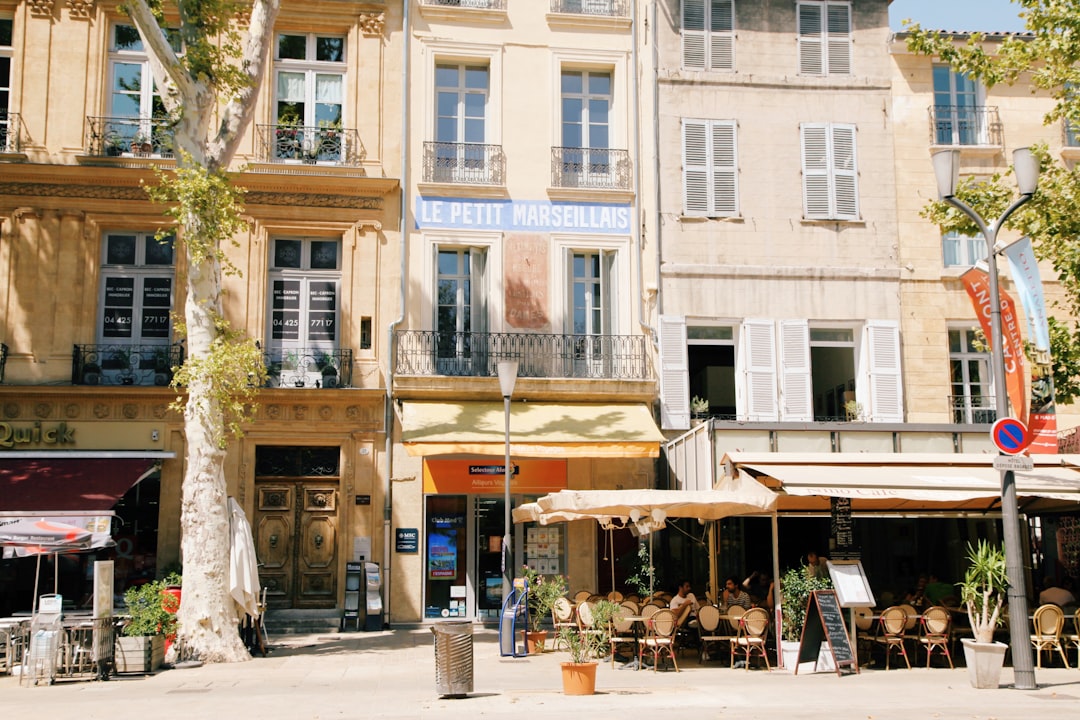
Provencal classic: plane-tree boulevards, fountain squares, Cézanne's light and lavender country.
- Best time to visit: April-June and September-October
- Daily budget (budget traveller): $130 to $230 USD
- Ideal trip length: 3 to 4 days
Aix-en-Provence is the south of France at its most civilised: a golden-stone old town of a thousand fountains, the Cours Mirabeau lined with plane trees and cafe terraces, and markets that smell of melon, olives and lavender. Cézanne painted Montagne Sainte-Victoire from here more than 30 times, and the mountain is still only a 20-30 minute drive east of town. Marseille, the Luberon villages and Cassis calanques all sit within a short drive.
Aix-en-Provence is a small city that behaves like a big one. About 145,000 people live here, roughly a quarter of them students, and the old town is a tight oval of honey-coloured limestone, shuttered mansions and fountains on almost every square. You can walk from one end to the other in 20 minutes. Most visitors still stay three days, because the point of Aix is to slow down. You sit on a terrace on the Cours Mirabeau at 10am with a €4.50 espresso, watch the plane-tree shadows move, and nobody hurries you. Cézanne was born here, painted Montagne Sainte-Victoire from a hillside above town more than 80 times in oil and watercolour, and the studio where he worked is still on the same road, mostly as he left it.
The city runs on a weekly rhythm, so plan around it. The big markets fill Place des Prêcheurs, Place de Verdun and the streets around the Hôtel de Ville on Tuesday, Thursday and Saturday mornings, and Place Richelme sells fruit and vegetables every day. Museums have their own calendar. The Musée Granet closes on Mondays and the Hôtel de Caumont changes exhibitions twice a year. Many small restaurants close on Sunday evening and Monday. Then there is the geography. Marseille is 35 minutes away by bus, the Cassis calanques about 50 minutes by car, the Luberon villages around an hour and the lavender plateau of Valensole a bit more than that. Aix is the base, and the day trips fan out in four directions.
Be honest with yourself about three things. Aix is one of the priciest towns in Provence, and the Cours Mirabeau terraces know it. Eat a block or two off the boulevard and the same plate costs €6 less. July and August are hot, often 33 to 37°C, and a hike up Sainte-Victoire in the afternoon is a bad idea, so start at 7am or save it for spring and autumn. And a car is useful for the countryside but a liability in town, so walk the centre and hire one only for the days you leave it. Do those three things and Aix is the easiest, most civilised week you can spend in the south of France.
How many days in Aix-en-Provence?
For Aix-en-Provence, we recommend 3 to 4 days.
| Trip length | What you'll see | Itinerary |
|---|---|---|
| 2 days | Vieil Aix and the Cours Mirabeau; Cézanne's Aix | Aix-en-Provence in 2 days |
| 3 days · Recommended | Adds: Market day, Mazarin and museums (Tue, Thu or Sat) | Aix-en-Provence in 3 days |
| 4 days · Recommended | Adds: Luberon villages by car | Aix-en-Provence in 4 days |
| 5 days | Adds: Marseille by bus | Aix-en-Provence in 5 days |
| 7 days | Adds: Cassis and the calanques; Sainte-Victoire, calissons | Aix-en-Provence in 7 days |
Aix-en-Provence itinerary
Arrive, Vieil Aix and the Cours Mirabeau
Morning: Land at Marseille Provence (MRS), take the airport shuttle (about €10, 30-35 min) to Aix's gare routière on Avenue de l'Europe. Walk 10 minutes to your hotel, drop bags and have a coffee and croissant at Maison Béchard, 12 Cours Mirabeau, open since 1870.
Afternoon: Walk the Cours Mirabeau from the Rotonde fountain to the Roi René statue, stopping at the mossy Fontaine Moussue, whose spring water is 34°C. Cut up Rue Espariat to Place d'Albertas, then Place de l'Hôtel de Ville and the clock tower.
Evening: Daube provençale at Chez Féraud (8 Rue du Puits Juif), then a rosé on a terrace along the Cours Mirabeau. Early bed.
Cézanne's Aix
Morning: Atelier Cézanne (9 Avenue Paul Cézanne, about €7) at opening, book online in summer. Walk five minutes uphill to Terrain des Peintres, free, for the Sainte-Victoire angle he painted from.
Afternoon: Lunch back in town (formule at a brasserie on Rue d'Italie), then a guided visit of the Jas de Bouffan, the family estate where he painted for 40 years (book via the tourist office). Short Uber or bus to Fondation Vasarely for the geometric 1970s building.
Evening: Follow the bronze 'C' studs in the pavement on the Cézanne trail back to the centre. Dinner at Le Zinc d'Hugo (22 Rue Lieutaud), then late jazz at Scat Club (11 Rue de la Verrerie).
Market day, Mazarin and museums (Tue, Thu or Sat)
Morning: Be at Place Richelme and Place des Prêcheurs by 8:30am for produce, olives, tapenade and goat cheese. Flowers fill Place de l'Hôtel de Ville. Then Saint-Sauveur cathedral (free, ask to see the cloister).
Afternoon: Picnic from the market in the Parc Jourdan, then the Musée Granet in the Mazarin quarter (about €8, closed Mondays) and the Hôtel de Caumont art centre (about €16) for whichever exhibition is on.
Evening: Dinner at Le Passage (10 Rue Villars), a former biscuit factory turned restaurant. Walk off dinner past the Fontaine des Quatre Dauphins.
Luberon villages by car
Morning: Pick up a hire car and park at the Parc Relais on the ring road, then drive 40 minutes to Lourmarin. Coffee on the main square, a look at the château and Camus' grave in the cemetery.
Afternoon: Drive on to Bonnieux for lunch, then Roussillon for the ochre trail (Sentier des Ocres, about €3.50). In late June to early July add Sénanque Abbey near Gordes for lavender.
Evening: Back in Aix by 7pm. Return the car, then light dinner of a pissaladière and a glass of Coteaux d'Aix rosé on Place des Augustins.
Marseille by bus
Morning: Zou! bus 50 from Aix gare routière (35 min, about €6, every 10 min). Walk down the Canebière to the Vieux-Port. Climb to Le Panier and the Vieille Charité.
Afternoon: MuCEM (about €11, closed Tuesdays) and the footbridge to Fort Saint-Jean. Lunch at the Vallon des Auffes, Chez Fonfon for bouillabaisse (expect €75+) or a cheaper plate of fried fish nearby. Buy navettes at Four des Navettes, 136 Rue Sainte.
Evening: Sunset at Notre-Dame de la Garde. Check the last bus 50 back to Aix before dinner, then a Vieux-Port aperitif and bus home.
Cassis and the calanques
Morning: Drive 50 minutes to Cassis (or bus 50 plus TER from Marseille Saint-Charles). Walk the easy Port-Miou calanque trail, about 40 minutes each way.
Afternoon: Fish lunch on Quai Barthélemy, then a 45-minute boat tour of three calanques (about €25-30). Tasting at Clos Sainte Magdeleine if you are driving the wine road.
Evening: Drive back to Aix for a quiet dinner on Place Richelme or Rue du Bon Pasteur.
Sainte-Victoire, calissons, depart
Morning: Start early at the Bimont dam car park (parking fee in season) for the Sainte-Victoire walk. Check the Bouches-du-Rhône fire-risk page after 6pm the day before. If the massif is closed, join the guided Bibémus quarry tour via the tourist office.
Afternoon: Down in town, buy calissons at Léonard Parli (35 Avenue Victor Hugo) or Maison Béchard, about €15-20 a box. Last lunch and coffee on the Cours Mirabeau.
Evening: Shuttle bus from the gare routière to MRS airport or bus 40 to the Aix TGV station for the Paris train.
Best neighbourhoods
- Vieil Aix: The pedestrian old town of fountains, squares, boutiques and the Saint-Sauveur cathedral.
- Cours Mirabeau: The grand plane-tree boulevard of cafe terraces, with fountains at each end.
- Quartier Mazarin: A refined 17th-century grid of mansions, antique shops and the Granet museum.
- Les Allées Provencales: A modern open-air shopping quarter linking La Rotonde to the Grand Théâtre de Provence.
- Puyricard & the countryside: Vineyards, bastides and hilltop views just outside town toward Sainte-Victoire.
Must-do experiences
- Cours Mirabeau and the fountains: Walk the boulevard and hunt down the mossy Fontaine Moussue and Rotonde.
- Atelier Cézanne: Visit the painter's preserved studio, left almost exactly as he worked in it.
- Provencal markets: Shop produce, flowers and antiques on Tuesday, Thursday and Saturday mornings.
- Montagne Sainte-Victoire: Hike or drive the Cézanne country route to the limestone ridge that defined his work.
Hidden gems
- Terrain des Peintres, a free hillside viewpoint with the exact Sainte-Victoire angle Cézanne painted.
- Pavillon de Vendôme, a small baroque mansion and garden that few visitors find.
- Fondation Vasarely, a wildly geometric 1970s art building on the western edge of town.
- The Bibémus quarries, on guided visits, for the ochre rock behind the paintings.
Daily budget
- Accommodation: budget €28-40 / night (HI hostel dorm), mid-range €110-190 (boutique double in the old town), splurge €350+ (Villa Gallici, Le Pigonnet). Rooms inside the ring road are scarce and pricey. Prices spike for the Festival d'Aix and lavender weeks, so book those dates 3 months ahead. A small tourist tax (about €1 to €4 a person) is added per night.
- Food: budget €25-35 / day (market picnic, boulangerie, plat du jour), mid-range €60-90 (formule lunch + a proper dinner), splurge €160+ (Clos de la Violette, Michelin-starred tasting menu). The local hack is the lunchtime formule: two courses for €16-24 in most brasseries off the Cours Mirabeau. Dinner the same food costs 40% more.
- Transport: budget €3-8 / day (walk, small-fare Diabline minibus, one local bus), mid-range €20-35 (Marseille bus + Uber for the airport or late nights), splurge €90+ (hire car €55-80 plus fuel and parking, or a private driver). The centre is entirely walkable. Aix-en-Bus tickets are about €1.50 a ride and the Diabline electric minibuses in the centre charge a small fare. The Zou! bus 50 to Marseille is roughly €6 each way.
- Activities: budget €10-20 / day (Atelier Cézanne about €7, plus free viewpoints and churches), mid-range €35-60 (Hôtel de Caumont, Granet, a guided Bibémus visit), splurge €120+ (private Luberon or lavender tour, Thermes Sextius spa). The cathedral, Terrain des Peintres, the fountains and the markets cost nothing. Small-group lavender tours from Aix run €70-100 for a half day.
- Drinks & nightlife: budget €8-12 (supermarket rosé or a €5 pint on Place des Cardeurs), mid-range €25-40 (terrace rosé, cocktails, a jazz night), splurge €70+ (cocktails at Villa Gallici, late club night). A glass of rosé on the Cours Mirabeau is €6-9, an espresso €4-5. Student bars around Place des Cardeurs and Rue de la Verrerie are far cheaper and livelier.
Where to stay
- Social hostel in Pont de l'Arc / Avenue Marcel Pagnol (€28-40 / night): The Auberge de Jeunesse (HI) is Aix's one real hostel. Dorms and privates, a shared kitchen, 20 minutes on foot to the Cours Mirabeau and beside Fondation Vasarely. Basic but friendly, and the cheapest bed in town by far.
- Boutique hotel in Quartier Mazarin (€120-200 / night): Hôtel Les Quatre Dauphins (54 Rue Roux-Alphéran) or Hôtel Cardinal (24 Rue Cardinale). Quiet 17th-century streets, five minutes from the Cours Mirabeau and next door to the Granet museum.
- Apartment in Vieil Aix side streets (Rue d'Italie, Rue Aude) (€90-150 / night): A stone-walled studio with beams, a small kitchen and a market a short walk away. Best value for 4+ nights. Avoid ground floors near Place des Cardeurs, which stays loud late.
- Splurge in Avenue de la Violette / Avenue du Pigonnet (€350-650 / night): Villa Gallici and Le Pigonnet are walled-garden hotels with pools and Provençal restaurants, a 10 to 15 minute walk from the Cours Mirabeau. Stay here in June to July for the full effect.
What to eat
- Calissons d'Aix, the almond and melon sweet
- Tapenade and anchoïade with market bread
- Daube provençale, slow beef in red wine
- Coteaux d'Aix and Côtes de Provence rosé
Day trips
- Luberon villages (Lourmarin, Bonnieux, Roussillon) (40 to 70 min by car): Hilltop villages, ochre cliffs and orchards. Lourmarin has the château and Camus's grave, Bonnieux has the best lunch views, Roussillon the red-and-orange Sentier des Ocres. Add Sénanque Abbey for lavender in late June to early July. Hire a car, about 45 to 70 minutes each way. Public buses to Cavaillon exist but connections inside the Luberon are sparse, so a small-group tour (€70 to €100) is the car-free option.
- Cassis and the calanques (50 min by car): A fishing harbour at the foot of Europe's highest sea cliffs. Walk the Port-Miou trail, take a three-calanque boat tour (€25 to €30), or hike to En-Vau on a cool day. The massif can close for fire risk or require reservations in summer. Drive via the A52 and D559. Without a car, bus 50 to Marseille Saint-Charles then a TER to Cassis (about 20 min), and a shuttle bus into the village (total about 1h45).
- Marseille (35 min by bus): France's second city: the Vieux-Port, Le Panier, the MuCEM (about €11) and bouillabaisse in the Vallon des Auffes. Louder and grittier than Aix, and the sea is a tonic after a week of fountains. Zou! bus 50 from Aix gare routière to Marseille Saint-Charles, every 10 minutes, about €6 each way. Last returns run late but check the timetable before dinner.
When to visit
- Spring (April - June): 14-26°C, mostly sunny, mistral gusts and the odd shower in April. Crowds: Building, comfortable until mid-June. The best window. Markets overflow with asparagus and strawberries, the Sainte-Victoire trails are open and cool, and terrace tables are easy to get. Late June adds the first lavender.
- Summer (July - August): 29-37°C, dry, strong sun, afternoon storms possible. Crowds: Heavy in July (Festival d'Aix, lavender tours), thinner but stifling in August. Lavender at Valensole peaks from late June to mid-July, but hotels cost 30% more and Sainte-Victoire closes on high fire-risk days. Many local restaurants shut for two weeks in August. Go for lavender, not for the heat.
- Autumn (September - October): 17-27°C, warm sun, heavier rain possible from mid-October. Crowds: Moderate, easing after the first week of October. The locals' favourite. Grape harvest in the Coteaux d'Aix vineyards, the Fête du Calisson on the first Sunday of September, warm evenings on the terraces and room to breathe at Cézanne's studio.
- Winter (November - March): 3-13°C, dry and bright, with cold mistral days. Crowds: Low. Cheapest hotels (often 30 to 40% less), truffle stalls in the markets, the Christmas market and 13 desserts in December. Some sights have short hours with a lunchtime closure, and the mistral can be brutal, so bring a windproof layer.
Entry rules for your passport
Visa rules for France depend on the passport you travel on. Check the official source before you book: European Commission: Schengen visa policy
Getting there
Marseille Provence Airport (MRS) is about 25km from Aix. The direct shuttle to Aix gare routière (Avenue de l'Europe) runs every 20 to 30 minutes, takes 30 to 35 minutes and costs about €10 one way. A taxi is €60 to €75, Uber roughly €45 to €60. By train, TGVs from Paris Gare de Lyon reach Aix TGV station in about 3 hours (from €25 if booked early). The station is 15km outside the city, and bus 40 links it to the gare routière in 15 minutes for about €5. From Marseille Saint-Charles take Zou! bus 50 (35 min, about €6, every 10 min) or the TER to Aix centre station (about 40 min, €8). For the Luberon and lavender you will want a hire car, €45 to €80 a day. Pick it up at the TGV station or gare routière rather than in the old town.
Border checks: non-EU visitors (other than Swiss, Norwegian, Icelandic, Liechtenstein, Andorran, Monegasque, San Marinese and Vatican citizens, and holders of an EU residence permit or long-stay visa) are registered in the EU's Entry/Exit System (EES) instead of getting a passport stamp. On your first crossing, officers take your photo and/or fingerprints, so allow extra time at passport control. ETIAS, the planned travel authorisation, is not in operation yet, so don't pay any website for one.
Getting around
Marseille Provence airport is about 30 minutes away by shuttle bus, and the Aix TGV station 15 minutes out puts Paris three hours away. The old town is entirely pedestrian and walkable in 20 minutes end to end, with small electric minibuses in the centre and buses covering the outskirts. A hire car is worth it for the Luberon, lavender fields and Sainte-Victoire, but leave it in a park-and-ride rather than the centre.
Safety
Aix is one of the safest cities in southern France, with student-town energy and low violent crime; pickpocketing at markets and on the Cours Mirabeau is the realistic risk. Summer heat regularly exceeds 35C with strong sun on exposed hikes, and wildfire risk closes Sainte-Victoire trails on high-danger days, so check restrictions before setting off. The mistral wind can be fierce, and rural roads are narrow and winding.
Solo travel tips
- Make the market your breakfast table: Place Richelme at 8:30am is the easiest place in town to start a conversation. Buy olives, a hunk of tomme and a baguette, sit on the edge of a fountain, and people will ask where you are from.
- Sit on the terrace without feeling watched: Cafe culture here is made for people who eat alone. Order one coffee and read for an hour, nobody rushes you. For price, choose a side square such as Place des Augustins or Place Forbin rather than the Cours Mirabeau.
- Hostel pick: the HI hostel at Pont de l'Arc: Aix has almost no hostels. The Auberge de Jeunesse on Avenue Marcel Pagnol is the one, a 20-minute walk from the centre. Dorms, a kitchen and a mix of walkers, students and cyclists. Meet people over the shared kitchen, not the bar.
- Join a small-group wine or cooking class: With 40,000 students and a food obsession, Aix does social classes well. Cooking workshops at Le Passage or half-day Coteaux d'Aix vineyard tours (€70-110) seat 6 to 10 and are full of solo travellers.
- Solo women: easy but plan the last mile: Aix is one of the safest cities in the south. Streets stay busy until midnight. The small electric Diabline minibuses stop in the early evening, so book an Uber for late returns from outside the ring road, and keep drinks in sight around Place des Cardeurs after 1am.
- Hike Sainte-Victoire with a plan: Start by 7am, carry 2 litres of water, and tell your hotel your route. There is almost no shade and signal drops out. Check the massif's fire status after 6pm the evening before, since it can close at short notice from June to September.
Cultural etiquette
- Say bonjour when you enter any shop, cafe or market stall, and au revoir when you leave. Skipping it is the quickest way to get cold service.
- Use vous with strangers and staff until invited otherwise, and try a few words of French before switching to English.
- Service is included in French bills. Leave €1 to €2 at a cafe or round up at a sit-down dinner, nothing like 20%.
- Lunch is 12 to 2pm and dinner starts around 7:30pm. Kitchens close between services, so a hungry 3pm usually means a boulangerie sandwich.
- At markets, let the vendor pick your fruit and do not squeeze it yourself. Cash is easiest, and bring your own bag.
- Cover shoulders and keep voices down in Saint-Sauveur cathedral. Do not walk into lavender fields without permission, they are working farms.
- Ask for une carafe d'eau for free tap water, and know that many shops and restaurants close on Sunday and Monday.
Frequently asked questions
How many days do you need in Aix-en-Provence?
Three to four days. One day covers the old town, Cours Mirabeau, the cathedral and a market morning, one is for Cézanne's studio, the Granet museum and Terrain des Peintres, and one or two for day trips to the Luberon villages, Cassis calanques or Marseille.
When is the best time to visit Aix-en-Provence?
April to June and September to October give warm days, full markets and comfortable hiking. Late June and July are lavender season in nearby Valensole but also the hottest and busiest. August is stifling and many local businesses close. Winter is mild, quiet and cheap, with the markets still running.
Is Aix-en-Provence worth visiting?
Yes, especially if you want an elegant, walkable base rather than a big city. The fountains, markets, Cézanne connection and cafe culture carry two or three days easily, and its position within an hour of Marseille, Cassis, the Luberon and the lavender plateau makes it one of the best bases in Provence.
Aix-en-Provence or Marseille, which should you stay in?
Aix is prettier, calmer, safer feeling and better for markets, wine and countryside trips. Marseille is bigger, grittier and better for sea, seafood, museums and the calanques. They are 30 minutes apart by bus or train, so many travellers base in Aix and day trip into Marseille.
Can you see lavender fields from Aix-en-Provence?
Yes, but not in the city itself. The Valensole plateau, the closest major lavender area, is about an hour by car and blooms from roughly mid-June to mid-July. Day tours run from Aix in season. Without a car, a guided tour is the practical option as public transport there is very limited.
Do you need a car in Aix-en-Provence?
Not for the town, which is compact and pedestrianised, with expensive and awkward central parking. A car makes a big difference for the Luberon, lavender fields, Sainte-Victoire and vineyards. A workable compromise is walking for the first days and hiring a car only for the day trips.
Is Aix-en-Provence expensive?
It is one of the pricier towns in Provence, with Cours Mirabeau terraces charging accordingly. Budget around $130 to $230 a day. Eating at market stalls or on the smaller squares behind the boulevard, staying just outside the ring road and using the cheap centre minibuses keeps costs closer to the lower end.
More about Aix-en-Provence
Tours and activities in Aix-en-Provence | Aix-en-Provence in 2 days | Aix-en-Provence in 3 days | Aix-en-Provence in 4 days | Aix-en-Provence in 5 days | Aix-en-Provence in 7 days
Can't decide? Compare Aix-en-Provence with...
Joy Plus home | Destinations | Itineraries | Activities | Flights | Budget planner | Calendar | Map | Blog | Lifetime access