Destinations / Asia
Alappuzha (Alleppey), India travel guide
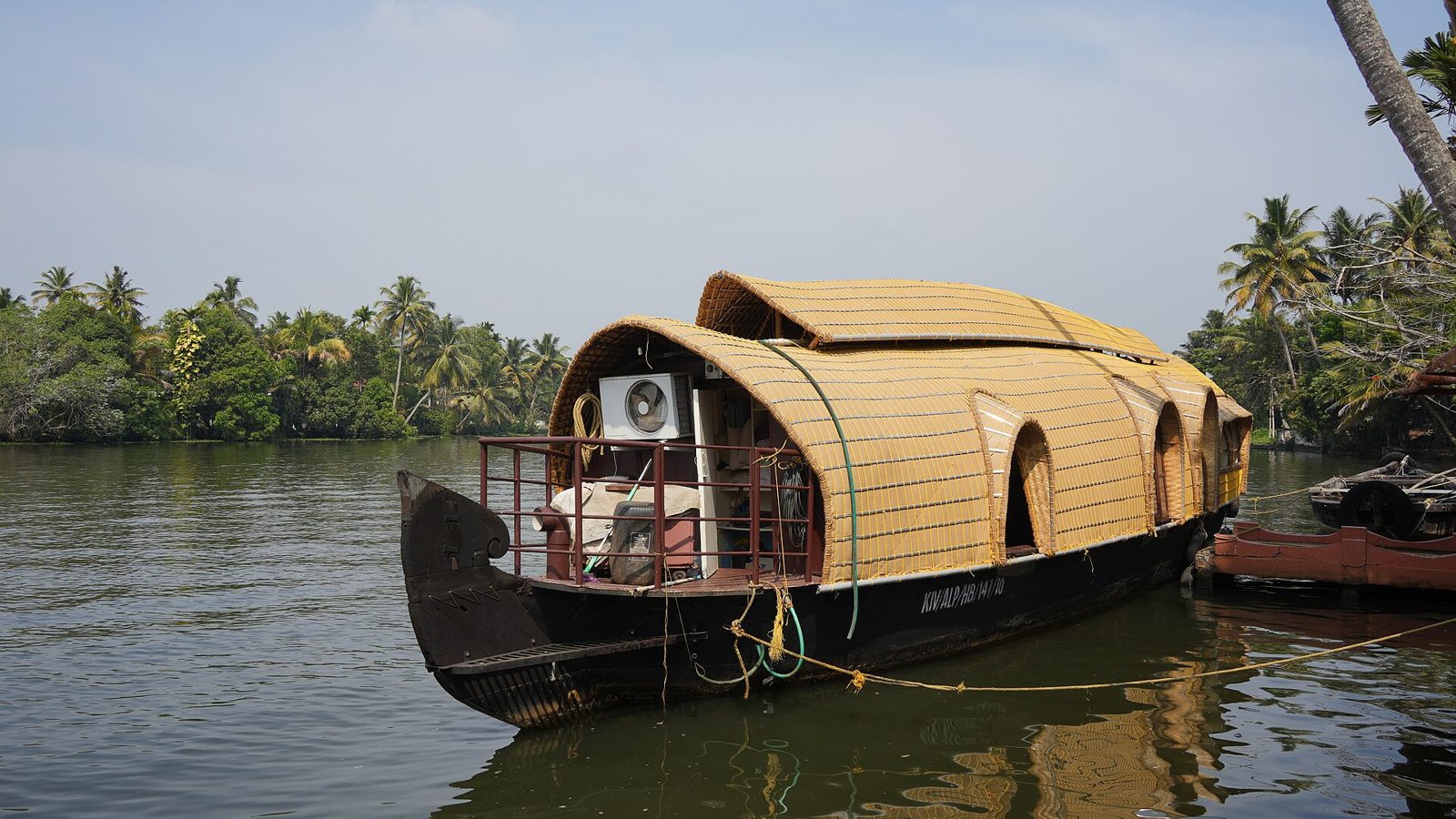
A canal town on Kerala's coast and the main gateway to the backwaters of Kuttanad. You sleep on a rice-barge houseboat, ride the government ferry past paddy fields for less than a dollar and eat fried pearl spot fish at a toddy shop on the water.
- Best time to visit: November to February
- Daily budget (budget traveller): $25 to $130 USD
- Ideal trip length: 3 to 5 days
Alappuzha, which most people still call Alleppey, sits on the Kerala coast between the Arabian Sea and Vembanad Lake. It is about 55km south of Kochi. The town grew up as a port and coir-making centre, and canals run through the middle of it, which is why it gets called the Venice of the East. The town itself is loud, busy and not especially pretty, but it is the starting point for the backwaters of Kuttanad. This is a maze of lakes, rivers and canals where rice is grown below sea level and villages run along narrow strips of land between the water. Most visitors come for a night on a houseboat. These are converted kettuvallam rice barges with a crew and a cook, moored at Punnamada and Finishing Point. You do not need one to see the backwaters, though. The state ferries cost a few rupees and carry schoolchildren, fishermen and shoppers through the same scenery, and small canoes can go up canals too narrow for the big boats. Add a long sandy beach with an old lighthouse, Marari Beach up the coast and Kerala food at local prices, and Alappuzha makes a cheap and rewarding stop for a solo traveller. It is hot and humid all year and very wet in the monsoon, and houseboat prices are set for couples. Plan around both.
Alappuzha is a working town of about 175,000 people at the southern end of Vembanad, the longest lake in India. It was laid out as a port in the 18th century under the Travancore kings, and later grew rich on coir, the rope and matting made from coconut fibre. Canals were cut through the centre to move goods, and old warehouses and coir factories still line some of them. The town is busy and the traffic is tiring, but within half an hour by boat you are out in Kuttanad. Here farmers grow rice on land reclaimed from the lake, sometimes below sea level, and life runs along the dykes and waterways. Most visitors stay one night and leave. Stay a few more and you can ride the commuter ferries, paddle the narrow canals at dawn, spend a day at Marari Beach and eat duck curry at a toddy shop.
Getting here is easy. Kochi International Airport is about two hours north by road. From Ernakulam, trains and frequent KSRTC buses take about 1 to 1.5 hours and cost a dollar or two. Trains also run south to Kollam and Thiruvananthapuram. Once you are here, use autos on land and boats on the water. The State Water Transport jetty sits opposite the KSRTC bus stand, with ferries to Kottayam and the Kuttanad villages. Houseboats and canoe tours start from Punnamada and Finishing Point. Base yourself near the beach for hostels and sea air, in the centre for ferries, or in a Kuttanad homestay to live on the water.
Timing shapes the trip. November to February is dry and busy, and houseboat prices are highest over Christmas and New Year. March to May is very hot. The southwest monsoon arrives in June and brings heavy rain until September, but also a deep green landscape, low prices and the snake boat races. The biggest is the Nehru Trophy, held on Punnamada Lake in August. People are friendly, English is widely spoken in tourist businesses, and Kerala is one of the easier states in India for a first solo trip. Alappuzha is not a party town. Some bars serve beer, but evenings mostly mean a walk on the beach, a fish dinner and an early night before a morning boat.
Alappuzha (Alleppey) itinerary
Arrive and find your feet
Morning: Take a train or bus from Ernakulam (about 1 to 1.5 hours). Drop your bag at a beach-side hostel or guesthouse.
Afternoon: Have a banana-leaf lunch in town, then walk along the Vadai canal past the old coir warehouses. Rest through the hottest part of the day.
Evening: Watch the sunset at Alappuzha Beach and climb the lighthouse if it is open. Eat banana fritters from the beach stalls.
Ferry across the backwaters
Morning: Catch the 7.15am or 9.35am State Water Transport ferry towards Kottayam (around ₹29). Watch the paddy fields, churches and village jetties go past.
Afternoon: Have lunch near the Kottayam jetty, then take a ferry or bus back to Alappuzha. Escape the heat in the Revi Karunakaran Museum (closed Mondays).
Evening: Dinner of karimeen pollichathu and appam in the town centre.
Houseboat day
Morning: Do a canoe tour of the narrow canals at dawn, with breakfast in a village home. Return to town to pack an overnight bag.
Afternoon: Board your houseboat at Punnamada or Finishing Point around noon. Lunch on board as you cruise across Vembanad Lake and into Kuttanad.
Evening: The boat anchors around 5.30pm. Walk along the dyke, watch the light fade over the rice fields and eat dinner cooked by the crew.
Marari Beach
Morning: Leave the houseboat by 9am. Take a bus or auto north to Marari (30 to 40 minutes).
Afternoon: Walk the wide beach past the fishing boats. Swim only in calm water near other people, then eat a fish curry lunch at a beach shack or homestay.
Evening: Stay for the sunset and head back to town. Have an easy dinner and an early night.
Kuttanad villages and a toddy shop
Morning: Take a local ferry towards Kainakary or Nedumudi and get off at a village jetty. Walk along the canal paths.
Afternoon: Have a long toddy-shop lunch of duck roast, tapioca and fish curry by the water. Ferry back to town.
Evening: Watch the canal-side street life in Mullakkal, then have dinner at a café on Beach Road.
Champakulam and Ambalappuzha
Morning: Take a bus or ferry south-east to Champakulam and visit St Mary's Forane Church, one of the oldest in Kerala.
Afternoon: Continue to Ambalappuzha for the Sri Krishna Temple, famous for its sweet milk payasam. Respect the dress code and entry rules.
Evening: Back in Alappuzha for a last sunset on the beach, or a slow evening at your guesthouse.
Slow morning and depart
Morning: Have appam and stew for breakfast and buy coir crafts or spices in the town centre.
Afternoon: Take a train or bus north to Ernakulam or Kochi airport, or south to Kollam and Varkala. Check times the day before.
Evening: Arrive in Fort Kochi, or carry on to your next stop.
Best neighbourhoods
- Mullakkal and the town centre: The commercial heart of Alappuzha, set between the Vadai and Commercial canals around the Mullakkal Rajarajeswari Temple. You are close to the KSRTC bus stand, the boat jetty, banks, cheap restaurants and shops selling coir and spices. It is noisy and crowded in the daytime, but it is the most practical base if you plan to use the ferries.
- Beach Road and the lighthouse: The western edge of town, where the streets run down to a long sandy beach, an old pier and the red-and-white lighthouse. Most hostels and several heritage guesthouses are here. It is calmer than the centre, it gets a sea breeze in the evening, and the railway station is a short auto ride away.
- Punnamada and Finishing Point: The lakeside area north-east of the centre, where most houseboats moor and the Nehru Trophy Boat Race is held. You will find resorts, homestays and boat offices along the water. It suits you if you want to step straight onto a boat or a canoe, but it is a few kilometres from town and you need an auto to get to restaurants.
- Kuttanad villages (Kainakary and around): Villages out on the backwaters, reached by ferry, canoe or a resort boat. Homestays here put you among the paddy fields, toddy shops and canal-side houses. It is the most peaceful option and the best value for seeing backwater life, but evenings are quiet and you depend on boats to get anywhere.
- Marari and Mararikulam: A fishing village and beach about 15km north of town, with coconut groves, a wide beach and boutique resorts. It feels a long way from Alappuzha's traffic. Buses and autos link it to town, so you can stay here and still take a houseboat or ferry from Alappuzha.
Must-do experiences
- Spend a night on a houseboat: Boats board around noon, cruise until about 5.30pm, anchor for the night and return by 9am, with all meals cooked on board. In 2026 a one-bedroom deluxe boat costs roughly $80 to $115 USD a night plus GST, and that price is for the whole boat. Solo travellers can save by taking a room on a shared boat instead.
- Ride the government ferry to Kottayam: State Water Transport ferries leave from the jetty opposite the KSRTC bus stand. The trip across Vembanad Lake and through Kuttanad takes about 2.5 to 3 hours and costs around ₹29, well under $1 USD. Morning departures are at 7.15am and 9.35am. Pay on board and sit on the side away from the sun.
- Take a canoe through the narrow canals: Small canoes and shikaras get into village canals the houseboats cannot reach. On a half-day tour you pass houses, temples and people washing in the water, and many tours stop for breakfast in a family home. Expect about $10 to $25 USD a person on a shared tour. Go early, while it is still cool.
- Watch the sunset at Alappuzha Beach: The beach has the rusting remains of an old pier, fishing boats and food stalls that busy up in the evening. Climb the lighthouse nearby for views over the coconut palms to the sea. Foreigners pay about ₹50-60, plus a small camera fee, and it is mostly open in the afternoon.
- See the Revi Karunakaran Museum: This private museum belonged to a family of coir traders, and its collection covers Swarovski crystal, ivory, porcelain, jade and old Kerala furniture. Entry is about ₹150-200, and photos are not allowed inside. It is closed on Mondays and is a good place to escape the midday heat.
- Spend a day at Marari Beach: Marari is a wide, clean beach with fishing boats on the sand and none of the crowds of Kovalam or Varkala. It is about 30 to 40 minutes north by bus or auto. Swim only where locals do and in calm conditions, because the currents can be strong.
- Eat lunch at a toddy shop: Toddy shops (kallu shaap) serve palm wine alongside some of the spiciest and best food in Kerala: fried karimeen, duck roast, tapioca and fish curry. Many sit right on the canals in Kuttanad. A big lunch costs a few dollars. Go with a guide or a local if you are unsure, as some shops are mostly for men.
Hidden gems
- The early morning ferries out of the town jetty, when they are full of schoolchildren and workers and the mist is still lying on the paddy fields
- St Mary's Forane Church in Champakulam, one of the oldest churches in Kerala, reached along a quiet stretch of river
- Pathiramanal, a small wooded island in Vembanad Lake with good birdlife, which most houseboats sail straight past
- The Vadai canal in the late afternoon, lined with old warehouses from the coir trade, when the town starts to cool down
- The beach-side snack stalls at dusk selling banana fritters (pazham pori) and spicy peanuts, popular with local families rather than tourists
Daily budget
- Accommodation: budget $6-12 / night (hostel dorm), mid-range $30-70 (heritage guesthouse or lakeside homestay), splurge $150+ (Marari beach resort or luxury houseboat). Prices peak from mid-December to early January and drop sharply in the monsoon. GST is added to hotel and houseboat bills. Single rooms in homestays are often discounted if you ask.
- Food: budget $5-10 / day (Kerala meals, chai, street snacks), mid-range $15-25 (café breakfast and a fish dinner), splurge $40+ (resort dining, big karimeen and prawn spreads). A banana-leaf thali is about $1.50 to $3. Fish such as karimeen and tiger prawns are often priced by size, so ask before ordering.
- Transport: budget $1-4 / day (ferries, buses, a few autos), mid-range $8-20 (autos, scooter hire or a taxi to Marari), splurge $25-40 (airport taxi or private car for a day trip). The Kottayam ferry costs about ₹29. Trains and buses to Ernakulam cost a dollar or two. Agree auto fares before you set off.
- Activities: budget $0-5 / day (ferries, beach, lighthouse), mid-range $10-25 (canoe tour, museum at ₹150-200), splurge $80-115+ (private houseboat night, plus GST). A room on a shared houseboat starts at around ₹5,000 and a private day cruise from about ₹6,500. The Revi Karunakaran Museum closes on Mondays.
- Drinks & nightlife: budget $1-3 (toddy, fresh juice or coconut water), mid-range $5-12 (beers at a licensed bar or hotel), splurge $20+ (cocktails at a resort). Kerala has strict alcohol licensing. Beer and spirits are sold in licensed bars, hotels and state-run shops, and some days are dry. Toddy shops serve palm wine.
Where to stay
- Social hostel in Beach Road ($6-12 / night (dorm)): Zostel and other backpacker hostels near the beach have dorms, common rooms and help with booking canoe tours and shared houseboats. It is the easiest place to meet people and split costs.
- Boutique hotel in Beach Road ($90-160 / night): Raheem Residency is a restored heritage house opposite the beach, with a small pool and a calm courtyard. The station is a short auto ride away, and it makes a quiet base after a busy day in town.
- Homestay in Kuttanad villages or Punnamada ($25-60 / night): Family-run homestays on the backwaters give you home-cooked Kerala meals, canoes at the door and evenings by the water. Check how you get in and out by boat or road before you book.
- Splurge in Marari ($200-400+ / night): Marari Beach Resort by CGH Earth has thatched villas in coconut groves just behind the beach, with a pool and Ayurveda treatments. It is about 30 minutes from town for houseboats and ferries.
What to eat
- Karimeen pollichathu: pearl spot fish marinated in spices, wrapped in banana leaf and pan-fried. It is the signature dish of the backwaters
- Kerala meals (sadya-style thali): rice with sambar, avial, thoran, pickle and papadum on a banana leaf, for about $1.50 to $3 USD at local lunch spots
- Duck roast or duck curry: Kuttanad farmers raise ducks in the paddy fields, and it comes with appam or porotta
- Toddy-shop dishes: tapioca with fiery red fish curry, fried mussels and prawn roast, best with a glass of fresh palm toddy if you drink
- Appam and stew for breakfast: lacy rice pancakes with a mild coconut-milk vegetable or chicken stew
- Banana fritters, fresh coconut water from roadside sellers and a glass of sweet milky tea at any chai stall
Day trips
- Kumarakom (About 35km by road, around 1 hour, on the far side of Vembanad Lake): Lakeside resorts, quieter backwaters and a bird sanctuary that is best at dawn, when herons, cormorants and kingfishers are active. It makes a calm contrast to Alappuzha's busy jetties. Take a bus or taxi via Kottayam, or take the State Water Transport ferry to Kottayam and an auto onwards. Some houseboats and day cruises also cross the lake to Kumarakom.
- Fort Kochi (About 60km north, 1.5 to 2 hours by train or bus plus a ferry): Chinese fishing nets, colonial streets, spice warehouses, art cafés and the Mattancherry Palace and synagogue area. It is a long day, but easily done. Take a train or KSRTC bus to Ernakulam, then the cheap state ferry or Water Metro from the Ernakulam jetty to Fort Kochi. Check the last train or bus back.
- Krishnapuram Palace (About 45km south, near Kayamkulam, 1.5 hours by bus): An 18th-century Travancore palace in Kerala style, with gabled roofs, a large pond and one of the biggest mural paintings in Kerala. It is small, quiet and has few visitors. Take a KSRTC bus or train south to Kayamkulam, then an auto for the last few kilometres. Entry is a small fee, and like most Kerala archaeology sites it is usually closed on Mondays.
When to visit
- Dry season (November - February): 23-32°C, mostly dry, slightly less humid, short showers in November. Crowds: Busy, very busy from mid-December to early January. The best weather for houseboats and beach evenings. Book boats and rooms early for Christmas and New Year, when prices jump.
- Hot season (March - May): 26-34°C, very hot and humid, pre-monsoon storms in May. Crowds: Moderate, with Indian school holiday crowds in April and May. Fine if you handle heat well and get out early. Ask for an air-conditioned boat. The 30-day e-visa is cheaper for arrivals from April to June.
- Monsoon (June - August): 24-30°C, heavy rain, grey skies and rough seas. Crowds: Low until the boat races in July and August. Lush, cheap and dramatic, with big houseboat discounts. Boat races run through the season, with the Nehru Trophy on Punnamada Lake in August. Expect some cancelled trips and flooding.
- Late monsoon (September - October): 24-31°C, lighter rain, with northeast monsoon showers from October. Crowds: Low to moderate. A good shoulder season. The paddy fields are green, prices are still low and the rain eases off. Some afternoon downpours.
Entry rules for your passport
Visa rules for India depend on the passport you travel on. Check the official source before you book: Government of India e-Visa portal
Getting there
Alappuzha has no airport. The nearest is Kochi International Airport, about 85-90km north and 2 hours by road. A taxi costs roughly $25 to $40 USD, or you can take a bus or taxi to Ernakulam and change there. Thiruvananthapuram airport is about 150km south. Kochi accepts e-visa arrivals and has flights from the Gulf, Singapore and Indian cities. Trains link Alappuzha with Ernakulam in about 1 to 1.5 hours and run on to Kollam and Thiruvananthapuram. Book on the Indian Railways IRCTC site or at the station, as fares are low but sleeper and AC classes fill up. KSRTC buses run very often along the coast road from Ernakulam and Kollam. They arrive at the bus stand in the centre, next to the boat jetty. From Kottayam you can arrive by state ferry, a 2.5 to 3 hour trip for around ₹29. A State Water Transport tourist boat from Kollam has run at 10.30am for ₹600, but not every year, so check it is operating before you plan around it.
Getting around
The centre of Alappuzha is flat and you can walk between the bus stand, the jetty and the canal streets, though traffic is heavy and pavements are poor. Autorickshaws are the usual way to get around. Short hops cost roughly ₹50-100, and the beach to Finishing Point is a bit more. Agree the fare before you get in, because meters are rarely used. Ride-hailing apps work patchily here, so it is better to ask your guesthouse to call an auto. KSRTC and private buses run frequently along the main road north to Marari and Kochi and south towards Ambalappuzha and Kollam. Fares are low and you pay the conductor. The real network is on the water. State Water Transport ferries leave from the jetty opposite the KSRTC bus stand for Kottayam, Kainakary, Nedumudi and other villages, and fares are a few rupees. Many guesthouses rent scooters for about $5 to $7 USD a day, but only ride if you have an international licence and some experience of Indian roads. Houseboats and canoes can usually pick you up from Punnamada, Finishing Point or a village jetty.
Safety
Alappuzha is generally safe, and violent crime against visitors is rare. The commonest problems are pressure selling and overcharging. Touts meet trains and buses offering houseboats and rooms, so book through your guesthouse or a known operator. On houseboats, check that the boat is registered, that there are life jackets and that the crew will stop cruising at dusk. Do not swim in the backwaters. At the beach, currents are strong and the sea is dangerous in the monsoon, so swim only where locals do and never alone. Solo women should dress modestly in town, may face staring or the odd unwanted comment, and should read reviews before booking a private houseboat with an all-male crew. A shared boat or a well-reviewed operator is a good middle ground. Drink bottled or filtered water, use mosquito repellent against dengue, and be careful crossing roads. India's emergency number is 112. Travel insurance with medical cover is essential.
Solo travel tips
- Split the houseboat price: Private boats cost the same for one or two. Take a room on a shared boat, team up with someone from your hostel, or do a day cruise and a canoe tour instead.
- Use the government ferries: The state ferries cost a few rupees and run through the same backwaters as the houseboats. Go early in the morning, when the light is best and the boats are full of locals.
- Book away from touts: Ignore anyone offering houseboats at the station or bus stand. Ask your guesthouse, compare written quotes and check that GST and meals are included.
- Work around the heat: Do boats, walks and the beach before 10am or after 4pm. Spend the middle of the day in museums, cafés or your room.
- Safety for solo travellers: The main risks are traffic, strong currents at the beach and pushy sales. Never swim in the backwaters, swim in the sea only near others, and have your guesthouse call autos after dark.
- Meet people on a canoe tour: Shared canoe tours, hostel common rooms and homestay dinners are the easiest places to meet other travellers. Homestay hosts are also good for advice on ferries and toddy shops.
Cultural etiquette
- Greet people with 'namaskaram' and a smile. A few words of Malayalam, such as 'nanni' (thank you), go down well.
- Dress modestly in town, covering your shoulders and knees. Keep swimwear for the beach and your houseboat.
- Take off your shoes before entering homes, temples and some shops, and on houseboats if the crew asks.
- Many Kerala temples, including Ambalappuzha, allow only Hindus into the inner shrine, and men may need to remove their shirts. Follow the signs and ask before taking photos.
- Eat and pass things with your right hand. Eating rice with your fingers off a banana leaf is normal, and cutlery is usually available.
- Ask before photographing people, especially women and fishermen at work.
- Tip houseboat crews about ₹500-1,000 per night for the whole crew, and round up for good service in restaurants.
Frequently asked questions
How do I get to Alappuzha from Kochi airport?
Kochi International Airport is the nearest, about 85-90km north. A taxi takes around 2 hours and costs roughly $25 to $40 USD. To travel cheaply, take the airport bus or a taxi to Ernakulam, then a train or KSRTC bus south. Trains take about 1 to 1.5 hours and buses a little longer, and both cost a dollar or two. Alappuzha railway station is near the beach, and the bus stand is in the centre next to the boat jetty.
How many days do I need in Alappuzha?
Two nights covers a houseboat night and an evening on the beach. Three to five nights lets you add the ferry to Kottayam, a canoe tour, Marari Beach and a lazy toddy-shop lunch. A week works if you want to stay in a Kuttanad homestay or add day trips to Kumarakom, Fort Kochi or Krishnapuram Palace.
When is the best time to visit Alappuzha?
November to February is dry, a little less humid and the busiest time of year, and houseboat prices peak at Christmas and New Year. March to May is very hot. The monsoon runs from June to September, bringing heavy rain, lush green paddy fields and low prices. Late summer is also boat race season, and the 72nd Nehru Trophy Boat Race was held on Punnamada Lake on 22 August 2026.
Is a houseboat worth it for a solo traveller?
It can be, but it is expensive. Private boats are priced for the whole boat, so a one-bedroom deluxe boat costs about $80 to $115 USD plus GST whether you are one person or two. Rooms on shared boats start at around ₹5,000, and a day cruise from about ₹6,500. To see the backwaters on a tight budget, combine the government ferry with a canoe tour and save the houseboat for a splurge.
Can I take a boat from Alappuzha to Kollam?
There is a State Water Transport tourist boat that takes about eight hours, leaves at 10.30am and costs ₹600. It has not always run in recent years and has mostly been seasonal, roughly December to March. Tickets are sold at the jetty on the day. Check at the DTPC counter by the jetty before you plan around it. If it is not running, trains and buses to Kollam take about 1.5 to 2 hours.
How do I avoid houseboat scams?
Ignore touts at the station and bus stand. Book through a well-reviewed operator or your guesthouse, and ask for the price in writing with GST, meals and timings included. Check whether air conditioning runs all the time or only at night. Make sure the boat is registered and has life jackets, and expect it to cruise from about noon to 5.30pm, then anchor for the night.
Is Alappuzha safe for solo female travellers?
Mostly, yes. Kerala is one of the more relaxed states in India for women travelling alone, and plenty do. Dress modestly away from the beach, use autos booked by your guesthouse after dark and avoid empty stretches of the beach at night. If you do not want to be alone with a private houseboat crew, choose a shared boat, a day cruise or a highly rated operator.
What are India's entry rules for 2026?
Visitors from the UK, US, EU, Canada and Australia need a visa, and none can get one on arrival. Most apply for an e-Tourist visa on the official site, indianvisaonline.gov.in. A 30-day visa costs $25 USD, or $10 for arrivals between April and June. A one-year visa is $40. A five-year visa is $200 for most nationalities, $160 for Americans and $484 for British passports, plus a 3% bank charge. Kochi airport accepts e-visas. Check the official site and your government's travel advice before you go.
Tours and activities in Alappuzha (Alleppey) | Alappuzha (Alleppey) in 2 days | Alappuzha (Alleppey) in 3 days | Alappuzha (Alleppey) in 4 days | Alappuzha (Alleppey) in 5 days | Alappuzha (Alleppey) in 7 days
Can't decide? Compare Alappuzha (Alleppey) with...
Joy Plus home | Destinations | Itineraries | Activities | Flights | Budget planner | Calendar | Map | Blog | Lifetime access