Destinations / Asia
Amritsar, India travel guide
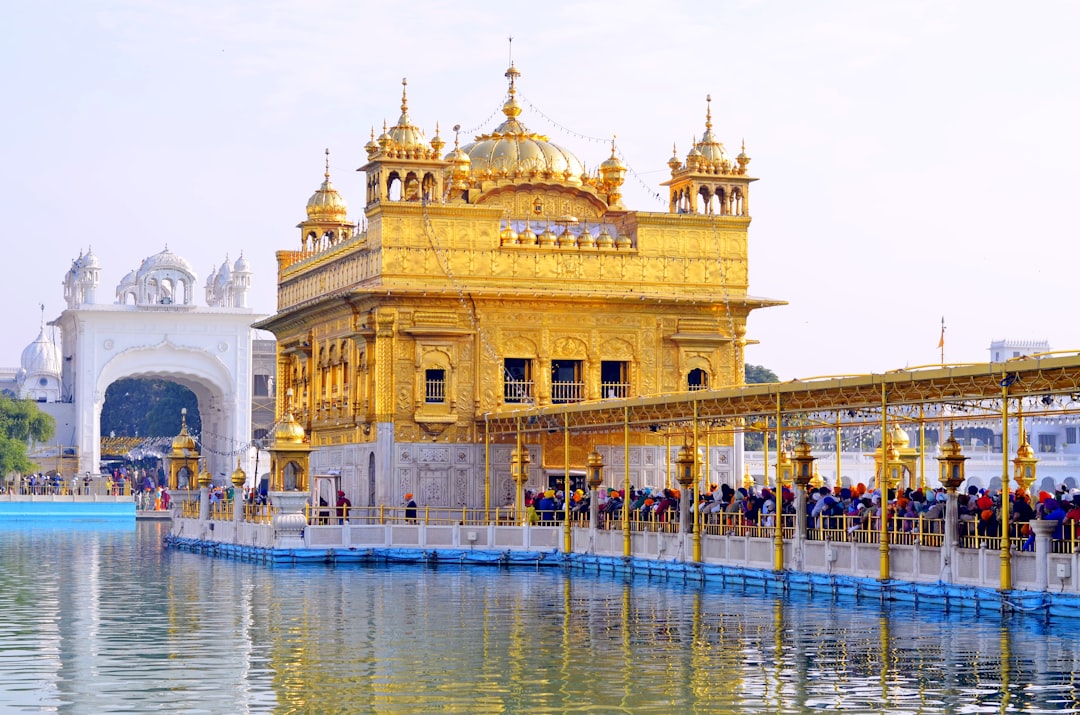
The Golden Temple, the world's biggest free kitchen and Punjab's loudest, warmest welcome.
- Best time to visit: November-March
- Daily budget (budget traveller): $20 to $55 USD
- Ideal trip length: 2 to 3 days
Amritsar runs on two things: devotion and butter. The Golden Temple glows over its sacred tank around the clock, feeding up to 100,000 people a day for free, while the old city outside serves some of the richest food in India. Add the Partition Museum, Jallianwala Bagh and the theatrical border ceremony at Wagah and you have a city that hits harder than its size suggests. Joy Plus times the temple visits, the langar and the border run so nothing clashes.
Amritsar is a city that runs on devotion and butter, in that order. At its centre, the Golden Temple (Sri Harmandir Sahib) sits on a sacred tank, open 24 hours and welcoming to everyone. Its kitchen, the Guru Ram Das Langar Hall, serves free vegetarian meals to somewhere between 50,000 and 100,000 people a day. You do not need a ticket, a reservation or a religion. You need a covered head, bare feet and a willingness to sit on the floor between a retired army colonel and a family of six from Bihar.
Outside the marble, the old city does the rest. Heritage Street funnels you through car-free lanes toward the temple, and behind it the bazaars of Katra Jaimal Singh and Hall Bazaar sell phulkari scarves, jutti shoes and wedding steel. Lassi arrives in tumblers the size of a small vase. Kulchas come out of tandoors glistening with butter, and jalebis are fried to order. Then the history lands. Jallianwala Bagh, with its bullet-scarred walls, is a three minute walk from the temple. The Partition Museum in the old Town Hall is the best-curated hour you will spend in India, built from survivor testimony and the objects people carried across a new border in 1947.
Amritsar rewards sequencing more than ambition. Go to the temple at 4am or after 9pm, when the marble is cool and the kirtan carries across the water. Eat the heavy food at lunch and walk it off in the afternoon. Leave for the Wagah border ceremony by 2pm, because the queue for the stadium is part of the sport. It is also a brutal place to visit in May and June, when temperatures pass 42°C. Come between October and March, pack a scarf and slip-on shoes, and give it three days. That is enough to see it properly and still leave hungry.
How many days in Amritsar?
For Amritsar, we recommend 2 to 3 days.
| Trip length | What you'll see | Itinerary |
|---|---|---|
| 2 days · Recommended | Langar and the Golden Temple after dark; Dawn at the temple, Jallianwala Bagh and the Partition Museum | Amritsar in 2 days |
| 3 days · Recommended | Adds: Old city food crawl and Gobindgarh Fort | Amritsar in 3 days |
| 4 days | Adds: Ram Bagh and the Wagah border ceremony | Amritsar in 4 days |
| 5 days | Adds: Tarn Taran Sahib and Harike wetlands | Amritsar in 5 days |
| 7 days | Adds: Khalsa College, volunteer in the kitchen; Final parikrama | Amritsar in 7 days |
Amritsar itinerary
Arrive, langar and the Golden Temple after dark
Morning: Land at ATQ and take a prepaid taxi or Uber (₹400-600, 30 min) to Heritage Street. Or arrive on the 12029 Swarna Shatabdi from New Delhi and take a cycle rickshaw (₹60-100) from Amritsar Junction. Drop bags and have breakfast kulcha at Bharawan Da Dhaba by Town Hall.
Afternoon: Leave shoes at the free counter near Gate 1, wash your feet in the trough, cover your head. Join the line for langar in the Guru Ram Das Langar Hall, then walk the parikrama slowly.
Evening: Come back after sunset when the temple glows in the tank. Take kada prasad at the sanctum, sit by the water until the Sukhasan ceremony, then early bed.
Dawn at the temple, Jallianwala Bagh and the Partition Museum
Morning: Be at the temple by 4am to watch the Guru Granth Sahib arrive in the palki, then sit for morning kirtan. Take a free breakfast of chai and prasad. Walk the Akal Takht side before the crowds build.
Afternoon: Visit Jallianwala Bagh (free, 3 min walk), then the Partition Museum in Town Hall (10am to 6pm, closed Mondays). Give it two full hours. Late lunch at Kesar Da Dhaba, near the temple, for dal and phirni.
Evening: Wander Katra Jaimal Singh for phulkari scarves and juttis, with a lassi at Ahuja Milk Bhandar. Return to the temple for a last look.
Old city food crawl and Gobindgarh Fort
Morning: Start with jalebis at Gurdas Ram Jalebi Wale, then kulcha at Bharawan Da Dhaba or Kulcha Land on Ranjit Avenue. Tell yourself it is a walking tour and drink a glass of lassi after.
Afternoon: Rickshaw to Durgiana Temple, the Hindu mirror of Harmandir Sahib on its own sarovar. Afternoon at Gobindgarh Fort (about ₹50 entry plus show tickets), the Maharaja Ranjit Singh sound and light show, and a puppet show.
Evening: Dinner on Lawrence Road: Makhan Fish and Chicken Corner for ajwain fish fry, then kulfi. Walk it off down the main road before an auto home.
Ram Bagh and the Wagah border ceremony
Morning: Walk the gardens at Ram Bagh and the Summer Palace of Maharaja Ranjit Singh while it is still cool. Light lunch back in town, and pack a passport copy and phone only.
Afternoon: Leave by 2pm for Attari-Wagah (30 km, about an hour). Use the foreigners' queue with your passport, and expect airport-style security. The ceremony starts around 4:30 to 6pm depending on the season.
Evening: Watch the high kicks, drumming and flag-lowering with a crowd chanting from the stands. Back in town by 7:30pm for dinner at Haveli on GT Road (₹800-1,200 per head).
Tarn Taran Sahib and Harike wetlands
Morning: Hire a cab (₹2,500-3,500 for the day) for Tarn Taran Sahib, 25 km south. Its sarovar is the largest of any gurdwara, and the pilgrim crowds are much calmer than Amritsar.
Afternoon: Continue to Harike Wetland (about 1.5 hours). November to February brings migratory ducks and cranes, and a boat ride runs a few hundred rupees. Packed lunch from the temple or a dhaba en route.
Evening: Return to Amritsar for dinner at Crystal or a simple tadka at a street dhaba. Rest your feet.
Khalsa College, volunteer in the kitchen
Morning: Autos to Khalsa College, the red-brick Indo-Saracenic campus, free to walk through on weekdays. Then a slow breakfast of puri-chole on the way back.
Afternoon: Return to the temple and volunteer at the langar: wash steel plates, roll rotis or peel vegetables. A 30-minute shift is welcomed and humbling. Then an afternoon rest at the hotel.
Evening: Last bazaar run for souvenirs. Dinner at Kesar Da Dhaba or a rooftop on Heritage Street, then sit by the water one more time.
Final parikrama and depart
Morning: Walk the Golden Temple at 6am, take one more cup of kada prasad, and buy a small kada (steel bangle) from a stall by the gate.
Afternoon: Late lunch of kulcha and chole. Taxi or Uber to ATQ (₹400-600) or autos to Amritsar Junction for the afternoon Shatabdi.
Evening: Fly out or ride the evening train to Delhi with a tin of Amritsari papad and wadiyan from the bazaar.
Best neighbourhoods
- Golden Temple / Heritage Street: The pedestrianised approach to Harmandir Sahib, with the best-located stays.
- Old City bazaars: Katra Jaimal Singh and Hall Bazaar: fabric, phulkari, jutti shoes and street food.
- Lawrence Road: Modern cafes, ice-cream parlours and Amritsar's evening promenade.
- Ranjit Avenue: Leafy, planned and quiet, with mid-range hotels and restaurants.
- Wagah / Attari road: The route west to the border ceremony, past mustard fields and dhabas.
Must-do experiences
- Golden Temple before sunrise: Walk the marble parikrama as the Guru Granth Sahib is carried in and kirtan starts.
- Eat in the langar: Sit cross-legged with thousands for free dal and roti, then volunteer washing steel plates.
- Partition Museum: The world's first museum of the 1947 Partition, told through survivor testimony a short walk from the temple.
- Wagah border ceremony: High-kicking guards, roaring crowds and the daily flag lowering on the Pakistan frontier. Since the May 2025 conflict the gates stay shut and the handshake is gone.
Hidden gems
- Gobindgarh Fort at night for the Punjabi food street and sound-and-light show.
- Jallianwala Bagh's bullet-marked walls and the well, minutes from the temple.
- Durgiana Temple, a Hindu mirror of the Golden Temple on its own tank.
- The 24-hour roti machine and the giant langar kitchen tour behind the dining halls.
Daily budget
- Accommodation: budget ₹500-900 / night (hostel dorm, or a free sarai room at the temple), mid-range ₹2,800-4,500 (3 or 4-star double), splurge ₹10,000-18,000 (Taj Swarna). Heritage Street stays save you the daily taxi. The temple's Sri Guru Ram Das Niwas sarai is free or by donation for a few nights, but bring your passport and arrive before noon.
- Food: budget ₹300-600 / day (langar, kulcha, lassi), mid-range ₹1,000-1,800 (Kesar Da Dhaba, Bharawan, one nice dinner), splurge ₹3,500+ (hotel tasting dinner or Haveli feast with a show). A full Amritsari kulcha with chole is ₹80-150. A big glass of lassi at Ahuja Milk Bhandar is about ₹100-170. Langar is free, so donate in the box on the way out.
- Transport: budget ₹150-300 / day (walking + cycle rickshaw + shared Wagah jeep), mid-range ₹500-900 (Uber, Ola or Rapido autos, plus a Wagah cab), splurge ₹2,500-3,500 (private driver for Wagah or Harike). The temple area is car-free, so walk it. Autos drop you at Town Hall or Hall Gate. Fix the Wagah fare before you get in: ₹1,200-2,000 round trip.
- Activities: budget ₹100-300 (Golden Temple, Jallianwala Bagh, Durgiana free), mid-range ₹600-1,500 (Partition Museum, Gobindgarh Fort shows, Harike boat), splurge ₹4,000+ (private guide, village tour, kulcha cooking class). The big three are free. Partition Museum is closed on Mondays. Gobindgarh Fort charges a small entry and extra for each show.
- Drinks & nightlife: budget ₹100 (chai, lassi, nimbu pani), mid-range ₹300-600 (hotel bar beer on Ranjit Avenue), splurge ₹2,500+ (cocktails at a five-star lounge). No alcohol or tobacco anywhere near the temple, and the old city is dry in spirit. Nightlife here means kulfi on Lawrence Road and sweets at midnight.
Where to stay
- Social hostel in Golden Temple / Heritage Street (₹500-900 / night): Madpackers Amritsar and small backpacker guesthouses near the car-free lanes. You can walk to the temple at 4am. Free sarai rooms inside the complex are the thrifty alternative.
- Boutique hotel in Ranjit Avenue (₹3,500-7,000 / night): Quiet, leafy and planned, with design-led small hotels and Fairfield by Marriott. Heritage-minded travellers can try Mrs Bhandari's Guest House nearby. A short Uber to the temple.
- Apartment in Lawrence Road (₹2,500-4,500 / night): Serviced flats and Airbnb rooms with a kitchenette, near cafes and kulfi stalls. Good for a longer stay when you want to walk home after the late fish fry.
- Splurge in Ranjit Avenue (₹10,000-18,000 / night): Taj Swarna, the city's flagship five-star, with a proper pool, spa and a Punjabi-themed lobby. Calm after a day of crowds, and the breakfast spread is excellent.
What to eat
- Amritsari kulcha with chole, cooked in a tandoor and drowned in butter
- Amritsari fish fry: ajwain-spiced river fish in gram-flour batter
- Makhan-heavy dal makhani and lassi in a steel tumbler
- Jalebi and gurdwara-style kada prasad, warm and ghee-rich
Day trips
- Wagah / Attari border (30 km, about 1 hour): The daily Beating Retreat ceremony: high-kicking guards, drums and roaring stands. Expect long security queues and arrive two hours early. The format has been scaled back since 2025, but the energy is still big. Hired taxi ₹1,200-2,000 return, or a shared jeep ₹150-300 per head from near the temple. Carry only your passport and phone.
- Harike Wetland (60 km south, about 1.5 hours): A Ramsar-listed wetland at the confluence of the Beas and Sutlej. From November to February it fills with migratory ducks, geese and cranes. Quiet and spacious after the old city. Private cab ₹2,500-3,500 for the day via Tarn Taran. Take a boat ride (a few hundred rupees) at the barrage.
- Tarn Taran Sahib (25 km, about 45 minutes): A gurdwara with the largest sarovar of any Sikh shrine, built by Guru Arjan Dev. Calm, spiritual and far less crowded than the Golden Temple. Local bus from Amritsar bus stand ₹30-50, or a taxi for ₹1,200-1,800 return. Combine it with Harike for a full day.
When to visit
- Winter (October - February): Oct 20-32°C, Dec-Jan 4-18°C with morning fog, clear and crisp by February. Crowds: Heavy around Diwali (8 Nov 2026) and Gurpurab, otherwise moderate. The best window. Marble is comfortable underfoot, langar tastes better in the cold, and mustard fields turn gold on the Wagah road. Book trains early in December and January, fog delays them.
- Spring (March - April): 15-35°C, warming fast, dry and bright. Crowds: Building, spiking at Baisakhi (around 13-14 April). Lovely in March, hot by mid April. Baisakhi at the Golden Temple is electric but packed. Visit Wagah early in the afternoon as heat builds in the stadium.
- Summer (May - June): 30-45°C, dry, dust and loo winds. Crowds: Low, with domestic holiday peaks on weekends. Punishing, but the temple at 4am is still magic and hotels drop 30 to 40 percent. Do everything before 10am and after 6pm, and book an air-conditioned room.
- Monsoon (July - September): 26-38°C, humid, heavy afternoon downpours. Crowds: Low to moderate. Sticky but green, and the temple looks beautiful in the rain. Flooding along the Wagah road is possible, so keep your schedule loose and carry a thin rain jacket.
Entry rules for your passport
Visa rules for India depend on the passport you travel on. Check the official source before you book: Government of India e-Visa portal
Getting there
Sri Guru Ram Das Jee International Airport (ATQ) is about 11 km from the centre, with direct flights from Delhi, Mumbai, Dubai, Sharjah, Singapore and Birmingham. There is no metro: a prepaid taxi is ₹500-700, Uber or Ola ₹350-550 and an auto ₹300-400. The train is the classic way in. The morning 12029 Swarna Shatabdi from New Delhi takes about 6 hours, with chair car around ₹1,100-1,400 and executive chair ₹2,300-2,800, and Vande Bharat services are also running. Book 60 days ahead for winter weekends on IRCTC. Amritsar Junction (ASR) is 3 km from the temple, so a cycle rickshaw costs ₹60-100 and an auto ₹100-150. Overnight Volvo buses from Delhi take 10 hours and cost ₹900-1,500, while Chandigarh is 4 hours by road. Autos cannot enter Heritage Street, so get dropped at Town Hall and walk 10 minutes.
Getting around
Sri Guru Ram Dass Jee International Airport is about 11km from the centre with direct flights from Delhi and the Gulf. Trains from Delhi take 6 to 7 hours on the fast Shatabdi and Vande Bharat services. In town, auto-rickshaws, cycle-rickshaws and app cabs cover everything; the temple area itself is pedestrianised and easily walked. Wagah is 30km west, about an hour by taxi.
Safety
Amritsar is welcoming and generally safe, including for solo women, though the crowds are dense and pickpocketing happens near the temple gates. Cover your head, remove shoes and leave leather items at the counters before entering the Golden Temple; alcohol and tobacco are prohibited inside. Summers exceed 40C, so plan indoor midday hours. At Wagah, arrive early, expect airport-style security and carry nothing but your phone and passport copy. The United States and the United Kingdom advise against travel within 10km of the India-Pakistan border, which includes the ceremony ground, so check your government's advice and your insurance.
Solo travel tips
- Join the langar, then work the langar: Eating alone is no problem here. Everyone sits in rows on the floor, and the family next to you will fill your plate. After lunch, join the volunteers washing steel plates. It is the fastest way to meet locals and nobody asks for anything.
- Use the free sarai for the first night: Sri Guru Ram Das Niwas, inside the temple complex, offers free rooms and dormitory beds by donation. Foreigners are usually allowed up to three nights. Bring your passport and arrive before noon. It is basic but spotless, and you wake up inside the temple.
- Hostel pick: Madpackers Amritsar: Madpackers has a terrace and a shared lounge, about a 9-minute walk from the Golden Temple. Skip the guesthouses with 'free guide' signs, the guides are touts.
- Be firm with touts at the gates: Men near the Golden Temple, Jallianwala Bagh and the railway station offer free tours, closed-attraction stories and 'special' rickshaw fares. A calm 'no thank you' and walking on works. Use Uber, Ola or Rapido to skip the haggle.
- Solo women: Amritsar is among the easier Indian cities for women alone. The temple area is busy and well lit all night. Dress modestly, carry a scarf, use app cabs after dark and avoid empty bazaar lanes after 9pm. Women volunteers in the langar are great company.
- Share the Wagah run: A shared jeep or hostel taxi splits the cost to ₹150-300 per head. Go in a group, get to the stadium early and sit in the foreigners' section. Leave right after the flag lowering to beat the 1 hour traffic crush.
Cultural etiquette
- Cover your head inside the Golden Temple, remove shoes and socks at the free counters, and wash your feet in the shallow trough at the entrance. Free scarves and bandanas are on offer.
- Dress modestly, with shoulders and knees covered. No shorts, no sleeveless tops, and leave leather belts and bags at the counters.
- Alcohol, tobacco, meat and drugs are strictly banned in the complex. Do not even carry cigarettes in your pocket.
- Take kada prasad with both hands cupped, and eat it where you stand. Never refuse it, and never waste it.
- In the langar, sit in the row you are shown, take what you can eat, and leave your steel plate at the washing station. Food waste is the real sin.
- Photography is fine in the courtyard but not inside the sanctum. Do not pose with your back to the Harmandir Sahib, and never point your feet toward the Guru Granth Sahib.
- Bargain politely in the bazaars, expect 20 to 30 percent off the first price, and never haggle over the langar or the temple's own stalls.
Frequently asked questions
How many days do you need in Amritsar?
Two full days is the sweet spot. Day one covers the Golden Temple at dawn and after dark, the langar, Jallianwala Bagh and the Partition Museum. Day two handles an old-city food crawl, Gobindgarh Fort and the afternoon drive to the Wagah border ceremony. A third day lets you day-trip to the Punjab countryside.
Is the Golden Temple free to visit?
Completely free, open 24 hours, and open to everyone regardless of religion. The langar meal is free too and served around the clock. There is free shoe storage and head covering at the entrance. Donations are voluntary and never solicited aggressively.
What should I wear at the Golden Temple?
Cover your head with a scarf or the free bandanas provided, remove shoes and socks, and wash your feet in the shallow trough at the entrance. Dress modestly with shoulders and knees covered. Leather belts, bags and wallets should be left at the counters, and tobacco and alcohol are not allowed inside.
Is the Wagah border ceremony worth it?
Yes, if you want spectacle. The daily flag-lowering is a roaring, choreographed face-off between Indian and Pakistani guards, with stadium seating and patriotic music. Leave Amritsar by early afternoon, expect an hour on the road plus long security queues, and carry only your phone. There is a separate, quicker foreigners' seating section. Since the May 2025 conflict the border itself is closed, the gates stay shut and the handshake has been dropped; the United States and the United Kingdom also advise against travel within 10km of this border, so check your insurance.
When is the best time to visit Amritsar?
November to March, when days sit around 15-25C and evenings are cool enough for the marble to be comfortable underfoot. April to June is punishing, often above 40C. Monsoon from July to September is humid with heavy bursts. Baisakhi in April and Diwali at the Golden Temple are spectacular but very crowded.
Is Amritsar safe for solo and female travellers?
Generally yes. The temple area is busy at all hours, well lit and heavily patrolled, and Punjabi hospitality is real. Standard India precautions apply: watch bags in the bazaars, use app-based cabs at night, dress modestly, and be firm with over-friendly guides and touts near the temple entrances.
What food is Amritsar famous for?
Amritsari kulcha stuffed with potato and baked in a tandoor with chole, Amritsari fish fry in ajwain-spiced batter, dal makhani slow-cooked overnight, and thick lassi. Kesar Da Dhaba and Kulcha Land are the classic stops, and the langar itself serves a simple, deeply memorable dal and roti.
Do I need a visa for India?
Yes, almost every foreign visitor needs one. Most nationalities can apply online for an e-Visa on the official portal, indianvisaonline.gov.in, at least four days before arrival. You must also complete the free e-Arrival Card on the same site within the 72 hours before you land. Use only the official portal: lookalike sites charge fees.
Tours and activities in Amritsar | Amritsar in 2 days | Amritsar in 3 days | Amritsar in 4 days | Amritsar in 5 days | Amritsar in 7 days
Joy Plus home | Destinations | Itineraries | Activities | Flights | Budget planner | Calendar | Map | Blog | Lifetime access