Destinations / North America
Aspen, United States travel guide
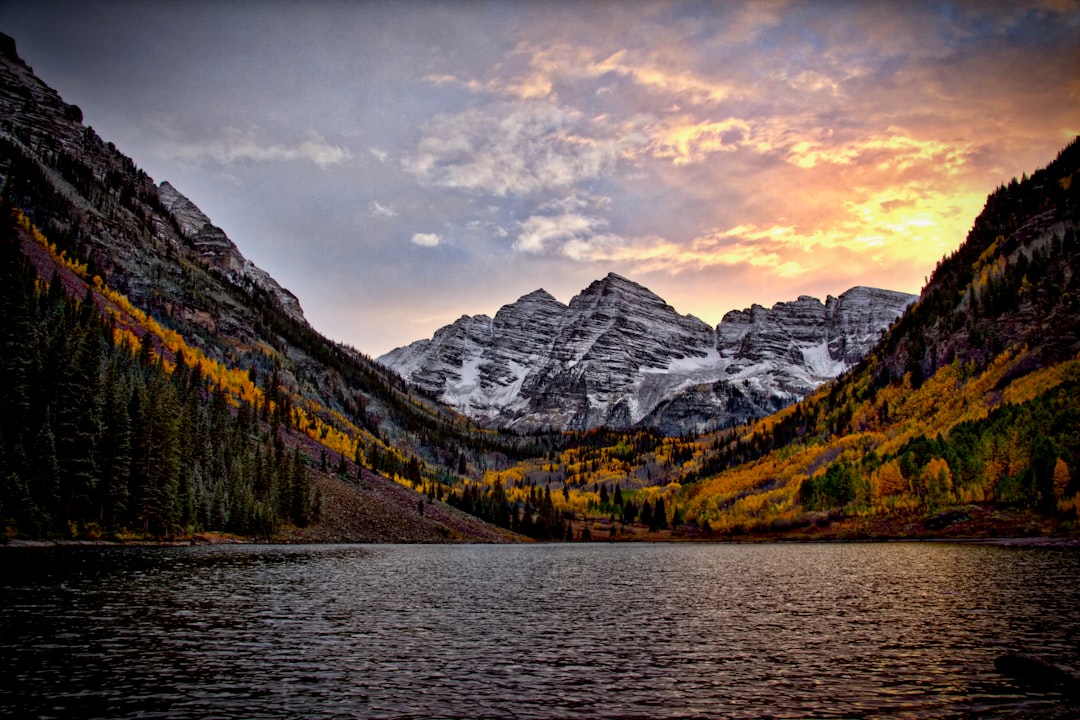
The Rockies' glamorous mountain town: world-class skiing, golden aspens, art and alpine luxury.
- Best time to visit: December-March (ski) & June-September (hiking)
- Daily budget (budget traveller): $250 to $600 USD
- Ideal trip length: 3 to 5 days
Aspen is the Rocky Mountains at their most glamorous: a former silver-mining town turned world-famous ski resort and summer playground, ringed by four mountains and the soaring peaks of the Elk Range. In winter it's all powder skiing and après-ski; in summer it's wildflower hikes, the iconic Maroon Bells and a thriving arts and music scene. Behind the designer boutiques and celebrity sightings sits a genuinely beautiful, walkable mountain town. Joy Plus times the slopes or the trails, sequences the Maroon Bells and the festivals, and finds the spots beyond the obvious.
Aspen sits at 7,908 feet in the Roaring Fork Valley. It began in 1879 as a silver camp, and the Hotel Jerome opened in 1889 and still pours drinks at the J-Bar. Downtown is about fifteen blocks of brick Victorians, galleries and fur-trimmed shopfronts, and you can cross it on foot in twenty minutes. Four ski mountains hang off the edges: Aspen Mountain (Ajax) rises straight from the end of Durant Ave, Aspen Highlands has the Highland Bowl, Buttermilk is the gentle one, and Snowmass is the big one. Free RFTA buses link all of them from the Rubey Park transit center. The glamour is real, but so is the town underneath it, with locals who bike to work, drink at the Red Onion and know exactly which trail to hike before the afternoon storm.
The season you pick changes everything. December to early April is ski season, with lift tickets around $250 and up, Christmas week at absurd prices, and the X Games in late January. June to August brings wildflowers, the Food & Wine Classic in June, the Aspen Music Festival from late June to mid August, and Jazz Aspen Snowmass festivals. Late September turns the hillsides gold and fills every room. Then comes mud season, roughly mid April to mid May and again in November, when lifts stop, half the restaurants shut for a holiday and hotel rates drop by half. The Maroon Bells now run on a reservation system, so the shuttle or a sunrise parking slot has to be booked before you arrive. Independence Pass closes for winter, so that drive is only a summer and early autumn option.
Aspen is expensive, and there is no budget version that feels like a bargain. There are ways to make it work, though. Stay downvalley in Basalt or Carbondale and ride the RFTA bus in. Hike for free, since the best views cost nothing. Ride the free city buses and eat lunch where the locals do. Visit the Aspen Art Museum, which is free, and the John Denver Sanctuary, which is also free. Spend your money on two or three things that matter, such as a sunrise at the Maroon Bells, one proper dinner and one big day on snow or trail. The rest of the time, drink water, because at nearly 8,000 feet it's the cheapest way to avoid a headache.
How many days in Aspen?
For Aspen, we recommend 3 to 5 days. With more time, add a day trip to Glenwood Springs.
| Trip length | What you'll see | Itinerary |
|---|---|---|
| 2 days | Acclimatise, walk downtown; Ajax: Ute Trail and the gondola | Aspen in 2 days |
| 3 days · Recommended | Adds: Maroon Bells sunrise | Aspen in 3 days |
| 4 days · Recommended | Adds: Independence Pass and Twin Lakes | Aspen in 4 days |
| 5 days · Recommended | Adds: Snowmass Village | Aspen in 5 days |
| 7 days | Adds: Cathedral Lake and Ashcroft | Aspen in 7 days |
Aspen itinerary
Arrive, acclimatise, walk downtown
Morning: Land at ASE (3 miles out) or drive in from Denver. A taxi or Uber to downtown is $25-40. Drop bags, drink a litre of water and have eggs downtown.
Afternoon: Walk Hyman Ave to the Wheeler Opera House, then the free Aspen Art Museum (637 E Hyman) and its rooftop SO Café. Keep it slow, you're at 7,908 feet.
Evening: Dinner at White House Tavern (302 E Hopkins Ave), grab a bar seat for the sandwiches. One drink at the J-Bar in Hotel Jerome, bed by 10, alcohol lands harder up here.
Ajax: Ute Trail and the gondola
Morning: Hike the Ute Trail from the trailhead off Ute Ave, a steep leg-burner with big views, about an hour round trip. Go early before it warms up.
Afternoon: Ride the Silver Queen Gondola from Gondola Plaza to the Sundeck at 11,212 feet, lunch up top, walk the summit paths and ride down. Check Aspen Snowmass for summer hours. Winter swap: your first ski day on Ajax.
Evening: Stroll the John Denver Sanctuary by the river, then ribs at Hickory House (730 W Main St). Early night.
Maroon Bells sunrise
Morning: Reserve on Recreation.gov. Take an early parking slot before 8am or the first shuttle from Aspen Highlands. Walk the Maroon Lake Scenic Trail at sunrise, then continue to Crater Lake (about 3.6 miles round trip, roughly 500 feet up).
Afternoon: Shuttle back down, late lunch at Meat & Cheese Restaurant & Farm Shop, then a nap. Altitude plus early starts catches up.
Evening: Live music at Belly Up Aspen (450 S Galena St) if a show is on. Otherwise a quiet cocktail at Hooch.
Independence Pass and Twin Lakes
Morning: Drive Highway 82 east to the 12,095 foot summit, about 35 minutes from town. Walk the short alpine loop above the parking lot. Summer and early autumn only, the pass is closed in winter. Winter swap: ski Snowmass.
Afternoon: Continue down to Twin Lakes village for lunch and a lake walk, then loop back to Aspen.
Evening: Easy dinner at Meat & Cheese or a bar-seat pub night. Pack for tomorrow.
Snowmass Village
Morning: Take the free RFTA bus from Rubey Park to Snowmass (about 25 minutes). Ride the Elk Camp Gondola for summer views, or in winter ski the biggest of the four mountains.
Afternoon: Lunch in Base Village, walk the Rim Trail or relax by the pool. Winter swap: Cloud Nine Alpine Bistro at Aspen Highlands for the famous champagne spray.
Evening: Back to Aspen for dinner at Matsuhisa if you're splurging, or a pizza and a beer on a patio.
Cathedral Lake and Ashcroft
Morning: Drive 12 miles up Castle Creek Road to the Cathedral Lake trailhead, about 5.5 miles round trip, roughly 1,900 feet up. Start by 7am. Upper road may need high clearance.
Afternoon: Stop at Ashcroft ghost town (about $10, run by the Aspen Historical Society) and lunch at Pine Creek Cookhouse if open.
Evening: Hot shower, a long soak in the hotel tub, then dinner at Clark's Oyster Bar.
Slow morning, depart
Morning: Saturday Market (mid June to mid October) if it's on, or coffee downtown. Browse the Aspen Historical Society's Wheeler/Stallard Museum (620 W Bleeker St).
Afternoon: Last lunch in town or a picnic on the Rio Grande Trail. Collect bags.
Evening: Taxi or Uber to ASE. Check the weather, flights here do get delayed.
Best neighbourhoods
- Downtown Aspen: The walkable historic core of Victorian buildings, galleries, boutiques, restaurants and the gondola base.
- Aspen Mountain (Ajax): The classic ski mountain rising straight from town, reached by the Silver Queen Gondola.
- Snowmass: The largest of the four mountains, family-friendly with the most terrain and a self-contained village.
- Maroon Creek Valley: The scenic road and valley leading to the Maroon Bells, the most photographed peaks in North America.
- West End: A quiet, leafy residential area of historic homes, home to the Aspen Music Festival tent.
Must-do experiences
- See the Maroon Bells: The twin maroon-hued peaks reflected in Maroon Lake, North America's most photographed mountains, reached by reserved shuttle.
- Ski or ride the four mountains: Aspen Mountain, Snowmass, Aspen Highlands and Buttermilk offer terrain for every level in winter.
- Ride the Silver Queen Gondola: Climb Aspen Mountain for panoramic views, dining and summer hiking trails at the top.
- Hike the alpine trails: From the Maroon Bells to the Cathedral Lake and Crater Lake trails, summer brings wildflowers and high-country lakes.
- Explore the galleries and music scene: World-class art galleries downtown and the renowned summer Aspen Music Festival.
Hidden gems
- The Ute Trail, a steep but quick climb for big views right from town.
- Soaking in the Conundrum Hot Springs after a long backcountry hike; camping there needs an overnight permit booked in advance.
- The free Aspen Art Museum with its striking woven facade and rooftop café.
- Riding the gondola up for sunset and dinner without skis.
Daily budget
- Accommodation: budget $70-180 / night (hostel bed or downvalley motel), mid-range $350-700 (boutique or condo hotel, higher in winter), splurge $1,000+ (The Little Nell, St. Regis, Hotel Jerome in peak season). Basalt and Carbondale cut the bill by half. A RFTA bus runs to Aspen about every 15 to 30 minutes.
- Food: budget $40-65 / day (breakfast burritos, grocery lunches, Big Wrap), mid-range $110-170 (one proper dinner at White House Tavern or Meat & Cheese), splurge $300+ (Matsuhisa, Element 47 at The Little Nell). Do a grocery run at Whole Foods in Willits (Basalt) and picnic your lunches. Cheap hot meals include Hickory House Ribs.
- Transport: budget $0-15 (free in-town buses, RFTA to Snowmass), mid-range $30-70 (Maroon Bells shuttle, a day car rental, rideshare), splurge $250+ (private transfer from Denver or a guided Independence Pass drive). Skip the rental car unless you want Independence Pass. Downtown hotel parking is often $40-80 a night.
- Activities: budget $0-30 (hikes, Aspen Art Museum is free, free ambassador ski tour in winter), mid-range $60-150 summer (gondola, Maroon Bells, Glenwood hot springs) or $250-330 for a winter lift ticket, splurge $500+ (guided backcountry day, private ski lesson, heli or snowcat). Lift tickets drop a lot if booked online weeks ahead, and the Ikon Pass beats single days at 4 or more days.
- Drinks & nightlife: budget $12-25 (happy hour beer, a local pour), mid-range $50-90 (three cocktails at $20-24, a live show at Belly Up), splurge $200+ (bottle service, Cloud Nine champagne, a late club night). Craft beer runs $8-10, cocktails $20 and up. Most downtown bars run 3 to 6pm happy hours.
Where to stay
- Social hostel in Downtown Aspen or downvalley (Basalt, Carbondale) ($70-180 / night): St. Moritz Lodge offers shared hostel-style rooms a short walk from the core. Downvalley motels and guesthouses are the real budget move, with RFTA buses into Aspen.
- Boutique hotel in Downtown Aspen ($350-800 / night, higher at Christmas and in peak winter): Limelight Hotel Aspen (355 S Monarch St), Hotel Aspen (110 W Main St) or Hotel Jerome (330 E Main St). Walk to dinner and the gondola, no car needed.
- Apartment in West End or Aspen Square ($300-650 / night): A condo with a kitchen turns a 5 night stay into real savings. Aspen Square Condominium Hotel (617 E Cooper) sits a block off the pedestrian mall. Many rentals need 3 to 7 night minimums in winter.
- Splurge in Base of Aspen Mountain ($900-2,500+ / night): The Little Nell (675 E Durant) is ski-in, ski-out with the gondola outside the door. The St. Regis Aspen (315 E Dean) is the other big name.
What to eat
- Elevated Rocky Mountain and New American cuisine
- Après-ski fondue and mountain comfort food
- Farmers' market produce in summer
- Classic Colorado craft beer
Day trips
- Independence Pass and Twin Lakes (35 min to the pass, 1 hour to Twin Lakes): Highway 82 climbs to 12,095 feet, with alpine tundra, waterfalls and Continental Divide views. Continue to Twin Lakes for lake walks and lunch. Drive Highway 82 east of Aspen. Open roughly Memorial Day to early November, closed in winter. No public transit, rent a car or ride a road bike.
- Glenwood Springs (1 hour by car, about 1.5 hours by bus): The Glenwood Hot Springs Pool is the world's largest, and Iron Mountain Hot Springs is quieter. Add Glenwood Caverns Adventure Park for thrills. RFTA Highway 82 bus from Aspen (about $7-10). Entry to the Hot Springs Pool runs roughly $35-45 for adults.
- Ashcroft ghost town (11 miles, 20 min drive): Preserved 1880s mining buildings in a tree-lined valley with Castle Peak above. Pair it with the Cathedral Lake hike or lunch at Pine Creek Cookhouse. Drive up Castle Creek Road from Aspen. Entry about $10. In winter the area is for Nordic skiing and snowshoeing.
When to visit
- Winter (December - March): Highs 25-38°F (-4 to 3°C), nights 0-10°F, frequent powder days. Crowds: Very heavy at Christmas, Presidents' Day and spring break. The headline season. Best snow in January and February, but book months ahead and expect peak rates from Dec 20 to early January.
- Spring (April - May): 35-60°F (2-16°C), slush, mud and unpredictable snow. Crowds: Low, the quietest weeks of the year. Mud season. Lifts close mid April and many restaurants and hotels shut. Rooms are cheap, but only come for spa days, road biking or a deliberate hermit week.
- Summer (June - August): Highs 70-80°F (21-27°C), nights 35-45°F, afternoon thunderstorms. Crowds: Heavy in July and during festivals, Maroon Bells need reservations. Wildflowers peak in July. Start hikes by 7am to beat the storms, and book the Bells early.
- Autumn (September - October): Highs 55-68°F (13-20°C), freezing nights, first snow on the peaks. Crowds: Heavy for the gold peak (about Sept 20 to Oct 5), then drops. The locals' pick. Aspens glow, the air is crisp and rooms soften after Labor Day. After mid October, many places close for the season.
Entry rules for your passport
Visa rules for the United States depend on the passport you travel on. Check the official source before you book: U.S. Department of Homeland Security
Getting there
Aspen/Pitkin County Airport (ASE) is 3 miles from downtown, with direct flights from Denver (about 45 minutes), Dallas, Chicago, Los Angeles, San Francisco, Houston and seasonal hubs. A taxi or Uber is $25-40, and hotels often run shuttles. Weather delays and cancellations are common at ASE in winter, so avoid tight connections. Denver (DEN) is 200 miles and about 3.5 to 4 hours away via I-70 and Highway 82. Colorado Mountain Express runs shuttles from DEN at roughly $200+ each way. Rental cars are cheaper if you split with others. Eagle County Airport (EGE) is 70 miles and about 1.5 hours away and is often more reliable than ASE in storms. Amtrak's California Zephyr stops in Glenwood Springs, and a RFTA Highway 82 bus continues to Aspen in about 1.5 hours for under $10. Independence Pass is closed from roughly November to Memorial Day, so winter drivers use the I-70 route.
Getting around
Downtown Aspen is compact and very walkable, and a free, efficient shuttle and bus system (RFTA) connects town with the four ski mountains and Snowmass. The Maroon Bells are reached by a reserved shuttle from Aspen Highlands in season, as private cars are restricted. A car is useful for arriving and for day trips, but in town you rarely need one; many visitors fly into the small Aspen airport or drive from Denver.
Safety
Aspen is very safe, with crime rare and the main risks coming from the mountains themselves. At nearly 8,000 feet, altitude can cause sickness, so acclimatise, hydrate and ease into activity. In winter, dress for cold and check avalanche and weather conditions for the backcountry; in summer, carry layers, water and sun protection, watch for afternoon thunderstorms at altitude, and never underestimate fast-changing alpine weather.
Solo travel tips
- Eat and drink at the bar: White House Tavern, the J-Bar and most downtown restaurants keep bar seats for walk-ins. Order a drink, ask the bartender what's good, and you'll be chatting with a ski patroller or a local within minutes.
- Use the free buses: RFTA local buses are free between downtown, the four mountains and Snowmass. Rubey Park is the hub. You never need a car, and you never need to worry about parking.
- Hostel pick: St. Moritz Lodge, or sleep downvalley: St. Moritz Lodge (334 W Hyman) has shared hostel-style rooms for around $70-120 in summer. Peak winter nights jump a lot, so check. The other trick is Basalt or Carbondale, where a motel room costs a third of an Aspen hotel.
- Join a free ambassador tour or a group lesson: In winter, Aspen Snowmass ambassadors run free mountain tours. Group lessons and the singles line on chairlifts put you in the same chair as locals. Summer solos can do the same with a guided hike or a Maroon Bells ranger walk.
- Hike smart when you're alone: Cell signal fades in the valleys. Tell your host your route, carry layers, a headlamp and 2 litres of water, and be off ridges by noon. Afternoon thunderstorms at altitude are fast and dangerous.
- Solo female travellers: Aspen is one of the safest towns in the US for women alone. Standard rules apply: watch your drink, use Uber or Lyft late at night, and don't hitchhike on the Maroon Creek road. The real risk is altitude and weather, not people.
Cultural etiquette
- Take altitude seriously. Drink water constantly, go easy on alcohol the first night and don't plan a big hike on arrival day.
- Tipping is 18-22% at restaurants, $1-2 per drink at bars, $5-10 per night for housekeeping. Large parties often get an automatic service charge, so check the bill.
- Dress is mountain chic and no one cares if you're in puffer jackets and trail shoes. Nice jeans work almost everywhere, even at dinner.
- Don't chase or photograph celebrities. Locals are used to them, and staring marks you as a tourist.
- Respect wildlife. Stay 25 yards from elk and moose and 100 yards from bears. Keep food stowed and never feed animals.
- Ski etiquette: the downhill skier has right of way, look uphill before merging, never stop below a blind crest, and cannabis is banned on ski areas and National Forest land even though it's legal in town.
- Leave no trace. Stay on marked trails at the Maroon Bells, keep dogs leashed and pack out everything.
Frequently asked questions
How many days do you need in Aspen?
Three to five days is ideal. A few days let you ski or hike the mountains and see the town, while extra days allow a Maroon Bells visit, more trails or slopes, and time for the galleries, spas and dining. Skiers often stay a week to make the most of the four mountains; summer visitors can do the highlights in a long weekend.
Is Aspen safe for solo travellers?
Yes, very. Aspen is one of the safest towns in the US, with rare crime and a relaxed, walkable centre. The real risks are environmental: high altitude, cold winter conditions and changeable alpine weather. Acclimatise, hydrate, dress in layers, check trail and avalanche conditions, and use sun protection year-round.
When is the best time to visit Aspen?
It depends on your goal. December to March is peak ski season with reliable snow and lively après-ski, while June to September brings wildflowers, hiking, biking and the music festival. The aspens turn gold in late September, a spectacular and popular time. Shoulder seasons (April-May, October-November) are quietest, with many businesses closed.
Do you need a car in Aspen?
Not really. Downtown is very walkable, and a free, efficient shuttle and bus network links town with all four ski mountains and Snowmass. The Maroon Bells require a reserved shuttle in season. A car helps for arriving and day trips, but within Aspen you can manage easily without one.
How do you visit the Maroon Bells?
The Maroon Bells are reached via a reserved shuttle bus from Aspen Highlands during the busy season (roughly mid-May to late October), as private vehicles are restricted during the day. Book your shuttle and parking reservation in advance online. Outside those hours and seasons access varies, so check current rules. It's a short, scenic ride to Maroon Lake and the trailheads.
Is Aspen only for skiing?
Not at all. While Aspen is a legendary ski destination, summer is arguably just as spectacular, with world-class hiking, mountain biking, the Maroon Bells, the renowned Aspen Music Festival, art galleries and farmers' markets. The town is beautiful year-round, and many visitors prefer the green, flower-filled summer or the golden autumn aspens.
Is Aspen expensive?
Yes, Aspen is one of the most expensive destinations in the US, especially in peak ski season. Save by visiting in the shoulder seasons, staying in nearby Snowmass or Basalt and using the free or low-cost buses, enjoying the many free hikes and the free Aspen Art Museum, and eating at casual spots rather than the high-end restaurants.
Do I need a visa or an ESTA to visit the United States?
Travellers from the 42 Visa Waiver countries, including most of the EU, the UK, Japan and Australia, do not need a visa for stays of up to 90 days but must get an ESTA online before travelling. It costs about $40 since 30 September 2025 and is valid for two years or until your passport expires. Apply at least 72 hours ahead on the official site, esta.cbp.dhs.gov, and avoid lookalike sites that charge more.
Tours and activities in Aspen | Aspen in 2 days | Aspen in 3 days | Aspen in 4 days | Aspen in 5 days | Aspen in 7 days
Can't decide? Compare Aspen with...
Joy Plus home | Destinations | Itineraries | Activities | Flights | Budget planner | Calendar | Map | Blog | Lifetime access