Destinations / Europe
Avignon, France travel guide
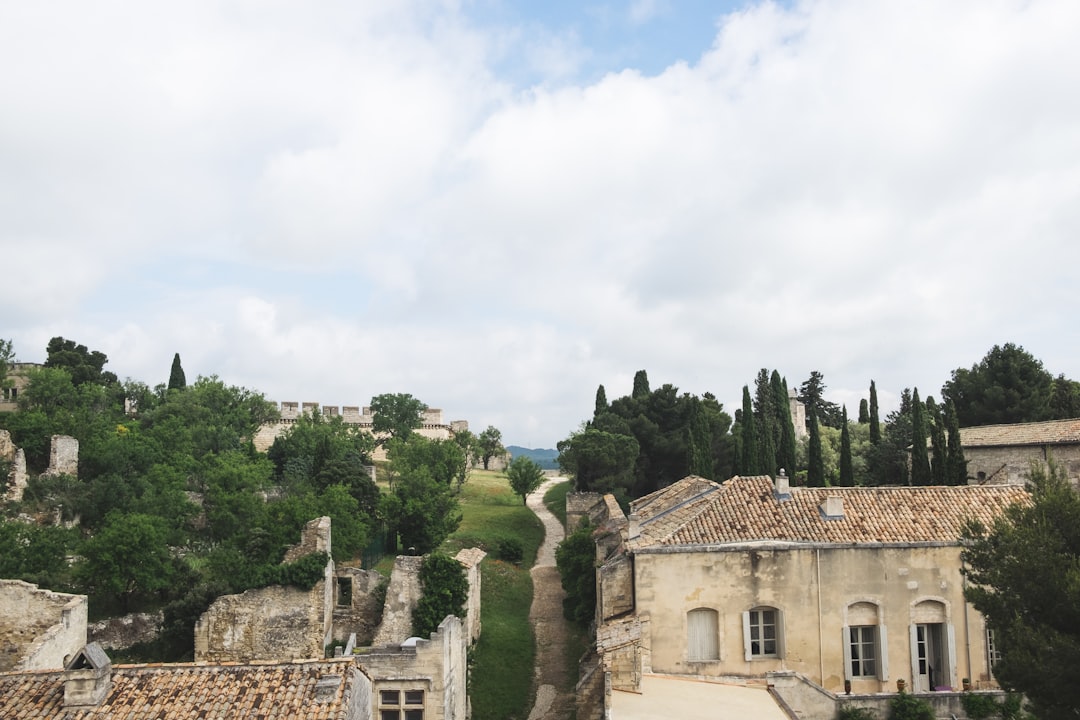
The City of Popes: a colossal Gothic palace, a broken bridge and Provence's best food market inside medieval walls.
- Best time to visit: May-June and September-October
- Daily budget (budget traveller): $110 to $200 USD
- Ideal trip length: 2 to 3 days
For most of the 14th century Avignon, not Rome, was the seat of the Catholic Church, and seven popes left behind the largest Gothic palace in Europe. The Palais des Papes towers over a walled old town of plane-tree squares, the famous Pont d'Avignon stops halfway across the Rhône, and every July the city hosts one of the world's great theatre festivals.
Avignon is the only city in Europe where a pope's address was a real estate decision. In 1309 the papacy decamped from Rome, and for nearly seventy years seven popes ran Christendom from a limestone fortress on a rock above the Rhône. The Palais des Papes is what they left: the largest Gothic palace in Europe, hulking over a walled old town of plane-tree squares, shuttered facades and cobbled lanes called calades. The famous Pont Saint-Bénézet stops halfway across the river because floods kept eating it, which is the most honest piece of civic infrastructure in France. Four arches of the original 22 survive.
The mistake most visitors make is treating Avignon as a two-hour stop between Paris and the Riviera. It works far better as a base. Inside the ramparts you get the palace at 9am opening, the covered market at Les Halles (Tuesday to Sunday, 6am to 1pm, with the living green wall on the facade), canal-side Rue des Teinturiers and wine bars around Place des Corps Saints. Within an hour you can be tasting Châteauneuf-du-Pape at Beaucastel, standing under the Roman aqueduct at the Pont du Gard or walking the ochre cliffs at Roussillon. The old town is flat, compact and walkable in 20 minutes end to end, so you almost never need a vehicle inside the walls.
Timing matters more here than in most French cities. The Festival d'Avignon takes over the city for three weeks in July. It is thrilling, with over a thousand fringe shows, but hotel prices roughly double and everything sells out months ahead. August is scorching and many small restaurants and shops close. The sweet spots are May, June and September to October: warm days, open terraces, wine harvest energy and a palace you can actually breathe in. Come with a taste for slow lunches, a good pair of shoes for the cobbles, and a plan for the mistral, the dry north wind that can turn a pleasant terrace into a wind tunnel.
How many days in Avignon?
For Avignon, we recommend 2 to 3 days.
| Trip length | What you'll see | Itinerary |
|---|---|---|
| 2 days · Recommended | Walk the walls and Rocher des Doms; Palace, bridge and Les Halles | Avignon in 2 days |
| 3 days · Recommended | Adds: Villeneuve-lès-Avignon and Barthelasse sunset | Avignon in 3 days |
| 4 days | Adds: Pont du Gard day trip | Avignon in 4 days |
| 5 days | Adds: Châteauneuf-du-Pape wine day | Avignon in 5 days |
| 7 days | Adds: Luberon villages; Last market, last papalines | Avignon in 7 days |
Avignon itinerary
Arrive, walk the walls and Rocher des Doms
Morning: Arrive at Avignon TGV, take the 5-minute shuttle train to Avignon Centre (about €2). Walk through Porte de la République and up Rue de la République to your hotel. Coffee on Place de l'Horloge.
Afternoon: Climb the Rocher des Doms garden (free) for views of the Rhône and the broken bridge. Peek into Notre-Dame des Doms cathedral and wander the lanes behind the palace.
Evening: Dinner at La Fourchette on Rue Racine (book ahead). Then a glass of Côtes du Rhône on Place de l'Horloge, under the carousel lights.
Palace, bridge and Les Halles
Morning: Be at the Palais des Papes ticket desk when it opens (around 9am). Use the Histopad tablet, budget 2 hours. Then walk down to Pont Saint-Bénézet (combined ticket around €17).
Afternoon: Lunch at Les Halles on Place Pie before the stalls close at 1pm: oysters, cheese, tapenade. Then Collection Lambert, the contemporary art museum in a mansion (closed Mondays).
Evening: Dinner at Ginette et Marcel on Place des Corps Saints, famous for its tartines and salads, then drinks on the square.
Villeneuve-lès-Avignon and Barthelasse sunset
Morning: Cross the Rhône to Villeneuve (Orizo bus from Porte de l'Oulle, or 35 minutes on foot over Pont Édouard Daladier). Visit the Chartreuse du Val de Bénédiction, then climb to Fort Saint-André.
Afternoon: Long lunch in Villeneuve's old streets. Wander the abbey gardens and Tour Philippe le Bel for the classic view back to Avignon.
Evening: Take the free river shuttle (or walk) to Île de la Barthelasse for a picnic with the palace lit up across the water.
Pont du Gard day trip
Morning: Drive, cycle or take a regional bus toward Uzès or Nîmes to Pont du Gard (27km). Arrive before 10am to beat the coaches and walk the Roman aqueduct in soft light.
Afternoon: Picnic on the Gardon riverbank and swim at the signposted bathing spot beside the bridge. Visit the museum if the heat peaks.
Evening: Back in Avignon, a lazy dinner at Restaurant Numéro 75 on Rue Guillaume Puy, then bed early.
Châteauneuf-du-Pape wine day
Morning: Drive or taxi 12km north to Châteauneuf-du-Pape. Book a tasting at Château La Nerthe or Domaine de Beaucastel (reserve a week ahead in season).
Afternoon: Lunch at La Mère Germaine in the village, then climb the ruined papal château for views over the vineyards. Buy two bottles, not six.
Evening: Return to Avignon, shower, and have a light dinner at a wine bar on Place des Corps Saints. Utopia Manutention cinema for something arty if you have energy.
Luberon villages
Morning: Join a half-day tour or drive 40km east to Gordes and the Abbaye de Sénanque (lavender peaks late June to mid-July).
Afternoon: Walk the ochre trail at Roussillon (about €3), lunch in Lourmarin or Bonnieux, and stop at a village market if it's the right morning.
Evening: Return to Avignon. Dinner at Hiély-Lucullus or somewhere on Rue des Teinturiers by the waterwheels.
Last market, last papalines, depart
Morning: Last browse of Les Halles (open Tuesday to Sunday from 6am). Buy tapenade, goat cheese and a Provençal cheese rind to take home.
Afternoon: Pick up papalines (chocolate and liqueur sweets) at a local confiserie. Last lunch of daube avignonnaise.
Evening: Walk to Avignon Centre station, TER shuttle to Avignon TGV, onward by TGV or to Marseille airport.
Best neighbourhoods
- Intra-muros (Old Town): The walled centre with the palace, squares and most hotels.
- Place des Corps Saints: A lively quarter of wine bars and bistros near the station.
- Les Teinturiers: Canal-side street of artists' studios and the festival's fringe heart.
- Île de la Barthelasse: A river island of orchards and campsites with palace views.
- Villeneuve-lès-Avignon: The quieter bank across the Rhône with its own fortress and gardens.
Must-do experiences
- Palais des Papes: Tour the vast papal palace with the Histopad augmented-reality tablet.
- Pont Saint-Bénézet: Walk the famous broken bridge and hear the legend of the shepherd boy.
- Les Halles market: Graze Provence's finest covered food market under its living green wall, open every morning except Monday.
- Rocher des Doms: Take in the free hilltop garden with views over the Rhône and bridge.
Hidden gems
- Villeneuve-lès-Avignon's Chartreuse monastery and Fort Saint-André, crowd-free across the river.
- The free ferry to Île de la Barthelasse for sunset palace views.
- Rue des Teinturiers' waterwheels and tiny fringe theatres.
- A Tuesday morning at the Marché des Halles when chefs do their shopping.
Daily budget
- Accommodation: budget €22-35 / night (hostel dorm on Île de la Barthelasse), mid-range €100-170 (boutique double in the old town), splurge €380+ (La Mirande, Hôtel d'Europe). Add €1-3 per person per night tourist tax. In July the same room can cost double, so book six months ahead.
- Food: budget €25-35 / day (boulangerie breakfast, market lunch, picnic dinner), mid-range €55-85 (lunch formule plus one proper dinner), splurge €120+ (Hiély-Lucullus, La Mère Germaine in Châteauneuf). Lunch formules run €16-22 for two courses, the local hack. Les Halles counters close at 1pm, so eat early.
- Transport: budget €0-5 / day (walk, free Baladine shuttle, free river ferry), mid-range €15-25 (TER to Arles or Nîmes, the odd taxi), splurge €70+ (rental car at €50-70/day, or a private driver for the Luberon). The old town is fully walkable. Rent a car only for the day you do the wine villages and the Luberon.
- Activities: budget €10-20 / day (free Rocher des Doms, one combined palace and bridge ticket at ~€17), mid-range €40-70 (palace, Pont du Gard, a Châteauneuf tasting), splurge €150+ (private wine driver, cooking class at La Mirande). Many churches, the Rocher des Doms garden and the ramparts walk are free. Histopad tablet is included in the palace ticket.
- Drinks & nightlife: budget €8-12 (glass of Côtes du Rhône €4-5, a pastis), mid-range €25-40 (wine bar evening on Place des Corps Saints), splurge €80+ (Châteauneuf by the glass, hotel bar, cocktails). Avignon is a wine-bar town, not a club town. A beer is €6-7 on a terrace, a Châteauneuf-du-Pape glass from €8.
Where to stay
- Social hostel in Île de la Barthelasse (€22-35 / night): Auberge Bagatelle has dorms, a campsite and a riverside bar with palace views. Out of the old town, but cheap and easy for meeting solo travellers.
- Boutique hotel in Intra-muros, near Les Teinturiers (€110-190 / night): Hôtel Cloître Saint-Louis (a 16th-century Jesuit cloister with a pool) or Hôtel Les Teinturiers (garden by the Sorgue canal). Quiet, central, walk everywhere.
- Apartment in Place Pie / Les Halles (€80-130 / night): A one-bedroom with a kitchen steps from the covered market. Buy breakfast and picnic lunches downstairs. Best value for 4+ nights outside July.
- Splurge in Behind the Palais des Papes (€380-650 / night): La Mirande, a 5-star townhouse with a walled garden, tea salon and cooking classes, or Hôtel d'Europe on Place Crillon. The palace is a two-minute walk.
What to eat
- Côtes du Rhône and Châteauneuf-du-Pape wines
- Daube avignonnaise, traditionally lamb braised in white wine
- Papalines d'Avignon chocolate-liqueur sweets
- Tapenade and fresh chèvre from Les Halles
Day trips
- Pont du Gard (27km, 35 min by car): A three-tier Roman aqueduct over the Gardon river, built around 50 AD. Walk across the lower level, swim at the bathing spot and eat a picnic on the riverbank. Go before 10am or after 5pm. Drive (parking about €10 per car), take a regional bus toward Uzès or Nîmes in season, or join a half-day tour from €45. Greenway cycle route from Avignon is about 30km.
- Châteauneuf-du-Pape (12km, 20 min by car): Wine village with ruined papal château and stone-strewn vineyards. Taste at Château La Nerthe or Domaine de Beaucastel, then lunch at La Mère Germaine. Taxi about €35 each way, or a small-group wine tour from Avignon for €60-90. Book tastings a week ahead.
- Luberon villages (Gordes, Roussillon, Sénanque) (40km, about 1 hour by car): Perched stone villages, ochre cliffs and the Cistercian Abbaye de Sénanque, with lavender peaking late June to mid-July. Public transport is poor, so a tour or car is best. Half-day tours from Avignon cost €60-90. Rental cars are €50-70/day. Start early, Gordes parking is hellish after 11am.
When to visit
- Spring (April - June): 15-28°C, mostly sunny, mistral gusts and the odd shower. Crowds: Building, manageable until the festival crowd arrives. The best window. Terraces open, markets full of asparagus and strawberries, palace queues short. May and June are the sweet spot.
- Summer (July - August): 30-38°C, dry, brutal in the afternoon sun. Crowds: Heavy in July (Festival d'Avignon), still busy in August. July is electric but expensive, with hotels at double price. August is hot and many small restaurants shut. Go for the theatre or skip it.
- Autumn (September - October): 18-27°C, golden light, heavy rain possible in late October. Crowds: Moderate, drops sharply after mid-October. The locals' pick. Grape harvest in the Châteauneuf vineyards, warm evenings, cheaper rooms and a quieter palace.
- Winter (November - March): 3-12°C, often bright and sunny, cold mistral days. Crowds: Low. Cheapest rooms and a city to yourself. Some Luberon sights close, but truffle season and the Christmas market on Place de l'Horloge make up for it.
Entry rules for your passport
Visa rules for France depend on the passport you travel on. Check the official source before you book: European Commission: Schengen visa policy
Getting there
Avignon has two stations. Avignon TGV is 5km south of the centre and links to Paris Gare de Lyon in about 2h40, Marseille in 35 minutes, Lyon in 1h10 and Montpellier in under an hour. Fares from Paris run roughly €25-90, and Ouigo has cheaper options from about €15. From Avignon TGV, a 5-minute shuttle train goes to Avignon Centre station (about €2), right at the city walls. A taxi to the old town is €20-25. Regional TER trains to Arles (20 min), Nîmes (30 min) and Marseille (about 1h10) leave from Avignon Centre. The nearest major airport is Marseille Provence (MRS), 80km away: take a Flixbus or airport shuttle to Avignon (about 1 hour, from €8-20) or the shuttle to Marseille St-Charles then the TER. Nîmes airport is smaller and mostly for budget carriers. From Avignon Centre you can walk to most of the old town in 10 minutes.
Border checks: non-EU visitors (other than Swiss, Norwegian, Icelandic, Liechtenstein, Andorran, Monegasque, San Marinese and Vatican citizens, and holders of an EU residence permit or long-stay visa) are registered in the EU's Entry/Exit System (EES) instead of getting a passport stamp. On your first crossing, officers take your photo and/or fingerprints, so allow extra time at passport control. ETIAS, the planned travel authorisation, is not in operation yet, so don't pay any website for one.
Getting around
Avignon Centre station sits just outside the walls and Avignon TGV, 5km away, links to Paris in 2 hours 40 minutes and Marseille in 35 minutes. The old town is compact and fully walkable, city buses cover the suburbs, and a free shuttle boat crosses to the Barthelasse island. Rent a car or join a tour for the Luberon, Pont du Gard and wine villages, which are poorly served by public transport.
Safety
Avignon is generally safe and violent crime is rare, but pickpocketing occurs around the palace, the station and during the packed July festival. The Rhône currents are dangerous, so swim only at supervised spots. Summer heat regularly exceeds 35°C, and the mistral wind can be fierce in spring and autumn. Watch for bikes and scooters on the narrow intra-muros lanes.
Solo travel tips
- Eat at the market counter: Les Halles has seated food counters where solo diners sit next to chefs and locals. Order the day's plate, nod at your neighbour and you will be talking about wine within five minutes. Go by 12:15, counters close at 1pm.
- Book a shared wine tour: Small-group Châteauneuf-du-Pape and Luberon tours are the easiest way to meet people without a car. Expect to pay €60-90 for a half day. Most leave from the tourist office or the old town.
- Hostel pick: Auberge Bagatelle on Île de la Barthelasse: Avignon has few true hostels. Bagatelle is the social one: dorms, a campsite and a riverside bar, about 20 minutes' walk from the walls. Reliable for meeting solo travellers, but plan your late-night return.
- Use the free transport: The free electric Baladine shuttles circle the old town, and a free ferry crosses the Rhône to Barthelasse in the warm months. Both save your feet and give you cheap sunset views.
- Solo female travellers: Avignon is easy and safe for solo women. Standard rules apply: keep drinks in sight, stick to lit streets around the ramparts after midnight and avoid the Barthelasse riverside path in the dark. Taxis at the station rank are reliable.
- Find your tribe at the festival or Utopia cinema: In July the Festival Off turns every courtyard into a theatre and strangers into friends. The rest of the year, Utopia Manutention cinema and the terraces of Place des Corps Saints are the easiest places to chat.
Cultural etiquette
- Say bonjour when you enter any shop, café or bakery, and au revoir when you leave. Skipping it is the single quickest way to get cold service.
- Tipping is already included (service compris). Round up at cafés and leave €2-5 at a good sit-down dinner. Nobody expects 20%.
- Lunch is 12-2pm and kitchens often close at 2pm sharp. Dinner is 7:30-10pm. Showing up at 4pm hungry means a snack, not a meal.
- Many small shops close on Sunday afternoon and Monday. Les Halles is closed Mondays but open Sunday morning.
- In wine cellars, spitting is normal and nobody judges. Book tastings ahead in season and expect to be asked if you want to buy a bottle.
- Cover shoulders and knees in churches such as Notre-Dame des Doms, and keep voices low in the palace chapels.
- In the mistral, hold on to your napkin and your hat. If the wind is howling, move inside, locals do.
Frequently asked questions
How many days do you need in Avignon?
Two days covers the Palais des Papes, the bridge, Les Halles and the old town at a relaxed pace. Add a third day to use Avignon as a base for the Pont du Gard, Châteauneuf-du-Pape or the Luberon villages, which is how the city is best experienced.
Is Avignon worth visiting?
Yes, especially if you like history without Paris-level crowds. The papal palace is the largest Gothic palace in Europe, the food market is one of Provence's best, and the city makes an ideal rail-connected base for western Provence. July's theatre festival transforms it entirely.
What is the Festival d'Avignon?
One of the world's oldest and biggest performing arts festivals, founded in 1947 and held every July. The official 'In' festival fills the palace courtyard, while the fringe 'Off' adds over a thousand shows citywide. Hotels sell out and prices double, so book six months ahead or avoid July entirely.
How do you get to Avignon from Paris?
Direct TGV trains run from Paris Gare de Lyon to Avignon TGV station in about 2 hours 40 minutes. From Avignon TGV, a shuttle train or bus reaches the centre in 10 minutes. Avignon Centre station also has direct regional trains from Marseille, Arles and Nîmes.
Can you do a day trip to the Pont du Gard from Avignon?
Yes. The Roman aqueduct is 25km away: buses run in season, or go by bike along greenways, by taxi, or on a half-day tour. Many visitors combine it with the wine village of Châteauneuf-du-Pape or the perched Luberon villages of Gordes and Roussillon.
When is the best time to visit Avignon?
May, June, late September and October offer warm days, open attractions and manageable crowds. July is thrilling but expensive and packed because of the festival. August is hot and many small shops close, while winter is quiet, cheap and often sunny, though the mistral can bite.
Is Avignon expensive?
It is moderate by French standards. Budget $110 to $200 a day. A combined palace and bridge ticket costs around 17 euros, a market lunch 12 to 18 euros, and a glass of Châteauneuf-du-Pape from 6 euros. Prices spike sharply during the July festival, so book accommodation early.
More about Avignon
Tours and activities in Avignon | Avignon in 2 days | Avignon in 3 days | Avignon in 4 days | Avignon in 5 days | Avignon in 7 days
Can't decide? Compare Avignon with...
Joy Plus home | Destinations | Itineraries | Activities | Flights | Budget planner | Calendar | Map | Blog | Lifetime access