Destinations / Asia
Bagan, Myanmar travel guide
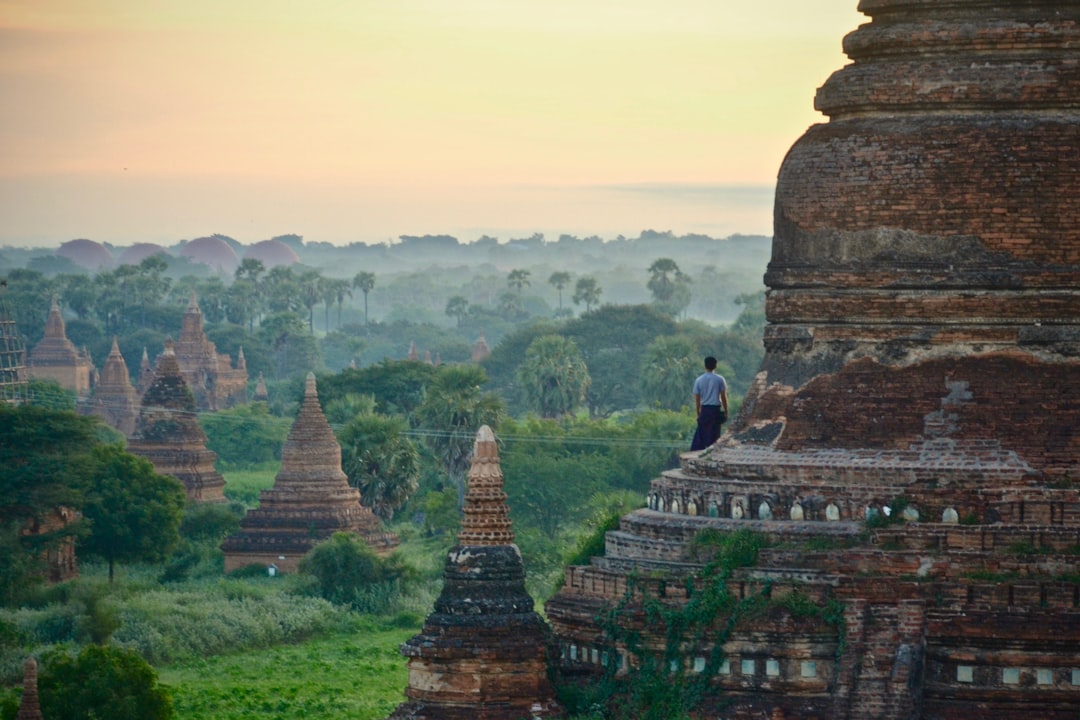
Thousands of brick temples scattered across a dusty plain on the Irrawaddy.
- Best time to visit: November-February
- Daily budget (budget traveller): $25 to $80 USD
- Ideal trip length: 2 to 3 days
Bagan holds more than two thousand surviving temples and stupas built between the 11th and 13th centuries, spread over 100 square kilometres of scrub and sand. Nowhere else in Asia puts this much medieval architecture in one place, and you can ride an e-bike between them all day without seeing the same brick twice. Note that the United States, Canada and Australia advise against all travel to Myanmar, so check your government's advice before planning.
Bagan is a flat, dusty plain on a bend of the Irrawaddy holding more than 2,200 surviving brick temples, stupas and monasteries. They were built between the 11th and 13th centuries, when the Pagan kingdom of Anawrahta and his successors poured the empire's wealth into merit-making. The site was inscribed by UNESCO in 2019. Nothing in Southeast Asia matches it for density: you can stand in a field with no hotel in sight and count forty spires without turning your head. It is also one of the few world-class sites where a visitor on a rented e-bike can still get a temple to themselves at 7am.
The geography is simple once you see it. Nyaung-U in the north-east is the backpacker base, with the airport, the Mingala Zay market and the cheapest beds. Old Bagan sits inside the ancient walls around Tharabar Gate and Ananda Temple, with the grand hotels and the easy sights. Myinkaba and New Bagan to the south are quieter, with lacquerware workshops, family guesthouses and the emptiest tracks. The rule that saves the most time is to cluster by area, not by fame. Do Ananda, Thatbyinnyu and Htilominlo as one loop, the central plain (Dhammayangyi, Sulamani, Pyathada) as another, and Myinkaba as a third. Never zigzag across the plain at midday, when the sand is hot enough to hurt through your socks.
Be realistic about the context. Climbing the temples has been banned since 2018, so sunrise and sunset happen from designated viewing mounds and hotel towers, and the list of open mounds changes, so ask your hotel the night before. Myanmar has been politically unstable since 2021. The United States, Canada and Australia advise against all travel to Myanmar, and the United Kingdom advises against all but essential travel to the region that includes Bagan. A visa is needed before travel, and many insurers will not cover trips against government advice, so check your insurance before booking. Bagan itself has stayed calm and tourist-facing, but bring all your cash (card acceptance is thin, ATMs unreliable), expect patchy internet and plan to be flexible. The reward is one of Asia's great landscapes, with small crowds by pre-2020 standards. Prices below are 2026 estimates in kyat and move with the exchange rate, so treat them as ranges.
How many days in Bagan?
For Bagan, we recommend 2 to 3 days.
| Trip length | What you'll see | Itinerary |
|---|---|---|
| 2 days · Recommended | Nyaung-U; Sunrise and the Old Bagan loop | Bagan in 2 days |
| 3 days · Recommended | Adds: The central plain by e-bike | Bagan in 3 days |
| 4 days | Adds: Mount Popa | Bagan in 4 days |
| 5 days | Adds: Myinkaba and lacquerware | Bagan in 5 days |
| 7 days | Adds: Salay and an Irrawaddy sunset | Bagan in 7 days |
Bagan itinerary
Arrive in Nyaung-U, ease in
Morning: Land at Nyaung U airport (NYU) and pay the zone fee (25,000 to 30,000 kyat, depending on the source) at the desk. Fixed-rate taxi to your guesthouse, then rent an e-bike for the next day.
Afternoon: Shwezigon Pagoda, the gold-leaf stupa that set the template for Burmese pagodas. Then wander Mingala Zay market for longyi fabric and snacks.
Evening: Dinner at Nanda or Black Bamboo in Nyaung-U. Early night, because tomorrow starts at 5am.
Sunrise and the Old Bagan loop
Morning: E-bike to an approved sunrise mound at 5:15am (ask your hotel which are open). Then breakfast, and Ananda Temple, Thatbyinnyu and Htilominlo before 10am.
Afternoon: Siesta by the pool through the midday heat. Return around 4pm for Upali Thein's frescoes and the Archaeological Museum.
Evening: Sunset from a hotel tower or open mound. Dinner at Be Kind to Animals The Moon, the best vegetarian kitchen on the plain.
The central plain by e-bike
Morning: Start at 6am at Dhammayangyi, the biggest and most mysterious temple, with its bricked-up inner corridors. Then Pyathada and unnamed stupas in the scrub.
Afternoon: Late afternoon at Sulamani when its interior frescoes are quiet, then Buledi for golden hour.
Evening: Beers and a curry set at Weather Spoon's, then bed.
Mount Popa
Morning: Taxi out at 8am (about 1h30). Climb the 777 steps to Taung Kalat monastery barefoot, past the macaques. Keep your phone and sunglasses in a zipped bag.
Afternoon: Lunch with the view at Popa Mountain Resort, back to Bagan by 3pm.
Evening: Slow dinner and a tea shop. Charge the e-bike.
Myinkaba and lacquerware
Morning: Gubyaukgyi for its 12th-century murals, then the Myazedi inscription next door and Manuha and Nanpaya temples.
Afternoon: Lacquerware workshops along the Myinkaba road. Watch the months-long layering process and buy straight from the maker.
Evening: Sunset at Bu Paya riverside, with the Irrawaddy and no spires in the frame.
Salay and an Irrawaddy sunset
Morning: Taxi to Salay (45 min south) for Yoke Sone Kyaung, the teak monastery, and the faded colonial houses.
Afternoon: Back in Bagan, rest and swim.
Evening: Sunset boat cruise from the Bupaya jetty area, then dinner at your best-rated spot.
Slow morning, depart
Morning: Last sunrise from a mound or hotel terrace. Coffee and a final mohinga at Nyaung-U market.
Afternoon: Pick up any lacquer or longyi you passed on. Taxi to NYU or the bus station.
Evening: Flight or overnight bus to Yangon or Mandalay.
Best neighbourhoods
- Old Bagan: Inside the ancient walls, closest to the major temples and the priciest hotels.
- New Bagan: Southern town built for relocated residents, with mid-range guesthouses and restaurants.
- Nyaung-U: Backpacker base to the north-east, cheapest beds and the liveliest street food.
- Myinkaba: Village between Old and New Bagan known for lacquerware workshops and small temples.
- The central plain: Open scrubland dotted with hundreds of unnamed stupas and the best empty spots.
Must-do experiences
- Sunrise over the plain: Watch the light hit thousands of temples from an approved viewing mound.
- Ananda Temple: The best-preserved and most refined of Bagan's great temples.
- E-bike the central plain: Ride through the temple fields with no fixed route and stop wherever looks good.
- Lacquerware workshops: Visit New Bagan's studios to see the months-long layering process up close.
Hidden gems
- Sulamani's interior frescoes, often empty in the late afternoon
- Nan Myint tower area at dusk for a different angle on the plain
- Myinkaba's Gubyaukgyi with its 12th-century murals and Mon inscriptions
- The riverside at Bu Paya for sunset over the Irrawaddy instead of the temples
Daily budget
- Accommodation: budget 35,000 to 75,000 kyat / night (dorm bed or basic Nyaung-U guesthouse), mid-range 150,000 to 300,000 (garden bungalow or small hotel double with pool), splurge 600,000 to 1,400,000 (Bagan Lodge, Hotel @ Tharabar Gate, Thiripyitsaya Sanctuary). New Bagan gives the best mid-range value. Rooms near Old Bagan cost double for a ten minute shorter ride.
- Food: budget 20,000 to 30,000 kyat / day (mohinga breakfast, noodle shops, rice and curry sets), mid-range 40,000 to 70,000 (one sit-down dinner at Black Bamboo or The Moon), splurge 120,000+ (riverside tasting dinner at a resort restaurant). A Burmese curry set arrives with soup, salad and free rice refills, and the single best value meal on the plain.
- Transport: budget 15,000 to 25,000 kyat / day (e-bike rental), mid-range 40,000 to 70,000 (e-bike plus a half-day horse cart or taxi leg), splurge 250,000+ (private car and driver all day, including Mount Popa). E-bike rates drop if you rent for 3 days. Check the brakes and battery bars before you leave the shop.
- Activities: budget 25,000 to 30,000 kyat once, depending on the source (archaeological zone pass, valid 3 to 5 days), temples and mounds are free, mid-range 40,000 to 80,000 / day (lacquer workshop, sunset boat, viewing tower), splurge 1,400,000 to 2,000,000 (hot air balloon, usually quoted in USD at $330 to $450). Keep the zone ticket on you, staff check it at the big temples. Balloons run October to April only.
- Drinks & nightlife: budget 3,000 to 6,000 kyat (Myanmar Beer or tea-shop laphet yay), mid-range 20,000 to 40,000 (sunset cocktails and beers at Weather Spoon's), splurge 80,000+ (resort terrace sunset drinks). Bagan sleeps early. Most places wind down by 10pm, and nightlife means a beer under the stars.
Where to stay
- Social hostel in Nyaung-U (50,000 to 90,000 kyat / night): Ostello Bello Bagan, easy dorms and privates, group sunrise rides and dinners, near the market and the airport.
- Boutique hotel in Old Bagan (300,000 to 650,000 kyat / night): Hotel @ Tharabar Gate or one of the smaller garden hotels near the walls. Pool, quiet, and Ananda is a short ride away.
- Apartment in New Bagan (150,000 to 300,000 kyat / night): Family-run bungalows (try Zfreti Hotel and similar), garden rooms and tiny pools. Best value for stays of 4 nights or more, and quietest at night.
- Splurge in Old Bagan riverside / Myinkaba (650,000 to 1,700,000 kyat / night): Bagan Lodge or Bagan Thiripyitsaya Sanctuary Resort, big gardens, river or temple views, pools and the best breakfast on the plain.
What to eat
- Burmese curry sets served with soup, salads and endless rice refills
- Mohinga fish noodle soup at Nyaung-U's morning market
- Tea-leaf salad, lahpet thoke, sharp and bitter and completely Burmese
- Tomato salad and pumpkin curry at the vegetarian-friendly plain-side cafes
Day trips
- Mount Popa (50 km, about 1h30 each way): Taung Kalat, a monastery on a volcanic plug with 777 steps and a gang of macaques. Go early to beat the heat and the tour buses. Popa Mountain Resort has the best view for lunch. Hire a taxi from Nyaung-U or Old Bagan for roughly 100,000 to 160,000 kyat round trip, or share a ride. Leave by 8am.
- Salay (about 25 km south, 45 min by taxi): A quiet Irrawaddy town with faded colonial houses and Yoke Sone Kyaung, an ornate teak monastery. Far fewer visitors than Bagan itself. Taxi for around 60,000 to 90,000 kyat round trip. Ask your hotel about the seasonal river boat from the Bupaya area.
- Irrawaddy sunset cruise (In town, about 90 minutes on the river): A wooden boat on the river at golden hour with the temples as a backdrop and no mound queues. A good plan for a cloudy sunrise day. Book through your hotel or at the jetty near Bupaya, about 20,000 to 40,000 kyat per person for a shared boat.
When to visit
- Cool season (November to February): 15 to 30°C, dry and sunny, chilly dawns, morning mist on the plain. Crowds: Highest, balloons fly and sunrise mounds fill early. The best window. Comfortable e-biking all day, clearest sunrises and the Tazaungdaing festival of lights in late November. Book balloons and the better hotels weeks ahead.
- Hot season (March to May): 35 to 44°C, bone dry, hazy light, hot sand. Crowds: Very low, apart from Thingyan water festival in mid-April. Brutal. Temples are only comfortable from 5:30 to 10am and after 4pm. Cheapest rooms and empty temples, but you will spend midday in a pool.
- Green season (June to September): 25 to 33°C, humid, short heavy showers (Bagan is in the dry zone, so rain is lighter than elsewhere in Myanmar). Crowds: Lowest of the year. Surprisingly good. The plain turns green, dust settles and rooms drop 30 to 50 percent. No balloons, and some sand tracks turn to mud, so rent a bike you trust.
- Shoulder month (October): 24 to 32°C, post-monsoon, the odd storm, dramatic skies. Crowds: Light, building late in the month as balloons restart. The local's pick. Green plain, clouds that make sunsets, lower prices and the season opening. Pack a rain layer and keep the schedule loose.
Entry rules for your passport
Visa rules for Myanmar depend on the passport you travel on. Check the official source before you book: Myanmar Ministry of Immigration and Population
Getting there
Nyaung U airport (NYU) is about 4 km from Nyaung-U town. Air KBZ, Myanmar National Airlines and other domestic carriers fly from Yangon (about 80 min, roughly 350,000 to 600,000 kyat) and Mandalay (about 30 min). The airport, jetty and bus stations check your archaeological zone pass, 25,000 to 30,000 kyat in cash, depending on the source, valid 3 to 5 days. Fixed-rate taxis from the airport run about 30,000 kyat to Nyaung-U and up to 60,000 to New Bagan. Overnight buses from Yangon (JJ Express, Elite, Shwe Mandalar) take 9 to 10 hours and cost 65,000 to 100,000 kyat. Mandalay is 4 to 5 hours by bus for 20,000 to 35,000 kyat. The slow boat from Mandalay's Gawein jetty takes 9 to 11 hours, about 150,000 to 200,000 kyat, and docks at Nyaung-U. The United States, Canada and Australia advise against all travel to Myanmar, and the United Kingdom advises against all but essential travel to the region that includes Bagan. A visa is needed before travel.
Getting around
E-bikes are the standard, costing about $6 to $8 a day and available everywhere. Bicycles are cheaper but the sand tracks are hard work. Horse carts run around $20 for a half-day with a driver who knows the temples. Taxis handle airport and bus-station runs for $8 to $15. You need a visa before you travel; an official e-visa is available.
Safety
The United States advises against all travel to Myanmar (its highest warning, reissued in May 2026), as do Canada and Australia, and the United Kingdom advises against all but essential travel to Mandalay Region, which includes Bagan. Insurance is usually void and consular help limited. Bagan itself has stayed calm, and the March 2025 earthquake near Mandalay caused only limited damage here, according to state media. Climbing temples has been banned since 2018 after fatalities and earthquake damage, so use the designated mounds. Carry cash: card acceptance is limited and ATMs are unreliable.
Solo travel tips
- Take the e-bike seriously: Sand tracks grab the front wheel on corners. Practice on tarmac first, slow down at track junctions and carry your hotel's phone number. A battery usually lasts around 50 km, so ask the shop what it covers, and don't ride remote tracks at dusk.
- Skip the famous sunrise crowd: The popular mounds fill 40 minutes before dawn with day-trippers. Ask your hotel for a quieter open mound, or use your hotel's tower. Arrive by 5:15am in cool season and bring a headlamp.
- Hostel pick: Ostello Bello Bagan: In Nyaung-U, it runs group sunrise rides, shared dinners and has the easiest way to meet other solos. Book a dorm bed ahead in November to February.
- Solo female travellers: Bagan is safe and relaxed. Cover shoulders and knees, ride in pairs at sunrise on remote tracks, avoid empty sandy lanes after dark, and use your hotel to book taxis.
- Carry cash, and carry enough: Cards are rare, ATMs unreliable and limited per transaction. Bring crisp, unfolded, recent-series US dollars and exchange at a bank or your hotel after comparing rates. Keep small kyat notes for temples, tea shops and horse carts.
- Find your tribe at sunset: A sunset boat, a lacquerware workshop and a Burmese cooking class are the easy places to meet people. Share a horse cart or a taxi to Mount Popa with another traveller to split 100,000 to 160,000 kyat.
Cultural etiquette
- Shoes and socks come off at every pagoda, including the baking brick floors. Visit early or late, and wear slip-ons.
- Cover shoulders and knees at all temples. A light scarf and loose trousers or a longyi do the job.
- Never climb the temples. Use designated viewing mounds only, and don't touch the murals or use flash inside.
- Never point your feet at a Buddha image or sit with your feet toward it. Keep your head lower than monks and statues.
- Women should not touch a monk or hand things directly to one. Place items down or pass them through a man.
- Say mingalaba with a small nod. Give and receive with your right hand, or both hands for items of value.
- Ask before photographing people, especially monks and women with thanaka. Drones are restricted in the zone, so leave it at home.
Frequently asked questions
How many days do you need in Bagan?
Two full days lets you cover the major temples in the north and the central plain, plus two sunrises in case one is cloudy. Three is more relaxed and allows a Mount Popa day trip or a boat to Salay. Anything beyond four and the temples start to blur together.
Can you still climb the temples in Bagan?
No. Climbing was banned in 2018 after several deaths and structural damage from the 2016 earthquake. Instead, the authorities built artificial viewing mounds around the plain, and several hotels and cafes have towers or terraces. The sunrise views are still excellent from these.
When is the best time to visit Bagan?
November to February is dry and comparatively cool, with balloon flights operating and the clearest sunrise mist. March to May is brutally hot, often over 40C. The June to September rains bring green landscapes and few visitors, but balloons do not fly and some tracks turn to mud.
How much is the Bagan entrance fee?
The archaeological zone fee is 25,000 to 30,000 kyat, depending on the source, valid for three to five days and checked on arrival at the airport, jetty or bus station. Keep the ticket with you, as staff check it at the larger temples. Payment is usually cash in kyat or dollars.
Is a hot air balloon ride over Bagan worth it?
It is the single most memorable thing you can do there, and priced accordingly at roughly $330 to $450 per person for a 45-minute flight. Flights run from October to April only, launch before dawn and book out weeks ahead in peak season. Weather cancellations are refunded.
How do you get to Bagan?
Domestic flights from Yangon or Mandalay take about 80 and 30 minutes. Overnight buses from Yangon run 9 to 10 hours and cost $15 to $25, while Mandalay is 4 to 5 hours by bus. The slow boat down the Irrawaddy from Mandalay takes 9 to 11 hours and is the most scenic option in high water.
Is Bagan safe to visit right now?
Bagan itself has remained calm and tourist-facing, but Myanmar as a whole has been unstable since 2021: the United States, Canada and Australia advise against all travel, and the United Kingdom against all but essential travel to the region that includes Bagan. Check your own government's advisory and your insurance cover before booking, bring plenty of cash, and expect limited banking and patchy internet.
Tours and activities in Bagan | Bagan in 2 days | Bagan in 3 days | Bagan in 4 days | Bagan in 5 days | Bagan in 7 days
Can't decide? Compare Bagan with...
Joy Plus home | Destinations | Itineraries | Activities | Flights | Budget planner | Calendar | Map | Blog | Lifetime access