Destinations / Asia
Bandung, Indonesia travel guide
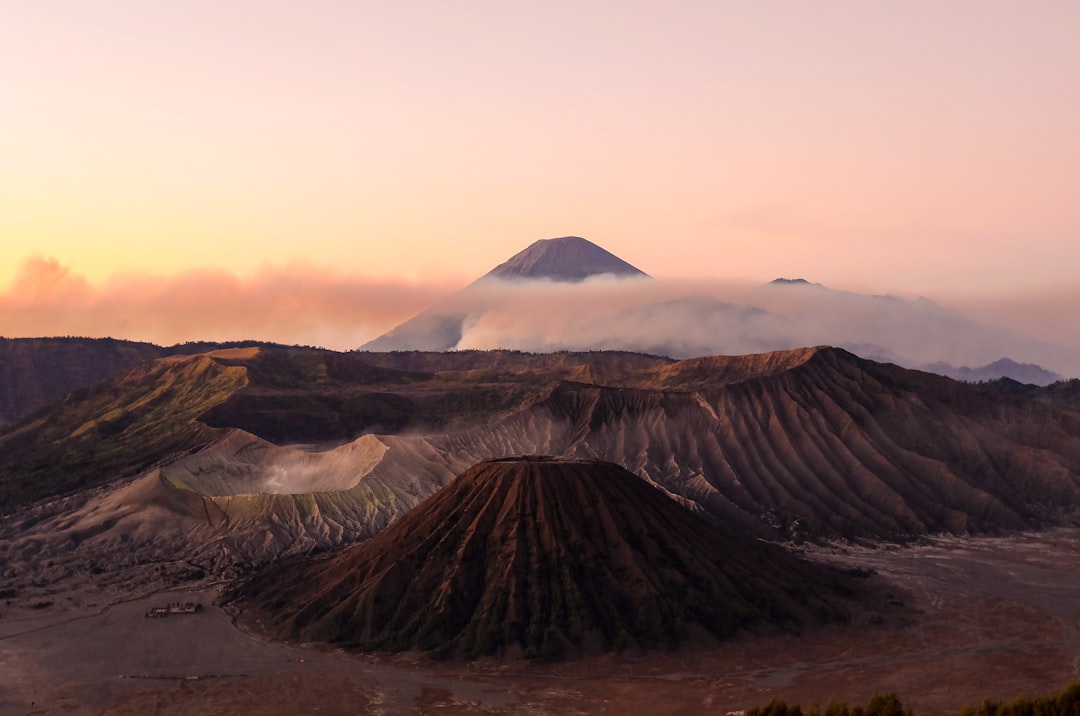
Java's cool highland escape: volcanic craters, tea plantations, colonial architecture and Indonesia's most creative food scene.
- Best time to visit: May-September
- Daily budget (budget traveller): $25 to $60 USD
- Ideal trip length: 2 to 3 days
Bandung is where Jakartans go to breathe: a highland city 150km southeast of the capital, ringed by volcanoes and tea estates, with a climate cool enough for sweaters. The Dutch called it the Paris of Java for its Art Deco boulevards; today it's Indonesia's creative capital, famous for factory outlets, cafés and a food scene that draws weekend pilgrims. Joy Plus strings the craters, tea fields and city highlights into one smooth highland loop.
Bandung sits at about 700 metres, 150km southeast of Jakarta, and that elevation is the whole pitch. The air is 8 degrees cooler, the mornings come with mist, and the horizon is a ring of volcanoes with tea estates draped over their shoulders. The Dutch planned it as a hill-station capital in the 1920s and 30s, and Wolff Schoemaker, Gedung Sate and the Savoy Homann hotel are what's left of that Art Deco ambition. You can still walk Jalan Braga and Jalan Asia Afrika in an hour and read the whole colonial story from the facades.
Today the city is Indonesia's creative capital, and it wears that lightly. Students from ITB and a dozen other universities keep the café scene hungry and cheap, factory outlets along Jalan Riau sell export surplus at a fraction of mall prices, and the food is serious: batagor, cuanki, mie kocok, colenak, nasi timbel with a sambal that wakes you up. The geography is the part visitors underestimate. Bandung has two separate mountain circuits, Lembang and Tangkuban Perahu to the north, Ciwidey and Kawah Putih to the south, and each one is a full day with a car. Plan by circuit, not by checklist.
The Jakarta weekend crowd is the other thing to plan around. Since the Whoosh train opened, a trip that once took four hours in traffic takes under an hour, and Bandung now gets flooded every Friday evening to Sunday night. Midweek, the crater lake is yours, the tea roads are empty and a Grab across town costs Rp 25,000. At weekends, a 20km drive to Lembang can take three hours. Come Monday to Thursday if you can, leave for the mountains before 6am if you can't, and you'll have the version of Bandung that locals complain is disappearing.
How many days in Bandung?
For Bandung, we recommend 2 to 3 days.
| Trip length | What you'll see | Itinerary |
|---|---|---|
| 2 days · Recommended | Braga and Asia-Africa; Gedung Sate, outlets and a hilltop sunset | Bandung in 2 days |
| 3 days · Recommended | Adds: Ciwidey and Kawah Putih | Bandung in 3 days |
| 4 days | Adds: Lembang loop: volcano, orchids, floating market | Bandung in 4 days |
| 5 days | Adds: Forest park and angklung | Bandung in 5 days |
| 7 days | Adds: Pangalengan tea country; Souvenirs, slow morning | Bandung in 7 days |
Bandung itinerary
Arrive by Whoosh, Braga and Asia-Africa
Morning: Take an early Whoosh from Halim to Padalarang, then the feeder train into Bandung Station (about 20 min). Drop bags, then eat at Sumber Hidangan, the 1929 Dutch bakery on Jalan Braga.
Afternoon: Walk Jalan Asia Afrika: Museum Konferensi Asia Afrika (nominal fee), Savoy Homann's Art Deco facade, then Alun-Alun and the twin-minaret Masjid Raya. The tower viewing deck costs a few thousand rupiah.
Evening: Dinner at Braga Permai, going since 1918, then a coffee at Kopi Toko Djawa. Walk Jalan Braga at dusk when the lamps come on.
Gedung Sate, outlets and a hilltop sunset
Morning: Gedung Sate and its museum (Tuesday to Sunday, under Rp 20,000) with the satay-skewer spire. Next door, Museum Geologi for the volcano and dinosaur halls. Gasibu field runs a big market on Sunday mornings.
Afternoon: Lunch at Batagor Kingsley on Jalan Veteran. Then outlet-hop on Jalan R.E. Martadinata (Riau) and Jalan Setiabudi, where Heritage and Rumah Mode have fixed prices and export-surplus labels. Pick up colenak at Murdi Putra.
Evening: Grab up to Dago Tea House on Dago Giri for sunset over the city, then dinner at one of the Dago Atas cafés. Bring a layer, it drops to 18°C.
Ciwidey and Kawah Putih
Morning: Leave by 6am with a driver. Kawah Putih opens at 7am, arrive in the mist before the shuttle queues. Ticket about Rp 75,000-100,000 plus the ontang-anting shuttle up. 20 to 30 minutes at the rim is enough, the sulphur is strong.
Afternoon: Drive through Rancabali tea plantation to Situ Patenggang lake. Lunch at a lakeside warung with nasi timbel and grilled gurame. Optional strawberry picking near Ciwidey and a soak at the Ciwalini hot springs.
Evening: Back in the city by 6 to 7pm, midweek. Late dinner of cuanki Serayu or mie kocok near the hotel. Early bed.
Lembang loop: volcano, orchids, floating market
Morning: Tangkuban Perahu opens at around 8am. Check the status on the MAGMA Indonesia app first. Walk Kawah Ratu, then drive to Kawah Domas (small extra fee) where locals boil eggs in the hot springs.
Afternoon: Orchid Forest Cikole (about Rp 50,000-60,000) for pine trails and the suspension bridge. Then the Floating Market Lembang (about Rp 30,000), where you can try street food from wooden boats and pavilions.
Evening: Dinner at Kampung Daun, a forest-setting Sundanese restaurant with bamboo music. Book a table, weekends sell out.
Forest park and angklung
Morning: Taman Hutan Raya Ir. H. Djuanda in Dago Pakar: Dutch and Japanese WWII caves (Goa Belanda, Goa Jepang) and shaded paths, small entry fee. On Sunday, hit Dago Car Free Day on the way (6 to 10am).
Afternoon: Saung Angklung Udjo, performance daily at 3:30pm. Bamboo orchestras, a Sundanese puppet segment, and you get an instrument to play. Book ahead, ticket roughly Rp 120,000-180,000 for foreigners.
Evening: Surabi and bandrek at a roadside stall, then live music at Bengkel Night Park on Jalan Trunojoyo. Last Grab home by 11pm.
Pangalengan tea country
Morning: Leave by 6:30am for Pangalengan, 40km south. Walk the Malabar tea estate, K.A.R. Bosscha's old plantation, and see his grave on the hillside. Tea picker trails are free.
Afternoon: Situ Cileunca lake boat ride and a long lakeside lunch. Optional Bosscha Observatory in Lembang if you booked a visit ahead online.
Evening: Drive back through the evening traffic, so take snacks. Easy dinner near the hotel, pack for tomorrow.
Souvenirs, slow morning, depart
Morning: Coffee at Warung Kopi Purnama, the old Chinese-run kopitiam on Jalan Alketeri that has been brewing since the 1930s. Then peuyeum, brownies and molen at Kartika Sari and Amanda for the folks back home.
Afternoon: Pick up jeans on Jalan Cihampelas or shoes in Cibaduyut if you still have space in the bag. Late lunch of batagor or soto Bandung.
Evening: Feeder train to Padalarang or Tegalluar, then Whoosh to Halim, or Grab to the airport. Leave 3 hours before departure on Fridays and Sundays.
Best neighbourhoods
- Braga Street (Jalan Braga): The historic Art Deco strip: cafés, galleries and colonial-era shopfronts.
- Dago & Dago Pakar: Hillside north district with factory outlets, restaurants and city views.
- Lembang: The northern highland resort area: floating market, farms and Tangkuban Perahu volcano.
- Ciwidey (South Bandung): The southern circuit: Kawah Putih crater lake, tea plantations and strawberry farms.
- Riau Street (Jalan R.E. Martadinata): The main factory-outlet shopping corridor.
Must-do experiences
- Kawah Putih crater lake: A surreal milky-turquoise volcanic lake in the southern highlands.
- Tangkuban Perahu volcano: Drive right up to the rim of an active crater north of the city.
- Braga Street café crawl: Art Deco architecture, old-school bakeries and Bandung's famous coffee culture.
- Tea plantation sunrise at Ciwidey or Pangalengan: Rolling emerald tea fields in cool morning mist.
Hidden gems
- Orchid Forest Cikole in Lembang: pine forest walks, suspension bridges and orchid gardens.
- Gedung Sate, the Indo-European governor's building with its satay-skewer spire.
- Kampung Daun or one of Lembang's forest restaurants for dinner in the pines.
- The Saung Angklung Udjo bamboo-music performance, a Sundanese cultural institution.
Daily budget
- Accommodation: budget Rp 120,000-250,000 / night (hostel dorm or pod), mid-range Rp 700,000-1,200,000 (Art Deco or boutique double), splurge Rp 2,500,000+ (Padma Hotel, The Trans Luxury). Weekend rates in Dago and Lembang jump 30 to 60%. Book Sunday to Thursday nights and you'll often pay the low end.
- Food: budget Rp 100,000-170,000 / day (warungs, batagor, mie kocok), mid-range Rp 250,000-450,000 (one Sundanese sit-down dinner), splurge Rp 800,000+ (hotel tasting dinner, hillside restaurant). Nasi timbel with fried chicken is Rp 25,000-40,000 at a good warung. Restaurants add 10% tax and often 5 to 10% service.
- Transport: budget Rp 40,000-120,000 / day (angkot, city bus, GrabBike), mid-range Rp 200,000-400,000 (Grab cars plus one shared day trip), splurge Rp 1,000,000+ (car with driver, Whoosh first class). Angkot is Rp 5,000-8,000. A car with driver for 10 to 12 hours is Rp 700,000-1,000,000 before tolls and parking. Split it with other travellers.
- Activities: budget Rp 80,000-200,000 / day (Kawah Putih, museums, Dago CFD), mid-range Rp 300,000-600,000 (Tangkuban Perahu, Orchid Forest, Udjo), splurge Rp 1,500,000+ (private guide, lakeside glamping at Rancabali). Foreign tickets are higher than local ones: Kawah Putih about Rp 75,000-100,000, Tangkuban Perahu about Rp 200,000-300,000, higher at weekends.
- Drinks & nightlife: budget Rp 30,000-80,000 (kopi susu, bandrek, a Bintang), mid-range Rp 150,000-350,000 (café hop, live music at Bengkel Night Park), splurge Rp 700,000+ (hotel bar, rooftop cocktails). A Muslim-majority city, so nightlife is café-led. Beer at bars runs Rp 50,000-70,000. Hot bandrek ginger drink is Rp 10,000-15,000 and the right choice at 9pm.
Where to stay
- Social hostel in Braga / Alun-Alun (Rp 120,000-300,000 / night): Walkable to Jalan Braga cafés, Asia-Africa museum and the station. Look for backpacker hostels and Bobobox-style pod hotels, with mixed dorms, rooftop hangouts and solo-friendly common rooms.
- Boutique hotel in Asia-Africa Street (Rp 700,000-1,300,000 / night): Savoy Homann (1939 Art Deco by Schoemaker) or Grand Preanger, historic icons a short walk from Braga and Alun-Alun. Old corridors, big rooms, proper breakfasts.
- Apartment in Dago / Setiabudi (Rp 450,000-900,000 / night): Serviced apartments like Dago Suites or Parahyangan Residences give you a kitchen, laundry and valley views. Best for a 4+ night stay and close to the outlet strip.
- Splurge in Ciumbuleuit / Dago Atas (Rp 1,800,000-4,000,000 / night): Padma Hotel Bandung on the hillside, pool, spa and valley views, 15 minutes from the centre. Alternatively The Trans Luxury for a city-centre luxury base.
What to eat
- Batagor and siomay: Bandung's fried fish dumplings with peanut sauce
- Nasi timbel, rice wrapped in banana leaf with fried chicken and sambal
- Surabi (serabi), coconut-rice pancakes from wood-fired stalls
- Sundanese feast at a kampung-style restaurant with live music
Day trips
- Kawah Putih and Ciwidey (50km south, 1.5 to 2.5 hours): The milky-turquoise crater lake at 2,430m, followed by Rancabali tea fields, Situ Patenggang lake, strawberry farms and hot springs. Arrive at 7am opening for mist and no crowds. Car with driver Rp 800,000-1,000,000 round trip, or DAMRI or angkot from Leuwipanjang terminal to Ciwidey (Rp 15,000-25,000, 1.5+ hours), then ojek or ontang-anting shuttle to the crater.
- Tangkuban Perahu and Lembang (25km north, 1 to 1.5 hours (3+ at weekends)): Drive to the rim of an active volcano, boil eggs at Kawah Domas, then add Orchid Forest Cikole, the Floating Market and a forest dinner at Kampung Daun. Car with driver Rp 600,000-900,000 for the day. Grab works to Lembang but is hard to find for the return, so book a driver for the full loop.
- Pangalengan and Malabar tea (40km south, 1.5 to 2.5 hours): Quieter than Ciwidey. Rolling Malabar tea estate, K.A.R. Bosscha's grave, Situ Cileunca lake boats and cool highland air. Good for a slow, empty day away from the weekend crowds. Car with driver Rp 800,000-1,000,000, or shared minibus (elf) from Leuwipanjang terminal for under Rp 30,000, then local ojek.
When to visit
- Dry season (May - August): 17-28°C, mostly sunny, cold nights (12-16°C at Kawah Putih). Crowds: Heavy at weekends and during the late June to mid July school holidays. The best window. Clear volcano views, dry tea roads, and sweater weather at night. Go Monday to Thursday and avoid the school holiday peak.
- Late dry (September - October): 19-29°C, clear mornings, first afternoon showers from mid October. Crowds: Moderate, drops after school holidays end. The local pick. Views still reliable, hotels cheaper, and mornings at Kawah Putih are quiet.
- Wet season (November - February): 19-27°C, rain most afternoons, heavy downpours in January and February. Crowds: Low midweek, spikes at Christmas and New Year. Cheap and green but cloudy. Do the mountains before 11am, do cafés and outlets after lunch. Expect traffic flooding on Jalan Ir. H. Juanda (Dago).
- Eid and shoulder (March - April): 19-28°C, showers easing into the dry season. Crowds: Extreme around Eid al-Fitr (about 10 March in 2027), moderate otherwise. Avoid the week either side of Eid, when Jakartans fill every hotel and prices double. Ramadan (about 8 February to 9 March in 2027) means many warungs shut by day, but evenings are lively.
Entry rules for your passport
Visa rules for Indonesia depend on the passport you travel on. Check the official source before you book: Indonesia Directorate General of Immigration
Getting there
The Whoosh high-speed train is the fastest way in: Halim (Jakarta) to Padalarang takes about 30 minutes, Halim to Tegalluar about 45 to 50 minutes, with fares of Rp 150,000-300,000 depending on class and day. Padalarang is on the city's west edge, and the KAI feeder train covers the next 20 minutes to Bandung Station, included in the ticket; Tegalluar is east, with feeder buses and Grab (Rp 100,000-150,000 to the centre). The classic alternative is the Argo Parahyangan from Gambir, about 3 hours, Rp 150,000-250,000, and arrives right in the city at Bandung Station. Shuttle vans like Baraya, X-Trans and Cipaganti run the toll road for Rp 150,000-200,000 and take 2 to 4 hours, up to 5 on Friday evenings. Airport flights to Husein Sastranegara (BDO, 4km from the centre) are limited, so check which airport your ticket uses, as Kertajati (KJT) is about 100km away. Grab from BDO to Braga is roughly Rp 30,000-50,000. Most nationalities need a visa on arrival or e-VOA, Rp 500,000 for 30 days, ideally bought online before landing. Also fill in the free All Indonesia arrival card at allindonesia.imigrasi.go.id within 72 hours before you arrive.
Getting around
The Whoosh high-speed train runs from Jakarta's Halim station to Padalarang in about 30 minutes, with a 20-minute feeder train into the city included in the ticket; shuttle vans and the toll road take 2 to 4 hours depending on traffic. Within Bandung, use Grab/Gojek cars or motorbikes; angkot minibuses cover local routes. For the mountain circuits, hire a car with driver for the day. Most nationalities get an Indonesian visa on arrival or e-VOA.
Safety
Bandung is safe and friendly, with petty theft the main concern in crowded markets. Volcanic areas occasionally close for elevated activity, so check status before heading up. The crater lakes have strong sulphur fumes, fine for most, but mask up if sensitive. Weekend traffic from Jakarta is extreme; travel midweek or leave before dawn.
Solo travel tips
- Use GrabBike and Gojek for solo hops: A motorbike taxi across town is Rp 8,000-25,000 and cuts through the jams. Insist on the helmet, use the in-app share-trip feature, and skip the bike for anything over 20km or in rain.
- Split the car, not the day: A driver for Ciwidey or Lembang costs Rp 700,000-1,000,000 solo. Post in hostel groups, join a small-group tour at Rp 300,000-500,000 per person, or ask your hotel to match you with other guests.
- Base in Braga or Dago, not Lembang: Lembang looks romantic but is isolated and dead without a car at night. Central Bandung gives you cafés, Grab coverage and other travellers. Day-trip up to the mountains instead.
- Eat solo without feeling odd: Warungs and batagor stalls are built for one. Say 'satu porsi' for one portion or 'setengah porsi' for half. Cafés welcome laptops and long solo sits, especially on Jalan Braga and around Dago.
- Solo female travellers: Bandung is relaxed and friendly, but the culture is conservative. Cover shoulders and knees in mosques and villages, share Grab trips with a friend, avoid unlit hillside roads in Dago after 10pm, and don't take a bike taxi late at night.
- Find your tribe at Dago Car Free Day: Sunday mornings on Jalan Ir. H. Juanda fill with runners, cyclists, street food and students. It's the easiest place in the city to chat to locals. Climb up to Tahura or Bukit Moko afterwards for a group sunrise-style hike.
Cultural etiquette
- Greet in Sundanese: 'punten' (excuse me) when walking past people, 'hatur nuhun' for thank you, 'wilujeng sumping' for welcome. A smile plus punten wins more than any phrasebook.
- Use your right hand for giving, receiving and eating. Don't point with your finger or feet. Use your whole hand or a thumb to indicate direction.
- Dress modestly at mosques (Masjid Raya Bandung), villages and in rural Ciwidey. Shoulders and knees covered, remove shoes at the door, and avoid visiting during Friday midday prayer.
- Ramadan runs about 8 February to 9 March in 2027. Many warungs close by day, and eating in public is tolerated but discreet. Evenings are the best time for takjil snack stalls.
- Bargain at street markets, Cihampelas and Pasar Baru, with a smile and no more than 30% off. Factory outlets, malls and restaurants have fixed prices.
- Angkot etiquette: tell the driver 'kiri' (left) to stop, pay at the end, and have small notes ready. Fares are set, don't accept a tourist price.
- Don't wander off the marked paths at volcano craters. Respect rangers, check status on the MAGMA Indonesia app, and carry a mask for the sulphur fumes.
Frequently asked questions
Is Bandung worth visiting?
Yes, especially as a 2-3 day escape from Jakarta. You get two volcanic circuits (Kawah Putih's turquoise lake and Tangkuban Perahu's drive-up crater), tea plantations, a cool climate, and one of Indonesia's best food and café scenes, all at low prices.
How many days do you need in Bandung?
Two to three. One day for the southern Ciwidey circuit (Kawah Putih, tea fields), one for the north (Tangkuban Perahu, Lembang), and a half to full day for Braga Street, Gedung Sate and the factory outlets. Trying to do both volcano circuits in one day doesn't work.
How do you get from Jakarta to Bandung?
The Whoosh high-speed train takes about 30 minutes from Jakarta's Halim station to Padalarang, plus a 20-minute feeder train into Bandung city, included in the ticket. Shuttle vans (travel cars) and private cars take 2 to 4 hours on the toll road depending on traffic. Avoid Friday afternoons and Sunday evenings.
What is Kawah Putih?
A volcanic crater lake about 50km south of Bandung, famous for its milky turquoise water, pale sulphur shores and eerie dead trees. Colour shifts with the light and sulphur levels. Go early for mist and fewer crowds, and bring a mask if you're sensitive to fumes.
When is the best time to visit Bandung?
The dry season, May to September, gives the clearest volcano views. Bandung is cooler than Jakarta year-round (18-26°C) thanks to its 700m elevation, so pack a light jacket. Weekdays are far better than weekends, when Jakarta crowds flood in.
Is Bandung good for shopping?
Famously so. The factory outlets along Riau Street and Dago sell export-surplus clothing at steep discounts, and the city has big malls like Paris Van Java and Trans Studio. It's one of the main reasons Indonesians visit.
What food is Bandung known for?
Sundanese cuisine: batagor (fried fish dumplings), nasi timbel, surabi pancakes, grilled gurame fish, and endless café innovations. The city's cool climate also means strawberries, fresh milk from Lembang's dairy farms and excellent coffee.
Do I need a visa for Indonesia?
Most visitors, including those from EU states, the UK, the US and Australia, need a visa on arrival: IDR 500,000 (about US$30) for 30 days, extendable once, paid at the airport or in advance as an e-VOA on the official site, evisa.imigrasi.go.id. Every arrival must also complete the free All Indonesia arrival card on allindonesia.imigrasi.go.id before landing.
More about Bandung
- Solo Travel Southeast Asia Itinerary 2026: 2, 3 and 4 Week Overland Routes
- Best Coworking Spaces in Bali 2026: Prices, Areas and Visas
Tours and activities in Bandung | Bandung in 2 days | Bandung in 3 days | Bandung in 4 days | Bandung in 5 days | Bandung in 7 days
Can't decide? Compare Bandung with...
Joy Plus home | Destinations | Itineraries | Activities | Flights | Budget planner | Calendar | Map | Blog | Lifetime access