Destinations / North America
Banff, Canada travel guide
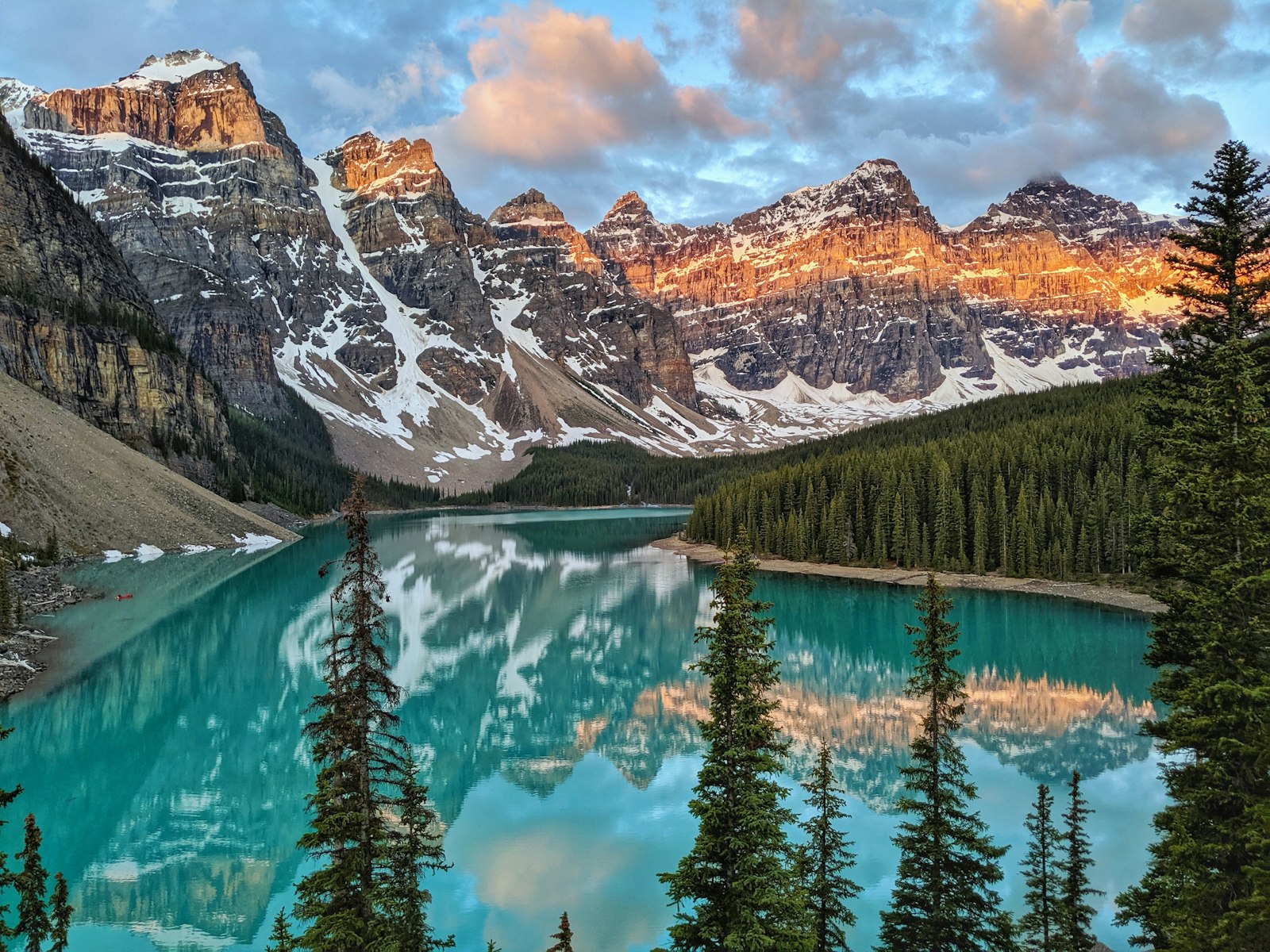
Canada's Rocky Mountain jewel: turquoise lakes, towering peaks and alpine wildlife.
- Best time to visit: June-September and December-March
- Daily budget (budget traveller): $115 to $230 USD
- Ideal trip length: 4 to 6 days
Set within Canada's oldest national park, the town of Banff is the gateway to some of the most spectacular scenery on earth, glacier-fed turquoise lakes, jagged Rocky Mountain peaks and forests roamed by elk, bears and bighorn sheep. Lake Louise and Moraine Lake draw visitors from around the world, while gondolas, hot springs and the scenic Icefields Parkway put the high alpine within easy reach. A summer hiking haven and a winter ski destination, Banff is pure mountain magic year-round. Joy Plus sequences the lakes, hikes and viewpoints around the weather, light and crowds.
Banff is a town of about 8,000 people sitting at 1,383 metres inside Canada's first national park (1885), and it takes in more than four million visitors a year. You will feel that number on Banff Avenue in July. The good news is that the crowd is very concentrated. Around 80% of visitors do the same five things: Lake Louise, Moraine Lake, the Gondola, the hot springs and a drive up the Icefields Parkway. Do those at the right hour and the rest of the park is surprisingly empty. Elk graze on the golf course, bighorn sheep block the road to Lake Minnewanka, and a 7am trail feels like a different country from the same trail at noon.
Logistics are the real work here, and they change by season. Moraine Lake has no private vehicle access, so you reach it by Parks Canada shuttle (about $8 per adult return, reserve weeks ahead), a commercial shuttle, a tour or a bike. Lake Louise's lakeshore parking is usually gone before 6am in summer, so most people use the Park and Ride shuttle too. You need a Parks Canada pass for every day you are in the park (about $11 to $12 per adult per day, or roughly $75 to $80 for the annual Discovery Pass). Prices are Canadian-resort high: dorm beds from $55, hotel doubles from $300 in July. The workarounds are real, though: sleep in Canmore, buy groceries in Calgary, and ride the Roam buses.
Plan around one headline day for each of the big three: the lakes, the Icefields Parkway and a proper hike. Fill the gaps with hot springs, the gondola and sunrise at Vermilion Lakes. Base in Banff for nightlife and walkability, or in Canmore if you want a kitchen and a smaller bill. A rental car is worth it for the Icefields Parkway and Yoho, but you can do the Banff and Lake Louise core on Roam and Parks Canada shuttles. Summer, September larches and winter skiing are three totally different trips, so pick the one you want before you book. Then book early, because the good beds and shuttle slots go in spring.
How many days in Banff?
For Banff, we recommend 4 to 6 days. With more time, add a day trip to Canmore and Grassi Lakes.
| Trip length | What you'll see | Itinerary |
|---|---|---|
| 2 days | Walk Banff Avenue; Lake Louise and Moraine Lake | Banff in 2 days |
| 3 days | Adds: Johnston Canyon and the Gondola | Banff in 3 days |
| 4 days · Recommended | Adds: Icefields Parkway | Banff in 4 days |
| 5 days · Recommended | Adds: Sunrise lakes and an easy hike | Banff in 5 days |
| 7 days | Adds: Yoho day trip | Banff in 7 days |
Banff itinerary
Arrive, settle, walk Banff Avenue
Morning: Land at Calgary (YYC), take the Banff Airporter or pick up your rental car, 1h30 west on Highway 1. Buy your Parks Canada pass online before the east gate.
Afternoon: Drop bags, buy bear spray at an outfitter on Banff Avenue (you cannot fly with it). Walk to Surprise Corner for the Banff Springs view, then down to Bow Falls.
Evening: Dinner at Park Distillery or Bear Street Tavern. Short sunset drive to Vermilion Lakes. Early night.
Lake Louise and Moraine Lake
Morning: Leave Banff around 5am for Lake Louise Park and Ride, and take your reserved Parks Canada shuttle to Moraine Lake for the earliest slot you can get. Climb the Rockpile and walk the Lakeshore Trail.
Afternoon: Shuttle to Lake Louise. Hike 3.4km up to Lake Agnes Tea House, bring a little cash and expect a queue for tables.
Evening: Back to Banff. Dinner at Banff Avenue Brewing Co, then a soak at Banff Upper Hot Springs if your legs are cooked (open until 10pm in summer).
Johnston Canyon and the Gondola
Morning: Be at Johnston Canyon by 7:30am, before the tour buses. Walk the catwalks to Lower and Upper Falls, then on to the Ink Pots (11.6km return all in).
Afternoon: Drive the Bow Valley Parkway slowly, watching for elk and bears. Lunch at Baker Creek Bistro. Ride the Banff Gondola late afternoon for softer light on the Sulphur Mountain boardwalk.
Evening: Dinner at Sky Bistro on the summit if you want a view, or at Maple Leaf on Banff Avenue for bison and Alberta beef.
Icefields Parkway
Morning: Fill the tank in Lake Louise (gas on the parkway is limited and pricey). Stop at Bow Lake and the Peyto Lake lookout before 9am, then the short walk to Mistaya Canyon.
Afternoon: Continue to the Columbia Icefield for the Glacier Skywalk (about $45) and a look at the Athabasca Glacier. Turn back by 2pm to stay relaxed.
Evening: Late dinner in Banff. Pick up supplies for tomorrow.
Sunrise lakes and an easy hike
Morning: Sunrise at Two Jack Lake or Vermilion Lakes for mirror reflections. Then hike Tunnel Mountain (4.3km return, easy) or head to Lake Minnewanka.
Afternoon: Lake Minnewanka cruise (about $70 to $80) or rent a kayak, then Cave and Basin National Historic Site, the birthplace of Canada's national parks.
Evening: Dinner at Farm and Fire or Block Kitchen. A drink at the Rose and Crown if there is live music.
Yoho day trip
Morning: Drive 1h30 west into Yoho National Park, BC. Walk the 5.2km Emerald Lake loop. Rent a canoe if you can handle the price, it is steep.
Afternoon: Takakkaw Falls (road opens late June) and the Natural Bridge. Lunch in the village of Field.
Evening: Back to Banff. Easy dinner, the Upper Hot Springs for tired legs.
Slow morning, depart
Morning: Coffee and a cinnamon bun at Wild Flour Bakery. Walk the Banff Park Museum or the Whyte Museum of the Canadian Rockies.
Afternoon: Pick up gifts on Banff Avenue and grab a BeaverTail for the road. Airporter or drive to Calgary, leave at least 3.5 hours before your flight.
Evening: Fly out, or stay a night in Calgary's Kensington district if your flight is early.
Best neighbourhoods
- Banff Townsite: The walkable hub with Banff Avenue's shops and restaurants, the museum and easy trail access.
- Lake Louise: The famous turquoise lake and village 40 minutes north, with the Château and lakeside trails.
- Moraine Lake & Valley of the Ten Peaks: An even more iconic glacial lake, shuttle-access only, ringed by dramatic peaks.
- Canmore: A more affordable, less touristy mountain town just outside the park's east gate.
- Icefields Parkway: The legendary scenic highway north toward Jasper, lined with glaciers, lakes and waterfalls.
Must-do experiences
- See Lake Louise and Moraine Lake: The two most famous turquoise glacial lakes, best at sunrise before the crowds and parking fills.
- Ride the Banff Gondola to Sulphur Mountain: Sweeping summit views over the town and surrounding peaks, with a ridge boardwalk.
- Soak in the Banff Upper Hot Springs: Natural mineral hot springs with mountain views, perfect after a day on the trails.
- Drive the Icefields Parkway: One of the world's most scenic drives, past Peyto Lake, glaciers and waterfalls.
- Hike a classic trail: From the Plain of Six Glaciers tea house to Johnston Canyon and Tunnel Mountain.
Hidden gems
- Sunrise at Two Jack Lake and Vermilion Lakes for mirror reflections without the crowds.
- The Ink Pots, colourful mineral springs beyond Johnston Canyon.
- Canoeing on Emerald Lake, in nearby Yoho National Park, or on Lake Minnewanka for a quieter water experience.
- Stargazing on a clear night, away from the town lights.
Daily budget
- Accommodation: budget $55 to $110 / night (hostel dorm), or $30 to $40 (Parks Canada campsite), mid-range $280 to $450 (hotel double), or $200 to $350 (Canmore condo), splurge $700+ (Fairmont Banff Springs, Chateau Lake Louise, Rimrock). Canmore runs 25 to 35% cheaper than Banff. Alberta adds a 4% tourism levy. Summer rooms sell out by spring, shoulder season rates can halve.
- Food: budget $40 to $60 / day (groceries, Rocky Mountain Bagel Company, one pub meal), mid-range $90 to $140 (café lunch, dinner at Park Distillery or Bear Street Tavern), splurge $250+ (Eden at Rimrock, Grizzly House fondue, Sky Bistro). Banff groceries cost 20 to 30% more than Calgary. Stock up at a Calgary Safeway or Costco on the way in, and pack trail lunches.
- Transport: budget $10 to $30 / day (Roam buses plus a Parks Canada shuttle), mid-range $100 to $170 (rental car, fuel, paid parking), splurge $400+ (private driver or guide for the Icefields Parkway). Banff Airporter from Calgary airport is roughly $75 to $95 each way. A car only pays off on the Icefields Parkway and Yoho days.
- Activities: budget $12 to $30 / day (Parks Canada day pass plus free hikes), mid-range $80 to $150 (Gondola about $80, Upper Hot Springs about $19, shuttle $8), splurge $300+ (helicopter flight, guided glacier walk, canoe at Emerald Lake). Most trails, viewpoints and Vermilion Lakes are free beyond the park pass. Book the Gondola online for the cheapest slot.
- Drinks & nightlife: budget $10 to $15 (one brewery pint at $9 to $11), mid-range $30 to $55 (Banff Ave Brewing, cocktails at Park Distillery), splurge $100+ (Rundle Bar at the Fairmont, whisky flights). Banff is a hiking-boots town, most bars wind down around 1 to 2am. Rose and Crown and Wild Bill's are the late ones.
Where to stay
- Social hostel in Banff Townsite ($55 to $110 / night): Samesun Banff and Banff Y Mountain Lodge are a few minutes from Banff Avenue and Roam stops. HI Banff Alpine Centre on Tunnel Mountain is quieter with a big kitchen.
- Boutique hotel in Banff Townsite ($280 to $550 / night in summer, from $180 in shoulder season): Moose Hotel and Suites, Mount Royal Hotel or Juniper Hotel. Walkable to Banff Avenue, with soaking tubs and proper beds after a hiking day.
- Apartment in Canmore ($200 to $350 / night): A condo with a kitchen, 25 minutes from Banff. Cheaper, quieter, and Roam Route 3 links it to Banff for the Gondola and hot springs.
- Splurge in Lake Louise lakeshore ($700 to $1,500 / night): Fairmont Chateau Lake Louise on the water, or Moraine Lake Lodge for vehicle access to Moraine. Alternatively the Fairmont Banff Springs in town.
What to eat
- Alberta beef and bison
- Poutine after a day on the slopes
- Fresh trout and game dishes
- BeaverTails pastries on Banff Avenue
Day trips
- Icefields Parkway (1h to 2h15 north of Banff): Peyto Lake, Bow Lake, Mistaya Canyon and the Columbia Icefield with the Glacier Skywalk. One of the world's great drives, so start early. Drive Highway 93 north from Lake Louise. Gas up before you leave. Guided day tours from Banff start around $200.
- Yoho National Park (1h30 to 1h45 west of Banff): Emerald Lake, Takakkaw Falls and the Natural Bridge. Quieter than Lake Louise and just as turquoise. Drive Highway 1 west to Field, BC, then 8km to Emerald Lake. Parks Canada pass required. Canoe rental is $100 or more per hour.
- Canmore and Grassi Lakes (25 min east of Banff): Less touristy mountain town with a good hike to Grassi Lakes (4km return, family friendly) and local cafés on Main Street. Roam Route 3 from Banff, or drive Highway 1. Allow a half day.
When to visit
- Spring (April to early June): 0 to 14°C, snow still on high trails, lakes frozen until late May or early June. Crowds: Low, then building in June. Cheapest rooms and bears on the valley floors, but Moraine Lake Road and most alpine trails are not open yet. Fine for town, hot springs and low-elevation walks.
- Summer (Mid June to August): 18 to 25°C days, 2 to 7°C nights, afternoon thunderstorms. Crowds: Very heavy, July and August peak. Everything is open and the lakes are at their brightest turquoise. Book beds and shuttles months ahead, and be on the trail by 7am.
- Autumn (September to October): 6 to 17°C, crisp mornings, first snow possible by October. Crowds: High in September, falling fast in October. The locals' pick. Larches turn gold around the last week of September, rooms get cheaper and the trails thin out. Shuttle service winds down by mid October.
- Winter (November to March): -3 to -15°C days, nights to -25°C and colder in snaps. Crowds: Moderate, spikes at Christmas and Family Day weekend in February. Skiing at Lake Louise, Sunshine and Norquay, frozen waterfalls at Johnston Canyon and skating on Lake Louise. Lake Louise and Moraine hotels hold prices, but the town is cheaper than July.
Entry rules for your passport
Visa rules for Canada depend on the passport you travel on. Check the official source before you book: Immigration, Refugees and Citizenship Canada
Getting there
Fly into Calgary International (YYC), about 128km and 1h30 east of Banff on Highway 1. The Banff Airporter and Brewster Express run direct to hotels in Banff for roughly $75 to $95 each way, book ahead in summer. A rental car is $100 to $170 a day in peak season and worth it for the Icefields Parkway and Yoho. Pay for your Parks Canada pass online and display it on your dashboard. From Canmore, Roam Route 3 runs to Banff and Route 8X to Lake Louise Park and Ride. In winter, book winter tires and check 511 Alberta before you set out. A taxi or ride-hail from YYC runs $250 or more, avoid it.
Getting around
Banff townsite is compact and walkable, and the local Roam bus links the town, gondola and hot springs. To protect the busiest sites, Lake Louise and especially Moraine Lake rely on Parks Canada shuttles in peak season: Moraine Lake has no private vehicle access at all and the Lake Louise lot often fills before sunrise, so reserve your shuttle seat ahead. A car gives flexibility for the Icefields Parkway and quieter trailheads; otherwise organised tours and shuttles cover the highlights.
Safety
Banff is very safe in terms of crime, but it's true wilderness, so the real risks are natural. This is grizzly and black bear country: carry bear spray, make noise on trails, never approach or feed wildlife (including elk, which can be aggressive), and keep your distance. Mountain weather changes fast and snow lingers on high trails into summer, so check conditions, dress in layers and tell someone your route.
Solo travel tips
- Hostels fix the car problem: Samesun Banff, Banff Y Mountain Lodge and the HI Banff Alpine Centre have boards and common rooms where people split rental cars and carpool to trailheads. Do it on day one. A shared car for the Icefields Parkway costs less than a solo guided tour.
- Do not hike alone at dusk or dawn: Bears are most active at first and last light. Some trails post group access rules (often four people) when bears are around. Find walking partners at the hostel, join a guided hike, or pick busy trails like Lake Agnes and Johnston Canyon.
- Check in at the Visitor Centre: The Banff Visitor Centre on Banff Avenue has current trail closures, bear warnings and road conditions. Tell someone your route, and carry a map offline. Cell coverage drops out along the Icefields Parkway and in the valleys.
- Eat at the bar: Park Distillery and Banff Avenue Brewing Co both have bar seating. Solo travellers get talking to hikers and ski bums quickly, and you skip the awkward table-for-one.
- Solo female travellers: Banff is very safe by any standard. Standard rules apply: stay at busy trailheads, avoid hitchhiking, watch your drink, and share live location when you hike. Hostels offer female dorms.
- Join one group activity: A guided canyon walk, a Gondola dinner or a canoe tour on Lake Minnewanka is the easiest way to meet people. Evening hot springs are also very sociable, and the staff will point you to the best trails.
Cultural etiquette
- Keep 100 metres from bears, wolves and cougars, and at least 30 metres from elk, deer and sheep. Never feed wildlife, fines are heavy.
- Tip 18 to 20% before tax at sit-down restaurants and 10 to 15% in bars. Service is rarely included and tablets will prompt you.
- Drones are banned in national parks without a permit. Leave yours at home.
- Stay on marked trails, do not cut switchbacks or pick flowers. Uphill hikers have the right of way.
- Never leave food or scented items in a parked car, it attracts bears and can mean a fine.
- Banff is on Treaty 7 territory. The Buffalo Nations Luxton Museum and the Whyte Museum tell the Stoney Nakoda story well.
- Campfires only in provided fire pits, and check for fire bans in summer.
Frequently asked questions
How many days do you need in Banff?
Four to six days is ideal. That lets you see Lake Louise and Moraine Lake, ride the gondola, soak in the hot springs, hike several classic trails and drive part of the Icefields Parkway, without rushing through one of the world's great mountain landscapes.
Is Banff safe for solo travellers?
Yes, crime is very low and the town is welcoming. The real risks are environmental: this is bear country, so carry and know how to use bear spray, make noise on trails, and keep your distance from all wildlife. Respect fast-changing mountain weather and tell someone your hiking plans.
When is the best time to visit Banff?
June to September brings warm weather, accessible trails and the lakes at their vivid turquoise, peak season and busiest. December to March is prime ski and winter-sports season. May and October are quieter shoulder months, though some high trails and roads may still be snow-affected.
How do you visit Moraine Lake?
Private vehicles are no longer allowed at Moraine Lake, so you must arrive by the Parks Canada shuttle, a commercial shuttle, a guided tour or by bike. Book the Parks Canada shuttle well in advance, especially for the sought-after sunrise slots, as spaces sell out fast in summer.
Do you need a car in Banff?
Not essential, the town is walkable and Roam buses plus Parks Canada shuttles cover the gondola, hot springs and main lakes. But a car adds flexibility for the Icefields Parkway, quieter trailheads and day trips, just plan for shuttle reservations and early-filling parking at the busiest sites.
Will I see wildlife in Banff?
Very likely. Elk, deer and bighorn sheep are common even near town, and you may spot black or grizzly bears, especially along the Icefields Parkway. Always keep a safe distance, never feed animals, carry bear spray on trails and store food properly, both for your safety and theirs.
Is Banff expensive?
Yes, it's one of Canada's pricier destinations, with high in-park hotel and dining costs. Save by staying in nearby Canmore, self-catering, using the inexpensive Roam buses, enjoying the abundant free hikes and viewpoints, and buying your Parks Canada pass and shuttle tickets in advance.
Do I need a visa or an eTA to visit Canada?
Visa-exempt travellers who fly to Canada, including citizens of the EU, the UK and Australia, need an Electronic Travel Authorization (eTA). It costs CAD 7, is applied for online, and is valid for five years or until your passport expires. US citizens do not need one. Apply on the official Government of Canada site and avoid lookalike sites that charge more.
Tours and activities in Banff | Banff in 2 days | Banff in 3 days | Banff in 4 days | Banff in 5 days | Banff in 7 days
Can't decide? Compare Banff with...
Joy Plus home | Destinations | Itineraries | Activities | Flights | Budget planner | Calendar | Map | Blog | Lifetime access