Destinations / South America
Baños, Ecuador travel guide
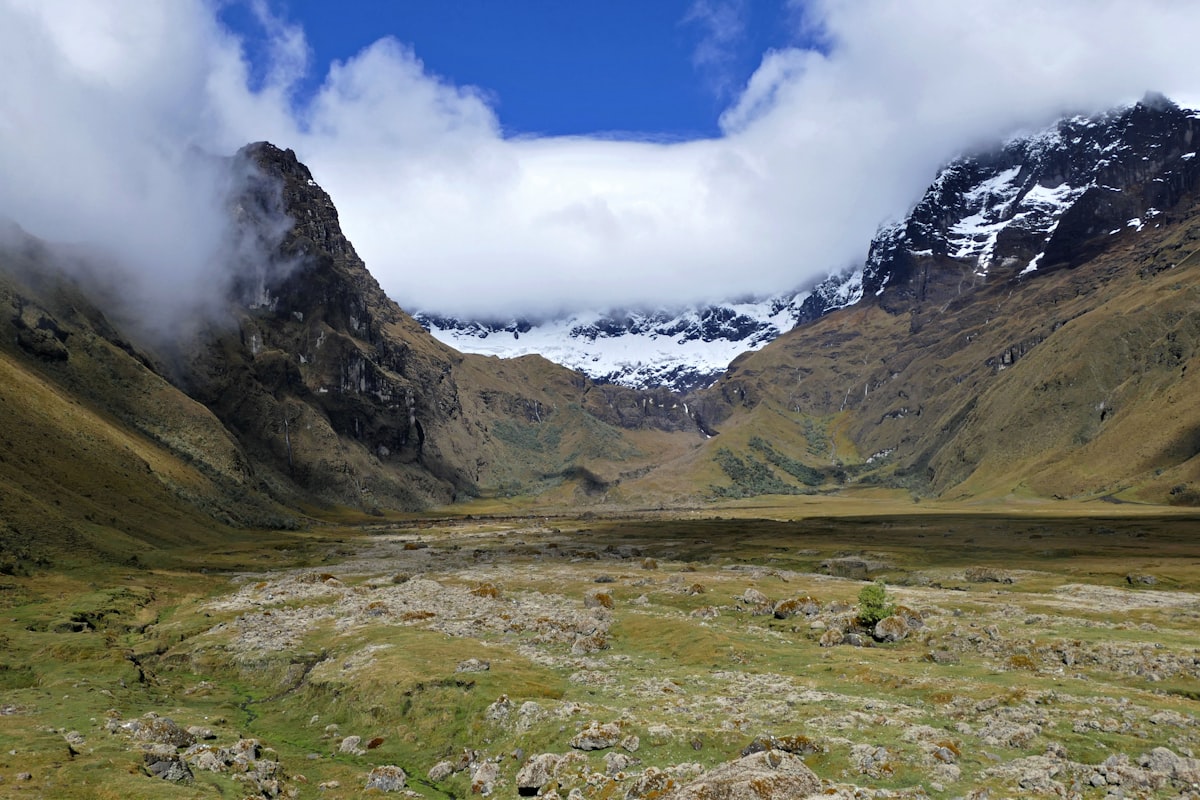
Ecuador's adventure capital, a waterfall-ringed mountain town of hot springs, ziplines and the famous Swing at the End of the World.
- Best time to visit: September-December & March (drier spells)
- Daily budget (budget traveller): $35 to $90 USD
- Ideal trip length: 2 to 3 days
Baños de Agua Santa sits in a lush green valley at the foot of the Tungurahua volcano, where the Andes tumble down toward the Amazon basin. Ringed by waterfalls and fed by volcanic thermal springs, it's Ecuador's undisputed adventure capital. Travellers come to raft rivers, zipline over canyons, cycle the Ruta de las Cascadas, canyon down waterfalls and swing out over the void at the Casa del Árbol. When the adrenaline fades, steaming thermal baths and a compact, welcoming town centre wait. Joy Plus threads Baños' waterfalls, hot springs, adventure sports and weather windows into an efficient, thrilling plan.
Baños de Agua Santa sits at 1,820 metres in a green slot of the Andes, where the highlands fall away toward the Amazon. The town is about ten blocks wide and the Tungurahua volcano looms over it. Waterfalls hang off nearly every cliff, and the Pastaza River roars along the bottom of the gorge. Come for a weekend, get hooked, stay for five days. Everything here is close: a hot spring five minutes' walk from your hostel, a zipline 15 minutes by truck, a waterfall you can hear from the road.
The pitch is adventure, and it delivers. You can rappel down a cascade in the morning, raft Class III rapids at lunch and soak in a 40°C pool by dusk, all on $60 or less. The Ruta de las Cascadas is the headline: 18 km of mostly downhill road to the Pailón del Diablo. You rent a bike for about $8, stop at every falls that looks good and take a bus back up. The Casa del Árbol swing out over the valley is the photo everyone wants, and it works best at 6:30am, before the cloud rolls in. Then there's the smaller stuff, like melcocha taffy pulled by hand in shop doorways, trout from the river, and a $3.50 almuerzo in the Mercado Central that makes cooking at home look silly.
Be realistic about the weather and the crowds. Baños is a cloud-forest town, so showers can hit in any month and clear mornings often turn grey by 11am. Do the viewpoints early and the hot springs late. Ecuadorians flood in on weekends and holidays (Carnival, Semana Santa, school breaks), so a Tuesday here feels like a different town from a Saturday. Two to three days covers the highlights. Five to seven lets you add the Amazon edge at Puyo, a Chimborazo day and a few proper rest days between the adrenaline. Joy Plus keeps the plan flexible so you can swap activities when the sky changes its mind.
How many days in Baños?
For Baños, we recommend 2 to 3 days. With more time, add a day trip to Chimborazo and Riobamba or Quilotoa Lagoon.
| Trip length | What you'll see | Itinerary |
|---|---|---|
| 2 days · Recommended | Quito to Baños, centre and night thermals; Ruta de las Cascadas by bike | Baños in 2 days |
| 3 days · Recommended | Adds: Casa del Árbol sunrise and hot springs | Baños in 3 days |
| 4 days | Adds: Adrenaline day, canyoning and rafting | Baños in 4 days |
| 5 days | Adds: Puyo and the Amazon edge | Baños in 5 days |
| 7 days | Adds: Runtún views and spa recovery; Last soak | Baños in 7 days |
Baños itinerary
Quito to Baños, centre and night thermals
Morning: Direct bus from Terminal Quitumbe in Quito (about $5-6, 3.5 to 4 hours). Walk from the Baños terminal to your hostel and drop bags.
Afternoon: Almuerzo at the Mercado Central for $3-4. Walk past the Basílica de Nuestra Señora de Agua Santa, then watch melcocha being pulled by hand near Parque Central.
Evening: Night session at the Termas de la Virgen (opens about 6pm), under the waterfall. Dinner at Café Hood, early bed.
Ruta de las Cascadas by bike
Morning: Rent a bike on Calle Ambato at 8am (around $8 for the day). Roll downhill from town, stop at Manto de la Novia and cross by cable car.
Afternoon: Reach the Pailón del Diablo around 11am and descend the steps for the $2 entry, you will get soaked. Trout lunch at Río Verde.
Evening: Put the bike on the roof of a Baños-bound bus (about $1 plus $1 for the bike). Hot shower, dinner, a 2x1 cocktail.
Casa del Árbol sunrise and hot springs
Morning: Camioneta from town at 6am (about $10 return) to the Casa del Árbol. Be on the Swing at the End of the World before cloud swallows Tungurahua.
Afternoon: Descend and walk up to Cruz de Bellavista for a different view. Afternoon soak at the El Salado thermal complex (around $5).
Evening: Sunset drink, an early dinner of fresh trout or locro de papa, and bed.
Adrenaline day, canyoning and rafting
Morning: Three-hour canyoning trip, rappelling down waterfalls, about $30-40. Check helmet, harness and that you have two guides.
Afternoon: Class III rafting on the Pastaza or Patate, about $25-35. Lunch is usually included or a quick bite at a stand.
Evening: Night session at Termas de la Virgen for sore shoulders. Dinner at the Mercado Central or a simple pizza.
Puyo and the Amazon edge
Morning: Bus from Baños terminal to Puyo (about 1.5 hours, $2-3). Visit the Parque Etnobotánico Omaere.
Afternoon: Walk the Río Puyo riverside trails. Lunch in town on tilapia or maito de pescado, wrapped in leaves.
Evening: Return bus to Baños by dusk, then dinner and a quiet drink.
Runtún views and spa recovery
Morning: Slow breakfast, then a taxi or a steep walk up the Runtún road for valley views.
Afternoon: Day pass at Luna Volcan spa for pools and views (packages start around $89 with lunch and a treatment), or a cheaper massage in town.
Evening: Last big dinner, cuy if you're brave, melcocha for the road.
Last soak, depart
Morning: Early session at Termas de la Virgen (opens about 4:30am-5am), then coffee and breakfast.
Afternoon: Bus to Quito (3.5 to 4 hours) or onward to Riobamba (about 1.5 hours) for Chimborazo.
Evening: Arrive in Quito for an overnight, or fly out of UIO. Leave buffer for traffic on the Panamericana.
Best neighbourhoods
- Town Centre: The compact grid of hostels, tour agencies, cafés and the basilica.
- Ruta de las Cascadas: The waterfall-lined road east toward the Amazon, dotted with cable cars and viewpoints.
- Casa del Árbol: The hilltop treehouse above town with its iconic swing over the valley.
- Termas de la Virgen: The town's best-known thermal baths, beneath a waterfall at the edge of town.
- San Martín: A green area on the edge of town with the zoo, a river canyon and a waterfall.
Must-do experiences
- Swing at the End of the World: Soar out over the valley on the famous Casa del Árbol swing.
- Cycle the Ruta de las Cascadas: Ride the waterfall route past cable cars and the mighty Pailón del Diablo.
- Soak in the thermal baths: Unwind in volcanic hot springs like the Termas de la Virgen.
- See the Pailón del Diablo: Get soaked at the thundering 'Devil's Cauldron' waterfall.
- Go canyoning or rafting: Rappel down waterfalls or raft the Pastaza River rapids.
- Zipline over the canyons: Fly across the green gorges on high cable lines.
Hidden gems
- The Luna Volcan spa with volcano and valley views high above town.
- Local sugarcane candy (melcocha) pulled fresh on the streets.
- The quieter Manto de la Novia waterfall and its cable car.
- Night views over the lit-up valley from the viewpoints above town, with Tungurahua's silhouette on clear evenings.
Daily budget
- Accommodation: budget $9-15 / night (hostel dorm), mid-range $45-85 (boutique double with breakfast), splurge $170+ (Luna Volcan, Samari Spa Resort). Weekends and holidays add 20-30%. Midweek stays often get a free upgrade or thermal pool access.
- Food: budget $10-15 / day (almuerzo $3-4 at Mercado Central), mid-range $25-40 (Café Hood brunch + trout dinner), splurge $60+ (cuy for two + hotel restaurant wine). Almuerzo is soup, main and juice. Mid-range menus add tax and a 10% service charge, check the receipt.
- Transport: budget $2-6 / day (walking + local buses at $0.50-1), mid-range $10-20 (taxis + a camioneta to Casa del Árbol), splurge $60+ (private driver to Puyo or Chimborazo). Town taxis start around $1.50-2. Agree the fare before getting into any truck.
- Activities: budget $8-15 / day (Pailón del Diablo $2, Termas $4, bike $8), mid-range $35-60 (canyoning or rafting + hot springs), splurge $120+ (canyoning + rafting + zipline + spa day). Rafting is about $25-35, canyoning $30-40, bungee jump about $20-25. Many bars and hostels run combo deals.
- Drinks & nightlife: budget $4-8 (Pilsener + a canelazo), mid-range $15-25 (2x1 cocktails on Calle Ambato), splurge $40+ (hotel spa bar + taxi home). Baños is a mellow party town. Most bars wind down by 1-2am and happy hours are 2x1.
Where to stay
- Social hostel in Town Centre ($9-18 / night): Erupcion Art Hotel & Hostel and Hostal Transilvania sit within five blocks of the Termas and tour agencies. Erupcion faces the central park, Transilvania has the louder common room.
- Boutique hotel in Town Centre, near Termas de la Virgen ($55-95 / night): Posada del Arte or Hostería Monte Selva: quiet rooms, garden, breakfast and a ten-minute walk to everything. Skip the big spa-hotel pricing.
- Apartment in Residential streets two to four blocks off Calle Ambato ($30-55 / night): Airbnb studios with a kitchen and balcony. Best value for 4+ nights, especially if you want to cook with market produce.
- Splurge in Runtún hillside ($170-320 / night): Luna Volcan or Samari Spa Resort: hot tubs, valley and volcano views, spa treatments and no street noise. Worth one night.
What to eat
- Melcocha, chewy sugarcane taffy pulled in shop doorways
- Cuy (roast guinea pig), a highland delicacy
- Fresh trout from Andean rivers
- Locro de papa, a creamy potato and cheese soup
Day trips
- Puyo (1.5 hours by bus): The Amazon gateway city. Walk the Río Puyo trails, visit the Parque Etnobotánico Omaere for Indigenous plant knowledge and eat maito de pescado wrapped in leaves. Bus from Baños terminal, about $2-3 each way, frequent departures from early morning.
- Chimborazo and Riobamba (2 hours by bus + taxi): Ecuador's highest peak. The reserve road climbs to the Carrel refuge at about 4,800 m. A long day, but the altiplano is unforgettable. Bus to Riobamba (about $2.50, 1.5 hours), then a taxi or tour to the reserve. Reserve entry is about $5. Consider an overnight.
- Quilotoa Lagoon (3.5 to 4 hours each way): A turquoise crater lake in the Cotopaxi highlands. Long as a day trip, better as an overnight. Hike down to the water and back up. Bus to Ambato, then to Latacunga, then to Quilotoa. Roughly $6-8 total each way.
When to visit
- Drier window (September - December): 17-25°C, clearer mornings, short afternoon showers. Crowds: Moderate, busier around Dec 16 town anniversary and the October Virgen de Agua Santa festivities. The best window. Better odds of volcano views at Casa del Árbol and easier cycling. Waterfalls are still full.
- Early year (January - March): 17-24°C, mixed sun and rain, March often has drier spells. Crowds: Spiky: Carnival (early Feb in 2027) is packed and wet in every sense. Good for March. Avoid Carnival weekend unless you want water balloons and no beds.
- Wet season (April - July): 15-23°C, frequent heavy rain on the Amazon side, cloudy. Crowds: Low in April-June, rising in July with school holidays. Waterfalls thunder but views vanish. Rafting is at its best. Pack a real rain jacket and book a flexible stay.
- Holiday peak (July - August): 16-24°C, changeable, some clear stretches. Crowds: Heavy on weekends, Ecuadorian school break. Fine midweek, chaotic Friday to Sunday. Prices for rooms and tours climb 20-30%. Book ahead.
Entry rules for your passport
Visa rules for Ecuador depend on the passport you travel on. Check the official source before you book: Ecuador Ministry of Foreign Affairs
Getting there
Baños has no airport. Most visitors fly into Quito (UIO), 45 km east of the city and about 50-60 minutes by road. From the airport, a taxi or Uber to Terminal Terrestre Quitumbe costs roughly $35-45. A private transfer straight to Baños runs $90-120. From Quitumbe, direct buses to Baños leave about hourly, cost around $5-6 and take 3.5 to 4 hours. Pick a daytime bus for the scenery. From Guayaquil, expect 6 to 7 hours (about $10-12). From Riobamba, 1 to 1.5 hours (about $2.50). From Cuenca, plan 7 to 8 hours with a change in Ambato or Riobamba. Baños's bus terminal is five to ten minutes on foot from Parque Central, or a $1.50-2 taxi.
Getting around
Baños is small and walkable, with most hostels, restaurants and tour agencies within a few blocks of the centre, so you can explore the town itself on foot. For the waterfall route, many travellers rent bicycles and cycle the mostly downhill Ruta de las Cascadas, taking buses or trucks back uphill, while others hire quad bikes or join tours. The Casa del Árbol swing and outlying hot springs are reached by short taxi rides, local buses or chivas (open party buses). Baños connects to the rest of Ecuador by frequent buses, with regular services to Quito (around three to four hours), Ambato and the Amazon gateway town of Puyo. Taxis in town are cheap and plentiful.
Safety
Baños is a small, tourist-friendly town that's generally very safe, including for solo travellers, with low levels of serious crime. The main risks come from the adventure activities themselves: rafting, canyoning, ziplining and biking carry inherent dangers, so use reputable operators, check equipment and don't attempt activities beyond your ability. Take care cycling the waterfall route, as it shares the road with traffic and tunnels. The town sits below the active Tungurahua volcano; while monitored, follow any local guidance during periods of activity. Petty theft is uncommon but keep an eye on valuables in busy areas and hostels. With sensible operator choice and standard precautions, most visitors find Baños safe and welcoming. Baños' province is not under Ecuador's current state of emergency, but provinces on the route from Quito have been under rolling states of emergency at times, so check your government's latest advice for the journey.
Solo travel tips
- Join a group tour for canyoning and rafting: Solo spots fill fast and group tours are cheaper per person. Walk into agencies on Calle Ambato, ask for the day's group departure and look for the registered operator permit before you pay.
- Pick a hostel with a hammam or common room: Erupcion Art Hotel & Hostel and Hostal Transilvania both pair dorms with social spaces. You'll meet your canyoning partners at breakfast without forcing it.
- Go to Casa del Árbol at sunrise with others: Share a camioneta from your hostel. It cuts the cost to $3-5 each and you'll have someone to take your swing photo.
- Don't cycle the Ruta de las Cascadas after 2pm: Tunnels are dark and afternoon rain makes the road slick. Start at 8am, wear a helmet, bring a light and take the bus back when you're done.
- Solo female travellers: Baños is one of the easier places in Ecuador to travel alone. Standard rules apply: watch your drink, use registered taxis at night, tell hostel staff where you're going on remote hikes.
- Use the thermal baths to meet people: The Termas de la Virgen night session is half locals, half travellers. Go at 6pm, shower first, stay until the crowd thins and everyone's chatting by the pool.
Cultural etiquette
- Greet shop staff and market stallholders with 'buenos días' or 'buenas tardes'. Say 'buen provecho' to fellow diners when you start eating.
- Carry small bills. $20 is hard to break and $50 or $100 notes are often refused. Ecuador uses US dollars and cash rules in small shops and entry gates.
- At the Termas, shower before getting in, wear proper swimwear and bring your own towel. The pools are shared with locals and families.
- Melcocha is a local craft. Watch it being pulled, ask before photographing the maker, and buy a piece (about $1-2).
- Taxis and camionetas have no meters in many cases. Agree the fare before you get in, especially for Casa del Árbol and Pailón del Diablo.
- Almuerzo, the set lunch, is the big meal of the day (12-2pm). Dinner is lighter and earlier than in Spain or Portugal, usually 6-8pm.
- Ask before photographing Indigenous people or market vendors. A smile and a quick question gets a better photo than a quick snap.
Frequently asked questions
How many days do you need in Baños?
Two to three days is ideal for Baños. In two days you can cycle or tour the Ruta de las Cascadas to see waterfalls like the spectacular Pailón del Diablo, swing at the Casa del Árbol, and soak in the thermal baths. A third day lets you fit in more adventure, such as canyoning, rafting or ziplining, or simply relax in the hot springs and explore the town. Adventure enthusiasts could easily stay longer to work through the full menu of activities, while those on a tight schedule can hit the highlights in a busy two days. It's a popular short break from Quito.
What is Baños known for?
Baños de Agua Santa is known as Ecuador's adventure capital and for its dramatic setting between the Andes and the Amazon at the foot of the Tungurahua volcano. It's famous for its many waterfalls, especially the powerful Pailón del Diablo, its volcanic thermal hot springs, and the iconic 'Swing at the End of the World' at the Casa del Árbol, which sends you soaring out over the valley. The town is a hub for adventure sports including rafting, canyoning, ziplining, canyon swinging and biking the Ruta de las Cascadas, all wrapped in lush green mountain scenery.
When is the best time to visit Baños?
Baños can be visited year-round, but the drier, clearer periods are generally best for outdoor activities and volcano views, typically around September to December and again in March, though mountain weather is changeable and rain can fall in any month. The town's cloud-forest climate means frequent short showers regardless of season, which keep the waterfalls impressively full. Weekends and Ecuadorian holidays bring domestic crowds, so weekdays are quieter. Since the appeal is largely adventure and hot springs, which are enjoyable even in cool, damp weather, timing is flexible, just pack layers and rain gear and be ready for fast-changing conditions.
How do you get to Baños from Quito?
Getting from Quito to Baños is straightforward. Frequent long-distance buses run from Quito's Quitumbe terminal to Baños, taking roughly three to four hours, sometimes with a change in Ambato. Buses are comfortable and inexpensive, making this the most popular option. Alternatively, you can arrange a private transfer or shared shuttle, which is faster and more convenient though pricier, or drive yourself along good mountain roads. Baños is also well connected onward to the Amazon town of Puyo and to Riobamba, so it fits neatly into a wider highland or jungle itinerary. Most travellers simply hop on a direct bus from Quito.
Is Baños worth visiting?
Yes, Baños is well worth visiting and is one of Ecuador's most popular destinations for good reason. It combines stunning natural scenery, waterfalls, green mountains and a volcano, with a huge range of activities from thrilling adventure sports to relaxing thermal baths, all in a compact, affordable and welcoming town. Highlights like the Pailón del Diablo waterfall, the Casa del Árbol swing and the Ruta de las Cascadas are genuinely memorable, and there's something for every energy level, from adrenaline junkies to those seeking a soak in hot springs. As an easy trip from Quito, it offers excellent value and variety.
Is the Swing at the End of the World safe?
The famous swing at the Casa del Árbol is generally safe when used properly. The site now has proper safety harnesses and staff, and while the swing looks terrifying as it sends you out over the steep valley, it's a controlled, well-established attraction visited by huge numbers of people. As with any adventure activity, follow staff instructions, use the harness provided and don't attempt risky stunts. Bear in mind the views of the Tungurahua volcano depend on clear weather, which is unpredictable, so many visitors go early or on clearer days. If you have serious concerns about heights, you can enjoy the treehouse and views without swinging, but for most it's an exhilarating highlight.
Is Baños safe for tourists?
Baños is a small, welcoming town that's generally very safe for tourists, including solo and female travellers, with low levels of violent crime. The bigger risks come from the adventure activities, rafting, canyoning, ziplining, biking and the swing, so choose reputable operators, check safety equipment and know your limits. Take care cycling the waterfall route alongside traffic and through tunnels. The town lies below the active Tungurahua volcano, which is monitored; heed any official guidance during eruptive periods. Petty theft is rare but keep valuables secure in hostels and busy spots. With sensible precautions and reliable tour operators, most visitors have a safe and thrilling time in Baños.
Tours and activities in Baños | Baños in 2 days | Baños in 3 days | Baños in 4 days | Baños in 5 days | Baños in 7 days
Joy Plus home | Destinations | Itineraries | Activities | Flights | Budget planner | Calendar | Map | Blog | Lifetime access