Destinations / South America
Bariloche, Argentina travel guide
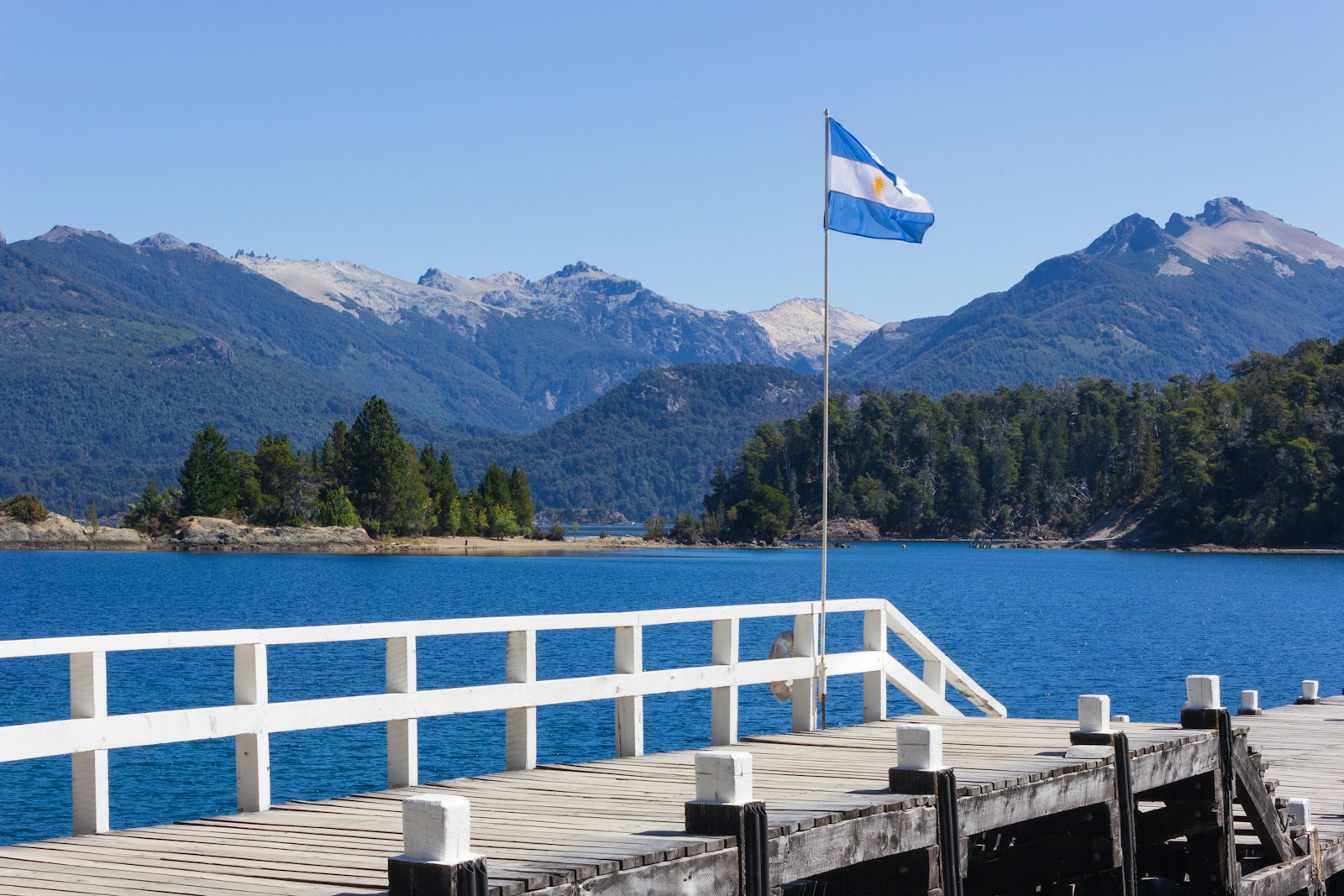
Argentina's Lake District jewel, an Alpine town of glacial lakes, peaks and chocolate.
- Best time to visit: December-March (summer hiking) and June-September (winter skiing)
- Daily budget (budget traveller): $50 to $120 USD
- Ideal trip length: 4 to 5 days
San Carlos de Bariloche sits on the shore of Lake Nahuel Huapi in the heart of Argentine Patagonia's Lake District, ringed by snow-capped Andean peaks. Its Swiss-Alpine architecture, artisan chocolate shops and stone-and-timber buildings give it a storybook feel, while the surrounding national park delivers world-class hiking, kayaking, skiing and the famous Circuito Chico drive. It's one of Argentina's premier outdoor destinations, beautiful in every season. Joy Plus maps the lake circuits, mountain viewpoints, chairlift hikes and seasonal activities so you make the most of the dramatic scenery whatever the time of year.
Bariloche is a town of about 130,000 people sitting at 770 metres on the south shore of Lake Nahuel Huapi, and the first thing to know is that it looks Alpine on purpose. The stone-and-larch Centro Cívico was designed by Ezequiel Bustillo in the late 1930s to give Argentina its own Switzerland, and the chocolate shops, fondue rooms and timber chalets followed. What the postcard doesn't say is that the real show is outside the town. Ten minutes from the Centro Cívico you are on Avenida Bustillo, the lakeshore road that runs 25km to the Llao Llao peninsula. Along it are chairlifts, craft breweries, tiny beaches and trailheads into Nahuel Huapi National Park, Argentina's oldest.
Weather runs the schedule here, not you. You can get sun, hail and a rainbow before lunch, and a clear morning is the green light for the high stuff: Cerro Campanario, Cerro Otto, the Cerro Catedral lifts. Grey days are for breweries, the Museo de la Patagonia and a very serious hot chocolate on Calle Mitre. A car is the most flexible way to do the Circuito Chico, but bus 20 along Avenida Bustillo works fine if you start early and don't mind waiting. Also know the calendar: January to February and the last two weeks of July (Argentine school holidays) are expensive and busy, Easter week is chocolate-festival madness, and from roughly October to December you will share the pavement with teenage graduation groups, a Bariloche rite of passage.
This is a place to slow down, not tick off. Pick one big outdoor day, one boat or chairlift day, one lazy lake day and one day out to El Bolsón or Villa La Angostura, and leave the rest loose for the weather. Prices here are quoted in Argentine pesos at roughly ARS 1,550 per US dollar (October 2026) and inflation moves fast, so treat every figure in this guide as a 2026 ballpark and check before you commit. Eat lamb, trout and anything with dulce de leche, drink the local beer at a brewery with a lake view, and take layers everywhere, even on a day that starts hot.
How many days in Bariloche?
For Bariloche, we recommend 4 to 5 days. With more time, add a day trip to Cerro Tronador and Pampa Linda.
| Trip length | What you'll see | Itinerary |
|---|---|---|
| 2 days | Centro Cívico and Calle Mitre; Circuito Chico, the classic loop | Bariloche in 2 days |
| 3 days | Adds: Cerro Catedral, up high | Bariloche in 3 days |
| 4 days · Recommended | Adds: Isla Victoria and the Arrayanes Forest | Bariloche in 4 days |
| 5 days · Recommended | Adds: Cerro Otto and Colonia Suiza | Bariloche in 5 days |
| 7 days | Adds: Day trip to El Bolsón; Last chocolate | Bariloche in 7 days |
Bariloche itinerary
Arrive, Centro Cívico and Calle Mitre
Morning: Land at BRC. Bus 72 or a remis (ARS 22,000-30,000) to the centre. Drop bags, then hot chocolate and churros at Rapa Nui (Mitre 202).
Afternoon: Walk the Centro Cívico, climb the clock tower arch for the lake view, then Museo de la Patagonia (closed Sundays and Mondays, check hours). Wander Calle Mitre tasting chocolate at Mamuschka and Del Turista.
Evening: Lamb or trout at Familia Weiss (Palacios 167) or steak at El Boliche de Alberto (Villegas 347). One drink at Wilkenny Irish Pub (San Martín 435), then bed.
Circuito Chico, the classic loop
Morning: Bus 20 along Avenida Bustillo from about 8:30am, or drive. Chairlift up Cerro Campanario when it opens (about ARS 30,000) for the best view of the lakes and Llao Llao.
Afternoon: Continue to Punto Panorámico and the little Capilla San Eduardo. Lunch at Cervecería Patagonia (Km 24.7) with a view of Lago Moreno, then a short walk on the Cerro Llao Llao trail.
Evening: Back in town for fondue at La Marmite (Mitre 329) or a quiet pizza and a nap. You earned it.
Cerro Catedral, up high
Morning: Bus 55 from the centre to Villa Catedral (about 40 min). Summer: take the Telesilla Lynch up for ridge walks and a view across Nahuel Huapi. Winter: ski or snowboard from the base.
Afternoon: Lunch at a mountain refuge or at the base. Walk down or ride back before the afternoon wind builds.
Evening: Cervecería Blest (Km 11.6) on the way home for a flight of local beers and a burger.
Isla Victoria and the Arrayanes Forest
Morning: Bus 20 or a taxi to Puerto Pañuelo, then the Turisur catamaran (morning departure, about ARS 120,000 plus a park fee). Cross the lake to Isla Victoria.
Afternoon: Walk the island's forest trails, then stop at Quetrihué peninsula to walk the cinnamon-barked arrayán trees. Back at the dock by late afternoon.
Evening: Dinner near the port or a late supper in town. Eat early, tomorrow starts early.
Cerro Otto and Colonia Suiza
Morning: Take the Cerro Otto gondola (about ARS 32,000) from Avenida de los Pioneros. Hike or walk along the summit to Refugio Berghof for a view of the whole lake basin.
Afternoon: Bus 10 or a taxi to Colonia Suiza. Thursday and Sunday are market days with artisan stalls and curanto, the underground-cooked feast of meat, chicken and potatoes.
Evening: Dinner at Butterfly (Hermano Morales 150) for modern Patagonian cooking, or a quiet night at the hostel.
Day trip to El Bolsón
Morning: Early bus from the Terminal (about 2h, ARS 18,000-25,000 each way). Walk the Feria Regional on Tuesday, Thursday or Saturday and try the jam, hops and cheese.
Afternoon: Lunch at a craft brewery, then hike to Cabeza del Indio or Cascada Escondida if the weather holds.
Evening: Late bus back, tired and full of beer and berries.
Slow morning, last chocolate, depart
Morning: Breakfast at your hotel or a café. Last chocolate run: Rapa Nui and Fenoglio, buy boxes you can carry on a plane.
Afternoon: Walk the Costanera along the lake, pick a sunny bench for a final look at the water.
Evening: Bus 72 or a remis to BRC. Allow 90 minutes in winter in case of de-icing delays.
Best neighbourhoods
- Centro Cívico: The picturesque civic centre with stone buildings, the clock tower and lake views.
- Circuito Chico: The scenic lakeshore route west of town lined with viewpoints, hotels and trailheads.
- Cerro Catedral: The major ski resort area south of town, busy in winter and for summer hiking.
- Colonia Suiza: A small Swiss-founded village known for its curanto feast and rustic charm.
- Llao Llao: The famous lakeside hotel zone surrounded by forest, beaches and trails.
Must-do experiences
- Drive the Circuito Chico: Take the classic scenic loop past lakes, viewpoints and the Llao Llao peninsula.
- Ride up Cerro Campanario: Take the chairlift to a viewpoint ranked among the world's most beautiful.
- Explore the Centro Cívico: Wander the Alpine-style civic square and browse the chocolate shops nearby.
- Hike in Nahuel Huapi National Park: Choose from trails for all levels among lakes, forests and peaks.
- Ski or hike Cerro Catedral: Ski in winter or ride the lifts for high-altitude hiking and views in summer.
- Taste artisan chocolate: Sample Bariloche's famous handmade chocolate along Calle Mitre.
Hidden gems
- The curanto feast cooked in the ground at Colonia Suiza.
- Kayaking the calm bays of Lake Nahuel Huapi at sunset.
- The lesser-known Cerro Llao Llao trail with panoramic lake views.
- Local craft breweries pouring Patagonian ales after a day outdoors.
Daily budget
- Accommodation: budget ARS 25,000-40,000 / night (hostel dorm), mid-range ARS 120,000-220,000 (lake-view hotel double or cabin), splurge ARS 650,000+ (Llao Llao Resort Golf & Spa). Prices jump 40-70% in January, February and late July. Barrio Belgrano cabins are the best value for groups of 3-4.
- Food: budget ARS 25,000-35,000 / day (empanadas, milanesas, menú del día), mid-range ARS 55,000-85,000 (one lamb or trout dinner with wine), splurge ARS 150,000+ (Butterfly tasting-style dinner, Llao Llao dining). Portions are huge. Order media porción or split a plate, and expect a cubierto charge of ARS 2,500-4,000 per head.
- Transport: budget ARS 8,000-14,000 / day (urban buses on SUBE, walking), mid-range ARS 25,000-45,000 (mix of buses, taxis and a shared tour minibus), splurge ARS 100,000+ (rental car with insurance, or a private driver). Bus 20 along Avenida Bustillo covers Campanario and Llao Llao. A rental car (ARS 75,000-120,000 / day) pays off only if you split it.
- Activities: budget ARS 15,000-35,000 / day (free trails plus one museum or small chairlift), mid-range ARS 60,000-120,000 (Campanario chairlift, Isla Victoria boat, Cerro Otto), splurge ARS 250,000+ (winter lift pass plus rental plus lesson, or a guided Tronador day). Cerro Catedral day pass runs about ARS 100,000-135,000 in high season, ski kit rental another ARS 45,000-70,000.
- Drinks & nightlife: budget ARS 8,000-12,000 (one craft pint at a bar), mid-range ARS 25,000-45,000 (brewery flight plus a cocktail), splurge ARS 80,000+ (hotel bar plus a club night). Cervecería Blest and Cervecería Patagonia pour flights with lake views. Clubs on Calle Mitre don't get going until 1am.
Where to stay
- Social hostel in Centro / Barrio Belgrano (ARS 25,000-40,000 / night): Hostel 1004, lake views, a shared kitchen and group asados. Walkable to the Centro Cívico.
- Boutique hotel in Avenida Bustillo, Km 1 to 5 (ARS 130,000-240,000 / night): Hotel Tres Reyes or Hotel Tirol, lake views, family-run charm and a short taxi or bus ride from the centre.
- Apartment in Barrio Belgrano or Barrio Melipal (ARS 90,000-170,000 / night): Cabin-style rentals with a wood stove, quiet streets and a kitchen. Best value for 4+ nights or for groups.
- Splurge in Llao Llao peninsula (ARS 650,000-1,100,000 / night): Llao Llao Resort Golf & Spa, the postcard hotel on its own hill between two lakes, with spa, golf and mountain views.
What to eat
- Artisan chocolate from Calle Mitre's famous shops
- Patagonian lamb or trout from the lakes
- Curanto, a traditional feast cooked underground
- Local craft beer from the region's breweries
Day trips
- El Bolsón (125km south, about 2 hours by bus): Hippie-flavoured valley town with a big artisan market, craft breweries, hops fields and the trailheads for Cabeza del Indio and Cascada Escondida. Bus from the Terminal de Ómnibus, about ARS 18,000-25,000 each way. Go on a Tuesday, Thursday or Saturday for the Feria Regional.
- Villa La Angostura and the Arrayanes Forest (80km north, about 1h15 by car): Small lakeside town with cafés, craft shops and the cinnamon-barked arrayán forest on the Quetrihué peninsula. A good start to the Siete Lagos road. Bus from the Terminal, about ARS 15,000-20,000 each way, or drive Ruta 40 north. Check the Arrayanes boat times if you want to walk the forest.
- Cerro Tronador and Pampa Linda (80km southwest, about 2 hours by road): Glaciers, waterfalls and the huge dark face of Ventisquero Negro under the extinct volcano Tronador. Great hiking and some of the wildest views in the park. Shared tour minibus from Bariloche (about ARS 70,000-100,000) or rental car. The final stretch is gravel, so go in dry weather and start early.
When to visit
- Summer (December to February): 12-25°C, mostly dry, strong afternoon wind, light until about 9:30pm. Crowds: Heavy in January and February (Argentine school holidays). Most reliable for hikes, boats and the Circuito Chico, but pricey. Book January beds 3-4 months ahead and go to Refugio Frey on a weekday.
- Autumn (March to May): 4-18°C, crisp mornings, changeable afternoons. Crowds: Low after Easter, busy during Semana Santa chocolate festival. The sweet spot. Lenga and ñire forests turn red and gold from mid to late April, prices drop, and trails are quiet. Pack a proper jacket.
- Winter (June to September): -3 to 7°C, regular snow, short days. Crowds: Peak from mid-July to early August, then calmer. Ski season at Cerro Catedral, the biggest resort in South America. Go in June or late August for cheaper lift passes and shorter queues.
- Spring (October to November): 3-16°C, windy, rain and sun in the same hour. Crowds: Moderate, with noisy teen graduation groups in town at night. Cheapest beds and blooming lupins in late November, but the weather is a coin toss and some mountain trails still hold snow.
Entry rules for your passport
Visa rules for Argentina depend on the passport you travel on. Check the official source before you book: Argentina Ministry of Foreign Affairs
Getting there
Bariloche's airport (BRC, Teniente Luis Candelaria) is about 15km east of the centre. Aerolíneas Argentinas, Flybondi and JetSMART fly in from Buenos Aeroparque in about 2h15, with one-way fares roughly ARS 70,000-180,000 and the cheap ones selling out for July and January. Bus 72 runs between the airport and the centre for a few thousand pesos, and a remis or taxi to the centre costs ARS 22,000-30,000. The Terminal de Ómnibus (Av. 12 de Octubre) has long-distance buses: to Buenos Aires around 20-22 hours (ARS 90,000-160,000), to Neuquén about 4.5 hours, and to Osorno and Puerto Montt in Chile via the Cardenal Samoré pass in about 6 hours. Overland from Chile, cross early to avoid snow queues in winter.
Getting around
Bariloche's town centre is compact and walkable, but the highlights are spread along the lakeshore and into the national park, so you'll need transport to reach them. Renting a car gives the most freedom to drive the Circuito Chico and explore at your own pace. Local buses (lines 10, 20 and others) run along the lakeshore route to Llao Llao and key viewpoints and are cheap, though slower; they can only be paid with a SUBE card, sold at kiosks. Organised tours cover the main circuits and activities, and taxis or ride options are available for shorter trips. In winter, shuttles connect town with Cerro Catedral. A car is the most convenient option for a flexible visit.
Safety
Bariloche is a safe, tourist-friendly mountain town, and the main risks are outdoor rather than crime-related. Petty theft can occur in the busy centre and at crowded viewpoints, so keep valuables secure, but violent crime is rare. The bigger concerns are the mountain environment: weather changes quickly, so dress in layers, check forecasts, carry water and tell someone your plans before longer hikes. Stick to marked trails, respect park guidance, and be cautious near cold, deep lakes. In winter, roads can be icy. Solo travellers, including women, generally feel very comfortable here, with standard precautions and sensible outdoor preparation being enough.
Solo travel tips
- Register your hikes: For longer routes like Refugio Frey or the Tronador area, sign in at the Club Andino or park office. They track solo hikers, and refuges and rangers will know you are out there.
- Order media porción: Argentine mains are built for two. Ask for media porción or share a plate with someone from your hostel. It's cheaper and you can taste more.
- Hostel pick: Hostel 1004 or Alaska Patagonia: Both have common rooms and shared kitchens and are sociable without forcing a pub crawl. Hostel 1004 is high up in the centre with lake views and group asados. Alaska Patagonia is a quieter place 7 km west on Avenida Bustillo, near Playa Bonita, a bus ride from town.
- Share the road: Solo drivers on Ruta 40 and the Siete Lagos route should check weather and road status first. Without a car, join a shared minibus tour, the seats fill with other solo travellers.
- Solo female travellers: Bariloche is calm and easy for women alone. Use a radio taxi after midnight, keep your drink in sight at the Calle Mitre clubs, and don't walk the dark lakeshore alone late at night.
- Find your tribe on a boat or at a refuge: Group boat trips to Isla Victoria and the long chairlift days at Cerro Catedral are easy places to meet people. In winter, ski lessons are the fastest route to a ski buddy.
Cultural etiquette
- Greet with one kiss on the right cheek, even with new acquaintances. A firm handshake is fine with older locals and in business settings.
- Mate is shared from one gourd. If offered, drink it all and say gracias only when you are finished, since gracias means no more.
- Dinner starts late, usually 9pm to 11pm. In Bariloche restaurants open from about 8pm, so showing up at 6:30pm gets you an empty room and a rushed menu.
- Tip 10% at sit-down restaurants (the cubierto charge is not the tip). Round up taxi fares, and leave ARS 5,000-10,000 for a guide after a good day out.
- Say Malvinas, not Falklands, and keep the conversation light on politics. Argentines feel strongly about both.
- Respect Mapuche heritage. The area is their ancestral land, so ask before photographing communities and buy crafts directly from artisans.
- Fire is the biggest risk in the park. Only light fires in marked pits, never on trails, and follow all posted restrictions in summer.
Frequently asked questions
How many days do you need in Bariloche?
Four to five days is ideal to enjoy both the town and the surrounding landscape. You'll want a day for the classic Circuito Chico scenic loop and Cerro Campanario viewpoint, a day or two for hiking in Nahuel Huapi National Park, time to explore the Centro Cívico and chocolate shops, and a day for an activity like kayaking, a boat trip, or skiing in winter. With more time you can take longer treks, visit nearby El Bolsón, or drive part of the Seven Lakes Route. A shorter two to three-day visit works but feels rushed given the area's wealth of outdoor options.
When is the best time to visit Bariloche?
It depends on what you want. Summer (December to March) is best for hiking, kayaking, boat trips and the Circuito Chico, with long days and the most reliable weather, it's the peak season. Winter (June to September) transforms Bariloche into Argentina's top ski destination, centred on Cerro Catedral. Spring and autumn are quieter and beautiful, with autumn (March to May) offering stunning foliage but more variable weather. Choose summer for outdoor adventures and lakes, or winter for skiing and snow. The shoulder seasons reward travellers who don't mind cooler, changeable conditions in exchange for fewer crowds.
What is Bariloche known for?
Bariloche is famous as the gateway to Argentina's Lake District and Patagonia, renowned for its stunning scenery of glacial lakes, snow-capped Andean peaks and forests. It's known for its Swiss-Alpine architecture and atmosphere, its artisan chocolate shops along Calle Mitre, and outdoor activities including hiking, kayaking, boating and, in winter, skiing at Cerro Catedral. Iconic sights include the Circuito Chico scenic drive, the Cerro Campanario viewpoint, Lake Nahuel Huapi and the luxurious Llao Llao hotel. It's one of South America's premier mountain and lake destinations, beautiful and adventure-filled in every season.
What is the Circuito Chico?
The Circuito Chico is Bariloche's classic scenic drive, a roughly 60-kilometre loop west of town that winds along the shores of Lake Nahuel Huapi through some of the area's most beautiful landscapes. Highlights along the way include the Cerro Campanario chairlift and viewpoint (often rated among the world's most scenic), the Llao Llao peninsula and its famous hotel, Bahía López, and numerous lookouts and short trails. You can drive it yourself in a few hours with stops, cycle parts of it, or take an organised tour. It's the single best introduction to the region's mountain-and-lake scenery.
How do you get around Bariloche?
The compact town centre is walkable, but Bariloche's main attractions are spread along the lakeshore and into the national park, so you'll need transport. Renting a car offers the most freedom, especially for the Circuito Chico and exploring at your own pace. Local buses run along the lakeshore route to Llao Llao and major viewpoints, and are cheap if slower; you need a SUBE card to pay. Organised tours conveniently cover the main circuits and activities, and shuttles serve Cerro Catedral in ski season. Taxis are available for shorter trips. For a flexible, scenery-focused visit, a rental car is usually the most convenient choice.
Is Bariloche good for solo travellers?
Yes, Bariloche is great for solo travellers, particularly those who love the outdoors. It's safe, welcoming and has a strong backpacker and adventure-travel scene, with plenty of hostels and a sociable atmosphere. Group activities like hiking tours, kayaking trips, boat excursions and the Circuito Chico make it easy to meet other travellers, and the craft-beer and chocolate culture gives the town a relaxed, friendly feel. Solo female travellers generally feel very comfortable. The main considerations are practical, preparing properly for mountain weather and outdoor activities, rather than any safety concern about the town itself.
Is Bariloche worth visiting?
Absolutely, Bariloche is one of South America's most beautiful and rewarding destinations, combining dramatic Andean and lake scenery with a charming Alpine-style town and a huge range of outdoor activities. Whether you come for summer hiking and kayaking or winter skiing, the landscapes around Lake Nahuel Huapi are spectacular, and the famous chocolate shops, scenic drives and viewpoints add to the appeal. It's a highlight of Argentine Patagonia and a natural starting point for exploring the wider Lake District. For nature lovers and outdoor enthusiasts especially, it's well worth the trip.
Do I need health insurance to enter Argentina?
Yes. Since a decree of May 2025, foreign visitors must hold health insurance covering their stay and declare it on entry. Standard travel insurance with medical cover is generally accepted; carry the certificate. Public hospitals now treat non-residents free only in emergencies.
Tours and activities in Bariloche | Bariloche in 2 days | Bariloche in 3 days | Bariloche in 4 days | Bariloche in 5 days | Bariloche in 7 days
Can't decide? Compare Bariloche with...
Joy Plus home | Destinations | Itineraries | Activities | Flights | Budget planner | Calendar | Map | Blog | Lifetime access