Destinations / Oceania
Bay of Islands, New Zealand travel guide
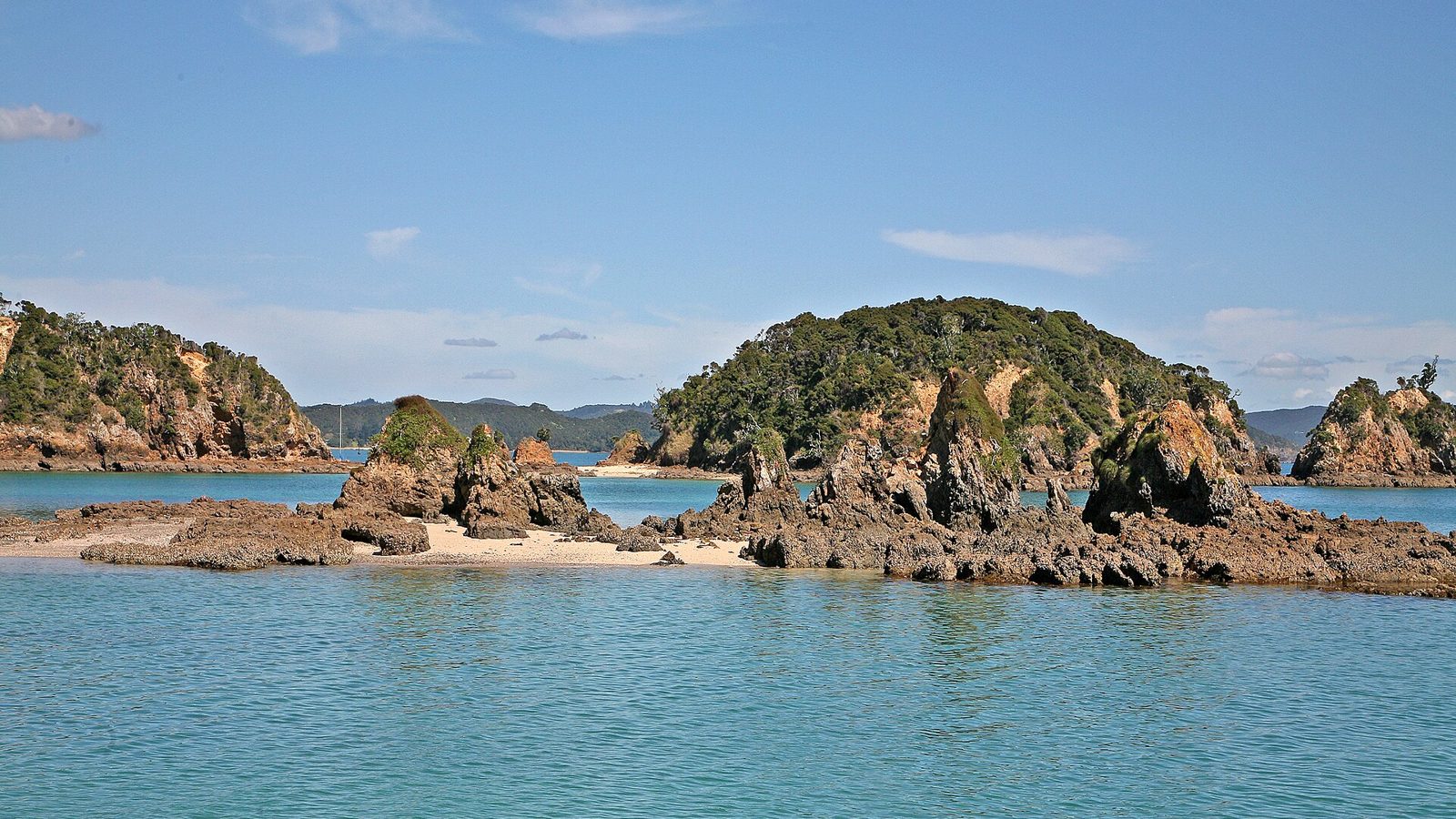
A wide, sheltered bay in Northland with more than 140 islands, warm water and some of New Zealand's most important history. You take the little ferry to Russell, walk the grounds where the Treaty of Waitangi was signed and spend a day out on the water at the Hole in the Rock.
- Best time to visit: November to April
- Daily budget (budget traveller): $70 to $240 USD
- Ideal trip length: 3 to 5 days
The Bay of Islands is a big, island-dotted inlet on the east coast of Northland, about four hours north of Auckland by bus. Most visitors stay in Paihia, a small, easy-going waterfront town with hostels, motels and the wharf where nearly every boat trip starts. A short ferry ride across the water is Russell, once called Kororāreka and known in the whaling days as the 'hell-hole of the Pacific'. Today it is a quiet, pretty village with New Zealand's oldest surviving church. Just north of Paihia are the Waitangi Treaty Grounds, where Māori chiefs and the British Crown first signed the Treaty of Waitangi in 1840. It is the country's most important historic site and the best reason to come here even if you never board a boat. Most people do, though. Cruises head out to the Hole in the Rock off Cape Brett, often with dolphins on the way, and stop at Urupukapuka Island for walks and swims. The bay is not cheap, and tours add up quickly. Still, the walks, beaches and the short ferry crossing cost little or nothing, and with hostel beds along Kings Road in Paihia, a solo traveller can do it well on a modest budget.
The Bay of Islands is where modern New Zealand began. Māori have lived around this sheltered bay for centuries, European whalers and missionaries arrived in the early 1800s, and in 1840 the Treaty of Waitangi was first signed on the lawn above the water at Waitangi. You can still see that layered history everywhere: in the meeting house and waka at the Treaty Grounds, in Russell's old church with its musket ball holes and in the Stone Store at Kerikeri. It is also simply a beautiful place. Green headlands, clear water and more than 140 islands make it one of the best spots in the country for sailing, kayaking and island walks. Many visitors come on a packed day tour from Auckland. Stay a few nights and you get the better version: an early ferry across to Russell, a quiet walk to Haruru Falls, a calm-sea day out at the Hole in the Rock and fish and chips on the beach at sunset.
Getting here is straightforward. InterCity buses from Auckland take about four hours and stop on Paihia wharf, and fares start at around $11 USD if you book early. Flights from Auckland land at Kerikeri, about 25 minutes inland. Once you are here, Paihia is the hub. The Russell ferries, the cruise boats and most hostels are a short walk from the wharf. Base yourself in Paihia for company and convenience, or in Russell for quiet evenings. Without a car, you can still cover the main sights on foot and by boat. Rent a car or bike for a day if you want Kerikeri, Kawakawa or the cycle trail from Opua.
Timing makes a big difference. Summer, from December to February, is warm and lively, but late December and January bring New Zealand's own holidaymakers, and beds fill up fast. Late February to April is many locals' favourite, with warm water and quieter beaches. Winter is mild for New Zealand but wetter, and some boat trips run less often. Whatever the season, keep a spare day, because rough seas can cancel cruises. The bay is safe, friendly and easy for solo travellers. Hostels are sociable, tour boats are full of people chatting, and nobody blinks at a table for one.
Bay of Islands itinerary
Arrive in Paihia
Morning: Take the morning InterCity bus from Auckland (about four hours). Watch the Northland countryside roll past and grab a snack at the Whangārei stop.
Afternoon: Drop your bag at your hostel and walk the Paihia waterfront. Have a first swim at one of the town beaches and book your cruise for a calm day.
Evening: Fish and chips on the beach at sunset, then a drink at the hostel or a waterfront bar.
Waitangi Treaty Grounds
Morning: Walk over the bridge to the Treaty Grounds (NZ$78, about $45 USD). Start in the museum, then join the guided tour.
Afternoon: Watch the cultural performance in the meeting house, see the great waka and visit the Treaty House. Then walk the mangrove track to Haruru Falls, about 5km.
Evening: Walk or get a lift back to Paihia. If your budget allows, book the hāngī and concert evening at Waitangi instead.
Russell by ferry
Morning: Take an early ferry across to Russell (about 15 minutes, around $10 USD). Join a guided tour of Pompallier Mission (about $12 USD).
Afternoon: Visit Christ Church and its graveyard, then climb Flagstaff Hill for views over the bay. Walk over the hill to Long Beach for a swim.
Evening: Dinner or a drink at the Duke of Marlborough on The Strand. Check the last ferry back to Paihia before you order.
Hole in the Rock and Urupukapuka
Morning: Board a half-day cruise from Paihia wharf (roughly $85 to $105 USD). Watch for dolphins on the way out to Cape Brett and the Hole in the Rock.
Afternoon: Get off at Urupukapuka Island, if your trip includes a stopover, to walk the hilltop tracks and swim from a quiet cove.
Evening: Back in Paihia. Cook a simple dinner in the hostel kitchen and swap boat stories.
Kerikeri
Morning: Take a bus or shuttle to Kerikeri, about 25 minutes. Visit the Stone Store and Kemp House at the river basin.
Afternoon: Walk the riverside track to Rainbow Falls. Then head into town for coffee and pick up fruit and macadamias from a local shop or stall.
Evening: Return to Paihia and have dinner by the water.
Coastal walk and Kawakawa
Morning: Walk the coastal walkway from Paihia to Opua at low tide, about 6km through bush and along the shore. Check tide times the night before.
Afternoon: From Opua, hire a bike for part of the Twin Coast Cycle Trail, or take a ride to Kawakawa to see the Hundertwasser toilets and the main street.
Evening: Back in Paihia for a last sunset swim and a farewell dinner.
Slow morning and depart
Morning: Have an early swim or kayak from Paihia beach, then breakfast at a waterfront café.
Afternoon: Catch the afternoon InterCity bus back to Auckland, or a shuttle to Kerikeri airport. Confirm times the day before.
Evening: Arrive in Auckland, or carry on north to Cape Reinga and the Far North.
Best neighbourhoods
- Paihia: The main base, strung along a row of small beaches with the wharf in the middle. Buses from Auckland stop at the Maritime Building on the wharf, and most cruises, the Russell ferry, the hostels on Kings Road, the supermarket and the restaurants are all within a 10-minute walk. It is the best choice for solo travellers who want company and easy logistics.
- Russell (Kororāreka): A small historic village across the water, with a palm-lined waterfront called The Strand, white weatherboard houses, Christ Church and Pompallier Mission. It is far quieter than Paihia, especially after the day visitors leave on the late-afternoon ferries. Stay here for peace and character, but check the last ferry time if you plan to eat in Paihia.
- Waitangi: Just across the bridge north of Paihia, around the Treaty Grounds, a golf course and a few resort hotels. It is calm and green, and the Treaty Grounds and the mangrove walk to Haruru Falls start right here. Paihia's shops and wharf are a 20 to 30 minute walk along the shore.
- Opua: A small port about 7km south of Paihia, with a busy marina full of yachts, the car ferry to Okiato for Russell and the start of the Twin Coast Cycle Trail. There are a couple of cafés and some holiday rentals. It suits cyclists, sailors and anyone with a car who wants to be out of the bustle.
- Kerikeri: The largest town in the area, about 25 minutes inland from Paihia, set among orchards and vineyards. It has the regional airport, better shopping, cafés and the historic Stone Store and Kemp House at the river basin. It is good as a day trip or a quieter base if you have a car.
Must-do experiences
- Spend a day at the Waitangi Treaty Grounds: See the Treaty House, the carved meeting house Te Whare Rūnanga, the huge ceremonial waka and two excellent museums. International adult tickets are NZ$78 (about $45 USD) from October 2026 and include a guided tour and a cultural performance. The ticket is valid for two consecutive days, so you do not need to rush.
- Take the ferry to Russell: The passenger ferry from Paihia wharf takes about 15 minutes and costs around $10 USD one way. In Russell, wander The Strand, find the musket ball holes in the walls of Christ Church and walk up Flagstaff Hill, where Hōne Heke famously cut down the British flagpole four times.
- Cruise out to the Hole in the Rock: Half-day cruises from Paihia head past the islands to Cape Brett and, if the sea allows, through the arch in Motukōkako (Piercy Island). Expect to pay roughly $85 to $105 USD. Many trips include a stop on Urupukapuka Island, and dolphins are often seen along the way.
- Walk Urupukapuka Island: The largest island in the bay is free of introduced predators and criss-crossed with grassy walking tracks, quiet coves and old pā sites. Get there on an island-stopover cruise or ferry, then walk the loop and swim from an empty beach. Book a DOC campsite if you want to stay the night.
- Walk the mangroves to Haruru Falls: From the Treaty Grounds, a track of about 5km follows the river through native bush and over a long boardwalk in the mangroves to a wide, horseshoe-shaped waterfall. It is free. Bring water, and either walk back or arrange a pickup.
- Tour Pompallier Mission in Russell: This 1840s rammed-earth building was where French Catholic missionaries printed and bound books in te reo Māori. Guided tours show the old press and tannery in action and cost about $12 USD for adults. Under-18s go free, and a cheaper garden-only ticket is also available.
- See the Stone Store in Kerikeri: At the Kerikeri river basin stand New Zealand's oldest stone building, finished in the 1830s, and Kemp House, its oldest surviving building. Walk the riverside track from here to Rainbow Falls, then stop in town for coffee among the orchards.
Hidden gems
- Long Beach (Oneroa Bay), a 15-minute walk over the hill from Russell's waterfront, where the sand is soft and the water calm, and it is often almost empty on weekdays
- The Paihia to Opua coastal walkway, which runs through bush and along rocky shoreline for about 6km. Some sections can only be crossed at low tide, so check the tide times first
- Tapeka Point beyond Russell, a short climb to an old pā site with views right across the bay
- The Hundertwasser public toilets in Kawakawa, a mosaic and ceramic work by the Austrian artist who lived nearby, and probably the most visited toilets in the country
- The mangrove boardwalk on the Haruru Falls track early in the morning, when the birds are loud and the walkers few
Daily budget
- Accommodation: budget $22 to $35 USD / night (hostel dorm in Paihia), mid-range $110 to $180 USD (motel, B&B or private hostel room), splurge $350+ USD (resort, boutique hotel or lodge). Prices rise sharply from Christmas to late January and over Easter. Single rooms are scarce in summer, so book early. Many motels have kitchens, which helps a solo budget.
- Food: budget $25 to $35 USD / day (supermarket breakfast, pie lunch, fish and chips), mid-range $50 to $80 USD (café lunch and a sit-down dinner), splurge $100+ USD (seafood dinner with wine, or a hāngī evening). Fish and chips cost roughly $10 to $15 USD and restaurant mains about $20 to $35 USD. The Paihia supermarket and hostel kitchens are your best friends. Prices are rough guides.
- Transport: budget $0 to $10 USD / day (walking, one Russell ferry), mid-range $20 to $40 USD (ferries, a shuttle or bike hire), splurge $60 to $90 USD (hire car for a day, plus fuel). The InterCity bus from Auckland is about $11 to $35 USD each way. The Russell passenger ferry is around $10 USD one way. Car hire is cheaper booked ahead and outside summer.
- Activities: budget $0 to $12 USD / day (walks, beaches, Pompallier garden), mid-range $45 to $60 USD (Waitangi Treaty Grounds, Pompallier tour), splurge $85 to $105 USD+ (Hole in the Rock cruise, sailing day, hāngī evening). Waitangi is NZ$78 (about $45 USD) for international adults from October 2026, valid for two days. Pompallier's guided tour is about $12 USD. Cruises are the biggest cost, so pick one good one.
- Drinks & nightlife: budget $7 to $12 USD (a beer or glass of wine), mid-range $20 to $40 USD (a few drinks at a waterfront bar), splurge $60+ USD (sunset sailing with drinks). A flat white costs about $3 to $4 USD and a pint around $7 to $9 USD. Nightlife means a few bars in Paihia and hostel common rooms. Russell is very quiet after dark.
Where to stay
- Social hostel in Paihia, Kings Road ($22 to $35 USD / night (dorm)): Kings Road is Paihia's backpacker strip, with long-running hostels such as Saltwater Lodge a few minutes from the beach and the wharf. Expect dorms, kitchens, a garden or deck and plenty of other travellers.
- Boutique hotel in Russell waterfront ($150 to $300 USD / night): The Duke of Marlborough is a historic hotel on The Strand that claims New Zealand's first liquor licence. Rooms are smart and some face the water, and Pompallier, Christ Church and the ferry are on the doorstep.
- Motel in Paihia waterfront and Waitangi ($110 to $180 USD / night): Paihia has dozens of small motels, many with kitchenettes and some with sea views. They are good value for a private room and easy walking distance from the wharf and the Treaty Grounds.
- Splurge in Paihia, Te Tii Bay ($350 to $650 USD / night): Paihia Beach Resort & Spa sits on the shore at the quieter northern end of town, with a pool, a spa and bay views. It is still an easy walk to the wharf and the Treaty Grounds.
What to eat
- Fish and chips: snapper or tarakihi wrapped in paper from a Paihia takeaway, eaten on the beach or the wharf. One of the cheapest good meals in the bay
- Bay of Islands oysters: Pacific oysters farmed in the bay, served at waterfront restaurants in Paihia and Russell. Order a half-dozen and ask where they were grown
- Hāngī: food slow-cooked in an earth oven, served on evening concert-and-dinner experiences at the Waitangi Treaty Grounds. A splurge, but a memorable one
- Kerikeri produce: citrus, avocados, kiwifruit and macadamias from roadside stalls and the Saturday-morning Old Packhouse Market
- A pie and a flat white: mince and cheese or steak pies from a bakery for a cheap lunch, with a proper espresso coffee
- Northland wine and beer: a glass of local wine from vineyards near Russell or Kerikeri, or a pint at the Duke of Marlborough on Russell's waterfront
Day trips
- Urupukapuka Island (About 1 hour by boat from Paihia): The largest island in the bay, with grassy walking tracks, sheltered coves, old pā sites and plenty of birds thanks to predator control. You can walk a loop of several hours, swim from empty beaches and, if you book, camp overnight at DOC campsites. Take an island ferry or a Hole in the Rock cruise with an island stopover from Paihia wharf. Check the return time carefully, bring food and water, and check your bags for seeds and pests before landing.
- Cape Reinga and Ninety Mile Beach (About 210km north, a full day of about 11 hours on a tour): The northern tip of New Zealand, where the Tasman Sea meets the Pacific and Māori believe spirits depart. Tours usually drive along Ninety Mile Beach and stop for sandboarding on the giant Te Paki dunes. Join a coach day tour from Paihia, which takes the beach legally on a tide-timed route. Driving yourself is possible, but it is a long day. Hire cars are not allowed on Ninety Mile Beach.
- Kawakawa and the Twin Coast Cycle Trail (About 7km to Opua and 17km to Kawakawa from Paihia): Kawakawa is a small town known for its colourful Hundertwasser toilets. The flat cycle trail runs between Opua and Kawakawa through farmland, wetland and an old rail tunnel, and it is easy for most riders. Hire a bike or e-bike in Paihia or Opua and ride the trail one way, with a shuttle back. Or drive to Kawakawa in about 20 minutes, since buses are few.
When to visit
- Summer (December - February): 22-26°C, warm and humid, sea around 20-22°C. Crowds: Very busy from Christmas to late January and around Waitangi Day on 6 February. Best for swimming and boat trips, but beds and cruises book out. Reserve early and expect peak prices. Waitangi Day is a huge, meaningful event, but very crowded.
- Autumn (March - May): 18-24°C, settled at first, cooler and wetter by May. Crowds: Moderate in March, quiet by May. Arguably the best time. The sea is still warm, school holidays are over and prices ease. Late-summer storms are possible in March.
- Winter (June - August): 14-17°C by day, cool nights, frequent rain. Crowds: Low. Cheap and peaceful, and still mild by New Zealand standards. Good for history and walks, but some boat trips run less often and swimming is for the brave.
- Spring (September - November): 17-22°C, changeable, sea still cool. Crowds: Low to moderate, rising in November. Fresh, green and good value. Walking and Waitangi are great, and November is warm enough for boat days, though not always for swims.
Entry rules for your passport
Visa rules for New Zealand depend on the passport you travel on. Check the official source before you book: Immigration New Zealand
Getting there
The Bay of Islands is about 230km north of Auckland. The easiest way without a car is the InterCity bus, which runs daily from the SkyCity terminal at 102 Hobson Street in central Auckland. The trip takes around four hours with stops including Whangārei, and it arrives at the Maritime Building on Paihia wharf. Fares are roughly $11 to $35 USD, cheapest when booked early. From Auckland Airport, take a bus or shuttle into the city first. You can also fly. Air New Zealand links Auckland with Bay of Islands Airport at Kerikeri in under an hour, and shuttles and rental cars connect to Paihia, about 25 minutes away. Driving from Auckland takes about three hours via State Highway 1. Part of the route north of Auckland is a toll road, so pay online soon after using it. Once here, the passenger ferry links Paihia and Russell, and the car ferry runs from Opua to Okiato. International visitors from visa-waiver countries need an NZeTA and must pay the NZ$100 visitor levy before travelling, while Australian citizens are exempt.
Getting around
Paihia is small enough to walk, and it takes about 10 minutes from one end of the waterfront to the other. The Treaty Grounds are a 20 to 30 minute walk north over the bridge. To reach Russell, take the passenger ferry from Paihia wharf. The Bay Belle crossing takes about 15 minutes and costs around $10 USD one way, and you can pay on board. A second operator, the Happy Ferry, runs between 9am and 5pm and is a bit cheaper. Ferries run until the evening, later in summer, so check the last sailing before dinner in Russell. If you drive, the car ferry links Opua with Okiato, about 10 minutes by road from Russell. Public buses beyond the town are very limited. InterCity links Paihia with Kerikeri and Kawakawa a few times a day, and a small local bus service runs on some weekdays. For Kerikeri, Kawakawa or remote beaches, a hire car makes life much easier, and rental desks are in Paihia and at Kerikeri airport. Bikes and e-bikes can be hired for the Twin Coast Cycle Trail from Opua. Taxis and shuttles exist but are few, so book ahead. Island trips and the Hole in the Rock are reached on tour boats from Paihia wharf.
Safety
The Bay of Islands is safe and relaxed, and crime against visitors is low. Do not leave valuables in hire cars at trailheads or beach car parks, because thefts from vehicles are the most common problem. The bigger risks are natural. The sun in New Zealand is very strong, so use high-factor sunscreen even on cloudy days. Swim at sheltered beaches, watch for rips on exposed ocean beaches and never swim alone far from shore. Some coastal walks are cut off at high tide, so check tide times. Weather can turn fast on the water, and boat trips are cancelled when the sea is rough. In late summer, tropical storms occasionally bring heavy rain and road closures. If you drive, remember New Zealand drives on the left, and Northland roads are narrow and winding. Scrub your shoes at kauri dieback cleaning stations on forest tracks. Tap water in the towns is safe to drink. The emergency number is 111. Travel insurance with medical cover is essential. Australians and others with a reciprocal agreement get some public healthcare, but it does not cover everything.
Solo travel tips
- Base yourself in Paihia: The bus, the ferries, the cruise boats and the sociable hostels are all within a few minutes of the wharf. You can walk everywhere and still meet people in the evening.
- Keep a spare boat day: Rough seas can cancel or change the Hole in the Rock cruise. Book it early in your stay so you can move it if the weather turns.
- Watch the last ferry: Russell is lovely in the evening, but if you stay in Paihia, check the time of the last passenger ferry. The road route via the car ferry is long without a car.
- Spend on one big trip: Cruises, Waitangi and hāngī evenings add up quickly. Choose one boat trip, then fill the other days with free walks, beaches and the cheap Russell ferry.
- Safety for solo travellers: The real risks are sun, water and tides rather than crime. Use strong sunscreen, swim where others are swimming, check tide times for coastal walks and tell someone your route before a long walk.
- Meet people on the water: Tour boats, kayak trips and sailing days are naturally social, and hostels in Paihia often run barbecues or quiz nights. A guided tour at Waitangi is also an easy way to start talking.
Cultural etiquette
- Greet people with 'kia ora' (hello, thanks) and try to pronounce Māori place names properly. Locals notice and appreciate the effort.
- Follow your guide's lead at Waitangi and other marae. Take your shoes off where asked, do not eat inside the meeting house and stay quiet during formal parts of a welcome.
- Treat the Treaty of Waitangi as a living subject, not ancient history. It still shapes New Zealand politics, so listen more than you argue.
- Do not sit on tables or put food on surfaces where people sit. In Māori custom, food and the head are kept apart for reasons of tapu (sacredness).
- Respect rāhui, temporary bans on fishing or gathering in an area set by local iwi, and follow the signs on beaches and in the water.
- Tipping is not expected in New Zealand, though rounding up for great service is welcome. Do not feel you must add 10 to 20%.
- Leave no trace on islands and tracks. Take your rubbish home and use the cleaning stations to stop the spread of kauri dieback.
Frequently asked questions
How do I get to the Bay of Islands and from the bus to my room?
Most solo travellers take the InterCity bus from Auckland. Buses leave daily from the SkyCity terminal at 102 Hobson Street and take about four hours, with fares from roughly $11 to $35 USD depending on how early you book. The bus stops at the Maritime Building on Paihia wharf, and most hostels and motels are within a 5 to 10 minute walk. If you are staying in Russell, walk straight onto the passenger ferry from the same wharf. You can also fly from Auckland to Kerikeri and take a shuttle to Paihia, which takes about 25 minutes.
How many days do I need in the Bay of Islands?
Two nights lets you see Waitangi and Russell, but you will feel rushed. Three to five nights gives you time for a Hole in the Rock cruise, a walk on Urupukapuka Island, Haruru Falls and a day in Kerikeri, with a spare day in case bad weather cancels a boat trip. A week works if you want to camp on an island, cycle the trail from Opua or take a day tour to Cape Reinga.
When is the best time to visit the Bay of Islands?
November to April is warmest, and the sea is good for swimming from about December. Late February to April is the sweet spot, with warm water, settled weather and fewer crowds once New Zealand's summer school holidays end. Christmas, January and Waitangi Day on 6 February are the busiest times, and prices peak. Winter is mild for New Zealand, with highs around 15 to 17°C, but it can be wet, and some boat trips run less often.
Do I need a car in the Bay of Islands?
Not if you stay in Paihia or Russell. You can walk to the Treaty Grounds and Haruru Falls, take the ferry to Russell and join boat trips from Paihia wharf. A car helps for Kerikeri, Kawakawa, remote beaches and anything further north, since local buses are infrequent. Many travellers hire one for just a day or two, or take a guided day tour instead.
Can I swim with dolphins in the Bay of Islands?
No. The Department of Conservation stopped commercial swimming with dolphins in the Bay of Islands in 2019 to protect the local bottlenose population, which had been declining. Licensed cruises can still watch dolphins from the boat, and many Hole in the Rock trips do. Expect the skipper to keep a respectful distance and limit time with the animals.
Is the Waitangi Treaty Grounds ticket worth the price?
For most visitors, yes. International adults pay NZ$78 (about $45 USD) from October 2026, while New Zealand residents pay half. The ticket covers two consecutive days and includes the museums, the Treaty House, the meeting house, the waka, a guided tour and a cultural performance. Allow at least half a day. If you can, spread it over two days and add the walk to Haruru Falls.
Is the Bay of Islands safe for solo female travellers?
Yes. Paihia and Russell are small, friendly towns and used to backpackers, and many women travel here alone. Take normal care in hostel bars at night, walk the lit waterfront rather than bush tracks after dark and tell someone your plans before long walks. If you hitchhike, which some backpackers still do in Northland, think carefully, as buses and shuttles are the safer choice.
What entry rules apply to New Zealand in 2026?
Most visitors from visa-waiver countries, including the UK, US, Canada and the EU, need a New Zealand Electronic Travel Authority (NZeTA) before they fly. It costs NZ$17 on the official app or NZ$23 online, plus the NZ$100 International Visitor Conservation and Tourism Levy, so roughly $68 to $72 USD in total. Australian citizens do not need one. You also complete the New Zealand Traveller Declaration before arrival, and strict biosecurity rules mean you must declare food and clean outdoor gear. Check Immigration New Zealand and your own government's travel advice before you go.
Tours and activities in Bay of Islands | Bay of Islands in 2 days | Bay of Islands in 3 days | Bay of Islands in 4 days | Bay of Islands in 5 days | Bay of Islands in 7 days
Joy Plus home | Destinations | Itineraries | Activities | Flights | Budget planner | Calendar | Map | Blog | Lifetime access