Destinations / Asia
Beijing, China travel guide
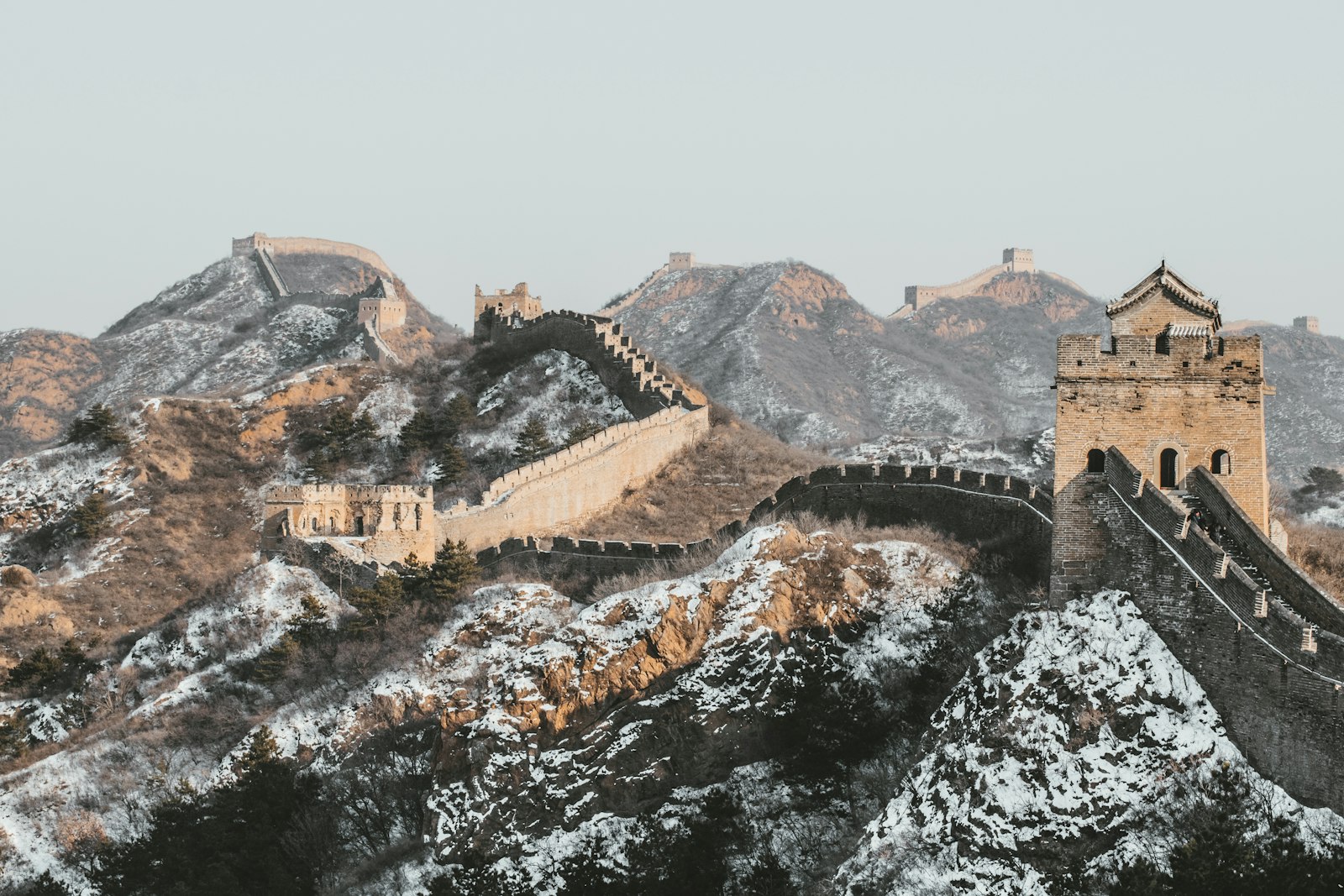
China's monumental capital, home to the Great Wall, imperial palaces and a 3,000-year-old culture.
- Best time to visit: September-October & April-May
- Daily budget (budget traveller): $45 to $110 USD
- Ideal trip length: 4 to 5 days
Beijing is the historic and political heart of China, a sprawling capital where the Forbidden City, Temple of Heaven and the Great Wall sit alongside hutong alleys, hip art districts and a roaring modern food scene. It's grander and more traditional than Shanghai, the place to absorb millennia of Chinese history in a few days. Solo travellers find it safe and rewarding, though it demands planning: sights are vast, spread out and often require advance booking. Joy Plus maps Beijing's giants into a manageable plan with the right Great Wall section and timing for your trip.
Beijing is built on a scale that resets your sense of distance. The Forbidden City alone is 72 hectares, Tiananmen Square holds 100,000 people, and the Great Wall is two hours away by bus. That is the first thing to understand: this is a city for planning, not wandering. Sights need timed tickets tied to your passport, the metro journeys are long, and a bad half-day of queueing can wreck a good morning. Do the logistics once and the payoff is huge, because few cities let you walk through 600 years of palace architecture before lunch and eat roast duck by dinner.
The other Beijing sits in the gaps between the monuments. It is the hutong lanes around Gulou, where grandparents play xiangqi on folding stools and a craft brewery or a baijiu cocktail bar hides behind a grey brick door. It is a ¥10 jianbing from a cart at 8am, a bowl of zhajiangmian in a tiled noodle shop, and the Temple of Heaven park at 6:30am, when half the neighbourhood is doing tai chi, singing opera or kicking shuttlecocks. Spend your mornings on the imperial headliners and your evenings in the alleys, and the city makes sense.
For solo travellers it is easier than its reputation suggests. Crime is very low, the metro is cheap and signed in English, and almost everything runs through your phone. The one real hurdle is set-up: link a foreign card to Alipay or WeChat Pay, sort a VPN or roaming eSIM, and bring your passport everywhere. Sort those before you land and Beijing is one of Asia's most rewarding capitals, with the best Great Wall access of any big city on earth.
How many days in Beijing?
For Beijing, we recommend 4 to 5 days. With more time, add a day trip to Chengde Mountain Resort.
| Trip length | What you'll see | Itinerary |
|---|---|---|
| 2 days | Gulou and the Drum Tower; Tiananmen and the Forbidden City | Beijing in 2 days |
| 3 days | Adds: Great Wall at Mutianyu | Beijing in 3 days |
| 4 days · Recommended | Adds: Temple of Heaven and Qianmen | Beijing in 4 days |
| 5 days · Recommended | Adds: Summer Palace and the Old Summer Palace | Beijing in 5 days |
| 7 days | Adds: Lama Temple, 798 and Sanlitun; Hutongs | Beijing in 7 days |
Beijing itinerary
Arrive, Gulou and the Drum Tower
Morning: Land at PEK, take the Airport Express (¥25, about 25 min) to Dongzhimen, then Line 2 to Guloudajie. Drop bags and eat a ¥10 jianbing from the first cart you see.
Afternoon: Climb the Drum Tower (¥30) for the roofline view and catch a drum show, then wander Yandai Xiejie and the hutongs toward Houhai lake.
Evening: Dinner at Jiumen Xiaochi snack hall, then a pint at Great Leap Original in Doujiao Hutong. Sunset on the Houhai shore if you arrive early.
Tiananmen and the Forbidden City
Morning: Line 1 to Tiananmen East. Go through the security check at the Square (reserve free entry online), then through the Meridian Gate at the Forbidden City's 8:30am opening. Tickets need a passport, are released about 7 days ahead, and the palace is closed Mondays.
Afternoon: Exit via the north gate and climb Jingshan Park (¥2) for the postcard view over the golden roofs. Lunch on the way back toward Nanluoguxiang.
Evening: Peking duck at Siji Minfu near Donghuamen (book ahead), then a walk down Wangfujing. Eat the street stalls only if you have a strong stomach.
Great Wall at Mutianyu
Morning: Leave by 7:30am. Take Bus 916 express from Dongzhimen to Huairou, then a taxi (about ¥50-70) to Mutianyu. Entry ¥45, cable car about ¥120 return. Walk towers 6 to 14 before the day trippers arrive.
Afternoon: Lunch at The Schoolhouse at Mutianyu in the village, then ride the toboggan down (about ¥100) for the fun of it.
Evening: Back in town by 6pm. Get a foot massage near Guloudajie (about ¥128 for 60 min) and an early night.
Temple of Heaven and Qianmen
Morning: Line 5 to Tiantandongmen at 7am, when locals are doing tai chi, singing, and kicking shuttlecocks in the park. The combo ticket (¥34) covers the Hall of Prayer, Echo Wall and Circular Mound.
Afternoon: Walk north through Qianmen and Dashilar. Browse the old lanes and buy tea or silk. Lunch at Liqun Roast Duck if you booked, or a bowl of noodles at any shopfront.
Evening: Beijing opera at Liyuan Theatre (about ¥180-380), then hotpot at Haidilao. Solo diners get a plush toy companion and a dedicated mini-pot.
Summer Palace and the Old Summer Palace
Morning: Line 4 to Beigongmen, then the Summer Palace at opening (around 6:30am to 6pm). Through ticket ¥60 April to October. Walk the Long Corridor and climb Longevity Hill.
Afternoon: Hop on the boat across Kunming Lake, then Line 4 one stop to Yuanmingyuan Park (¥25) for the haunting ruins of the Old Summer Palace.
Evening: Dinner near Wudaokou, the student district, for cheap Lanzhou noodles and hotpot. Back to Gulou by metro.
Lama Temple, 798 and Sanlitun
Morning: Lama Temple (Yonghegong) at 9am opening, ¥25. Then Wudaoying Hutong for coffee and a bowl of zhajiangmian nearby.
Afternoon: Line 14 to the 798 Art District. Galleries, street art and UCCA Center for Contemporary Art.
Evening: Dinner and drinks around Sanlitun Taikoo Li. Cocktails at Janes & Hooch, then late craft beer if you still have the stamina.
Slow morning, hutongs, depart
Morning: Jianbing breakfast, then a bike ride (¥2 shared bikes) through Fangjia Hutong and Nanluoguxiang's quieter side streets before the crowds.
Afternoon: Last bowl of zhajiangmian, buy tea at Maliandao or a local shop, collect bags.
Evening: Metro to Dongzhimen, Airport Express to PEK (trains run roughly every 10 to 15 min, check the last departure). Allow 3 hours for international flights.
Best neighbourhoods
- Forbidden City / Tiananmen: The monumental imperial core and the symbolic centre of the city.
- Hutongs (Gulou / Nanluoguxiang): Maze-like old alleys of courtyard homes, cafés and bars.
- Wangfujing: The central shopping street near the main sights and food stalls.
- Sanlitun: The modern nightlife, dining and shopping district.
- 798 Art District: A converted factory complex full of galleries and creative studios.
Must-do experiences
- Walk the Great Wall: Hike a scenic section like Mutianyu or Jinshanling.
- Explore the Forbidden City: Wander the world's largest imperial palace complex.
- Visit the Temple of Heaven: See the iconic circular hall and its tranquil park.
- Wander the hutongs: Lose yourself in the old alleys by bike or on foot.
- Eat Peking duck: Try the city's signature dish at a famous roast-duck house.
- See the Summer Palace: Stroll the lakeside imperial gardens and pavilions.
Hidden gems
- Quieter, wilder Great Wall sections like Jinshanling or Gubeikou.
- Hidden courtyard cafés and bars deep in the Gulou hutongs.
- The Lama Temple's incense-filled halls and giant Buddha.
- Sunset over Houhai lake from a rooftop bar.
Daily budget
- Accommodation: budget ¥70-130 / night (hostel dorm), mid-range ¥500-900 (hutong boutique double), splurge ¥2,500+ (Waldorf Astoria, Aman Summer Palace). Gulou and the hutongs near Nanluoguxiang give the best mix of character and metro access. Avoid Golden Week, when prices triple.
- Food: budget ¥60-100 / day (noodles, jianbing, dumplings), mid-range ¥200-350 (one duck or hotpot dinner), splurge ¥800+ (Jing Yaa Tang, Da Dong tasting menu). A bowl of zhajiangmian is ¥25-40. A whole Peking duck at Siji Minfu runs about ¥300 and feeds two comfortably.
- Transport: budget ¥15-25 / day (metro and bus), mid-range ¥50-100 (metro plus Didi), splurge ¥700-1,000 (private car and driver to the Wall). Metro fares are ¥3 to ¥9 depending on distance. Shared bikes (Meituan, Hello) are ¥1.5-2 per ride and ideal for the hutongs.
- Activities: budget ¥60-150 / day (Forbidden City ¥60, parks, Lama Temple ¥25), mid-range ¥200-400 (Mutianyu with cable car, Beijing opera), splurge ¥800+ (private Wall guide, hutong dinner experience). Tiananmen Square is free but needs a reservation. The Temple of Heaven combo ticket is ¥34 and the Summer Palace through ticket is ¥60 (April to October).
- Drinks & nightlife: budget ¥20-40 (corner-shop Tsingtao at ¥6-10), mid-range ¥120-250 (craft beer and cocktails in Gulou or Sanlitun), splurge ¥500+ (Atmosphere bar, hotel rooftop). Craft beer is about ¥40-60 a pint at Great Leap. Corner-shop beer on a hutong stoop costs a tenth of that.
Where to stay
- Social hostel in Gulou / Nanluoguxiang (¥70-150 / night): Downtown Backpackers sits in the hutongs with a bar and organised social nights, minutes from Gulou's cafés, live music and Line 2, 6 and 8 metro.
- Boutique hotel in Dongcheng hutongs (near Lama Temple) (¥700-1,300 / night): The Orchid, a design-led courtyard hotel with quiet rooms and a hutong address. Walking distance to Lama Temple and the bars of Wudaoying.
- Apartment in Sanlitun / Chaoyang (¥400-800 / night): Serviced flats booked via Trip.com or Airbnb give a kitchen and laundry, with Sanlitun's restaurants and Line 10 on the doorstep. Best for stays of 5 nights or more.
- Splurge in Wangfujing / Summer Palace (¥2,800-6,500 / night): Waldorf Astoria Beijing puts you five minutes from the Forbidden City. Aman Summer Palace is a former imperial guesthouse with direct access to the gardens before the crowds.
What to eat
- Peking roast duck at a classic duck house
- Zhajiangmian, Beijing's signature noodles with savoury soybean sauce
- Jianbing, the savoury breakfast crepe from a street cart
- Hotpot, especially in the colder months
Day trips
- Mutianyu Great Wall (70km, about 1.5 hours): The best-restored and most visitor-friendly section, with cable car, toboggan and watchtowers set in forested hills. Go on a weekday at opening to dodge groups. Entry about ¥45, cable car around ¥120 return. Bus 916 express from Dongzhimen to Huairou (about ¥12), then a taxi or minibus to the gate. A private driver is ¥700-1,000 for the round trip.
- Jinshanling Great Wall (125km, about 2.5 hours): A wilder, partly unrestored stretch with long ridge-line hiking and few people. Combine it with Simatai West for a classic 10km walk. Entry about ¥65. Join a group hike (Beijing Hikers, Great Wall Adventure Club) or charter a car for ¥800-1,200 return. Public transport requires changes and is slow.
- Chengde Mountain Resort (about 2 hours by high-speed train): The Qing emperors' summer retreat, with lakes, pavilions and the huge Putuo Zongcheng temple. Quieter and cooler than Beijing in summer. Best as an overnight. High-speed train from Beijing North or Chaoyang to Chengde South, roughly ¥70-100 each way. Taxi or bus into town.
When to visit
- Spring (April - May): 9-26°C, dry and breezy, occasional dust, blossom in the parks. Crowds: Moderate, spikes during the May 1 Labour Day holiday. A close second. Great Wall hikes are comfortable and the parks bloom, but check the AQI and avoid May 1 to 5.
- Summer (June - August): 24-35°C, humid, heavy thunderstorms in July and August. Crowds: Heavy, domestic school-holiday tourists at every gate. Hot and sticky, with the Wall at its sweatiest. Go early, carry water, and use the afternoon storms as museum time.
- Autumn (September - October): 12-26°C, low humidity, clear blue skies, golden ginkgo and maple leaves. Crowds: Moderate, overwhelming during Golden Week (Oct 1 to 7). The best window. Aim for mid-September or October 10 to 31 and avoid Golden Week entirely.
- Winter (November - March): -8 to 6°C, bone dry, bitter wind, occasional smog and snow. Crowds: Low, except around Chinese New Year (Feb 6 in 2027). Cheapest hotels and a half-empty Forbidden City (¥40 ticket), but the Wall can be icy. Great hotpot weather.
Entry rules for your passport
Visa rules for China depend on the passport you travel on. Check the official source before you book: China National Immigration Administration
Getting there
Beijing Capital (PEK) is 25km northeast of the centre. The Airport Express (¥25, about 25 min) runs from Terminals 2 and 3 to Dongzhimen, where you change to Line 2 or 13. Beijing Daxing (PKX) is 46km south. The Daxing Airport Express (¥35) goes to Caoqiao, where you change to Line 10. A Didi from PEK to Gulou is ¥80-130 depending on traffic, and a pre-booked ride is safer than the airport taxi touts. By rail, the Shanghai to Beijing high-speed G train takes about 4.5 hours (around ¥660 second class), arriving at Beijing South. Book on Trip.com or 12306, both accept passports. Many nationalities now have a visa-free option or the 240-hour transit rule, but confirm for your passport before booking.
Getting around
Beijing's metro is extensive, cheap and English-signed, and the best way to cover the city's long distances, though it gets very crowded at peak times. Use Alipay or WeChat Pay QR codes or a transport card to ride. Didi (ride-hailing) and taxis are affordable but need an app or some Mandarin. The Great Wall sections require a tour, chartered car or public bus, factor in 1.5 to 2 hours each way. As with the rest of China, set up mobile payments before arrival, as the city is largely cashless.
Safety
Beijing is extremely safe with very low violent crime, a heavy police presence and CCTV throughout, it's a great solo destination, including for women, at all hours. The main concerns are scams targeting tourists, especially the 'tea house' and 'art student' invitations around Tiananmen and Wangfujing, and overcharging by unlicensed rickshaws, agree prices first or use official transport. Air pollution can spike, so check the AQI and carry a mask on bad days. Bring your passport, as it's required to enter major sights and is checked frequently.
Solo travel tips
- Sort payments before you land: Set up Alipay (with Tour Pass) or WeChat Pay and link your foreign card, then add a transit QR code. It makes metros, Didi, street food and tickets all frictionless. Carry ¥200 in cash as backup, and note that ATMs at Bank of China and ICBC accept foreign cards.
- Book Forbidden City tickets exactly on release day: Slots are released about 7 days ahead through the official Palace Museum mini-program, and they sell out fast in peak season. You will need your passport number. Do it the moment your dates are fixed, and remember the palace is closed on Mondays.
- Hostel pick: Downtown Backpackers or Leo Hostel: Downtown Backpackers is a hutong hostel near Nanluoguxiang with a bar and organised social nights. Leo Hostel sits near Qianmen, close to Tiananmen and the duck restaurants. Both have English staff who can write your destination in Chinese for taxi drivers.
- Eat solo without the awkwardness: Noodle shops, dumpling houses and jianbing carts are built for one. Hotpot is more social but Haidilao seats solos happily and gives you a plush toy for company. Photo menus and a translation app remove the need for Chinese.
- Solo female travellers: Beijing is genuinely very safe at all hours, with heavy policing and CCTV everywhere. The risk is scams, not violence: ignore any 'art student' or 'tea ceremony' invitation near Wangfujing or Tiananmen. Use Didi with trip sharing late at night and keep your passport on you.
- Find your tribe on the Wall: Beijing Hikers and Great Wall Adventure Club run weekend group hikes on the wild sections, and are full of solo expats and travellers. Hutong cooking classes and Sanlitun craft bars are easy places to land a conversation.
Cultural etiquette
- Learn two phrases: nǐ hǎo (hello) and xièxie (thank you). Even a bad accent opens doors, and most people appreciate the effort.
- Don't tip. It is not part of the culture in restaurants, taxis or hotels, and in many places staff will chase you to return the money.
- Never stick chopsticks upright in a bowl of rice, it resembles funeral incense. Rest them across the bowl or on the holder.
- Queueing is looser than you expect. At metro doors, ticket windows and food counters, people push in, so be firm but good-humoured rather than angry.
- Avoid political topics, especially Tiananmen history, Taiwan and Xinjiang, with strangers. Photographing police or soldiers at checkpoints is also unwise.
- If you are invited to a banquet, let the host order and pour, and expect toasts (gānbēi). Pace yourself on the baijiu.
- Bring your own tissues, many public toilets have no paper. Squat toilets are still common, though most tourist sights have a seated option.
Frequently asked questions
How many days do you need in Beijing?
Four to five days is ideal. You'll want at least one full day for the Great Wall, a day for the Forbidden City and Tiananmen Square, and further days for the Temple of Heaven, Summer Palace, the hutongs and the 798 Art District. Beijing's sights are monumental and spread far apart, so rushing leads to exhaustion. Five days gives a comfortable pace with time for the food scene and a relaxed Wall hike, while three days only just covers the absolute highlights.
Which Great Wall section should I visit from Beijing?
It depends on what you want. Mutianyu is the most popular for visitors, well-restored, scenic, less crowded than Badaling, and equipped with a cable car and toboggan, making it ideal for most travellers. Badaling is the closest and most famous but extremely crowded. For a quieter, more adventurous and partly 'wild' experience, head to Jinshanling or Gubeikou, which involve more hiking and fewer people. Joy Plus can match the section to your fitness, time and crowd tolerance.
Do you need a visa to visit Beijing?
It depends on your passport. Citizens of about 50 countries, including most EU states, the UK, Canada, Australia and Japan, can enter mainland China visa-free for up to 30 days under a policy that runs to 31 December 2026; the UK and Canada joined in February 2026. US citizens are not covered: they need a tourist (L) visa, or can use the 240-hour (10-day) visa-free transit when passing through China to a third country. Rules change often, so check the latest requirements for your nationality before booking, and carry your passport, as it is needed to enter major sights.
When is the best time to visit Beijing?
Autumn (September to October) is the best time, with comfortable temperatures, low humidity, blue skies and beautiful foliage. Late spring (April to May) is also pleasant. Summers are hot, humid and crowded, while winters are cold, dry and often very atmospheric at quieter sights, though the Great Wall can be icy. Avoid the national holidays, especially the October Golden Week and Chinese New Year, when domestic crowds at the Wall and Forbidden City are overwhelming and transport is fully booked.
Is Beijing good for solo travellers?
Yes, Beijing is very safe and rewarding for solo travellers, including women. Violent crime is rare and the city is easy to explore alone via its English-signed metro. Hostels, group Great Wall tours and cooking classes make it easy to meet others. The main challenges are the language barrier outside tourist zones and the cashless payment system, so set up Alipay or WeChat Pay and a translation app before you go. Carrying your passport for site entry is essential.
How do you get from Beijing to the Great Wall?
The Great Wall is 1.5 to 2 hours from central Beijing depending on the section. The easiest options are a guided day tour or a chartered car with driver, which handle all logistics. For Mutianyu, you can take a public bus or the tourist bus from Dongzhimen, then a local shuttle. Independent travel is cheaper but takes planning. Whichever section you choose, start early to beat both the crowds and the midday heat, and allow a full day.
Is the internet restricted in Beijing?
Yes, like the rest of mainland China, Beijing blocks many Western services including Google, Gmail, WhatsApp, Instagram and Facebook. To use them you'll need a reputable VPN installed before you arrive, since VPN websites are often blocked locally. An international roaming SIM or eSIM that routes data overseas can also bypass restrictions. Download offline maps, translation apps and your travel documents in advance, and set up Chinese apps like Alipay, which you'll depend on for payments and transport.
Tours and activities in Beijing | Beijing in 2 days | Beijing in 3 days | Beijing in 4 days | Beijing in 5 days | Beijing in 7 days
Can't decide? Compare Beijing with...
Joy Plus home | Destinations | Itineraries | Activities | Flights | Budget planner | Calendar | Map | Blog | Lifetime access