Destinations / Middle East
Beirut, Lebanon travel guide
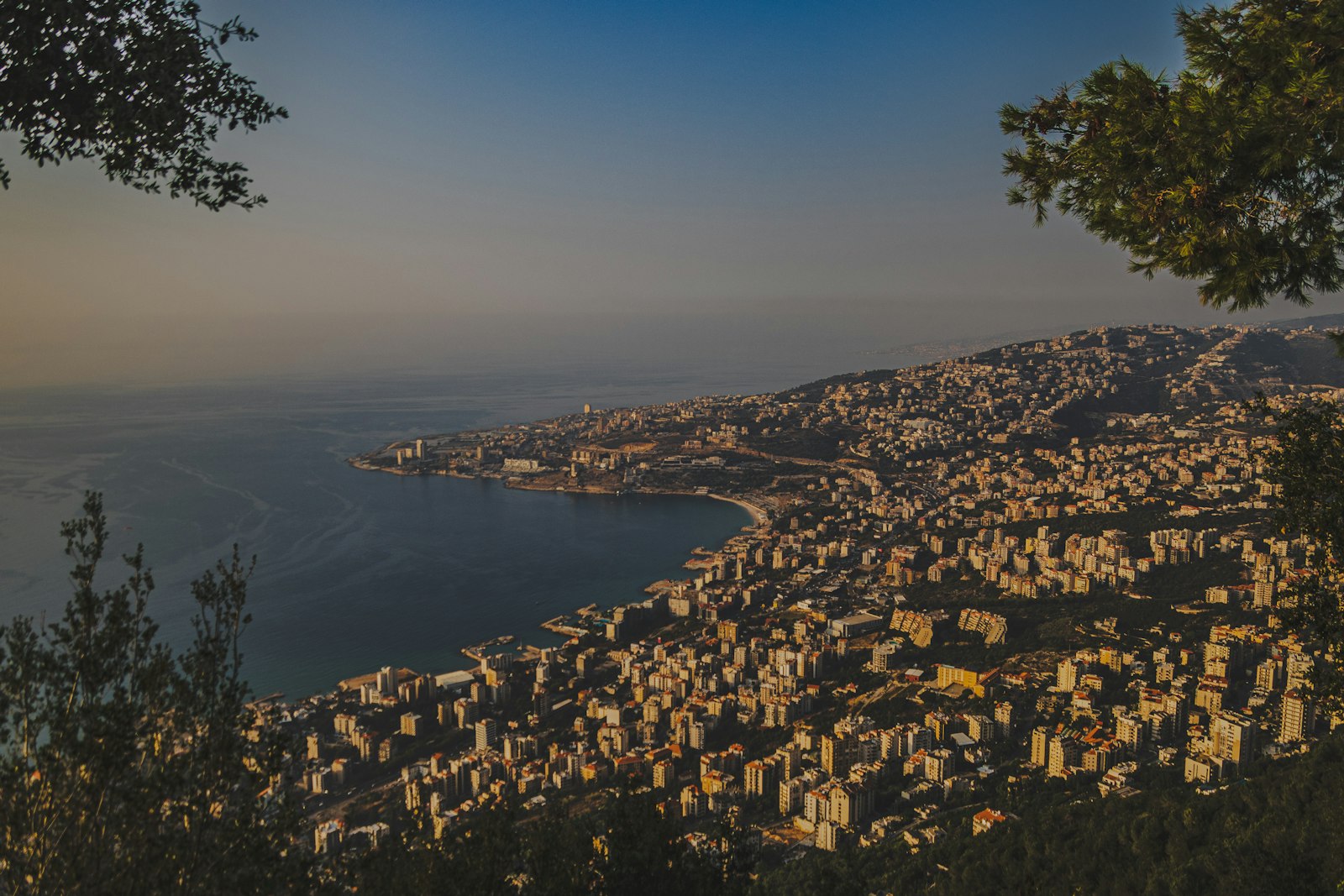
The Mediterranean's most resilient party. Roman ruins, rooftop bars, legendary food, and a city that refuses to slow down.
- Best time to visit: April-June & September-October
- Daily budget (budget traveller): $50 to $130 USD
- Ideal trip length: 3 to 4 days
Beirut is a city of contradictions stacked on the sea: Ottoman and French-era facades next to glass towers, bullet-scarred buildings beside buzzing rooftop bars, and some of the best food and nightlife in the region. Locals are famously warm and stylish, and the energy is infectious despite years of crisis. From the Corniche promenade to the cafés of Mar Mikhael and Gemmayzeh, Beirut rewards the curious. Joy Plus maps the safe, lively neighbourhoods and times the food crawls and day trips so you see the city at its best.
Beirut does not do subtle. A seventeenth-century Ottoman palace sits beside a bullet-pocked tower, a Roman bath lies in a garden between glass offices, and at 11pm a staircase in Gemmayzeh fills with people who all seem to know each other. It is loud, stylish, slightly chaotic and fiercely hospitable. You can eat a 1.50 dollar manousheh at 8am, a four-hour mezze lunch at 2pm, and still make the last set at a rooftop bar. Lebanese people have lived through collapse, a port explosion and repeated conflict. They have not lost the habit of going out, and that is the real attraction here.
The city is more compact than it looks. Gemmayzeh and Mar Mikhael run into each other along Rue Gouraud and Armenia Street. Downtown is a ten-minute taxi hop away. Hamra is the old student and bookshop quarter, and Achrafieh climbs the eastern hills with the Sursock Museum and the quiet dinners. The Corniche carries you west to Raouche, where the Pigeon Rocks glow at sunset. Outside the city, Byblos, Jeita Grotto and the Chouf mountains are all a 45 to 90 minute drive, so Beirut works as a base for a full week without feeling repetitive.
Know the practicalities before you land. Lebanon runs on US dollars, so bring crisp notes in small denominations. Electricity is patchy, so book places with a generator and carry a power bank. The security picture can shift quickly, so check your government's advice before you fly and again before each day trip, and skip the south and the Syrian border areas. Go in spring or autumn, wear comfortable shoes for the stairs, eat everything you are offered, and plan to stay longer than you intended.
How many days in Beirut?
For Beirut, we recommend 3 to 4 days.
| Trip length | What you'll see | Itinerary |
|---|---|---|
| 2 days | Gemmayzeh and Mar Mikhael; Downtown ruins and Corniche sunset | Beirut in 2 days |
| 3 days · Recommended | Adds: Museums and Achrafieh | Beirut in 3 days |
| 4 days · Recommended | Adds: Byblos day trip | Beirut in 4 days |
| 5 days | Adds: Jeita Grotto and Harissa | Beirut in 5 days |
| 7 days | Adds: The Chouf mountains; Hamra, flea market | Beirut in 7 days |
Beirut itinerary
Arrive, Gemmayzeh and Mar Mikhael
Morning: Land at BEY, take a pre-agreed taxi or Bolt to your base (about 20 to 45 min depending on traffic). Drop bags, then breakfast at a street bakery: manousheh with za'atar and a cup of tea.
Afternoon: Walk the Gemmayzeh stairs (Saint Nicolas Stairs) and the Rue Gouraud ateliers. Coffee at Kalei Coffee Co. Wander east into Mar Mikhael to see the street art and Armenia Street.
Evening: Mezze dinner at Em Sherif Café or Mayrig (Armenian). Drinks in the bars on Armenia Street. Keep it easy, tomorrow is a long walking day.
Downtown ruins and Corniche sunset
Morning: Mohammad Al-Amin Mosque (visitors outside prayer times, modest dress, shawl lent at the door). Then the Roman Baths garden and Martyrs' Square.
Afternoon: Lunch at Zaitunay Bay marina or a falafel counter in Hamra. Walk the Corniche west toward Raouche, passing joggers, fishermen and kaak (sesame bread) carts.
Evening: Sunset at the Pigeon Rocks, then grilled fish or a sandwich at a seafront spot. Taxi back for a rooftop drink at Iris in Downtown.
Museums and Achrafieh
Morning: National Museum of Beirut at opening (9am, closed Mondays). Then Beit Beirut nearby, the war-damaged house on the old Green Line (check current visiting hours).
Afternoon: Lunch in Achrafieh, then the Sursock Museum (closed Tuesdays). Wander the old Sursock mansions and the leafy back streets.
Evening: Dinner at Sofil in Achrafieh or a tasting menu at one of the neighbourhood's restaurants. Drinks at Metropolis Cinema's café or a quiet wine bar.
Byblos day trip
Morning: Leave by 8:30am. Drive or take a minibus from Charles Helou station to Jbeil (45 to 75 min). Start at the Byblos archaeological site and Crusader castle (opens around 8am, about $10).
Afternoon: Walk the souk and harbour. Late seafood lunch with a glass of local white (Ksara or Massaya).
Evening: Head back before dark. Easy dinner near your hotel. Early bed.
Jeita Grotto and Harissa
Morning: Jeita Grotto (about 18 km north, closed Mondays, no phones inside, about $18 entry). Leave early to beat tour groups.
Afternoon: Continue to Jounieh and ride the cable car up to Harissa and Our Lady of Lebanon for the bay view. Lunch in Jounieh's old souk.
Evening: Return to the city. Join the crowd in Mar Mikhael for a last-light drink.
The Chouf mountains
Morning: Private driver or tour (about 1h15). Visit Beiteddine Palace (early 19th century, about $10 entry).
Afternoon: Lunch in Deir el Qamar, an Ottoman-era village with a stone square and good cafés. Optional drive to the Chouf Cedar Reserve for a short walk.
Evening: Back in Beirut, eat late and slow. B 018 (Karantina) is the late-night wildcard, check events and times first.
Hamra, flea market, depart
Morning: Coffee at Café Younes in Hamra, then browse Hamra Street bookshops. Walk toward Basta for the flea market and antique stalls.
Afternoon: Final manousheh and a falafel at Sahyoun. Collect bags and order a taxi to BEY at least three hours before your flight.
Evening: Depart with a bag of Lebanese sweets and a plan to return.
Best neighbourhoods
- Gemmayzeh & Mar Mikhael: The nightlife and café heart: stairs, street art, wine bars and late-night energy.
- Hamra: Bustling, student-flavoured district of bookshops, cafés and budget stays.
- Downtown & Beirut Souks: Rebuilt centre with Roman ruins, the Mohammad Al-Amin Mosque and upscale shops.
- Achrafieh: Leafy, upscale eastern hills with fine dining and the Sursock Museum.
- Corniche & Raouché: The seafront promenade and the landmark Pigeon Rocks at sunset.
Must-do experiences
- Walk the Corniche to Pigeon Rocks: The seafront promenade with fishermen, joggers and the iconic Raouché sea arches.
- Food crawl in Mar Mikhael: Manousheh, mezze and Lebanese wine in the city's most happening district.
- National Museum of Beirut: A superb collection tracing Lebanon's Phoenician, Roman and Byzantine past.
- Sursock Museum in Achrafieh: A restored mansion of modern and contemporary Lebanese art.
- Day trip to Byblos: One of the world's oldest continuously inhabited towns, with a crusader castle and pretty harbour.
- Rooftop sunset drinks: Beirut's rooftop bar scene is legendary, with sweeping sea and city views.
Hidden gems
- The Beit Beirut museum-memorial in a war-damaged building on the old Green Line.
- Sunday mezze lunches that stretch for hours in the hills above the city.
- Mar Mikhael's tucked-away natural wine bars and listening rooms.
- The flea market and antique stalls around Basta.
Daily budget
- Accommodation: budget $18-35 / night (hostel dorm), mid-range $90-170 (boutique double), splurge $320+ (Hotel Albergo, Le Gray). Prices are quoted in dollars. Ask if the generator runs 24 hours and whether hot water depends on it.
- Food: budget $15-25 / day (manousheh, falafel, shawarma), mid-range $40-65 (one proper mezze dinner with arak), splurge $110+ (tasting menu in Achrafieh). A manousheh is $1.50 to $4 and a falafel sandwich about $2 to $4. Tawlet's farmer buffet lunch is the best-value big meal.
- Transport: budget $5-10 / day (walking + shared service taxi), mid-range $15-30 (Bolt or Uber for most hops), splurge $90-140 (private driver for a day trip). Agree the fare before getting into a street taxi. Bolt in-city hops are usually $3 to $8.
- Activities: budget $5-15 / day (free Corniche + one museum), mid-range $30-60 (Byblos site, Jeita Grotto, a museum), splurge $120+ (private guide to the Chouf with a winery lunch). Entry fees are in dollars or LBP at the posted rate. Mosques and the Roman Baths garden are free.
- Drinks & nightlife: budget $8-15 (Almaza beer and arak at a local bar), mid-range $30-50 (Mar Mikhael bar crawl), splurge $90+ (rooftop cocktails + late club). A beer is $3 to $5 and a cocktail $10 to $18. Nights start late, so skip the 8pm pre-drink.
Where to stay
- Social hostel in Mar Mikhael / Gemmayzeh ($18-35 / night): Small social hostels such as Hostel Beirut put you steps from the bars and street art, with dorms and privates and easy introductions to other solos. Confirm generator and hot water.
- Boutique hotel in Saifi Village / Gemmayzeh ($110-190 / night): Saifi Urban Gardens is a calm, design-led base with leafy courtyards, walkable to Downtown, Gemmayzeh and the Mar Mikhael bars.
- Apartment in Hamra ($50-95 / night): Lived-in streets, bookshops and cheap eats. A flat with a balcony and a generator suits 5+ night stays and gives you a kitchen.
- Splurge in Achrafieh / Downtown ($320-600 / night): Hotel Albergo (an Achrafieh townhouse with a rooftop and sea view) or Le Gray in Downtown for luxury rooftop pools and polished service.
What to eat
- Manousheh (Lebanese flatbread) from a street bakery for breakfast
- A full mezze spread with arak
- Knafeh stuffed in a sesame bun for breakfast or dessert
- Fresh seafood along the Corniche or in Byblos harbour
Day trips
- Byblos (Jbeil) (37 km, 45 to 90 min): One of the oldest continuously inhabited towns on earth. Crusader castle, Phoenician ruins, a pretty harbour and fish lunches. Go early, return before sunset traffic. Minibus from Charles Helou station to Jbeil, about $2 to $3, or a driver for $60 to $90 return. Site entry about $10.
- Jeita Grotto and Harissa (18 km, 30 to 60 min): Underground limestone caverns with a boat ride, then a cable car up to the Our Lady of Lebanon statue overlooking Jounieh Bay. A compact half day plus lunch. Taxi or driver to Jeita (about $50 to $80 return with waiting). Jeita is closed Mondays and phones are banned inside. Cable car from Jounieh, check hours.
- The Chouf: Beiteddine and Deir el Qamar (45 km, 1h15 to 1h45): Early 19th-century Beiteddine Palace, stone Ottoman village streets, cedar reserve and pine hills. Cooler and calmer than the city, great for a Sunday lunch. Private driver (about $90 to $140) or tour. Public transport is slow and limited. Palace entry about $10, closed Mondays in winter.
When to visit
- Spring (April - June): 18-27°C, sunny, light humidity, occasional April showers. Crowds: Building, comfortable. The best window. Sea still cool, mountains still green, terraces open and rooftop season starting.
- Summer (July - August): 28-34°C, humidity 70%+, hazy and sticky. Crowds: Heavy, diaspora returning and hotels full. Peak party energy and peak prices. Great for beach clubs, rough for walking. Book ahead, and use the mountains to escape the heat.
- Autumn (September - October): 22-30°C, warm sea (26°C+), clear light. Crowds: Moderate, easing after mid-October. The local pick. Swimmable water, long dinners outdoors and cheaper rooms than August.
- Winter (November - March): 10-18°C, heavy rain spells, snow in the mountains. Crowds: Low, except around Christmas and New Year. Cheapest rooms and cosy wine bars. Rain can flood streets, but you can ski the Cedars in the morning and eat in Beirut at night.
Entry rules for your passport
Visa rules for Lebanon depend on the passport you travel on. Check the official source before you book: Lebanese General Security
Getting there
Beirut-Rafic Hariri International (BEY) is about 9 km south of the centre and is the only commercial airport. Middle East Airlines is the home carrier, with European and Gulf connections, but schedules and airline suspensions can change fast, so confirm your flight 48 hours before. Many nationalities get a free visa on arrival, but anyone with an Israeli stamp or visa evidence may be refused entry. Official airport taxis charge about $25 to $35 into the city. Bolt or Uber is often cheaper (about $10 to $20) but meeting points can be confusing, so message your driver. There is no train or metro. Traffic can turn a 20 minute drive into 60, so leave extra time on the way back. Arrive by day if you can.
Getting around
Central Beirut is walkable in patches, with Gemmayzeh, Mar Mikhael and Downtown linked on foot, but hills, heat and traffic make taxis useful. Use ride apps (Bolt is common) or agree a fare with shared 'service' taxis before getting in. Public minibuses are cheap but confusing for first-timers. For Byblos, Baalbek, the Jeita Grotto and the Chouf, hire a driver or join a tour, as intercity public transport is limited and slow.
Safety
Check official advice before booking: the US advises against all travel to Lebanon (advisory of 21 August 2026), as does Australia, and the UK advises against travel to all or much of the country. Israel and Hezbollah fought a full-scale war from 2 March 2026 until a ceasefire on 16 April, with strikes reaching Beirut's southern suburbs; the ceasefire and a June truce are fragile, Israeli strikes have continued, and strikes can occur anywhere in the country, and flights can be cancelled at short notice. Beirut is generally welcoming and Lebanese hospitality is genuine, but the security situation can change quickly, so check your government's current travel advice before and during your trip and avoid southern border areas and any demonstrations. Petty theft is the main everyday risk; keep valuables discreet. The economic crisis means power cuts are routine and cash (US dollars) is essential, as cards are often unreliable. Solo women travel here but may face attention; dress smart-casual and use trusted taxis at night.
Solo travel tips
- Eat at the counter or order half portions: Mezze is built for groups, but most places will serve smaller plates or let you share a table at lunch. Sit at the bar in Mar Mikhael and ask the server for 'three or four plates'. You will be chatting with the neighbours in minutes.
- Carry $1 and $5 bills: Prices are in dollars but change often comes back in Lebanese pounds at a poor rate. Small notes let you pay exactly. Keep one $100 bill in the hotel safe as an emergency fund.
- Pick a base with a generator: Power cuts are routine. Hostels and hotels with a 24-hour generator keep lights, wifi and fans running. Ask before you book, and pick a ground or low floor if the lifts are not backed up.
- Solo women: Many women travel Beirut alone and love it. Smart-casual dress, confident eye contact and Bolt or Uber after dark keep things smooth. Avoid walking empty back streets alone late, and accept drinks only from bars you trust.
- Hire a driver for day trips, share the cost: Public transport to Byblos works, but Jeita, Harissa and the Chouf are far easier with a driver (around $90 to $140 a day). Ask your hostel or other solo guests to split it.
- Check advice before every trip out of town: Security can change quickly. Check your government's travel advice and local news the morning of each excursion. Avoid the south, the Syrian border and demonstrations. Baalbek and Tyre have been affected by recent conflict, so only visit if advice allows.
Cultural etiquette
- Greet first. 'Marhaba' (hello) and 'shukran' (thanks) go a long way, and many Lebanese switch between Arabic, French and English mid-sentence, so follow their lead.
- Dress smart-casual in the city and cover shoulders and knees for mosques and churches. Bring a shawl, women cover hair in mosques where requested.
- Be careful with politics and religion. Listen, ask questions, avoid taking sides, and never joke about confessional divisions.
- Do not photograph soldiers, checkpoints or government buildings. Ask before photographing people, especially women and religious sites.
- Hospitality is real. If you are offered coffee or food, accept at least a bite. Refusing a third time is fine, but do it with thanks and a hand on the heart.
- Eating times: lunch 1 to 4pm, dinner 8 to 11pm. Sunday is family lunch day, so book ahead. Nightlife only gets going after 10pm.
- During Ramadan, avoid eating, drinking or smoking in public in more conservative areas. Many restaurants close at lunch and fill at sunset for iftar.
Frequently asked questions
How many days do you need in Beirut?
Three to four days is ideal. Two days cover the city itself, the Corniche and Pigeon Rocks, the National and Sursock museums, Downtown's ruins and mosque, and evenings in Gemmayzeh and Mar Mikhael. A third and fourth day are perfect for day trips, with Byblos and the Jeita Grotto to the north, Baalbek's Roman temples in the Bekaa Valley, and the cedar forests or Chouf mountains all within reach. Beirut works well as a base for exploring much of Lebanon.
Is Beirut safe for solo travellers?
Official advice comes first: the US and Australia advise against all travel to Lebanon after the 2026 war between Israel and Hezbollah. Beirut is generally welcoming and many solo travellers, including women, visit and enjoy the city's warmth and energy. That said, Lebanon's security and political situation can shift quickly, so check your government's current travel advisory before you go and while you're there, avoid the southern border region and steer clear of any protests. Everyday risks are mostly petty theft. Solo women may receive attention but can manage it with smart-casual dress, confidence and trusted taxis or ride apps after dark.
When is the best time to visit Beirut?
Spring (April-June) and autumn (September-October) are the sweet spots, with warm, sunny days ideal for the Corniche, day trips and outdoor dining, and the sea still pleasant in early autumn. Summer (July-August) is hot, humid and busy with returning diaspora, giving the nightlife a peak buzz but crowding beaches and resorts. Winter (December-February) is mild and rainy in the city but brings snow to the mountains, making it possible to ski and swim in the same day from Beirut.
Do I need cash or cards in Beirut?
Cash, specifically US dollars, is essential. Due to Lebanon's economic crisis, the banking system is unreliable, ATMs are limited and many businesses prefer or require cash, often quoting prices in dollars. Bring enough clean, undamaged US dollar notes in a mix of denominations to cover your trip, and exchange small amounts to Lebanese pounds for minor purchases. Some upscale hotels and restaurants take cards, but never rely on them. Keep cash secure and split between bags and your accommodation safe.
What day trips can you do from Beirut?
Lebanon is small, so much is doable in a day. Byblos, an ancient port with a crusader castle, lies under an hour north, often combined with the vast Jeita Grotto caves and the Our Lady of Lebanon shrine at Harissa. The Roman temples of Baalbek in the Bekaa Valley are spectacular and usually paired with a winery visit. The Chouf cedar reserve, the Qadisha Valley and the Cedars of God are also popular. Most visitors hire a driver or join a tour given limited public transport. Israeli airstrikes reached the Bekaa Valley, where Baalbek lies, in the 2026 war, so check official advice for each area before leaving Beirut.
Is Beirut expensive?
It's a mix. Lebanon's crisis has made many local costs low in dollar terms, so street food, manousheh, local transport and casual eateries are very affordable. However, hotels, upscale restaurants, rooftop bars and imported goods can be surprisingly pricey, sometimes close to European levels. Beirut has long had a reputation for glamour and high-end dining and nightlife that can add up fast. Budget travellers can do the city cheaply by eating local and using shared taxis, while a night out at trendy venues costs considerably more.
Is Beirut good for nightlife and food?
Exceptionally so, on both counts. Beirut is famous across the region for its restaurants and bars, from legendary mezze houses and seafront fish spots to natural wine bars, rooftop lounges and clubs that go until dawn. Mar Mikhael and Gemmayzeh are the epicentre of the going-out scene, with Hamra and Badaro also lively. Lebanese cuisine, fresh, varied and built for sharing, is a genuine highlight of any visit, and the city's resilience means the social scene bounces back quickly even in tough times.
Tours and activities in Beirut | Beirut in 2 days | Beirut in 3 days | Beirut in 4 days | Beirut in 5 days | Beirut in 7 days
Can't decide? Compare Beirut with...
Joy Plus home | Destinations | Itineraries | Activities | Flights | Budget planner | Calendar | Map | Blog | Lifetime access