Destinations / South America
Belém, Brazil travel guide
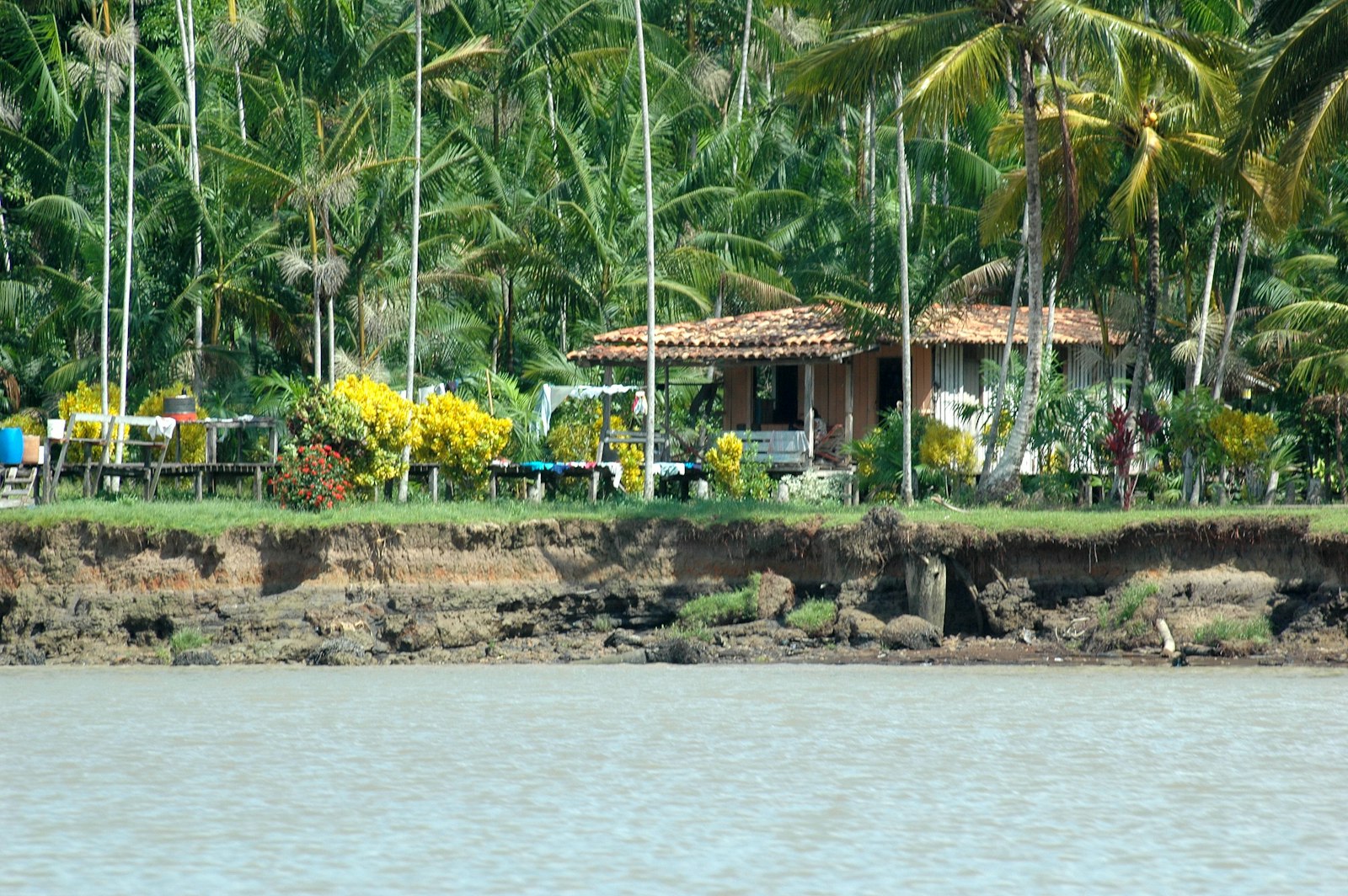
Gateway to the Amazon at the river's mouth, rich in colonial history, riverside markets and vibrant Pará cuisine.
- Best time to visit: June-November (drier season)
- Daily budget (budget traveller): $40 to $110 USD
- Ideal trip length: 2 to 3 days
Belém, capital of Pará, stands at the mouth of the Amazon where the mighty river meets the Atlantic, a steamy, atmospheric city that blends faded colonial grandeur with the flavours and rhythms of the rainforest. Its beating heart is the Ver-o-Peso market, one of Latin America's largest open-air markets, piled high with Amazonian fish, fruits, herbs and spices. Add the revitalised Estação das Docas waterfront, baroque churches, mango-shaded avenues and a celebrated regional cuisine built on tucupi, jambu and açaí, and Belém offers a rich, sensory introduction to the Amazon. Joy Plus organises the markets, historic sights, riverside dining and day trips into a smooth, well-timed plan.
Belém sits about 100 km up the Pará River estuary, one degree below the equator, and it behaves like it. The sun rises around 5:45am and sets around 6pm all year, the humidity is permanent, and at roughly 3pm the sky turns charcoal and drops a bucket of rain on the city. Locals plan around it, so you should too: markets and walking before noon, a long lunch under a roof, then out again once the streets steam. Founded in 1616 as Feliz Lusitânia, the city later grew rich on rubber. That money left the Teatro da Paz, the tiled mansions of Cidade Velha and the mango trees that arch over the avenues, and the nickname Cidade das Mangueiras. The city also hosted COP30 in November 2025, so the waterfront, parks and several museums are in better shape than they have been in years.
The real draw is the table. Pará eats differently from the rest of Brazil. Açaí is a savoury staple served warm or cold with fried fish and manioc flour, not a sweet smoothie bowl. Tacacá, a hot, tingling soup of tucupi, dried shrimp and jambu leaves, is sold from street stalls at dusk. Pato no tucupi appears on every serious menu, and ice cream parlours like Cairu scoop fruits you have never heard of, such as bacuri, taperebá and cupuaçu. Everything funnels through the Ver-o-Peso market, whose name means 'see the weight' and dates to the colonial tax post. Be there before 7am and you will see açaí boats unloading, fish stacked on ice and herb-sellers (erveiras) mixing perfumed baths and love potions.
Belém is not a polished resort and it is not trying to be. Streets are chaotic, English is rare, and the old centre empties out at night. In return you get an Amazon city with real locals, ambitious chefs and forest islands 20 minutes away by boat. Give it three days at minimum, add a night or two for Mosqueiro, and several more days for Marajó. Aim for June to November, or for the second Sunday of October if you want the Círio de Nazaré, when over two million people walk behind a small statue and hotel prices triple.
How many days in Belém?
For Belém, we recommend 2 to 3 days. With more time, add a day trip to Ilha do Marajó.
| Trip length | What you'll see | Itinerary |
|---|---|---|
| 2 days · Recommended | Docas and sunset on the river; Ver-o-Peso at dawn and Cidade Velha | Belém in 2 days |
| 3 days · Recommended | Adds: Nazaré, Goeldi and Umarizal | Belém in 3 days |
| 4 days | Adds: Ilha do Combu and chocolate | Belém in 4 days |
| 5 days | Adds: Icoaraci ceramics and river fish | Belém in 5 days |
| 7 days | Adds: Mosqueiro island beach day; Mangal das Garças | Belém in 7 days |
Belém itinerary
Arrive, Docas and sunset on the river
Morning: Land at BEL, Uber to your hotel (R$25-45). Drop bags, then stay in air-conditioning through the midday heat.
Afternoon: Late lunch in Nazaré: order pato no tucupi or a plate of maniçoba. Then Uber to Estação das Docas for a Cairu ice cream (try bacuri).
Evening: Walk the Docas pier at sunset (around 6pm), drink a cold Amazon Beer on the terrace, and take an Uber home. Early night, tomorrow starts at 6am.
Ver-o-Peso at dawn and Cidade Velha
Morning: Ver-o-Peso by 6:30am: açaí boats at the Feira do Açaí, fish in the Mercado de Ferro, herbs at the erveiras' stalls. Breakfast of açaí with fried fish and farinha.
Afternoon: Feliz Lusitânia complex (Forte do Presépio, Casa das Onze Janelas, cathedral), mostly Tuesday to Sunday, around 10am to 6pm. Check ahead. Lunch in the old town, then retreat before the 3pm rain.
Evening: Tacacá around 5pm at a stand near Praça Batista Campos. Dinner at Cantina Italiana in Campina, a long-running local favourite, and Uber back.
Nazaré, Goeldi and Umarizal
Morning: Basílica de Nazaré and the Círio museum underneath. Then the Museu Emílio Goeldi zoo-botanical park (usually Tuesday to Sunday, 9am to 5pm), giant lilies and Amazon wildlife, best before noon.
Afternoon: Lunch at Point do Açaí. Rest during the rain, then browse Boulevard Shopping or the covered Mercado de São Brás.
Evening: Walk Doca de Souza Franco in Umarizal for dinner and drinks, or Bar do Parque on Praça da República. Peek at the 1878 Teatro da Paz facade lit up.
Ilha do Combu and chocolate
Morning: Boat from Porto do Sal by the Ver-o-Peso (20 min, R$30-50 return, more if private). Visit Dona Nena's Filha do Combu chocolate workshop.
Afternoon: Long forest-side lunch at Saldosa Maloca: grilled river fish, açaí, shrimp. Budget R$60-120 a head. Go midweek, Sundays are packed.
Evening: Back by 5pm, shower, then dinner in town.
Icoaraci ceramics and river fish
Morning: Bus (around R$5) or Uber (R$30-40) to Icoaraci, about 45 min. Visit the ceramics workshops in the Paracuri area, where Marajoara and Tapajônica pottery is made.
Afternoon: Lunch at a waterfront fish restaurant on the Orla de Icoaraci, then a stroll along the bay.
Evening: Back to town, light dinner in Nazaré and an early night.
Mosqueiro island beach day
Morning: Leave by 8am for Mosqueiro, about 70 km by road via the Sebastião de Oliveira bridge. Bus 1h30 to 2h (R$10-15) or a shared Uber.
Afternoon: River beaches at Praia do Farol and Chapéu Virado, regional lunch, tacacá in the village. Weekdays are far quieter than weekends.
Evening: Return before dark (traffic is heavy on Sunday evenings). Easy dinner near the hotel.
Mangal das Garças and depart
Morning: Mangal das Garças riverside park at opening (usually Tuesday to Sunday, 10am to 6pm): lookout tower, birds, butterflies. Go early, it is hot by 11.
Afternoon: Lunch at Manjar das Garças inside the park, last tacacá or açaí, then Uber to BEL. Leave 2.5 hours before your flight.
Evening: Fly out, ideally with a bag of cupuaçu sweets and farinha from the Ver-o-Peso.
Best neighbourhoods
- Cidade Velha: The historic old town of colonial churches, the fort and the Ver-o-Peso market.
- Campina: The commercial heart with atmospheric streets, shops and the docks waterfront.
- Estação das Docas: The revitalised riverside warehouses now full of restaurants, bars and culture.
- Nazaré: An elegant residential district around the grand basilica and mango-lined avenues.
- Umarizal: A modern upscale area with high-rise hotels, dining and nightlife.
Must-do experiences
- Explore the Ver-o-Peso market: Wander one of Latin America's largest open-air markets, renovated in 2025, for Amazonian fish, fruit and herbs.
- Visit Estação das Docas: Dine and stroll along the restored riverside warehouses at sunset.
- See the Basílica de Nazaré: Admire the grand basilica, focus of Brazil's massive Círio procession.
- Tour Forte do Presépio: Explore the colonial fort where the city was founded, overlooking the bay.
- Discover Mangal das Garças: Visit the riverside nature park with birds, butterflies and a viewing tower.
- Boat trip to Ilha do Combu: Cross to the forested island for riverside restaurants and Amazonian nature.
Hidden gems
- Açaí served the local way, thick and savoury with fried fish or shrimp.
- The Emílio Goeldi museum and zoo-botanical park in the heart of the city.
- Sunset drinks along the Estação das Docas with the river glowing gold.
- Ilha do Combu's forest restaurants reachable by a short boat ride.
Daily budget
- Accommodation: budget R$80-150 / night (dorm or basic pousada), mid-range R$280-480 (Mercure Belém Boulevard), splurge R$700+ (Radisson or top-floor river suites). Hostels are few. Prices jump sharply for Círio week and any big event, so book 3 to 6 months ahead.
- Food: budget R$50-80 / day (market lunches, tacacá, açaí with fish), mid-range R$130-220 (Point do Açaí), splurge A special-occasion dinner at a top Belém restaurant. Tacacá costs R$15-25 a cuia. A prato feito lunch at a local spot is R$25-40, the best value in town.
- Transport: budget R$20-40 / day (buses at about R$5 plus one Uber), mid-range R$60-120 (Uber and 99 between districts), splurge R$300+ (private driver, boat charter). Uber and 99 trips inside the city mostly run R$10-25. Always use the app at night.
- Activities: budget R$30-60 / day (Goeldi park, Feliz Lusitânia, Combu boat), mid-range R$150-300 (guided Combu with chocolate, Mosqueiro), splurge R$600+ (private boat, overnight in Marajó). The basilica, Estação das Docas and the Ver-o-Peso are free to enter. Museum tickets are cheap.
- Drinks & nightlife: budget R$25-40 (cerveja Cerpa R$12-18, caldo de cana, fruit juices), mid-range R$80-140 (Estação das Docas, Bar do Parque), splurge R$250+ (cachaça cocktails in Umarizal). Belém nightlife is bars and live music, not clubs. Try Amazon Beer's bacuri and cupuaçu brews.
Where to stay
- Social hostel in Campina / Batista Campos (R$80-150 / night): Only a handful of hostels and small pousadas exist, so pick a well-reviewed one near Praça da República or Batista Campos. You are walking distance from the Docas and a short Uber from Ver-o-Peso. Book early for Círio.
- Boutique hotel in Nazaré (R$280-480 / night): Mercure Belém Boulevard or similar mid-sized hotels near the basilica. Mango-lined avenues, good restaurants and the best nighttime safety for solos.
- Apartment in Umarizal (R$200-380 / night): Modern flats near Doca de Souza Franco with kitchens, pools and air-con. Best for 4+ nights, with bars and restaurants downstairs.
- Splurge in Umarizal / river-view towers (R$700-1,400 / night): Radisson Hotel Belém or a top-floor river suite: pool, big breakfasts, quick Uber to the Docas. Prices spike for Círio.
What to eat
- Pato no tucupi, duck in tangy manioc broth with jambu
- Tacacá, a hot shrimp-and-tucupi soup with tingling jambu
- Maniçoba, the slow-cooked cassava-leaf 'feijoada'
- Amazonian açaí, thick and savoury with fish
Day trips
- Ilha de Mosqueiro (70 km, 1h30 to 2h by road): Belém's weekend beach escape. River beaches (Praia do Farol, Chapéu Virado), colonial mansions and village tacacá. Go on weekdays to avoid crowds, and note that river water is brown but safe-looking and tidal. Bus from Belém's rodoviária, about R$10-15, or a shared Uber and 99 for around R$120-180 each way. Leave by 8am and return before dark.
- Icoaraci (20 km, 45 min): A district on the bay famous for Marajoara and Tapajônica pottery workshops at Paracuri. Pair with a fish lunch on the Orla de Icoaraci. City bus from Av. Almirante Barroso or the centre (around R$5), or Uber R$30-40.
- Ilha do Marajó (Soure) (3 to 4 hours by boat plus transfers): A river island the size of Switzerland. Buffalo, Soure's beaches and Marajó cheese. The island needs several days, so plan a multi-day stay rather than a quick outing. Ferry or fast boat from Belém's Terminal Hidroviário to Camará, then a short ferry to Soure. Fares run roughly R$60-100, schedules follow the tides, so check the day before.
When to visit
- Early dry season (June - August): 24-32°C, humid, short afternoon showers. Crowds: Moderate, Brazilian school holidays in July. Great all-rounder. Mosqueiro beaches are at their best in July and the rain rarely ruins a day.
- Peak dry + Círio (September - November): 24-33°C, driest and hottest, rain often skips days. Crowds: Heavy around Círio (2nd Sunday of October). Best weather for river trips. Book hotels months ahead for October, rates can triple.
- Wet season starts (December - February): 23-31°C, near-daily downpours, very humid. Crowds: Low. Cheap rooms and green everything. Plan mornings outside and treat 2pm onwards as indoor time.
- Peak rains (March - May): 23-30°C, heavy rain (300mm+ a month), street flooding. Crowds: Lowest. Cheapest but soggy. Boat trips get cancelled and low streets flood, so only for bargain hunters.
Entry rules for your passport
Visa rules for Brazil depend on the passport you travel on. Check the official source before you book: Brazil Ministry of Foreign Affairs
Getting there
Belém/Val-de-Cans-Júlio Cezar Ribeiro International Airport (BEL) is about 12 km from the centre. Most visitors connect via São Paulo (GRU, about 3.5 hours), Brasília (2 hours) or Fortaleza. Uber and 99 to Nazaré or Umarizal cost R$25-45 (20 to 35 min, longer at rush hour), and an official taxi coupon from the airport counter is pricier at around R$50-70. US, Canadian and Australian passport holders need a Brazilian e-visa, so check before flying. Yellow fever vaccination is recommended for Pará. Slow riverboats run from Santarém (about 2 days) and Manaus (4 to 5 days), so allow extra time. Long-distance buses arrive at the rodoviária on Av. Almirante Barroso.
Getting around
Belém's historic centre, including the Cidade Velha with its churches, fort and the Ver-o-Peso market, is compact and walkable, and the nearby Estação das Docas waterfront is easily reached on foot. Given the heat, humidity and spread-out modern districts like Nazaré and Umarizal, taxis and ride-hailing apps are the most convenient and comfortable way to move around, and they're affordable. Local buses connect the neighbourhoods but can be crowded and confusing for visitors. River excursions, such as boat trips to Ilha do Combu or longer Amazon journeys, depart from the waterfront and are best arranged through tour operators. For trips further afield, like to the island of Marajó, ferries and organised tours are the norm.
Safety
Belém is a large Amazonian port city and, like others in Brazil, requires sensible urban caution. Petty theft and pickpocketing occur, particularly around the Ver-o-Peso market, the docks and crowded areas, so keep valuables discreet, avoid flashing phones or jewellery, and stay alert in busy spots. Some parts of the old town and outlying neighbourhoods can feel unsafe after dark or when deserted, so use ride-hailing apps at night rather than walking, and stick to busier, well-lit areas such as Estação das Docas and Umarizal in the evening. The tropical heat and humidity are intense, so stay hydrated and pace yourself. With standard precautions, most visitors, including solo travellers, find Belém rewarding and manageable.
Solo travel tips
- Eat at the market counters: Ver-o-Peso's stalls and small restaurants seat you shoulder to shoulder. Point at the fish, say 'o mesmo' to copy your neighbour's order, and you will be chatting in minutes. Carry cash, small notes only.
- Plan around the 3pm rain: Rain in Belém is punctual, not random. Do markets, forts and walking before noon, lunch somewhere with a roof, and keep a R$15 poncho in your bag. Afternoons are for museums, malls and naps.
- Uber after dark, always: Cidade Velha and Campina empty out after 6pm and are not for wandering alone. Use Uber or 99 door to door, even for 5 minutes. Estação das Docas and Doca de Souza Franco in Umarizal are the safest evening zones.
- Hostels are thin, so choose your base wisely: Belém has only a handful of hostels, so social life is thin. Stay in Nazaré or Umarizal for restaurants and safe walks, or Campina to be near the Docas. Join group boat tours to Combu and Mosqueiro to meet people.
- Solo female travellers: Expect stares and 'moça' calls in the market, mostly harmless. Keep phones out of sight near the Ver-o-Peso, take rides via the app, share your trip with a friend, and avoid empty streets after dark. Groups on boat tours are a safe, social option.
- Learn three words of Pará slang: Say 'égua!' for surprise or approval, 'maninho' for friend, and 'bora' for let's go. Little English is spoken, but a few local words and a translation app earn you smiles and extra jambu.
Cultural etiquette
- Speak Portuguese, not Spanish. 'Bom dia', 'obrigado/obrigada' and a smile get you far. Little English is spoken outside upscale hotels.
- Açaí in Pará is savoury. If you want the sweet smoothie version, ask 'com açúcar' and 'gelado', or expect it thick with fish and farinha.
- Tacacá is eaten hot from a gourd (cuia), in the late afternoon. Sip the tucupi, chew the jambu leaves and expect your lips and tongue to tingle.
- Ask before photographing vendors and erveiras at the Ver-o-Peso. A purchase or a small tip often turns a refusal into a yes.
- Dress casually and lightly, but cover shoulders and knees in churches, especially the Basílica de Nazaré.
- Restaurants often add a 10% service charge (serviço). It is optional, but standard to pay. Check the bill before adding extra.
- Círio de Nazaré (2nd Sunday of October) is a deeply religious festival, not just a party. Keep respectful, and expect huge crowds and closed streets.
Frequently asked questions
How many days do you need in Belém?
Two to three days is ideal for Belém. In two days you can explore the historic Cidade Velha with its colonial churches and the Forte do Presépio, wander the vast Ver-o-Peso market, stroll and dine along the revitalised Estação das Docas waterfront, visit the grand Basílica de Nazaré and sample the city's celebrated Amazonian cuisine. A third day is perfect for a river excursion to Ilha do Combu or a visit to the Emílio Goeldi museum and Mangal das Garças nature park. If you plan to use Belém as a base for deeper Amazon trips, such as the island of Marajó, add several more days accordingly.
What is Belém known for?
Belém is known as the gateway to the Amazon, sitting at the mouth of the great river where it meets the Atlantic, and as the capital of Pará. It's famous for the Ver-o-Peso market, one of the largest open-air markets in Latin America, brimming with Amazonian fish, fruits, herbs and spices. The city is also renowned for its rich regional cuisine, featuring dishes like pato no tucupi, tacacá and thick savoury açaí, its faded colonial architecture and baroque churches, the revitalised Estação das Docas waterfront, and the Círio de Nazaré, one of the world's largest Catholic processions. It offers a vivid, sensory introduction to Amazonian culture and flavours.
When is the best time to visit Belém?
The best time to visit Belém is during the drier season from roughly June to November, when rainfall is lower and sightseeing is more comfortable. That said, Belém sits in a tropical rainforest climate and is hot and humid year-round, with frequent afternoon showers even in the 'dry' season, so lightweight clothing, sun protection and a readiness for sudden rain are essential whenever you go. The wetter months, from December to May, bring heavier and more frequent downpours. A cultural highlight is the Círio de Nazaré procession on the second Sunday of October, which draws millions of pilgrims; visiting then is spectacular but means bigger crowds and higher prices.
Is Belém worth visiting?
Yes, Belém is well worth visiting, especially for travellers interested in the Amazon, food and history. As the gateway to the mouth of the Amazon, it offers a vivid, atmospheric blend of colonial heritage, riverside life and rainforest culture found nowhere else in Brazil. Highlights like the sprawling Ver-o-Peso market, the lively Estação das Docas waterfront, grand churches and one of Brazil's most exciting regional cuisines make it a rich, sensory destination. It's also the natural starting point for deeper Amazon adventures, from river excursions to the island of Marajó. While hot and gritty in places, its authenticity and flavours make it a rewarding stop.
Is Belém a good base for visiting the Amazon?
Yes, Belém is one of the main gateways to the Amazon, positioned at the river's mouth where it meets the Atlantic, and it offers a more urban, cultural introduction to the region than deeper jungle hubs like Manaus. From Belém you can take river excursions to forested islands such as Ilha do Combu, just a short boat ride away, for riverside restaurants and rainforest nature, or venture to the vast island of Marajó, famous for water buffalo, beaches and distinctive culture. For hardcore rainforest lodges and wildlife-focused jungle expeditions, Manaus and the upper Amazon are more common bases, but Belém excels at Amazonian food, markets, culture and accessible river trips.
What is the food like in Belém?
Belém is widely considered one of Brazil's greatest food destinations, with a distinctive Amazonian cuisine built on ingredients from the rainforest and river. Signature dishes include pato no tucupi, duck cooked in a tangy fermented-manioc broth with the tingling herb jambu; tacacá, a hot shrimp-and-tucupi soup; and maniçoba, a slow-cooked stew of ground cassava leaves. Here açaí is eaten the traditional savoury way, thick and unsweetened, often accompanied by fried fish or shrimp rather than as a sweet bowl. Exotic Amazonian fruits, fresh river fish and regional flavours abound at the Ver-o-Peso market and the restaurants of Estação das Docas, making eating a real highlight of any visit.
Is Belém safe for tourists?
Belém is a large Amazonian port city and, like other Brazilian cities, calls for sensible urban precautions. Petty theft and pickpocketing can occur, especially around the Ver-o-Peso market, the docks and other crowded areas, so keep valuables out of sight, avoid displaying expensive phones or jewellery, and stay alert in busy spots. Some parts of the old town and peripheral neighbourhoods can feel unsafe after dark or when empty, so use ride-hailing apps at night rather than walking, and stay in busier, well-lit areas such as Estação das Docas and Umarizal in the evening. The intense heat and humidity are also worth respecting. With awareness, most visitors, including solo travellers, find Belém manageable.
Do I need a visa for Brazil?
Citizens of the EU and the UK can enter Brazil visa-free for up to 90 days in any 180-day period. Citizens of the US, Canada and Australia have needed an e-visa since 10 April 2025, applied for online before travel for US$80.90. Check current requirements before you book, as rules can change.
More about Belém
Tours and activities in Belém | Belém in 2 days | Belém in 3 days | Belém in 4 days | Belém in 5 days | Belém in 7 days
Joy Plus home | Destinations | Itineraries | Activities | Flights | Budget planner | Calendar | Map | Blog | Lifetime access