Destinations / South America
Belo Horizonte, Brazil travel guide
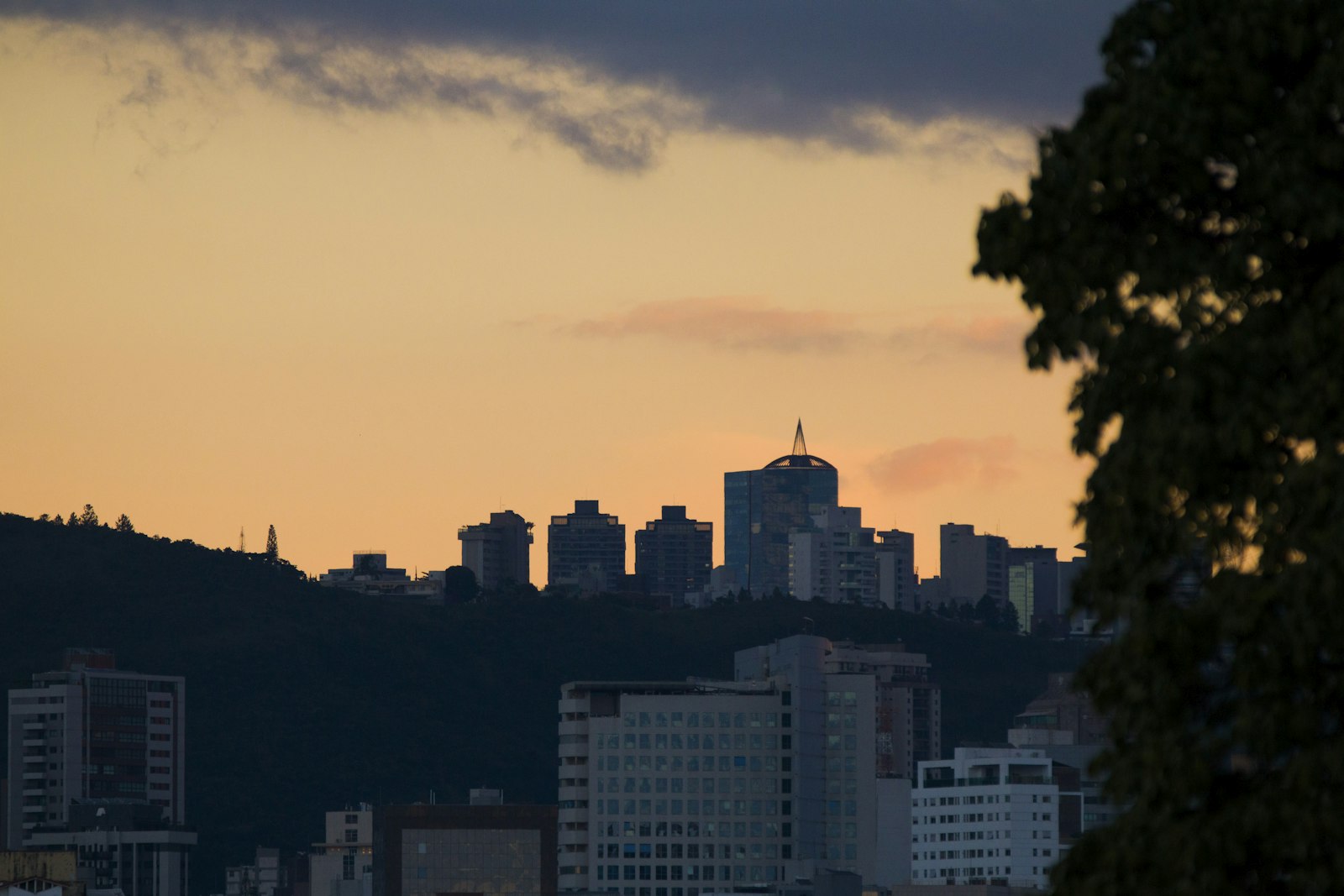
Brazil's warm-hearted mountain capital, famous for bars, botecos and modernist architecture.
- Best time to visit: April-September (drier, milder) and year-round for city life
- Daily budget (budget traveller): $40 to $110 USD
- Ideal trip length: 2 to 3 days
Belo Horizonte, capital of Minas Gerais, is Brazil's third-largest metropolitan area and one of its most underrated city breaks. Ringed by mountains and built on rolling hills, 'BH' is famous for its buzzing boteco (bar) culture, hearty Minas Gerais cooking, and the pioneering modernist architecture of Oscar Niemeyer at Pampulha. Warm, unpretentious and genuinely local, it's a gateway to the colonial towns of Ouro Preto and Tiradentes and the surreal Inhotim open-air art museum. Joy Plus maps the best botecos, the Pampulha complex and the day trips into historic Minas.
Belo Horizonte sits at 850 metres in a bowl of iron-rich hills, and the city tells you so on every street. Founded in 1897 as Brazil's first planned modern capital, it spent the next century growing messily past its tidy grid. The result is a place of steep climbs, sudden views of the Serra do Curral ridge, and a bar on almost every corner. Locals call it BH (say 'beh-agah') and will happily argue that it has the best food in Brazil. They might be right. There is no beach and no big-ticket postcard sight, so the city never feels staged for visitors.
The pull is the table and the bar stool. Minas Gerais cooking is slow, cheese-heavy and generous: feijão tropeiro, frango com quiabo, tutu, doce de leite with fresh queijo Minas. The boteco is the social centre of life. You sit at a sticky table, order a 300ml chopp and a plate of torresmo, and stay for four hours. The contest Comida di Buteco was born here, and it explains why a neighbourhood dive can out-cook a hotel restaurant. Between meals there is serious architecture. Niemeyer's Pampulha lakeside complex, with Burle Marx gardens and Portinari tiles, was where the young architect first threw out the straight line.
BH works best as a three-night base with two day trips. Inhotim, the huge open-air contemporary art park in Brumadinho, takes a full day. Ouro Preto, the baroque gold town of Aleijadinho, takes another, and Tiradentes deserves an overnight. The city is big, hilly and spread out, so budget for Uber rides between neighbourhoods and plan each day around one area. Eat lunch at Mercado Central before it closes, keep evenings for Savassi and Santa Tereza, and carry a little cash for the botecos that haven't heard of cards.
How many days in Belo Horizonte?
For Belo Horizonte, we recommend 2 to 3 days. With more time, add a day trip to Tiradentes.
| Trip length | What you'll see | Itinerary |
|---|---|---|
| 2 days · Recommended | Savassi; Centro, markets and the old downtown | Belo Horizonte in 2 days |
| 3 days · Recommended | Adds: Pampulha: Niemeyer by the lake | Belo Horizonte in 3 days |
| 4 days | Adds: Inhotim day trip | Belo Horizonte in 4 days |
| 5 days | Adds: Praça do Papa and Santa Tereza | Belo Horizonte in 5 days |
| 7 days | Adds: Ouro Preto day trip; Feira Hippie | Belo Horizonte in 7 days |
Belo Horizonte itinerary
Arrive and settle into Savassi
Morning: Land at Confins (CNF) and take an Uber to Savassi, about 50 minutes. Drop bags and have a pão de queijo and coffee at any padaria on Rua Pernambuco.
Afternoon: Walk the grid around Praça da Savassi and Praça da Liberdade. Visit one of the free museums (closed Mondays), such as the CCBB or Memorial Minas Gerais Vale.
Evening: Minas dinner at Dona Lucinha for the wood-stove buffet. Then easy chopps at a Savassi boteco, and an early night.
Centro, markets and the old downtown
Morning: Open the day at Mercado Central (Mon to Sat 7am to 6pm, Sun 7am to 1pm) for queijo Minas, cachaça and doce de leite. Try a pastel or tira-gosto at the stalls.
Afternoon: Walk to Praça da Estação and the Museu de Artes e Ofícios. Lunch kaol at Café Palhares on Rua Tupinambás, a 1938 institution. Coffee at Mercado Novo.
Evening: Uber back to Savassi before dark. Dinner at a Minas restaurant like Xapuri or a quiet cervejaria.
Pampulha: Niemeyer by the lake
Morning: Uber to Pampulha (R$ 30-45). Start at Igreja de São Francisco de Assis, with Portinari's tiles outside. Then Casa do Baile.
Afternoon: Museu de Arte da Pampulha (MAP, closed Mondays) in the old casino. Lunch at Xapuri, a folk Minas buffet that has run since the 1980s.
Evening: Back to Santa Tereza. Live music at Bar do Salomão or another neighbourhood boteco, with a comanda card and plenty of torresmo.
Inhotim day trip
Morning: Saritur bus from the Rodoviária to Brumadinho (about R$ 25-30, 1h15 to 1h30). Taxi or shuttle to Inhotim, which is closed Mondays and opens at 9:30am. Start at the far galleries.
Afternoon: Walk the lawns and pavilions at your own pace. Eat at the on-site restaurants, with Minas plates around R$ 70-100.
Evening: Return to BH by late-afternoon bus. Light dinner and an early night.
Praça do Papa and Santa Tereza
Morning: Uber to Praça do Papa for the view over the Serra do Curral. Then breakfast in Lourdes.
Afternoon: Wander Praça da Liberdade and Lourdes boutiques. Take the metro from Central, two stops east, to Santa Tereza station.
Evening: Boteco hop in Santa Tereza. Order one house snack per bar, and ask the staff which cachaça is local.
Ouro Preto day trip
Morning: Early Pássaro Verde bus from the Rodoviária (about 2 to 2h30, R$ 55-75 each way, check the timetable). Walk to Praça Tiradentes and Igreja de São Francisco de Assis.
Afternoon: Matriz de Nossa Senhora do Pilar and the Mina do Chico Rei. Lunch on Rua São José: tutu, feijão tropeiro and a local cachaça.
Evening: Bus back to BH. Quiet dinner in Savassi.
Feira Hippie and depart
Morning: If it's Sunday, browse the Feira de Artes e Artesanato on Avenida Afonso Pena (8am to 2pm). Buy a few Minas souvenirs: cheese, cachaça, doce de leite.
Afternoon: Last lunch at Dona Lucinha or Mercado Central, which closes at 1pm on Sundays. Collect bags.
Evening: Uber or the airport bus to Confins. Leave at least 2.5 hours before the flight.
Best neighbourhoods
- Savassi: The upscale heart of BH nightlife, dining and bars, buzzing after dark.
- Centro: The downtown core with the Mercado Central, markets and historic squares.
- Pampulha: The lakeside district with Niemeyer's modernist church and museum and Burle Marx's gardens.
- Santa Tereza: A bohemian, hillside neighbourhood famous for its traditional botecos and live music.
- Lourdes: An elegant, leafy area with smart restaurants and boutiques.
Must-do experiences
- Bar-hop the botecos: Sample BH's legendary bar culture with cold beer and Minas snacks in Savassi and Santa Tereza.
- Explore the Mercado Central: Wander the vast market for cheese, cachaça, spices and local snacks.
- See Pampulha by Niemeyer: Admire the modernist Church of São Francisco de Assis and the lakeside complex.
- Day-trip to Inhotim: Visit the world-class open-air contemporary art museum set in botanical gardens.
- Taste Minas cuisine: Try feijão tropeiro, pão de queijo and frango com quiabo in a traditional restaurant.
- Ride up to Praça do Papa: Enjoy panoramic views over the city and surrounding mountains.
Hidden gems
- Live samba and choro nights in the botecos of Santa Tereza.
- The Feira Hippie craft fair on Sunday mornings on Afonso Pena avenue.
- Sunset from the Mirante das Mangabeiras over the whole city.
- Tiny neighbourhood bars serving award-winning house snacks off the tourist map.
Daily budget
- Accommodation: budget R$ 70-120 / night (hostel dorm), mid-range R$ 280-450 (hotel double in Savassi or Lourdes), splurge R$ 700+ (five-star tower, pool and spa). Savassi and Funcionários are the safest and most convenient bases. Prices jump during Carnival and big conferences.
- Food: budget R$ 70-100 / day (padaria breakfast, prato feito, boteco snack), mid-range R$ 180-280 (Minas buffet lunch plus a good dinner), splurge R$ 500+ (tasting menu at Glouton). The por quilo buffet and the prato feito are the hack, R$ 35-60 for a full plate. Order pão de queijo (R$ 5-8) at any padaria.
- Transport: budget R$ 15-30 / day (metro and bus, around R$ 7 a ride), mid-range R$ 60-100 (Uber or 99 for most hops), splurge R$ 600+ (private driver for Inhotim or Ouro Preto). Uber is cheap and safe: R$ 15-25 within the centre, R$ 30-45 Savassi to Pampulha. Skip car hire in town.
- Activities: budget R$ 0-40 (Praça da Liberdade museums, Pampulha exteriors, Feira Hippie), mid-range R$ 120-250 (Inhotim ticket plus transfers, Ouro Preto church entries), splurge R$ 500+ (private guide in Ouro Preto, Tiradentes train). Many Praça da Liberdade museums and the Pampulha sites are free or cheap. Inhotim is the one big ticket, roughly R$ 80-120.
- Drinks & nightlife: budget R$ 40-60 (three chopps and one snack), mid-range R$ 100-180 (boteco night plus a caipirinha bar), splurge R$ 300+ (craft cocktails, club or a table at a show). A 300ml chopp is R$ 8-12, a 600ml beer R$ 16-22, a caipirinha R$ 22-30. Many bars add a 10% service charge.
Where to stay
- Social hostel in Savassi / Funcionários (R$ 70-130 / night): Savassi Hostel-style places put you near Praça da Savassi and the best bars. Look for shared kitchens, mixed dorms and a rooftop.
- Boutique hotel in Lourdes (R$ 350-550 / night): Mercure Belo Horizonte Lourdes and smaller design hotels give you a leafy, walkable base next to Praça da Liberdade and good restaurants.
- Apartment in Santa Tereza or Santo Antônio (R$ 220-380 / night): A flat in Santa Tereza puts you steps from Salomão and the live-music botecos. Santo Antônio is quieter and close to Savassi. Best value for 5+ nights.
- Splurge in Lourdes / Savassi (R$ 700-1,300 / night): Five-star towers such as Ouro Minas Palace give you a pool, spa and big breakfast. Top-floor suites in Lourdes have the best views of the Serra do Curral.
What to eat
- Pão de queijo, the region's famous cheese bread
- Feijão tropeiro and frango com quiabo
- Botequim snacks with ice-cold chopp beer
- Cachaça from small Minas Gerais distilleries
Day trips
- Inhotim (60 km, about 1h15 to 1h30): One of the world's largest open-air contemporary art parks, set in botanical gardens in Brumadinho. Plan a full day, wear walking shoes, and arrive at opening (9:30am, closed Mondays). Ticket roughly R$ 80-120, with free days on some weekdays. Saritur bus from the Rodoviária to Brumadinho (about R$ 25-30), then taxi or shuttle to the gate. Group vans from Savassi (R$ 250-400) include the transfer.
- Ouro Preto (100 km, about 2 to 2h30): UNESCO-listed baroque gold town, with Aleijadinho's churches, steep cobbled streets and old mines. Go on a weekday, wear grip shoes, and expect small church entry fees (R$ 15-25). Pássaro Verde bus from the Rodoviária, around R$ 55-75 each way. Take an early departure (around 6:30 to 7am) and check the return timetable.
- Tiradentes (200 km, about 3h30 to 4h via São João del Rei): A tiny, polished colonial town with excellent restaurants and a mountain backdrop. Better as an overnight than a day trip. The Maria Fumaça steam train runs to São João del Rei at weekends. Bus from the Rodoviária to São João del Rei (about R$ 90-130), then a local bus or taxi to Tiradentes. Hire a car for more flexibility.
When to visit
- Autumn (March to May): 17-28°C, rain fading out by May, clear skies. Crowds: Moderate, spiking in April and May for Comida di Buteco. Excellent. Green hills, comfortable days, and the botecos compete in the Comida di Buteco contest, so the food is at its best.
- Winter (dry season) (June to August): 12-27°C, almost no rain, cool nights, very low humidity. Crowds: Moderate, busier in July school holidays. The best window for hiking and day trips. Pack a jacket for nights, and book Inhotim and Ouro Preto early for July weekends.
- Spring (September to November): 18-31°C, dusty and hot in September, storms from October. Crowds: Low to moderate. Good value. Jacaranda and ipê trees bloom in August and September, and afternoon downpours begin in October, so go early for day trips.
- Summer (wet season) (December to February): 19-30°C, humid, heavy afternoon rain. Crowds: Quiet except Carnival (early February in 2027), then very heavy. Cheap hotels and lush hills, but plan outdoor things for mornings. Carnival is huge and street-party driven, so book well ahead and expect closed shops.
Entry rules for your passport
Visa rules for Brazil depend on the passport you travel on. Check the official source before you book: Brazil Ministry of Foreign Affairs
Getting there
Tancredo Neves International Airport (CNF, Confins) is about 40 km north of the centre. An Uber or 99 to Savassi costs roughly R$ 120-170 and takes 45 to 60 minutes. Executive airport buses (Conexão Aeroporto) run to the centre for about R$ 20-30, so check the current stops and times. The small Pampulha airport (PLU) handles a few regional flights and is closer to town. Long-distance buses arrive at the Rodoviária on Praça Rio Branco: São Paulo is 8 to 9 hours, Rio about 7 hours and Brasília 10 to 12 hours, with fares usually R$ 120-250 depending on class. From the Rodoviária, an Uber to Savassi is R$ 12-20. Flights from São Paulo take about 1h15 and are often cheaper than the bus.
Getting around
Belo Horizonte is a large, hilly city, so you'll mix walking within neighbourhoods with transport between them. The compact areas of Savassi and Lourdes are pleasant on foot, but distances across the city are significant. Ride apps like Uber are cheap, plentiful and the easiest way to get around, especially at night. There's a single metro line that's useful for a few routes plus an extensive bus network, though buses can be confusing for visitors. For day trips to Inhotim, Ouro Preto or Tiradentes, organised tours or car hire are the most practical options. The international airport (Confins) is about 40 minutes from the centre.
Safety
Belo Horizonte is generally welcoming and no more dangerous than other large Brazilian cities, but urban precautions apply. Stick to busy, well-lit areas at night, particularly in Savassi and Lourdes, and use ride apps rather than walking long distances after dark. Keep phones, jewellery and valuables out of sight in the centre and on public transport, and stay alert around crowded markets. Some downtown areas empty out and feel less safe at night. Avoid displaying wealth and don't wander into unfamiliar peripheral neighbourhoods. With sensible caution, most visitors, including solo travellers, have a warm and trouble-free experience in this famously friendly city.
Solo travel tips
- Sit at the counter: Most botecos have a stand-up or counter spot. Order a chopp and one snack and chat with the bartender. Mineiros are famously friendly and will happily explain what's on the plate.
- Learn the comanda: Many bars give you a paper card (comanda) to track your order. Don't lose it, the fine can be R$ 50-100. Pay at the caixa on your way out, not at the table.
- Use Uber or 99 at night: Distances are big and the centre empties after dark. Book a ride from door to door after 8pm, and share your trip with a friend. Walking Savassi to Lourdes is fine in daylight.
- Hostel pick: Savassi and Funcionários: Choose a hostel with a shared kitchen or a rooftop, such as Savassi Hostel, and check recent reviews. Social energy is lower than in Rio or São Paulo, so ask the front desk to point you to nearby bars.
- Solo female travellers: BH feels relaxed in Savassi, Lourdes and Funcionários, and busy botecos are safe places to sit alone. Stick to rides over long night walks, keep your drink in sight, and stay out of the empty downtown after dark.
- Find your tribe at the Feira Hippie or a group tour: The Sunday fair on Avenida Afonso Pena is easy for chats with makers. Group vans to Inhotim and Ouro Preto (R$ 250-400) are full of solos and remove all the logistics.
Cultural etiquette
- Portuguese is the language, not Spanish. Try 'obrigado' or 'obrigada', and don't be surprised by 'uai' and 'trem', Minas slang for 'wow' and 'thing'.
- A 10% service charge (taxa de serviço) is usually on the bill and is optional. Leave a few reais more only for great service. Round up taxi and Uber fares.
- Lunch runs from 12 to 3pm, and dinner starts at 8pm. Botecos fill up from 6pm. Many restaurants close between lunch and dinner.
- At a boteco, take a comanda card, keep it safe, and pay at the caixa on the way out. Losing it means a fine.
- Greet with a handshake or one cheek kiss for women. Mineiros are warm and slow-talking, so rushing a meal is rude.
- Beachwear stays at the beach. Shorts and sandals are fine by day, but smart casual is the norm for dinner in Savassi and Lourdes.
- Sunday is family lunch day. Many restaurants fill by 1pm and Mercado Central closes at 1pm, so plan accordingly.
Frequently asked questions
How many days do you need in Belo Horizonte?
Two to three days is enough to enjoy Belo Horizonte itself, sampling its famous boteco bar culture, exploring the Mercado Central, seeing Niemeyer's modernist Pampulha complex and tasting the hearty Minas Gerais cuisine. However, BH is also the gateway to some of Brazil's best day trips, so many travellers add extra days. Allow a full day each for the Inhotim art museum and the colonial gem of Ouro Preto; charming Tiradentes is about three hours away, so it is better with a night there. If you plan to combine the city with two or three of these excursions, budget four to five days in total to enjoy everything at a relaxed pace.
When is the best time to visit Belo Horizonte?
The most comfortable time to visit is the dry season, roughly April to September, when days are mild and sunny with low humidity and little rain, ideal for exploring the city and taking day trips into the mountains and colonial towns. The wet season (October to March) is warmer and greener but brings frequent afternoon downpours, particularly December and January. Belo Horizonte enjoys a pleasant highland climate year-round thanks to its altitude, so it rarely feels oppressively hot. For the best weather for sightseeing and excursions, aim for the drier winter months of May to August.
What is Belo Horizonte known for?
Belo Horizonte is best known for its exceptional food and drink culture, especially its legendary botecos (traditional bars) and the rich cuisine of Minas Gerais, think pão de queijo, feijão tropeiro and cachaça. It's also celebrated for the pioneering modernist architecture of Oscar Niemeyer at the Pampulha complex, one of his early masterpieces. As Brazil's first planned modern city, BH has a distinctive layout ringed by mountains. Beyond the city, it's the springboard to the Inhotim open-air art museum and the historic colonial towns of Ouro Preto and Tiradentes, making it a hub for exploring Minas Gerais.
Is Belo Horizonte worth visiting?
Yes, especially for travellers interested in authentic Brazilian food, bar culture and getting off the standard tourist trail. While it lacks beaches or blockbuster landmarks, Belo Horizonte offers a warm, genuinely local experience, superb Minas Gerais cuisine, a famous boteco scene, Niemeyer's modernist architecture and friendly people. Its real strength is as a base for outstanding day trips: the extraordinary Inhotim art park and the beautifully preserved colonial towns of Ouro Preto and Tiradentes are all within reach. If you want to see a more everyday side of Brazil and use it as a gateway to Minas Gerais, BH is well worth including.
What food is Belo Horizonte famous for?
Belo Horizonte is the capital of Minas Gerais, home to some of Brazil's most beloved comfort food. Signature dishes include pão de queijo (chewy cheese bread), feijão tropeiro (beans with cassava flour, sausage and eggs), frango com quiabo (chicken with okra) and tutu de feijão. The city's boteco bars serve endless creative snacks alongside ice-cold chopp beer, and there's an annual festival celebrating the best of them. The Mercado Central is the place to sample regional cheeses, cachaças and sweets. Minas cuisine is hearty, rustic and rooted in tradition, and BH is the best place to experience it.
How do you get from Belo Horizonte to Inhotim?
Inhotim, the world-renowned open-air contemporary art museum, is located in Brumadinho, about 60 kilometres from Belo Horizonte, roughly an hour to 90 minutes by road. The easiest options are an organised day tour, which handles transport and entry, or hiring a car or private transfer for flexibility. There is also a direct tourist bus service that runs on certain days from BH to Inhotim, though schedules are limited, so check in advance and book ahead. Because Inhotim is vast and easily fills a full day, aim to arrive early. Many visitors treat it as a dedicated day trip from the city. The museum is closed early in the week, so check the opening days.
Is Belo Horizonte safe for tourists?
Belo Horizonte is generally as safe as other major Brazilian cities, which means it's fine for tourists who take normal urban precautions. Stick to busy, well-lit districts like Savassi and Lourdes in the evening, and use ride apps such as Uber rather than walking long distances after dark. Keep valuables, phones and jewellery discreet, especially in the centre, on public transport and in crowded markets. The downtown area can feel deserted and less safe at night. Avoid unfamiliar outlying neighbourhoods. With sensible awareness, most visitors, including solo travellers, find BH welcoming and enjoy trouble-free stays in this notably friendly city.
Do I need a visa for Brazil?
Citizens of the EU and the UK can enter Brazil visa-free for up to 90 days in any 180-day period. Citizens of the US, Canada and Australia have needed an e-visa since 10 April 2025, applied for online before travel for US$80.90. Check current requirements before you book, as rules can change.
More about Belo Horizonte
Tours and activities in Belo Horizonte | Belo Horizonte in 2 days | Belo Horizonte in 3 days | Belo Horizonte in 4 days | Belo Horizonte in 5 days | Belo Horizonte in 7 days
Joy Plus home | Destinations | Itineraries | Activities | Flights | Budget planner | Calendar | Map | Blog | Lifetime access