Destinations / Europe
Biarritz, France travel guide
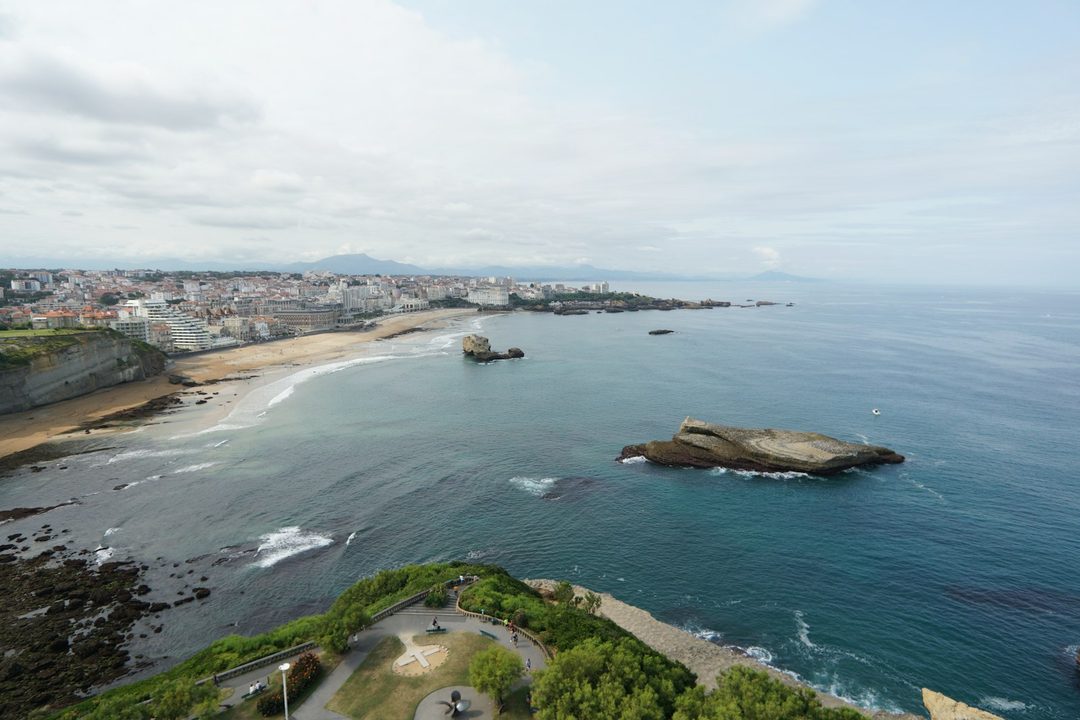
France's elegant surf capital: Belle Époque architecture, Atlantic waves, and rich Basque gastronomy.
- Best time to visit: June to October
- Daily budget (budget traveller): $85 to $195 USD
- Ideal trip length: 3 to 4 days
Perched on the rugged edge of the Bay of Biscay, Biarritz seamlessly blends wild Atlantic energy with refined French elegance. Once a favoured summer retreat for European royalty, this coastal town was transformed in the 1950s when it became the birthplace of European surfing. Today, Biarritz remains a magnet for wave riders and food lovers alike, offering a unique intersection of Belle Époque architecture and laid-back beach culture. For the solo traveller, it is a highly walkable and visually stunning destination. You can spend your mornings exploring the bustling stalls of the Halles market, your afternoons catching waves at the iconic Côte des Basques, and your evenings indulging in authentic Basque pintxos as the sun dips below the ocean horizon.
Perched on the rugged edge of the Bay of Biscay, Biarritz seamlessly blends wild Atlantic energy with refined French elegance. Once a favoured summer retreat for European royalty, this coastal town was transformed in the 1950s when it became the birthplace of European surfing. Today, Biarritz remains a magnet for wave riders and food lovers alike, offering a unique intersection of Belle Époque architecture and laid-back beach culture. The town's dramatic coastline is defined by sculpted cliffs, sandy coves, and the ever-present roar of the ocean.
For the solo traveller, Biarritz is an immensely walkable and rewarding destination that feels simultaneously historic and youthfully energetic. The city hosts a thriving surf community, ensuring a lively cafe culture and a welcoming, unpretentious atmosphere despite its luxurious facade. You can spend your morning browsing the bustling stalls of the Halles market, enjoy a hearty lunch of fresh seafood at the old fishermen's port, and spend the afternoon catching waves at the iconic Côte des Basques. As evening falls, the town comes alive with locals and visitors alike sharing pintxos and wine on lively outdoor terraces.
Beyond the immediate city centre, the surrounding French Basque Country offers tranquil escapes into lush green hills and picturesque coastal villages. Neighbouring towns like Bidart and Guéthary provide a slower pace and authentic regional charm, while the nearby city of Bayonne offers deep historical roots and stunning Gothic architecture. Whether you arrive via the remarkably cheap local airport bus or take the quick train ride down the coast, Biarritz promises a deeply authentic, visually stunning, and culturally rich European coastal break.
Biarritz itinerary
Arrival and the Coastal Heart
Morning: Arrive in Biarritz and drop your bags. Start your exploration with a walk along the Grande Plage, admiring the grand Casino Municipal and the Hôtel du Palais.
Afternoon: Stop for a coffee and a slice of Gâteau Basque, then cross the metal footbridge to the Rocher de la Vierge for sweeping ocean views.
Evening: Enjoy a relaxed welcome dinner of Basque pintxos and local cider at a bustling tavern near Les Halles.
Surf Culture and Seafood
Morning: Head to the Côte des Basques for a morning surf lesson or simply to watch the longboarders glide across the waves at the birthplace of European surfing.
Afternoon: Walk down to the Port des Pêcheurs. Enjoy a lunch of fresh chipirones (baby squid) at one of the rustic crampotte restaurants right on the water.
Evening: Explore the Bibi Beaurivage neighbourhood, grabbing a speciality coffee and enjoying the laid-back, bohemian atmosphere.
Markets and Marine Life
Morning: Spend the morning at the Halles de Biarritz. Browse the vibrant market stalls, tasting local sheep's cheese, cured hams, and fresh oysters.
Afternoon: Visit the Aquarium de Biarritz to discover the marine life of the Bay of Biscay, housed in a magnificent Art Deco building.
Evening: Dine in the Centre Ville, treating yourself to a hearty bowl of Axoa, a traditional Basque veal stew.
Heights and Hidden Gems
Morning: Walk north towards the Phare de Biarritz. Climb the 248 steps of the lighthouse for an unmatched panoramic vantage point over the coastline.
Afternoon: Relax on the tranquil sands of Miramar beach, a quieter alternative to the main stretches, and take a refreshing swim.
Evening: Head to the Rocher du Basta to watch the sunset, followed by a casual dinner of fresh local mussels and fries.
Day Trip to Bayonne
Morning: Take the quick Txik Txak bus ride inland to Bayonne. Wander through the narrow, half-timbered streets of the historic Grand Bayonne district.
Afternoon: Visit the stunning Gothic Bayonne Cathedral and its peaceful cloister, then stop by a traditional chocolatier to sample the city's famous chocolate.
Evening: Return to Biarritz for the evening. Have a drink at a cosy pub near the Port-Vieux, reflecting on the region's rich history.
Coastal Villages and Cliffs
Morning: Take a local bus down the coast to the charming village of Bidart. Walk a section of the Sentier du Littoral (coastal path) for dramatic cliffside views.
Afternoon: Continue onwards to Guéthary, a picturesque former whaling port. Enjoy a leisurely seafood lunch overlooking the small harbour.
Evening: Return to Biarritz for your final evening. Enjoy a farewell dinner at a beachfront restaurant, watching the waves roll in.
Morning Waves and Departure
Morning: Take one last early morning walk along the Grande Plage, or catch a final surf session if the waves are inviting.
Afternoon: Enjoy a leisurely final breakfast of fresh croissants and coffee at a pavement cafe, soaking up the coastal elegance.
Evening: Collect your luggage and take the reliable Txik Txak bus straight to Biarritz Airport, or hop on a train for your onward travels.
Best neighbourhoods
- Centre Ville & Grande Plage: The historic and commercial heart of the city, dominated by grand casinos, luxury hotels, and a bustling promenade that overlooks the main surfing beach.
- Port des Pêcheurs: A charming, rustic enclave built for local fishermen, featuring traditional cabins known as crampottes and excellent, unpretentious seafood restaurants.
- Bibi Beaurivage: A laid-back, bohemian neighbourhood perched above the Côte des Basques, famous for its vibrant surf culture, trendy cafes, and spectacular sunset views.
Must-do experiences
- Surf the waves at Côte des Basques: Hit the water at the historic birthplace of European surfing, offering long, gentle waves perfect for longboarders and beginners.
- Cross the bridge to Rocher de la Vierge: Walk across the metal footbridge built by the Schryvers workshops to reach this iconic rock formation and enjoy sweeping coastal views.
- Taste local flavours at Les Halles: Browse the bustling indoor market to sample regional Basque cheeses, fresh oysters, and the famous Espelette pepper.
- Climb the Phare de Biarritz: Ascend the 248 steps of this 19th-century lighthouse for an unmatched panoramic vantage point over the French and Spanish coastlines.
- Explore the Aquarium de Biarritz: Discover the marine life of the Bay of Biscay inside a stunning Art Deco building located right on the oceanfront.
- Wander around the Port des Pêcheurs: Stroll through the historic fishing port, admiring the quaint fishermen's huts and stopping for fresh seafood right by the water.
Hidden gems
- The tranquil and secluded sands of Miramar beach, offering a quieter alternative to the bustling Grande Plage
- The stunning Chapelle Impériale, a jewel-box chapel built in 1864 for Empress Eugénie
- The sunset vantage point at Rocher du Basta, a peaceful rocky outcrop connected by a stone bridge
- The speciality coffee and all-day breakfast at Paddo Cafe, tucked away in the Bibi Beaurivage neighbourhood
Daily budget
- Accommodation: budget €35 to €50 / night (social surf hostel dorm), mid-range €90 to €150 (comfortable boutique hotel near the centre), splurge €250+ per person (luxury historic hotel overlooking the Grande Plage). Prices peak dramatically in July and August, so booking well in advance is essential for summer trips.
- Food: budget €20 to €30 / day (bakery pastries, market snacks, and casual pintxos), mid-range €45 to €80 (sit-down lunch of fresh seafood, speciality coffee, and a nice dinner with wine), splurge €120+ (multi-course Basque tasting menus and fine wines). Look out for the bustling stalls at Les Halles for incredible value local cheeses and oysters.
- Transport: budget €3 to €6 / day (walking and a few bus rides using the Txik Txak app), mid-range €15 to €25 (buses, regional trains, and an occasional ride-hailing app journey), splurge €60+ (relying entirely on private taxis and renting a car for day trips). The contactless €1.40 bus fare makes navigating the coast simple and highly affordable.
- Activities: budget €0 to €10 (free beach access, coastal walks, cheap museum entries), mid-range €35 to €60 (Aquarium entry, board rentals, and group surf lessons), splurge €100+ (private one-on-one surf coaching or guided Basque food tours). Many of the best sights in Biarritz, including its dramatic viewpoints and coastal paths, are completely free.
- Drinks & nightlife: budget €5 to €10 (supermarket local beers or a quick coffee), mid-range €20 to €40 (several glasses of regional wine or cocktails near the beach), splurge €70+ (late-night clubbing or premium spirits at upscale casino bars). Biarritz has a vibrant sunset culture, meaning affordable drinks are easy to find just off the main beaches.
Where to stay
- Social hostel in Bibi Beaurivage / Côte des Basques (€35 to €50 / night): Located near the best surf breaks, offering board rentals, communal kitchens, and a great atmosphere for meeting other solo wave riders.
- Boutique hotel in Centre Ville (€90 to €150 / night): Stylish, modern properties provide chic social spaces, fast Wi-Fi, and a central location perfect for solo travellers wanting comfort and easy access to Les Halles.
- Apartment in Port-Vieux (€80 to €130 / night): Converted historic buildings offering private kitchenettes, ideal for independent travellers who want to cook with fresh ingredients from the local market.
- Splurge in Grande Plage beachfront (€250 to €400+ / night): Elegant historic hotels feature beautifully restored Belle Époque interiors, spa facilities, and luxurious dining just steps from the main promenade.
What to eat
- Pintxos: bite-sized Basque tapas served on skewers or crusty bread, often featuring local ham, anchovies, or sheep's cheese
- Gâteau Basque: a traditional, buttery shortcrust pastry filled with either sweet black cherry jam or rich vanilla pastry cream
- Axoa: a rustic and hearty Basque stew made with minced veal, onions, and the region's signature mild Espelette pepper
- Chipirones: tender baby squid typically cooked in their own ink or grilled a la plancha with garlic and parsley
Day trips
- Bayonne (30 minutes by bus): The historic capital of the French Basque Country, boasting a sprawling Gothic cathedral, half-timbered houses, and a famous chocolate-making tradition. Take the frequent Txik Txak bus (Line T1) directly from Biarritz to the centre of Bayonne.
- Saint-Jean-de-Luz (40 minutes by bus or 15 minutes by train): A picturesque fishing town with a sheltered sandy bay, historic corsair houses, and the church where King Louis XIV was married. Take the Txik Txak bus (Line 3) or a quick regional TER train down the coast.
- San Sebastian (Spain) (1 hour by bus): A world-renowned culinary capital famous for its stunning La Concha beach and incredible pintxo bars scattered throughout the Old Town. Direct buses operated by FlixBus or BlaBlaCar Bus depart from Biarritz Airport or the train station multiple times a day.
When to visit
- Spring (April to June): 12 to 20°C, gradually warming with bright skies and occasional spring showers. Crowds: Low to moderate, picking up slightly in late May. A lovely time to witness the coastal flowers blooming, though the ocean water remains quite chilly for surfing without a thick wetsuit.
- Summer (July to August): 20 to 26°C, pleasantly warm and sunny, perfect for beach days and outdoor dining. Crowds: High, as French holidaymakers flock to the coast and surf festivals liven up the beaches. The absolute best season for swimming and enjoying the bustling cafe terraces, though accommodation prices peak.
- Autumn (September to October): 15 to 23°C, cooling gradually with beautiful clear days and warm ocean temperatures. Crowds: Moderate, offering a peaceful and unhurried solo experience. Highly atmospheric and widely considered the best time for surfing, thanks to consistent Atlantic swells and fewer crowds.
- Winter (November to March): 8 to 14°C, cool and often windy with frequent dramatic Atlantic storms. Crowds: Very low, except around the festive Christmas period. Beautiful for bracing coastal walks and watching massive waves crash against the lighthouse, but many seasonal restaurants close.
Entry rules for your passport
Visa rules for France depend on the passport you travel on. Check the official source before you book: European Commission: Schengen visa policy
Getting there
Biarritz is well connected and easy to reach. Biarritz Pays Basque Airport (BIQ) is located just 5 kilometres southeast of the city centre and handles numerous flights from across Europe. The dedicated Txik Txak city bus (Line 36) runs directly from the terminal to the city centre in about 15 minutes, costing €1.40 when paying by contactless card or app. If you are arriving by train, the Gare de Biarritz is located in the La Négresse district, about 3 kilometres from the centre, and is served by high-speed TGV trains from Paris (taking around 4 hours). Local buses connect the station to the beaches. For those travelling from Spain, long-distance buses operated by companies like FlixBus provide comfortable, direct connections from San Sebastian in roughly one hour.
Border checks: non-EU visitors (other than Swiss, Norwegian, Icelandic, Liechtenstein, Andorran, Monegasque, San Marinese and Vatican citizens, and holders of an EU residence permit or long-stay visa) are registered in the EU's Entry/Exit System (EES) instead of getting a passport stamp. On your first crossing, officers take your photo and/or fingerprints, so allow extra time at passport control. ETIAS, the planned travel authorisation, is not in operation yet, so don't pay any website for one.
Getting around
Biarritz is highly walkable, with most major sights and beaches accessible on foot. For longer distances or trips to neighbouring towns like Bayonne and Anglet, the local Txik Txak public transport network is excellent. A single bus ticket costs €1.40 and covers a 90-minute journey. You can buy tickets directly from the driver, use a contactless bank card, or download the Txik Txak app to manage your fares digitally. If you are travelling along the coast to Spain, companies like FlixBus offer quick and affordable connections.
Safety
Biarritz is a very safe destination for solo travellers, with low crime rates and a relaxed coastal atmosphere. You can comfortably walk around the city centre and beachfronts at night. The primary safety concerns are environmental. The Atlantic Ocean here is powerful, with strong rip currents and rapidly changing tides. Always swim in designated areas supervised by lifeguards, and check the tide times before settling on beaches like Côte des Basques, which completely disappears at high tide.
Solo travel tips
- Download the Txik Txak app for transport: The local public transport app is the cheapest and easiest way to get around. You can buy digital tickets for the buses that connect Biarritz to the airport and neighbouring towns.
- Watch the tide times: The Atlantic tides are extreme. The famous Côte des Basques beach completely disappears at high tide, so check a local tide chart before planning your beach day or surf session.
- Embrace the pintxo culture: Dining solo is a joy in Basque country. Head to the pintxo bars around Les Halles, where you can stand at the counter, order bite-sized snacks, and easily chat with locals.
- Pack for changing weather: The Basque coast is beautifully green for a reason. Weather can shift rapidly from bright sunshine to heavy rain showers, so always carry a lightweight waterproof jacket.
- Book surf lessons in advance: If you are visiting in the summer and want to learn to surf, book your lessons ahead of time. The reputable schools at Grande Plage and Côte des Basques fill up very quickly.
- Respect the ocean currents: The rip currents (baïnes) along this coast are notoriously strong. Always swim between the red and yellow flags where lifeguards are actively patrolling, even if you are a strong swimmer.
Cultural etiquette
- Always greet shopkeepers and cafe staff with a polite 'Bonjour' (good day) when entering, and say 'Merci, au revoir' (thank you, goodbye) when leaving.
- When dining at a pintxo bar, keep track of what you eat. In some traditional spots, you pay at the end based on the number of skewers left on your plate.
- Tipping is appreciated but not aggressively expected. Service is included by law in France, but leaving a few euros for good restaurant service is a polite gesture.
- Dress respectfully when walking through the town centre. While it is a beach town, walking around shops or cafes in just a swimsuit is frowned upon.
- When raising a glass, make direct eye contact and say 'Santé' (to your health) before taking your first sip.
- Do not rush your meals. French and Basque dining is a leisurely affair, and waiters will not bring the bill until you explicitly ask for it ('L'addition, s'il vous plaît').
- Learn a few words of Basque (Euskara). While everyone speaks French, saying 'Milesker' (thank you) will earn you warm smiles from the locals.
Frequently asked questions
How do I get to San Sebastian from Biarritz?
San Sebastian is easily accessible by bus. Companies like FlixBus and BlaBlaCar Bus run frequent daily services that take roughly an hour and cost as little as €5 to €10.
How many days do I need in Biarritz?
Three to four days are ideal. This allows enough time to take a surf lesson, explore the coastal landmarks, enjoy the local markets, and perhaps take a short day trip to a neighbouring Basque town.
When is the best time of year to visit Biarritz?
Summer offers the best beach weather and a lively atmosphere, but it can be crowded. September and October are fantastic for solo travellers, providing warm water, consistent surf swells, and fewer tourists.
Can I pay with a bank card on Biarritz public transport?
Yes, you can tap your contactless Visa or Mastercard on the readers when boarding the Txik Txak buses to pay the €1.40 fare, or use the official mobile app.
Is Biarritz safe for solo travellers?
Biarritz is very safe, with a welcoming and relaxed vibe. The main hazard is the ocean. Always respect the lifeguard flags and be aware of the strong Atlantic rip currents when swimming or surfing.
What is the primary language spoken?
French is the official language, though you will see and hear Basque (Euskara) throughout the region. English is widely spoken in surf schools, hotels, and tourist-centric restaurants.
How do I get from Biarritz Airport to the city centre?
The Txik Txak bus network connects the airport to the city. Bus line 36 runs directly to the centre in about 15 minutes, and a single ticket costs €1.40, which you can pay via contactless card or the app.
What entry rules apply to travellers visiting France in 2026?
EU citizens enjoy freedom of movement. For short visits up to 90 days, citizens of the UK, US, Canada, and Australia can enter visa-free. As of 2026, these non-EU travellers must register their entry through the new EU Entry/Exit System (EES), which collects biometric data like fingerprints and facial scans at the border. Note that the ETIAS pre-authorisation system is not yet required, as its launch is delayed.
Tours and activities in Biarritz | Biarritz in 2 days | Biarritz in 3 days | Biarritz in 4 days | Biarritz in 5 days | Biarritz in 7 days
Can't decide? Compare Biarritz with...
Joy Plus home | Destinations | Itineraries | Activities | Flights | Budget planner | Calendar | Map | Blog | Lifetime access