Destinations / Europe
Bologna, Italy travel guide
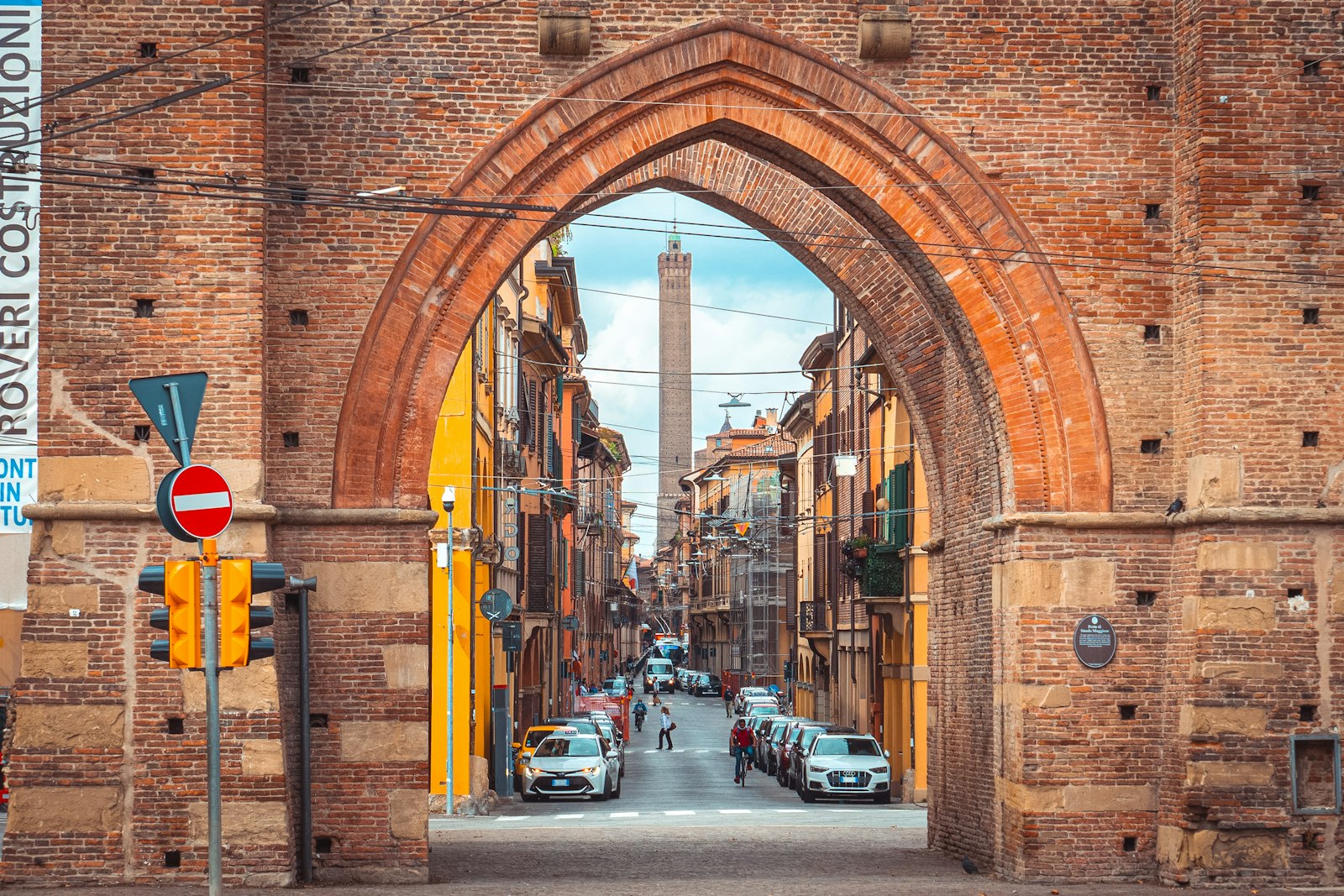
Italy's foodie capital: endless porticoes, medieval towers, a buzzing university and the heart of Emilia cuisine.
- Best time to visit: April-June and September-October
- Daily budget (budget traveller): $100 to $170 USD
- Ideal trip length: 2 to 3 days
Bologna is Italy's gastronomic heart and one of its most underrated cities, a warm, red-hued capital of nearly 40 kilometres of porticoes, leaning medieval towers, a thousand-year-old university and food markets that gave the world ragù, tortellini and mortadella. Lively, walkable and gloriously unpretentious, it's a feast in every sense. Joy Plus shapes the porticoes, the towers, the markets and the food into an easy couple of days.
Bologna has three nicknames: la Grassa (the Fat), la Dotta (the Learned) and la Rossa (the Red). All three fit. The Fat is the tagliatelle al ragù, the tortellini in brodo and the mortadella, which the city takes more seriously than most places take their cathedrals. The Learned is the Alma Mater Studiorum, founded in 1088, still pushing tens of thousands of students through the old centre. The Red is the terracotta skyline and the left-leaning politics. Add roughly 40 km of porticoes in the centre (UNESCO-listed in 2021), a handful of surviving medieval towers and a square, Piazza Maggiore, where half the city just sits on the steps. It is the rare Italian city that feels like a place people live in rather than a place people visit.
The centre is small enough to cross on foot in 25 minutes, and you will keep getting lost in it, happily. The Due Torri lean over Via Rizzoli, with Asinelli at 97 metres and the shorter Garisenda, which has been wrapped in structural supports since 2023. The Quadrilatero market lanes behind Piazza Maggiore are lined with delis hung with prosciutto and mortadella. A walk up to the Sanctuary of San Luca is 666 arches of covered portico, so rain never cancels anything. The Chamber of Commerce even keeps a gold tagliatella 8mm wide as the official standard. Ask for spaghetti bolognese and you will get a polite, slightly pained smile. Ask for tagliatelle al ragù and you will be understood.
Plan 2 to 3 days in town, then use it as a base. Bologna Centrale is the rail hub of northern Italy, with Modena 30 minutes away, Parma about an hour, Florence 35 minutes by Frecciarossa and Ravenna's Byzantine mosaics in around 1h20. Prices are kinder than Florence or Venice: a plate of tagliatelle runs €10-14 in an honest trattoria, a mortadella panino €5-7, a spritz €5-8. The main trap is timing. Trade fairs (Cersaie in September, Cosmoprof in spring) can double hotel rates, and kitchens shut between 2:30pm and 7:30pm. Plan around meals and eat well.
How many days in Bologna?
For Bologna, we recommend 2 to 3 days. With more time, add a day trip to Parma.
| Trip length | What you'll see | Itinerary |
|---|---|---|
| 2 days · Recommended | Piazza Maggiore and Quadrilatero; Towers, Archiginnasio and the food lanes | Bologna in 2 days |
| 3 days · Recommended | Adds: Santo Stefano, San Domenico and the university | Bologna in 3 days |
| 4 days | Adds: Porticoes to San Luca | Bologna in 4 days |
| 5 days | Adds: Modena day trip | Bologna in 5 days |
| 7 days | Adds: Ravenna day trip; Souvenir run | Bologna in 7 days |
Bologna itinerary
Arrive, Piazza Maggiore and Quadrilatero
Morning: Land at BLQ, Marconi Express to Bologna Centrale (7 min, about €12). Drop bags, walk 15 minutes up Via dell'Indipendenza. Espresso at the bar at Caffè Zanarini on Piazza Galvani.
Afternoon: Piazza Maggiore, then San Petronio (free, find the Cassini meridian line in the floor) and the Neptune Fountain. Lunch at Mercato di Mezzo (Via Clavature 12): mortadella and tigelle at the stalls.
Evening: Dinner at Osteria dell'Orsa (Via Mentana 1), tagliatelle al ragù around €10. Spritz on the steps of Piazza Santo Stefano. Early bed.
Towers, Archiginnasio and the food lanes
Morning: Climb the Clock Tower, since the Asinelli has been closed to climbers since late 2023 with no confirmed reopening date. Then the Archiginnasio and its wooden Anatomical Theatre, free to enter.
Afternoon: Quadrilatero: mortadella panino at Tamburini (Via Caprarie), parmigiano at Salumeria Simoni (Via Drapperie 5/2), pastries at Paolo Atti & Figli. Wine at Osteria del Sole (Vicolo Ranocchi 1/D), where you bring your own food.
Evening: Tortellini in brodo at Trattoria Anna Maria (book ahead). Then live jazz at Cantina Bentivoglio (Via Mascarella), free entry, drinks €8-12.
Santo Stefano, San Domenico and the university
Morning: Seven Churches at Santo Stefano, free and nearly empty early. Gelato at Cremeria Santo Stefano.
Afternoon: Basilica di San Domenico, then walk Via Zamboni through the student quarter. Lunch at Trattoria Gianni (Via Clavature 18), then the Pinacoteca Nazionale or Giardini Margherita.
Evening: Aperitivo along Via del Pratello. Dinner at Osteria de' Poeti (Via de' Poeti 1/b), a cellar room with live music, tagliatelle around €11.
Porticoes to San Luca
Morning: Start at Porta Saragozza at 8am. 666 arches and 3.8 km uphill, 45 to 60 minutes. The sanctuary is free, the view across red roofs is the reward.
Afternoon: Walk back down for lunch at Trattoria Da Me (Via San Felice 50/A), then slow time in Giardini Margherita.
Evening: Home-cook pasta class through Le Cesarine (about €80-110), then eat what you rolled. Easy, social, very Bologna.
Modena day trip
Morning: Regional train from Centrale to Modena (30 min, €4-6). Mercato Albinelli, then the UNESCO-listed Duomo and Ghirlandina tower.
Afternoon: Lunch at Trattoria Aldina (Via Albinelli 40), then a balsamic vinegar acetaia visit. Optional: Museo Enzo Ferrari, around €20.
Evening: Back to Bologna, light dinner at Mercato delle Erbe or a mortadella picnic at home.
Ravenna day trip
Morning: Regional train to Ravenna (about 1h20, around €9-10, some trains change at Castelbolognese). Basilica di San Vitale and the Mausoleum of Galla Placidia.
Afternoon: Piadina lunch (Romagna's flatbread), then Sant'Apollinare Nuovo and Dante's tomb. A combined mosaic ticket is about €13.
Evening: Train back. Late dinner on Via del Pratello.
Slow morning, souvenir run, depart
Morning: Coffee and pastry at Paolo Atti & Figli (Via delle Drapperie 6). Walk the quiet end of Via del Pratello.
Afternoon: Gelato at Gelateria Gianni (Via Montegrappa 11). Buy vacuum-packed mortadella and parmigiano to take home at Simoni.
Evening: Marconi Express to BLQ, allow two hours before a flight.
Best neighbourhoods
- Piazza Maggiore & Quadrilatero: The grand central square and the medieval food-market lanes packed with delis, stalls and trattorias.
- University Quarter (Zamboni): The buzzing student district of porticoes, bookshops, bars and Europe's oldest university.
- Via del Pratello: A lively, bohemian street of osterias, craft bars and an authentic evening aperitivo scene.
- Santo Stefano: An elegant area around the atmospheric 'Seven Churches' complex and a pretty piazza.
Must-do experiences
- Piazza Maggiore & San Petronio: Take in the grand main square and the vast, unfinished Gothic basilica at its heart.
- The Two Towers & the Clock Tower: See the two leaning medieval towers from the street: the Asinelli has been closed to climbers since late 2023, with no confirmed reopening date. For rooftop views across the red city, climb the Clock Tower on Piazza Maggiore instead.
- Quadrilatero food market: Browse the medieval market lanes for mortadella, parmigiano, fresh pasta and aperitivo.
- Walk the porticoes to San Luca: Stroll the world's longest portico, nearly 4 km, up to the hilltop sanctuary and its views.
Hidden gems
- The hidden 'Little Venice' canal window on Via Piella.
- The peaceful, layered complex of the Seven Churches at Santo Stefano.
- The frescoed halls of the Archiginnasio, the old university's 16th-century seat.
- Aperitivo and small plates along bohemian Via del Pratello.
Daily budget
- Accommodation: budget €30-50 / night (hostel dorm), mid-range €120-200 (boutique double), splurge €300+ (Grand Hotel Majestic già Baglioni). Trade fair weeks can double prices, so check the fair calendar. A city tax of about €3-6 per person per night is paid at the property.
- Food: budget €25-35 / day (panini, lunch menus, tigelle), mid-range €55-80 (trattoria lunch, one proper dinner), splurge €300+ (Osteria Francescana in Modena, 3 Michelin stars). Many places charge a coperto of €2-3 per person. Tagliatelle al ragù is €10-14, a mortadella panino €5-7.
- Transport: budget €3-5 / day (walking + a bus or two), mid-range €10-20 (buses, Marconi Express, a taxi at night), splurge €60+ (private driver to Modena or Parma). A Tper bus ticket is €1.50 pre-bought (tabaccheria or Roger app), €2 on board. Marconi Express is about €12 one way. Don't rent a car: the ZTL zone brings fines of €80+.
- Activities: budget €5-15 / day (Clock Tower + free churches), mid-range €40-80 (Clock Tower, cooking class, Modena trip), splurge €150+ (Parmigiano dairy and balsamic tour, Ferrari experience). The Asinelli Tower has been closed to climbers since late 2023 with no confirmed reopening date, so climb the Clock Tower instead. San Petronio, San Luca and the Seven Churches are free.
- Drinks & nightlife: budget €8-12 (wine at Osteria del Sole, Pratello spritz), mid-range €25-40 (aperitivo + cocktails), splurge €60+ (cocktail bar + late club). Spritz €5-8 depending on the bar. Aperitivo snacks come free with a drink at many bars. Student zones stay lively until about 2am.
Where to stay
- Social hostel in Centro Storico / Via Ugo Bassi (€30-50 / night): Dopa Hostel or Re Enzo Hostel, central dorms and private rooms, 10 minutes' walk to Piazza Maggiore and the Quadrilatero.
- Boutique hotel in Quadrilatero (€140-230 / night): Al Cappello Rosso or Hotel Corona d'Oro, historic buildings steps from the food market, quiet streets at night.
- Apartment in Santo Stefano or Via del Pratello (€90-140 / night): Real residential streets, small flats with high ceilings and a kitchen for market hauls. Best value for stays of 4+ nights.
- Splurge in Via dell'Indipendenza / Piazza Maggiore (€300-500 / night): Grand Hotel Majestic già Baglioni, frescoed salons, a short walk to Piazza Maggiore, and the grand-hotel Bologna experience.
What to eat
- Tagliatelle al ragù, the authentic 'bolognese'
- Tortellini in brodo, tiny stuffed pasta in broth
- Mortadella, the original Bologna cured meat
- Parmigiano Reggiano and balsamic vinegar from nearby Modena
Day trips
- Modena (30 min by train): Balsamic vinegar, Ferrari, a UNESCO cathedral and the Albinelli food market. Home to Osteria Francescana. Easy half-day or full day. Regional train from Bologna Centrale, about €4-6 each way, every 15 to 30 minutes. Albinelli market is a 10 minute walk from the station.
- Ravenna (1h20 by train): Eight UNESCO sites of glittering Byzantine mosaics: San Vitale, Galla Placidia, Sant'Apollinare Nuovo. Piadina for lunch. Regional train from Centrale, about €9-10, some via Castelbolognese. A combined monument ticket is around €13.
- Parma (1h by regional train): Parmigiano Reggiano, prosciutto di Parma, a Romanesque Duomo and Baptistery, elegant arcaded streets and a very civilised lunch. Regional train about €9, Frecciarossa 35 to 40 minutes but pricier at €15+. Dairy and ham factory visits need booking ahead.
When to visit
- Spring (April - June): 14-26°C, bright with the odd shower. Crowds: Moderate, steady from May. The best window. Café tables spill under the porticoes, San Luca is a pleasant walk and fresh pasta season is in full swing.
- Summer (July - August): 29-36°C, humid, mosquitoes after dark. Crowds: Low to moderate, the city empties around Ferragosto. Hot, but the porticoes give you shade and free open-air cinema fills Piazza Maggiore. Many family trattorias close for two weeks in mid-August, so check before you walk over.
- Autumn (September - October): 16-26°C, golden light, rain building in late October. Crowds: Moderate, trade fairs spike hotel prices. The locals' favourite. Mushrooms, chestnuts and truffles hit the menus, the heat breaks and the student year restarts. Check the trade fair calendar before booking.
- Winter (November - March): 0-10°C, fog, rare snow. Crowds: Low. Tortellini in brodo weather. Cheapest rooms outside fair weeks, and the porticoes keep you dry. Gloomy fog, but the trattorias are at their warmest.
Entry rules for your passport
Visa rules for Italy depend on the passport you travel on. Check the official source before you book: European Commission: Schengen visa policy
Getting there
Bologna Guglielmo Marconi Airport (BLQ) is about 6 km from the centre, and a big Ryanair base. The Marconi Express monorail takes 7 minutes to Bologna Centrale and costs about €12 one way. The airport bus is around €6 and takes 20 to 30 minutes. A taxi to the centre is a regulated flat fare of roughly €15-20. By train, Bologna Centrale is the north Italian hub: Florence is 35 minutes by Frecciarossa (€10-30), Milan about 1h, Venice about 1h25, Rome about 2h. From the station it's a 15 minute walk up Via dell'Indipendenza to Piazza Maggiore. Skip the car: ZTL zones in the centre fine unauthorised vehicles €80 or more.
Border checks: non-EU visitors (other than Swiss, Norwegian, Icelandic, Liechtenstein, Andorran, Monegasque, San Marinese and Vatican citizens, and holders of an EU residence permit or long-stay visa) are registered in the EU's Entry/Exit System (EES) instead of getting a passport stamp. On your first crossing, officers take your photo and/or fingerprints, so allow extra time at passport control. ETIAS, the planned travel authorisation, is not in operation yet, so don't pay any website for one.
Getting around
Bologna's compact centre is best explored on foot, and its 38 km of porticoes mean you can walk much of it sheltered from sun or rain. Cheap city buses cover longer hops, and the airport links to the centre by the Marconi Express monorail in about 7 minutes. Fast trains make it a superb base, reaching Florence, Modena and Parma in under an hour.
Safety
Bologna is generally very safe and comfortable for solo travellers including women. Violent crime is rare; the main caution is pickpocketing around the station, busy markets and crowded buses. The university area is lively late into the night but friendly, so use normal city sense and you'll have an easy, relaxed visit.
Solo travel tips
- Eat at the counter or the communal table: Osteria del Sole has no kitchen and long shared tables. Buy mortadella and cheese in the Quadrilatero, bring it, buy a glass of wine for about €3 and you will be chatting with a student or a retiree within minutes.
- Lunch is your best value meal: Many trattorias run a primo plus drink at lunch for €10-14. Go at 12:30pm, take a counter seat and order the day's pasta. Dinner for one costs double.
- Hostel pick: Dopa Hostel or Re Enzo Hostel: Both are central, mixed-dorm and easy for solos. Book early in trade fair weeks, when dorms can top €80.
- Do San Luca at 8am: Start at Porta Saragozza before the day warms up. Joggers and dog walkers share the portico, and you get the sanctuary with almost nobody in it.
- Solo female travellers: Bologna is one of Italy's easiest cities for women alone. The student quarter is busy late but friendly. After midnight, avoid the quiet streets behind the station and Giardini Margherita, and use a taxi or app for late rides.
- Find your tribe in a kitchen: Le Cesarine home-cook pasta classes seat strangers around one table and run about €80-110. Cantina Bentivoglio's live jazz nights are another easy place to strike up a chat.
Cultural etiquette
- Never ask for spaghetti bolognese. Say tagliatelle al ragù, and don't expect it with spaghetti.
- Say 'buongiorno' when you enter a shop or café, and 'buonasera' after about 5pm. It is expected.
- Cover shoulders and knees in San Petronio, San Luca and the Seven Churches. Guards do turn people away.
- Coffee is drunk standing at the bar for about €1.20-1.50. Sitting down adds a service charge. Cappuccino after 11am marks you as a tourist.
- A coperto (cover charge) of €2-3 per person is normal at trattorias and is not tipping. Round up or leave €1-2 per person for good service.
- Lunch is 12:30-2:30pm, dinner 8-10pm. Many kitchens close between 2:30pm and 7:30pm, and some places shut Sunday evening or Monday.
- Late-night rules in the university quarter limit glass and takeaway alcohol. Drink at the table, not on the street, and don't sit on monuments.
Frequently asked questions
How many days do you need in Bologna?
Two days cover the main square, the towers, the food market and the porticoes, with plenty of eating in between. A third day lets you walk to San Luca or take a day trip to Modena, Parma or Florence, all under an hour away by train.
Is Bologna safe for solo travellers?
Yes, Bologna is generally very safe and welcoming for solo travellers including women. The main caution is pickpocketing around the station and busy markets. The student nightlife is lively but friendly, so use normal city sense and you'll be fine.
When is the best time to visit Bologna?
April to June and September to October bring pleasant weather ideal for walking and eating outdoors. Summer is hot and humid, while winter is cold but cosy and great for hearty food. The porticoes keep you sheltered whatever the weather.
Why is Bologna famous for food?
Bologna sits at the heart of the Emilia-Romagna region, home to tagliatelle al ragù (the real 'bolognese'), tortellini, mortadella, parmigiano reggiano, balsamic vinegar and prosciutto. Its markets, trattorias and nearby producers make it Italy's gastronomic capital.
Is Bologna worth visiting?
Yes. Bologna is one of Italy's most underrated cities, with a beautiful red-hued historic centre, leaning medieval towers, nearly 40 km of porticoes, Europe's oldest university and arguably the country's best food. It's also a perfect base for Emilia day trips.
How do I get from Bologna Airport to the city?
The Marconi Express monorail links Bologna Airport to the central railway station in about 7 minutes and is the fastest option. Taxis and ride-hailing take around 15 to 20 minutes depending on traffic.
Can you do day trips from Bologna?
Yes, it's one of Italy's best bases. Fast trains reach Florence, Modena (balsamic and Ferrari), Parma (ham and cheese), Ravenna (Byzantine mosaics) in around an hour or less, and even Venice or Milan in an hour to an hour and a half, making day trips easy.
More about Bologna
Tours and activities in Bologna | Bologna in 2 days | Bologna in 3 days | Bologna in 4 days | Bologna in 5 days | Bologna in 7 days
Can't decide? Compare Bologna with...
- Bologna vs Florence
- Bologna vs Naples
- Verona vs Bologna
- Bologna vs Parma
- Ravenna vs Bologna
- Bologna vs Milan
- Bologna vs Venice
Joy Plus home | Destinations | Itineraries | Activities | Flights | Budget planner | Calendar | Map | Blog | Lifetime access