Destinations / Europe
Bolzano, Italy travel guide
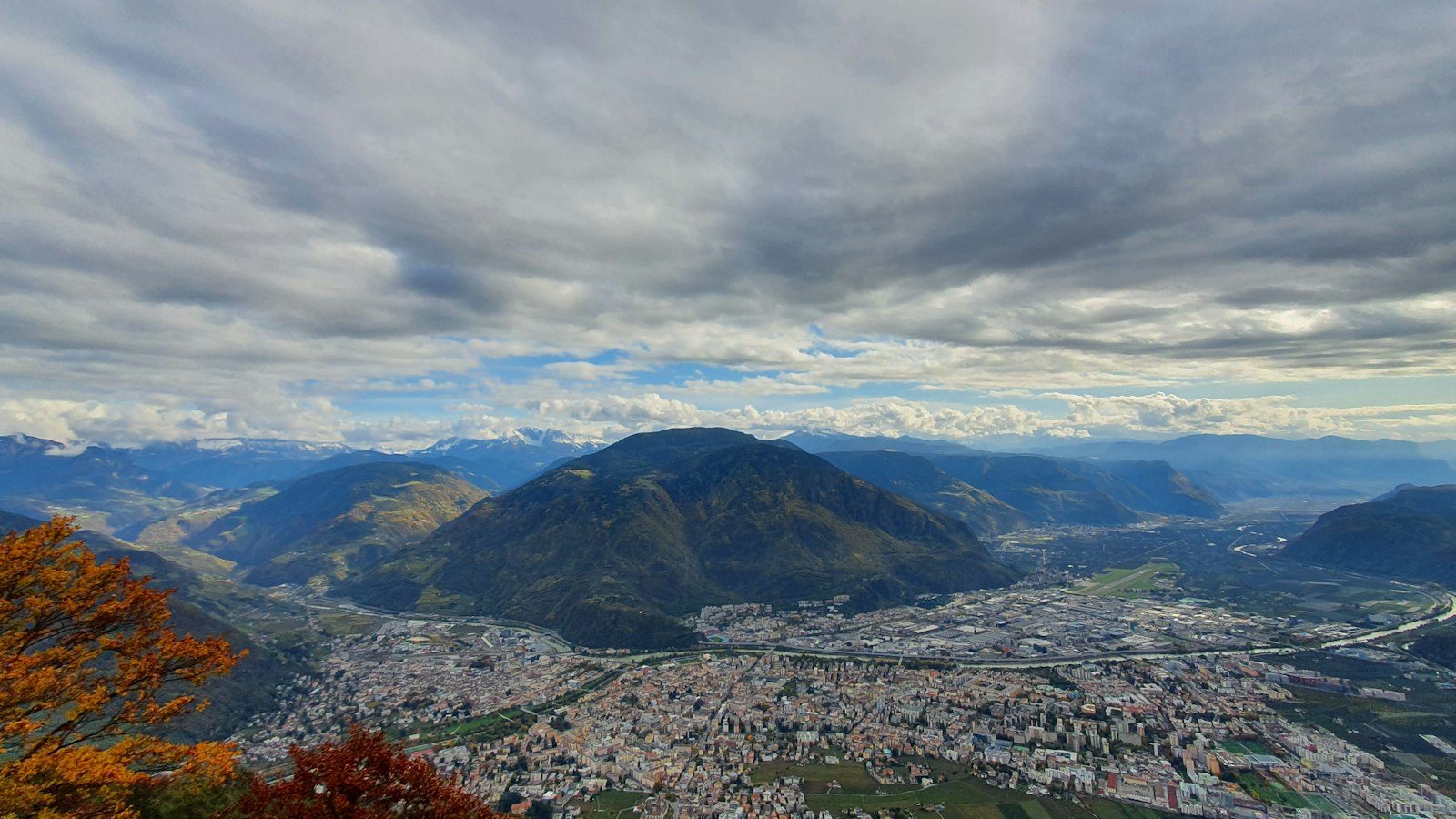
South Tyrol's bilingual capital sits between vineyards and the first peaks of the Dolomites. You can meet Ötzi the Iceman, walk the medieval arcades, ride a cable car up to the Renon plateau and finish the day with a glass of Lagrein in a wood-panelled tavern.
- Best time to visit: May to June and September to October
- Daily budget (budget traveller): $85 to $270 USD
- Ideal trip length: 3 to 5 days
Bolzano, or Bozen in German, is the capital of South Tyrol. This mostly German-speaking province in Italy's far north was part of Austria until the end of the First World War. Street signs are in two languages, menus put dumplings next to risotto, and the cathedral's patterned tiled roof would look at home in Vienna. The city sits where three valleys meet, with vineyards on the slopes all around and the Dolomites starting almost at the edge of town. The old town is compact and mostly pedestrianised. You can walk from Piazza Walther through the long medieval arcades of Via dei Portici to the fruit stalls on Piazza delle Erbe in a few minutes. Most visitors come to see Ötzi, the 5,300-year-old Iceman kept in a cold cell at the archaeology museum. If you stay a few days, there is much more. Cable cars climb 1,000m in minutes, there is a castle full of medieval frescoes, and you can follow riverside walks and stop at wine taverns serving Lagrein and St Magdalener. Bolzano is also a busy rail hub, so Merano, Brixen and the Dolomite valleys make easy day trips by train or bus. It is not cheap by Italian standards, and the valley floor gets very hot in summer. Even so, a hostel bed near the station, good public transport and free promenades make it a safe base for a solo traveller who wants the mountains without a car.
Bolzano is a small city of just over 100,000 people with a split identity. It was Austrian for centuries, became Italian after the First World War and today runs its daily life in German and Italian side by side. Walk ten minutes from the Gothic cathedral and the medieval Arcades and you reach the wide streets and monumental buildings of the 1930s Italian quarter across the river. The city lies low in a hot valley, but vineyards climb straight up the hills around it and cable cars run from the edge of town to mountain villages. Most visitors come for a few hours to see Ötzi. If you stay a few nights, you can have the fruit market at 8am, a cable car ride before lunch, a castle full of medieval frescoes in the afternoon and a wine tavern at night. It is not a cheap city, but the hostel, the sausage stands, free promenades and good-value transport passes keep costs reasonable.
Getting here is easy because Bolzano sits on the main rail line over the Brenner Pass. Trains run from Verona in about 1.5 to 2 hours and from Innsbruck in about 2 hours, and direct trains from Munich take around 4 hours. Rome and Milan have high-speed connections, some direct and some via Verona. Once you arrive, walk. The old town is compact, the station is on its edge, and the riverside paths are flat and pleasant. Stay near Piazza Walther for early trains and buses, in the old town for atmosphere, or in Gries for something quieter and cheaper. Use regional trains for Merano, Brixen and Trento, buses for the Dolomite valleys, and the Renon and Kohlern cable cars for mountain air without a long trip.
Timing shapes the trip. Late spring and early autumn are best for walking, and October brings the grape harvest and Törggelen evenings of new wine, chestnuts and hearty food. High summer is very hot in town but ideal for heading up into the mountains. From 26 November 2026 to 6 January 2027, the Christmas market fills Piazza Walther, and the city is at its busiest and most expensive. In January, Runkelstein closes and the mountains belong to skiers. Bolzano is very safe, and English is spoken in most hotels and museums, with Italian and German everywhere. Nights are relaxed rather than wild. If you want late bars, there are a few in the old town. If you want a sausage on Piazza delle Erbe, a vineyard walk and a glass of Lagrein, you are in the right place.
Bolzano itinerary
Arrive and find your feet
Morning: Arrive by train and drop your bag. Walk five minutes to Piazza Walther and look into the cathedral with its patterned tiled roof.
Afternoon: Wander the Arcades on Via dei Portici and the courtyards behind them, then have a Würstel lunch at the stand on Piazza delle Erbe.
Evening: Look into the Franciscan cloister if it is open, then have dinner of dumplings and a glass of Lagrein at Vögele or a similar old inn.
Ötzi and Runkelstein
Morning: Use your timed slot at the Ötzi museum (€13) as soon as it opens at 10am. Allow 1.5 to 2 hours.
Afternoon: Walk north along the Talvera meadows to Runkelstein Castle (€10) for its medieval frescoes. Take bus 12 back if your legs are tired.
Evening: Look at the Museion façade by the Talvera bridge, then have dinner at a brewery tavern in the old town.
Up to the Renon
Morning: Take the Renon cable car from Via Renon to Soprabolzano, then the little train to Collalbo. The combined return ticket is €20.50.
Afternoon: Walk to the earth pyramids, eat a picnic or have lunch at a farm restaurant, and enjoy the Dolomite views on the way back.
Evening: Ride down before the last cable car and have an early night or a quiet drink near Piazza Walther.
Vineyards and a mountain museum
Morning: Climb the St Oswald promenade above the old town for views over the rooftops to the Rosengarten.
Afternoon: Take a bus to Sigmundskron for the Messner Mountain Museum Firmian (around €15, closed in winter). Out of season, ride the Kohlern cable car instead.
Evening: Walk up to St Magdalena for a glass of the local red at a wine tavern, then head down to town for dinner.
Merano by train
Morning: Take a regional train to Merano (about 40 minutes) and walk the riverside Passer promenade and the arcaded Lauben.
Afternoon: Visit the Gardens of Trauttmansdorff Castle in season, or walk the Tappeiner path high above the town.
Evening: Train back to Bolzano. Have a simple dinner of Schlutzkrapfen and an early night before the mountains.
A day in the Dolomites
Morning: Take bus 350 to Ortisei in Val Gardena (about an hour). Ride a lift into the high meadows if the season allows.
Afternoon: Walk an easy trail with views of the peaks and have lunch at a mountain hut. Carry cash, layers and water.
Evening: Bus back to Bolzano, then have a farewell dinner and a slice of strudel in the old town.
Slow morning and depart
Morning: Pick up speck, cheese and Schüttelbrot at Piazza delle Erbe, and have a last coffee under the Arcades.
Afternoon: Look into the Dominican church to see the frescoes, then walk to the station for your train.
Evening: Arrive in Verona, Innsbruck or Munich, or carry on to your next stop.
Best neighbourhoods
- Old town and the Arcades: The medieval centre is built around Via dei Portici, a long street of arcaded merchant houses, and Piazza delle Erbe with its fruit and vegetable stalls. Most of the restaurants, wine bars and the Ötzi museum are here. It is busy by day and quiet by late evening, but there are few rooms and they cost more.
- Piazza Walther and the station: The main square has the cathedral on one side, and the train and bus stations are a five-minute walk south. The youth hostel and several hotels are here, and the Renon cable car leaves from nearby Via Renon. It works well for short stays and early trains, though the streets around the station feel less pleasant late at night.
- Gries: Gries was once a separate spa town west of the Talvera river. Today it is a calm residential district with its own square, a Benedictine abbey and the Guncina promenade climbing the hill behind. It is a 15 to 20-minute walk or a short bus ride from the centre, and rooms and cafés are cheaper.
- St Magdalena and Rentsch: These vineyard slopes on the eastern edge of town are where St Magdalener red wine comes from. You will find farm guesthouses, wine taverns and wide views over the city. It is peaceful and very pretty, but it is uphill, so after dark you depend on footpaths, a local bus or taxis.
- Soprabolzano on the Renon: This village sits at the top of the Renon cable car, 12 minutes and about 1,000m above the city. It is cooler in summer and has hiking paths, the little Renon train and views of the Dolomites. It suits you if you want mountain air, but check the time of the last cable car before you go down for dinner.
Must-do experiences
- Meet Ötzi the Iceman: The South Tyrol Museum of Archaeology on Via Museo holds the mummy hikers found in the ice on the Austrian border in 1991, along with his clothes, axe and bow. Adult entry is €13. Book a timed slot online, especially in summer and at Christmas. It closes on Mondays except in July, August and December.
- Walk the Arcades and Piazza delle Erbe: Via dei Portici is a long street of medieval merchant houses with shops and dark old courtyards behind the arches. Start at the Neptune fountain on Piazza delle Erbe, where stalls sell fruit, speck and bread every day except Sunday. It is free and best before 10am.
- Ride the cable car up to the Renon: The Renon cable car climbs from Via Renon near the station to Soprabolzano in 12 minutes. A return costs €13.50, or €20.50 if you add the little Renon train to Collalbo. From there, walk to the earth pyramids, tall clay columns with boulders on top. Return tickets are only valid on the day you buy them.
- See the painted rooms at Runkelstein Castle: This castle on a rock above the Talvera has one of the largest cycles of secular medieval frescoes in Europe, full of knights, hunts and King Arthur. Entry is €10. Walk there along the river in about 40 minutes, or take bus 12 (bus 14 on Sundays). It is closed on Mondays and in January.
- Walk the St Oswald promenade: This path climbs through vineyards and Mediterranean plants above the old town, with views over the rooftops to the Rosengarten peaks. It is free and takes about an hour. Start from the Rentsch side and stop for a glass of St Magdalener at a farm tavern.
- Look round Museion: Bolzano's contemporary art museum is the glass cube by the Talvera bridge. Its exhibitions change through the year. Tickets cost around €10, but entry has traditionally been free on Thursday evenings, so check before you go. After dark, the front of the building often turns into a screen for video art.
- Visit the Christmas market in winter: From 26 November 2026 to 6 January 2027, Piazza Walther and the streets around it fill with wooden stalls selling crafts, mulled wine and strudel. Entry is free, and the market closes on 25 December. Weekends and the 8 December holiday are packed, so go on a weekday morning.
Hidden gems
- The Kohlern cable car from the southern edge of town, one of the oldest passenger cable cars in the world, which costs €8 return and takes you up to quiet forest walks
- The Chapel of St John in the Dominican church, with 14th-century frescoes in the style of Giotto and a cool, quiet escape from the square
- The Gothic cloister of the Franciscan monastery on Via dei Francescani, just around the corner from the Arcades
- The grassy Talvera meadows at dusk, when locals jog, picnic and lie in the last of the sun between Museion and Runkelstein
- BZ '18-'45, a free exhibition under the Fascist-era Victory Monument that explains the city's divided 20th-century history honestly
Daily budget
- Accommodation: budget €35-50 / night (hostel dorm), mid-range €110-180 (3-star hotel or Gries apartment), splurge €280+ (Parkhotel Laurin or a design hotel on Piazza Walther). Prices peak during the Christmas market and in summer. A per-person nightly tourist tax is added on top. Many hotels include a free guest pass for public transport.
- Food: budget €25-35 / day (bakery breakfast, Würstel lunch, market picnic), mid-range €45-70 (café lunch and a dinner of dumplings and wine), splurge €100+ (tasting menu with wine pairing). A sausage and roll costs about €5-7, and mains in a traditional inn are roughly €14-24. Many restaurants add a cover charge of a few euros. Prices are rough guides.
- Transport: budget €0-8 / day (walking, city buses), mid-range €22-32 (a 1-day or 3-day Mobilcard), splurge €50+ (taxis or a 7-day Mobilcard). The Renon cable car costs €13.50 return, or €20.50 with the Renon train. The Kohlern cable car costs €8 return. Check whether your hotel's guest pass covers these first.
- Activities: budget €0-15 / day (promenades, Ötzi at €13), mid-range €20-40 (Runkelstein at €10, Renon cable car and train), splurge €55-65 (museumobil Card with museums and transport). The museumobil Card costs €55 for 3 days or €65 for 7, and covers public transport plus one entry to more than 70 museums. It is good value if you plan several museums and day trips.
- Drinks & nightlife: budget €5-10 (a glass of Lagrein or a local beer), mid-range €15-30 (a few drinks in a wine bar or brewery), splurge €50+ (wine tasting or cocktails). Coffee at the bar costs about €1.50-2 and a glass of wine €3-6. Nightlife means wine bars, brewery taverns and terraces rather than clubs.
Where to stay
- Social hostel in Station area, near Piazza Walther (€35-50 / night (dorm)): The Bolzano youth hostel is a modern, clean hostel a few minutes from the station and the Renon cable car. It is the main budget option in the centre and a good place to meet other travellers heading into the mountains.
- Boutique hotel in Piazza Walther (€180-320 / night): Hotel Greif is a long-established design hotel right on the main square, with individually styled rooms. The cathedral, the Arcades and the station are all on the doorstep.
- Apartment in Gries and the old town (€90-160 / night): Apartments in Gries give you a kitchen, a quieter street and lower prices, with the centre a short walk or bus ride away. Those in the old town cost more but put you in the middle of everything.
- Splurge in Near Piazza Walther (€280-500+ / night): Parkhotel Laurin is a grand Art Nouveau hotel with a private garden, an outdoor pool and a well-known restaurant, a minute from the main square. It is a calm retreat in the heart of the city.
What to eat
- Canederli (Knödel): bread dumplings with speck, cheese or spinach, served in broth or with melted butter at old inns such as Vögele or Batzenhäusl
- Speck and Schüttelbrot: smoked South Tyrolean ham with crisp rye flatbread, easy to buy at the Piazza delle Erbe stalls for a picnic
- Schlutzkrapfen: half-moon pasta filled with spinach and ricotta, finished with butter and Parmesan
- A Würstel with mustard and a roll from the sausage stand on Piazza delle Erbe, a cheap local lunch at around €5-7
- Lagrein and St Magdalener, the local reds, plus Gewürztraminer from nearby Tramin, at €3-6 a glass in wine bars
- Apple strudel or Kaiserschmarrn, the torn, sugared pancake, with coffee at a bakery or a mountain hut
Day trips
- Merano (About 30km north-west, around 40 minutes by train): An elegant old spa town with riverside promenades, an arcaded main street and the famous Gardens of Trauttmansdorff Castle. Merano has its own Christmas market from 26 November. Regional trains leave Bolzano several times an hour and are covered by the Mobilcard. The gardens are open from spring to autumn, so check the dates before you go.
- Val Gardena and Ortisei (About 35km east, around 1 hour by bus): A classic Dolomites valley with woodcarving villages, high meadows and lifts up to famous viewpoints such as Seceda. It is the easiest way to reach the big peaks without a car. Take bus 350 from Bolzano to Ortisei. Lifts run in the summer and winter seasons and many close in spring and November, so check before you go.
- Brixen (Bressanone) (About 40km north, around 30 minutes by train): A small, pretty bishop's town with a baroque cathedral, a cloister full of frescoes and the Hofburg palace museum. Neustift Abbey and its winery are a short walk or bus ride away. Take a regional or EuroCity train from Bolzano. The station is a 10-minute walk from the cathedral square.
When to visit
- Spring (March - May): 12-24°C, mild and sunny, with apple and cherry blossom in April. Crowds: Low to moderate, busier at Easter and on May weekends. Good for the old town, castles and valley walks. Higher trails can still have snow until late May, and some lifts stay closed between seasons.
- Summer (June - August): 26-34°C in the valley, sometimes hotter, with afternoon storms in the mountains. Crowds: Busy, especially in August. June is lovely. July and August are hot in town, so sightsee early and spend the afternoons up on the Renon or in the Dolomites. Book Ötzi tickets ahead.
- Autumn (September - October): 15-25°C, settled and clear, cooling quickly in late October. Crowds: Moderate, with busy weekends during the harvest. The locals' favourite. Grape harvest, Törggelen dinners, golden larches in the mountains and the best walking weather of the year.
- Winter (November - February): -3 to 8°C, dry and often sunny, with snow in the mountains. Crowds: Very busy during the Christmas market, quiet from mid-January. Come from late November for the Christmas market and mulled wine, or in January and February for low prices and skiing nearby. Runkelstein closes in January.
Entry rules for your passport
Visa rules for Italy depend on the passport you travel on. Check the official source before you book: European Commission: Schengen visa policy
Getting there
Bolzano has a small airport with very few routes, so most people fly to Verona, Innsbruck, Munich, Milan or Venice and take the train. Bolzano is on the main Brenner rail line. Trains from Verona take about 1.5 to 2 hours, and trains from Innsbruck take about 2 hours. Direct EuroCity trains from Munich take around 4 hours. Milan and Venice are about 3 hours away, with a change at Verona on many trips, and high-speed trains run from Rome in roughly 5 hours. Book long-distance tickets in advance for the best fares, especially during the Christmas market. Flixbus coaches also stop in Bolzano from several Italian, Austrian and German cities. The station is at the edge of the old town, a five-minute walk from Piazza Walther. If you drive, the A22 motorway is tolled, and roadworks on the Austrian side of the Brenner have caused long queues. Austrian motorways also need a vignette. Once you arrive, park in a garage and leave the car, as the centre has traffic restrictions.
Border checks: non-EU visitors (other than Swiss, Norwegian, Icelandic, Liechtenstein, Andorran, Monegasque, San Marinese and Vatican citizens, and holders of an EU residence permit or long-stay visa) are registered in the EU's Entry/Exit System (EES) instead of getting a passport stamp. On your first crossing, officers take your photo and/or fingerprints, so allow extra time at passport control. ETIAS, the planned travel authorisation, is not in operation yet, so don't pay any website for one.
Getting around
Bolzano's old town is small and mostly closed to cars, so you will walk almost everywhere. It takes about 10 minutes from the station to Piazza delle Erbe. The land is flat, and cycle paths along the Talvera and Isarco rivers make cycling easy, with bike hire available in town. SASA city buses cover the outer districts, including Gries and Runkelstein, and a single ride costs around €1.50-2. Buy tickets from machines, tobacconists or the südtirolmobil app, and validate them when you board. If you plan to use buses, trains and cable cars a lot, the Mobilcard covers all public transport in South Tyrol, including the Renon cable car and train. In 2026 it costs about €22 for one day and €32 for three. Many hotels give guests a free guest pass that does the same, so ask before you buy. Regional trains reach Merano, Brixen and Trento in 30 to 40 minutes. Buses go into the Dolomite valleys. Taxis are expensive, and driving into the centre means traffic restrictions and costly parking, so leave the car behind.
Safety
Bolzano is one of the safest cities in Italy, and violent crime against visitors is rare. Watch your bag in the Christmas market crowds and on busy trains. The area around the station and some of the parks feel less comfortable late at night, so walk along the lit main streets. The bigger risks are outdoors. The valley floor can reach the mid-30s°C in summer, and up in the mountains the weather changes fast, with afternoon thunderstorms in July and August. Start hikes early, wear proper shoes, carry layers and water, and tell someone your route. In winter, pavements and mountain paths can be icy. Tap water is safe to drink. The EU emergency number is 112. EU travellers should carry an EHIC and UK travellers a GHIC, and everyone else needs travel insurance with medical cover. Make sure it includes mountain rescue if you plan to hike.
Solo travel tips
- Ask about a guest pass: Many hotels and guesthouses include a South Tyrol guest pass with free buses, regional trains and some cable cars. Check before you buy a Mobilcard, as it can save you €20-30.
- Book Ötzi, then plan the rest: Timed slots sell out in summer and around Christmas. Lock in your museum time first, then build the rest of the day around it.
- Go high in the afternoon: In summer the valley gets very hot after midday. Do the old town early, then head up to the Renon or the Dolomites, where it is often 10 degrees cooler.
- Eat cheaply at the market: A Würstel from the stand on Piazza delle Erbe, bakery rolls and a market picnic keep food costs low. Save the sit-down meals for evenings in the old inns.
- Safety for solo travellers: The city itself is very safe. Most risks are in the mountains, so stick to marked trails, start early, check the forecast for storms and tell someone your route. Walk along the lit main streets near the station at night.
- Meet people over wine: Wine bars and brewery taverns have long shared tables, and conversation comes easily. In autumn, a Törggelen dinner at a farm is a sociable night out, and the hostel is good for finding hiking companions.
Cultural etiquette
- Greet people with 'Grüß Gott' or 'Buongiorno' and reply in whichever language they use. Both are normal here.
- Be tactful about the region's history. Many locals see themselves as South Tyrolean first, so avoid assuming everyone is simply 'Italian'.
- Say hello to other walkers on mountain trails. A quick 'Grüß Gott' or 'Servus' is expected.
- Dress modestly in the cathedral and other churches, with covered shoulders, and keep quiet during services.
- Stay on the paths through meadows and vineyards. The grass and grapes are farmers' livelihoods.
- Expect a small cover charge (coperto) on restaurant bills. Tipping is not expected, but rounding up for good service is appreciated.
- Many shops close on Sundays and some close at lunchtime, so plan picnic shopping for Saturday.
Frequently asked questions
How do I get to Bolzano and from the station to my room?
Most people arrive by train. From Verona, it takes about 1.5 to 2 hours. From Innsbruck over the Brenner Pass, it takes about 2 hours, and direct trains from Munich take around 4 hours. The station is on the edge of the old town, so Piazza Walther is a five-minute walk and most central hotels are within 10 to 15 minutes. City buses and taxis wait outside if you are staying in Gries or up in the vineyards. Bolzano's small airport has very few routes, so most people fly into Verona, Innsbruck, Munich or Milan and take the train.
How many days do I need in Bolzano?
Two nights covers the old town, Ötzi and a trip up the Renon. With three to five nights you can add Runkelstein Castle, the vineyard promenades and a day trip to Merano or Brixen. A week lets you spend a couple of days in the Dolomites, with Val Gardena or the Renon plateau as easy targets by bus or cable car.
When is the best time to visit Bolzano?
May, June, September and October are the best months. The weather is warm without being stifling, the hiking paths are open, and in autumn the grape harvest brings Törggelen, the season of new wine and chestnuts. July and August can be very hot in town, though the mountains stay cooler. Winter is cold and dry, and from late November the Christmas market makes the city busy and lively. January to March is quietest, and some sights close or open for shorter hours.
Do I need a car in Bolzano?
No. The old town is mostly closed to traffic, and parking is expensive. Trains, buses and cable cars reach most places a visitor wants to go, including Merano, Brixen, the Renon and Val Gardena. A Mobilcard costs about €22 for one day or €32 for three in 2026. Many hotels give a free guest pass with public transport included, so check before you buy one.
Should I book the Ötzi museum in advance?
Yes, especially from June to September and during the Christmas market. Entry works on timed slots and adult tickets cost €13. The museum is open Tuesday to Sunday from 10am to 6pm, and it also opens on Mondays in July, August and December. Allow 1.5 to 2 hours. There is often a short queue inside to see the mummy through its viewing window.
Can I see the Dolomites from Bolzano without a car?
Yes. The easiest option is the Renon cable car from the edge of the old town, which gives you views of the Dolomites in 12 minutes. For the high peaks, bus 350 runs to Ortisei in Val Gardena in about an hour. Lifts there, such as the one to Seceda, run in the summer and winter seasons. Many lifts close in spring and in November, so check before you go.
Is Bolzano safe for solo female travellers?
Yes. It is calm, orderly and well lit, and plenty of locals walk around alone in the evenings. Take normal care with drinks in bars, keep to the main streets around the station late at night and watch your bag in crowds. On the mountains, stick to marked trails, check the weather and let your accommodation know your route.
What entry rules apply to Italy in 2026?
Italy is in the EU and the Schengen area. Many non-EU visitors, including those from the UK, US, Canada and Australia, can stay visa-free for up to 90 days in any 180-day period across Schengen. Since April 2026, the EU's Entry/Exit System has recorded non-EU travellers' fingerprints and photos at the external border. The ETIAS travel authorisation has been expected for some time but had no confirmed start date in autumn 2026, so check whether it has started before you travel. Confirm the rules on official EU and Italian government websites and check your own government's travel advice.
More about Bolzano
Tours and activities in Bolzano | Bolzano in 2 days | Bolzano in 3 days | Bolzano in 4 days | Bolzano in 5 days | Bolzano in 7 days
Joy Plus home | Destinations | Itineraries | Activities | Flights | Budget planner | Calendar | Map | Blog | Lifetime access