Destinations / Asia
Boracay, Philippines travel guide
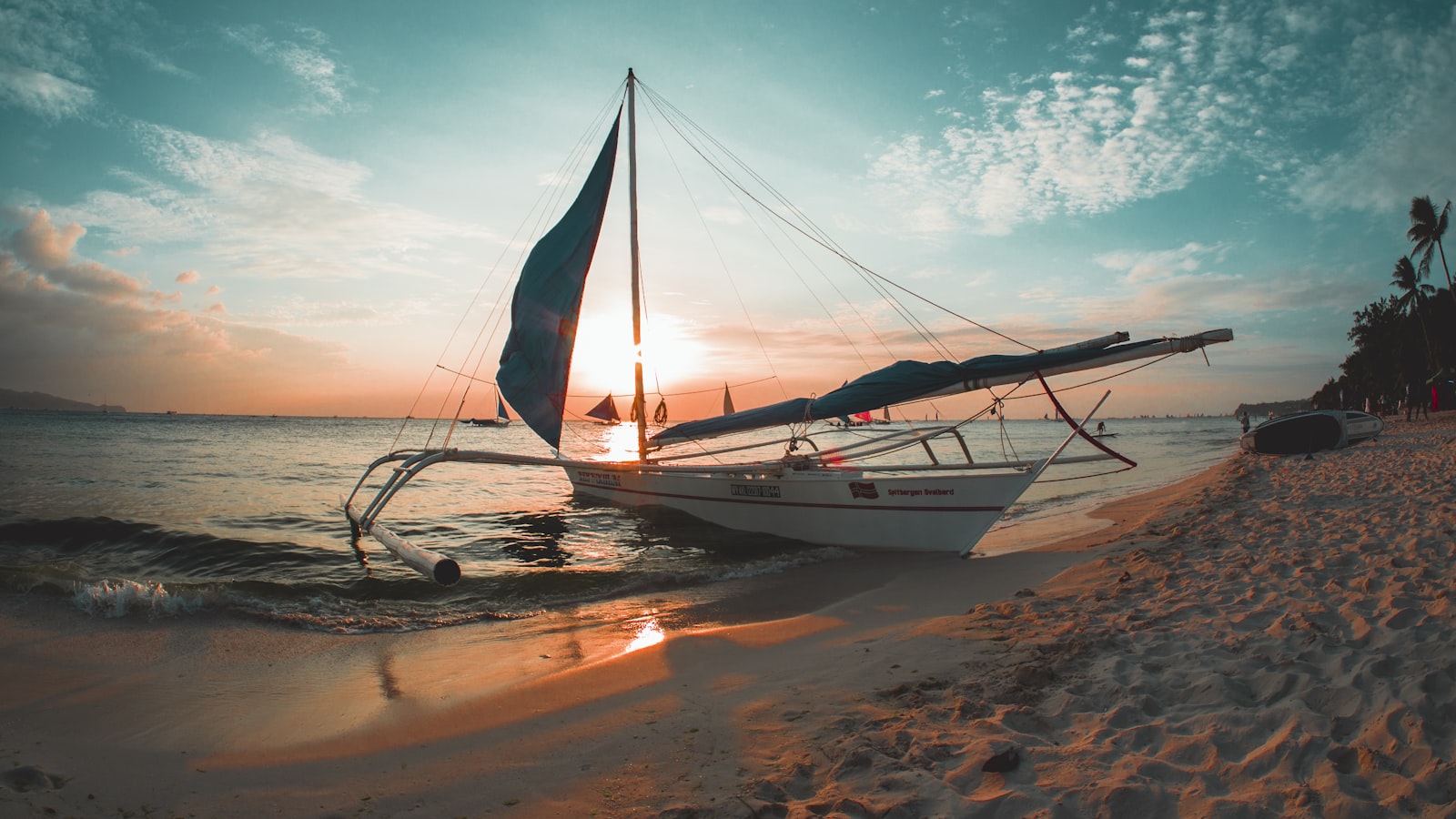
The Philippines' iconic island of powder-white sand, turquoise water and legendary sunsets.
- Best time to visit: November-May
- Daily budget (budget traveller): $40 to $120 USD
- Ideal trip length: 3 to 5 days
Boracay is the Philippines' postcard island, a tiny tropical gem famous for White Beach, a four-kilometre ribbon of blindingly white, talcum-soft sand lapped by clear turquoise water. Reborn after a 2018 clean-up that restored its natural beauty, it now balances vibrant beach bars and water sports with a more sustainable, polished feel. Sunsets here are the stuff of legend, best enjoyed from a paraw sailboat. Beyond the main strip lie quieter coves, cliff dives and snorkelling reefs. Joy Plus matches beaches to your vibe and times the activities for the best light and calmest seas.
Boracay is a tiny island, about seven kilometres long and barely a kilometre wide at its narrowest. Its whole reputation rests on White Beach, four kilometres of powder sand on the west coast, split into three informal zones called Stations. Station 1 is wide, calm and expensive. Station 2 is the engine room, with D'Mall, the bars and the food. Station 3 is cheaper, quieter and increasingly local. The sand really is that pale and soft, and the sea at the Station 1 end is often so clear you can see your toes at waist depth.
The 2018 six-month closure was a genuine reset. Beachfront construction is pushed back, single-use plastics are discouraged, smoking is limited to designated areas, and the water is visibly cleaner. The party survives, but it has moved off the sand and into licensed bars, beach clubs and a few cliffside spots. Most visitors never leave the Station 2 strip. The better version of Boracay is a short e-trike ride away: Diniwid's cliffside coves, Puka Shell Beach at the northern tip, and Bulabog on the east coast, where kites fill the sky from November to April.
Timing matters more here than in most places. From November to May the amihan wind keeps White Beach glassy. Between June and October the habagat swings the waves onto the west side, red flags go up, and the island goes cheap and quiet. Plan around that, book the paraw sail for the last hour of light, and take the island-hopping boat before 10am, when the reefs are clear and the tour fleets haven't arrived. Do that and the small island feels bigger than it looks.
How many days in Boracay?
For Boracay, we recommend 3 to 5 days. With more time, add a day trip to Carabao Island.
| Trip length | What you'll see | Itinerary |
|---|---|---|
| 2 days | Cross the water, find your Station; White Beach, D'Talipapa and a paraw sunset | Boracay in 2 days |
| 3 days · Recommended | Adds: Island hopping: Crystal Cove and Crocodile Island | Boracay in 3 days |
| 4 days · Recommended | Adds: Bulabog kitesurf or windsurf | Boracay in 4 days |
| 5 days · Recommended | Adds: Ariel's Point cliff jumping | Boracay in 5 days |
| 7 days | Adds: Puka Shell Beach, Mount Luho and Diniwid | Boracay in 7 days |
Boracay itinerary
Arrive, cross the water, find your Station
Morning: Land at Caticlan (MPH). Take a 10 minute tricycle to the Caticlan jetty port, pay the environmental and terminal fees, and ride the 15 minute outrigger boat over to Cagban. Show your hotel booking at the jetty and e-trike to your stay.
Afternoon: Drop bags and swim. Walk White Beach from Station 3 up to Station 1, past Willy's Rock. Jonah's fruit shake at Station 1 is the classic recharge.
Evening: Table on the sand at Station 2 for grilled fish. One drink, then bed. Tomorrow starts early.
White Beach, D'Talipapa and a paraw sunset
Morning: Early swim at 7am, when the sand is empty and the water is still. Breakfast at Real Coffee & Tea Cafe in D'Mall.
Afternoon: D'Talipapa wet market. Pick fresh squid, prawns and fish, and pay the cooking fee at a nearby grill. Nap through the midday heat.
Evening: A 30 to 60 minute paraw sunset sail from Station 2, around ₱2,500-4,000 per boat. Agree the price before boarding, and ask for the lifejackets. Cocktails at a Station 2 bar after.
Island hopping: Crystal Cove and Crocodile Island
Morning: Board a shared island-hopping boat at 9am. Snorkel Crocodile Island and Coral Garden while the water is clear.
Afternoon: Crystal Cove and Magic Island for cliff jumps and caves. Beach lunch on board, usually included.
Evening: Back by 4pm. Shower, then dinner at Station 2's side lanes. Try a halo-halo from a shop on the main road.
Bulabog kitesurf or windsurf
Morning: E-trike across to Bulabog Beach (about ₱30). Book a first kite lesson or windsurf rental at one of the schools on the beach. Kite season is November to April.
Afternoon: Lunch at a Bulabog beach shack, then watch the kites from a lounger. Cool down with a calamansi shake.
Evening: Sunset on White Beach, then dinner at Station 3, where prices drop by a third.
Ariel's Point cliff jumping
Morning: Slow breakfast, then the Ariel's Point day trip, around ₱2,500-3,500 with lunch. There is one boat a day: check in at 11am at Casa Mezcaleria (across the main road from Club Paraw, Station 1) for the 11:30am departure, about 45 minutes each way, and the boat leaves the point at 4pm. Jump platforms go up to about 15 metres, so start low.
Afternoon: Snorkel the reef beside the platform, eat the buffet lunch on the boat, and swim off the sandbar.
Evening: Early night, or a quiet seafood dinner at D'Talipapa.
Puka Shell Beach, Mount Luho and Diniwid
Morning: E-trike to Puka Shell Beach on the northern tip (about ₱200-300 each way, or ask about a return special trip). Swim before the afternoon crowd.
Afternoon: Mount Luho viewpoint (around ₱150) for the island panorama. Lunch in the north, then slow drinks.
Evening: Sunset on Diniwid's cliffside bars, then back to Station 2 or 1 for a late dinner.
Slow morning and departure
Morning: Last swim, coffee, and a long breakfast. Pack lightly and settle your hotel bill.
Afternoon: Boat from Cagban to Caticlan jetty, then tricycle to MPH. Allow at least 3 hours before a flight.
Evening: Wheels up. Check ahead for the last boat times if you're on a late flight.
Best neighbourhoods
- Station 1: The widest, most upscale stretch of White Beach with top resorts.
- Station 2: The lively central hub with D'Mall, restaurants, bars and nightlife.
- Station 3: The quieter, more budget-friendly southern end of White Beach.
- Bulabog Beach: The windward east coast, the centre for kitesurfing and windsurfing.
- Diniwid Beach: The secluded little cove just north of Station 1.
Must-do experiences
- Relax on White Beach: Soak up the powder-soft sand and turquoise water.
- Sail a paraw at sunset: Glide on a traditional outrigger as the sky ignites.
- Go island-hopping: Snorkel reefs and hidden coves on a boat tour.
- Try water sports at Bulabog: Kitesurf or windsurf on the breezy east coast.
- Cliff jump at Ariel's Point: Leap into clear water from platforms on a day trip.
- Hike up Mount Luho: Climb to the island's highest viewpoint for panoramas.
Hidden gems
- Secluded Puka Shell Beach at the island's northern tip.
- Snorkelling and cliff jumping at Crystal Cove or Crocodile Island.
- Quiet Diniwid Beach and its cliffside bars at sunset.
- Sampling fresh seafood at the D'Talipapa wet market.
Daily budget
- Accommodation: budget ₱600-1,300 / night (hostel dorm), mid-range ₱4,500-8,500 (boutique double), splurge ₱18,000+ (Discovery Shores, Shangri-La Boracay). Station 3 and the back lanes of Station 2 give the best value. Holiday and Holy Week rates run 40 to 80 percent higher.
- Food: budget ₱700-1,000 / day (carinderia plates, chori burger, shakes), mid-range ₱1,800-3,000 (one beachfront dinner), splurge ₱6,000+ (resort tasting dinner on the sand). Buy seafood at D'Talipapa and pay a ₱150-250 cooking fee (paluto) at a nearby restaurant. It's the best-value dinner on the island.
- Transport: budget ₱100-250 / day (shared e-trikes), mid-range ₱400-800 (e-trikes plus a few private trips), splurge ₱2,500+ (private van and boat transfers). Add the ₱450-ish of arrival fees at the Caticlan jetty (environmental plus terminal fee) on top of the ₱50 boat. Agree on any private trike fare before you sit down.
- Activities: budget ₱300-800 / day (Mount Luho viewpoint about ₱150, snorkel gear, free beaches), mid-range ₱2,000-3,500 (shared island hop, paraw sail, helmet dive), splurge ₱8,000+ (private boat, kitesurf course from about ₱15,000 over several days). Shared island-hopping boats run ₱1,200-2,000 per head. Ariel's Point day trips with lunch run about ₱2,500-3,500.
- Drinks & nightlife: budget ₱300-500 (San Miguel at ₱70-120, sari-sari store drinks), mid-range ₱1,500-2,500 (Station 2 bar crawl, cocktails ₱250-350), splurge ₱5,000+ (beach club daybed, bottle at Epic). Hit happy hours from about 4pm to 7pm. Beachfront bars are licensed and loud, and the party ends earlier than it used to.
Where to stay
- Social hostel in Station 2 (₱600-1,300 / night): Mad Monkey Boracay or Frendz Resort, pool, social events and a short walk to the beach. Easiest place to meet other travellers.
- Boutique hotel in Diniwid Beach (₱4,500-9,000 / night): Small cliffside hotels on quiet Diniwid Beach, with sunset views and a short ride from Station 1.
- Apartment in Station 3 / Bulabog side (₱2,500-5,000 / night): Studios and condos with a kitchen, away from the Station 2 noise, and cheaper for stays of 5+ nights.
- Splurge in Station 1 / Punta Bunga (₱18,000-35,000 / night): Discovery Shores Boracay or Shangri-La Boracay, private beach frontage, calm water, and no tricycle traffic outside the door.
What to eat
- Fresh grilled seafood from D'Talipapa market
- Filipino classics like adobo and sinigang
- Chori burgers, a famous Boracay street snack
- Calamansi shakes and halo-halo dessert
Day trips
- Ariel's Point (About 45 minutes by boat): Cliff-jumping platforms up to about 15 metres, snorkelling and a boat lunch. Start low and work up. There is only one boat a day, so book ahead. Book a day tour at any Station 2 booth or through your hotel, around ₱2,500-3,500 with lunch and gear. The one daily boat leaves at 11:30am (check in at 11am at Casa Mezcaleria, Station 1) and heads back from the point at 4pm.
- Island hopping: Crystal Cove, Crocodile Island and Magic Island (10 to 30 minutes by boat per stop): Classic half-day circuit with snorkelling, small caves and cliff jumps, easy for beginners. Shared tours from White Beach run ₱1,200-2,000 per head. Private boats cost ₱3,000-5,000 and are better for small groups.
- Carabao Island (30 to 45 minutes by boat): Quiet beaches, small fishing villages, a rugged coast and almost no crowds. Bring your own snorkel gear and cash. Hire a private boat from White Beach or Cagban, usually ₱4,000-6,000 for the boat, and agree on return time before you leave.
When to visit
- Cool dry season (amihan) (November - February): 25-31°C, sunny, low humidity, glassy water on White Beach. Crowds: Heavy, peaks Dec 20 to Jan 5 and at Chinese New Year. Postcard Boracay. Book 2 to 3 months ahead for the holidays, and expect rates to jump 40 to 80 percent. Bulabog kite season is in full swing.
- Hot dry season (March - May): 28-35°C, hot, hazy afternoons, the calmest and clearest sea of the year. Crowds: Busy around Holy Week (Mar 21 to 28 in 2027) and the May 1 party weekend, otherwise moderate. The locals' pick. Great for snorkelling and paraw sails, but swim and sightsee early and nap from 1pm to 3pm. Skip Holy Week and Labor Day weekend.
- Early habagat (June - August): 26-31°C, daily downpours, SW wind, choppy White Beach, red flags common. Crowds: Low. Cheapest hotels by far, often 30 to 50 percent off. Swimming on White Beach is unreliable, so use the calmer east side and the pools. Pack patience.
- Late habagat and typhoon risk (September - October): 25-30°C, the wettest months, typhoon risk, boats cancelled on bad days. Crowds: Very low. Gamble season. Buy flexible tickets and travel insurance, and don't schedule a tight connection back to Manila.
Entry rules for your passport
Visa rules for the Philippines depend on the passport you travel on. Check the official source before you book: Bureau of Immigration, Philippines
Getting there
Boracay has no airport, so fly to Caticlan (MPH), the closest gateway. Manila to Caticlan takes about 1 hour 10 minutes on Cebu Pacific, Philippine Airlines or AirAsia (₱2,500-6,000 return). From the airport, a tricycle to the Caticlan jetty port is about 10 minutes and ₱100-150. Pay the environmental fee (about ₱300 for foreign visitors), the terminal fee (about ₱150) and the ₱50 boat ticket (about ₱500 in all), show your hotel booking, and cross in 15 minutes. Kalibo (KLO) is cheaper from some international origins, but it's 1.5 to 2 hours by van (₱250-350 shared, ₱2,000+ private). During habagat, boats sometimes leave from Tabon Port near Caticlan instead and land at Tambisaan Port on Boracay's east side, so check your hotel's transfer plan.
Getting around
Boracay is small and car-free along the beachfront, so getting around is easy. White Beach is best explored on foot via the sandy promenade. The main road running the island's length is served by cheap electric tricycles (e-trikes), the standard way to hop between Stations, Bulabog and the ports. You can also rent e-bikes. To reach the island, you fly into Caticlan (closest) or Kalibo airport, transfer to the jetty port, and take a short outrigger ferry across to Boracay, then a tricycle to your hotel. Island-hopping is by booked boat tours.
Safety
Boracay is very safe and tourist-friendly, with low violent crime, solo travellers, including women, generally feel comfortable day and night along the lively, well-populated beach. Petty theft can occur, so watch valuables on the beach and in crowded bars. The main risks are water-related: heed flags and currents, especially during the windy habagat season, and choose licensed operators for water sports and island-hopping with proper life jackets. Watch for strong sun, stay hydrated, drink bottled water, and be mindful of jellyfish at certain times of year. Standard nightlife caution applies after dark.
Solo travel tips
- Start at Station 2: Your first night, stay where the action is. It's the easiest place to meet people, find food at any hour and walk everywhere. Move to Station 3 or Diniwid later if you want quiet.
- Join group boats, not private ones: A shared island-hopping boat is a quarter of the price of a private one, and it's the fastest way to meet other solos. Book it through your hostel or the booths at Station 2 for the 9am run.
- Hostel pick: Mad Monkey Boracay or Frendz Resort: Both are social without a forced pub crawl. Pick Mad Monkey for the pool bar and Frendz for a calmer, resort-style hostel feel. Ask about the island-hopping packages.
- Agree the trike fare before you get in: Shared e-trike rides along the main road are cheap (about ₱20-30 per person within the Stations). Private specials to the jetty or Puka cost more, so settle the price first. Cash only.
- Solo female travellers: Boracay is one of the easier places in the Philippines to travel alone as a woman. Stay on the busy sand at night, watch your drink at the Station 2 bars, and use hotel-booked trikes after midnight rather than flagging them. Skip walking the dark back roads.
- Find your tribe at Bulabog or a snorkel boat: Kite and windsurf lessons are full of solos and the schools run casual beach evenings. A sunset paraw sail is also a decent way to split the cost and chat with a group.
Cultural etiquette
- Respect the beach rules. Smoking and vaping are limited to designated areas, and littering draws fines. Single-use plastics are discouraged, so carry a refillable bottle.
- Use 'po' and 'opo' with elders and staff. A smile and 'salamat' (thanks) go a long way, and 'kuya' (older brother) or 'ate' (older sister) are friendly ways to address a vendor.
- Cover up once you leave the beach strip. Swimwear belongs on the sand and at the pool, so throw on a shirt for restaurants, markets and e-trikes.
- Haggle politely at D'Mall stalls and for paraw sails or tours, with a smile and no raised voice. If the price isn't right, walk away calmly.
- Don't touch or stand on coral. Use reef-safe sunscreen and keep your fins off the reef, as the island is still rebuilding after 2018.
- Tipping isn't expected but appreciated. Many restaurants add a 10 percent service charge, otherwise leave ₱50-100 or round up, and tip boat crew ₱100-200 each.
- Don't point with a finger or snap your fingers at staff. Hold up a hand and make eye contact instead.
Frequently asked questions
How many days do you need in Boracay?
Three to five days is ideal. Three days lets you enjoy White Beach, watch a paraw sunset sail, and do one island-hopping or water-sports day. Four to five days adds time for quieter beaches like Puka and Diniwid, cliff jumping at Ariel's Point, a hike up Mount Luho, and simply relaxing into island life. If you only have a couple of days, focus on White Beach and a sunset sail. Many travellers combine Boracay with other Philippine islands like Palawan or Cebu for a longer trip.
When is the best time to visit Boracay?
The dry season from November to May is the best, with sunny skies, calm seas and ideal beach weather, this is the amihan (northeast wind) period when White Beach is at its calmest. The peak runs from December to April, with the biggest crowds around the holidays and Easter. The wet habagat season (June to October) brings rain, stronger winds and rougher water on White Beach, though it's quieter and cheaper. Kitesurfing on Bulabog Beach, on the east side, is best in the amihan months, roughly November to April. For classic beach conditions, aim for November to May.
How do you get to Boracay?
Boracay has no airport of its own, so you fly into one of two gateways on Panay Island: Caticlan (Godofredo P. Ramos) Airport is closest, just a short drive from the jetty port, while Kalibo Airport is about two hours away by van but often has cheaper international flights. From the jetty port at Caticlan, you take a 10-to-15-minute outrigger boat across to Boracay, then a tricycle to your hotel. Combined airport-boat-transfer packages are widely available and make the journey smooth. At the Caticlan jetty you must show a confirmed booking at an accredited hotel, without which you can be refused entry, and pay about 500 pesos in fees: a 300-peso environmental fee for foreigners, a 150-peso terminal fee and the boat fare.
Is Boracay still worth visiting after the clean-up?
Very much so, arguably more than ever. The Philippine government closed Boracay for six months in 2018 to address overdevelopment and pollution, and the rehabilitation dramatically improved the island. White Beach is cleaner, the water clearer, and rules now limit beachfront partying, single-use plastics and construction. The result is a more beautiful, better-managed destination that still offers vibrant dining, nightlife and water sports, just in a more sustainable, less chaotic way. Most visitors find the post-clean-up Boracay far more pleasant than its crowded heyday.
What is there to do in Boracay besides the beach?
Plenty. You can sail a traditional paraw at sunset, go island-hopping to snorkel reefs and hidden coves, and try water sports like kitesurfing, windsurfing, parasailing and diving (Bulabog Beach is the wind hub). Adventurous visitors cliff jump at Ariel's Point, hike or drive up to the Mount Luho viewpoint, and explore Puka Shell Beach and Crystal Cove. There's also a lively dining and nightlife scene around D'Mall and Station 2, plus spas, fresh-seafood markets and Filipino cultural shows.
Is Boracay good for solo travellers?
Yes, Boracay is great for solo travel. It's safe, compact and very social, with a sociable beach scene, group island-hopping tours and water-sports lessons that make it easy to meet other travellers. Solo female travellers generally feel comfortable, with standard precautions around nightlife and belongings. There's a wide range of accommodation from hostels to luxury resorts, and the walkable White Beach promenade means you're never far from restaurants and bars. The friendly, English-speaking locals make navigating the island as a solo visitor straightforward.
Is Boracay expensive?
Boracay can suit a range of budgets. It's pricier than many other parts of the Philippines, especially at beachfront resorts on Station 1 and during peak season, but budget travellers can find affordable hostels and guesthouses on Station 3, cheap eats at local carinderias and the D'Talipapa market, and inexpensive e-trike transport. Water-sports and island tours add up, so book selectively. Visiting in the shoulder or low season brings lower prices. Overall, with smart choices, Boracay is doable on a mid-range budget while still feeling like a treat.
Is there an entry form for the Philippines?
Yes. All arriving passengers must register on eTravel, the free official arrival form, within the 72 hours before arrival, at etravel.gov.ph or in the eGovPH app. Save the QR code to show at the airport. Sites that charge a fee are not official.
Tours and activities in Boracay | Boracay in 2 days | Boracay in 3 days | Boracay in 4 days | Boracay in 5 days | Boracay in 7 days
Can't decide? Compare Boracay with...
- Boracay vs El Nido
- Manila vs Boracay
- Boracay vs Cebu
- Bali vs Boracay
- Boracay vs Bohol
- Boracay vs Siargao
- Phuket vs Boracay
Joy Plus home | Destinations | Itineraries | Activities | Flights | Budget planner | Calendar | Map | Blog | Lifetime access