Destinations / Europe
Bregenz, Austria travel guide
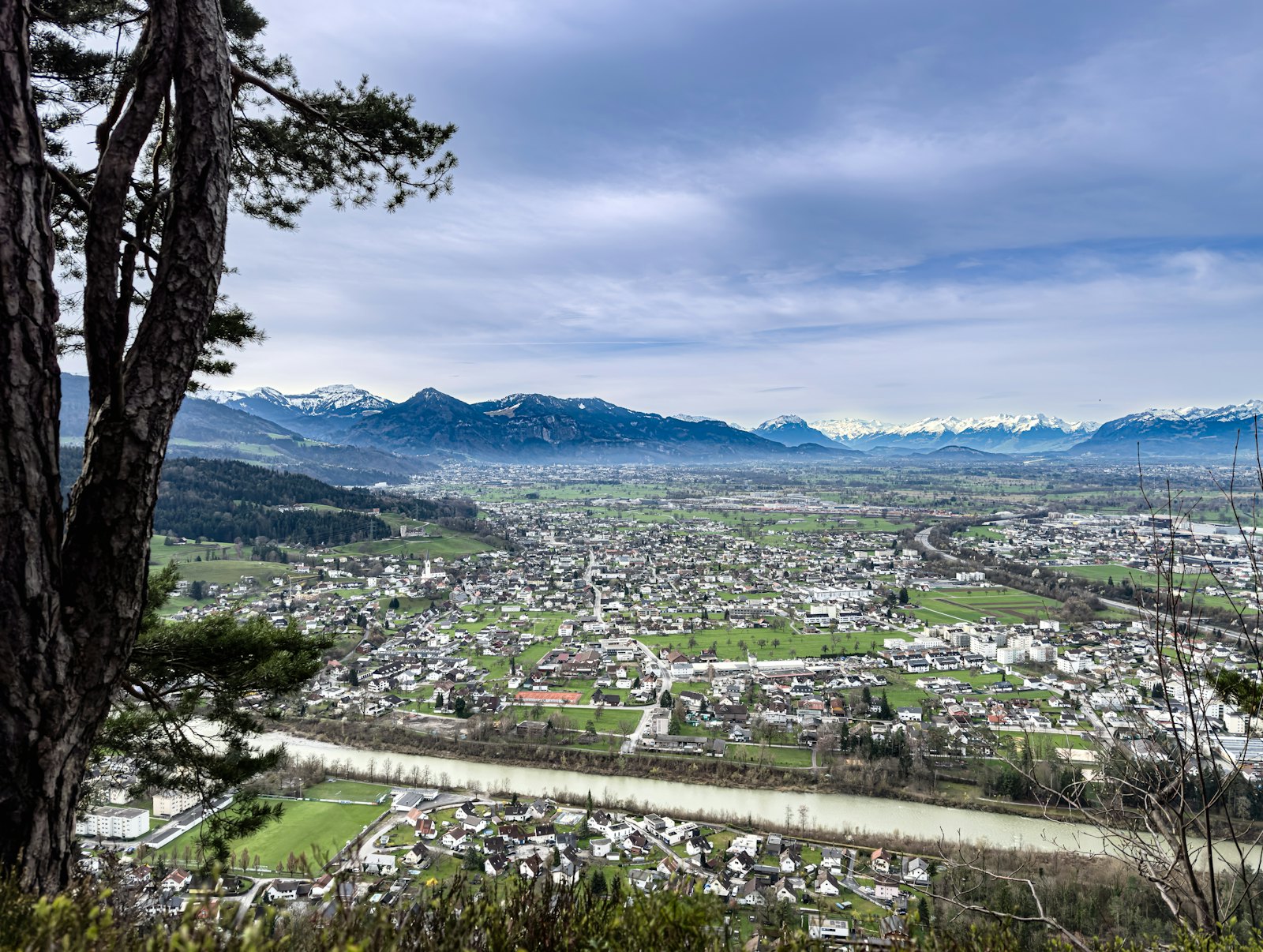
A small lakeside city at the eastern tip of Lake Constance. Ride the cable car up the Pfänder, see opera on a stage in the water, and take the boat to Lindau in Germany in about 20 minutes.
- Best time to visit: May to September
- Daily budget (budget traveller): $120 to $325 USD
- Ideal trip length: 3 to 7 days
Bregenz is the capital of Vorarlberg, Austria's westernmost state, and has about 30,000 people. It sits where the Austrian shore of Lake Constance (the Bodensee) meets the foot of the Pfänder mountain. Germany starts a few kilometres to the north and Switzerland is just across the Rhine delta. Most visitors know it for the summer festival, when opera plays on a huge floating stage, the Seebühne. In 2026 that opera is Verdi's La traviata, and it returns in 2027. Bregenz is worth a visit outside festival weeks too. There is a quiet hilltop old town, the Oberstadt, and a striking contemporary art museum by Peter Zumthor. A long lakeside promenade leads to old-fashioned lidos, and a cable car takes six minutes to climb to views over three countries. Boats leave the harbour for Lindau, Meersburg and Mainau. Trains reach Zurich in about 90 minutes and Munich in about two hours. It is tidy, safe and easy to get around on foot. Austria is not cheap, but a youth hostel, lake swims, picnics and a regional transport ticket keep a solo budget under control.
Bregenz is a small city with a big summer reputation. It is the capital of Vorarlberg and has about 30,000 residents. It lies on the short Austrian stretch of Lake Constance, with the Pfänder rising straight up behind it. For five weeks each summer the Bregenz Festival fills the town, and the Seebühne, the world's largest floating stage with about 7,000 seats, becomes the centre of attention. In 2026 the festival marks its 80th season with Verdi's La traviata, which plays on the lake stage for the first time. The rest of the year Bregenz is quieter and easier on the wallet. You get a walled upper town, two very good museums, a long promenade, lake swims and a cable car that reaches the mountain in six minutes.
Logistics are simple. Bregenz is on the main line between Zurich and Munich, with direct trains to Zurich in about 90 minutes and to Munich in about two hours. Railjet and WESTbahn trains run east to Innsbruck, Salzburg and Vienna. The station is a short walk from the harbour, so you can be at the lake within ten minutes of arriving. Base yourself in the lower town for convenience, in the Oberstadt for quiet, or near the festival quarter if you are here for the opera. Buy a Pfänderbahn ticket for your clearest day. From April to October, use the Vorarlberg Lines boats to hop between towns on the lake.
Timing shapes the trip. From April to October, boats sail, beer gardens open and the lake warms up, and late July and August bring the festival, higher prices and full hotels. September is often the best compromise. November is grey and some things pause, including the Pfänderbahn for a short maintenance break. December brings a Christmas market and quiet museums. Shops close on Sundays across Austria, so plan groceries for Saturday. People speak German with a strong Alemannic dialect, close to Swiss German, and most people in tourism speak good English. If you want big nightlife, go to Zurich or Munich. If you want an art museum, a mountain view and a lake swim in one easy day, Bregenz works very well.
Bregenz itinerary
Arrive and walk the lake
Morning: Arrive by train from Zurich or Munich and drop your bags. Walk five minutes to the harbour for your first look at the lake and the mountains.
Afternoon: Stroll the Seepromenade west to the Seebühne. Even without a ticket you can see the stage set from the shore. Pick up groceries in the lower town.
Evening: Climb to the Oberstadt at golden hour and walk the lanes around the Martinsturm. Dinner at Gasthaus Kornmesser, with Kässpätzle.
Art, history and a swim
Morning: The Kunsthaus Bregenz opens at 10am (€14, closed Mondays outside July and August). Allow about 90 minutes for the exhibition and the building itself.
Afternoon: Cross Kornmarktplatz to the vorarlberg museum (about €10) and finish in the top-floor panorama room. In summer, swim at the Strandbad afterwards.
Evening: If you are here between 22 July and 23 August, this is your opera night at the Seebühne (9.15pm start). Otherwise, go for a lakeside dinner at Wirtshaus am See.
Up the Pfänder
Morning: Take the Pfänderbahn up early (€19 return, €12.70 one way) while the views are clearest. Walk the free Alpenwildpark loop to see ibex and marmots.
Afternoon: Buy a one-way ticket and walk down through the woods instead, allowing about two hours on marked paths. Treat yourself to coffee and cake back in town.
Evening: Take it easy. A picnic on the promenade at sunset, or a beer garden if it is warm.
Boat to Lindau
Morning: Catch a Vorarlberg Lines boat from Bregenz harbour (about 22 minutes, about €9.80 one way, April to October). Arrive at Lindau's harbour, with its lion statue and lighthouse.
Afternoon: Walk the island old town, the Maximilianstrasse and the lakeside walls. Have lunch in Bavaria and dip your feet in from the island shore.
Evening: Take the S-Bahn back to Bregenz, which takes minutes, if it suits you better than the boat. Make it a self-catering night to rest your budget.
Bregenzerwald villages
Morning: Take a regional bus from Bregenz station into the Bregenzerwald to Schwarzenberg, about an hour. Check the VMOBIL timetable the night before.
Afternoon: Wander the wooden houses of Schwarzenberg and visit the Angelika Kauffmann Museum. Continue to Bezau for a short walk and a cheese plate.
Evening: Bus back to Bregenz. Dinner in the lower town, with Felchen if it is on the menu.
St Gallen by train
Morning: Take the train to St Gallen in Switzerland, about 40 minutes on direct services. Remember Swiss francs for small purchases, though cards work widely.
Afternoon: Visit the UNESCO-listed abbey precinct and its baroque library, then walk the old town with its painted oriel windows.
Evening: Return to Bregenz. Watch your phone, because it may switch to a Swiss network near the border, which can be expensive. Late drink by the harbour.
Gebhardsberg and goodbye
Morning: Walk or take a bus towards Vorkloster and climb the woodland path to the Gebhardsberg ruin for a last lake view. Allow about 45 minutes up.
Afternoon: Visit Mehrerau Abbey on the way back, then take a final swim or a slow promenade walk before collecting your bags.
Evening: Take the train out to Zurich, Munich or Vienna. Book long-distance trains early for the cheapest fares.
Best neighbourhoods
- Oberstadt: The walled upper town on the hill above the centre. Cobbled lanes, the onion-domed Martinsturm, the old town hall and a few quiet guesthouses. It is a short, steep walk from the lake and very peaceful at night.
- Innenstadt and the Seepromenade: The lower town between the station and the harbour. The Kunsthaus, the vorarlberg museum, shops, cafés and the lakeside promenade are all here. It is the most practical base for a short stay, with everything on foot.
- Festival quarter and Rieden: West of the centre along the lake. The Seebühne, the Festspielhaus, the Strandbad and the youth hostel area sit here. It is handy for opera nights and morning swims, and the centre is a 10 to 15 minute walk.
- Vorkloster: A residential district to the south-west, towards Mehrerau Abbey. It is quieter and often a little cheaper for apartments, with supermarkets and bus links into town.
- Lochau: The neighbouring village just north of Bregenz, on the way to the German border. It has lake swimming, the Seehotel Am Kaiserstrand and a quieter waterfront. Regional trains and buses connect it to Bregenz in minutes.
Must-do experiences
- Ride the Pfänderbahn: The cable car climbs to about 1,064m in six minutes, with departures on the hour and half hour. A return costs €19 for adults in the 2026-27 season. On a clear day you can see across the lake and towards the Swiss and Austrian Alps. The Alpenwildpark at the top is free.
- See opera on the Seebühne: The Bregenz Festival runs from 22 July to 23 August 2026, with Verdi's La traviata on the floating stage for the first time. Shows start at 9.15pm, last about two hours without an interval and have English surtitles. Book months ahead.
- Walk the Oberstadt: Climb into the old upper town for cobbled lanes, the old town walls and the Martinsturm, a tower topped with a huge baroque onion dome. Allow an hour and go in the early evening, when it is almost empty.
- Visit the Kunsthaus Bregenz: Peter Zumthor's glass and concrete cube shows international contemporary art. Torkwase Dyson's exhibition runs from 17 October 2026 to 24 January 2027. Entry is €14, under-20s go free, and it is free from 5pm to 8pm on the first Thursday of the month.
- Take the boat to Lindau: Vorarlberg Lines boats run from 3 April to 18 October 2026. The trip to Lindau's island old town takes about 22 minutes and costs around €9.80 one way. Come back by train if the timetable suits you better.
- Look out from the vorarlberg museum: The regional museum on Kornmarktplatz covers Vorarlberg's history in a building covered in concrete flower shapes. The top-floor panorama room frames the lake. Entry is about €10, and it is free from 5pm on the first Thursday.
- Swim in the lake: From June to early September the water is usually warm enough for a swim. Use the Strandbad west of the centre, or walk the promenade to find calmer public spots. Watch the storm warning lights on the shore.
Hidden gems
- The panorama room on the top floor of the vorarlberg museum, a quiet seat with a framed view of the harbour and lake
- First-Thursday evenings, when both the Kunsthaus and the vorarlberg museum are free from 5pm, making a cheap culture night
- The Gebhardsberg, a castle ruin on a rocky spur above Vorkloster, reached by a steep woodland path and topped with a restaurant terrace
- Mehrerau Abbey on the western edge of town, a working Cistercian monastery with a calm church and lakeside paths nearby
- The free Alpenwildpark on the Pfänder, an easy loop past ibex, deer and marmots a few minutes from the top cable car station
Daily budget
- Accommodation: budget €35-60 / night (youth hostel dorm or basic room), mid-range €120-200 (central three or four star hotel), splurge €250-450+ (lakeside hotel, festival-season rates). Prices jump during festival weeks, and rooms sell out. Book festival dates many months ahead, or stay in Lindau or Dornbirn and commute by train.
- Food: budget €30-45 / day (bakery breakfast, supermarket picnic, one simple hot meal), mid-range €55-85 (inn lunch and a sit-down dinner), splurge €120+ (lake fish dinners, wine, fine dining). Mains at traditional inns usually cost around €18-30. Supermarkets close on Sundays, so shop on Saturday. Many inns offer a cheaper set lunch on weekdays.
- Transport: budget €0-10 / day (walking, the odd bus or S-Bahn ride), mid-range €15-30 (boat trips, regional trains), splurge €60+ (Mainau by boat, private transfers). The boat from Bregenz to Lindau costs about €9.80 one way. A return trip to Mainau including garden entry is €66.80 from Bregenz in 2026. Trains to Zurich or Munich can be cheap if booked early.
- Activities: budget €0-20 / day (promenade, Oberstadt, free first-Thursday museum evenings), mid-range €19-45 (Pfänderbahn return, Kunsthaus or museum entry), splurge €100-250+ (festival seats on the Seebühne). Pfänderbahn return €19, Kunsthaus €14 and vorarlberg museum about €10. Under-20s get into both museums free. The Bodensee Card PLUS covers all three and much more, so compare it against your plans.
- Drinks & nightlife: budget €5-15 (a beer or spritzer by the lake), mid-range €25-50 (a few drinks in a bar or beer garden), splurge €80+ (cocktails and wine after the opera). A half litre of beer costs roughly €4.50-6.50. Nightlife is low-key: bars around the lower town, beer gardens in summer and the festival buzz in late July and August.
Where to stay
- Social hostel in Festival quarter and Rieden (€35-60 / night): The Bregenz youth hostel on Mehrerauerstrasse is a short walk from the lake, the Seebühne and the station. Dorm beds and simple private rooms keep costs down, and the common areas make it easy to meet other travellers.
- Boutique hotel in Innenstadt (€150-240 / night): Hotel Weisses Kreuz is a long-established family hotel in the lower town, a few minutes' walk from the station, the Kunsthaus and the harbour. It is comfortable and central, with a traditional restaurant downstairs.
- Apartment in Vorkloster or Innenstadt (€100-170 / night): Self-catering flats in the residential districts are a good choice for longer stays. They are cheaper outside festival weeks, close to supermarkets and well linked by bus. Remember that shops shut on Sundays.
- Splurge in Lochau (€250-450+ / night): Seehotel Am Kaiserstrand sits right on the lake just north of Bregenz, with its own lakeside space, a spa and quick train and bus links into town. It makes a calm retreat after a festival night.
What to eat
- Kässpätzle: soft egg noodles layered with strong local mountain cheese and topped with crispy onions, Vorarlberg's signature comfort dish
- Felchen: whitefish from Lake Constance, usually pan-fried in butter and served with potatoes, best ordered at lakeside inns in summer
- Riebel: a crumbly fried cornmeal dish from the Rhine valley, eaten for breakfast with apple sauce or coffee
- Vorarlberger Bergkäse and Sura Kees: aged mountain cheese and a tangy, low-fat sour cheese, often served with vinegar, onions and bread
- Mostbröckle: cured and smoked beef sliced thin, a classic Jause (cold snack plate) with dark bread and a glass of Most (cider)
- A traditional meal at Gasthaus Kornmesser, a historic inn in the lower town, or a lakeside dinner at Wirtshaus am See near the harbour
Day trips
- Lindau (About 22 minutes by boat, or about 10 minutes by S-Bahn): A Bavarian island town with a harbour guarded by a stone lion and a lighthouse, medieval lanes and lakeside walls. It is the easiest three-country moment on the lake. Take a Vorarlberg Lines boat from Bregenz harbour (about €9.80 one way, 3 April to 18 October 2026), or an S-Bahn train all year to Lindau-Insel.
- Bregenzerwald (Schwarzenberg and Bezau) (About an hour by regional bus into the hills): Rolling dairy country with shingled wooden houses, cheese dairies and contemporary timber architecture. Schwarzenberg has the Angelika Kauffmann Museum, and Bezau is a good base for short walks. Regional VMOBIL buses leave from Bregenz station. Check connections the day before, because rural buses run less often at weekends.
- St Gallen (About 40 minutes by direct train): A Swiss city built around a UNESCO-listed abbey, with one of the world's most beautiful baroque libraries and an old town full of painted oriel windows. Direct trains from Bregenz run towards St Gallen and Zurich. Carry a few Swiss francs, and set your phone to avoid Swiss roaming charges.
When to visit
- Spring (April - May): 10-20°C, changeable, with showers and some warm sunny days. Crowds: Low, with Easter and holiday weekend bumps. Boats start on 3 April, the Pfänder is green and hotel prices are fair. The lake is still too cold for most swimmers, so pack layers.
- Summer and festival (June - August): 20-28°C, warm and humid, with afternoon thunderstorms. Crowds: Busy, and very busy from 22 July to 23 August during the festival. Lake swimming, long evenings and opera on the water. Book rooms and festival tickets months ahead, and expect the highest prices of the year.
- Autumn (September - October): 12-22°C, often settled, with morning mist over the lake. Crowds: Moderate, then quiet by mid-October. The locals' pick. The water is still warm in early September and there are clear mountain views. Boats stop after 18 October.
- Winter (November - March): -2-7°C, grey, with fog and occasional snow. Crowds: Low, except around Christmas and Carnival. Cheap and calm, with museums, cafés and a Christmas market. No scheduled boats run, and the Pfänderbahn pauses briefly in November. Funken bonfires light up the region on the first Sunday of Lent.
Entry rules for your passport
Visa rules for Austria depend on the passport you travel on. Check the official source before you book: European Commission: Schengen visa policy
Getting there
The nearest major airport is Zurich (ZRH). Direct EuroCity trains link Zurich HB and Bregenz in about 1 hour 30 minutes, and some services start at Zurich Airport. Fares can be cheap when booked early, at roughly €15-45. From Munich, EuroCity-Express trains via Lindau-Reutin take about 2 hours and run roughly every two hours, at about €20-60. FlixBus also runs the route. Railjet and WESTbahn trains connect Bregenz with Innsbruck, Salzburg and Vienna, which takes most of a day. Smaller airports nearby include Friedrichshafen across the lake, Memmingen in Bavaria for low-cost flights and St Gallen-Altenrhein just over the Swiss border, all an easy train or bus ride from Bregenz. From 3 April to 18 October 2026, scheduled Vorarlberg Lines boats link Bregenz harbour with Lindau, Friedrichshafen, Meersburg, Mainau and Konstanz, and Swiss boats run from Rorschach on selected days. Bregenz station is a short walk from the harbour and the town centre. Austria is in the Schengen Area, so check entry rules for your passport before you travel.
Border checks: non-EU visitors (other than Swiss, Norwegian, Icelandic, Liechtenstein, Andorran, Monegasque, San Marinese and Vatican citizens, and holders of an EU residence permit or long-stay visa) are registered in the EU's Entry/Exit System (EES) instead of getting a passport stamp. On your first crossing, officers take your photo and/or fingerprints, so allow extra time at passport control. ETIAS, the planned travel authorisation, is not in operation yet, so don't pay any website for one.
Getting around
Central Bregenz is compact. The station, harbour, Kunsthaus, Oberstadt and Seebühne are all within about 15 minutes' walk of each other. The Oberstadt sits up a short, steep hill. City and regional buses belong to the Vorarlberg transport network (VMOBIL), and single tickets in town cost a few euros. Regional S-Bahn trains run every half hour, linking Bregenz with Bregenz Hafen, Lindau and the Rhine valley towns of Dornbirn and Feldkirch. If you buy a vorarlberg museum ticket online, it includes free bus and train travel on the network on the day of your visit. Many event and round-trip boat tickets include free bus and train travel to the harbour within Vorarlberg too. The Lake Constance cycle path runs along the shore, flat and well signed, so a hired bike or e-bike is an easy way to reach Lochau, Lindau or the Rhine delta. Scheduled boats run from 3 April to 18 October 2026 towards Lindau, Friedrichshafen, Meersburg, Mainau and Konstanz. The Pfänderbahn runs daily from 8am to 7pm except for a short maintenance break in November. Bikes ride free before 10am. You do not need a car. Parking in the centre is expensive, and roads around the lake fill up on summer weekends.
Safety
Bregenz is one of the safest small cities in Europe, and crime against visitors is rare. During festival weeks, crowds on the promenade and at the station bring a small risk of pickpocketing, so keep your phone and wallet secure. The lake is the main hazard. Orange storm warning lights flash around the shore: about 40 flashes a minute means take care, and about 90 a minute means a storm is coming and you should leave the water. Summer thunderstorms build fast over the mountains. Swim at lidos or popular spots, and do not swim out alone. On the Pfänder and Gebhardsberg trails, wear proper shoes, because paths get slippery after rain. Ticks carry tick-borne encephalitis in Austria, so check yourself after walks and consider vaccination if you plan a lot of hiking. Cyclists use the shared lakeside paths fast, so keep to the walking side. The EU emergency number is 112, and 144 calls an ambulance directly. Get travel insurance with medical cover, and EU visitors should carry their EHIC.
Solo travel tips
- Stay walkable: Pick a bed in the lower town or near the lake so the station, museums and opera are all on foot. After a late festival show, the walk home along the promenade is part of the fun.
- Use the first Thursday: Both the Kunsthaus and the vorarlberg museum are free from 5pm to 8pm on the first Thursday of the month. Plan your arrival around it to save more than €20.
- Book the festival early, but leave a spare night: Single seats sometimes turn up when couples' pairs do not, so check for returns. Choose a night early in your stay in case the weather disrupts it.
- Mind the borders on your phone: Germany is EU roaming territory, but Switzerland is not. Near the Rhine and on the lake, your phone can jump to a Swiss network and charge you heavily. Set your network selection to manual, or turn roaming off near the border.
- Safety for solo travellers: The real risks are summer storms on the lake, slippery forest paths and fast cyclists on shared lanes. Watch the storm lights, wear proper shoes on the Pfänder and keep to the walking side of the promenade.
- Meet people on the water: Boat decks, the hostel common room and beer gardens are the easiest places to start a conversation. Evening themed boat trips from the harbour are sociable too, and many include free bus and train travel to the harbour within Vorarlberg.
Cultural etiquette
- Greet people with 'Grüß Gott' or a simple 'Hallo', and say 'Danke' for thank you. In Vorarlberg you will also hear the Swiss-style 'Hoi' between locals.
- Sunday is a rest day. Shops and supermarkets close, so keep noise down in residential streets, and expect quiet streets but open museums and cafés.
- Wait for the green light at pedestrian crossings, even on empty streets. Locals notice, especially when children are around.
- Keep out of bike lanes on the promenade and around town. Cyclists move fast and expect walkers to stay on their side.
- In inns, say when you want to pay, and round up or add about 5-10% for good service. Tell the server the total, rather than leaving coins on the table.
- Sort your rubbish. Austrians take recycling seriously, and hostels and flats have separate bins for paper, plastic, glass and food waste.
- At festival performances, dress smart casual and bring a warm layer. Arrive early, as latecomers may not be let in once the music starts.
Frequently asked questions
How do I get to Bregenz?
Most people fly into Zurich and take the train. Direct EuroCity trains from Zurich take about 1 hour 30 minutes, and some start at Zurich Airport. From Munich, EuroCity-Express trains take about 2 hours and run roughly every two hours. Bregenz station is a 5 to 10 minute walk from the lake and the old town, so you rarely need a taxi.
How many days do I need in Bregenz?
Two or three days covers the old town, the Kunsthaus, the Pfänder and a boat trip to Lindau. Five to seven days lets you add the Bregenzerwald villages, St Gallen, Mainau and slow lake days. During the festival, add one night so you have a spare evening in case rain affects your show.
When is the best time to visit Bregenz?
May to September is best, with warm days, lake swimming from June and boats running from 3 April to 18 October 2026. Late July and August are the busiest and most expensive weeks because of the festival. September is the local favourite, with warm water and fewer people. Winter is quiet and grey, but the Pfänder and museums stay open.
How do I get tickets for the Bregenz Festival?
Book on the official festival website as early as you can. Ticket sales for 2026 opened in late September 2025. The 2026 festival runs from 22 July to 23 August, with La traviata on the Seebühne on most nights except Mondays. Shows start at 9.15pm and last about two hours without an interval. Prices range widely, from roughly €60 to well over €200. Read the weather rules on your ticket, because outdoor shows can be cut short or moved indoors.
Is there a pass that saves money?
The Bodensee Card PLUS includes a free Pfänderbahn return and free entry to the Kunsthaus and the vorarlberg museum, among many other attractions around the lake. It pays off if you are busy sightseeing for several days. There is also a combined ticket for the Kunsthaus and the vorarlberg museum, valid on the day of purchase and the next day. Check current card prices before you buy.
Can I swim in Lake Constance at Bregenz?
Yes. From June to early September the water is usually pleasant, often around 20°C or warmer in high summer. The Strandbad west of the centre has lawns, changing rooms and a lifeguard in season, and there are free public spots along the shore too. Leave the water when the orange storm lights flash quickly.
Is Bregenz safe for solo female travellers?
Yes. It is calm, well lit and easy to walk around in the evening, including after late opera nights, when crowds walk back along the promenade together. Normal precautions are enough. Watch your bag in festival crowds, swim at busy spots and tell someone your route if you hike the Pfänder alone.
What entry rules apply to Austria in 2026?
Austria is in the Schengen Area. Many visitors, including UK, US, Canadian and Australian passport holders, can stay up to 90 days in any 180 without a visa. The EU's Entry/Exit System registers non-EU travellers at the external Schengen border, and the ETIAS travel authorisation is planned to start later. Rules vary by nationality and change, so check the official EU and Austrian government websites and your own government's travel advice before booking.
Tours and activities in Bregenz | Bregenz in 2 days | Bregenz in 3 days | Bregenz in 4 days | Bregenz in 5 days | Bregenz in 7 days
Joy Plus home | Destinations | Itineraries | Activities | Flights | Budget planner | Calendar | Map | Blog | Lifetime access