Destinations / Europe
Brighton, England travel guide
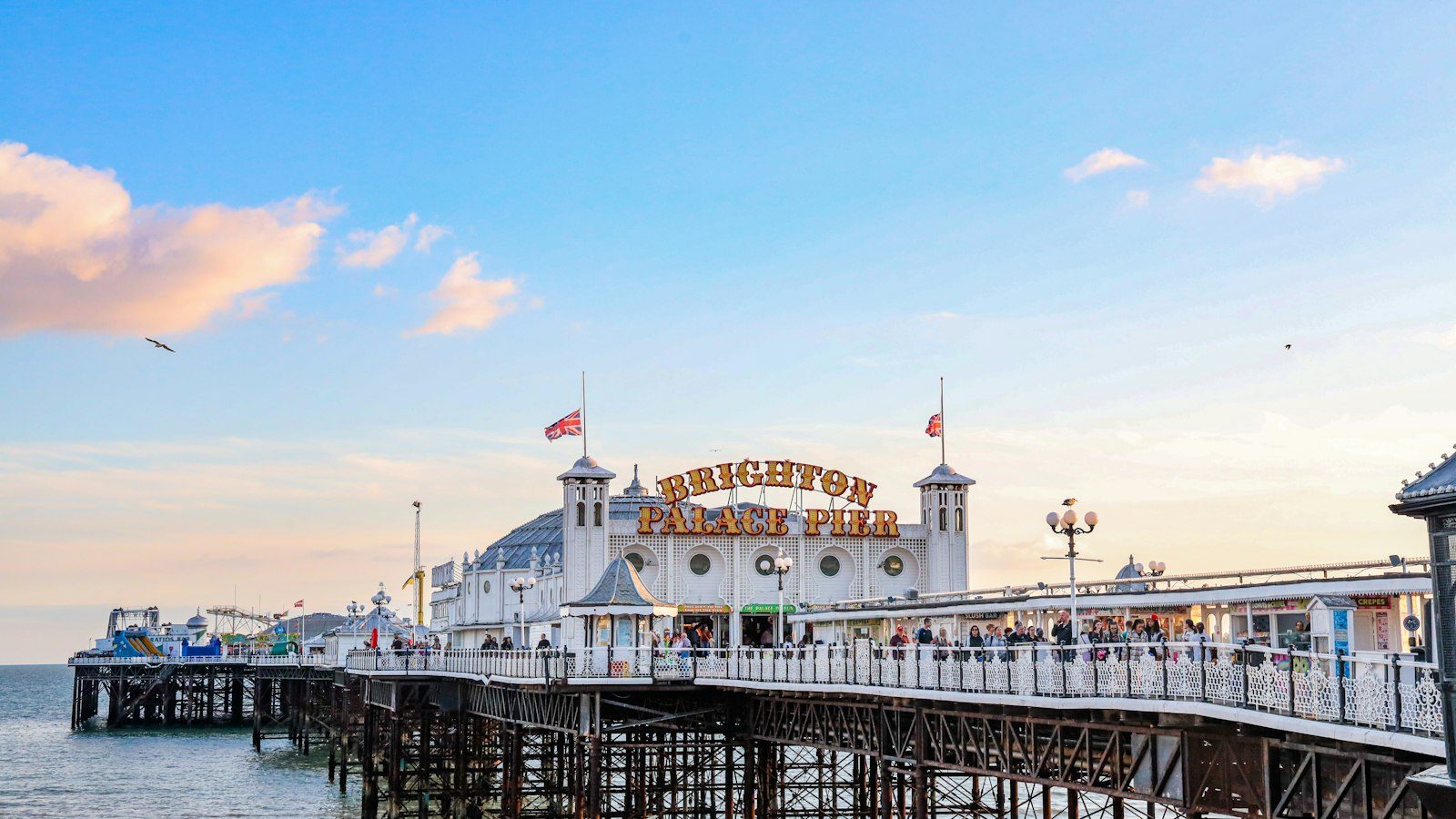
A loud, friendly seaside city an hour south of London. You walk the pebble beach and the Victorian pier, get lost in the Lanes and North Laine, tour a fantasy palace built for a king and head out to the white cliffs and chalk hills of the South Downs.
- Best time to visit: May to September
- Daily budget (budget traveller): $100 to $330 USD
- Ideal trip length: 3 to 5 days
Brighton sits on the Sussex coast about an hour by train from London. It has been a seaside escape since the 1780s, when the future George IV started coming here to party. His Royal Pavilion, with its domes and minarets, is still the most surprising building in town. The city has a reputation for being creative, liberal and a bit scruffy, and it lives up to it. It has a big student population, independent shops, street art and the best-known LGBTQ+ scene in the UK. The beach is shingle, not sand, and the sea is cold for most of the year. People still pack it on sunny days, sitting on the pebbles with chips and a can. Walk the Palace Pier, go up the i360 tower, browse the narrow Lanes and the busier streets of North Laine, then follow the seafront west to Hove or east to Kemptown and the cliffs. The South Downs start just north of the city, and the Seven Sisters cliffs are an easy bus ride away. Rooms are expensive by UK standards, especially on summer weekends. Even so, hostel beds, capped bus fares and a free seafront make Brighton easy to manage alone, and plenty of people start conversations here without any help.
Brighton is the best-known seaside city in England. It has around 290,000 people across Brighton and Hove, which became a city together in 2000. It grew rich in the Regency era, when the Prince Regent made it fashionable, and the railway from London turned it into the capital's playground in the 1840s. You can still read that history in the cream terraces along the seafront, the Victorian Palace Pier and the extraordinary Royal Pavilion. Today it is a young, liberal, slightly chaotic city of students, creatives and London escapees. Most visitors come for a day. Stay a few nights and you get the better version: an early walk on an empty beach, a quiet morning in the Pavilion, a long evening on the seafront and pubs where people actually talk to you. It is not cheap, but hostel beds, capped bus fares and a free promenade help a lot.
Getting here is easy. Trains from London Victoria take about an hour on the fastest services, and Thameslink runs through London Bridge and St Pancras. Gatwick Airport is about half an hour away by train. National Express coaches are slower but often cheaper. Once you are here, walk. North Laine sits right below the station, the Lanes and the Pavilion are in the middle, and the seafront stretches from Hove to the Marina. Base yourself in North Laine for trains and shops, in the Lanes for the centre, in Kemptown for bars and Regency streets, or in Hove for calm. Use the buses, capped at £3 a single until the end of 2026, for the Downs, the Seven Sisters and Rottingdean.
Timing shapes the trip. May brings the Brighton Festival and Fringe, June and September bring long, warmer days without the peak crowds, and July and August fill the beach. Pride in early August is a huge party, and rooms double in price. From November to March, the sea is grey and the wind is cold, but rooms are cheap, the pubs are cosy and the city never really goes to sleep. Brighton is safe for a busy city. Watch out on the clubbing streets at weekends and treat the sea with respect. If you want clubs, comedy and late nights, stay central. If you want sea air and long walks, stay in Hove or Kemptown and get up early.
Brighton itinerary
Arrive and hit the seafront
Morning: Take a mid-morning train from London (about an hour from Victoria). Drop your bag at your hostel or hotel and walk down through North Laine to the sea.
Afternoon: Walk the Palace Pier, then follow the promenade a little way east to see Volk's Electric Railway and the fishing boats on the beach.
Evening: Eat fish and chips on the pebbles, guarding them from the gulls, then watch the pier lights come on from the beach.
Royal Pavilion and the Lanes
Morning: Be at the Royal Pavilion when it opens (£21.50, or 5% less online) and give yourself about two hours. Walk the Pavilion Gardens afterwards.
Afternoon: Get lost in the Lanes, then climb into North Laine for vintage shops, Snoopers Paradise and street art on the side streets.
Evening: Dinner at Terre à Terre or a cheaper café in North Laine, then a pint in a Lanes pub.
Devil's Dyke and Hove
Morning: Take the seasonal 77 bus from the station to Devil's Dyke (£3 at most) and walk the rim of the valley on the South Downs Way. Check the timetable first.
Afternoon: Bus back and walk the seafront west to the beach huts on Hove Lawns. Coffee on Church Road or George Street.
Evening: Walk back east to the i360 for a sunset flight (from about £20), then eat at Shelter Hall under the arches.
Kemptown and the Undercliff Walk
Morning: Walk through Kemptown to Sussex Square and Lewes Crescent, then down to Brighton Marina.
Afternoon: Follow the Undercliff Walk below the chalk cliffs to Rottingdean, about 5km. Have tea in the village and bus back for £3 or less.
Evening: Drinks and dinner on St James's Street in Kemptown, the heart of Brighton's LGBTQ+ scene.
The Seven Sisters
Morning: Catch the Coaster 12 bus east to Seven Sisters Country Park, about an hour. Walk along the Cuckmere river to the beach.
Afternoon: Climb onto the clifftops and walk east over the Seven Sisters towards Birling Gap. Keep well back from the edge, and bring water and a picnic.
Evening: Take the bus back to Brighton and have an easy dinner. Your legs will thank you.
A day in Lewes
Morning: Take the train to Lewes, about 15 minutes. Climb up to Lewes Castle for views over the Downs, then walk the steep lanes of the old town.
Afternoon: Visit Anne of Cleves House or browse the antique shops, then have a pint of Harvey's near the brewery by the river.
Evening: Train back to Brighton. A last comedy show or gig if anything good is on.
Slow morning and depart
Morning: Have an early walk on the empty beach, then breakfast in Seven Dials or North Laine.
Afternoon: Pick up anything you missed, such as the Toy and Model Museum under the station, before your train or flight from Gatwick.
Evening: Back in London, or on to your next stop.
Best neighbourhoods
- The Lanes and the Old Town: The tangle of narrow alleys between North Street and the seafront, full of jewellers, pubs, cafés and restaurants. The Royal Pavilion, the Palace Pier and the main bus stops at Old Steine are all a few minutes' walk away. It is central and lively, but streets near West Street and East Street get loud on weekend nights.
- North Laine: A grid of small streets between the station and the Pavilion, packed with independent shops, vintage stores, vegan cafés and pubs. It is the best base if you arrive by train and want everything on foot. It feels creative and relaxed, with busy daytimes and quieter nights than the seafront.
- Kemptown: East of the pier, with Regency squares, St James's Street and the centre of Brighton's LGBTQ+ scene. You will find guesthouses, small hotels, good bars and cheaper restaurants here. It gets more residential and calmer further east, and the Undercliff Walk and the Marina are close by.
- Hove: Brighton's quieter, more grown-up neighbour to the west, with wide lawns along the sea, beach huts and cream Regency terraces. Church Road and George Street have good cafés and food shops. It is calmer and often a little better value, and the centre of Brighton is 20 to 30 minutes' walk along the prom.
- Seven Dials and Montpelier: A residential area on the hill west of the station, with a roundabout full of cafés, delis and neighbourhood restaurants. It suits you if you want to live like a local, with easy access to trains. The walk down to the sea is about 15 minutes, and it is uphill on the way back.
Must-do experiences
- Tour the Royal Pavilion: George IV's seaside palace looks Indian from outside and Chinese inside, with a dragon chandelier in the Banqueting Room. Adult tickets cost £21.50 for 2026 to 2027 and are valid for a year. Booking online saves 5%. Allow about two hours, and the gardens outside are free.
- Walk the Palace Pier: Entry to the Victorian pier is free. Arcades, doughnut stalls and fairground rides fill the far end, and the rides are paid for separately. Go at dusk, when the lights come on, or early on a winter morning, when it is almost empty.
- Go up the i360: A glass pod rises 138m above the seafront for a 25-minute flight, with views along the coast and up to the South Downs. Tickets start at about £20 online. Go on a clear day or near sunset. The rusting ruin of the West Pier sits right below it.
- Browse the Lanes and North Laine: The Lanes are tight medieval alleys of jewellers, pubs and cafés. North Laine, up the hill, is all vintage clothes, record shops, comic stores and street art. Spend half a day wandering and stop for coffee wherever there is a free seat.
- Walk the seafront from Hove to Kemptown: Start at the beach huts on Hove Lawns and follow the promenade east past the West Pier ruin, the i360, the arches bars and the Palace Pier. It is about 5km, flat and free. Stop for chips on the pebbles halfway.
- Follow the Undercliff Walk to Rottingdean: From Brighton Marina, a sea-wall path runs below tall white chalk cliffs to the old village of Rottingdean, about 5km. It is free, flat and quiet. Have tea in the village, then take the bus back for £3 at most. Avoid it in big seas, as waves can break over the path.
- Ride Volk's Electric Railway: Opened in 1883, it is the oldest electric railway still running anywhere. The little carriages trundle along the beach from near the pier towards the Marina. Fares are a few pounds and it runs in the warmer months only, so check the season and times before you go.
Hidden gems
- Snoopers Paradise on Kensington Gardens in North Laine, a huge indoor flea market of old cameras, records, clothes and odd bits of Brighton history
- The Brighton Toy and Model Museum, tucked into the arches under the railway station and easy to walk past without noticing
- Sussex Square and Lewes Crescent in Kemptown, a grand Regency set piece of cream terraces that most visitors never reach
- The Booth Museum of Natural History near Dyke Road, a slightly eerie Victorian collection of stuffed birds in old glass cases
- Preston Park's rock garden, one of the largest public rockeries in the UK, across the road from the main park and usually quiet
Daily budget
- Accommodation: budget $30-60 / night (hostel dorm), mid-range $140-230 (3-star hotel or guesthouse), splurge $330+ (sea-view room at The Grand or a boutique hotel). Friday and Saturday nights can cost double, and Pride weekend, festivals and big concerts push prices higher still. Single rooms are scarce, so book early for summer.
- Food: budget $30-45 / day (supermarket breakfast, chips on the beach, food-hall dinner), mid-range $60-95 (café lunch and a sit-down dinner), splurge $130+ (seafood dinner with wine). Fish and chips costs roughly £12-16 and restaurant mains roughly £16-28. Many restaurants add a 12.5% service charge. Prices are rough guides.
- Transport: budget $0-9 / day (walking, a £6.30 bus day ticket), mid-range $10-25 (buses plus a train to Lewes or a taxi), splurge $40-70 (peak train to London, taxis). Bus singles are capped at £3 until 31 December 2026. Advance train singles from London start from about £8, but walk-up peak fares cost far more.
- Activities: budget $0-15 / day (seafront, pier, Undercliff Walk, Downs hikes), mid-range $25-60 (Royal Pavilion at £21.50, the i360 from about £20), splurge $80+ (guided tours, shows, comedy, gigs). Royal Pavilion tickets are valid for a year and are 5% cheaper online. The pier and beach are free, and so are most walks.
- Drinks & nightlife: budget $7-15 (a pint or two in a pub), mid-range $25-45 (a few drinks and a club or comedy entry), splurge $70+ (cocktails and a late night out). A pint costs roughly £5.50-7 and a coffee £3-4. Kemptown, the seafront arches and West Street are the main nightlife areas.
Where to stay
- Social hostel in Old Steine, near the pier ($30-60 / night (dorm)): YHA Brighton is in a grand old building facing the Old Steine gardens, a couple of minutes from the pier and the Lanes. Rooms have private bathrooms, and some have sea views.
- Boutique hotel in Regency Square ($160-300 / night): Artist Residence Brighton overlooks a Regency square opposite the i360, with quirky, art-filled rooms and a good restaurant. The seafront is right outside and the Lanes are 10 minutes' walk.
- Apartment in Kemptown or Hove ($110-200 / night): Flats in Regency houses give you a kitchen and a local feel at a calmer pace than the centre. Expect stairs and no lift, and check how far you are from the station if you have heavy luggage.
- Splurge in Kings Road seafront ($260-500+ / night): The Grand is Brighton's famous white Victorian hotel on the seafront, with sea-view rooms and a sweeping staircase. The i360, the Lanes and the pier are all within walking distance.
What to eat
- Fish and chips: eat them on the beach, or try Bardsley's on Gloucester Road, which has been frying in North Laine for decades. Guard your food from the gulls
- Seafood: oysters and fish at English's on East Street, a Brighton institution, or cheaper crab and prawn pots from the stalls near the fishing museum on the seafront
- Vegetarian and vegan food: Brighton has more than almost anywhere else in the UK, from Terre à Terre for a proper dinner to falafel and vegan cafés across North Laine
- Shelter Hall: a food hall under the seafront arches near West Street, with several kitchens, communal tables and no awkwardness about eating alone
- Sussex drink: a pint of Harvey's Sussex Best bitter, brewed in nearby Lewes, or a glass of English sparkling wine from the South Downs vineyards
- Coffee and a pastry from one of the independent roasters in North Laine for breakfast, then a 99 ice cream with a flake on the pier
Day trips
- Seven Sisters and Birling Gap (About 20km east of Brighton, roughly an hour by bus): A line of white chalk cliffs rising and falling above the Channel, with the meandering Cuckmere river at one end. The clifftop walk to Birling Gap is one of the finest coastal walks in England. Take the Coaster 12 bus from central Brighton to Seven Sisters Country Park (£3 at most each way). Walk to the beach, then over the cliffs, and keep well back from the crumbling edges.
- Devil's Dyke (About 8km north-west of Brighton, around 30 minutes by bus): A deep, dry valley cut into the South Downs, with huge views over the Sussex countryside and a pub at the top. It is a good place to join the South Downs Way. Take the 77 bus from Brighton station (£3 at most). It runs more often in summer and less in winter, so check the timetable before you set off, especially for the last bus back.
- Lewes (About 13km north-east, around 15 minutes by train): A historic market town with a Norman castle, steep lanes, antique shops, Anne of Cleves House and Harvey's Brewery. It is calmer and older than Brighton and a good half-day. Frequent trains run from Brighton to Lewes, and buses run on the same route. Check off-peak return fares, which are cheap. The famous Bonfire Night celebrations on 5 November get extremely crowded.
When to visit
- Spring (March - May): 8-17°C, changeable, sunny spells and showers, sea around 9-12°C. Crowds: Low to moderate, busier at Easter and during May's festivals. Good for walks on the Downs and cheaper rooms. May is lively with the Brighton Festival and Fringe, so book ahead for that month.
- Early summer (June): 17-21°C, longest days, sea around 14-16°C. Crowds: Moderate, busy on sunny weekends. Arguably the best month. Long light evenings, the beach without the full summer crush and good hiking weather.
- High summer (July - August): 19-23°C, warmest and driest, sea up to about 17-18°C. Crowds: Very busy, especially at weekends and on Pride weekend. The full seaside experience, with packed beaches and outdoor bars. Rooms cost the most, so stay on weeknights if you can and book Pride months ahead.
- Autumn and winter (September - February): September 15-20°C, then 5-10°C in winter, with wind and rain. Crowds: Moderate in September, quiet from November. September is the locals' pick, with the warmest sea of the year. Winter is cheap and atmospheric, with stormy seas and cosy pubs, but some seafront attractions cut their hours or close.
Entry rules for your passport
Visa rules for the United Kingdom depend on the passport you travel on. Check the official source before you book: UK Visas and Immigration (GOV.UK)
Getting there
Brighton has no commercial airport of its own. Gatwick is the closest, about 30 minutes by direct train, and Heathrow is around two hours by train or coach. From London, Southern and Gatwick Express trains leave from Victoria and take about 52 to 58 minutes on the fastest services. Thameslink runs from London Bridge, Blackfriars and St Pancras International, which is handy if you arrive on the Eurostar, in about 1 hour to 1 hour 25 minutes. Advance singles start from about £8, and off-peak tickets are far cheaper than peak ones, so book ahead and avoid rush hour. National Express coaches run from Victoria Coach Station and take around two to two and a half hours, often for less. Brighton station is at the top of the town centre, a 15-minute walk downhill to the sea. Visitors who do not need a visa, including EU citizens, must have a £20 UK ETA before travelling. If you drive, parking in the centre is limited and expensive, so use the Park and Ride or leave the car at home.
Getting around
Central Brighton is compact, and you will walk most of it. The station to the sea takes about 15 minutes, downhill all the way, and the whole seafront from Hove to the Marina takes about an hour and a half. Brighton & Hove Buses covers the city and the countryside around it. Single fares are capped at £3 until 31 December 2026, and a citySAVER day ticket costs £6.30 in the app. You can also tap on and tap off with a contactless card, and the right fare is worked out for you. If you pay the driver for a paper ticket, it will not count towards any daily cap. Most city routes pass through Churchill Square, Old Steine or North Street. The Coaster 12 runs along the coast to the Seven Sisters and Eastbourne, and the seasonal 77 climbs to Devil's Dyke. Trains link Brighton with Hove, Lewes and London. Night buses run on some main routes. Taxis and Uber are available but add up quickly. A car is more trouble than it is worth, as parking is scarce and expensive.
Safety
Brighton is generally safe, but it is a busy city with a big night-time economy. West Street and the seafront clubs get rowdy at weekends, and drink-related trouble and pickpocketing are the main issues. Keep your phone and bag close in crowds on the pier and in the Lanes. The sea is the bigger risk. The shingle shelves steeply, currents can be strong and the water is cold for much of the year, so swim near lifeguards in summer and never after drinking. Stay off the groynes and away from the cliff edges at the Seven Sisters, which crumble without warning. Gulls will snatch food from your hand. Tap water is safe to drink. Call 999 or 112 in an emergency, and 111 for urgent medical advice. EU visitors can use an EHIC or GHIC for medically necessary NHS care, and everyone else needs travel insurance with medical cover.
Solo travel tips
- Stay on weeknights: Rooms can cost twice as much on Friday and Saturday, and stag and hen parties fill the centre. Sunday to Thursday is cheaper, calmer and still lively.
- Use bus day tickets: Singles are capped at £3 until the end of 2026, and a £6.30 day ticket in the app covers trips to the Dyke, Rottingdean and around the city. Tap on and off with contactless if you do not want the app.
- Book trains in advance: Advance singles from London start from about £8, but peak walk-up fares cost much more. Avoid commuter hours if you can.
- Eat well for less: Food halls, chippies, North Laine cafés and supermarket picnics on the beach keep costs down. Food halls are also easy places to eat alone without feeling watched.
- Safety for solo travellers: Take normal city care in the clubbing areas, watch your drink and use night buses or licensed taxis late at night. On the coast, respect the cold sea and keep well back from cliff edges.
- Meet people at comedy and quiz nights: Brighton has comedy clubs, pub quizzes, open mics and walking tours almost every night. Hostel events and Kemptown bars are also easy places to start a conversation.
Cultural etiquette
- Queue properly at bus stops, bars and shop counters. Pushing in is one of the few things that really annoys people in the UK.
- Say 'please', 'thank you' and 'sorry' a lot, and thank the bus driver when you get off. Everyone does.
- Brighton is very open and diverse. Respect people's pronouns, relationships and how they choose to dress, and do not stare.
- Do not feed the gulls. It is discouraged, and it makes them bolder about taking food from other people.
- Take your rubbish off the beach, and do not take pebbles home, as removing them from the beach is discouraged.
- Check the bill for a service charge before tipping. If none is added, around 10% for good table service is normal. Do not tip at the bar.
- Keep the noise down when you walk back through residential streets like Kemptown and North Laine late at night.
Frequently asked questions
How do I get to Brighton and from the station to my room?
Most people come by train. Southern and Gatwick Express trains from London Victoria take about 52 to 58 minutes on the fastest services, and Thameslink runs from London Bridge, Blackfriars and St Pancras in about 1 hour to 1 hour 25 minutes. Advance singles start from about £8, and off-peak tickets are much cheaper than travelling at rush hour. From Gatwick Airport it is roughly 30 minutes. Brighton station is at the top of town. The seafront is a 15-minute walk downhill, and North Laine is right outside the door. Buses cover the rest for £3 at most.
How many days do I need in Brighton?
Two nights covers the Pavilion, the pier, the Lanes, North Laine and the seafront. Three to five nights lets you add the i360, Hove, Kemptown, the Undercliff Walk and a day out to the Seven Sisters or Devil's Dyke. A week works if you want to add Lewes, a longer South Downs hike or simply slow down.
When is the best time to visit Brighton?
May to September brings the warmest weather, long evenings and the busiest beach. May is festival month, with the Brighton Festival and Fringe, and Pride takes over the city in early August, when rooms cost the most. June and September are often the best balance. Winter is cold, windy and grey but cheap, and the city stays lively because of the students.
Do I need a car in Brighton?
No. The centre is walkable, buses are frequent and single fares are capped at £3 until the end of 2026, with a day ticket for £6.30 in the app. Trains reach Lewes, Hove and London, and buses reach the Seven Sisters and Devil's Dyke. Parking in the centre is limited and expensive, so a car mostly costs you money.
Can I swim in the sea at Brighton?
Yes, and locals swim all year, but the water is cold. Expect around 17 to 18°C at best in late summer and much less in winter. The beach is steep shingle, so water shoes help getting in and out. In summer, lifeguards patrol the main beaches around the piers. Check the conditions, stay away from the groynes and do not swim alone in rough seas.
Is Brighton good for LGBTQ+ travellers?
Very. Brighton is often called the UK's LGBTQ+ capital, with a large, visible community and a cluster of bars and clubs in Kemptown around St James's Street. Pride, in early August, is one of the biggest in the country. The weekend draws huge crowds, so book rooms well ahead and expect higher prices.
Is Brighton safe for solo female travellers?
Yes, broadly. The centre is busy until late and people are used to visitors and students. The usual city care applies. Watch your drink in clubs, avoid empty stretches of beach late at night and take a licensed taxi or night bus rather than walking long distances alone after the clubs close. Hostels with female dorms and a staffed reception are easy to find.
What entry rules apply to the UK in 2026?
The UK is not in the EU or Schengen. Visitors who do not need a visa, including those from the EU, US, Canada and Australia, must now get an Electronic Travel Authorisation (ETA) before travelling. Irish citizens are exempt. The ETA has cost £20 since 8 April 2026, lasts two years or until your passport expires and allows stays of up to six months. Apply only through the official UK ETA app or GOV.UK, as copycat sites charge more. Check the rules and your own government's travel advice before you go.
Tours and activities in Brighton | Brighton in 2 days | Brighton in 3 days | Brighton in 4 days | Brighton in 5 days | Brighton in 7 days
Can't decide? Compare Brighton with...
Joy Plus home | Destinations | Itineraries | Activities | Flights | Budget planner | Calendar | Map | Blog | Lifetime access