Destinations / Oceania
Brisbane, Australia travel guide
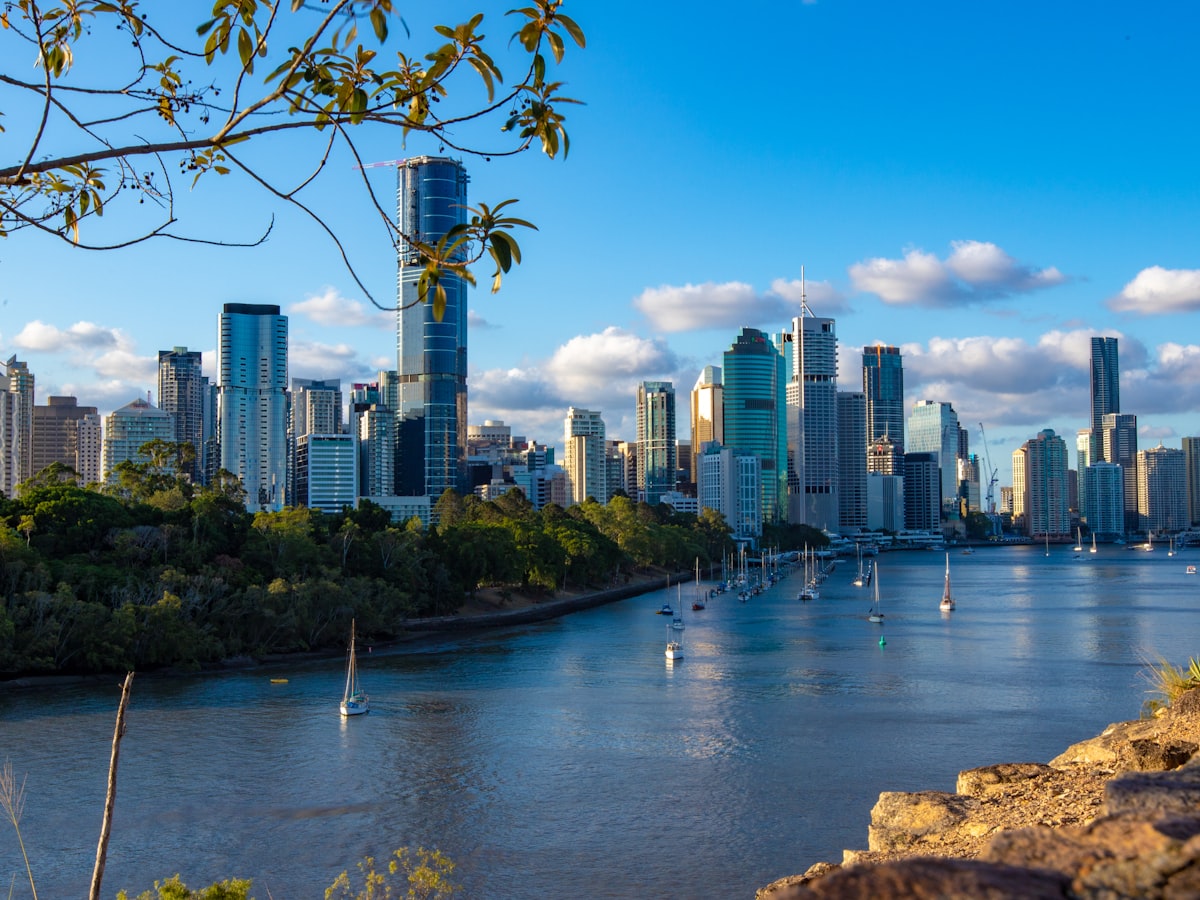
A subtropical river city with an outdoor lifestyle and a fast-rising food scene.
- Best time to visit: March-May and September-November
- Daily budget (budget traveller): $100 to $170 USD
- Ideal trip length: 3 to 4 days
Brisbane is one of Australia's sunniest capitals and increasingly one of its most underrated. The Brisbane River loops through the centre, South Bank gives you a man-made beach and cultural precinct, and the surrounding suburbs - West End, Fortitude Valley, New Farm - each have their own food and bar scene. It's a city built for the outdoors, and a perfect launch pad for the Gold Coast, Sunshine Coast and Moreton Bay islands. Joy Plus routes your days by river ferry and neighbourhood so you see the best of it on foot and on the water.
Brisbane is the Australian capital people skip on the way to somewhere else, and that is the opportunity. It sits on Turrbal and Jagera country (the old name is Meanjin) and wraps itself around a brown, looping river that doubles as the city's main street. The CityHopper ferry is free, the CityCat is basically a 50 cent harbour cruise, and a day of hopping on and off gets you past most of the sights without a traffic jam. The sun shines for about 280 days a year, so the whole city is built for being outside, from the lagoon beach at South Bank to the cliffs at Kangaroo Point.
The neighbourhoods are the real draw. West End is bohemian and multicultural, with Saturday markets and cheap eats. Fortitude Valley is loud, live-music heavy and home to Chinatown. New Farm is leafy and slow, with jacarandas that turn the streets purple in late October. Howard Smith Wharves, tucked under the Story Bridge, is where the city goes for a long dinner with a view. None of these needs a car. Most are connected by riverside paths, bridges and ferries, and the walking is flat enough that you will not dread it in the heat.
Brisbane also works as a base. Koalas at Lone Pine are 30 minutes away, whales cruise past North Stradbroke Island between June and November, and the Gold and Sunshine Coasts are a train or drive away. Prices run noticeably lower than Sydney, the crowds are thinner, and locals still strike up conversations at bars. Come with sunscreen, a tolerance for humidity if you land in summer, and a plan that follows the river. This guide does exactly that, with ferry stops, opening times and the places worth the detour.
How many days in Brisbane?
For Brisbane, we recommend 3 to 4 days. With more time, add a day trip to Moreton Island or Gold Coast.
| Trip length | What you'll see | Itinerary |
|---|---|---|
| 2 days | South Bank; Story Bridge, the river and Howard Smith Wharves | Brisbane in 2 days |
| 3 days · Recommended | Adds: Koalas and Mount Coot-tha | Brisbane in 3 days |
| 4 days · Recommended | Adds: Arts precinct and West End | Brisbane in 4 days |
| 5 days | Adds: North Stradbroke Island | Brisbane in 5 days |
| 7 days | Adds: James Street, New Farm and Chinatown; Botanic Gardens, slow morning | Brisbane in 7 days |
Brisbane itinerary
Arrive, settle, South Bank
Morning: Land at BNE and take the Airtrain to Central or South Brisbane (about 20 min). Drop bags and grab a flat white from Merlo.
Afternoon: Walk South Bank Parklands: the Arbour's bougainvillea tunnel, then a swim at Streets Beach (free, lifeguarded). Cross the Goodwill Bridge for a river view.
Evening: Dinner in Fish Lane. Walk back along the river to see the city skyline lit up.
Story Bridge, the river and Howard Smith Wharves
Morning: Ride the free CityHopper to Howard Smith Wharves. Walk up the Story Bridge pedestrian path (the city-side path reopened in late 2025 after repairs, so check which side is open), or book the sunrise Story Bridge Climb (about A$150 to 190).
Afternoon: CityCat to Kangaroo Point, walk the cliffs, then lunch at a riverside pub. Rent a kayak from Riverlife if the wind is calm.
Evening: Drinks at Felons Brewing Co under the bridge, then dinner at Stanley or Mr Percival's.
Koalas and Mount Coot-tha
Morning: Bus 430 from the CBD to Lone Pine Koala Sanctuary for 9am opening (about A$55 to 60). Skip the queue by pre-booking online.
Afternoon: Rideshare to Mount Coot-tha. Walk the J.C. Slaughter Falls trail, then catch the Summit Lookout at golden hour.
Evening: Dinner in West End on Boundary Street. Craft beer at Archive Beer Boutique.
Arts precinct and West End
Morning: GOMA at 10am for the free permanent collection, then Queensland Art Gallery next door. Browse the State Library for free exhibitions.
Afternoon: Cross to West End. On Saturdays catch Davies Park Market (6am to 2pm) for a pho or a bacon and egg roll. Browse indie bookshops and vintage stores.
Evening: Walk to Fortitude Valley for dinner and live music at The Zoo or a quieter cocktail bar.
North Stradbroke Island
Morning: Cleveland line train from Central to Cleveland (about 55 min), then Stradbroke Ferries water taxi to Dunwich (25 min).
Afternoon: Bus to Point Lookout. Walk the Gorge Walk and, from June to November, spot humpbacks from the headland. Swim at Main Beach.
Evening: Fish and chips on the headland, return ferry before dark and a late dinner in the Valley.
James Street, New Farm and Chinatown
Morning: Brunch on James Street, then wander the boutiques and the fresh food market.
Afternoon: CityCat to New Farm Park (jacarandas peak late October), then the Brisbane Powerhouse for a riverside coffee and a gallery.
Evening: Dinner in Chinatown Mall, then a pinball session at Netherworld or a night at a Valley live venue.
Botanic Gardens, slow morning, depart
Morning: Breakfast near Eagle Street, then a stroll through City Botanic Gardens, free and quiet.
Afternoon: Last lunch at South Bank or a final CityCat loop. Collect bags.
Evening: Airtrain to BNE from Central, about 20 min. Allow 90 min before domestic and 3 hours before international flights.
Best neighbourhoods
- South Bank: Riverside parkland, the lagoon beach, museums and galleries.
- Fortitude Valley: Nightlife, live music, Chinatown and the city's best bars.
- West End: Bohemian, multicultural, weekend markets and great cheap eats.
- New Farm: Leafy, upmarket, the Powerhouse arts venue and riverside walks.
- CBD & Howard Smith Wharves: The riverside dining precinct beneath the Story Bridge.
Must-do experiences
- CityCat ferry ride: Ride the river from end to end - the cheapest, best city tour in Brisbane.
- South Bank and the Streets Beach lagoon: Free city-centre swimming beach, plus GOMA and the Queensland Museum.
- Climb the Story Bridge: Or just walk it - one of only a few climbable bridges in the world. Both footpaths reopened in late 2025 after months of repairs following ex-Cyclone Alfred.
- Mount Coot-tha lookout: Sunset views over the whole city and out to Moreton Bay.
- Day trip to North Stradbroke Island: Beaches, whale watching and the Gorge Walk, a ferry ride from the bay.
Hidden gems
- Howard Smith Wharves - a dining and brewery precinct tucked under the Story Bridge cliffs.
- The City Botanic Gardens riverside walk, free and quiet.
- The free CityHopper ferry, which loops the inner-city river stops at no charge.
- Mount Coot-tha's J.C. Slaughter Falls bush trails, minutes from the centre.
Daily budget
- Accommodation: budget A$38-65 / night (hostel dorm), mid-range A$200-340 (boutique or apartment), splurge A$480+ (The Calile, riverside five-stars). South Bank and the Valley are the best bases. Weekends and event nights, like big concerts, push prices up fast.
- Food: budget A$55-75 / day (bakery, pho, food courts), mid-range A$120-170 (brunch plus one nice dinner), splurge A$250+ (Stanley tasting menu, riverside degustation). Pubs run A$15-20 lunch specials. Vietnamese and Chinese in the Valley and Sunnybank are the best value meals in town.
- Transport: budget A$3-8 / day (50c fares plus free CityHopper), mid-range A$20-40 (transit plus the odd Uber), splurge A$100+ (car hire for the coasts or a private charter). Every trip costs a flat 50 cents. The Airtrain is priced separately, about A$20 to 22 each way.
- Activities: budget A$0-25 (Streets Beach, GOMA, botanic gardens), mid-range A$80-140 (Lone Pine plus a ferry trip), splurge A$250+ (Story Bridge Climb, Tangalooma day tour). GOMA, Queensland Museum and the State Library are free. Only special exhibitions charge.
- Drinks & nightlife: budget A$20-30 (one pint or schooner, free live music), mid-range A$55-90 (Valley bar crawl), splurge A$150+ (cocktails, rooftop, club night). A schooner of craft beer is A$9-12, cocktails A$20-26. Many pubs have free live music Thursday to Sunday.
Where to stay
- Social hostel in Fortitude Valley / CBD (A$38-65 / night): Bunk Brisbane and City Backpackers HQ have social kitchens, rooftop terraces and easy walks to bars, Airtrain and the CityHopper.
- Boutique hotel in South Bank (A$240-360 / night): Emporium Hotel South Bank has a rooftop pool, river views and a short walk to Streets Beach, GOMA and the Goodwill Bridge.
- Apartment in West End or Kangaroo Point (A$150-240 / night): Local streets, a kitchen, and easy bus or ferry to town. Best value for a 4+ night stay.
- Splurge in James Street, Fortitude Valley (A$450-750 / night): The Calile is the design-led address with a pool, restaurants and boutiques at your door.
What to eat
- Modern Australian at Howard Smith Wharves restaurants
- Vietnamese and pho in West End and the Valley
- Riverside brunch at South Bank cafés
- Craft beer at Felons, under the Story Bridge
Day trips
- North Stradbroke Island (About 1h45 door to door): Beaches, the Gorge Walk at Point Lookout, and humpback whales from June to November. Straddie also has kangaroos on the beach at dusk. Cleveland line train from Central to Cleveland (about 55 min), then Stradbroke Ferries water taxi to Dunwich (about 25 min, roughly A$25 to 30 return). Bus to Point Lookout.
- Moreton Island (Tangalooma) (75 min by ferry): Shipwreck snorkelling, giant sand dunes and a wild dolphin feeding at dusk. Day tours include sandboarding and quad bikes. Tangalooma ferry from Holt Street Wharf, Pinkenba (near the airport), around A$100 to 130 return for the transfer. Book dolphin feeding in advance.
- Gold Coast (About 75 min by train): Surf beaches, Burleigh Heads' headland walk, and theme parks. Surfers Paradise is the skyline, Burleigh is the local favourite. Gold Coast line train from Roma Street or South Brisbane to Helensvale or Varsity Lakes, then G:link light rail or bus. Contactless fares apply throughout.
When to visit
- Autumn (March to May): 20-28°C, dry, sunny, low humidity from April. Crowds: Moderate, school holidays in April bring families. The sweet spot. Warm enough for Streets Beach, cool enough to walk all day, and hotels are still reasonable.
- Winter (June to August): 11-22°C, dry and bright, cool nights. Crowds: Moderate, peaks in July school holidays. The locals' pick. Blue skies, no humidity, whale season at Stradbroke, and Sunday sessions in beer gardens. Pack a light jacket for evenings.
- Spring (September to November): 17-29°C, warming fast, first storms in November. Crowds: Moderate, Brisbane Festival in September. Jacarandas bloom in late October and the river glows. Watch for magpie swooping on bush trails from August to October.
- Summer (December to February): 22-31°C, humid, afternoon storms, UV extreme. Crowds: Busy with domestic holidaymakers, cheaper midweek. Hot and sticky but good for the lagoon, night markets and storm-watching. Do outdoor plans before 10am and after 4pm.
Entry rules for your passport
Visa rules for Australia depend on the passport you travel on. Check the official source before you book: Australian Department of Home Affairs
Getting there
Brisbane Airport (BNE) is about 16km northeast of the CBD. The Airtrain runs from both terminals to Fortitude Valley, Central, Roma Street and South Brisbane in about 20 minutes, around A$20 to 22 one way, and continues to the Gold Coast. Uber, DiDi and taxis cost A$45-65 to the centre, longer in peak hour. Domestic flights from Sydney take about 1h30 and from Melbourne about 2h. Long-distance coaches arrive at Roma Street Transit Centre. Trains from the Gold Coast run to Roma Street and Central.
Getting around
The CityCat and CityHopper ferries are the scenic backbone - the CityHopper is free. Buses and trains use the go card. The CBD is walkable, and the airport train (Airtrain) reaches the centre in about 20 minutes.
Safety
Very safe, with standard city awareness in the Valley nightlife area late at night. The subtropical sun is strong - hydrate and wear sunscreen. Summer (Dec-Feb) brings humidity and afternoon storms.
Solo travel tips
- Ride the CityHopper at sunset: It is free, it is empty after 5pm, and the skyline over the water is the best view in town. Sit on the open back deck, no booking, no pressure.
- Hostel pick: Bunk Brisbane or City Backpackers HQ: Both sit in walkable inner-city spots with a mix of solos and small groups. Bunk in the Valley is the social one, the city-centre options are quieter and cheaper.
- Respect the sun: UV is extreme most of the year. Wear SPF50+, a hat and sunglasses, and swim between the flags at Streets Beach. The river is not for swimming, bull sharks live in it.
- Solo female travellers: Brisbane is safe and easy to navigate alone. The Valley is the busiest at night, so keep drinks in sight, use Uber or DiDi after midnight, and sit near other people on late trains.
- Meet people on the water or at markets: Kayak hire at Kangaroo Point and the Saturday markets at Davies Park and Powerhouse are easy places to chat. Pub trivia nights midweek are the local way to find a team.
- Eat at the bar: Most Brisbane pubs and bars serve food at the counter. Order a schooner, ask the bartender what is good, and you will have a local tip within minutes.
Cultural etiquette
- Acknowledge the land: Brisbane is Turrbal and Jagera country. Aboriginal names like Meanjin are increasingly used, and respectful curiosity is welcome.
- Tipping is not expected. Round up at cafés, and leave 10% only for great service at a sit-down restaurant.
- Stand left on escalators and keep left on shared paths. Cyclists and e-scooters move fast along the river.
- Many casual restaurants are BYO. Check before you go, as corkage is usually A$3-8 a head.
- Swim between the red and yellow flags and obey lifeguard signs at Streets Beach and on the coast.
- Buy rounds, called 'shouts', if you are drinking with locals. Not taking your turn is the quickest way to lose goodwill.
- Don't feed wildlife. Bats, ibis and water dragons are everywhere, and keeping your distance is polite and legal.
Frequently asked questions
How many days do you need in Brisbane?
Three days covers the city - South Bank, a CityCat ferry, the Story Bridge, Mount Coot-tha and the best neighbourhoods. Add a day or two for trips to North Stradbroke or Moreton Island, or to use Brisbane as a base for the Gold and Sunshine Coasts.
Is Brisbane worth visiting?
Yes - it's one of Australia's sunniest capitals, with a relaxed, outdoor lifestyle, a riverside parkland precinct at South Bank, a fast-improving food and bar scene, and easy access to beaches, islands and rainforest. It's also cheaper and less crowded than Sydney or Melbourne.
When is the best time to visit Brisbane?
Autumn (March-May) and spring (September-November) offer warm, dry, sunny days perfect for the outdoor lifestyle. Winter (June-August) is mild and pleasant. Summer (December-February) is hot, humid and prone to afternoon storms, though still good for the South Bank lagoon.
Is Brisbane a good base for the Gold Coast and Sunshine Coast?
Excellent - the Gold Coast is about 75 minutes south by car or train, and the Sunshine Coast roughly 90 minutes north. Moreton Bay islands like North Stradbroke and Moreton are short ferry rides away. Many travellers split their stay between the city and the coasts.
What's the best way to get around Brisbane?
The CityCat and CityHopper ferries are scenic and efficient - the inner-city CityHopper is free. Buses, trains and ferries all use a go card or contactless payment, and every trip costs a flat 50 cents (the Airtrain is priced separately). The CBD and South Bank are very walkable, linked by riverside paths and bridges.
Can you swim in Brisbane?
Yes - Streets Beach at South Bank is a free, lifeguard-patrolled lagoon in the heart of the city, complete with sand and palm trees. For ocean swimming you'll head to the bay islands or the Gold and Sunshine Coasts. The Brisbane River itself isn't for swimming.
How do I get from Brisbane Airport to the city?
The Airtrain reaches the CBD in about 20 minutes and continues to the Gold Coast. Ride-shares and taxis take 20 to 30 minutes depending on traffic. Pre-booked shuttles serve hotels. The Airtrain is the fastest and most reliable option in peak hour.
Do I need a visa to visit Australia?
Yes: everyone except New Zealand citizens needs a visa or travel authority before flying. Holders of EU and other European passports, including the UK, can apply online for the free eVisitor (subclass 651). Travellers from the US, Canada, Japan and some other countries use the Australian ETA app instead, which costs A$20. Both allow stays of up to three months at a time.
More about Brisbane
Tours and activities in Brisbane | Brisbane in 2 days | Brisbane in 3 days | Brisbane in 4 days | Brisbane in 5 days | Brisbane in 7 days
Can't decide? Compare Brisbane with...
Joy Plus home | Destinations | Itineraries | Activities | Flights | Budget planner | Calendar | Map | Blog | Lifetime access