Destinations / Europe
Bruges, Belgium travel guide
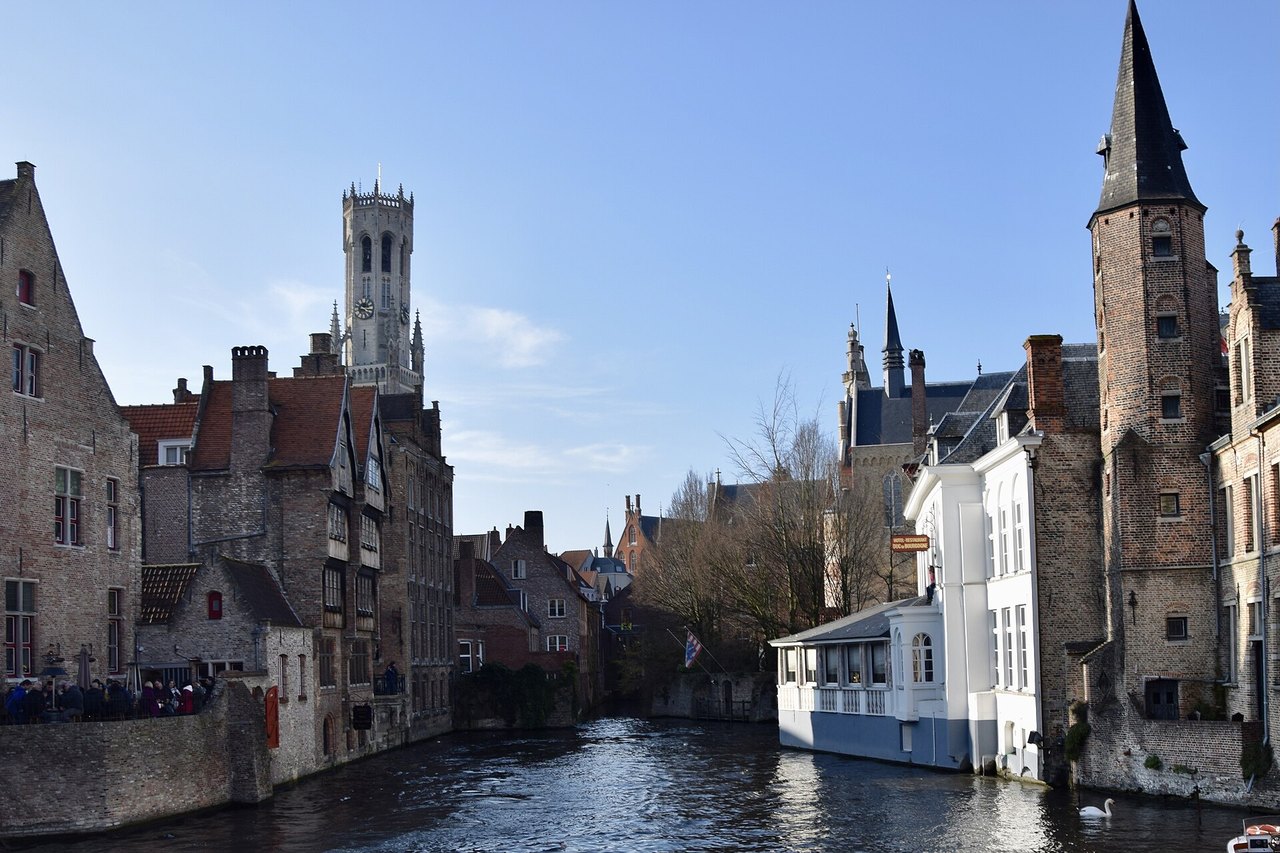
A medieval fairytale of canals, cobbles, and chocolate, perfectly preserved and impossibly photogenic.
- Best time to visit: April-June and September-October
- Daily budget (budget traveller): $85 to $130 USD
- Ideal trip length: 2 to 3 days
Bruges looks like a city someone built for a postcard and then forgot to modernise, in the best way. Step-gabled houses lean over still canals, bells echo from the Belfry, and the whole centre is a UNESCO old town you can cross on foot. Joy Plus times the canal boat and the climbs for the quiet hours, and threads in the beer, chocolate and frites that make a short visit worth it.
Bruges is a postcard that happens to have a few tens of thousands of residents inside the ring canal. Millions of people visit every year, and most stay under six hours. They land from Brussels trains and Zeebrugge cruise coaches around 10:30 and vanish by 17:00. That timing is the whole game. Before 9:30 and after 18:00 the cobbles belong to bakers, cyclists and people walking dogs past step-gabled houses. One honest note: a lot of the 'medieval' centre was restored in the 19th century, and the Gothic-Revival polish is part of the charm rather than a flaw.
What makes a visit worth the price is the stuff behind the postcard. Climb the 366 steps of the Belfry when it opens at 9:00 (10:00 on winter days except Saturdays). Take a 30-minute canal boat from the Rozenhoedkaai. Tour De Halve Maan, the family brewery that pumps beer through a pipeline under the old town. Then eat like a Fleming: a paper cone of frites with mayonnaise from Frituur No 1, a beef-and-beer carbonnade at Cambrinus, a tripel at 't Brugs Beertje, and a box from The Chocolate Line instead of the chains on Steenstraat. The Flemish Primitives at the Groeningemuseum are among the best early Netherlandish paintings anywhere.
Give Bruges two nights minimum, and make one of them a weeknight. The lit canals at 21:00 are the real attraction. Because Belgian trains are cheap and frequent, it also works as a base. Ghent is 25 minutes away, Damme is a flat bike ride along a poplar-lined canal, and Ypres is 75 minutes away for the Last Post at the Menin Gate. Book hotels early for Fridays, Saturdays and Ascension Day (May 6 in 2027), when the Holy Blood Procession takes place. Pack shoes you trust on cobbles, a rain jacket in every month, and an appetite.
How many days in Bruges?
For Bruges, we recommend 2 to 3 days.
| Trip length | What you'll see | Itinerary |
|---|---|---|
| 2 days · Recommended | Markt, Burg and the canals at dusk; Sunrise, Belfry, canal boat, De Halve Maan | Bruges in 2 days |
| 3 days · Recommended | Adds: Sint-Anna, lace and the windmills | Bruges in 3 days |
| 4 days | Adds: Ghent day trip | Bruges in 4 days |
| 5 days | Adds: Damme by bike, then the Flemish Primitives | Bruges in 5 days |
| 7 days | Adds: Ypres and the Last Post; Chocolate, lace | Bruges in 7 days |
Bruges itinerary
Arrive, Markt, Burg and the canals at dusk
Morning: Train from Brussels-Midi (1 hour, about €18, buy it in the SNCB app). Walk 20 minutes from the station via 't Zand and Steenstraat to the Markt. Drop bags at the hotel.
Afternoon: Browse Burg square and the free Romanesque lower chapel of the Basilica of the Holy Blood. Then the Church of Our Lady for Michelangelo's marble Madonna and Child.
Evening: Dinner at Den Dyver (Dijver 5), where the stews are cooked with beer. Then a tripel at 't Brugs Beertje (Kemelstraat 5, opens 4pm) and a walk along the lit canals by 22:00.
Sunrise, Belfry, canal boat, De Halve Maan
Morning: 7:30am at the Rozenhoedkaai, before anyone. Breakfast, then climb the Belfry for the 9:00 opening (10:00 on winter days except Saturdays; about €16, book a slot online). Canal boat from Huidenvettersplein at 11:00, about €15 for 30 minutes.
Afternoon: Frites with mayo from Frituur No 1 (Geldmuntstraat). Then the De Halve Maan brewery tour (about €16, one beer included) and a Brugse Zot on the terrace.
Evening: An early beer at Café Vlissinghe (Blekerstraat 2), Bruges' oldest pub since 1515, with a boules court in the garden (it closes at 21:00). Then beef carbonnade at Cambrinus (Philipstockstraat 19).
Sint-Anna, lace and the windmills
Morning: Walk Sint-Anna's quiet canals and Sint-Annakerk. Then the Kantcentrum (Balstraat 16) to watch lace-makers at work, about €8.
Afternoon: Follow the Kruisvest rampart path from the Kruispoort gate to the windmills. Sint-Janshuismolen, built in 1770, still grinds flour. Lunch at a Langestraat café.
Evening: Beguinage and Minnewater at golden hour, then dinner in the courtyard at De Republiek (Sint-Jakobsstraat 36). The Lumière arthouse cinema is next door.
Ghent day trip
Morning: Train from Brugge to Gent-Sint-Pieters (25 min, about €10), then tram 1 to Korenmarkt. Gravensteen castle (about €14) and a stroll down the Graslei.
Afternoon: The Ghent Altarpiece (Van Eyck's Adoration of the Mystic Lamb) at St Bavo's Cathedral, about €16. Waterzooi for lunch.
Evening: A beer at Dulle Griet (Vrijdagmarkt 50), where you leave a shoe as a deposit for the giant Max glass. Last train back to Bruges.
Damme by bike, then the Flemish Primitives
Morning: Rent a bike (€12-15) and ride 5km along the poplar-lined canal from Dampoort to Damme. Look around the town hall and the church tower.
Afternoon: Back in Bruges, the Groeningemuseum (about €14, closed Mondays) for Van Eyck, Memling and Bosch. Choose one museum, not three.
Evening: Fish and moules at De Visscherie (Vismarkt 8). Then a final canal walk, the way the day-trippers never do.
Ypres and the Last Post
Morning: Train to Ypres by about 9:00 (1h15, about €13, usually changing at Kortrijk, check the SNCB app). The In Flanders Fields Museum in the Cloth Hall, about €15.
Afternoon: Lunch on the Grote Markt. Then taxi or bike out to Tyne Cot cemetery (9km), the largest Commonwealth war cemetery in the world.
Evening: The Last Post ceremony at the Menin Gate, 8pm every night. Check the last train back to Bruges before you commit.
Chocolate, lace, depart
Morning: Breakfast at a bakery near Simon Stevinplein. Walk through Sint-Salvator's Cathedral (free). Then The Chocolate Line (Simon Stevinplein 19) and Dumon on the Eiermarkt.
Afternoon: Lace from 't Apostelientje (Balstraat 11), plus speculoos to take home. Last frites from a fritkot.
Evening: Train to Brussels Airport (about 1h30 on a direct train) or Brussels-Midi for the Eurostar. Leave two hours spare.
Best neighbourhoods
- Markt & Burg: The twin central squares: the Belfry, guild houses, and the city hall.
- Sint-Anna: Quiet, residential, the prettiest canals with hardly a tourist.
- Langestraat: Local cafés and bars along a long street running east of the centre.
- 't Zand: Modern square with the concert hall and a big weekend market.
- Minnewater: The 'Lake of Love' and Beguinage, postcard-calm at the southern edge.
Must-do experiences
- Climb the Belfry: 366 steps up the medieval tower for the rooftop panorama. Go at opening.
- Canal boat tour: The classic way to see the bridges and gabled houses from the water.
- De Halve Maan brewery: Tour the family brewery and taste Brugse Zot at the source.
- Markt & Burg squares: Soak up the guild houses and the Gothic city hall in the heart of town.
Hidden gems
- Sunrise over the Rozenhoedkaai before the crowds, the most-photographed corner.
- The Beguinage courtyard, silent and full of daffodils in spring.
- A real Belgian waffle from a side-street stand, not the Markt.
- Windmills along the eastern ramparts for a green, local walk.
Daily budget
- Accommodation: budget €28-50 / night (hostel dorm), mid-range €140-230 (boutique double), splurge €300+ (De Tuilerieën, The Pand Hotel). Fri and Sat nights run 30% higher. Add the city tax of a few euros per person per night. Ghent hotels are often cheaper for a weeknight.
- Food: budget €22-30 / day (frites, bakery, Delhaize picnic), mid-range €50-75 (lunch dagschotel + a proper dinner), splurge €150+ (Zet'Joe, Michelin-starred). Frites are €4-6, a plate of the day is €15-18 at lunch. Skip Markt restaurants with picture menus.
- Transport: budget €0-3 (the centre is walkable), mid-range €10-20 (bike hire €12-15 + a local bus), splurge €65+ (horse-drawn carriage on the Markt, 30 min). Train Brussels to Bruges is about €18 each way. Day trips to Ghent and Ypres cost €10-14 each way.
- Activities: budget €10-20 / day (free churches, Begijnhof, ramparts + one paid sight), mid-range €35-50 (Belfry, canal boat, De Halve Maan tour), splurge €100+ (private guide, chocolate workshop, Ghent Altarpiece + Gravensteen). Belfry is about €16, canal boat about €15, brewery tour about €16. The Bruges City Card (about €50-60 for 48h) only pays off with five or more sights.
- Drinks & nightlife: budget €8-12 (one pub beer + a supermarket bottle), mid-range €20-35 (three or four Belgian beers across two cafés), splurge €60+ (cocktails plus a tasting flight). A pub beer is €4.50-7. Most are 6-11% ABV, so pace yourself. Kitchens close around 21:30 and most bars shut by midnight.
Where to stay
- Social hostel in Langestraat (€28-50 / night): Bauhaus (Langestraat 135) has a bar, bike hire and a young crowd, a 15-minute walk from the Markt. Snuffel Sleep-In (Ezelstraat 49) is the quieter option.
- Boutique hotel in Rozenhoedkaai and Huidenvettersplein (€140-230 / night): Hotel Van Cleef or Hotel Biskajer, canal-view rooms in restored townhouses, close enough to reach the Belfry and the quay before the crowds do.
- Apartment in Sint-Anna (€90-150 / night): A quiet residential quarter of B&B apartments and small flats. A kitchen means Delhaize breakfasts, and the 5+ night discounts are worth it.
- Splurge in Dijver canalfront (€300-450 / night): Hotel De Tuilerieën or The Pand Hotel, antique-filled, canal views and breakfast served to your room. It's the Bruges of the brochure, but with your own key.
What to eat
- Moules-frites (mussels and chips)
- Belgian chocolate from a small chocolatier, not a chain
- Trappist and local beers (Brugse Zot, Westvleteren)
- A warm waffle or speculoos biscuit
Day trips
- Ghent (25 min by train): Bruges with the volume turned up. Gravensteen castle, the Graslei canal quay, the Van Eyck Ghent Altarpiece at St Bavo's, and a university-town beer scene at Dulle Griet. Train from Brugge to Gent-Sint-Pieters, two or three an hour, about €10 each way. Take tram 1 (about €3) into the centre.
- Damme (5km, about 20 min by bike): A sleepy canalside village of second-hand bookshops, Tijl Uilenspiegel legends and a lone church tower. The ride along the poplar-lined canal is half the attraction. Bike from Dampoort along the canal path, or the Lamme Goedzak boat from Noorweegsekaai in season, €12 one way or €18 return. A local bus also runs for about €3.
- Ypres (1h15 by train): The rebuilt Flemish town at the heart of the Western Front. The In Flanders Fields Museum, Tyne Cot cemetery and the Last Post at the Menin Gate every evening at 8pm. Train via Kortrijk from Brugge, about €13 each way. Check the SNCB app for the last train back, and take a taxi or bike to Tyne Cot (9km).
When to visit
- Spring (April - June): 8-20°C, bright spells and quick showers. Crowds: Building, Easter and May long weekends are busy. The best window. Daffodils in the Begijnhof, terraces open, long days. Holy Blood Procession is on Ascension Day (May 6 in 2027). Book ahead.
- Summer (July - August): 17-25°C, the odd 30°C day, afternoon thunderstorms. Crowds: Heaviest, coach tours and Zeebrugge cruise passengers. Doable if you play it early and late. Beat the day-trippers with a 9:00 Belfry slot, then retreat to the ramparts and the Cactus Festival in July.
- Autumn (September - October): 10-19°C, mild and golden early, wet and grey by late October. Crowds: Moderate, drops sharply after mid-October. The locals' favourite. Beer-and-stew weather, soft light on the canals, hotels easing down from summer rates.
- Winter (November - March): 1-7°C, damp, sunset around 16:30 in December. Crowds: Low, except Christmas market weeks and weekends. Cheapest hotels, lit canals and hot chocolate. The Markt gets a Christmas market and ice rink. Pack a proper coat, some canal boats run reduced hours.
Entry rules for your passport
Visa rules for Belgium depend on the passport you travel on. Check the official source before you book: European Commission: Schengen visa policy
Getting there
Fly into Brussels Airport (BRU), about 100km away. Direct trains run from the airport station to Bruges, so you do not need to change in Brussels. From Brussels-Midi or Brussels-Central a direct train to Bruges takes about an hour, usually every 30 minutes. Allow around €25 total from the airport and €18 from central Brussels, and buy in the SNCB app. Charleroi (CRL) is the budget airline option: a shuttle bus to Brussels-Midi runs about €15. From London, Eurostar to Brussels-Midi takes 2 hours. Bruges station is a 20-minute walk or a €3 bus from the Markt; a taxi is €12-15. Don't drive. The centre is largely car-free, so use the park-and-ride at the edge if you must.
Border checks: non-EU visitors (other than Swiss, Norwegian, Icelandic, Liechtenstein, Andorran, Monegasque, San Marinese and Vatican citizens, and holders of an EU residence permit or long-stay visa) are registered in the EU's Entry/Exit System (EES) instead of getting a passport stamp. On your first crossing, officers take your photo and/or fingerprints, so allow extra time at passport control. ETIAS, the planned travel authorisation, is not in operation yet, so don't pay any website for one.
Getting around
The centre is tiny and entirely walkable, that's the whole point. Cars are restricted, so leave any vehicle at a park-and-ride. The train station is a 20-minute walk from the Markt, and bikes are a lovely way to reach the windmills and outer canals.
Safety
Bruges is extremely safe and easy, with petty theft the only minor risk in the busiest squares. The cobbles are uneven, so wear sensible shoes. It's a year-round destination, but winters are cold and damp, pack layers and a waterproof.
Solo travel tips
- Sit at the counter in the beer cafés: At 't Brugs Beertje and De Garre, tell the barman what you like (fruity, dry, strong) and let him pick from the list. You'll learn more from that than from a tasting flight, and you'll end up talking to your neighbours.
- Stay overnight, and walk at night: After 18:00 the city empties and the canals are lit. Walk Rozenhoedkaai at 7am and again at 21:00. That solitude is the reason to stay at least one night, and a solo traveller gets it easily.
- Hostel pick: Bauhaus or Snuffel Sleep-In: Bauhaus (Langestraat 135) has a bar, bike hire and nightly events, so it's the social pick. Snuffel (Ezelstraat 49) is smaller, calmer and good for a quiet base. Dorms run €28-50 and climb on weekends.
- Make lunch your big meal: Solo dinner tables are small and sometimes awkward. A lunchtime dagschotel (plate of the day) at €15-18 is cheaper and easier, and communal tables like the ones at De Republiek make dinner less isolating.
- Solo female travellers: Bruges is very safe and compact. Stick to lit canals after dark, wear shoes you can walk in on cobbles, watch your drink in busy bars, and check the last train time to Ghent or Brussels before you head out.
- Find your tribe on a shared tour: The De Halve Maan tour ends at a shared tasting table, and canal boats seat strangers side by side. A bike ride to Damme is the easiest way to fall in with other solos, as half the hostel does it the same morning.
Cultural etiquette
- Bruges is in Flanders, so the language is Dutch. Open with 'dag' or 'goeiedag', not French, then switch to English. Dank u (thank you) goes a long way.
- Every Belgian beer has its own glass, so don't ask for another one. Sip slowly, as tripels run 8-10% and the Garre is 11%.
- Don't call them French fries. Belgians insist they invented frites, and they're eaten from a paper cone with mayonnaise, standing up at a fritkot.
- The Begijnhof is still home to Benedictine nuns. Keep voices down, no picnics, and don't wander into doorways.
- Cycle lanes are for bikes. Stay off them in photos, and step aside quickly when a local rings the bell.
- Kitchens close early, often around 21:30. Book dinner at 19:00 to 20:00, and note that many restaurants shut on Mondays or Tuesdays.
- Don't block narrow lanes or bridges for photos. Locals live here, and the crowds at the Rozenhoedkaai are the thing they like least about tourism.
Frequently asked questions
How many days do you need in Bruges?
Two to three days is plenty. One full day covers the highlights; a second lets you slow down for breweries, museums and the quieter outer canals.
Is Bruges worth staying overnight?
Absolutely. The day-trippers leave by evening, and the city is at its most magical when the lit canals and empty cobbles are almost yours alone.
Is Bruges good for solo travellers?
Yes. It's safe, walkable and compact, easy to enjoy alone, and a relaxing first stop or add-on to a wider Belgium or Netherlands trip.
When is the best time to visit Bruges?
April-June and September-October is the sweet spot for weather and crowds. Shoulder season brings lower prices and easier bookings, while peak months mean higher accommodation costs and longer queues at the best known sights, so book early if you travel then.
How much does a trip to Bruges cost?
Budget around $85 to $130 USD per person per day, covering a hostel bed or simple room, local transport, two or three meals out and an activity or entry ticket. You can go lower with markets and free walking tours, or far higher with boutique hotels and private guides.
How much does a solo trip to Bruges cost?
Budget on roughly $85-$130 USD per day in Bruges as a solo traveller. That covers a hostel bed or simple room, local food, getting around and a couple of paid sights. Mid-range comfort with private rooms, sit-down dinners and the odd tour runs closer to double, while shoestring travellers who cook and stick to street food can come in under it.
Is Bruges safe for solo female travellers?
Bruges is generally a comfortable place to travel solo, including for women, as long as you use normal city sense. Bruges is extremely safe and easy, with petty theft the only minor risk in the busiest squares. The cobbles are uneven, so wear sensible shoes. It's a year-round destination, but winters are cold and damp, pack layers and a waterproof.
How do you get around Bruges?
The centre is tiny and entirely walkable, that's the whole point. Cars are restricted, so leave any vehicle at a park-and-ride. The train station is a 20-minute walk from the Markt, and bikes are a lovely way to reach the windmills and outer canals.
Tours and activities in Bruges | Bruges in 2 days | Bruges in 3 days | Bruges in 4 days | Bruges in 5 days | Bruges in 7 days
Can't decide? Compare Bruges with...
Joy Plus home | Destinations | Itineraries | Activities | Flights | Budget planner | Calendar | Map | Blog | Lifetime access