Destinations / Europe
Bucharest, Romania travel guide
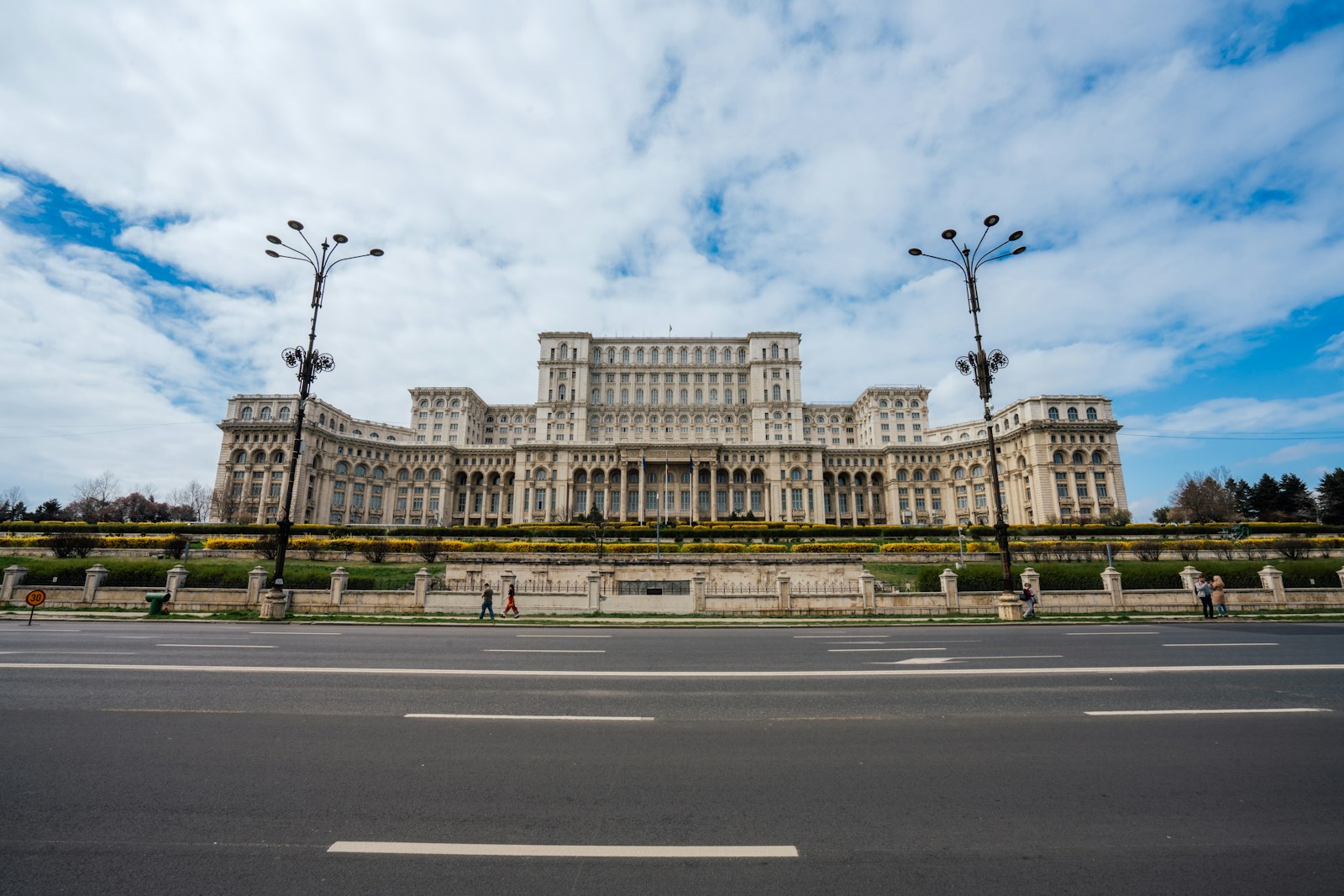
Romania's bold capital: Belle Époque boulevards, a colossal palace, leafy parks and Eastern Europe's best value.
- Best time to visit: April-June and September-October
- Daily budget (budget traveller): $55 to $100 USD
- Ideal trip length: 2 to 3 days
Bucharest is one of Europe's most surprising and underrated capitals, a city of contradictions where Belle Époque mansions that earned it the nickname 'Little Paris' sit beside the staggering communist-era Palace of the Parliament, leafy parks and a buzzing old-town nightlife. It's gritty, green, affordable and full of energy. Joy Plus shapes the grand boulevards, the museums and the parks into an easy, walkable itinerary.
Bucharest is the capital people write off before they arrive. Then they land, take a Bolt down Calea Victoriei, and watch a Belle Époque mansion, a Stalinist apartment block and a 1930s modernist tower slide past in one traffic light. The city was once called Little Paris, and enough of that survives to justify it: the domed Romanian Athenaeum, the CEC Palace with its glass cupola, Art Nouveau villas hiding on side streets in Cotroceni. It is also chaotic, with cables knotted across façades, parked cars on pavements and a roar of traffic. The mix is the point. It is one of the cheapest capitals in the EU, and one of the most absorbing once you stop expecting it to be pretty in a conventional way.
The history is right there on the street, not behind glass. Ceaușescu flattened roughly a fifth of the old centre in the 1980s to build the Palace of the Parliament, which Guinness lists as the heaviest building on earth, and a boulevard to match it. The balcony in Piața Revoluției is where he made his last speech in December 1989, and many locals you meet lived through it. Against that, the Centrul Vechi (Old Town) is now a dense maze of terraces and bars, Stavropoleos church sits on its tiny courtyard like a jewel box, and Cișmigiu Gardens fills with chess players, rowing boats and grandmothers. Eat mici, papanași and a proper ciorbă, drink a 15 lei beer, and a day here costs less than a Lisbon lunch.
This guide is for people who want to see the real city in 3 to 7 days: where to book the Palace tour, which metro exit to use, when to eat so you get the lunch menu, and which Old Town streets are worth skipping at 11pm on a Saturday. It also points you to the green north (Herăstrău and the Village Museum), then out to Sinaia, Brașov and a Brâncovenesc palace in Mogoșoaia. Bucharest is not tidy, but it is warm, cheap, easy to do solo and rarely boring.
How many days in Bucharest?
For Bucharest, we recommend 2 to 3 days. With more time, add a day trip to Brașov & Bran Castle.
| Trip length | What you'll see | Itinerary |
|---|---|---|
| 2 days · Recommended | Old Town & Lipscani; Palace of the Parliament & the Athenaeum | Bucharest in 2 days |
| 3 days · Recommended | Adds: Calea Victoriei & Cișmigiu | Bucharest in 3 days |
| 4 days | Adds: Herăstrău, Village Museum & the north | Bucharest in 4 days |
| 5 days | Adds: Day trip: Sinaia and Peleș Castle | Bucharest in 5 days |
| 7 days | Adds: Cotroceni, Bellu & markets; Mogoșoaia | Bucharest in 7 days |
Bucharest itinerary
Arrive, settle, Old Town & Lipscani
Morning: Land at OTP, take the airport train or express bus 783 to the centre, or a Bolt for about 60-90 lei. Drop bags, then espresso at Origo.
Afternoon: Walk Lipscani to Stavropoleos church (free, closes early afternoon) and browse Cărturești Carusel, six floors of books with a café on top. Wander Pasajul Victoria and the Hanu' lui Manuc courtyard.
Evening: Dinner at Caru' cu Bere (1899, book ahead for the main hall): sarmale, mici, then papanași. Drinks at Lacrimi și Sfinți on Strada Șelari. Early night.
Palace of the Parliament & the Athenaeum
Morning: Book the Palace of the Parliament tour online at cic.cdep.ro and bring your passport. Metro M2 to Piața Unirii, or M5 to Izvor. Arrive 30 minutes early for security. The tour takes about 1 hour 15.
Afternoon: Walk up Bulevardul Unirii, then lunch at Vatra on Ion Brezoianu (soup and a main for about 90 lei). Coffee at Simbio near Piața Amzei.
Evening: Concert at the Romanian Athenaeum (tickets from about 50 lei, usually Thu and Fri at 19:00, check the Filarmonica George Enescu site). Late drink at Green Hours on Calea Victoriei.
Calea Victoriei & Cișmigiu
Morning: Walk Calea Victoriei from the CEC Palace north to Piața Revoluției. Visit the National Museum of Romanian History and the Kretzulescu church. Cișmigiu Gardens by 11, rent a rowing boat.
Afternoon: Lunch at La Mama (cheap traditional, soup and main under 50 lei). National Art Museum in the former Royal Palace (open Wed to Sun, about 30 lei).
Evening: Dinner near Piața Romană, then gigs at Control Club on Strada Constantin Mille. Check the line-up and buy tickets online.
Herăstrău, Village Museum & the north
Morning: Metro M2 to Aviatorilor. Walk to the Village Museum (about 30 lei, open daily, go at 9am for the quiet) and its 100+ rural buildings.
Afternoon: Stroll Herăstrău Park (King Michael I Park), lakeside lunch, then walk down Kiseleff to the Arcul de Triumf and the Casa Presei Libere. Hit Casa Doina if you want a proper Romanian lunch.
Evening: Back via Piața Victoriei. Dinner and beers at Beraria H, a huge beer garden by the lake. Metro home.
Day trip: Sinaia and Peleș Castle
Morning: Early train from Gara de Nord to Sinaia, about 1.5 to 2 hours. Walk up to Peleș Castle (30 minutes), the best-kept royal residence in the country.
Afternoon: Tour Peleș and Pelișor (closed Mon and Tue, check ahead). Lunch at a cabană in town. Walk through Sinaia Monastery.
Evening: Train back to Bucharest. Light dinner and an early night.
Cotroceni, Bellu & markets
Morning: Metro M5 to Eroilor or tram to Cotroceni. Botanical Garden (about 20 lei), then Art Nouveau villas around Strada Cotroceni.
Afternoon: Bellu Cemetery for atmospheric sculptures (free). Then Obor Market for pickles, cheese and sweets.
Evening: Dinner at Hanu' lui Manuc, then jazz at Green Hours or a final Old Town drink.
Mogoșoaia and depart
Morning: Bolt to Mogoșoaia Palace (40-70 lei each way), a Brâncovenesc palace on a lake with white loggias. Walk the park.
Afternoon: Back to the centre for a last lunch at La Mama, a covrigi and coffee at Origo.
Evening: Train, express bus or Bolt to OTP. Allow 2.5 hours before your flight.
Best neighbourhoods
- Centrul Vechi (Old Town): The cobbled historic centre packed with restaurants, terraces, bars and the city's nightlife.
- Lipscani & Calea Victoriei: Around the grand boulevard lined with palaces, museums, the Athenaeum and elegant cafés.
- Cotroceni: A leafy, genteel district of Art Nouveau villas near the botanical garden and presidential palace.
- Herăstrău & the north: The green, upscale lake district around King Michael I Park and the open-air Village Museum.
Must-do experiences
- Palace of the Parliament: Tour the world's heaviest building, a colossal symbol of the Ceaușescu era.
- Old Town & Stavropoleos: Wander the historic centre and its tiny, beautiful 18th-century Orthodox church.
- Romanian Athenaeum: Admire the city's stunning domed concert hall, or catch a performance inside.
- Village Museum & Herăstrău Park: Stroll the lakeside park and its open-air museum of traditional Romanian houses.
Hidden gems
- The Pasajul Victoriei, a colourful umbrella-covered alley in the old town.
- The atmospheric, slightly overgrown Bellu Cemetery, full of grand sculptures.
- Caru' cu Bere, a gorgeous 1899 beer hall serving classic Romanian food.
- The Therme spa complex just outside the city, one of Europe's largest.
Daily budget
- Accommodation: budget 70-130 lei / night (hostel dorm), mid-range 350-650 lei (boutique double), splurge 900+ lei (InterContinental Athénée Palace, JW Marriott Grand). Old Town rooms are loud on weekends. Ask for a courtyard room, or stay around Cișmigiu and Piața Romană for better sleep and value.
- Food: budget 100-150 lei / day (bakeries, canteens, lunch menus), mid-range 220-350 lei (one sit-down dinner at Caru' cu Bere or Hanu' lui Manuc), splurge 500+ lei (Casa Doina, a tasting menu). Weekday lunch menus (meniul zilei) run 30-45 lei for soup, main and sometimes a drink. A ciorbă is 15-25 lei, covrigi and pastries 3-8 lei.
- Transport: budget 15 lei / day (metro and STB buses), mid-range 40-80 lei (transit plus a few Bolts), splurge 250+ lei (private driver to Sinaia and Brașov). A metro or bus ride is about 3 lei and you can tap a bank card at the gates and validators. A typical Bolt across town is 15-30 lei. Skip hailing street taxis.
- Activities: budget 30-60 lei (free churches, parks, Cărturești Carusel, one museum), mid-range 120-250 lei (Parliament tour, Village Museum, Athenaeum concert), splurge 500+ lei (Therme spa day, Peleș Castle, private guide). The Palace tour is about 70-90 lei and needs your passport. Museums run 20-45 lei, and many are closed Mondays.
- Drinks & nightlife: budget 40-60 lei (2-3 beers at a local pub), mid-range 120-200 lei (Old Town crawl, cocktails at 35-50 lei), splurge 400+ lei (rooftop cocktails at 60-80 lei each, a club table). Old Town beers cost 18-25 lei, a street away they are 10-14 lei. Try a tuică (plum brandy) shot for 10-15 lei, and expect indoor and terrace smoking.
Where to stay
- Social hostel in Centrul Vechi (Old Town) (70-130 lei / night): BEDSY sits on Strada Gabroveni in the Old Town. Walk everywhere, easy to meet other solos.
- Boutique hotel in Cișmigiu & Calea Victoriei (350-650 lei / night): Hotel Cișmigiu or a restored Calea Victoriei townhouse. Quieter than the Old Town but a 10 minute walk from it, with parks and the Athenaeum at your door.
- Apartment in Cotroceni or Piața Romană (250-450 lei / night): Leafy streets, high ceilings, local cafés and a supermarket on the corner. Best for 5+ nights. Piața Romană has M2 for direct links to Unirii and Victoriei.
- Splurge in Piața Revoluției (900-1800 lei / night): InterContinental Athénée Palace (1914) or JW Marriott Grand by the Parliament. Grand lobbies, serious breakfast and walkable access to the Athenaeum and Calea Victoriei.
What to eat
- Mici (mititei), grilled skinless minced-meat rolls
- Sarmale, cabbage rolls stuffed with pork and rice
- Ciorbă, sour Romanian soups, often served with sour cream
- Papanași, fried doughnuts with soft cheese and sour-cherry jam
Day trips
- Sinaia & Peleș Castle (1.5 to 2 hours by train): A resort town in the Bucegi mountains with Peleș, the neo-Renaissance royal castle, plus the smaller Pelișor and Sinaia Monastery. Go on a weekday, early, and book Peleș in advance. It is closed Monday and Tuesday. Train from Gara de Nord, about 35-60 lei each way in 2nd class, book on cfrcalatori.ro. Walk 30 minutes uphill to the castle or take a short taxi.
- Brașov & Bran Castle (2.5 to 3 hours by train): Medieval Saxon town under Mount Tâmpa, with the Black Church and Council Square. Bran ('Dracula's') Castle is a short bus ride away, touristy but photogenic. Train from Gara de Nord, about 65-90 lei each way. Bus from Brașov Autogara 2 to Bran takes about 40 minutes and costs under 20 lei. Castle ticket about 70 lei.
- Mogoșoaia Palace (30 min by Bolt): A 1702 Brâncovenesc palace on a lake, with carved loggias and a calm park. It is a good half-day option when you want green space and no crowds. Bolt about 40-70 lei each way. Palace entry about 30 lei, check hours before you go.
When to visit
- Spring (April - June): 12-26°C, sunny with the odd shower, terraces open by late April. Crowds: Moderate, building through May. The best window. Parks turn green, Cișmigiu is full, and the Night of Museums in May opens galleries late for a few lei. Orthodox Easter falls on 2 May in 2027, with a candlelit midnight service worth seeing.
- Summer (July - August): 29-38°C, dry heat with sudden thunderstorms. Crowds: Moderate, locals leave for the coast and mountains. Hot and sticky on asphalt, but cheaper rooms, shady parks and long terrace evenings. Plan Parliament and museums for the morning, Herăstrău or a pool for the afternoon.
- Autumn (September - October): 12-25°C, golden light, cooler nights from mid-October. Crowds: Moderate, then low. The locals' favourite. Terrace weather holds into late September, the Carpathian foliage is spectacular for day trips and prices ease off.
- Winter (November - March): -8 to 5°C, grey, foggy, occasional snow. Crowds: Low, except around the Christmas market. Cold but cheap, with concerts at the Athenaeum, steaming ciorbă and a Christmas market by the Parliament from late November. Bring a proper coat and book a spa day.
Entry rules for your passport
Visa rules for Romania depend on the passport you travel on. Check the official source before you book: European Commission: Schengen visa policy
Getting there
Henri Coandă airport (OTP) is about 16-18 km north of the centre. A CFR train to Gara de Nord and express buses 780 and 783 serve the centre (check STB signage for exact stops); a metro link is planned but do not rely on it yet. Bolt to the Old Town is about 60-90 lei in normal traffic and 25-40 minutes. Avoid taxis touting in the arrivals hall. Trains arrive at Gara de Nord (metro M4, tram and Bolt connections): Brașov is 2.5-3 hours, Budapest about 14 hours, and tickets are on cfrcalatori.ro or the Mers Tren app. Romania is now fully in Schengen, so land arrivals from Bulgaria and Hungary have no passport checks. Wizz Air, Ryanair and TAROM cover most European routes.
Border checks: non-EU visitors (other than Swiss, Norwegian, Icelandic, Liechtenstein, Andorran, Monegasque, San Marinese and Vatican citizens, and holders of an EU residence permit or long-stay visa) are registered in the EU's Entry/Exit System (EES) instead of getting a passport stamp. On your first crossing, officers take your photo and/or fingerprints, so allow extra time at passport control. ETIAS, the planned travel authorisation, is not in operation yet, so don't pay any website for one.
Getting around
Bucharest has a cheap metro and an extensive tram, bus and trolleybus network (STB) on a rechargeable card. The old town and central boulevards are walkable, though traffic is heavy and pavements uneven. A train and an express bus link the airport to the centre, and ride-hailing apps like Bolt are plentiful and very cheap for door-to-door trips.
Safety
Bucharest is generally safe and comfortable for solo travellers including women, with violent crime rare. The main risks are pickpocketing on crowded transport and in the old town, plus occasional taxi overcharging, so use ride-hailing apps instead of hailing on the street. Watch for stray dogs in some areas and uneven pavements, and use normal city caution at night.
Solo travel tips
- Eat the lunch menu: Weekday 12:00 to 16:00, many restaurants run a meniul zilei with soup, main and often a drink for 30-45 lei. Order it and talk to the staff: Romanians love to explain what ciorbă de burtă is.
- Hostel pick: BEDSY in the Old Town: It sits in the Old Town, near everything. If you want sleep, ask for a room away from the street.
- Use Bolt, not street taxis: Taxi overcharging is the main scam. Bolt and Uber show you the fare before you ride. A cross-town trip costs 15-30 lei, and the Old Town to the airport is about 60-90 lei.
- Cross the road like you mean it: Drivers do not always stop at zebra crossings. Make eye contact, step out firmly, and use the lights on Bulevardul Unirii. Pavements are uneven and cracked, so look down in the old districts.
- Solo female travellers: Bucharest is comfortable for women alone and violent crime is rare. Keep drinks in sight in the Old Town clubs, use Bolt after midnight, and watch bags on M2 and M1 at rush hour.
- Find your tribe at Cărturești Verona or a gig: Cărturești Verona is a garden café for solo lingering. Control Club and Expirat run gigs that fill with students, and tip-based free walking tours leave daily from the centre.
Cultural etiquette
- Learn a few Romanian words: bună ziua (hello), mulțumesc (thank you), vă rog (please). Romanian is a Latin language, so do not assume it is Slavic or Hungarian.
- Tip about 10% in restaurants, in cash if you can, and round up in cafés. Check whether service is included, it rarely is.
- Cover shoulders and knees in Orthodox churches and monasteries. Men remove hats, and photographs are not allowed during services.
- The Palace of the Parliament is a sensitive symbol. Many locals lived through Ceaușescu, so skip the jokes and ask open questions instead.
- Toast with eye contact, say 'noroc!' or 'sănătate!', and do not cross glasses with someone else's. Tuică is strong, sip slowly.
- Lunch is usually 12:00 to 15:00 and dinner 19:00 to 22:00. Many Old Town venues serve later, but kitchens in neighbourhood places close earlier.
- Smoking is banned indoors but common on terraces. If you hate smoke, sit inside or take a table away from the bar.
Frequently asked questions
How many days do you need in Bucharest?
Two days covers the Palace of the Parliament, the old town, Calea Victoriei and a park or museum. A third day lets you add the Village Museum, the Therme spa or a day trip toward the Carpathian mountains and castles.
Is Bucharest safe for solo travellers?
Yes, broadly. Bucharest is comfortable for solo travellers including women, with violent crime rare. The main risks are pickpocketing on crowded transport and taxi overcharging, so use ride-hailing apps like Bolt, keep valuables secure and use normal city caution at night.
When is the best time to visit Bucharest?
April to June and September to October bring pleasant temperatures ideal for walking and terraces. Summer can be very hot, while winter is cold but festive with Christmas markets. Spring and autumn are the sweet spots for sightseeing and day trips.
Is Bucharest worth visiting?
Yes. Bucharest is underrated and full of contrasts, from Belle Époque 'Little Paris' boulevards and the colossal Palace of the Parliament to leafy parks and a lively, affordable old-town nightlife. It's also a great base for trips to Transylvania's castles and the Carpathians.
Is Bucharest expensive to visit?
No, Bucharest is one of Europe's best-value capitals. Food, drinks, transport and ride-hailing are all cheap, hearty restaurant meals cost little, and many sights are inexpensive. Your money goes a long way compared to Western Europe.
How do I get from Bucharest Airport to the city?
A train links Henri Coandă (Otopeni) Airport to Gara de Nord station in about 25 minutes, and the 100 express bus runs to the centre around the clock in 40 minutes or more; the metro does not yet reach the airport. Ride-hailing apps like Bolt and Uber are cheap and convenient; avoid unmetered taxis touting for fares at the arrivals hall.
Can you do day trips from Bucharest?
Yes. Popular day trips include the medieval town of Brașov, Bran (Dracula's) Castle and the lavish Peleș Castle in the Carpathian mountains, all reachable in a few hours by tour or by train (Bran by bus from Brașov). The Therme spa and the Danube countryside are also close to the city.
Tours and activities in Bucharest | Bucharest in 2 days | Bucharest in 3 days | Bucharest in 4 days | Bucharest in 5 days | Bucharest in 7 days
Can't decide? Compare Bucharest with...
Joy Plus home | Destinations | Itineraries | Activities | Flights | Budget planner | Calendar | Map | Blog | Lifetime access