Destinations / Asia
Bukhara, Uzbekistan travel guide
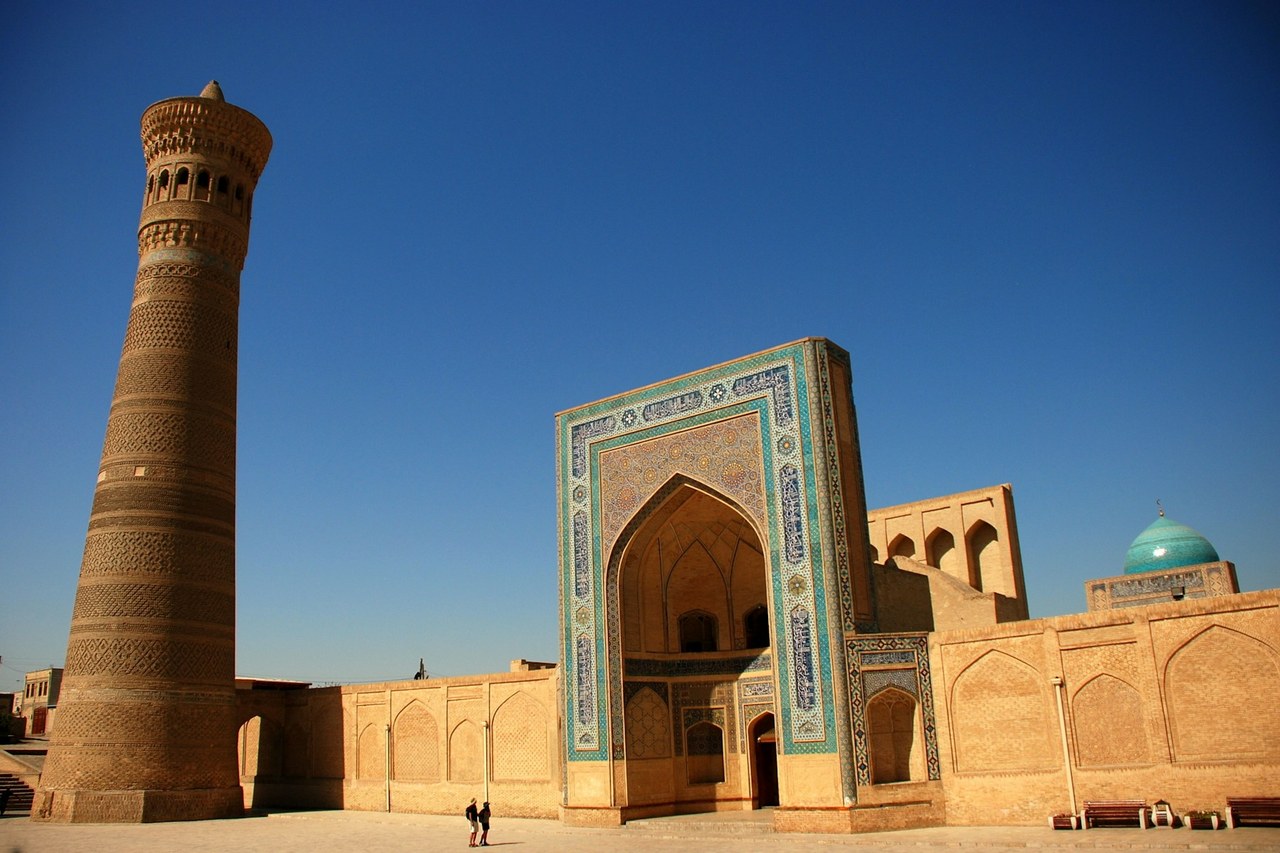
A living Silk Road museum of minarets, madrasas and trading domes, beautifully preserved and uncrowded.
- Best time to visit: April to May and September to October
- Daily budget (budget traveller): $30 to $60 USD
- Ideal trip length: 2 days
Bukhara is the most complete medieval city in Central Asia, a place where you can sleep in a centuries-old caravanserai and wake to the call of prayer echoing off turquoise domes. Where Samarkand dazzles, Bukhara enchants: its old town is a walkable maze of madrasas, trading domes and the soaring Kalyan Minaret that even Genghis Khan spared. Uzbekistan has thrown open its doors and is one of the world's fastest-rising destinations, still gloriously uncrowded. Joy Plus helps you read the layers of this Silk Road capital and pace a route through its monuments.
Bukhara is what happens when a city is allowed to keep its medieval skeleton. More than 140 protected monuments sit inside a few square kilometres of old town: madrasas with peeling turquoise tile, merchant domes that still sell scissors and silk, a 12th-century minaret that has stood since 1127. Nothing here is a reconstruction behind a ticket gate. Kids play football in the shadow of a thousand-year-old mausoleum, and the guesthouse you sleep in is probably a merchant's courtyard house with a vine over the table. Where Samarkand is a showpiece, Bukhara is a neighbourhood.
The whole thing is built around water and shade. Lyab-i Hauz, the stone-lined pool from 1620, is the living room: mulberry trees older than most countries, teahouses on every side, and a statue of Nasreddin Hoja on his donkey grinning at the tourists. From there everything fans out within fifteen minutes on foot. The Kalyan Minaret (46 metres, the one Genghis Khan allegedly refused to flatten), the Ark fortress where emirs ruled until the Red Army shelled it in 1920, and the Samanid Mausoleum from the 10th century, one of the oldest and most perfect brick buildings in Central Asia. The language on the street is a mix of Uzbek, Tajik and Russian, and plenty of locals will happily try English on you.
Practically, Bukhara is easy and cheap. A week is generous but not padded: three days for the old town, then day trips to the ceramics workshops of Gijduvan, the Naqshbandi pilgrimage complex and the last emir's summer palace. Cash matters more than you expect, and heat is the one real enemy, so build your days around early mornings and late evenings. Plan on UZS 375,000 to 575,000 a day (roughly $30 to $46) and you will eat well, sleep in a restored courtyard house and still have change for a carpet you did not plan to buy.
How many days in Bukhara?
For Bukhara, we recommend 2 days. With more time, add a day trip to Samarkand.
| Trip length | What you'll see | Itinerary |
|---|---|---|
| 2 days · Recommended | Lyab-i Hauz at dusk; Poi Kalyan and the trading domes | Bukhara in 2 days |
| 3 days | Adds: The Ark and the western monuments | Bukhara in 3 days |
| 4 days | Adds: Summer palace and craft workshops | Bukhara in 4 days |
| 5 days | Adds: Gijduvan ceramics day trip | Bukhara in 5 days |
| 7 days | Adds: Naqshbandi complex and a slow afternoon; Chor Minor, last tea | Bukhara in 7 days |
Bukhara itinerary
Arrive, settle, Lyab-i Hauz at dusk
Morning: Arrive on the Afrosiyob into Bukhara station in Kagan, about 15 km out. Yandex Go to your guesthouse (UZS 50,000-70,000). Drop bags, order a pot of green tea with your first breakfast.
Afternoon: Walk the lanes between Lyab-i Hauz and Taqi Zargaron without a plan. Peek into Nodir Divan-Begi Madrasa and the Kukeldash Madrasa. Rest through the worst heat.
Evening: Dinner at Minzifa, a courtyard restaurant a short walk from the pool. Then sit under the mulberry trees at Lyab-i Hauz until the lights come on.
Poi Kalyan and the trading domes
Morning: Be at the Kalyan Minaret by 8am, before the groups. Look into the Kalyan Mosque (small fee, check at the gate) and photograph Mir-i-Arab Madrasa from the courtyard, it is still a working school.
Afternoon: Walk the chain of covered bazaars: Toki Sarrafon, Toki Telpak Furushon, Taqi Zargaron. Lunch on plov nearby. Optional traditional hammam at Bozori Kord (UZS 100,000-200,000).
Evening: Dinner and folklore show at Nodir Divan-Begi (UZS 250,000-350,000), or tea at a Lyab-i Hauz terrace.
The Ark and the western monuments
Morning: The Ark opens around 9am, go straight in (UZS 60,000). Walk the ramparts and the emir's throne court. Then cross to Bolo Hauz Mosque with its slender carved wooden columns.
Afternoon: Samani Park for the Ismail Samani Mausoleum (small fee, 10th-century brick geometry). Then Chashma Ayub, the Job's Spring shrine next door.
Evening: Slow walk back via the Jewish quarter. Dinner at Wishbone, then tea and a stroll past the lit domes.
Summer palace and craft workshops
Morning: Yandex Go to Sitorai Mokhi-Khosa (UZS 20,000-30,000 each way), the last emir's palace, 5 km from the centre. Go at opening, the gardens are great before 10am.
Afternoon: Back in town, visit a goldwork (zardozi) or miniature-painting workshop around Taqi Telpak Furushon. Buy something small and honest, ask the price before you sit.
Evening: Sunset from a teahouse rooftop near Lyab-i Hauz, then dinner at Bella Italia if you want a break from plov.
Gijduvan ceramics day trip
Morning: Shared taxi or private driver to Gijduvan, about 45 km northeast. Visit the Narzullaev ceramics workshop and see wheel-throwers in action.
Afternoon: Pay respects at the mausoleum of Abdulkhalik Gijduvani. Lunch at a local oshxona. Buy a plate rather than a fridge magnet.
Evening: Back in Bukhara, early dinner, quiet night in the courtyard.
Naqshbandi complex and a slow afternoon
Morning: Taxi to the Bahouddin Naqshbandi memorial complex in Qasri Orifon, about 12 km east. Arrive before 10am, dress modestly, expect pilgrims.
Afternoon: Back for a siesta, then wander the Jewish quarter and the old synagogue. Buy dried fruit and halva at the market.
Evening: Dinner at Platan or a guesthouse terrace. Write postcards under the mulberry trees.
Chor Minor, last tea, depart
Morning: Walk to Chor Minor (small fee), the four-towered gatehouse hidden in the back streets. Climb the roof for a quiet view.
Afternoon: Final plov and samsa, last shopping at Taqi Zargaron. Collect bags and ride to the station or airport (BHK is only about 4 km from the centre).
Evening: Evening Afrosiyob to Samarkand or Tashkent, or fly out. Book the train a week ahead in spring and autumn.
Best neighbourhoods
- Lyab-i Hauz: The shaded plaza around an old pool, ringed by madrasas, mulberry trees and teahouses, the social heart of the old town.
- Poi Kalyan complex: The monumental ensemble of the Kalyan Minaret, mosque and Mir-i-Arab Madrasa.
- Trading domes: The covered bazaars (Toki) where Silk Road merchants once traded silk, spices and jewellery.
- The Ark area: Around the massive royal fortress at the edge of the old centre.
Must-do experiences
- Poi Kalyan & Kalyan Minaret: Stand beneath the 12th-century minaret so impressive that Genghis Khan reportedly ordered it spared.
- The Ark of Bukhara: Explore the colossal mud-brick fortress that was the seat of the city's emirs for centuries.
- Wander the trading domes: Shop for carpets, miniatures, scissors and spices beneath the old covered bazaars.
- Chor Minor: Seek out the charming little four-towered gatehouse tucked in the back streets.
Hidden gems
- The Bolo Hauz Mosque with its slender carved wooden columns reflected in a pool.
- Sitorai Mokhi-Khosa, the last emir's summer palace on the city's edge.
- Sunset over the rooftops from a teahouse terrace near Lyab-i Hauz.
- The Jewish quarter and old synagogue, a reminder of Bukhara's diverse past.
Daily budget
- Accommodation: budget UZS 110,000-250,000 / night (dorm bed or simple guesthouse room), mid-range UZS 600,000-1,100,000 (boutique courtyard double, breakfast included), splurge UZS 1,800,000+ (Poi Kalon Hotel, restored madrasa-style suites). Almost every guesthouse includes breakfast with eggs, bread, jam and tea. Ask for a room around the courtyard, street-facing rooms catch dawn prayer calls.
- Food: budget UZS 100,000-180,000 / day (samsa, plov, bread, tea), mid-range UZS 220,000-380,000 (Wishbone or Minzifa dinner plus a nice lunch), splurge UZS 450,000+ (set dinner with a folklore show at Nodir Divan-Begi). A big plate of plov at a local oshxona is UZS 35,000-60,000. Lunch is the main hot meal for locals, so eat your big meal then.
- Transport: budget UZS 15,000-40,000 / day (walk everywhere, one Yandex Go ride), mid-range UZS 60,000-120,000 (taxis to the summer palace and station), splurge UZS 600,000+ (private driver for Gijduvan and Naqshbandi in one day). The old town is walkable. Yandex Go rides inside Bukhara are usually UZS 12,000-25,000, but the station in Kagan is about 15 km out and costs UZS 50,000-70,000.
- Activities: budget UZS 80,000-150,000 / day (two or three monument tickets), mid-range UZS 200,000-400,000 (tickets plus a hammam and a craft workshop), splurge UZS 700,000+ (licensed private guide, embroidery or miniature masterclass). Typical entry fees are UZS 20,000-60,000 per site (Ark, Chor Minor, Samani Mausoleum). Lyab-i Hauz, the trading domes and Bolo Hauz Mosque are free to walk into. Cameras can carry a small extra fee.
- Drinks & nightlife: budget UZS 15,000-30,000 (pots of green tea at Lyab-i Hauz), mid-range UZS 60,000-120,000 (a couple of local Sarbast beers on a terrace), splurge UZS 200,000+ (wine with dinner and a rooftop sunset). Nightlife here means tea, lit-up domes and conversation. Most teahouses close by 11pm, and alcohol is served in restaurants but not at traditional chaikhanas.
Where to stay
- Social hostel in Jewish quarter (UZS 110,000-250,000 / night): Salom Inn and the other small courtyard guesthouses here have shared breakfasts, helpful owners and some dorm beds or very cheap singles. Two minutes from Lyab-i Hauz.
- Boutique hotel in Lyab-i Hauz (UZS 600,000-1,100,000 / night): Komil Boutique Hotel or Lyabi House, restored merchant houses with painted ceilings, courtyard breakfast, a 3-minute walk to the pool.
- Apartment in Mahalla behind Taqi Zargaron (UZS 400,000-800,000 / night): Short-let rooms or small houses in residential lanes, a kitchen, neighbours baking bread at dawn. Best for 5+ nights, but check the owner handles registration and airport pickup.
- Splurge in Poi Kalyan (UZS 1,800,000-3,200,000 / night): Poi Kalon Hotel sits beside the Kalyan Minaret, with courtyard dining and the best sunrise view in town. Wake to the minaret lit gold.
What to eat
- Plov, the rich rice, carrot and meat pilaf that is Uzbekistan's national dish
- Shashlik, char-grilled skewers of marinated meat
- Samsa, flaky baked pastries filled with meat or pumpkin
- Non, the round tandoor-baked bread, and green tea
Day trips
- Gijduvan ceramics village (45 km, about 1 hour): Home of the Narzullaev ceramics school, where families have thrown and glazed pots for generations. Watch the wheel, buy direct, then visit the mausoleum of the Sufi saint Abdulkhalik Gijduvani. Shared taxi from the Bukhara bus station, UZS 15,000-25,000 per seat, or a private driver for UZS 250,000-350,000 return with waiting.
- Bahouddin Naqshbandi memorial complex (12 km east, 20 minutes): The tomb and pilgrimage complex of the founder of the Naqshbandi Sufi order, set in gardens and quiet courtyards. Pilgrims come here in droves, go early and dress modestly. Yandex Go or a negotiated taxi, UZS 100,000-150,000 return with waiting. Entrance is by donation or a small ticket.
- Samarkand (270 km, 1h30 by train): Registan, Gur-e-Amir, Shah-i-Zinda and the Siab Bazaar. A heavy day but doable. Better as an overnight, but if you are short on time the train makes it work. Early Afrosiyob from Bukhara, UZS 150,000-220,000 each way, returning on a late-evening train. Check railway.uz for current times.
When to visit
- Spring (March to May): 12-28°C, sunny, brief rain in March, roses and blossom in April. Crowds: Moderate, busiest around Navruz (21 March) and early May. The best window together with autumn. Warm enough for courtyards, cool enough to walk all day. Book guesthouses early for April.
- Summer (June to August): 35-43°C, bone dry, shade temperature still brutal at 2pm. Crowds: Low, heat keeps most groups away. Doable only on a split schedule: sights 7 to 11am, nap, then out again after 6pm. Cheapest rooms of the year, and the pool at your guesthouse earns its keep.
- Autumn (September to November): Sept 28-33°C, Oct 15-26°C, Nov 6-15°C, clear skies. Crowds: Heavy in late September and October, thinning in November. Golden light on the brickwork, melons and pomegranates in the markets. October is the sweet spot, early November is quiet and still pleasant.
- Winter (December to February): -5 to 9°C, frost at dawn, occasional snow. Crowds: Very low. Bukhara under a dusting of snow is wonderful and empty, but some courtyard restaurants close and old guesthouses can be chilly. Check heating before booking. Ramadan falls in February and March, so some daytime eateries are quiet.
Entry rules for your passport
Visa rules for Uzbekistan depend on the passport you travel on. Check the official source before you book: Uzbekistan Ministry of Foreign Affairs
Getting there
Bukhara airport (BHK) is about 4 km from the old town, with flights from Tashkent (1h20, UZS 400,000-700,000), plus seasonal international routes. A Yandex Go ride to Lyab-i Hauz costs UZS 20,000-30,000. The Afrosiyob high-speed train is the classic way in: Samarkand to Bukhara takes about 1h30 (UZS 150,000-220,000), Tashkent about 4 hours (UZS 350,000-500,000). Book on railway.uz or through your guesthouse a week ahead in peak months. The station is in Kagan, about 15 km from the centre (25 to 30 minutes by road), so a taxi to the old town runs UZS 50,000-70,000, avoid the unmarked touts and use Yandex Go. The slower Sharq train and shared taxis are cheaper options. Khiva is roughly 450 km west by train via Urgench or shared taxi (6 to 7 hours).
Getting around
Bukhara's old town is small and entirely walkable, with nearly all the major sights within fifteen minutes of Lyab-i Hauz. Taxis and ride apps (Yandex Go) are cheap for reaching the train station or the summer palace. The high-speed Afrosiyob train links Bukhara to Samarkand and Tashkent comfortably.
Safety
Bukhara is very safe with low crime and hospitable locals. Standard precautions apply. Summers are extremely hot, so plan sightseeing for mornings and evenings. Carry some cash, as card acceptance is limited, and dress modestly when entering mosques and madrasas.
Solo travel tips
- Sit under the mulberry trees: Lyab-i Hauz is the easiest place on earth to meet people. Order tea, sit at the pool edge, and within twenty minutes someone will ask where you are from. Evenings are the best, when the whole town comes out.
- Pick a guesthouse with a shared courtyard: Salom Inn and other small guesthouses in the Jewish quarter put guests around one table for breakfast. That is your social life sorted. Ask the owner to book your train, taxi and Gijduvan driver, they do it for free.
- Never pay the first carpet price: Shop owners are friendly and persistent, but a polite no, thank you (rahmat, kerak emas) ends it. Taking tea does not oblige you to buy. Ask prices at two or three stalls in Taqi Zargaron before committing.
- Use Yandex Go, not street taxis: The app shows the fare upfront in som and works in English. Street drivers will quote double to the Kagan station. Save the app and a screenshot of your guesthouse address in Uzbek or Russian.
- Solo female travellers: Bukhara is calm and very safe for women alone. Dress modestly (covered shoulders and knees, a light scarf in your bag for mosques). You may get friendly curiosity, not harassment. Share Yandex rides at night and sit near the hotel family at dinner.
- Hire a guide for two hours, not two days: A licensed guide for the Kalyan complex and the Ark (UZS 250,000-400,000 for a short tour) turns blue-tiled blur into stories. Do the rest solo. Ask at your guesthouse, not on the street.
Cultural etiquette
- Greet with a hand on the heart and a quiet salom or assalomu alaykum. Shake hands with men, wait for women to offer theirs.
- Dress modestly. Shoulders and knees covered, and a light scarf for women entering mosques or shrines like the Naqshbandi complex.
- Remove shoes at the door when entering homes or guesthouse dining rooms. Look for the pile of shoes.
- Non (round bread) is sacred. Never place it upside down or throw it away, and break it by hand rather than cutting it.
- If a shopkeeper offers tea, accept it and chat, but never feel obliged to buy. A smile and rahmat ends it.
- Ask before photographing people, especially women and elders. Photographing worshippers inside mosques is disrespectful.
- Ramadan runs about 8 February to 9 March in 2027. Do not eat or drink in public during daylight, and expect shorter opening hours. Navruz (21 March) is a joyful public holiday.
Frequently asked questions
How many days do you need in Bukhara?
Two full days is ideal. The old town is compact, so a day covers the main monuments and a second lets you slow down for craft workshops, teahouses and the summer palace.
Is Bukhara safe for solo travellers?
Yes, very. Uzbekistan has low crime and exceptionally welcoming locals, and Bukhara's walkable old town makes it easy and comfortable for solo travel, including for women.
When is the best time to visit Bukhara?
Spring (April to May) and autumn (September to October) bring warm, comfortable days. Summers are scorching and winters cold, so the shoulder seasons are by far the most pleasant.
Do I need a visa to visit Bukhara, Uzbekistan?
Uzbekistan is visa-free for citizens of the EU, the UK and many other countries for up to 30 days, and some other nationalities use the simple online e-visa. Always check current rules before booking.
How do I get from Samarkand to Bukhara?
The high-speed Afrosiyob train links the two cities in around 1.5 to 2 hours and is comfortable and cheap. Book ahead in peak season, as seats sell out. Shared taxis are an alternative.
Is Bukhara expensive to visit?
It's excellent value, around $30 to $60 a day. Guesthouses in restored old houses are affordable, meals cost a few dollars, and monument entry fees are low.
Should I pay in cash or card in Bukhara?
Carry cash, as many guesthouses, restaurants and bazaars are cash-only. US dollars are easy to exchange, and ATMs exist but can be unreliable, so don't rely on cards alone.
Is Bukhara worth visiting?
Absolutely, it's one of the most atmospheric and complete medieval cities on the Silk Road, where you can wander centuries of history on foot. A highlight of Uzbekistan alongside Samarkand and Khiva.
Tours and activities in Bukhara | Bukhara in 2 days | Bukhara in 3 days | Bukhara in 4 days | Bukhara in 5 days | Bukhara in 7 days
Can't decide? Compare Bukhara with...
Joy Plus home | Destinations | Itineraries | Activities | Flights | Budget planner | Calendar | Map | Blog | Lifetime access