Destinations / Europe
Cadaqués, Spain travel guide
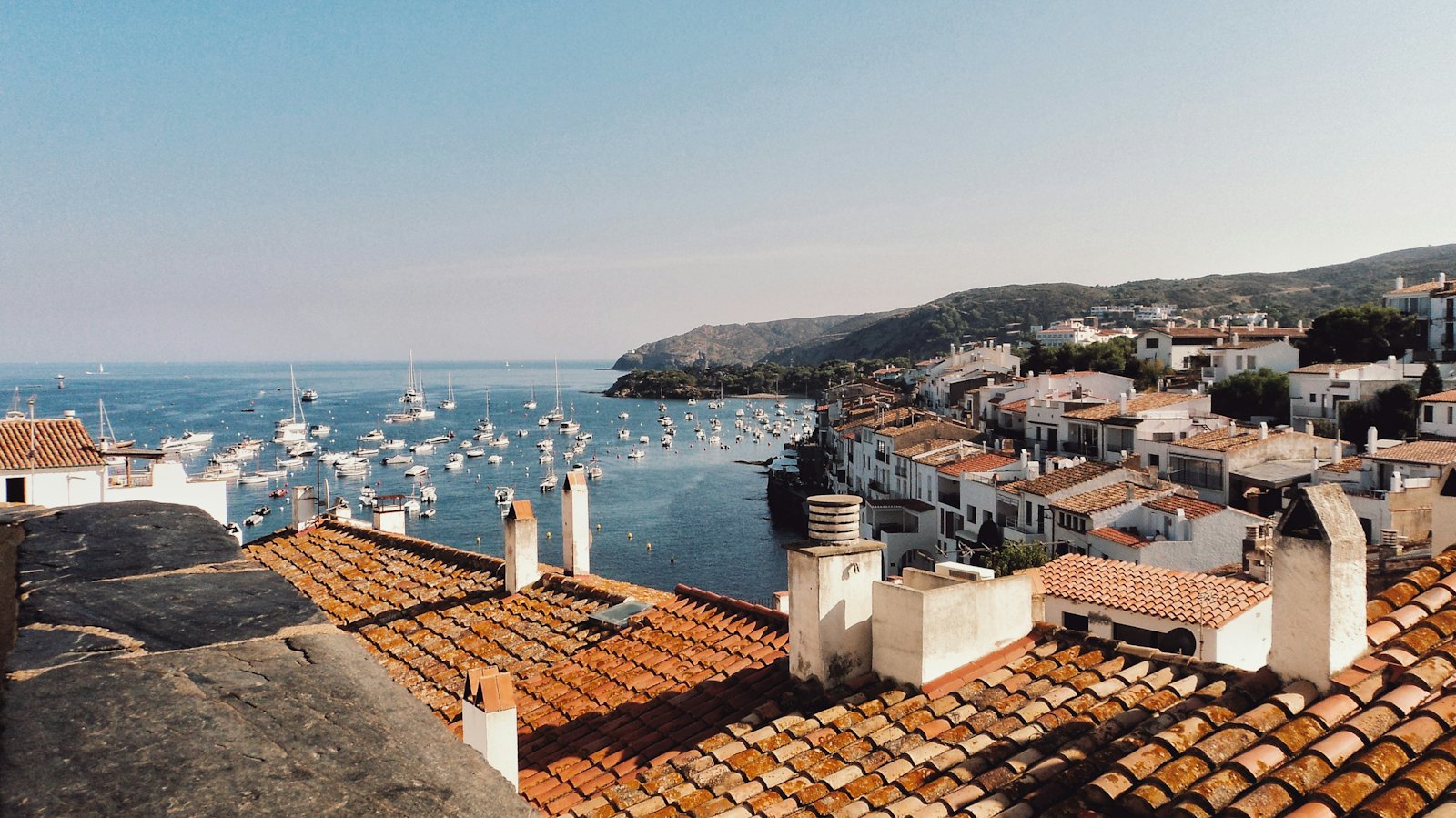
A white fishing village at the end of a winding road, with Dalí's house round the next bay, slate lanes up to a hilltop church and the rocky wilderness of Cap de Creus on the doorstep.
- Best time to visit: May to June and September to October
- Daily budget (budget traveller): $95 to $325 USD
- Ideal trip length: 3 to 5 days
Cadaqués sits on a small bay at the far northeastern corner of Catalonia, close to the easternmost point of mainland Spain. One slow, winding road comes in over the hills from Roses, and that is part of why it still feels apart from the rest of the Costa Brava. There are no big resorts. Instead you get white houses stacked up a hill, lanes paved with upright slate, fishing boats pulled up on pebble beaches and the church of Santa Maria at the top. Painters have come here for a century. Salvador Dalí spent his childhood summers here and later made his home in the next cove, Portlligat, where his house is now a museum. Around the village is the Cap de Creus Natural Park, a bare, wind-carved headland of coves and old walking paths that you can follow all the way to the lighthouse. Cadaqués is not cheap, and the beaches are rocky rather than sandy. But it is small, safe and easy to walk, and the bus from Barcelona drops you right in the village. In summer it is busy. In spring and autumn it is quiet, light and very easy to like.
Cadaqués is a village of about 3,000 people on a bay at the end of the Cap de Creus peninsula, in the far northeast of Catalonia. For a long time the only easy way in was by sea, and it still feels cut off. The road from Roses climbs over bare hills and drops down a run of hairpins, and suddenly there is the white village, the boats and the church on its hill. Painters found it early. Dalí's family spent summers here, and in 1930 he bought a fisherman's hut in Portlligat, the next cove along, and spent decades turning it into the strange, rambling house you can visit today. Writers, musicians and artists followed, and the village has kept a creative, slightly bohemian feel. It is not a cheap place, and the beaches are pebbles and rock. What you get instead is clear water, good walks straight from the door and a place that looks the same as it did in old photographs.
Logistics are easy once you know the pattern. Sarfa buses run direct from Barcelona Nord in about 2 hours 45 minutes for roughly €25-30, and there is a link from Figueres, which has fast trains from Barcelona. Book Dalí's house as soon as you have dates, because the small timed groups fill up. Base yourself in the old town or on the seafront if you want to walk to dinner and sunset, or in Es Llané or Portlligat if you want quiet. You do not need a car. In summer the road to Cap de Creus closes to private traffic during the day, and you either walk the 9km coast path or take the shuttle from the Corral d'en Morell car park.
Timing makes a big difference here. July and August are hot, full and expensive, with the most buses and everything open. May, June, September and early October are the sweet spot: warm sea by June, softer light, room on the paths and fewer people in the lanes. From November to March many places close, the bus timetable thins out and the Tramuntana wind can blow for days, but the village is calm and the walking is good. Catalan is the everyday language, and Spanish is understood by everyone. English is fine in hotels and most restaurants. Expect late meals, long lunches and very little nightlife beyond a few bars on the bay.
Cadaqués itinerary
Bus in and the old town
Morning: Take a morning Sarfa bus from Barcelona Nord (about 2 hours 45 minutes). Sit on the right for the views as the road drops into the bay. Walk down from the bus stop and drop your bags.
Afternoon: Late set lunch near the seafront, then climb the slate lanes to the church of Santa Maria to see the altarpiece and the view. Swim off Platja Gran.
Evening: Sunset drink outside Bar Boia, then a plate of seafood rice at Casa Nun. Early night, because tomorrow starts early.
Dalí's house and Portlligat
Morning: Walk over the hill to Portlligat (about 20 minutes) for your booked morning slot at Dalí's house. Arrive early to collect your tickets. The visit takes about an hour, including the olive grove.
Afternoon: Lunch in Portlligat, then swim off the small beach among the fishing boats. Walk back through the village and visit the Museu de Cadaqués if an exhibition is on.
Evening: Dinner at Es Baluard, built into the old town wall above the water. Ask for the rice or the catch of the day.
The coast path to Cap de Creus
Morning: Leave by 8am and follow the old coast path past Portlligat towards Cap de Creus, roughly 9km one way. Carry at least two litres of water, because there is almost no shade.
Afternoon: Swim at Cala Jugadora near the lighthouse, then lunch at the Restaurant Cap de Creus by the lighthouse. Walk the short Paratge de Tudela loop if you still have the legs, then ride the shuttle back.
Evening: Rest your feet. A simple supper of bread, anchovies and wine from the shops on your balcony, or tapas on the seafront.
Cala Nans and a slow day
Morning: Walk south from Es Llané along the bay to Sa Conca and on to the Cala Nans lighthouse. Allow a couple of hours there and back at an easy pace.
Afternoon: Swim at Sa Conca or back at Llané Petit, then a long lazy set lunch and a siesta.
Evening: Wander the old town lanes at dusk, when the day-trippers have gone. Drinks at the old Casino bar on the seafront.
Day trip to Figueres
Morning: Take the Sarfa bus to Figueres (about 1 hour 15 minutes, check times the night before). Visit the Dalí Theatre-Museum in your booked slot. Its red walls and egg-topped towers are hard to miss.
Afternoon: Lunch in Figueres, walk La Rambla and, if you have time, see the jewels collection that sits next to the museum. Catch an afternoon bus back.
Evening: Back in Cadaqués for a late swim. Treat yourself to Compartir if you have booked, as it is closed on Mondays, or eat cheaply and save for tomorrow.
Sant Pere de Rodes and El Port de la Selva
Morning: Public transport is patchy, so book a taxi or a hire car for the day. Go first to the Romanesque monastery of Sant Pere de Rodes, high on the hills above the sea.
Afternoon: Drive down to El Port de la Selva for a seafood lunch on the harbour and a swim. Fit walkers can do the old path between the two instead of driving.
Evening: Back for a farewell dinner on the Cadaqués seafront. Confirm your bus out tomorrow.
Last swim and leave
Morning: An early coffee on the bay and a last swim at Es Llané while the water is still calm.
Afternoon: Pick up some Empordà wine or anchovies to take home, then catch the Sarfa bus to Barcelona or Figueres. Allow plenty of time, because the twisty road can be slow.
Evening: Arrive in Barcelona, or connect at Figueres Vilafant to a high-speed train onwards.
Best neighbourhoods
- Old town (around Santa Maria): The steep lanes that climb from the seafront to the church of Santa Maria. Whitewashed houses, slate paving, bougainvillea and small galleries. Hostal Vehí sits right below the church. It is quiet at night, but the lanes are steep and cobbled, so travel light.
- Seafront and Platja Gran: The curve of the main bay, with the fishing boats, the Dalí statue, Bar Boia and the old Casino bar. Es Baluard and plenty of other restaurants are here. It is the busiest, most social part of the village and the best place to sit with a drink at sunset.
- Es Llané: The southern side of the bay, a flat 10-minute walk from the centre. It has two small beaches, Llané Gran and Llané Petit, and calmer hotels such as Hotel Llané Petit. It is also the start of the coast walk south to Sa Conca and the Cala Nans lighthouse.
- Portlligat: The next cove north, about 20 minutes on foot over the hill. Dalí's house is here, along with a small beach, fishing huts and a handful of places to stay. It is very quiet and makes a good base for an early start on the coast path to Cap de Creus.
- Es Pianc and Sa Riera: The northern edge of the centre, near the bus stop on Riera de Sant Vicenç. Supermarkets, Hostal Marina, Compartir and Hotel Playa Sol are here. It is handy if you arrive by bus with luggage and plan to self-cater.
Must-do experiences
- Visit Dalí's house in Portlligat: Dalí lived and worked here from 1930 until Gala died in 1982. It is a maze of small rooms, a studio, the egg-topped roof and an odd garden with its swimming pool. Visits are by timed booking only, in small groups. Book on the Dalí Foundation website as early as you can.
- Walk the coast path to Cap de Creus: The old path from Cadaqués to the lighthouse is roughly 9km one way, past Portlligat and a string of coves. Start early, carry water and swim at Cala Jugadora near the end. Take the shuttle bus back if your legs are done.
- Climb to the church of Santa Maria: Wander up through the old town's slate lanes to the white church at the top. Inside there is a huge gilded Baroque altarpiece, and outside the terrace looks over the whole bay. It is lovely early in the morning before the day-trippers arrive.
- See the rock shapes at Paratge de Tudela: This stretch of Cap de Creus, once a Club Med site, has been restored to nature. A short marked trail winds between wind-carved rocks that Dalí painted again and again. It is a walkers-only path, and the views over Cala Culip are superb.
- Walk to the Cala Nans lighthouse: A good half-day walk from Es Llané along the southern side of the bay. You pass small coves, including Sa Conca, and reach a little white lighthouse on the point. Take a swim stop and some lunch.
- Swim from the pebble coves: Cadaqués has no long sandy beach. Instead you swim from small pebble and rock coves with very clear water. Platja Gran is handy, Es Llané is calmer, and the coves along the paths are quieter still. Water shoes help a lot.
- Have a sunset drink on the seafront: Sit outside Bar Boia or the old Casino bar as the light drops behind the hills and the white houses turn pink. It costs a couple of drinks and is the best free show in the village.
Hidden gems
- The olive grove ticket at Dalí's house, a cheaper option (about €8) if the house slots are full, which still lets you see the garden, the installations and the bay
- Cala Jugadora, a small rocky cove about five minutes on foot from the Cap de Creus lighthouse, good for a swim after the long walk
- Sa Conca, a quiet cove on the path south towards Cala Nans with no road access, so it stays calmer than the village beaches
- Museu de Cadaqués, a small municipal museum in the old town that runs changing exhibitions, often on Dalí and the artists who followed him here
- The free Corral d'en Morell car park, starting point for the Cap de Creus shuttle and a useful tip if a friend drives you in
Daily budget
- Accommodation: budget €70-120 / night (simple hostal room), mid-range €150-250 (3-star hotel on the bay), splurge €300+ (seafront 4-star or boutique hotel in summer). There are no dorm hostels. Family-run hostals such as Hostal Vehí are the cheapest option. Prices jump in July and August, when many places want minimum stays. Catalonia's tourist tax is added per person per night, often paid at check-in.
- Food: budget €30-45 / day (bakery breakfast, set lunch, supermarket supper), mid-range €60-90 (café lunch and a seafood dinner), splurge €120+ (Compartir and long wine-led dinners). A weekday menú del dia (set lunch) is the best value, at roughly €18-25. Mains on the seafront run about €20-35, and rice dishes are often priced per person with a minimum of two. Prices are rough guides, so check menus.
- Transport: budget €0-7 / day (walking, Cap de Creus shuttle), mid-range €10-20 (bus to Figueres or Roses for a day trip), splurge €60+ (taxi or a hire car for a day). The Sarfa bus from Barcelona is roughly €25-30 each way. The Cap de Creus shuttle is about €7 return. Taxis are few and need booking. Parking in the village is limited and paid in summer.
- Activities: budget €0-10 / day (coast paths, coves, Santa Maria, Tudela), mid-range €15-25 (Dalí's house, a museum entry), splurge €50+ (boat trip or guided kayak around the cape). Dalí's house was €15.50 online in 2026, rising to €18.50 in July and August. The Figueres Theatre-Museum is roughly €21-23 if you book online. Most walks and beaches are free.
- Drinks & nightlife: budget €5-10 (a beer or vermouth on the bay), mid-range €20-35 (sunset drinks and a glass of wine with dinner), splurge €50+ (cocktails into the night in summer). A caña (small beer) costs roughly €3-4 and a glass of local wine €3-5. Nightlife is a few seafront bars that stay open late in summer, and things go very quiet in winter.
Where to stay
- Social hostel in Old town (€70-120 / night): Cadaqués has no dorm hostels. The nearest equivalent is Hostal Vehí, a small family-run hostal with 12 rooms just below the church of Santa Maria. It is simple, friendly and good value, but the lanes up to it are steep.
- Boutique hotel in Es Llané (€160-260 / night): Hotel Llané Petit is a 3-star hotel on a small beach about five minutes' walk from the centre, with a pool and breakfast overlooking the sea. It is calm, flat to reach and good for walkers heading south.
- Apartment in Portlligat or the upper village (€90-180 / night): A self-catering flat saves a lot on food in an expensive village, and longer stays often get a weekly discount. Look on the big booking platforms and check the stairs, parking and distance to the bus stop.
- Splurge in Es Pianc (seafront) (€250-450+ / night): Hotel Playa Sol sits on the bay a few minutes' walk from the centre, with sea views and a pool. It is a comfortable treat after long days on the paths. Book early for summer.
What to eat
- Suquet de peix: a Catalan fisherman's stew of local fish and potatoes in a saffron and almond sauce, found on most seafront menus
- Arròs negre and seafood rice: rice cooked with squid ink or with crab and shellfish, a speciality at places such as Es Baluard and Casa Nun
- Garoines: local sea urchins eaten raw with bread, at their best in the cooler months from about January to March
- Anxoves de L'Escala: salted anchovies from the next stretch of coast, served on pa amb tomàquet (bread rubbed with tomato and oil)
- Crema catalana: the local custard with a burnt sugar crust, the standard way to end a set lunch
- A glass of DO Empordà wine: reds, rosés and sweet garnatxa from the vineyards just inland, cheap by the glass in local bars
Day trips
- Figueres and the Dalí Theatre-Museum (About 1 hour 15 minutes by Sarfa bus): Dalí's home town and the museum he designed himself, in an old theatre with red walls and giant eggs on the roof. It is the biggest collection of his work and the core of any Dalí trip. Take the Sarfa bus from Cadaqués and check the return times before you go. Book a timed museum ticket online, roughly €21-23, and check opening days, as it closes on some days outside summer.
- Sant Pere de Rodes and El Port de la Selva (About 30-40 minutes by road): A huge Romanesque monastery high on the hills above the sea, with views over the whole cape. Afterwards, drop down to El Port de la Selva, a quieter fishing village with a long harbour and good seafood. Public transport is limited, so take a taxi or hire a car for the day. Fit walkers can walk the old path up from El Port de la Selva. Check the monastery's current hours and entry fee before you go.
- Púbol Castle (Gala Dalí Castle) (About 1 hour 15 minutes by car): The medieval castle Dalí gave to Gala, filled with her clothes, his furniture designs and odd touches like elephants on spider legs in the garden. It is calmer and more personal than Figueres. It is easiest by car. Without one, combine a train to Flaçà with a taxi or a long walk, and plan carefully. In 2026 the castle was closed from 7 January to 27 February, so check dates and book ahead.
When to visit
- Spring (April - May): 16-22°C, mostly dry, sea still cool. Crowds: Low, with busy Easter and spring weekends. Great walking weather, with flowers on Cap de Creus and quiet lanes. Check whether the lighthouse road is closed on your dates, as some spring weekends are restricted.
- Early summer (June): 22-27°C, sunny, sea warming up. Crowds: Moderate, rising towards the end of the month. Probably the best month overall. Long days, swimmable water and everything open, before the August crowds. Book Dalí's house early.
- High summer (July - August): 26-30°C, hot, warm sea. Crowds: Very busy, especially at weekends and in August. Lively and fun, but prices peak and the coves are crowded. Book everything ahead, walk early and expect the Cap de Creus road to be closed every day.
- Autumn and winter (September - March): September 22-26°C, falling to 9-15°C in winter, often windy. Crowds: Quiet after mid-September, very quiet in winter. September and early October are excellent. From November many places close, buses thin out and Dalí's house shuts from 7 January to 11 February, but walkers get the place to themselves.
Entry rules for your passport
Visa rules for Spain depend on the passport you travel on. Check the official source before you book: European Commission: Schengen visa policy
Getting there
The nearest big airports are Barcelona El Prat and Girona-Costa Brava. From Barcelona, Sarfa runs direct buses from Barcelona Nord bus station to Cadaqués in about 2 hours 45 minutes for roughly €25-30, and some services start at El Prat airport, taking around 3 hours 30 minutes. There are more buses in summer and fewer in winter, so check the timetable and book ahead in July and August. By train, take a high-speed service from Barcelona to Figueres Vilafant (about 55 minutes), or a slower regional train to Figueres, then the Sarfa bus to Cadaqués, which takes about 1 hour 15 minutes. From France, trains run to Figueres Vilafant from Perpignan and beyond. Driving, the last stretch from Roses over the hills is narrow and winding, and parking in Cadaqués is limited and paid in summer. A taxi from Figueres is an option if you miss the bus, but it is expensive, roughly €60-90. The Cadaqués bus stop is on Riera de Sant Vicenç, a few minutes' walk from the seafront.
Border checks: non-EU visitors (other than Swiss, Norwegian, Icelandic, Liechtenstein, Andorran, Monegasque, San Marinese and Vatican citizens, and holders of an EU residence permit or long-stay visa) are registered in the EU's Entry/Exit System (EES) instead of getting a passport stamp. On your first crossing, officers take your photo and/or fingerprints, so allow extra time at passport control. ETIAS, the planned travel authorisation, is not in operation yet, so don't pay any website for one.
Getting around
Cadaqués is small and best on foot. Most of what you want in the village is within a 15-minute walk, though the old town lanes are steep and the slate paving can be slippery. Wear shoes with some grip. Portlligat and Dalí's house are about 20 minutes' walk over the hill. For Cap de Creus, you can walk the coast path or take the road. On busy days the road from Cadaqués to the lighthouse is closed to private cars during the day. In 2026 that was daily from about 20 June to 13 September, from 9:30am to 9:30pm, plus selected spring dates and weekends. On those days a shuttle runs from the free Corral d'en Morell car park, with stops at Cala Guillola, the Tudela turn-off and the lighthouse car park, and costs roughly €7 return. Sarfa buses link Cadaqués with Figueres and Roses, but services are limited, especially in winter, so check times before you plan a day trip. Taxis exist but are few, and you need to book them ahead. You do not need a car in the village, and parking is tight and paid in summer. If you want to see more of the Empordà, hire a car for a day in Figueres rather than for your whole stay.
Safety
Cadaqués is very safe, and crime against visitors is rare. Watch bags on busy summer evenings on the seafront, but that is about it. The real risks are outdoors. The Tramuntana, a strong north wind, can blow hard for days, making the coast paths exposed and the sea rough, so check the forecast and do not swim on wild days. In summer the natural park can close paths when the fire risk is high, and fires and barbecues are banned. Carry plenty of water and sun cream on the Cap de Creus walk, because there is almost no shade. Coves are rocky, so wear water shoes and take care getting in and out. Jellyfish turn up some summers, and lifeguards will fly a flag. The road in from Roses is narrow and very twisty, so if you drive, take it slowly and avoid it after a drink. Emergency number: 112.
Solo travel tips
- Book Dalí's house before anything else: The house takes very small groups, so slots sell out, especially in summer and at weekends. Fix your date first, then plan your bus around it. If the house is full, the cheaper olive grove ticket is still worth it.
- Eat your big meal at lunchtime: The menú del dia is the best way to eat well alone without a big bill. Bar counters and terraces on the seafront are also easy places to eat solo, and nobody minds a single diner.
- Walk early and watch the wind: Start coast walks by 8am in summer, before the heat and the crowds. If the Tramuntana is blowing hard, pick a sheltered walk to the south or save it for another day.
- Pack light for the lanes: The old town is steep and paved with slate, and a big wheelie case is hard work. A backpack or small case makes arriving much easier, or ask your hostal about the nearest drop-off point.
- Safety for solo travellers: The village is very safe. The risks are heat, dehydration and slips on the rocks. Tell your host where you are walking, carry water and a charged phone, and stay out of the sea when the red flag is up.
- Check bus times every evening: Sarfa timetables change with the season and the day of the week. Check the next day's buses the night before any day trip, and buy tickets for the Barcelona route early in summer. Download offline maps for the cape, where signal is weak.
Cultural etiquette
- Catalan is the first language here. A 'bon dia' (good morning) and 'gràcies' (thank you) are noticed and appreciated, and Spanish is fine too.
- Meals run late. Lunch is roughly 1.30-3.30pm and dinner rarely starts before 8.30pm. Many kitchens close between services.
- Cover up when you leave the beach. Walking around the village or into shops in swimwear is frowned upon.
- Keep your voice down in the old town lanes at night. People live in these houses all year, and sound carries on the stone.
- Stay on the marked paths in Cap de Creus. Parts are a strict nature reserve, and leaving the trail, picking plants or moving stones is banned.
- Do not light fires or barbecues anywhere in the natural park, and respect path closures on high fire-risk days.
- Dress respectfully when you visit the church of Santa Maria, and keep quiet if a service is on.
Frequently asked questions
How do I get to Cadaqués from Barcelona?
Sarfa runs direct buses from Barcelona Nord bus station to Cadaqués in about 2 hours 45 minutes, with some services also calling at Barcelona airport (about 3 hours 30 minutes). Fares are roughly €25-30 one way. There are several departures a day in summer and fewer in winter, so book ahead in July and August. The bus stops at the top of the village on Riera de Sant Vicenç, a short walk from the seafront.
Do I need to book Dalí's house in advance?
Yes. Visits are by timed reservation only, in small groups, and slots often sell out days ahead in summer. Book on the official Dalí Foundation website. In 2026 the general online ticket for the house and olive grove was €15.50, or €18.50 in July and August. An olive-grove-only ticket was about €8. Arrive early for your slot, because late arrivals can lose their place.
When is Dalí's house closed?
It closes for winter from 7 January to 11 February. Outside summer it has generally opened Tuesday to Sunday, and in summer it opens daily with longer hours. There are also a few exceptional closure days, which in 2026 were 1 January, 8 June, 5 October and 25 December. Check the official calendar before you plan your trip around it.
Can I drive to the Cap de Creus lighthouse?
Not on busy days. In 2026 the road from Cadaqués to the lighthouse was closed to private vehicles from about 20 June to 13 September, from 9:30am to 9:30pm, and on some spring dates and weekends too. Cameras enforce it, so you risk a fine. Leave the car at the free Corral d'en Morell car park and take the shuttle, which costs about €7 return, or walk the coast path.
How many days do I need in Cadaqués?
Two nights covers the village, Dalí's house and Cap de Creus. Three to five nights gives you time for the coastal walks, a lazy swim day and a trip to Figueres. A week works well if you want to slow right down and add Sant Pere de Rodes and Púbol. A day trip from Barcelona is possible, but you spend more than five hours on the bus.
Is Cadaqués open in winter?
Yes, people live here all year, but it is much quieter. Many hotels, restaurants and boat trips close from around November to March, buses run less often and Dalí's house shuts from early January to mid-February. Winter can be mild and bright but also very windy. It suits walkers and anyone who wants the village to themselves.
Is Cadaqués good for solo female travellers?
Yes. It is small, well lit around the seafront and very safe, and walking home through the village at night is normal. The main precautions are outdoors: tell your host if you are walking the coast paths alone, start early, carry water and turn back if the Tramuntana is blowing hard.
What entry rules apply to Spain in 2026?
Spain is in the Schengen area. Many non-EU visitors can stay up to 90 days in any 180 without a visa, and the EU's Entry/Exit System now registers non-EU travellers at the border with fingerprints and a photo. The ETIAS travel authorisation for visa-exempt visitors was planned to start in late 2026. Rules vary by nationality and change, so check the official EU and Spanish government sites before you book.
More about Cadaqués
Tours and activities in Cadaqués | Cadaqués in 2 days | Cadaqués in 3 days | Cadaqués in 4 days | Cadaqués in 5 days | Cadaqués in 7 days
Joy Plus home | Destinations | Itineraries | Activities | Flights | Budget planner | Calendar | Map | Blog | Lifetime access