Destinations / Europe
Cagliari, Italy travel guide
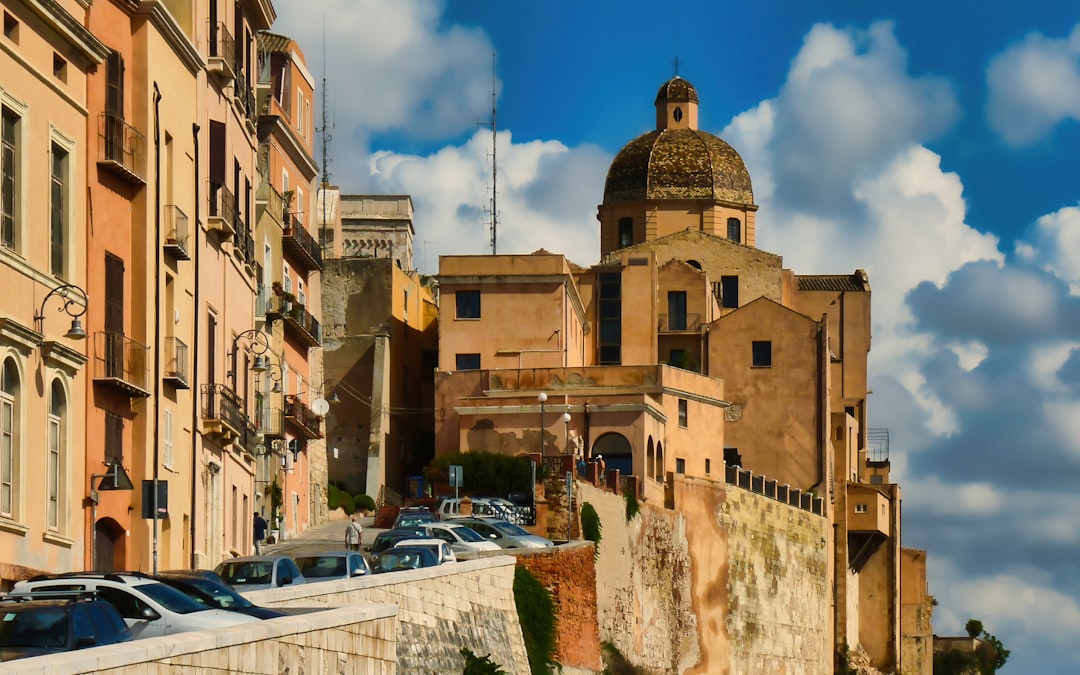
Sardinia's limestone capital: a citadel over the sea, flamingo lagoons, and Poetto beach.
- Best time to visit: May-June and September-October
- Daily budget (budget traveller): $110 to $190 USD
- Ideal trip length: 4 to 6 days
Cagliari stacks up a hillside in pale limestone, with the walled Castello quarter looking out over a harbour, salt lagoons full of flamingos and eight kilometres of city beach at Poetto. It is a working Sardinian capital rather than a resort, so the markets, aperitivo and seafood are for locals first. Joy Plus uses it as a base for the southern coast without turning it into a checklist.
Cagliari does not perform for you. It is a working Sardinian capital of about 150,000 people, stacked up a limestone hill, with a walled citadel on top, a grid of trattorias and churches at the bottom, and a lagoon full of flamingos between the centre and the beach. Office workers eat fregola at 1pm, the San Benedetto fish market empties by 2pm, and on weekday evenings the Marina quarter fills with people in no hurry to go home. Most visitors fly in and immediately drive off to a resort. The ones who stay a few days find the best-value city break in the Western Mediterranean.
The geography does half the planning for you. Castello is a steep, car-free climb with the cathedral, the Cittadella dei Musei and the Bastione di Saint Remy terrace. Marina and Villanova below it handle eating and drinking. Stampace holds the Roman amphitheatre and botanical garden. Poetto, eight kilometres of pale sand, is a 20-minute bus ride away, with the Molentargius salt pans and their resident flamingos on the way. Then come the day trips: Phoenician-Roman Nora on a headland, the white dunes of Chia, and the turquoise coves around Villasimius. A car for two of your days opens up the whole south coast.
Cagliari is also cheap by Italian standards. A pasta lunch is €10 to €14, a spritz with snacks €6, a Poetto bus ride €1.50, and a sea-view bastion costs nothing. Go in late spring or early autumn, when the sea is swimmable, kiosks are open and Castello is not an oven. Expect a long Sardinian lunch, a shuttered afternoon, and an aperitivo that quietly turns into dinner. Plan around Sunday closures and the August crush, and you will find a city that rewards slowing down.
How many days in Cagliari?
For Cagliari, we recommend 4 to 6 days. With more time, add a day trip to Su Nuraxi di Barumini.
| Trip length | What you'll see | Itinerary |
|---|---|---|
| 2 days | Marina and the Bastione at sunset; Castello: cathedral, towers and the archaeological museum | Cagliari in 2 days |
| 3 days | Adds: San Benedetto market, Stampace and Villanova | Cagliari in 3 days |
| 4 days · Recommended | Adds: Poetto, flamingos and Sella del Diavolo | Cagliari in 4 days |
| 5 days · Recommended | Adds: Car day one: Nora, Pula and Chia | Cagliari in 5 days |
| 7 days | Adds: Car day two: Villasimius coves; Bonaria, slow breakfast | Cagliari in 7 days |
Cagliari itinerary
Arrive, Marina and the Bastione at sunset
Morning: Land at Cagliari Elmas (CAG). Take the train to Cagliari Centrale, about 10 minutes and roughly €2.50. Drop bags and have an espresso under the arcades on Via Roma.
Afternoon: Walk Piazza Yenne, then the Marina grid along Via Sardegna and Via Sassari. Stop at a pizzeria or bakery for a slice. Rest during the 2 to 4pm shutdown.
Evening: Climb the stairs from Piazza Costituzione to the Bastione di Saint Remy for sunset, then a spritz at Antico Caffè. Dinner at Trattoria Lillicu on Via Sardegna (book ahead, closed Sundays).
Castello: cathedral, towers and the archaeological museum
Morning: Be in Castello by 9am before the heat. Cattedrale di Santa Maria is free and the pulpit is worth seeing. Then climb the Torre di San Pancrazio from 10am for the 360-degree view.
Afternoon: Museo Archeologico Nazionale in the Cittadella dei Musei, about €7, for the Nuragic bronzetti and Monte Prama giants (closed Mondays). Late lunch at Antica Hostaria on Via Cavour.
Evening: Walk the Bastione Santa Croce terrace at golden hour, then dinner in Villanova. Order culurgiones and finish with a mirto.
San Benedetto market, Stampace and Villanova
Morning: San Benedetto market from 8am (Mon to Sat, shuts about 2pm). Fish on the lower floor, cheeses and cured meats upstairs. Grab fruit and pecorino for a picnic.
Afternoon: Anfiteatro Romano in Stampace (about €5, check guided slots), then the Orto Botanico for shade. Siesta hour, then wander Villanova's flower-lined lanes.
Evening: Aperitivo on Via Sassari or around Piazza Yenne, then fregola with clams at a Marina trattoria.
Poetto, flamingos and Sella del Diavolo
Morning: Walk from Calamosca beach up the Sella del Diavolo headland trail for sea views (bring water, start before 10am). Swim at Calamosca after.
Afternoon: Bus PF from Piazza Matteotti to Poetto. Rent a sunbed (€15-25) near a kiosk or lay a towel on the free stretch. Lunch at a beach kiosk.
Evening: Walk or cycle the Molentargius path for flamingos at golden hour, then bus back for dinner.
Car day one: Nora, Pula and Chia
Morning: Pick up a rental car at the airport and avoid the ZTL on the way out. Reach Nora, about 40 minutes, at opening. Swim off the ruins' beach before the tour groups.
Afternoon: Lunch in Pula (fregola, grilled fish). Continue to Chia and the Su Giudeu dunes.
Evening: Sunset at the Torre di Chia, then drive back before dark, since rural roads are unlit.
Car day two: Villasimius coves
Morning: Drive to Villasimius (about 1 hour). Start at Porto Giunco and the Torre di Porto Giunco, walking toward the pink lagoon.
Afternoon: Beach time at Simius or Cala Caterina. Optional boat to Isola dei Cavoli (about €25-35).
Evening: Return the car. Last big dinner: seafood in Marina or sea urchin pasta in winter.
Bonaria, slow breakfast, depart
Morning: Basilica di Bonaria on its hill (cover shoulders), then a slow breakfast with a pastry from a Villanova bakery.
Afternoon: One last lunch, buy bottarga and pecorino at the market stalls or airport duty-free for gifts.
Evening: Train to Elmas, 10 minutes, or a taxi for €25-30.
Best neighbourhoods
- Castello: The walled hilltop citadel: cathedral, bastions, museums and the best views in the city.
- Marina: The narrow grid below the walls, packed with trattorias, wine bars and small churches.
- Villanova: A quieter residential old quarter with flower-lined lanes and artisan workshops.
- Stampace: Home to the Roman amphitheatre, botanic gardens and everyday neighbourhood bars.
- Poetto: The long city beach and lagoon side, with kiosks, paddle-boarding and summer nightlife.
Must-do experiences
- Bastione di Saint Remy: Climb to the terrace for the panorama over rooftops, port and the Gulf of Angels.
- Poetto beach: Ride the bus out for shallow turquoise water, kiosk lunches and evening drinks.
- Molentargius flamingos: Walk or cycle the salt-pan reserve between city and beach for resident pink flocks.
- Nora archaeological site: Drive 40 minutes to Phoenician-Roman ruins built right on a swimming beach.
Hidden gems
- The Roman amphitheatre carved straight into the rock in Stampace, only partly open to visitors while it awaits restoration, so check the hours.
- Orto dei Cappuccini, a hidden terraced garden with one of the best free viewpoints.
- Pardulas and other Sardinian sweets from tiny Villanova bakeries.
- The rooftop of the Bastione Santa Croce at sunset, less busy than Saint Remy.
Daily budget
- Accommodation: budget €25-40 / night (hostel dorm, Hostel Marina), mid-range €100-160 (boutique double, Hotel Miramare or T Hotel), splurge €280+ (Palazzo Doglio in Castello, or Forte Village 45 min south). Add a city tax of a couple of euros per person per night. August can double mid-range prices.
- Food: budget €25-35 / day (focaccia, pizza €8-11, market lunch), mid-range €50-75 (pasta lunch plus a seafood dinner), splurge €110+ (Dal Corsaro tasting menu or a long fish dinner). Lunch is the value meal. Expect a €2 coperto per person at sit-down restaurants and budget for it.
- Transport: budget €3-5 / day (CTM bus tickets, about €1.50 each), mid-range €15-30 (taxis at night plus an ARST bus to Pula), splurge €60-90 (rental car for a coast day, fuel and parking). Walk the centre. Rent a car for two days only. Castello and parts of Marina are limited traffic zones (ZTL), so park outside them.
- Activities: budget €5-15 / day (Bastione and flamingos free, Torre di San Pancrazio about €4), mid-range €25-45 (archaeological museum, Nora ticket about €10, sunbed €15-25), splurge €100+ (boat to Isola dei Cavoli, private guide to Su Nuraxi). Most churches, bastion terraces and Poetto itself are free. The Museo Archeologico is closed Mondays.
- Drinks & nightlife: budget €8-12 (Ichnusa beer €3-4, spritz €5-6 at a bar counter), mid-range €25-40 (Marina aperitivo crawl, Vermentino by the glass), splurge €70+ (cocktails at a Poetto beach club, late night). Aperitivo spritzes often come with free nibbles. Standing at the bar is cheaper than sitting in Piazza Yenne.
Where to stay
- Social hostel in Marina (€25-45 / night): Hostel Marina is steps from the harbour and the restaurants, with mixed dorms, private rooms and a relaxed common area. Easy to meet people without an enforced pub crawl.
- Boutique hotel in Marina and Via Roma (€100-170 / night): Hotel Miramare on Via Roma is a historic harbour-front building with a classic feel, and T Hotel is a modern design option near the opera house. Both are walkable to Castello and the station.
- Apartment in Villanova or Stampace (€65-110 / night): Quiet residential streets, a washing machine and a small kitchen for market shopping. Best value for 5+ nights, and cooler at night than the Marina.
- Splurge in Castello (€280-500 / night): Palazzo Doglio sits inside the old citadel with views and a quiet address after day-trippers leave. For full resort mode, Forte Village is 45 minutes south toward Pula.
What to eat
- Fregola with clams, Sardinia's toasted pearl pasta
- Culurgiones, potato-and-mint dumplings pinched like a wheat ear
- Sea urchin (ricci) pasta in late winter and early spring
- Vermentino di Sardegna and a shot of mirto to finish
Day trips
- Nora and Pula (35km, about 40 min by car): Phoenician-Roman ruins on a headland, with a theatre, mosaics and a small beach beside the site. Combine it with lunch in Pula and a swim. ARST bus from Piazza Matteotti to Pula (about 1 hour, a few euros), then local transfer or taxi to Nora. Driving is easier. Entry is about €10.
- Villasimius and the Capo Carbonara coast (50km, about 1 hour by car): White sand and clear water at Porto Giunco, Simius and Cala Caterina, plus boat trips to Isola dei Cavoli. This is the closest thing to a Caribbean day from Cagliari. ARST bus from Piazza Matteotti (about 1.5 hours, around €4, reduced in winter), or a rental car. Arrive before 10am in summer for parking.
- Su Nuraxi di Barumini (60km, about 1h15 by car): UNESCO Bronze Age stone fortress. The guided tour (around €12) explains the Nuragic civilisation that shaped Sardinia before the Romans. Drive via the SS131 north. ARST buses exist but are limited, so a rental car or small-group tour is best. Book guided slots ahead in high season.
When to visit
- Spring (April to June): 17-27°C, mostly sunny, sea 16-23°C, short showers in April. Crowds: Building, comfortable until mid-June. The best window. Wildflowers on the headlands, kiosks open by late May, and the Sant'Efisio procession (1 to 4 May) fills the streets with costumes and horses. Swimming is bracing until June.
- Summer (July to August): 30-36°C, dry, humid in the Marina, strong sun on Castello stone. Crowds: Heavy, Italian holiday season peaks around Ferragosto (15 August). Beach weather, but prices spike, Poetto is packed and many city restaurants close for a week or two. Do Castello at 8am or after 7pm, and book beach car parking early.
- Autumn (September to October): 22-30°C in September, 20-24°C in October, sea still 22-25°C. Crowds: Moderate, drops fast after the first week of October. The locals' favourite. Warm sea, quiet coves, empty tables at Lillicu, and hotel rates 30 to 40 percent below August. Some beach services start closing mid-October.
- Winter (November to March): 9-16°C, some rain, occasional bright cold days. Crowds: Very low. Cheapest rooms and the best time for museums, markets and sea urchin pasta (ricci, November to April). Poetto is a walk, not a swim, and many coastal places shut.
Entry rules for your passport
Visa rules for Italy depend on the passport you travel on. Check the official source before you book: European Commission: Schengen visa policy
Getting there
Cagliari Elmas (CAG) is about 7km from the centre and the easiest way in. Trains from Elmas station run to Cagliari Centrale in around 10 minutes for roughly €2.50, but check the timetable since frequency is lower late at night. A taxi to the centre costs about €25-30. There are direct flights from Rome, Milan, Bologna and Turin, and seasonal links from London, Paris, Frankfurt and Madrid on Ryanair, easyJet and ITA. Overnight ferries (Tirrenia, GNV, Grimaldi) arrive from Civitavecchia, Naples, Genoa and Palermo, from about €40-90 for a seat, more for a cabin, and are a fun way in if you are bringing a car. Within the island, ARST buses leave from the Piazza Matteotti terminal, and the train station sits beside it.
Border checks: non-EU visitors (other than Swiss, Norwegian, Icelandic, Liechtenstein, Andorran, Monegasque, San Marinese and Vatican citizens, and holders of an EU residence permit or long-stay visa) are registered in the EU's Entry/Exit System (EES) instead of getting a passport stamp. On your first crossing, officers take your photo and/or fingerprints, so allow extra time at passport control. ETIAS, the planned travel authorisation, is not in operation yet, so don't pay any website for one.
Getting around
Cagliari Elmas airport is 15 minutes from the centre by train or shuttle. The old town is walkable but steep, with public lifts easing the climb into Castello when they are running. City buses cover Poetto cheaply, and a light-rail line serves the northern suburbs. A rental car is worth it for two or three days to reach Chia, Villasimius and Nora, though parking in the centre is limited and mostly paid blue-line spaces.
Safety
Cagliari is a safe, relaxed city where the main risks are pickpocketing in the Marina crowds and car break-ins if you leave bags visible at beach car parks. Summer heat is intense, so keep the Castello climb for morning or evening. Beaches south of the city can have strong currents on windy days, and jellyfish appear in late summer. Rural roads to the coast are narrow and unlit at night.
Solo travel tips
- Do aperitivo at the bar: From about 6pm, bars in Marina put out nibbles with a spritz. Stand at the counter, order a Vermentino, and you will be chatting with a local within ten minutes.
- Hostel pick: Hostel Marina: Hostel Marina sits in the heart of Marina and is the easiest place to meet other travellers. Ask the front desk for which bus to take to Poetto and where the best pizza is.
- Respect the siesta and the Sunday gap: Shops and many kitchens close roughly 1:30 to 4:30pm, and the market is shut on Sundays. Book a Sunday dinner, and plan beach or museum time for the dead hours.
- Take the bus to Poetto, solo-friendly: PF and PQ run from Piazza Matteotti, and Poetto is busy enough that being alone is normal. Buy tickets at a tabaccheria for about €1.50 and validate on board.
- Solo female travellers: Cagliari is calm and safe for women alone, including at night around Marina. Keep to lit streets in Stampace after 11pm, watch bags in the busy Via Roma arcades, and take taxis from the stand on Piazza Matteotti rather than flagging.
- Join a day tour for the nuraghi: Su Nuraxi di Barumini is awkward by bus. A small-group tour (about €45-70) is the easiest way to see it and meet people, otherwise rent a car for a half day.
Cultural etiquette
- Say buongiorno when entering shops and cafés. Sardinians are proud of their island identity, so a try at salude or a thank-you in Sardinian goes down very well.
- Expect a coperto of about €2 per person at sit-down restaurants. Service is not included, so leave a euro or two or round up.
- Lunch is 1 to 3pm and dinner starts around 8pm. Kitchens may be shut between, so do not expect a hot meal at 5pm.
- Cover shoulders and knees in churches such as Bonaria and the cathedral.
- Do not take sand, pebbles or shells from beaches. Sardinia fines this, up to thousands of euros, and airports check.
- Cappuccino after lunch gets a look. Order an espresso, a caffè macchiato, or a mirto instead.
- Respect the Sant'Efisio procession in early May, when roads close and people line the route in traditional dress. Do not cross the line of horses or the cart.
Frequently asked questions
How many days do you need in Cagliari?
Four to six days works well. Two days cover Castello, the Marina, the markets and Poetto beach, one is for Nora and the southern coast, one for Villasimius or Chia, and any extra time for Barumini's nuraghe or a slower beach day. Two days is enough only if you skip the coast entirely.
Is Cagliari worth visiting?
Yes, especially if you want a real Italian city alongside Sardinian beaches. It has a dramatic hilltop old town, an excellent archaeological museum, a genuine food scene built around fregola and seafood, and an eight-kilometre beach reachable by city bus. It is also the cheapest and best-connected base for southern Sardinia.
When is the best time to visit Cagliari?
May, June, September and October give warm sea, open beach kiosks and comfortable sightseeing temperatures. July and August are hot and busy with Italian holidaymakers, and prices peak in mid-August. Winter is mild and very quiet, good for the city and museums but with most beach services closed.
How do you get to Poetto beach from Cagliari?
Poetto is about 20 minutes from the centre. City buses PF and PQ run frequently from Piazza Matteotti to the beachfront, tickets cost a couple of euros and are cheaper bought in advance at tobacconists. Cycling along the Molentargius lagoon path is a pleasant alternative, and taxis take around ten minutes.
Do you need a car in Cagliari?
Not for the city itself, which is walkable and bus-served. A car becomes useful for day trips to Nora, Chia, Villasimius and inland nuraghi, where public transport is slow or seasonal. Many visitors rent for two or three days mid-trip rather than the whole stay, since central parking is scarce and paid.
What food is Cagliari known for?
Sardinian specialities dominate: fregola with clams, culurgiones dumplings, malloreddus pasta with sausage ragu, roast suckling pig, and paper-thin pane carasau bread. Seafood is strong in the Marina district, and San Benedetto market, one of Italy's biggest fish markets, is trading from temporary premises on Piazza Nazzari while its hall is rebuilt. Vermentino white wine and mirto liqueur round out most meals.
Is Cagliari expensive?
It is noticeably cheaper than Sardinia's Costa Smeralda and most mainland Italian tourist cities. Budget around $110 to $190 a day for a mid-range trip including a hotel, meals out and some car hire. August pushes accommodation up sharply, while May and October offer fine beach weather at much lower rates.
More about Cagliari
Tours and activities in Cagliari | Cagliari in 2 days | Cagliari in 3 days | Cagliari in 4 days | Cagliari in 5 days | Cagliari in 7 days
Can't decide? Compare Cagliari with...
Joy Plus home | Destinations | Itineraries | Activities | Flights | Budget planner | Calendar | Map | Blog | Lifetime access