Destinations / Europe
Catania, Italy travel guide
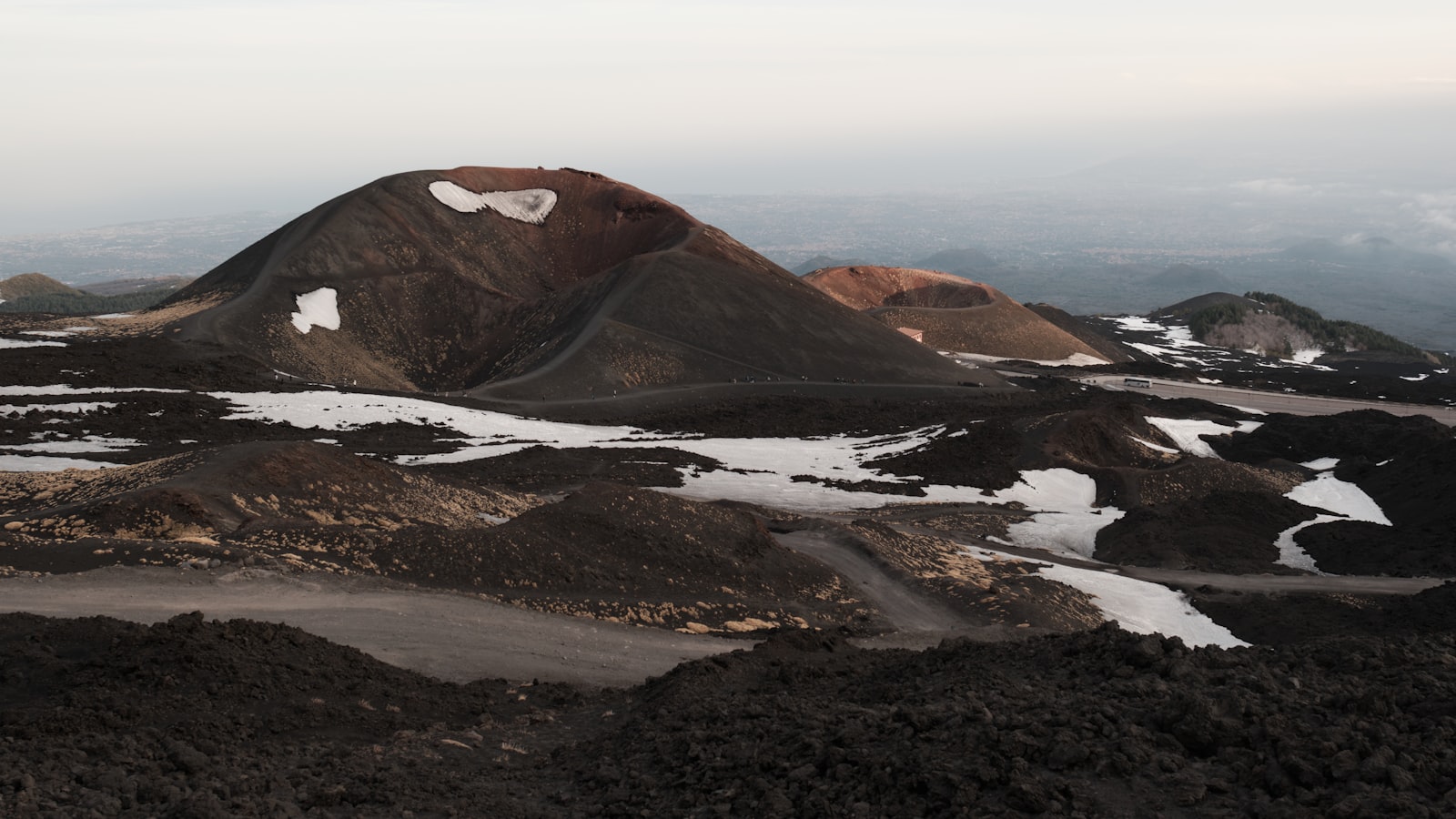
Sicily's gritty baroque port. Lava-stone streets, a thunderous fish market and Mount Etna looming above.
- Best time to visit: April-June & September-October
- Daily budget (budget traveller): $70 to $150 USD
- Ideal trip length: 2 to 4 days
Catania is Sicily's raw, vibrant second city, built from black volcanic stone beneath the smoking peak of Mount Etna. Rebuilt in dramatic baroque after eruptions and earthquakes, it pulses with one of Europe's great street-food cultures, a thunderous morning fish market, lively piazzas and a youthful energy. It's the gateway to Etna's lava landscapes, the Ionian coast and the beautiful baroque towns of the southeast. Joy Plus pairs the city's gritty charm with Etna and the surrounding sights.
Catania is built from the thing that keeps trying to destroy it. The 1693 earthquake flattened the city, and it was rebuilt in black basalt and pale limestone. Streets run in straight lines so people could flee, and the baroque facades were designed to stay up when the ground moved. Mount Etna sits at the end of Via Etnea like a smoking billboard. Some mornings the pavements are dusted with fine grey ash and the locals just sweep it off the car windscreens. This is a working city of about 300,000 people with a big university, a rough edge and a very serious appetite. It is not Taormina and it does not try to be.
The best way to read Catania is through your stomach. La Pescheria, the fish market behind Piazza del Duomo, runs Monday to Saturday from about 7am to 2pm, and the vendors still sing their prices (the abbanniata). Arancini here are conical, a nod to Etna. Breakfast is granita with a warm brioche col tuppo, and the city's signature pasta is alla Norma, named after Bellini's opera. Lunch is long, dinner starts after 8:30pm, and a coffee at the bar counter costs about €1.20. Cheap eats are everywhere: a cartocciata or cipollina for €2 to €3, a sandwich at Fud Bottega Sicula for about €8 to €10.
Use Catania as a base. Etna, Taormina, Syracuse and Ortigia, and the lava-black coast at Aci Castello and Aci Trezza are all reachable by public transport on a day return. The airport is only 5km from the centre, so you can be at a granita counter within 40 minutes of landing. Plan around the volcano, though. Etna ash occasionally closes Fontanarossa airport for a few hours, so keep your last day flexible. The city centre is flat and walkable, apart from a few steep lava-stone lanes near Via Crociferi. Wear shoes with grip, because polished basalt is slippery when wet.
How many days in Catania?
For Catania, we recommend 2 to 4 days.
| Trip length | What you'll see | Itinerary |
|---|---|---|
| 2 days · Recommended | Duomo and Via Etnea; La Pescheria and baroque Catania | Catania in 2 days |
| 3 days · Recommended | Adds: Mount Etna | Catania in 3 days |
| 4 days · Recommended | Adds: Syracuse and Ortigia day trip | Catania in 4 days |
| 5 days | Adds: Taormina | Catania in 5 days |
| 7 days | Adds: Lava coast: Aci Castello and Aci Trezza; Fera o Luni, Benedictines | Catania in 7 days |
Catania itinerary
Arrive, Duomo and Via Etnea
Morning: Land at CTA (5km from town). Take Alibus 457 (€4, about 25 min) to the centre and drop bags. Granita and a warm brioche at Caffè Europa on Via Etnea.
Afternoon: Walk Via Etnea down to Piazza del Duomo. Check out the Elefante fountain, the Cattedrale di Sant'Agata and Via Crociferi. Cool off in the shade of Villa Bellini gardens (free).
Evening: Dinner at Osteria Antica Marina, a block from the fish market. Pasta alla Norma or grilled fish, about €25 to €35 with wine. Bed by 11pm, you have an early start.
La Pescheria and baroque Catania
Morning: Be at La Pescheria by 7:30am (closed Sundays). Watch the stalls, buy nothing, then breakfast at Pasticceria Savia on Via Etnea, with arancino al burro and cartocciata, about €6.
Afternoon: Teatro Romano and the Odeon (about €6), then the Roman Amphitheatre in Piazza Stesicoro. Siesta in the shade.
Evening: Aperitivo around Piazza Bellini near the Teatro Massimo Bellini. Dinner at a trattoria on Via Penninello, then a drink on Via Alessi.
Mount Etna
Morning: AST bus at 8:15am from Piazza Giovanni XXIII by the station, about €7 return. Arrive at Rifugio Sapienza (1,900m) around 10am, take the cable car (about €50 return) and the guided 4x4 section to 2,900m (about €85 in total).
Afternoon: Walk the Silvestri Craters near Sapienza if you skip the summit. Lunch at the rifugio (panino €8, coffee €2). AST bus back at 4:30pm.
Evening: Easy dinner near your hotel. Fud Bottega Sicula for a big Sicilian sandwich. Layer up, the summit is 10 to 15°C colder than town.
Syracuse and Ortigia day trip
Morning: Regional train from Catania Centrale to Siracusa (about 1h10, around €8). Walk to the Neapolis archaeological park (Greek theatre and Ear of Dionysius, about €10 to €13).
Afternoon: Cross the bridge to Ortigia. Lunch at Fratelli Burgio deli on Piazza Cesare Battisti, wander the market and Fonte Aretusa, then see the Duomo, built into a Greek temple.
Evening: Gelato on Ortigia's waterfront, then a train back. Check the last departure, it is usually before 10pm.
Taormina
Morning: Train to Taormina-Giardini (about 50 min, around €5), then local bus up to town. Alternatively, Interbus from Via D'Amico by the station.
Afternoon: Teatro Antico (about €10 to €15), Corso Umberto and the Giardini della Villa Comunale. Granita in a shaded café.
Evening: Early train back. Late dinner in Catania, arancini and a drink around Piazza Bellini.
Lava coast: Aci Castello and Aci Trezza
Morning: Regional train to Acicastello (about 10 min, under €2). Climb the basalt Norman castle (about €6).
Afternoon: Walk or take a short bus to Aci Trezza for the Cyclops islands. Swim off the lava ledges, lunch at a harbour seafood spot (€20 to €30).
Evening: Back in Catania, dinner in San Berillo. Street art, cocktails and a late night.
Fera o Luni, Benedictines, depart
Morning: If it's not Sunday, browse the Fera o Luni market in Piazza Carlo Alberto. Then take a guided tour of the Monastero dei Benedettini di San Nicolò l'Arena (UNESCO, about €10 to €15).
Afternoon: Castello Ursino (about €6), then a last granita. Bags from your hotel.
Evening: Alibus 457 back to CTA (€4). Allow 2 hours before your flight, the airport is small but security can queue.
Best neighbourhoods
- Piazza del Duomo: The baroque heart with the cathedral and lava-stone elephant fountain.
- La Pescheria: The raucous historic fish market behind the cathedral square.
- Via Etnea: The grand main avenue of shops and cafés aimed at Mount Etna.
- San Berillo: A gritty, increasingly hip nightlife quarter of bars and street art.
- Playa di Catania: The long sandy beach strip south of the centre.
Must-do experiences
- Experience La Pescheria fish market: Dive into the chaotic morning market behind the Duomo.
- See Piazza del Duomo: Admire the cathedral and the famous lava-stone elephant fountain.
- Take an Etna excursion: Tour the volcano's craters, lava fields and cable car.
- Stroll Via Etnea: Walk the grand avenue with Etna framed at its end.
- Eat Catanian street food: Sample arancini, horse-meat and the city's famous pasta alla Norma.
- Explore the Roman amphitheatre: See the ancient ruins set below the modern piazzas.
Hidden gems
- Etna seen from the Benedictine Monastery (check visiting hours).
- The A Fera o Luni market in Piazza Carlo Alberto, held every morning but Sunday, when a flea market takes over the square.
- Granita and brioche breakfast at a historic café.
- The black lava-rock coastline at Aci Trezza and Aci Castello.
Daily budget
- Accommodation: budget €22-40 / night (hostel dorm), mid-range €90-150 (boutique double in a palazzo), splurge €250+ (Il Principe). Rooms near Piazza Duomo and Via Etnea cost 20 to 30% more than San Berillo or the station area. Prices spike around Sant'Agata and in August.
- Food: budget €20-28 / day (arancino, granita, panino, one pasta), mid-range €45-70 (trattoria dinner with fish and wine), splurge €100+ (tasting menu in a palazzo restaurant). Arancini are €2 to €3.50, granita with brioche €3.50 to €5, pasta alla Norma €9 to €13. Many places add a coperto of €1 to €2 per person.
- Transport: budget €2-6 / day (metro and bus at €1 per 90 min), mid-range €10-25 (day trips by train and Interbus), splurge €120+ (private driver to Etna or Taormina). Alibus 457 from the airport is €4. Train to Syracuse is about €8 each way. The AST bus to Etna is about €7 return. Skip the car, parking is a nightmare.
- Activities: budget €10-20 / day (free piazzas, one ticket), mid-range €40-85 (Etna cable car and guide, or Ortigia plus the Neapolis archaeological park), splurge €150+ (private Etna jeep and wine tasting). The Roman Theatre and Amphitheatre are about €6 each. The cathedral and market are free. Etna cable car is about €50 return, rising to about €85 with 4x4 transfer and guide to 2,900m.
- Drinks & nightlife: budget €8-12 (street beer, one spritz), mid-range €25-40 (bar crawl around Piazza Teatro Massimo and Via Alessi), splurge €80+ (Etna estate tasting plus cocktails). Spritz €5 to €7, glass of Etna Rosso €4 to €7, cocktails €8 to €12. Aperitivo hour from about 6:30pm often includes free snacks.
Where to stay
- Social hostel in Piazza Currò / La Pescheria (€22-40 / night): Agorà Hostel is steps from the fish market with a lively common room, mixed dorms and group events.
- Boutique hotel in Via Etnea / Piazza Bellini (€110-200 / night): Asmundo di Gisira or Palazzo Manganelli, restored palazzo rooms with high ceilings, quiet courtyards and a short walk to the Duomo and the bars.
- Apartment in Civita / Via Crociferi (€60-110 / night): Real residential streets with baroque doorways and balconies. A good-value base for 5 or more nights, with a kitchen for fish-market hauls.
- Splurge in Piazza Duomo / historic centre (€250-420 / night): Il Principe, a restored aristocratic building in the baroque heart of the old town, with a Turkish bath and a piano bar. Central, with no need for a car.
What to eat
- Pasta alla Norma with aubergine, ricotta salata and tomato
- Arancini, the iconic stuffed and fried rice balls
- Granita with brioche for breakfast
- Fresh swordfish and sea urchin from the market
Day trips
- Mount Etna (1h45 by bus to Rifugio Sapienza (1,900m)): Europe's tallest active volcano. Cable car to 2,500m, then a 4x4 and guided walk to about 2,900m. Easy craters near Sapienza for those who want a gentler day. Bring layers and book the guided section. AST bus at 8:15am from Piazza Giovanni XXIII by the station, about €7 return, back at 4:30pm. Cable car about €50 return, about €85 with 4x4 and guide. Or take the Circumetnea railway from Borgo to Randazzo (about 2h, €5 to €8) for a scenic lava-field loop.
- Taormina (50 min by train, or 1h15 by Interbus): Clifftop town with the Teatro Antico, Corso Umberto and sea views toward Etna. Touristy, but dramatic. Go early or late to dodge cruise crowds. Train from Catania Centrale to Taormina-Giardini (about €5), then local bus up the hill. Interbus from Via D'Amico by the station is about €6 and drops you in town.
- Syracuse and Ortigia (1h10 by train): Greek theatre and the Ear of Dionysius at the Neapolis park, then the island of Ortigia with its market, Duomo built into a Greek temple and waterfront. Regional train from Catania Centrale to Siracusa, about €8 each way. Check the last return, often before 10pm. Neapolis park is about €10 to €13.
When to visit
- Spring (April to June): 17-28°C, mostly sunny, short showers in April, snow still on Etna's summit. Crowds: Building, comfortable. The best window. Warm enough for Taormina and Ortigia, cool enough to climb Etna, wildflowers on the lower slopes and the sea warming by June.
- Summer (July to August): 30-38°C, humid, scirocco winds can push past 40°C. Crowds: Heavy on the coast, city centre quieter at midday. Hot enough to flatten you at 2pm. Best for beach time and Etna at altitude, and some family-run trattorie shut for a week around Ferragosto (15 August).
- Autumn (September to October): 22-29°C, sea still around 24°C, rain starts mid-October. Crowds: Moderate, dropping quickly after the first week of October. The locals' favourite. Warm sea, harvest season on Etna's vineyards, cheaper rooms and shorter queues for the Etna cable car.
- Winter (November to March): 9-16°C in the city, rainy spells, snow and skiing on Etna. Crowds: Low, except for Sant'Agata (3 to 5 February). Atmospheric and cheap. The Feast of Sant'Agata is one of Europe's largest religious processions, so book rooms months ahead. Etna can be closed by weather.
Entry rules for your passport
Visa rules for Italy depend on the passport you travel on. Check the official source before you book: European Commission: Schengen visa policy
Getting there
Catania Fontanarossa airport (CTA) is only 5km from the centre. Alibus 457 runs every 25 minutes or so from about 5am to midnight, €4 one way, about 25 minutes to the station and centre. Official taxis have fixed fares into the centre, around €25, so confirm the price before you get in. Direct flights from Rome (1h15), Milan (1h50) and many European hubs on Ryanair, easyJet, Wizz Air and ITA. Etna ash can close the airport for hours, so keep your return flexible. From Palermo, buses (about 2h45, €14 to €17) and trains (3h to 3h30, about €13 to €18) run to Catania. From the mainland, trains from Rome take 11 to 12 hours and cross the Strait of Messina by ferry, so flying is better.
Border checks: non-EU visitors (other than Swiss, Norwegian, Icelandic, Liechtenstein, Andorran, Monegasque, San Marinese and Vatican citizens, and holders of an EU residence permit or long-stay visa) are registered in the EU's Entry/Exit System (EES) instead of getting a passport stamp. On your first crossing, officers take your photo and/or fingerprints, so allow extra time at passport control. ETIAS, the planned travel authorisation, is not in operation yet, so don't pay any website for one.
Getting around
Catania's historic centre is compact and walkable, with the main sights, market and Via Etnea easily covered on foot. A small metro line and city buses link the train station and the centre, and the convenient Alibus runs to the airport, which is unusually close to town. For Mount Etna, organised tours, the AST bus or a rental car reach the cable-car station, while the scenic Circumetnea railway loops around the volcano's base (check which sections are running). Trains and buses link Catania to Taormina, Syracuse and the baroque towns; a car helps for rural exploring.
Safety
Catania is a lively, gritty city that's generally safe but requires city smarts. Petty theft, pickpocketing and scooter-borne bag snatching can occur, especially around the train station, the fish market and crowded areas, so keep valuables secure and bags on the building side of the pavement. Some streets feel run-down or quiet at night; stick to busier, well-lit areas after dark. Solo travellers, including women, generally enjoy Catania, but standard urban caution and awareness of your surroundings go a long way here. Etna's ash repeatedly closed Catania airport in August and September 2026, with flights diverted to Palermo, so check your flight before travelling.
Solo travel tips
- Eat standing at the bar: Order an arancino and a coffee at the counter of a pasticceria. Pay at the cassa first, bring the receipt to the counter, and you'll be chatting to a local within minutes. It is also far cheaper than sitting down.
- Do Etna with a guided group: Solo on a volcano is safer in a group, and small-group Etna tours or guided cable-car hikes are where solos meet people. Skip the summit area alone, the exclusion zones change with activity.
- Hostel pick: Agorà Hostel: Agorà Hostel on Piazza Currò is next to the fish market and organises walks and pasta nights. It has mixed dorms and private rooms.
- Watch your bag on the pavement: Scooter bag-snatching is a real thing here. Carry your bag crossbody on the side away from the road, phone out only when you need it, and be extra aware near the station and the fish market.
- Solo female travellers: Catania is lively and most solo women enjoy it. Stick to busy streets after dark (Via Etnea, Piazza Bellini), be cautious in quieter San Berillo lanes late at night, and use the itTaxi app or a hotel-booked taxi for late returns.
- Find your tribe in the evening: Students fill the bars around Piazza Teatro Massimo and Via Alessi from about 8pm. Join a food walk or a cooking class, and check hostel boards for group dinners and Etna transfers.
Cultural etiquette
- Say buongiorno when you walk into any shop or bar. It is the ritual, and the service improves immediately.
- At busy bars, pay at the cassa first, then show the receipt at the counter. Coffee standing is about €1.20, sitting costs more.
- Don't ask for cheese on seafood pasta. Locals will wince, and pasta alla Norma already comes with ricotta salata.
- In Catania it's an arancino (masculine, conical), not an arancina. The naming debate with Palermo is serious, so avoid taking sides.
- Cover shoulders and knees for the Cattedrale di Sant'Agata and the churches on Via Crociferi.
- At La Pescheria, ask before photographing a vendor's stall. Buying something small, such as a few fish or lemons, goes a long way.
- Lunch is 1 to 3pm, dinner starts after 8:30pm. Arriving at 6pm gets you an empty room or a tourist menu.
Frequently asked questions
How many days do you need in Catania?
Two to four days works well. One to two days cover the city itself: the baroque Piazza del Duomo, the thrilling La Pescheria fish market, Via Etnea, the Roman amphitheatre and the legendary street food. Add days for the big draws nearby, a Mount Etna excursion, the clifftop town of Taormina, ancient Syracuse and Ortigia, and the baroque hill towns of Noto and the southeast. As a base for exploring eastern Sicily, Catania easily justifies three or four days.
Can you visit Mount Etna from Catania?
Yes, Mount Etna is Catania's headline day trip and one of the world's most accessible active volcanoes. Organised tours, the AST bus or a rental car take you up to the Rifugio Sapienza base at around 1,900m, from where a cable car and 4x4 trucks (with optional guides) climb toward the summit craters. Options range from easy lower-slope walks and lava-cave visits to guided high-altitude treks. The scenic Circumetnea railway also loops around the volcano's base through lava fields and villages (check which sections are running). Check the volcano's activity first: in August and September 2026 its ash repeatedly closed Catania airport.
Is Catania good for solo travellers?
Yes, with some city awareness. Catania is affordable, walkable and full of energy, with a big student population, a famous street-food scene and easy access to Etna and the coast, all of which make solo travel rewarding. Group Etna tours and food walks are great for meeting people. The city is grittier than Sicily's polished resorts, so solo travellers, particularly women, should use standard urban caution, keep valuables secure and stick to busy, well-lit streets at night, but most find Catania friendly and exciting.
When is the best time to visit Catania?
April-June and September-October bring warm, comfortable weather ideal for exploring the city, climbing Etna and enjoying the coast without the peak heat and crowds. July and August are very hot and busy, though great for the beaches. Winter is mild at sea level and is the season for snow and even skiing high on Mount Etna, while the city stays lively and atmospheric with fewer tourists. Spring and early autumn offer the best balance for combining the city, volcano and day trips.
What food is Catania known for?
Catania has one of Italy's most exciting food cultures. The signature dish is pasta alla Norma (with fried aubergine, tomato and ricotta salata), while arancini (stuffed fried rice balls) are everywhere. Don't miss granita with a warm brioche for breakfast, fresh seafood and swordfish from the Pescheria market, cartocciate and other baked street snacks, and Sicilian sweets like cannoli and cassata. The chaotic morning fish market is the best place to feel the city's food energy and grab a cheap, delicious bite.
Is Catania worth visiting?
Yes, especially for travellers who like their cities authentic and full of character. Catania is grittier and less manicured than Taormina or Syracuse, but that's its appeal: dramatic black-and-white baroque architecture, an electric street-food and market scene, a youthful nightlife and the constant presence of Mount Etna looming above. As a well-connected, affordable base for eastern Sicily's volcano, beaches and baroque towns, it offers far more than a quick stopover and rewards anyone willing to embrace its raw energy.
Is Catania expensive?
Catania is one of the more affordable Italian cities, noticeably cheaper than the mainland's big hubs and Sicily's resort towns. Street food, markets, casual trattorias and public transport are inexpensive, and you can eat extremely well on a modest budget. Accommodation is good value, and the airport's closeness keeps transfer costs low. The main extra costs are organised Etna tours and day trips, but overall Catania offers excellent value, making it a budget-friendly base for exploring eastern Sicily.
More about Catania
Tours and activities in Catania | Catania in 2 days | Catania in 3 days | Catania in 4 days | Catania in 5 days | Catania in 7 days
Can't decide? Compare Catania with...
Joy Plus home | Destinations | Itineraries | Activities | Flights | Budget planner | Calendar | Map | Blog | Lifetime access