Destinations / Europe
Chania, Greece travel guide
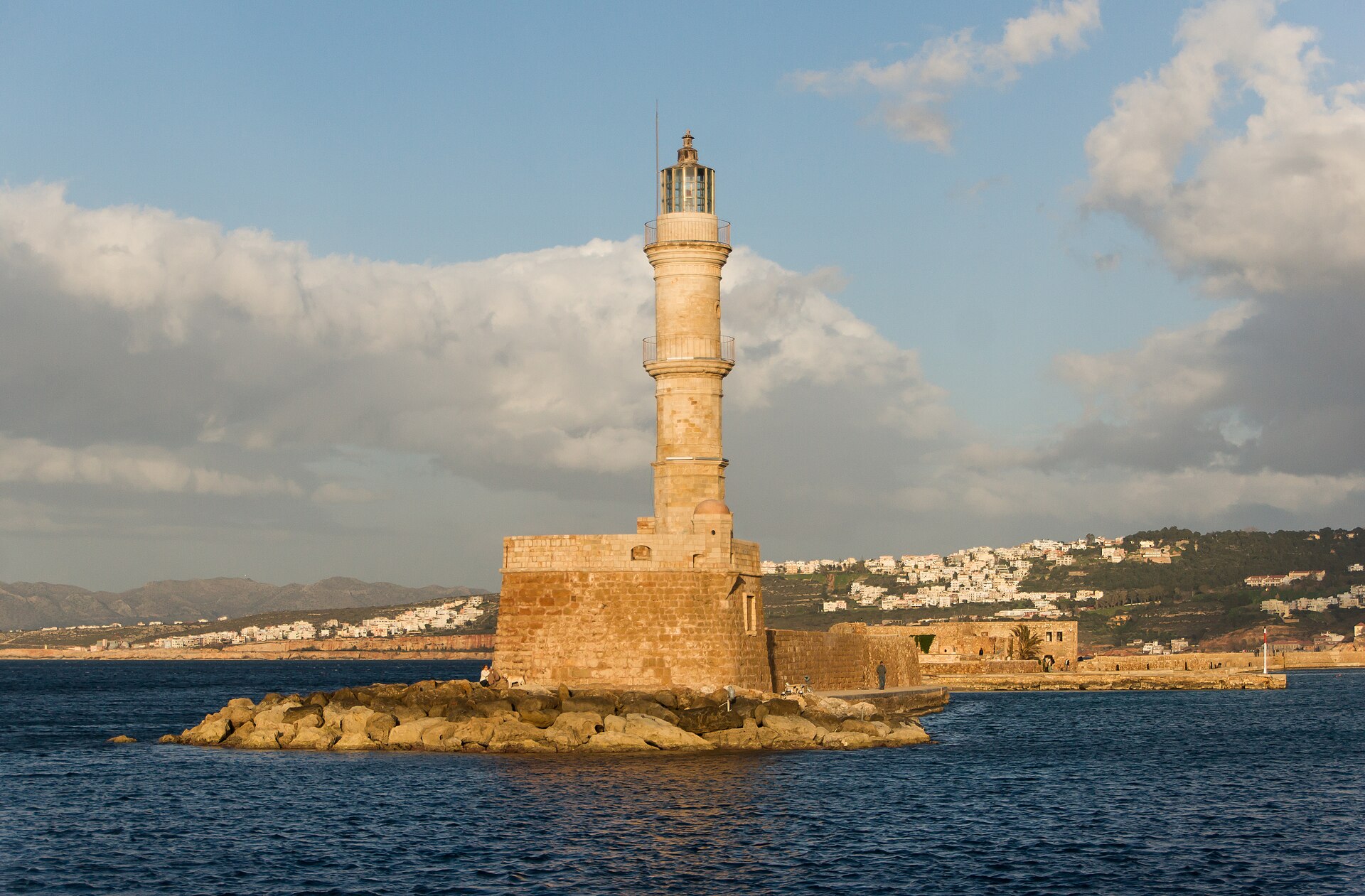
A Venetian harbour town in western Crete where you can walk the old lanes, hike a famous gorge, take a boat to Balos and eat well for not much.
- Best time to visit: May to June and September to October
- Daily budget (budget traveller): $70 to $240 USD
- Ideal trip length: 5 to 7 days
Chania is Crete's second city and sits on the north coast, about 15km from its airport. Most of what you will want is in the Old Town. It is a small knot of Venetian and Ottoman lanes around a curved harbour, with a lighthouse at the end of a long breakwater. You can walk across it in 15 minutes. Behind it are the White Mountains, and beyond those is the south coast, with gorges, ferry-only villages and some of the clearest water in Greece. That makes Chania a very good base for a solo trip. You can spend the morning on a public bus to Samaria Gorge or Elafonisi and be back for dinner in the old quarter. Tavernas serve proper Cretan food, raki often comes free at the end of a meal and you can swim from a town beach. Summer is hot and busy, especially around the harbour. Come in May, June, September or October and you get warm seas, open trails and fewer cruise crowds. It is safe, friendly and easy to manage without a car, though a hire car opens up the west coast.
Chania was the capital of Crete until 1971, and it shows. The Old Town is a mix of Venetian palazzi, Ottoman houses, a mosque on the harbour and the remains of Byzantine walls, all packed into a few hundred metres. The town has around 110,000 people, but the part you will spend time in is small and walkable. Most visitors come for a day from a beach resort. Stay longer and you get the quieter version: the breakwater at dawn, coffee with locals in Splantzia, a late swim at Nea Chora and dinner in a lane where the waiter brings raki without being asked. Chania is not a backpacker town, and summer prices on the harbour are high. But bakeries, gyros counters, local tavernas, public buses and free town beaches keep a solo trip affordable.
Getting here is easy. Chania Airport (CHQ) is on the Akrotiri peninsula, about 15km from town, with a cheap KTEL bus to the main bus station. Overnight ferries also run from Piraeus to Souda port, a short bus ride away. Base yourself in the Old Town or Topanas if you want to walk everywhere, or in Nea Chora or Halepa for something quieter with a beach or seafront close by. Plan the big days around buses: the Omalos bus for Samaria leaves early in the morning, and the Elafonisi bus runs once a day in season. Put a rest day after the gorge, and book Balos for a day with low wind if you can.
Timing makes a big difference. July and August are hot, often 30-35°C, with cruise passengers and packed beaches, and strong meltemi winds that can cancel boats. May, June, September and October are warm with a swimmable sea and much more space. Winter is mild but wet. The gorge is closed, island boats stop and some tavernas shut, but the town feels local and prices drop. English is widely spoken, people are friendly and the town is very safe. Learn a few words of Greek, eat where the locals eat and you will do very well here.
Chania itinerary
Arrive and walk the harbour
Morning: Take the KTEL bus from the airport (about €2.50-2.70) to the Kydonias Street station and walk 10 minutes to your room in the Old Town or Topanas.
Afternoon: Drop your bags and wander the lanes of Topanas. Have a late lunch of dakos and boureki, then walk the waterfront past the Küçük Hasan Mosque.
Evening: Walk the breakwater out to the lighthouse for sunset and the view back to the White Mountains. Dinner one street back from the harbour, then bed early, as the bus leaves early on day 4.
Old Town history
Morning: Breakfast at Bougatsa Iordanis, then visit Firkas Fortress and the Maritime Museum of Crete for the 1941 Battle of Crete displays.
Afternoon: Look into the Etz Hayyim Synagogue on Kondylaki Street, then walk east to Splantzia and the church of Agios Nikolaos with its minaret and bell tower. Lunch at Kouzina E.P.E., which serves home-style dishes.
Evening: Raki and mezedes in Splantzia square, or dinner at Tamam, set in old Turkish baths on Zambeliou Street. Buy water and snacks for the gorge.
Halepa and the Akrotiri sunset
Morning: Walk the seafront east to Halepa and the Archaeological Museum (€15, closed Tuesdays, so swap this day if needed). Allow about two hours.
Afternoon: Lunch and a rock swim at Koum Kapi, then a slow walk back through Halepa's old mansions. Rest in the heat of the day.
Evening: Take a taxi up to the Venizelos Graves for sunset over the town. Back in Chania, a cheap gyros dinner and an early night.
Samaria Gorge
Morning: Catch the early KTEL bus to Omalos (about €7-8). Pay the €10 entry at Xyloskalo, or buy it online, and start down the gorge while it is cool.
Afternoon: Walk through the deserted village of Samaria and the narrow Sideroportes section to Agia Roumeli. Swim in the sea and eat, then take the afternoon ferry to Chora Sfakion (roughly €14-19).
Evening: Take the connecting bus back to Chania, usually arriving late in the evening. Stretch, shower and eat somewhere close to your room.
Elafonisi by bus
Morning: Take the once-daily KTEL bus to Elafonisi (about €10-12, usually leaving around 9am in season). The road winds through mountain villages.
Afternoon: Wade across the shallow lagoon to the islet, find the pinkish sand and swim. Rent a sunbed or bring shade, as there is little natural cover.
Evening: Take the afternoon bus back, which usually leaves around 4pm. Dinner in Nea Chora at a fish taverna by the beach.
Balos and Gramvousa
Morning: Book the boat with a bus transfer from the Chania area (about €54), or take the KTEL bus to Kissamos and a taxi to the port for a boat ticket of about €36-40, plus a €1 fee.
Afternoon: Climb to the Venetian fort on Gramvousa, then swim in the shallow lagoon at Balos. Bring lunch and water, because options are limited.
Evening: Back in Chania by early evening. Farewell dinner in Topanas, then a last walk around the lit-up harbour.
Market morning and fly out
Morning: Coffee and bougatsa, then browse the leather workshops on Skridlof Street and the shops around the Municipal Market area for olive oil, honey and herbs.
Afternoon: A last swim at Nea Chora if time allows, then the KTEL bus back to the airport. Allow about 40 minutes plus a buffer in summer.
Evening: Fly out, or stay a night near Rethymno or Heraklion if you are continuing across Crete.
Best neighbourhoods
- Venetian Harbour and Old Town: The heart of Chania, with the lighthouse, the Küçük Hasan Mosque, Firkas Fortress and a ring of harbourfront restaurants. It is lovely early and late, and crowded in between. Stay on a side lane rather than the waterfront if you want to sleep.
- Topanas: The old Venetian quarter on the western side of the harbour. Narrow lanes such as Theotokopoulou and Zambeliou are lined with restored mansions, small hotels and tavernas. It is the prettiest part of town and a short walk to the Maritime Museum and Nea Chora.
- Splantzia: The old Turkish quarter, east of the market. It centres on a square with plane trees and the church of Agios Nikolaos, which has both a minaret and a bell tower. It has more locals, more rakadika (small raki bars) and slightly lower prices than the harbour.
- Nea Chora: A former fishing district just west of the Old Town, with the nearest sandy beach and a row of fish tavernas. It is a practical base for apartments and a morning swim, and only 10 minutes on foot from the harbour.
- Halepa: A quieter, greener district east of the centre, once home to consulates and to the statesman Eleftherios Venizelos. The new Archaeological Museum is here, along with the seafront at Koum Kapi. Good for a calmer stay with a walk into town.
Must-do experiences
- Hike the Samaria Gorge: Walk about 16km downhill from Xyloskalo in the White Mountains to Agia Roumeli on the Libyan Sea, then take a ferry and bus back. Entry is €10, and the park usually opens from spring to the end of October, depending on the weather.
- Walk the breakwater to the lighthouse: The stone breakwater curves out to the Venetian lighthouse at the harbour mouth. Go at sunrise when it is empty, or at sunset for the view back across the harbour to the mountains.
- Take the boat to Balos and Gramvousa: Daily boats from Kissamos port stop at Gramvousa island, where you can climb to a Venetian fort, and then at the shallow turquoise lagoon of Balos. A boat ticket costs around €36-40, plus a €1 municipal fee.
- See the new Archaeological Museum: The museum in Halepa opened in 2022 and covers Minoan to Roman finds from western Crete, including mosaics and clay tablets. Tickets cost €15 and it is closed on Tuesdays.
- Spend a day at Elafonisi: A shallow lagoon and pale, pinkish sand on the far southwest tip of Crete. One KTEL bus a day runs there from Chania in season, so it makes an easy day trip without a car.
- Explore Firkas and the Maritime Museum: The Venetian fortress at the western end of the harbour houses the Maritime Museum of Crete. It has ship models and displays on the 1941 Battle of Crete, plus good views from the walls.
- Eat your way around Splantzia: Order a carafe of raki with mezedes in the square, try boureki and snails, and finish with the dessert that tavernas often bring for free. Dinner here runs later and costs less than on the harbour.
Hidden gems
- The Etz Hayyim Synagogue on Kondylaki Street, the last surviving synagogue on Crete, restored and quietly reopened after the island's Jewish community was lost in 1944
- The Venizelos Graves on the Akrotiri hill, a short taxi ride from town, with one of the best sunset views over Chania and the coast
- The seafront walk from the Old Town east to Koum Kapi, where locals swim off the rocks and sit in cafés away from the harbour crowds
- Agia Triada monastery on the Akrotiri peninsula, a Venetian-era monastery that makes and sells its own olive oil and wine, best visited with a hire car
- The cave church of Agios Ioannis on the walk from Gouverneto monastery down towards Katholiko, a short but steep hike on Akrotiri
Daily budget
- Accommodation: budget €25-45 / night (hostel dorm or basic room), mid-range €80-150 (Old Town boutique room or apartment), splurge €250+ (Casa Delfino, Domes Zeen Chania). Prices roughly double in July and August. Greece adds a per-night accommodation tax, from a couple of euros up to about €15 depending on the property type and season. Old Town rooms can be noisy, so ask for a back room.
- Food: budget €20-30 / day (bakeries, gyros, one taverna meal), mid-range €40-60 (café breakfast, taverna lunch and dinner), splurge €90+ (tasting menus, harbour seafood). A gyros pita costs about €3.50-5, bougatsa about €4-5 and a taverna main €10-18. Harbourfront places charge more for less, so walk one street back.
- Transport: budget €3-15 / day (walking, city buses, KTEL day trips), mid-range €30-60 (car hire for a day or two), splurge €100+ (private transfers and taxis). Airport bus about €2.50-2.70. Fuel in Greece is expensive, often around €1.80-2.00 a litre. Taxis are metered, with night and Sunday surcharges.
- Activities: budget €0-15 / day (beaches, Old Town walks, Samaria entry €10), mid-range €35-55 (Balos boat ticket, museums), splurge €120+ (catamaran cruises, private boats, guided hikes). The Archaeological Museum costs €15 and closes on Tuesdays. Balos boats cost about €36-40 from Kissamos, or €54 with a bus transfer from the Chania area. Samaria is €10 plus the ferry and buses.
- Drinks & nightlife: budget €5-15 (kiosk beer, free raki with dinner), mid-range €20-40 (cocktails in the Old Town), splurge €60+ (rooftop and harbour bars). A local beer costs about €4-6 in a bar and cocktails €9-13. Nightlife centres on the harbour and the lanes behind it, and gets going late.
Where to stay
- Social hostel in Old Town (€25-45 / night (dorm)): Chania has only a few hostels, mostly small and in or near the Old Town. They are the cheapest way to sleep within walking distance of the harbour and the bus station. Book early for summer.
- Boutique hotel in Topanas (€90-180 / night): Restored Venetian and Ottoman houses on lanes such as Theotokopoulou and Zambeliou, many with only a handful of rooms. You get thick stone walls, character and a short walk to Firkas and Nea Chora.
- Apartment in Nea Chora or Halepa (€60-120 / night): Self-catering flats near the beach or the seafront, with kitchens that cut food costs. You are 10-20 minutes' walk from the harbour and have bakeries and supermarkets close by.
- Splurge in Topanas or Kato Daratso (€250-600+ / night): Casa Delfino, a restored 17th-century mansion in the Old Town, or Domes Zeen Chania on the beach just west of town for a resort stay with pools and sea views.
What to eat
- Boureki: a Chania speciality of courgette, potato and mizithra cheese baked in layers, often with mint
- Bougatsa with mizithra: a flaky pastry filled with soft sheep's cheese, sprinkled with sugar, and the classic breakfast at Bougatsa Iordanis
- Dakos: a barley rusk topped with grated tomato, crumbled cheese, olive oil and oregano, cheap and filling
- Kalitsounia: small cheese pies, fried or baked, sometimes with honey, sold in bakeries and on most taverna menus
- Chochlioi boubouristi: snails fried face down in olive oil with vinegar and rosemary, a proper Cretan meze
- Raki (tsikoudia): the clear grape spirit served in small carafes, often free with dessert at the end of a meal
Day trips
- Samaria Gorge (About 44km to Xyloskalo, roughly 1-1.5 hours by bus): About 16km of mostly downhill walking through the White Mountains, past the abandoned village of Samaria and through the narrow Sideroportes, ending at the sea in Agia Roumeli. It takes most people 5-7 hours. Take the early KTEL bus to Omalos (about €7-8), pay the €10 entry, then the afternoon ferry to Chora Sfakion or Sougia (roughly €14-19) and a bus back. Tours with transport and ferry cost roughly €40-65.
- Balos Lagoon and Gramvousa (About 55km to Kissamos port, then a boat of around an hour): A shallow lagoon of white sand and turquoise water at the tip of the Gramvousa peninsula, with a stop at Gramvousa island and its Venetian fort. Daily boats from Kissamos port run from spring to late October and cost about €36-40, plus a €1 municipal fee. Packages with a bus transfer from the Chania area cost about €54. Drivers can take the dirt road and walk down, but it is rough and busy.
- Elafonisi (About 75km, roughly 2 hours by bus): A protected beach and islet joined by a shallow sandbar, with pale sand tinted pink in places. It is busy at midday in summer, so walk to the far side of the islet for space. One KTEL bus a day in season, usually leaving around 9am and returning around 4pm, for about €10-12 each way. Check the current timetable. By car, allow two hours on winding roads.
When to visit
- Spring (April - May): 18-26°C, mostly dry, sea still cool in April. Crowds: Low to moderate, busy around Greek Easter. Green hills, wild flowers and good hiking weather. Samaria usually opens in late April or May, depending on the weather, and the sea is swimmable by late May.
- Early summer (June): 24-30°C, sunny, warm sea. Crowds: Moderate and building. One of the best months. Long days, everything open and boats running, without the full August crowds or prices.
- High summer (July - August): 28-35°C+, dry, strong meltemi winds at times. Crowds: Very busy, especially the harbour and Balos. Hot, lively and pricey. Book early, hike at dawn, expect choppy boat days and crowded beaches.
- Autumn and winter (September - March): September to October 22-29°C, then 12-18°C with winter rain. Crowds: Moderate in autumn, quiet in winter. September and October are the locals' pick, with the warmest sea of the year. From November the gorge closes, boats stop and some businesses close, but the town stays open and cheap.
Entry rules for your passport
Visa rules for Greece depend on the passport you travel on. Check the official source before you book: European Commission: Schengen visa policy
Getting there
Chania International Airport (CHQ) is on the Akrotiri peninsula, about 15km from town. It has direct flights from Athens all year and many seasonal flights from the UK and Europe, mostly from April to October. KTEL buses run from the airport to the main bus station on Kydonias Street for about €2.50-2.70 and take 30-40 minutes. Taxis cost about €25-35. Heraklion Airport is the other option, but there is no direct bus to Chania. Take the city bus into Heraklion, then the KTEL coach to Chania, which costs about €14-17 and takes around 2.5-3 hours. Overnight ferries from Piraeus arrive at Souda port, about 7km east of Chania, and city buses and taxis connect it to the centre. Buses run along the north coast from Rethymno (about an hour) and Heraklion. Greece is in the Schengen Area, so check entry rules for your passport before you travel.
Border checks: non-EU visitors (other than Swiss, Norwegian, Icelandic, Liechtenstein, Andorran, Monegasque, San Marinese and Vatican citizens, and holders of an EU residence permit or long-stay visa) are registered in the EU's Entry/Exit System (EES) instead of getting a passport stamp. On your first crossing, officers take your photo and/or fingerprints, so allow extra time at passport control. ETIAS, the planned travel authorisation, is not in operation yet, so don't pay any website for one.
Getting around
The Old Town is small and best on foot. Many lanes are pedestrian-only, uneven and slippery when wet, so wear decent shoes. Blue city buses link the centre with Halepa, Nea Chora's outskirts, the beaches west of town and Souda port. Tickets cost roughly €1.20-1.60 from kiosks and machines, and more if you buy on board. The KTEL bus station is on Kydonias Street, about 10 minutes' walk from the harbour. From there, regional buses run to the airport (about €2.50-2.70), Kissamos (about €5-5.60), Rethymno (about €7-8), Omalos for Samaria (about €7-8, early morning), Chora Sfakion (about €8-9) and Elafonisi (about €10-12, once a day in season). Timetables change in spring and autumn, so check the KTEL Chania-Rethymno website. Taxis are metered, and a ride from the airport costs about €25-35. A hire car costs roughly €30-60 a day in season and is the easiest way to see Akrotiri, Falassarna and the mountain villages. Mountain roads are narrow and winding, and parking near the Old Town is hard, so use the large car parks on the edge.
Safety
Chania is very safe, and violent crime against visitors is rare. Watch for pickpockets on the busy harbourfront and on crowded buses in summer. The main risks are outdoors. Summer heat regularly passes 35°C, so carry plenty of water, start hikes early and do not underestimate Samaria, which is long, rocky and has no road out. Wear proper shoes and expect sore knees. Strong summer meltemi winds can make the sea rough and cancel boats, and some beaches, Falassarna in particular, can have dangerous currents on windy days. Swim where others swim and respect red flags. Roads are the other real risk. Drivers can be fast on the national road, and mountain roads have sheer drops and goats. Wildfires happen in hot, dry spells, so follow official alerts and never light fires outdoors. The European emergency number 112 works across Greece.
Solo travel tips
- Stay off the harbourfront: Rooms right on the water are noisy until late, and harbour restaurants charge more for less. A room one or two lanes back in Topanas or Splantzia is quieter, cheaper and still close to everything.
- Use the buses for big days: KTEL buses cover Samaria, Elafonisi, Kissamos and the south coast cheaply. Check timetables on the day, arrive 15 minutes early and keep cash for tickets bought on board.
- Leave a gap after the gorge: Samaria is long and hard on the knees. Plan a beach or bus day after it, and do not book it the day before you fly in case the park closes for weather.
- Join a group for the boats: Balos boats and gorge tours are easy places to meet other travellers. Sit at a shared table on deck and you will have lunch company before Gramvousa.
- Safety for solo travellers: The real risks are heat, sea currents and mountain roads. Hike early, carry two litres of water, swim on busy beaches when it is windy and tell your host when you head out alone.
- Eat at the bar or counter: Many tavernas are happy to seat a solo diner quickly, and mezedes let you try several small dishes without overordering. Free raki and dessert at the end are normal, so accept them with thanks.
Cultural etiquette
- Say 'kalimera' (good morning), 'kalispera' (good evening) and 'efcharistó' (thank you). A little Greek is always appreciated.
- Accept the free raki and dessert at the end of a meal. It is hospitality, not an upsell, and a polite sip is fine if you do not drink much.
- Cover your shoulders and knees in churches and monasteries. Some monasteries lend wraps at the door.
- Meals run late. Locals often eat dinner after 9pm, and lunch can stretch through the afternoon.
- Tipping is appreciated but modest. Round up or leave 5-10% for good service in restaurants.
- Do not flush toilet paper in older buildings and many tavernas. Use the bin provided, as the pipes are narrow.
- Greek Easter is the biggest event of the year. Expect church processions, fireworks and some closures. It is a moving time to visit if you are respectful.
Frequently asked questions
How do I get from Chania Airport to the Old Town?
KTEL buses run from Chania Airport (CHQ) to the main bus station on Kydonias Street for about €2.50-2.70. The ride takes 30-40 minutes, and from the station it is about 10 minutes' walk to the harbour. Buses run through the day and into the evening, with more departures in summer. A metered taxi costs about €25-35 and takes around 20 minutes. Night and Sunday surcharges apply.
How many days do I need in Chania?
Five days covers the Old Town, a museum, Samaria Gorge and one beach trip. A week lets you add Balos and Elafonisi with rest days in between, which matters after the gorge. Three days is enough for the town and one big day trip.
When is the best time to visit Chania?
May, June, September and October are the best months. The sea is warm, trails are open and the crowds are smaller than in July and August. Samaria Gorge is usually open from late April or May until the end of October, depending on the weather. Winter is mild and quiet but often rainy, and many beach businesses close.
Can I do Samaria Gorge without a tour?
Yes. Take an early KTEL bus from Chania to Omalos (about €7-8), walk down to Agia Roumeli, then catch the afternoon ferry to Chora Sfakion or Sougia (roughly €14-19) and a bus back to Chania. Entry to the park is €10, and you can buy tickets at the gate or online through the national park's ticket site. Organised tours handle the connections for roughly €40-65.
Do I need a car in Chania?
Not for the town, Samaria, Elafonisi or Balos by boat, because buses and boat transfers cover them. A car helps for Akrotiri's monasteries and beaches, Falassarna at sunset, mountain villages and the south coast at your own pace. One or two days of car hire is a good middle ground.
Is Chania safe for solo female travellers?
Yes. Chania is relaxed and people are used to solo travellers. The Old Town stays busy until late in summer. Use normal precautions: watch your drink in bars, take a taxi back from outlying beaches at night and tell someone your plans before you hike alone.
Is it cash or card in Chania?
Cards are widely accepted in hotels, restaurants and most shops, and Greek businesses are required to offer card payment. Still, carry some cash for small bakeries, kiosks, some rakadika, bus tickets bought on board and beach sunbeds. ATMs are easy to find in town, but choose bank ATMs to avoid high fees.
What are the entry rules for Greece in 2026?
Greece is in the Schengen Area. Many non-EU visitors, including UK, US, Canadian and Australian passport holders, can stay up to 90 days in any 180 without a visa. The EU's Entry/Exit System now registers non-EU travellers at the border, and the ETIAS travel authorisation is expected to follow. Rules vary by nationality and change, so check official EU and Greek government sources and your own government's travel advice before you book.
Tours and activities in Chania | Chania in 2 days | Chania in 3 days | Chania in 4 days | Chania in 5 days | Chania in 7 days
Can't decide? Compare Chania with...
Joy Plus home | Destinations | Itineraries | Activities | Flights | Budget planner | Calendar | Map | Blog | Lifetime access