Destinations / South America
Chapada Diamantina, Brazil travel guide
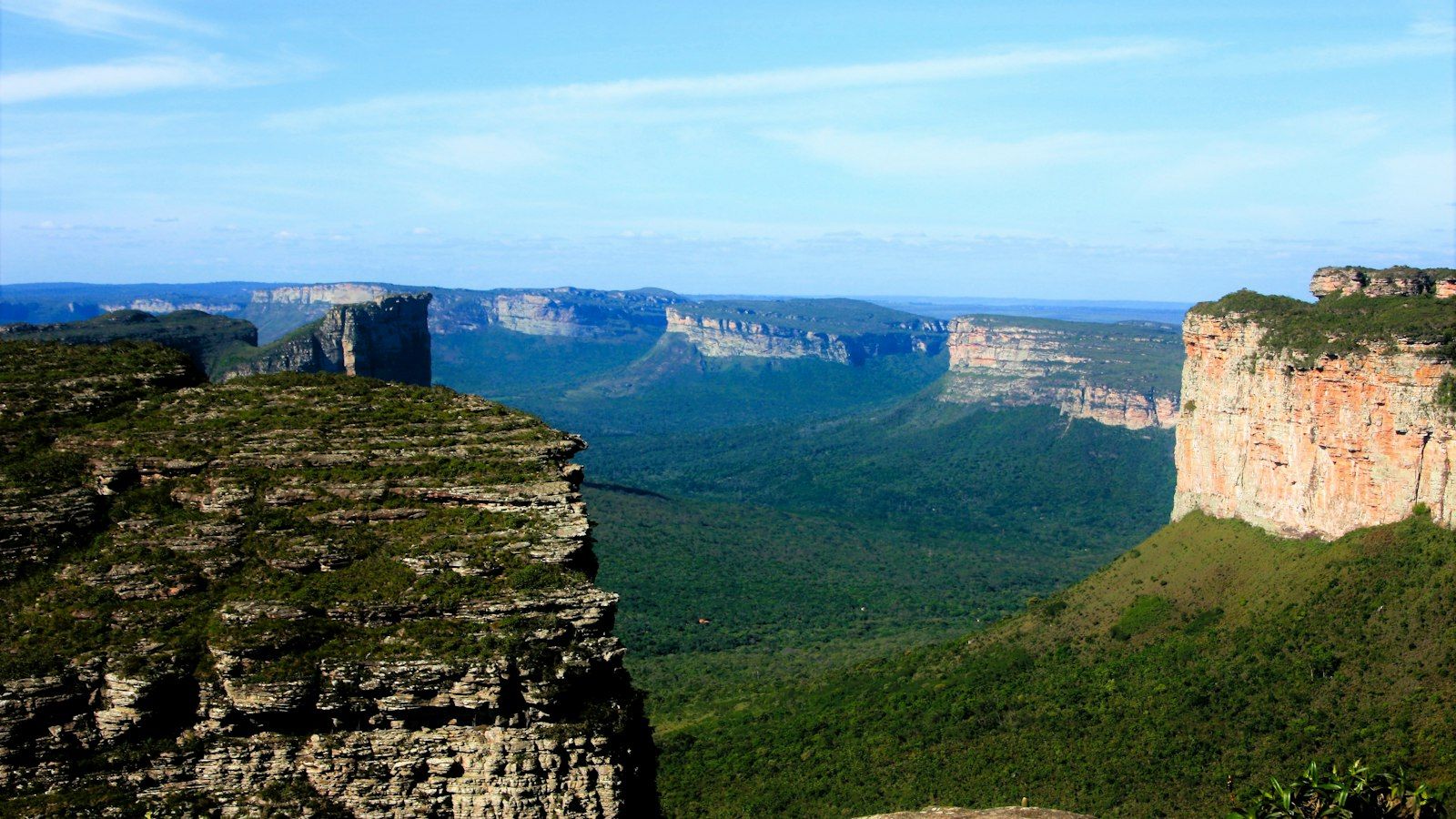
A sandstone plateau in the heart of Bahia, with flat-topped mountains, electric-blue cave pools and waterfalls over 300 metres high, all reached from a cobbled diamond-rush town.
- Best time to visit: April to September
- Daily budget (budget traveller): $55 to $160 USD
- Ideal trip length: 5 to 10 days
Chapada Diamantina rises out of the dry Bahian backlands about 420 kilometres west of Salvador. It is a high plateau of flat-topped mesas, red-rock canyons, flooded caves and waterfalls that drop hundreds of metres. Diamond prospectors built its colonial towns in the 1800s. When the stones ran out, the hikers arrived. Lençóis, the main gateway, is a cobbled town of pastel houses on a rocky river. It is full of agencies, pousadas and restaurants that set tables out on the street at night. Day tours from Lençóis reach the blue cave pools of Poço Azul and Poço Encantado, the river cave at Pratinha and the big view from Morro do Pai Inácio. Further west, the alternative village of Vale do Capão is the base for Cachoeira da Fumaça, a waterfall about 340 metres tall. The headline trip is the multi-day Vale do Pati trek, where you sleep in farmers' homes. It is a good region for solo travellers. Hostels double as tour desks, group departures make guides affordable, and you only hike alone if you choose to.
Chapada Diamantina is not a single park you can walk into through a gate. It is a vast plateau in the middle of Bahia, with the 1985 national park at its core and colonial mining towns scattered around the edges. Most visitors spend their first days in Lençóis. It is the most practical base, with bus links to Salvador, dozens of agencies and the best food in the region. The town has an easy evening rhythm: people come back dusty from tours, shower, then eat moqueca at a pavement table on Rua das Pedras. The downside is that nearly every headline sight is a long drive away. Poço Encantado is about 140 kilometres from Lençóis by road, so expect plenty of van time.
The classic solo loop is Lençóis first, then Vale do Capão, then the Pati if you have the legs and the days. In Lençóis, you can walk the free sights straight from town (the Serrano pools, Ribeirão do Meio) and join group tours to the caves and cave pools. Then take the bus west to Palmeiras and a van up to Capão, a lively village of wholefood cafés, yoga signs and trail-hardened backpackers. Fumaça starts just outside the village. The real costs here are tours, not beds. A dorm is cheap, but a full-day group tour with transport, guide and lunch is often R$250 to R$650. Mix paid tour days with free hiking days, and sign up for departures that already have other people in them.
Timing changes the trip. From April to September the dry season gives you blue skies, cold nights and easy trails. Poço Encantado's famous light beam appears from about late April to early September. From November to March, storms refill the waterfalls but bring flash-flood risk and closed river crossings. September and October are hot, hazy and quiet, but the big falls can run dry. Portuguese is essential outside the agencies, so learn the basics. The region is safe, cheap by Brazilian beach-resort standards and full of other solo hikers. If you want nightlife, stay in Salvador. If you want a cave swim, a cliff-edge view and a plate of godó in the same day, this is the place.
How many days in Chapada Diamantina?
For Chapada Diamantina, we recommend 5 to 10 days. With more time, add a day trip to Igatu and Andaraí.
| Trip length | What you'll see | Itinerary |
|---|---|---|
| 2 days | Lençóis, Serrano and Ribeirão do Meio; Caves, Pratinha and Morro do Pai Inácio | Chapada Diamantina in 2 days |
| 3 days | Adds: Poço Encantado and Poço Azul | Chapada Diamantina in 3 days |
| 4 days | Adds: Move to Vale do Capão | Chapada Diamantina in 4 days |
| 5 days · Recommended | Adds: Cachoeira da Fumaça from above | Chapada Diamantina in 5 days |
| 7 days · Recommended | Adds: Back to Lençóis, river day; Marimbus wetland, night bus out | Chapada Diamantina in 7 days |
Chapada Diamantina itinerary
Arrive in Lençóis, Serrano and Ribeirão do Meio
Morning: Take the overnight Rápido Federal bus from Salvador, which arrives around 5am. Walk to your hostel (no wheelie cases on these cobbles), drop your bags, have breakfast and nap.
Afternoon: Walk upstream to the Serrano pools and the coloured-sand rocks of the Salão de Areias Coloridas. Then follow the trail to Ribeirão do Meio, about an hour each way, and ride the natural rock slide. Free, no guide needed.
Evening: Dinner at Lampião on Rua da Baderna. Order a moqueca to share or the vegetarian plantain version. Book tomorrow's tour before bed.
Caves, Pratinha and Morro do Pai Inácio
Morning: Join a group 'grutas' tour, usually R$250-400 depending on the agency and what's included. Start at Gruta da Lapa Doce, where a local guide is mandatory inside the cave.
Afternoon: Float or snorkel into the flooded river cave at Fazenda Pratinha, then lunch. Entry is paid at the gate, roughly R$80-120, so check whether your tour includes it.
Evening: Climb Morro do Pai Inácio (about R$20) for the late light over the mesas. Ascents close around 5pm. Back in town, try godó de banana at Quilombola.
Poço Encantado and Poço Azul
Morning: An 8am departure for the long drive south-east. Poço Encantado is about 140km from Lençóis. Group tours cost about R$500-650 and usually include transport, guide, fees and lunch. Solo bookings sometimes cost a little more.
Afternoon: Look into Poço Encantado (photos only, age 12+), then float in Poço Azul for up to 15 minutes. Between roughly late April and early September, sunbeams hit the water.
Evening: Back in Lençóis by about 5:30pm. Have a cheap prato feito, pack a small bag for Capão and leave your big bag in hostel storage.
Move to Vale do Capão
Morning: Take the bus from Lençóis to Palmeiras (about an hour). There are only a few departures a day, so check times at the rodoviária the day before.
Afternoon: Take a van or shared car from Palmeiras up to Caeté-Açu (about 23km, 40 minutes). Check in, then walk or take a ride to Cachoeira do Riachinho for a swim (small gate fee).
Evening: Wander the village square, eat pastel de jaca and wholefood pizza, and ask around for others hiking Fumaça tomorrow.
Cachoeira da Fumaça from above
Morning: Head to the trail portal run by the Capão guide association, which opens at 8am. Hire a guide there, about R$150-200 for a group of up to four, and split it with other walkers. Tackle the steep first 2km while it's cool.
Afternoon: Cross the plateau to the cliff edge, lie flat on the rock and look down the roughly 340-metre drop. No one may start the trail after 1pm, and the full 12km return takes most of the day.
Evening: Rest your legs. Have a cheap dinner in the village and an early night.
Back to Lençóis, river day
Morning: Take a van down to Palmeiras and the bus back to Lençóis. Collect your stored bag and check in.
Afternoon: Take it easy. Swim at the Serrano, follow the river to Cachoeira da Primavera on the edge of town, and browse the craft shops for sand-bottle art.
Evening: Book ahead for Cozinha Aberta on Avenida Rui Barbosa, a slow-food kitchen with a regional menu that changes often.
Marimbus wetland, night bus out
Morning: Join a Marimbus tour from Lençóis (roughly R$200-350, check what's included). Paddle a canoe through the lagoons and reeds of the 'Pantanal of the Chapada'.
Afternoon: Walk to the Roncador waterfall and swim in the river, then return to Lençóis by late afternoon. Shower at your hostel (ask about late checkout).
Evening: Final dinner, then the late Rápido Federal bus back to Salvador, usually around 10:50pm and arriving at dawn. Confirm the timetable the day before.
Best neighbourhoods
- Lençóis historic centre: Cobbled lanes around Praça Horácio de Matos and Rua das Pedras. Most agencies, hostels and restaurants are within a five-minute walk. The bus station is close, but the stones are brutal on wheelie cases.
- Lençóis riverside and Serrano: The upper edge of town along the Rio Lençóis. Pousadas here back onto the Serrano rock pools, and the trail to Ribeirão do Meio starts nearby. It is quieter at night, and you can swim before breakfast.
- Vale do Capão (Caeté-Açu): A green valley village about 70 kilometres west of Lençóis, with an alternative, hippie-leaning crowd, wholefood cafés and the trailhead for Cachoeira da Fumaça. It is also a common starting point for Vale do Pati treks.
- Palmeiras: A small working town on the BR-242. The bus from Lençóis drops you here for the van or shared car up to Capão. There's little reason to stay, but it is the key transport link in the west.
- Mucugê: A cool, high colonial town in the south of the Chapada, with whitewashed houses and a striking Byzantine-style cemetery. It is a good base for Cachoeira do Buracão and the southern end of the Pati.
- Igatu and Andaraí: Andaraí is a quiet riverside town near the Marimbus wetland. Up the hill, Igatu is a partly ruined stone mining village nicknamed the Machu Picchu of Bahia, with a few pousadas and big views.
Must-do experiences
- Float in Poço Azul and see Poço Encantado: Two flooded caves with water so clear it looks like blue glass. You can float in Poço Azul for about 15 minutes. Poço Encantado is look-only, with a minimum age of 12. From roughly late April to early September, sunbeams light up the water.
- Hike to the top of Cachoeira da Fumaça: A 12-kilometre return trail from Vale do Capão with a hard first 2-kilometre climb. Then it's flat walking across the plateau to a rock ledge where you lie on your belly and look down a drop of about 340 metres.
- Climb Morro do Pai Inácio: A short, steep scramble from the BR-242 to the top of the Chapada's most famous mesa. You get a 360-degree view of table-top mountains. Go in the late afternoon for golden light, but check the closing time.
- Trek the Vale do Pati: Brazil's classic multi-day hike: three to five days through a remote valley ringed by cliffs. You sleep and eat in family homes, so you only need a daypack and a guide.
- Swim through Pratinha and walk Lapa Doce: Snorkel or float into the flooded river cave at Fazenda Pratinha, then walk through the huge chambers of Gruta da Lapa Doce with a mandatory local guide.
- Slide down Ribeirão do Meio: A long, smooth rock slope polished by the river into a natural water slide, about an hour's walk from Lençóis. It's free, no guide is needed, and it's best on a weekday morning.
- Canoe the Marimbus wetland: Paddle through the 'Pantanal of the Chapada', a maze of lagoons and reeds between Lençóis and Andaraí. Most tours add a walk to the Roncador waterfall.
Hidden gems
- The Salão de Areias Coloridas beside the Serrano pools in Lençóis, a rock gallery of coloured sands once used for the town's sand-in-a-bottle craft
- Poço do Diabo on the Rio Mucugezinho, a short walk from the BR-242 near Pai Inácio, where a waterfall pours into a deep, dark pool
- The stone ruins of Igatu, a half-abandoned diamond village whose roofless houses are slowly being taken over by cactus and bromeliads
- Mucugê's Byzantine-style cemetery, a cluster of white chapel-like tombs set against the hillside that is lit up after dark
- Cachoeira do Riachinho near Vale do Capão, a swimming waterfall with a small gate fee that's a good warm-up before the Fumaça hike
Daily budget
- Accommodation: budget R$70-130 / night (hostel dorm in Lençóis or Capão), mid-range R$300-550 (pousada double with breakfast), splurge R$900+ (Hotel Canto das Águas, Vila Pugliesi Hotel Boutique). Breakfast is usually included, even in hostels. Prices jump at Carnival, Easter, São João, July and New Year, so book those dates weeks ahead. Ranges are rounded, so check live rates.
- Food: budget R$70-110 / day (prato feito or por-quilo lunch, snacks, hostel breakfast), mid-range R$150-250 (lunch included on tours, sit-down dinner), splurge R$350+ (set menu at Cozinha Aberta, wine). A prato feito is roughly R$30-45. Many day tours include a self-service lunch, which saves money. Lençóis restaurants mostly open in the evening, since everyone is out on trails all day.
- Transport: budget R$0-60 / day (walking, Lençóis to Palmeiras bus, Capão van), mid-range R$150-300 (shared private transfers between towns), splurge R$400+ / day (rental car or private driver). Salvador to Lençóis by bus costs about R$140-340 depending on class. There's no public transport to most trailheads, so tour prices usually include the van.
- Activities: budget R$50-150 / day (free trails, gate fees, a guide split four ways), mid-range R$250-650 (group tour with transport, guide, fees and lunch), splurge R$700+ (private guide, or the Pati at roughly R$1,300-2,300 for 3 days). Pai Inácio is about R$20 at the gate. Poço Azul, Poço Encantado and Pratinha charge separately on private land, roughly R$50-120 each. The Fumaça trail is free, with a voluntary contribution to the fire brigade, and a guide costs about R$150-200 per group. Fees change often, so check.
- Drinks & nightlife: budget R$15-40 (a cold 600ml beer to share), mid-range R$60-120 (caipirinhas, craft beer on Rua das Pedras), splurge R$200+ (wine with dinner at a top restaurant). Nightlife means pavement bars in Lençóis and the odd live forró or reggae night. Capão evenings are mellow. Early starts mean most hikers are in bed by 11pm.
Where to stay
- Social hostel in Lençóis historic centre (R$70-130 / night (dorm)): HI Hostel Chapada, Nomads Trek Hostel Agência and Buena Vibe Hostel are all near the centre. They have shared kitchens or lounges, tour desks and plenty of other hikers to share guide costs with.
- Boutique hotel in Lençóis, upper town (R$450-800 / night): Pousada Vila Serrano on Rua Alto do Bonfim is about 200 metres from the centre. It has leafy gardens, a big breakfast and an easy walk to the restaurants, making it a calm base after long tour days.
- Apartment in Vale do Capão (Caeté-Açu) (R$150-350 / night): Capão has lots of self-catering chalets and rooms with kitchens, plus budget pousadas like Pé no Mato with a shared kitchen. Cooking with market produce cuts costs in a village where most cafés are small.
- Splurge in Lençóis riverside (R$900-1,800+ / night): Hotel Canto das Águas sits on the banks of the Rio Lençóis, with the sound of the river and its own restaurant. Vila Pugliesi Hotel Boutique is the other top-end choice in town.
What to eat
- Godó de banana: a miners' stew of green banana and dried beef, the region's signature dish; try it at Quilombola in Lençóis
- Moqueca: Bahian fish or prawn stew with coconut milk and dendê palm oil. Lampião on Rua da Baderna also does a plantain (banana-da-terra) version for vegetarians
- Cortado de palma: chopped cactus pads sautéed with onion and tomato, a backlands staple that tastes like a cross between green beans and okra
- Carne de sol with aipim and baião de dois: salted sun-dried beef with fried cassava and a rice-and-beans mix cooked together
- Pastel de jaca: a crisp fried pastry filled with savoury jackfruit, the go-to trail snack around Vale do Capão
- Prato feito or comida a quilo: a set plate of rice, beans, salad and meat, or a pay-by-weight buffet, the cheapest good lunch in any Chapada town
Day trips
- Vale do Pati (Trailhead at Guiné, about 85km from Lençóis; usually 3-5 days): Brazil's best-known trek, through a deep valley of cliffs, waterfalls and viewpoints like the Mirante do Pati. You sleep in farmers' homes with home-cooked dinners, so you only carry a daypack. Book through a Lençóis or Capão agency or a registered guide. Three days typically costs about R$1,300-2,300 including transport, guide, beds and meals. There is no public transport to Guiné.
- Igatu and Andaraí (About 110-120km from Lençóis, roughly 2 hours by road): Andaraí is a sleepy riverside town. Up the hill, Igatu is a stone mining village with roofless ruins, cactus-covered walls and wide views, often called the Machu Picchu of Bahia. Easiest on an agency day tour or with a rental car. Alternatively, stay a night or two in Igatu and combine it with Marimbus or the southern Pati.
- Cachoeira do Buracão (About 3.5-4 hours from Lençóis; much closer to Ibicoara and Mucugê): A waterfall that plunges into a narrow canyon you swim into wearing a life jacket. It's in a municipal park where a registered guide and entry fee are mandatory. Best on an overnight agency trip, or stay in Mucugê and hire a guide in Ibicoara. After heavy rain the current can make swimming impossible.
When to visit
- End of the rains (March - April): 24-30°C days, cooler nights, showers easing off. Crowds: Moderate, with a spike at Easter. Waterfalls at full power and the landscape still green. Trails can be muddy and rivers high, so do what your guide says about crossings.
- Dry season (May - August): 22-28°C days, roughly 10-15°C nights, colder in Capão and Mucugê, very little rain. Crowds: Busy in the July school holidays and around São João on 24 June. The sweet spot for hiking and the Pati. Poço Encantado's light beam shows until about early September. Pack a fleece for the evenings.
- Late dry season (September - October): 26-33°C, hot and very dry, smoky haze possible. Crowds: Quiet outside holiday weekends. Cheaper and calmer, and good for the caves and cave pools. Fumaça and other falls can slow to a trickle, and wildfire risk is high, so check trail closures.
- Rainy season (November - February): 25-32°C, heavy afternoon storms, humid. Crowds: Peak at Christmas, New Year and Carnival. Green and dramatic, with full waterfalls, but flash floods can close trails at short notice. Start hikes early, keep spare days and book holiday dates well ahead.
Entry rules for your passport
Visa rules for Brazil depend on the passport you travel on. Check the official source before you book: Brazil Ministry of Foreign Affairs
Getting there
Most travellers fly into Salvador (SSA), which has domestic connections across Brazil and some international routes. From Salvador's main bus station, Rápido Federal runs to Lençóis roughly three times a day, in the morning, afternoon and overnight. The trip takes six to seven and a half hours, with fares from about R$140 for the conventional class to around R$340 for a leito sleeper seat. The overnight bus saves a night's accommodation but arrives around 5am. Return buses to Salvador leave Lençóis in the morning, early afternoon and late evening. Book online or at the bus station, and check current times. The same buses continue to Palmeiras, the stop for Vale do Capão. Lençóis airport (LEC) is about 20 kilometres from town. Azul runs a limited Salvador service and, since June 2026, a twice-weekly route from Belo Horizonte-Confins, so check schedules before relying on it. There's no rental desk at the airport, so arrange a transfer. Driving from Salvador takes about six hours on the BR-242. Citizens of the US, Canada and Australia need a Brazilian eVisa before flying. Many other nationalities, including UK and most EU passport holders, can visit visa-free for up to 90 days. Confirm on the official government portal.
Getting around
Rápido Federal buses link Salvador and Lençóis, taking six to seven and a half hours, with morning, afternoon and overnight departures. The same route continues west to Palmeiras, about an hour beyond Lençóis. From Palmeiras, vans and shared cars cover the roughly 23 kilometres to Vale do Capão in about 40 minutes. They are timed loosely around the bus arrivals. That is the limit of public transport. Most sights, including Pai Inácio, Pratinha, the cave pools and the Pati trailhead at Guiné, are reached by agency group tours with transport included, a private driver or a rental car. If you drive, rent in Salvador, since there are no rental desks at Lençóis airport. Expect unpaved side roads and lorries on the BR-242, and avoid driving after dark. Within Lençóis and Capão you walk everywhere. Several trails start right from town.
Safety
Chapada Diamantina is generally safe and relaxed for solo travellers, and crime against visitors is low. The real risks are natural. In the rainy season, roughly November to March, flash floods (cabeça d'água) can sweep through canyons and river beds without warning, even under blue skies if it is raining upstream. Leave rivers immediately if the water turns murky or rises, and follow your guide's call. Trails are often unmarked and phone signal disappears, so don't hike remote routes alone without a guide, and always tell your hostel where you are going. Carry plenty of water, as the sun is strong at altitude and dehydration is common on the Fumaça and Pati trails. Shake out your boots for scorpions, watch for snakes on rocky paths, and use repellent. In the dry months, wildfires are a serious hazard, so never light fires and report smoke. In town, keep an eye on your phone in busy bars, use registered guides and avoid walking unlit roads outside town at night.
Solo travel tips
- Start in Lençóis, then move west: Lençóis has the agencies, the buses and the most solo travellers, so it's the easiest place to land and find company. After two or three nights, move to Vale do Capão for Fumaça and a slower, more communal feel.
- Join existing groups to cut costs: Many agencies only run a tour once two people have booked, and solo private trips cost much more. Sign up the evening before at a hostel tour desk and ask to be added to a departure that's already filling. Hostels like Nomads Trek Hostel Agência combine beds and tours.
- Hire guides through the associations: In Capão, the visitor guide association has a base at the Fumaça trail portal, where you can find a guide and other hikers to share the cost. Always use a registered guide, especially for the Pati, and agree the price and what's included up front.
- Respect the rain: Flash floods are the biggest danger here. If the water turns brown or starts rising, get out and climb to higher ground. In the wet season, start hikes early, keep a spare day in your plan, and never cross a swollen river to stay on schedule.
- Safety for solo travellers: Towns are calm and friendly, including for women alone. Tell your hostel where you're hiking and when you expect to be back, download offline maps, and carry a headtorch in case a day runs long. Avoid walking unlit roads between villages at night.
- Travel light between bases: Most hostels and pousadas in Lençóis will store luggage while you go to Capão or the Pati. A 25-30 litre daypack is enough for the Pati, since homestays provide beds and meals.
Cultural etiquette
- Greet first. 'Bom dia' (good morning), 'boa tarde' (good afternoon) and 'obrigado' or 'obrigada' (thank you) go a long way. Outside agencies and hostels, little English is spoken.
- Leave no trace. Carry out all your rubbish, including fruit peel, and don't use soap or sunscreen in the rivers and cave pools.
- Don't take crystals, rocks or plants from the park. Many attractions are on private or community land, so pay gate fees without arguing.
- Pay and tip guides fairly. They are often locals from former mining families, and a tip of R$20-50 a day for good service is appreciated.
- On the Pati, you are a guest in someone's home. Dinner is served at a set time, showers may be cold and electricity limited. Say thank you and pay for any extras promptly.
- Ask before photographing people, especially in quilombola communities and small villages.
- Bahia moves at its own pace. Buses run late, restaurants open late, and getting impatient gets you nowhere.
Frequently asked questions
How do I get from Salvador to Chapada Diamantina?
The usual route is the Rápido Federal bus from Salvador's main bus station to Lençóis, which takes six to seven and a half hours. There are morning, afternoon and overnight departures, with fares from about R$140 for the conventional class to around R$340 for a leito sleeper seat. Azul also flies to Lençóis airport, about 20 kilometres from town, but flights are limited, so check the current schedule.
How many days do I need in Chapada Diamantina?
Five days covers Lençóis, the caves, the cave pools and the Fumaça hike from Vale do Capão. Allow seven to ten days if you want to add the Vale do Pati trek, which takes three to five days on its own. Distances are long, so fewer than four days means a lot of time in vans.
When is the best time to visit Chapada Diamantina?
April to September is the dry season, with clear skies, cool nights and the best hiking. March and April are a good compromise, when waterfalls are still full after the rains. September and October are hot and dry, so some falls, including Fumaça, can slow to a trickle. November to March brings heavy storms and flash-flood risk.
Do I need a guide in Chapada Diamantina?
Not everywhere. You can walk Ribeirão do Meio, the Serrano pools and Morro do Pai Inácio on your own. A guide is mandatory inside Gruta da Lapa Doce and at Cachoeira do Buracão. For the Fumaça hike a guide is strongly recommended, and for the Vale do Pati it is close to essential, because trails are unmarked and there is no signal. Hire through local guide associations or licensed agencies.
Can I pay by card, or do I need cash?
Cards are widely accepted in Lençóis hotels, restaurants and agencies, and Brazilians pay almost everything by Pix, which usually needs a Brazilian bank account. Carry cash for gate fees, vans to Capão, small cafés and Pati homestays. ATMs are scarce outside Lençóis, so withdraw before you head to Capão or the Pati.
Can I do the Vale do Pati trek solo?
You can sign up alone and join a group. Many Lençóis and Capão agencies run three- to five-day departures, and three days typically costs about R$1,300 to R$2,300 including the guide, transport and homestay meals. Walking it with no guide is not recommended, because the paths are unsigned, rivers rise fast and there is no phone signal.
Is Chapada Diamantina safe for solo female travellers?
Yes, it is one of the more relaxed regions in Brazil for women travelling alone. Lençóis and Capão are small and used to independent hikers. Standard precautions apply: book guides through registered agencies or associations, don't hike remote trails alone, watch your drink in bars, and take a registered taxi or arrange a pickup if you arrive late.
What entry rules apply to travellers visiting Brazil in 2026?
Many nationalities, including UK and most EU passport holders, can visit Brazil visa-free for up to 90 days. Since April 2025, citizens of the United States, Canada and Australia have needed an eVisa, applied for online before flying, and airlines can refuse boarding without one. Brazil has changed these rules several times recently, so always confirm on the official Brazilian government visa portal and your own government's travel advice before you book.
Tours and activities in Chapada Diamantina | Chapada Diamantina in 2 days | Chapada Diamantina in 3 days | Chapada Diamantina in 4 days | Chapada Diamantina in 5 days | Chapada Diamantina in 7 days
Joy Plus home | Destinations | Itineraries | Activities | Flights | Budget planner | Calendar | Map | Blog | Lifetime access