Destinations / North America
Charleston, United States travel guide
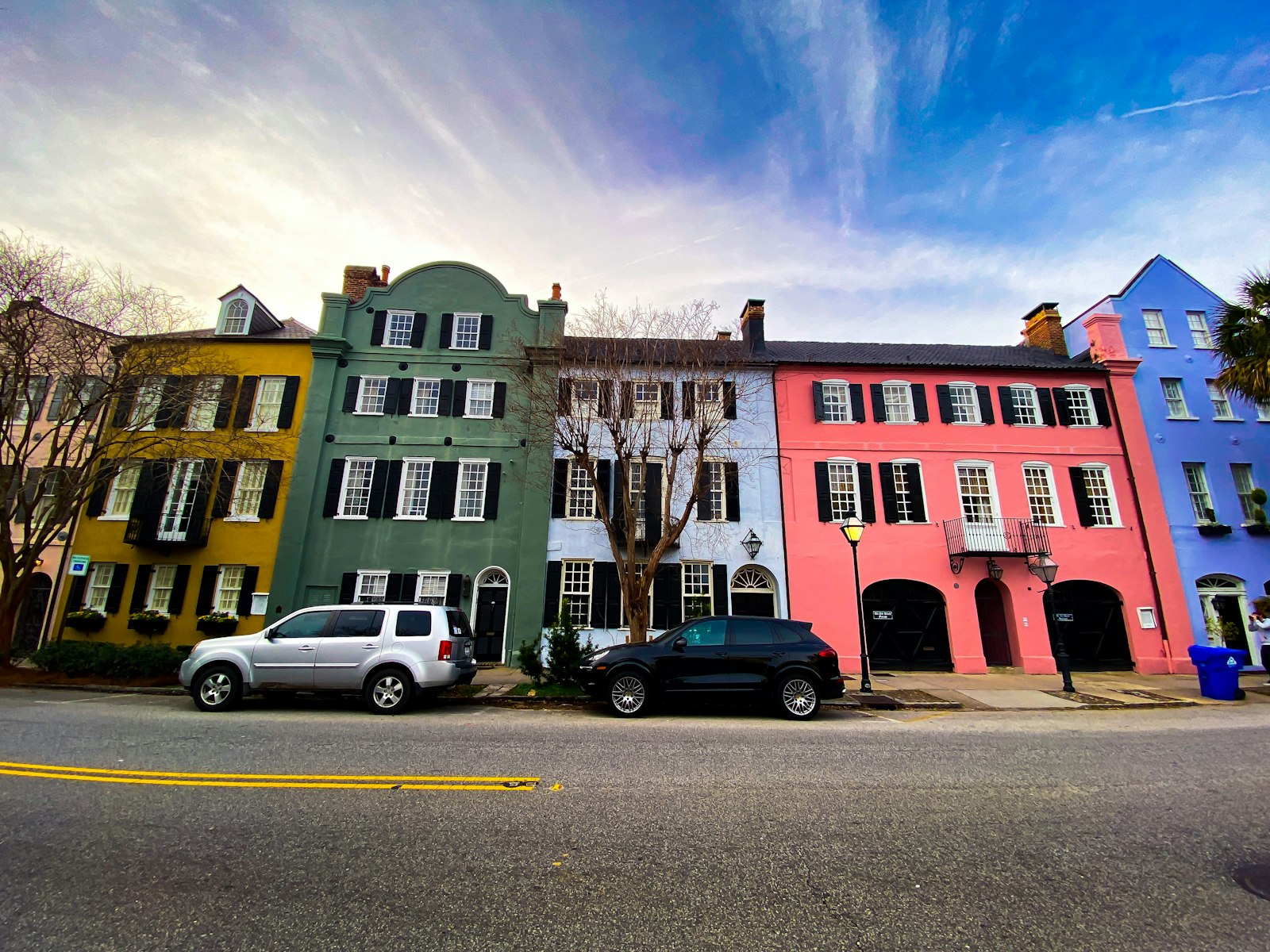
South Carolina's coastal gem: pastel row houses, antebellum history and Lowcountry cuisine.
- Best time to visit: March-May and September-November
- Daily budget (budget traveller): $150 to $280 USD
- Ideal trip length: 3 to 4 days
Consistently ranked among America's most charming cities, Charleston enchants with pastel-hued row houses, cobblestone streets, palmetto-lined avenues and a peninsula full of history. Founded in 1670, it pairs preserved antebellum architecture and plantation history with a celebrated culinary scene, sea-island Gullah culture and nearby beaches. Genteel, walkable and proudly Southern, Charleston is a place to slow down, eat well and wander. Joy Plus links the historic peninsula, the food, the plantations and the beaches into a graceful itinerary.
Charleston is smaller than its reputation, and that works in your favour. The historic peninsula is a few square miles of flat, walkable grid: pastel row houses on East Bay Street, cobbled Chalmers Street, gas lamps, church steeples and live oaks furred with Spanish moss. You can see most of it on foot in two days, and the best hours are 7 to 9am, when the carriages haven't started and the light hits Rainbow Row and the Battery sideways. It is also one of the most historically weighty places in the US. Roughly 40 percent of enslaved Africans brought to North America came through Charleston's ports, and the city now tells that story properly at the International African American Museum, the Old Slave Mart and McLeod Plantation. Budget real time for those, not just the photogenic parts.
Then there is the food, which is the real reason people come back. Lowcountry cooking here means stone-ground grits, Carolina Gold rice, local shrimp, she-crab soup and oysters from the creeks around the city, done everywhere from Husk and FIG to a plastic-table oyster roast at Bowens Island. Prices are not cheap, but the hacks are good: sit at the bar and walk in without a reservation, eat plate lunches at Gullah and soul-food spots, and use happy hours at Upper King. Dinner books up three to four weeks out for the famous rooms, especially Thursday to Saturday and any March or May weekend, so reserve on Resy or Tock before you buy flights.
Plan around three things: heat, water and distance. From June to September the heat index regularly passes 105°F, hurricane season runs June to November, and low spots like Lockwood Drive and East Bay Street flood at king tides, even on sunny days. The beaches (Sullivan's Island, Folly), plantations and Angel Oak all sit 20 to 40 minutes out, so you need a rideshare budget or a rental car for those days. Come in spring or late October to November, stay on the peninsula, and use a rental car only on the days you leave it.
How many days in Charleston?
For Charleston, we recommend 3 to 4 days. With more time, add a day trip to Savannah.
| Trip length | What you'll see | Itinerary |
|---|---|---|
| 2 days | Rainbow Row and the Battery; Lanes, history and Upper King | Charleston in 2 days |
| 3 days · Recommended | Adds: Plantations and an oyster roast | Charleston in 3 days |
| 4 days · Recommended | Adds: Fort Sumter and the International African American Museum | Charleston in 4 days |
| 5 days | Adds: Mount Pleasant and Sullivan's Island | Charleston in 5 days |
| 7 days | Adds: Angel Oak and Folly Beach; Harleston Village | Charleston in 7 days |
Charleston itinerary
Arrive, Rainbow Row and the Battery
Morning: Land at CHS and take a rideshare downtown ($30-45, 25 min). Drop bags and queue for a biscuit at Callie's Hot Little Biscuit on King Street.
Afternoon: Walk Broad Street to East Bay for Rainbow Row (best on a clear day), then the seawall around the Battery and White Point Garden. Finish at Waterfront Park's pineapple fountain.
Evening: Reserve dinner at Poogan's Porch on Queen Street for shrimp and grits. Nightcap at The Gin Joint on East Bay, then an early night.
Lanes, history and Upper King
Morning: Wander Philadelphia Alley and Stoll's Alley before 9am, then Church Street and St. Michael's. Tour the Nathaniel Russell House on Meeting Street.
Afternoon: Walk cobbled Chalmers Street to the Old Slave Mart Museum. Late lunch on Upper King.
Evening: Oysters at The Ordinary or Leon's Oyster Shop (bar seats take walk-ins), then jazz at Prohibition on King Street.
Plantations and an oyster roast
Morning: Rideshare or drive to Middleton Place (opens 9am), 25 minutes up Ashley River Road. Do the gardens first, before the heat and tour buses.
Afternoon: Lunch at the Middleton Place Restaurant, then drive to McLeod Plantation on James Island for the guided tour of the enslaved community's history.
Evening: Oyster roast at Bowens Island Restaurant (oyster season is September to April), or Lewis Barbecue in summer.
Fort Sumter and the International African American Museum
Morning: Fort Sumter ferry from Liberty Square (340 Concord St), around a 9:30am departure, 2.5 hours round trip. Book ahead online, as boats sell out in spring.
Afternoon: Walk to the International African American Museum at Gadsden's Wharf (Tuesday to Sunday, timed tickets). Take the gardens slowly, this is the emotional centrepiece of the trip.
Evening: Dinner at Husk on Queen Street (reserve early, or try the bar). Drinks at the Pavilion Bar rooftop for the steeple view.
Mount Pleasant and Sullivan's Island
Morning: Rideshare over the Ravenel Bridge to Mount Pleasant. Browse the sweetgrass basket stands on Highway 17 North, then early lunch at Page's Okra Grill.
Afternoon: Sullivan's Island: beach access at Station 22, then Fort Moultrie on Middle Street. Bring water shoes and no alcohol, it's banned on the sand.
Evening: Dinner at The Obstinate Daughter or burgers at Poe's Tavern, then a rideshare back downtown ($25-35).
Angel Oak and Folly Beach
Morning: Angel Oak on Johns Island at 9am, free and best before the tour buses. Coffee on the way at Kudu Coffee downtown if you left early.
Afternoon: Drive or rideshare to Folly Beach. Walk the pier, the Washout and the lighthouse view toward Morris Island.
Evening: Dinner at Lost Dog Cafe, then a beer at Chico Feo. Rideshare home ($35-45), or stay late if you're happy to pay for it.
Slow morning, Harleston Village, depart
Morning: Pastries at Sugar Bakeshop on Cannon Street. Stroll Harleston Village and the College of Charleston's Cistern Yard.
Afternoon: Last lunch at 167 Raw on King Street, then pick up souvenirs, a sweetgrass basket from a licensed vendor or local-made pantry goods.
Evening: Rideshare to CHS ($30-45). Be there two hours before a domestic flight.
Best neighbourhoods
- The Battery & South of Broad: The peninsula's tip, grand antebellum mansions, Rainbow Row and the waterfront promenade.
- French Quarter & Historic District: Cobblestone lanes, art galleries, churches and the heart of historic Charleston.
- King Street: The main shopping, dining and nightlife spine, divided into fashion, design and entertainment districts.
- Upper King / NoMo: A trendier stretch of buzzy restaurants, bars and boutique hotels.
- Sullivan's Island & Folly Beach: Laid-back barrier-island beaches a short drive from downtown.
Must-do experiences
- Walk Rainbow Row and the Battery: The famous string of pastel houses and the waterfront promenade with harbour views.
- Tour a historic plantation: Sites like Magnolia, Middleton Place or McLeod tell stories of grandeur, slavery and resilience.
- Eat the Lowcountry classics: Charleston is a culinary powerhouse, from shrimp and grits to she-crab soup.
- Take a harbour tour to Fort Sumter: Boat out to the island fort where the Civil War began.
- Beach day on Sullivan's Island: A relaxed, historic barrier-island beach about 20 minutes from downtown.
Hidden gems
- The Angel Oak, a colossal 400+-year-old live oak on Johns Island.
- A Gullah-culture tour or visit to the sea islands to learn this unique heritage.
- Sunset cocktails on a rooftop bar overlooking the steeples and harbour.
- The quiet, mossy lanes of the French Quarter early in the morning.
Daily budget
- Accommodation: budget $55-90 / night (dorm, if you can find one) or $140-190 (off-peak chain hotel), mid-range $240-380 (boutique double), splurge $500+ (The Dewberry, Wentworth Mansion, Zero George). Lodging taxes add roughly 13 percent, and downtown hotel parking runs $35-50 a night. Staying one bridge away in Mount Pleasant or West Ashley can save $80-120.
- Food: budget $40-55 / day (biscuit breakfast, plate lunch, happy-hour oysters), mid-range $90-140 (one reserved dinner at Poogan's Porch or Leon's), splurge $250+ (Charleston Grill, FIG, Husk tasting menus). The hack is lunch. Plates at Bertha's Kitchen run $14-18, and bar seats at Leon's take walk-ins. The Ordinary is dinner only, opening at 4pm.
- Transport: budget $0-6 / day (walking + free DASH trolley), mid-range $30-50 (a few Uber or Lyft rides, one beach trip), splurge $100+ (rental car with valet, or a private driver for plantations). The peninsula doesn't need a car. Airport to downtown is $30-45 by rideshare, Folly or Sullivan's $25-40 each way.
- Activities: budget $0-20 / day (Rainbow Row, the Battery, Angel Oak and the beaches are free), mid-range $60-100 (Fort Sumter ferry about $40-45, one plantation $35-40), splurge $180+ (two plantations, private carriage, chartered harbour sail). The International African American Museum is around $20 and closed Mondays, McLeod Plantation about $25-30. Book timed tickets online.
- Drinks & nightlife: budget $12-20 (happy-hour beer or wine at $5-8), mid-range $40-70 (rooftop cocktails at $16-20, one brewery stop), splurge $120+ (The Gin Joint flight, rooftop table, late jazz at Prohibition). Last call is 2am, no open containers on the street, and alcohol is banned on Sullivan's Island beach.
Where to stay
- Social hostel in Upper King / NoMo ($55-90 / night dorm, $140-230 budget rooms): Real hostels are scarce in Charleston, so check Hostelworld for current dorm beds first. If there are none, a budget chain such as the Hampton Inn Historic District on Meeting Street puts you a walk from Upper King's breweries and BBQ.
- Boutique hotel in French Quarter / Rainbow Row ($260-420 / night): The Vendue, an art-filled hotel on Vendue Range with a rooftop bar, a short walk from Waterfront Park and the Battery.
- Apartment in Cannonborough-Elliotborough ($170-280 / night): Licensed carriage houses and garden apartments on quiet streets, walkable to Upper King. Check the host has a city short-term rental permit. Best value for 4+ nights.
- Splurge in Marion Square / Harleston Village ($480-850 / night): The Dewberry (mid-century design) or Wentworth Mansion (Gilded Age rooms and a rooftop), with Charleston Grill for dinner a short walk away.
What to eat
- Shrimp and grits
- She-crab soup
- Lowcountry boil and fresh oysters
- Gullah-influenced rice dishes and biscuits
Day trips
- Ashley River Road plantations (25 to 35 min by car): Middleton Place has America's oldest landscaped gardens, Magnolia is known for its flowering paths, and the guided tours cover slavery and the rice economy. Go at 9am opening to beat the buses. Rideshare is $35-45 each way, or rent a car. Admission is roughly $35-40 per plantation, house tours extra.
- Folly Beach (25 min by car): A laid-back surf town with a pier, beach bars and a view of the Morris Island Lighthouse. Quieter than Sullivan's and less polished. Rideshare from downtown is $30-45 each way. Parking in town costs $5-10 an hour in peak season, so plan your return rideshare ahead.
- Savannah (2 hours by car): A grid of squares draped in Spanish moss, with a different mood to Charleston, grittier and more eccentric. Better as an overnight than a long day trip. Drive I-26 W then I-95 S, or Amtrak's Palmetto from North Charleston (about 2h, $20-45), though timings are awkward.
When to visit
- Spring (March - May): 68-82°F (20-28°C), azaleas and wisteria in bloom, humidity still low until May. Crowds: Peak. Charleston Wine + Food in March, Spoleto Festival from late May. The prettiest window and the most expensive. Book hotels 6 to 8 weeks out and restaurants 3 to 4 weeks out.
- Summer (June - August): 88-95°F (31-35°C), heat index above 105°F, daily afternoon thunderstorms. Crowds: Moderate, mostly families and beach traffic. Brutal for walking. Sightsee before 11am, spend afternoons at the beach, and buy refundable bookings because of hurricane season.
- Autumn (September - November): September is hot and peak storm risk, October to November 65-78°F (18-26°C), dry and clear. Crowds: Moderate, busy on college football and October weekends. The locals' favourite. Late October to November has perfect walking weather and oyster season is back.
- Winter (December - February): 45-62°F (7-17°C), crisp, occasional frost. Crowds: Lowest, with a bump around the holidays and the January Lowcountry Oyster Festival. Cheapest hotels and easy dinner tables. Gardens are bare but oyster roasts and fireplaces more than make up for it.
Entry rules for your passport
Visa rules for the United States depend on the passport you travel on. Check the official source before you book: U.S. Department of Homeland Security
Getting there
Charleston International (CHS) is about 12 miles from downtown, 20 to 30 minutes by car. Uber or Lyft runs $30-45 and is the practical choice, as the local CARTA bus takes over an hour with transfers. Amtrak's Palmetto stops at North Charleston station, about 9 miles from downtown, and a rideshare from there is $25-35. By road, Savannah is 2 hours, Columbia 1h45, Charlotte 3h30 and Atlanta 5h30. A car downtown is a liability: garages run $15-25 a day and hotel valet $35-50. Rent only for the plantation, Angel Oak and beach days, or use rideshare for those hops.
Getting around
Charleston's historic peninsula is flat and very walkable, the best way to soak up the architecture, and a free DASH trolley loops the downtown area. Pedicabs, horse carriages (for tours) and rideshare cover longer hops. For the plantations, Angel Oak and the beaches at Sullivan's Island and Folly, you'll want a car or rideshare. Downtown parking is limited, so many visitors park once and explore on foot.
Safety
Charleston's historic downtown is one of the safer US city centres and very walkable, with petty theft and the usual tourist scams the main concerns, so keep valuables secure and stay aware at night. Watch your footing on uneven cobblestones and historic steps, take care in summer heat and humidity, and on the barrier-island beaches heed any rip-current or tidal warnings.
Solo travel tips
- Eat at the bar: The Ordinary, Leon's Oyster Shop and Husk all seat walk-ins at the bar. You skip the 4-week wait for a table, and bartenders are the best local guides you'll find.
- Start before 8am: Charleston's best hours are early: empty lanes, soft light on Rainbow Row, and the heat hasn't started. In summer it's the only time sightseeing is actually pleasant.
- Take one walking tour on day one: Gullah Tours with Alphonso Brown, Charleston Culinary Tours and the Bulldog ghost walks all seat solos easily. You get context, a map in your head and people to talk to.
- Check the tide before you park: Streets like Lockwood Drive, Market Street and parts of East Bay flood at king tides, even without rain. Park on higher ground, or in a garage, and use the tide table.
- Solo female travellers: The historic district is among the safer US downtowns for women alone. Use rideshare after dark rather than walking Upper King to the hotel, keep drinks in sight, and share your trip with someone.
- Meet people at the Saturday market: The Charleston Farmers Market in Marion Square runs Saturdays April to November, 8am to 2pm. Easy coffee chats. Edmund's Oast's beer garden and Folly Beach's bars also draw a friendly solo crowd.
Cultural etiquette
- Southern manners count. Greet people, say "ma'am" and "sir", and don't rush through shop counters or hotel desks.
- Tip 18-22% at sit-down restaurants, $1-2 per drink at a bar, $3-5 for valet and $5-10 for tour guides.
- On plantation tours, say "enslaved people" rather than "slaves", listen to the guides, and don't pose for photos in the cabins.
- Rainbow Row and the lanes are real homes. Don't step on piazzas, open gates or lean into gardens for photos.
- Buy sweetgrass baskets from the makers at the Market or the Highway 17 stands, prices are $40-300 and haggling is rude.
- No open containers on the street, last call is 2am, and alcohol is banned on Sullivan's Island's beach.
- Dinner is early, with seatings from 5:30 to 8:30pm and many kitchens closing by 9:30. Dress is smart casual, shorts are fine at lunch but not at Charleston Grill.
Frequently asked questions
How many days do you need in Charleston?
Three to four days is ideal. Two days cover the historic peninsula, Rainbow Row, the Battery, King Street and the food scene, while extra days let you tour a plantation, boat to Fort Sumter, see the Angel Oak and enjoy a beach day on Sullivan's Island or Folly Beach.
Is Charleston safe for solo travellers?
Yes, the historic downtown is one of the safer US city centres and very walkable. Petty theft and tourist scams are the main concerns, so keep valuables secure and stay aware at night. Watch your footing on cobblestones, and on the beaches heed any rip-current or tidal warnings.
When is the best time to visit Charleston?
Spring (March-May) and autumn (September-November) bring mild, pleasant weather ideal for walking, with spring adding blooming gardens. Summers are hot, humid and within hurricane season, while winters are mild and quietest. Spring is peak season, so book accommodation ahead.
Do you need a car in Charleston?
Not for the peninsula, it's flat, walkable and served by a free DASH trolley. You'll want a car or rideshare for the plantations, the Angel Oak and the beaches at Sullivan's Island and Folly. Downtown parking is limited, so many visitors park once and explore the historic core on foot.
What are the best plantations to visit near Charleston?
Magnolia Plantation (famous for its gardens), Middleton Place (with grand landscaped grounds) and Boone Hall are popular, while McLeod Plantation focuses powerfully on the lives of the enslaved people who lived there. Choose based on whether you want gardens, history, or a fuller reckoning with slavery's legacy.
What food is Charleston known for?
Charleston is a top US food city famed for Lowcountry cuisine, shrimp and grits, she-crab soup, oysters, Lowcountry boil and Gullah-influenced rice dishes, alongside Southern staples and a thriving fine-dining scene. Reserve well ahead for the most celebrated restaurants, especially on weekends.
Is Charleston expensive?
It's one of the pricier Southern cities, especially for downtown hotels and top restaurants. Save by visiting in the shoulder seasons, staying just off the peninsula, enjoying free attractions like Rainbow Row, the Battery and the beaches, and eating at casual Lowcountry spots rather than only fine-dining.
Do I need a visa or an ESTA to visit the United States?
Travellers from the 42 Visa Waiver countries, including most of the EU, the UK, Japan and Australia, do not need a visa for stays of up to 90 days but must get an ESTA online before travelling. It costs about $40 since 30 September 2025 and is valid for two years or until your passport expires. Apply at least 72 hours ahead on the official site, esta.cbp.dhs.gov, and avoid lookalike sites that charge more.
Tours and activities in Charleston | Charleston in 2 days | Charleston in 3 days | Charleston in 4 days | Charleston in 5 days | Charleston in 7 days
Can't decide? Compare Charleston with...
Joy Plus home | Destinations | Itineraries | Activities | Flights | Budget planner | Calendar | Map | Blog | Lifetime access