Destinations / Asia
Chengdu, China travel guide
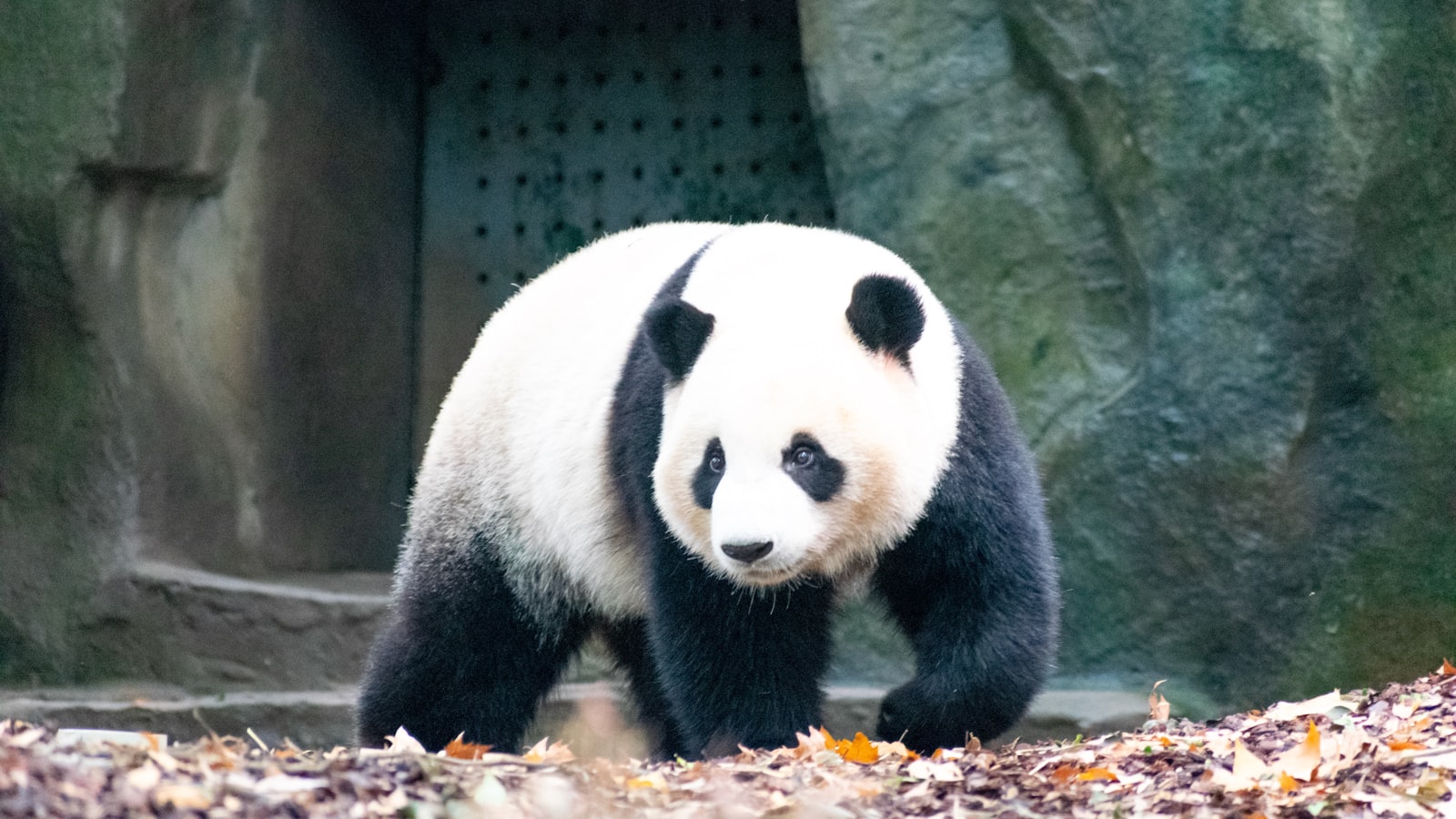
Laid-back capital of Sichuan, home to giant pandas, fiery hotpot and the gentle art of teahouse living.
- Best time to visit: March-June, September-November
- Daily budget (budget traveller): $30 to $80 USD
- Ideal trip length: 2 to 3 days
Chengdu is China at its most easygoing, a fast-growing megacity that still moves to the rhythm of teahouses, mahjong tables and lazy afternoons. It's the world capital of giant pandas, with a famous breeding base on its outskirts, and the home of mouth-numbing Sichuan cuisine, from bubbling hotpot to fragrant mapo tofu. Add ancient temples, leafy parks and a thriving bar scene, and it's both a cultural heavyweight and a springboard to Tibet and the misty mountains beyond. Joy Plus times your panda visit for peak cuteness and threads the city's tastiest, calmest corners.
Chengdu is the one big Chinese city that hasn't forgotten how to sit down. Locals have a saying that the sun shows up so rarely over the Sichuan Basin that dogs bark at it, and the whole city seems to have adapted by slowing to the speed of a teahouse chair. Tables of mahjong spill onto pavements, retirees nurse a ¥25 cup of jasmine tea all afternoon, and nobody is in a hurry to be anywhere. It is also a genuine megacity of more than 20 million people with excellent metro lines, glossy malls and a serious craft-cocktail scene, so you get the slow rhythm and the infrastructure in one trip.
The headline act is still the giant panda. The Chengdu Research Base of Giant Panda Breeding started in 1987 with six rescued bears and now has well over a hundred. But the city's real pull is the table. Sichuan cooking is built on málà, the one-two punch of chilli heat and numbing Sichuan peppercorn. Expect hotpot at Shu Daxia, mapo tofu at Chen Mapo Tofu, wontons in red oil at Zhong Shuijiao and skewer pots on Yulin Road. A day here is organised around meals, with sights slotted between them.
Chengdu is also the easiest launch pad in western China. The Leshan Giant Buddha is an hour away by train, Mount Qingcheng and the 2,200 year old Dujiangyan irrigation works are 35 minutes out, and Mount Emei, Tibetan Sichuan and the road to Lhasa all start here. Plan around two things: the pandas want an early start, and the city wants a lazy afternoon. Do both in that order, download Alipay and a VPN before you land, and you will find it far easier than its reputation for being a hard country to travel in.
How many days in Chengdu?
For Chengdu, we recommend 2 to 3 days. With more time, add a day trip to Mount Emei.
| Trip length | What you'll see | Itinerary |
|---|---|---|
| 2 days · Recommended | Kuanzhai and Chunxi; Pandas at dawn, Wenshu, hotpot | Chengdu in 2 days |
| 3 days · Recommended | Adds: Teahouse day: People's Park, Du Fu, Wuhou and Jinli | Chengdu in 3 days |
| 4 days | Adds: Leshan Giant Buddha day trip | Chengdu in 4 days |
| 5 days | Adds: Dujiangyan and Mount Qingcheng | Chengdu in 5 days |
| 7 days | Adds: Jinsha, Yulin and the bar scene; Daci Temple | Chengdu in 7 days |
Chengdu itinerary
Arrive, settle, Kuanzhai and Chunxi
Morning: Land at Shuangliu (CTU), take Line 10 to Taipingyuan and change to Line 3 for the centre (about an hour, around ¥6 to Chunxi Road). Drop bags, then your first bowl of dan dan noodles.
Afternoon: Walk Kuanzhai Alleys (Wide, Narrow and Well Alley) and have tea in a courtyard. Pop into the small Wenshu Fang lanes.
Evening: Dinner at Long Chaoshou on Chunxi Road for red-oil wontons. See the climbing panda on the IFS tower, then wander Taikoo Li. Bed early, tomorrow is a 6am start.
Pandas at dawn, Wenshu, hotpot
Morning: Line 3 to Panda Avenue, then a ¥12 to 15 Didi or the shuttle bus to the Panda Base at opening (8am from November to February; ¥55, book online in advance and bring your passport). Bears feed and play until about 10am.
Afternoon: Back to town for a noodle lunch, then Wenshu Monastery (free) with its vegetarian teahouse. Nap if you must, it's allowed.
Evening: Hotpot initiation at Shu Daxia. Order a yin-yang split pot (yuan yang guo), beef tripe, duck intestine and a bowl of sesame oil dip. Don't skip the iced soy milk to cool down.
Teahouse day: People's Park, Du Fu, Wuhou and Jinli
Morning: People's Park at 9am for Heming Teahouse (¥25 tea, ear-cleaning ¥30 to 50 optional). Watch mahjong and the weekend marriage market, if it's a Saturday or Sunday.
Afternoon: Du Fu Thatched Cottage (¥50), then Wuhou Shrine (¥50) and the Jinli old street next door. Skip the sweet-sticky tourist snacks and eat triple-layer rice cakes instead.
Evening: Face-changing Sichuan opera at Shufeng Yayun or a similar teahouse theatre (¥200 to 320, book on Trip.com). Late-night skewers on the way back.
Leshan Giant Buddha day trip
Morning: High-speed train from Chengdu to Leshan (about 1 hour, ¥55 to 70, book on Trip.com or 12306). Bus 13 or a Didi to the scenic area at the 7:30am opening (¥80).
Afternoon: Descend the steep Plank Road beside the 71m Buddha, then take the river boat (¥70) for the full view. Lunch on Leshan's bobo chicken and sweet-skin noodles.
Evening: Train back, easy dinner near your hotel. Beer from a ¥5 convenience store.
Dujiangyan and Mount Qingcheng
Morning: Intercity train to Dujiangyan (about 35 minutes, ¥15 to 20). Walk the 2,200 year old Dujiangyan irrigation system (¥80) when the river is loudest.
Afternoon: Hop one stop to Qingchengshan and walk the front mountain (about ¥80). Take the cable car down if your knees plead.
Evening: Back in Chengdu, dumplings in red oil at Zhong Shuijiao, then a slow wander around Taikoo Li.
Jinsha, Yulin and the bar scene
Morning: Jinsha Site Museum (¥70), home of the 3,000 year old gold Sun Bird. Allow 2 hours.
Afternoon: Late lunch, then Yulin Road. Browse the indie shops, noodle spots and little shrines, and hum Zhao Lei's song 'Chengdu'.
Evening: Dinner of chuan chuan skewers, then drinks at Little Bar on Yulin West Road. Move to the Jiuyanqiao riverside if you want a louder end.
Slow morning, Daci Temple, depart
Morning: Coffee and a stroll through Daci Temple, tucked behind the Chunxi malls. Mapo tofu at Chen Mapo Tofu on Xiyulong Street, the originators' recipe.
Afternoon: Last-minute shopping at Taikoo Li, or a final teahouse refill. Pick up Sichuan peppercorns and chilli oil to take home.
Evening: Metro Line 10 or Line 18 (Tianfu) to the airport, or Didi for ¥60 to 80 from the centre.
Best neighbourhoods
- Jinli & Wuhou: The touristy but atmospheric ancient street and Three Kingdoms shrine area.
- Kuanzhai Alleys: Restored Qing-era lanes of teahouses, courtyards and boutiques.
- Chunxi Road: The buzzing downtown shopping and nightlife hub.
- Tianfu Square: The central plaza near the metro, museums and city core.
- Panda Base (north): The leafy northern outskirts home to the famous breeding centre.
Must-do experiences
- Meet the giant pandas: Visit the breeding base early to see the bears at their liveliest; book your ticket online in advance and bring your passport.
- Eat Sichuan hotpot: Brave the mouth-numbing málà broth with locals.
- Relax in a teahouse: Sip tea and people-watch in People's Park, ear-cleaning optional.
- Wander the Kuanzhai Alleys: Explore the restored Qing-dynasty lanes and courtyards.
- Visit Wuhou Shrine & Jinli: Tour the Three Kingdoms memorial and the old food street.
- Day-trip to the Leshan Giant Buddha: See the world's largest stone Buddha carved into a cliff.
Hidden gems
- Watching a face-changing (bian lian) Sichuan opera performance.
- The serene Wenshu Monastery with its vegetarian teahouse.
- People's Park on a weekend, with its famous 'marriage market'.
- A day trip to misty Mount Qingcheng, birthplace of Taoism.
Daily budget
- Accommodation: budget ¥55 to 90 / night (hostel dorm), mid-range ¥350 to 650 (boutique double), splurge ¥1,800+ (The Temple House, The Ritz-Carlton Chengdu). Book on Trip.com and filter for 'accepts foreign guests'. Some budget hotels can't register foreigners. Kuanzhai, Wenshu and Chunxi are the best-value mid-range areas.
- Food: budget ¥60 to 100 / day (noodle shops, set lunches, street snacks), mid-range ¥180 to 300 (one proper hotpot dinner), splurge ¥600+ (Michelin-listed Sichuan tasting menu). Hack: lunch set meals at neighbourhood restaurants cost ¥25 to 40. Hotpot per head is ¥90 to 150 at Shu Daxia or Haidilao. Dan dan noodles are ¥12 to 20.
- Transport: budget ¥10 to 20 / day (metro fares ¥2 to 8), mid-range ¥40 to 90 (metro + Didi + a Leshan train), splurge ¥500+ (private driver to Leshan or Dujiangyan). Metro runs roughly 6:30am to 11pm. Pay with Alipay or the Tianfu Tong QR code. A Didi across town is usually ¥15 to 30.
- Activities: budget ¥60 to 120 / day (panda base ¥55 + free teahouse and temples), mid-range ¥150 to 350 (Leshan ¥80 + boat ¥70, Sichuan opera ¥200 to 320), splurge ¥800+ (private guide, car and a premium opera table). Free or nearly free: People's Park, Kuanzhai Alleys, Jinli, Wenshu Monastery. Wuhou Shrine and Du Fu Thatched Cottage are about ¥50 each.
- Drinks & nightlife: budget ¥20 to 40 (convenience-store beer ¥4 to 6 + teahouse tea ¥25), mid-range ¥100 to 200 (Yulin bar crawl, craft beer ¥35 to 55), splurge ¥500+ (Taikoo Li cocktail bars, club table). Yulin and the Jiuyanqiao riverside are where locals drink. Heming Teahouse in People's Park gives endless hot-water refills for one ¥25 pot.
Where to stay
- Social hostel in Chunxi Road / Taikoo Li (¥55 to 130 / night): Poshpacker Flipflop Hostel, a top-rated backpacker base right next to the metro and Taikoo Li, or one of the Desti Youth Park hostels nearby.
- Boutique hotel in Kuanzhai Alleys / Wenshu Fang (¥350 to 700 / night): Restored courtyard guesthouses and design hotels in old Qing lanes. Quiet at night, steps from teahouses, and a 10 minute walk to the metro.
- Apartment in Yulin (¥250 to 450 / night): Serviced apartments on Trip.com with a kitchenette and washing machine. Surrounded by noodle shops, tiny bars and a real neighbourhood feel. Best value for 5+ nights.
- Splurge in Chunxi Road / Taikoo Li (¥1,800 to 3,800 / night): The Temple House or The Ritz-Carlton Chengdu. Design-forward rooms, spa and rooftop pools, with the best restaurants and Daci Temple at your door.
What to eat
- Sichuan hotpot with mouth-numbing málà broth
- Mapo tofu, silky tofu in fiery bean-paste sauce
- Dan dan noodles with chilli and minced pork
- Sweet water noodles and spicy wontons from street stalls
Day trips
- Leshan Giant Buddha (1 hour by high-speed train): The 71m Tang-dynasty Buddha carved into a cliff above three rivers. Take the river boat for the full view, then walk the stairs beside it. Book your ticket online in advance with your passport, and arrive at opening (7:30am, or 8am from November to February) to beat the tour groups. Entry is about ¥80. High-speed train from Chengdu (¥55 to 70, check your departure station). Bus 13 or a ¥20 to 30 Didi from Leshan station to the scenic area.
- Dujiangyan and Mount Qingcheng (35 minutes by intercity train): A 2,200 year old irrigation system still taming the Min River, plus Qingcheng, the birthplace of Taoism. Misty temples, bamboo paths and cable cars. Each site is about ¥80. Intercity train from Chengdu Xipu or Chengdu West station, ¥15 to 20 one way. Qingchengshan is one stop beyond Dujiangyan.
- Mount Emei (1.5 to 2 hours by train + bus): Sacred Buddhist peak with monkeys, monasteries and a famous summit sunrise. Better as an overnight than a day trip. Entry about ¥160 in peak season (¥110 in winter), plus cable cars at ¥65 to 70 each. High-speed train from Chengdu to Emeishan (about ¥70 to 90), then the scenic bus to Baoguo Temple or Wannian Temple.
When to visit
- Spring (March to May): 12 to 25°C, mild, drizzly spells, hazy skies. Crowds: Moderate, spikes around Labour Day (1 to 5 May). The best window. Pandas are lively, parks are green and the hotpot is still enjoyable. Avoid the May holiday week.
- Summer (June to August): 25 to 35°C, sticky, humid, heavy afternoon downpours. Crowds: Heavy with domestic school-holiday families. Hot and wet. Pandas retreat to air-conditioned dens by 10am, so you must be at the gate right at opening. Hotpot at 35°C is a rite of passage, not a pleasure.
- Autumn (September to November): 14 to 26°C, mostly overcast, dry and comfortable. Crowds: Brutal 1 to 7 October (Golden Week), calm after mid-October. Locals' favourite season. Skip Golden Week and the mid-October to November window is sweet, with gold ginkgo leaves and cooler, more active pandas.
- Winter (December to February): 3 to 10°C, damp, grey, occasional fog. Crowds: Low, except Spring Festival (6 February in 2027). Gloomy but cheap, and the pandas love the cold. Ideal hotpot weather. Avoid the week of Chinese New Year, when many restaurants shut.
Entry rules for your passport
Visa rules for China depend on the passport you travel on. Check the official source before you book: China National Immigration Administration
Getting there
Chengdu has two airports. Shuangliu (CTU) is 16km southwest of the centre and Line 10 runs from the terminals through Taipingyuan, where you change to Line 3 for Chunxi Road and the centre (about an hour, around ¥6). A Didi to Tianfu Square is ¥50 to 80 and takes 30 to 45 minutes. Tianfu (TFU), 50km southeast, handles more international flights. Line 18 connects it to Chengdu South Railway Station for about ¥10 to 15, or a Didi to the centre costs ¥150 to 200. By train, Chengdu East, South and West stations connect the city: Chongqing takes 1h20 (about ¥154), Xi'an 3 to 4 hours (about ¥263) and Beijing 8 hours. Check the station name on your ticket, as the three stations are far apart. Many nationalities currently enjoy visa-free entry, and Chengdu supports the 240-hour transit visa-free scheme, but rules change, so confirm before booking.
Getting around
Chengdu has an excellent, ever-expanding metro that links the airport, train stations and most major sights cheaply, pay via Alipay or WeChat QR codes. The Panda Base is reachable by metro plus a short connecting bus or Didi. Buses are comprehensive but harder to navigate without Chinese. Didi (China's ride-hailing app) is cheap, reliable and the easiest way to get around door to door. Within the old quarters like Kuanzhai and Jinli, everything is walkable. Bike-share is widely available for short hops.
Safety
Chengdu is very safe with low violent crime and a visible police presence, making it comfortable for solo travellers, including women, day and night. Petty theft is rare but possible in crowded spots like Chunxi Road and tourist streets, so keep an eye on belongings. The biggest 'risk' is underestimating the chilli, ease into the spice if you're not used to it. You'll need a VPN for Western apps and mobile payment (Alipay or WeChat Pay) for almost everything, as cash is rarely used. Carry your passport for sight entry and hotel check-ins.
Solo travel tips
- Hotpot is easier solo than you think: Haidilao and many local chains have solo counters and half-size pots, and some seat a teddy bear opposite you. Order a split pot and scan the QR code to pick dishes. Just don't order five plates of meat on your own.
- Set up payments before you land: Link a Visa or Mastercard to Alipay (the Tour Pass or main app) or WeChat Pay at home. Almost everything, including the metro and street stalls, runs on QR codes. Carry ¥200 to 300 in cash as backup.
- Hostel pick: Poshpacker or Desti Youth Park: Both run well-reviewed backpacker hostels near Chunxi Road and Taikoo Li, with a steady crowd of solos. Dorms are ¥55 to 90. Ask the front desk to write your destination in Chinese for Didi drivers.
- Use the teahouse as your office: Heming Teahouse in People's Park and the courtyard teahouses in Kuanzhai are the best places to read, write or just watch. One ¥25 pot lasts a full afternoon and nobody rushes you.
- Solo female travellers: Chengdu is one of China's safest cities for women alone, with heavy police presence and late-night streets still busy at midnight. Standard rules apply: watch your drink in bars, use Didi after dark and share a live trip link with a friend.
- Find your tribe at Yulin or on a panda tour: Little Bar and the Yulin Road bars draw an easygoing mix of expats, students and travellers. Small-group Leshan and Dujiangyan tours from the hostels are another easy way to meet people.
Cultural etiquette
- Tap two fingers on the table when someone pours you tea. It's the Sichuan way of saying thanks without interrupting the conversation.
- Don't stick chopsticks upright in rice or point with them. Rest them on the holder. Slurping noodles is normal.
- Tipping is not done. Leaving money on the table can confuse staff, and they may run after you with it.
- Haggle gently at Jinli and souvenir stalls, but never in malls, restaurants or teahouses where prices are fixed.
- Always carry your passport. Hotels, trains, the Panda Base and most museums scan it at the door.
- Ask before photographing monks, worshippers or people playing mahjong. Most don't mind, but a smile and a gesture first goes a long way.
- Queue-jumping at ticket windows happens. Stay calm, keep your place, and learn 'bù hǎo yì si' (excuse me, sorry).
Frequently asked questions
How many days do you need in Chengdu?
Two to three days is ideal. One day covers the Giant Panda Breeding Base in the morning and the city's teahouses, parks and old streets in the afternoon. A second day allows for a hotpot feast, the Wuhou Shrine, Jinli and Kuanzhai alleys, and a Sichuan opera show. A third day is perfect for a trip to the Leshan Giant Buddha or sacred Mount Emei. Chengdu also makes an excellent base for longer journeys into western Sichuan and towards Tibet.
When is the best time to see the pandas in Chengdu?
Visit the Panda Breeding Base as early as possible, ideally right at the 7:30am opening (8am from November to February), because pandas are most active during their morning feeding and tend to sleep through the hotter parts of the day. Spring (March to June) and autumn (September to November) offer the most comfortable weather and active bears. Summer can be hot and humid, prompting the pandas to laze in air-conditioned enclosures. Visiting on a cooler morning gives you the best chance of seeing playful, climbing, munching pandas.
Is Chengdu food too spicy for most people?
Sichuan cuisine is famous for its bold heat and the unique 'málà' tingle of Sichuan peppercorns, which numb the mouth, but it's far from unmanageable. Most restaurants and hotpot spots offer mild or split (yin-yang) broths, and many iconic dishes balance spice with savoury, sweet or aromatic flavours. If you're sensitive, ask for 'bú là' (not spicy) or 'wēi là' (mild). Easing in gradually, plenty of locals do too, lets you enjoy the incredible depth of Sichuan flavour without overwhelming your palate.
How do you get to the Leshan Giant Buddha from Chengdu?
The easiest way is the high-speed train from Chengdu to Leshan, which takes around one hour, followed by a short bus or taxi ride to the scenic area. Once there, you can view the 71-metre Buddha from a boat on the river or descend the steep cliff-side staircase beside it for a close-up. Many travellers combine Leshan with sacred Mount Emei on a longer trip. Going independently by train is cheaper and more flexible than a packaged tour.
Do you need a visa to visit Chengdu?
It depends on your passport. Citizens of about 50 countries, including most EU states, the UK, Canada, Australia and Japan, can enter mainland China visa-free for up to 30 days under a policy that runs to 31 December 2026; the UK and Canada joined in February 2026. US citizens are not covered: they need a tourist (L) visa, or can use the 240-hour (10-day) visa-free transit when passing through China to a third country. Rules change often, so check the latest requirements for your nationality before booking, and carry your passport, as it is needed to enter major sights.
What is there to do in Chengdu besides pandas?
Plenty. Chengdu is the heart of Sichuan culture, so dive into fiery hotpot, relax in traditional teahouses (try People's Park with its 'marriage market'), and watch a face-changing Sichuan opera. Explore the restored Kuanzhai and Jinli ancient streets, visit the Three Kingdoms-era Wuhou Shrine and the tranquil Wenshu Monastery, and enjoy the lively Chunxi Road shopping and nightlife. Beyond the city, day trips to the Leshan Giant Buddha, Mount Emei and Taoist Mount Qingcheng add nature and history to your stay.
Do you need a VPN and mobile payments in Chengdu?
Yes to both. Like the rest of mainland China, Chengdu blocks Google, WhatsApp, Instagram and most Western apps, so install a trusted VPN before arriving, since downloading one inside China is difficult. For spending, the city is overwhelmingly cashless, set up Alipay or WeChat Pay (both now accept international cards) before or just after you arrive, as many vendors prefer mobile payment and may not have change, and foreign credit cards are rarely accepted. With a VPN and a payment app sorted, daily life in Chengdu becomes effortless.
Tours and activities in Chengdu | Chengdu in 2 days | Chengdu in 3 days | Chengdu in 4 days | Chengdu in 5 days | Chengdu in 7 days
Can't decide? Compare Chengdu with...
Joy Plus home | Destinations | Itineraries | Activities | Flights | Budget planner | Calendar | Map | Blog | Lifetime access