Destinations / Asia
Chongqing, China travel guide
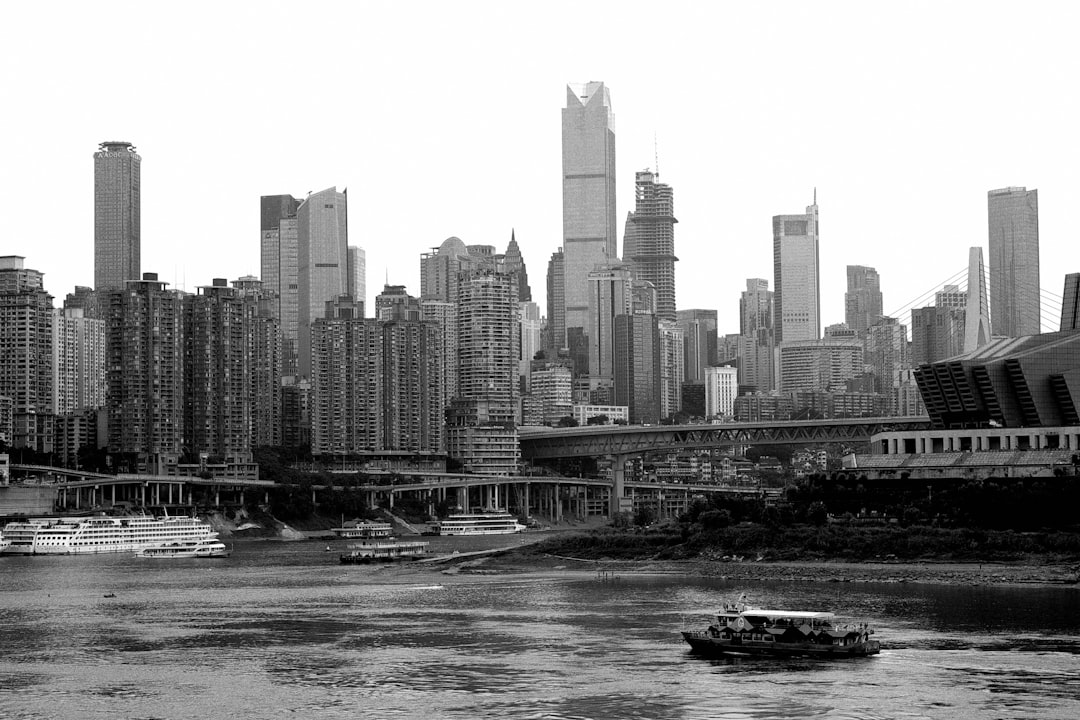
China's vertical mega-city: hotpot, stilted river architecture, neon bridges and the gateway to the Yangtze.
- Best time to visit: March-May, September-November
- Daily budget (budget traveller): $40 to $90 USD
- Ideal trip length: 2 to 3 days
Chongqing is the city the internet can't stop filming: a mountain metropolis whose municipality counts over 30 million people where metro trains pass through apartment towers, roads stack five levels deep and the Hongya Cave stilted complex glows over the Jialing River like a scene from a film. It's also China's hotpot capital and the departure point for Yangtze cruises. Joy Plus maps the vertical maze into a route that actually makes sense.
Chongqing does not behave like a city on a map. It is built on two rivers and about forty hills, so the pin that looks ten minutes from you can sit eleven floors above or below you. The Line 2 train rolls through the middle of an apartment block at Liziba. The 11-storey Hongya Cave complex clings to a cliff above the Jialing River. A road can start on the 2nd floor of a building and finish on the 18th. About 30 million people live in this municipality, and most of them are eating hotpot at any given moment. Come with a loose plan and good shoes, and let Amap tell you which exit to use.
Eat first and sightsee second. The local broth is beef tallow, dried chillies and Sichuan peppercorn, and a good table costs ¥90 to 140 a head. Breakfast is xiaomian, a spicy noodle bowl for ¥12 to 18 that locals eat standing up. Snacks are cheap and everywhere: sour-hot sweet potato noodles, twisted Chen Mahua dough in Ciqikou, grilled fish from riverside stalls. The city is also warm in a way northern China isn't. Chongqingers talk loud, laugh fast and will happily adopt a lone foreigner at the next table.
Plan around three things: light, heat and logistics. Hongya Cave, the Two Rivers skyline and the Liziba platform are all better after dusk, so keep your evenings free and your afternoons for rest or day trips. July and August hit 38 to 40°C with humidity, so aim for March to May or late September to November. And lean on your phone: Alipay for the metro and payments, Amap for navigation, Didi for taxis. This guide gives you the route, the venue names, the real prices and the hacks that keep a vertical city from wearing you out.
How many days in Chongqing?
For Chongqing, we recommend 2 to 3 days.
| Trip length | What you'll see | Itinerary |
|---|---|---|
| 2 days · Recommended | Jiefangbei and Hongya Cave at night; Ciqikou, Liziba and the cableway | Chongqing in 2 days |
| 3 days · Recommended | Adds: Dazu Rock Carvings | Chongqing in 3 days |
| 4 days | Adds: Museum, Chaotianmen and the Two Rivers cruise | Chongqing in 4 days |
| 5 days | Adds: Nan'an, Nanshan and Yikeshu | Chongqing in 5 days |
| 7 days | Adds: Wulong karst or Jinyun Mountain; Shancheng Alley, Eling Park | Chongqing in 7 days |
Chongqing itinerary
Arrive, Jiefangbei and Hongya Cave at night
Morning: Land at CKG, take Line 3 or Line 10 downtown (about an hour, ¥7-9) and drop bags near Xiaoshizi (Lines 1 and 6). Breakfast at the nearest steam-fogged xiaomian counter, ¥15.
Afternoon: Walk the Jiefangbei pedestrian streets and see the Liberation Monument. Climb the old steps to Shibati Old Street and rest in a teahouse with a ¥30 pot of jasmine.
Evening: Hotpot at Qin Ma or Zhou Junji by 6pm. Walk to Hongya Cave for dusk, enter from the top street and descend all 11 floors. Check the skyline from Qiansimen Bridge's walkway.
Ciqikou, Liziba and the cableway
Morning: Line 1 to Ciqikou at 8:30am, before the tour buses. Chen Mahua twists, a teahouse on the side lanes, then free wandering through the cobbled lanes.
Afternoon: Line 2 to Liziba for the train-through-a-building platform, trains every few minutes. Late lunch of suanla fen.
Evening: Cross the Yangtze on the River Cableway at sunset (¥20 one way). Dinner and a beer on Nanbin Road, lights from the Chaotianmen bridges reflect on the water.
Dazu Rock Carvings
Morning: High-speed train from Chongqing West to Dazu South (about 45 min), then Didi to Baodingshan (¥115), open from about 8:30am. The giant Wheel of Life and the Reclining Buddha are the stars.
Afternoon: Lunch in Dazu town (grilled fish or Rongchang goose are local), then Beishan if you still have energy. Late afternoon train back.
Evening: Light dinner of xiaomian or dandan noodles. Early night. Tomorrow is a skyline day.
Museum, Chaotianmen and the Two Rivers cruise
Morning: Three Gorges Museum (free, closed Mondays, book your passport slot on WeChat). Coffee at the museum's cafe.
Afternoon: Head to Chaotianmen where the Yangtze and the Jialing meet. Optional Raffles City Crystal Corridor (about ¥200) if the weather is clear.
Evening: Two Rivers night cruise from Chaotianmen (about ¥200-300, one hour). Late snacks on the way back, grilled skewers on the Xiaoshizi side.
Nan'an, Nanshan and Yikeshu
Morning: Slow start. Cross to Nan'an, walk the Nanbin Road promenade, coffee with a skyline view.
Afternoon: Didi up Nanshan (¥25-35). Wander the old walls and tea gardens, then go to the Yikeshu Viewing Platform for the classic city panorama (about ¥30).
Evening: Stay for the lights, then hotpot on Nanshan or dinner back on Nanbin Road.
Wulong karst or Jinyun Mountain
Morning: Early train from Chongqing West to Wulong (check 12306 or Trip.com for times) or Line 6 to Beibei plus Didi to Jinyun Mountain, a shorter option.
Afternoon: In Wulong: Three Natural Bridges and Longshuixia gorge, shuttle included. In Jinyun: forest trails and a hot spring soak.
Evening: Back in the city, quiet hotpot for one at Haidilao. Pack lightly.
Shancheng Alley, Eling Park, depart
Morning: Xiaomian breakfast, then Shancheng Alley for stone steps and teahouses before the crowd.
Afternoon: Last view from Eling Park's hilltop pavilion. Collect bags.
Evening: Metro Line 10 or Line 3 to CKG. Leave three hours: security and passport checks are slow.
Best neighbourhoods
- Jiefangbei (Yuzhong Peninsula): The downtown core between two rivers: shopping, hotels and the Liberation Monument.
- Hongya Cave & Jialing riverfront: The famous 11-storey stilted complex, best photographed at night.
- Ciqikou: A restored porcelain-era old town of tea houses and snack streets on the river.
- Nan'an (Nanbin Road): South-bank promenade with the classic skyline and bridge night views.
- Guanyinqiao (Jiangbei): Local shopping and nightlife district away from the tourist core.
Must-do experiences
- Hongya Cave at night: The stacked, lantern-lit stilted complex that became Chongqing's defining image.
- Eat real Chongqing hotpot: A volcanic mala broth of chilli and Sichuan pepper, the city's proudest ritual.
- Yangtze River Cableway: The vintage cable car gliding over the Yangtze between the two banks.
- Liziba monorail station: Watch Line 2's train pass directly through a residential tower.
Hidden gems
- Shancheng (Mountain City) Alley, old stone steps and tea houses on the hillside above the river.
- The Dazu Rock Carvings day trip: UNESCO-listed Buddhist cliff sculptures two hours away.
- Eling Park's hilltop pavilion for the best free skyline view.
- A bowl of xiaomian (spicy Chongqing noodles) at a hole-in-the-wall breakfast stall.
Daily budget
- Accommodation: budget ¥50-90 / night (hostel dorm), mid-range ¥350-650 (4-star chain or boutique double), splurge ¥1,800+ (Raffles Chongqing, Westin Liberation Square). Book via Trip.com. Jiefangbei and Hongya Cave sit closest to the sights, but Nan'an gives better skyline views per yuan.
- Food: budget ¥60-100 / day (xiaomian, noodles, street snacks), mid-range ¥150-250 (one hotpot dinner, a sit-down lunch), splurge ¥500+ (private-room hotpot, river-view tasting menu). A solid hotpot at Qin Ma or Zhou Junji runs ¥90-140 per person. Breakfast noodles are ¥12-18 and keep you full until 2pm.
- Transport: budget ¥15-25 / day (metro + a bus), mid-range ¥50-100 (metro plus Didi), splurge ¥700-1,000 (private driver for Dazu or Wulong). Metro fares run ¥2-10 by distance. Pay by Alipay QR. Avoid taxis between 5 and 7:30pm, the bridges clog.
- Activities: budget ¥0-60 / day (Hongya Cave, Ciqikou, Three Gorges Museum are free), mid-range ¥120-250 (Dazu carvings ¥115 plus the cableway at ¥20), splurge ¥400+ (Two Rivers night cruise, Raffles Crystal Corridor, guide). Book the Three Gorges Museum on WeChat with your passport, it's free and closed on Mondays.
- Drinks & nightlife: budget ¥20-40 (supermarket beer, street-side tea), mid-range ¥100-180 (Nan'an bars, cocktails ¥50-80), splurge ¥400+ (hotel bar with river view). Chongqing Beer is ¥8-15 in a bar, ¥3-5 from a convenience store. Teahouses on Ciqikou and Shancheng Alley are the slow-evening option.
Where to stay
- Social hostel in Jiefangbei / Shibati (¥50-90 / night): Walk to Hongya Cave, Xiaoshizi (Lines 1 and 6) and the hotpot streets. Look for river-view terrace dorms and common rooms. Book on Trip.com or Hostelworld.
- Boutique hotel in Hongya Cave / Yuzhong riverfront (¥350-650 / night): Atour, Ji Hotel or Orange branches with river-facing rooms near Hongya Cave. Clean, modern, quick check-in, easy 10-minute walk to the metro.
- Apartment in Nan'an (Nanbin Road) or Guanyinqiao (¥250-450 / night): Serviced apartments with a kitchenette and a washing machine, Line 3 access from Guanyinqiao. Better value for five nights or more, and skyline views from higher floors.
- Splurge in Chaotianmen / Jiefangbei (¥1,800-3,500 / night): Raffles Chongqing at the river confluence or Westin Liberation Square in the core. High floors, a pool, club lounge, and the skyline at your feet.
What to eat
- Chongqing hotpot with beef tallow broth, tripe and duck blood for the brave
- Xiaomian, the city's beloved spicy breakfast noodles
- Suanla fen: hot-and-sour sweet potato noodles
- Grilled fish (kaoyu) from the riverside night markets
Day trips
- Dazu Rock Carvings (About 1 hour by high-speed rail plus 30 min by car): UNESCO-listed Buddhist carvings from the 9th to 13th centuries. Baodingshan has the Wheel of Life and a 31-metre reclining Buddha. Go at opening to avoid the groups. Train from Chongqing West to Dazu South (about ¥40-60), then Didi or a local bus to Baodingshan. Ticket about ¥115. Check 12306 for times.
- Wulong Karst (About 2-2.5 hours by train and bus): Three Natural Bridges, Furong Cave and Longshuixia gorge, the dramatic limestone canyons seen in film locations. Start early and wear good shoes. Train from Chongqing West to Wulong, then taxi or shuttle bus to the park. Combined entry about ¥120-150 with shuttle. Check Trip.com for packages.
- Jinyun Mountain (About 1 hour by metro and car): Forested hills north of the city, with trails, temples and hot springs. A cool, green break on a hot day. Metro Line 6 toward Beibei, then Didi to the mountain gate (about ¥25-35). Allow 4-6 hours.
When to visit
- Spring (March - May): 12-26°C, drizzly and misty in March, warmer and clearer by May. Crowds: Moderate, spikes during the Labour Day holiday (1-5 May). A great window. Comfortable walking temperatures, green hills, hotpot still pleasant. Carry a compact umbrella.
- Summer (June - August): 30-40°C, very humid, one of China's 'furnace cities'. Crowds: Heavy with domestic families, school holidays. Only if you love sweating. Do outdoor sights at 7am or after 7pm, spend the afternoon in a museum or an air-conditioned mall. Hotpot in 38°C is a local sport.
- Autumn (September - November): 16-28°C, clearer skies and cooler nights from mid-October. Crowds: Very heavy 1-7 October (National Day, plus Mid-Autumn on 15 September in 2027), then quiet. The single best window, but avoid the first week of October. Late October to November has the best light for Hongya Cave.
- Winter (December - February): 5-12°C, grey, damp and foggy, rarely freezing. Crowds: Low, except the Spring Festival week (6 February in 2027) when the city empties and many restaurants close. Cheap hotels and the true hotpot season. Fog makes the river views moody, but sunlight is rare, so plan indoor backup.
Entry rules for your passport
Visa rules for China depend on the passport you travel on. Check the official source before you book: China National Immigration Administration
Getting there
Chongqing Jiangbei International Airport (CKG) is about 25 km north of the centre, with terminals T2, T3A and T3B. Metro Lines 3 and 10 run from the airport to the city, about 55-70 minutes and ¥7-9 to Xiaoshizi or Jiefangbei with a change, so use Amap to pick the best transfer. Didi to Jiefangbei costs about ¥80-120 and takes 40-60 minutes, longer at rush hour. High-speed trains run from Chengdu East to Chongqing West in about 1.5-2 hours for about ¥154 in second class. Check 12306 or Trip.com. Many nationalities now enter visa-free for stays up to 30 days or use the 240-hour transit exemption, others need an L visa. Rules change, so verify on official Chinese government sites before you book.
Getting around
Chongqing Jiangbei International Airport connects to downtown by metro Line 10 and Line 3 (about an hour). The CRT metro system is excellent and the best way to beat the stacked-street confusion. Taxis and Didi are cheap but can be slow on bridges at rush hour. Citizens of about 50 countries can enter China visa-free for 30 days, and many others can use the 240-hour (10-day) transit exemption when travelling on to a third country: see the visa question below.
Safety
Chongqing is very safe for travellers, with low violent crime and well-lit, busy night districts. The main issues are slippery hillside steps in rain, spicy-food overconfidence, and traffic when crossing multi-lane roads. Carry your hotel's address in Chinese characters, and note Google services don't work in mainland China without workarounds.
Solo travel tips
- Hotpot for one is easy: Haidilao seats solo diners and often sets a plush teddy bear opposite you. Order a yuan yang pot (half spicy, half mild), count tripe 7 seconds up, 8 seconds down, and use the sesame-oil dip to put out fires.
- Install Alipay and Amap before you fly: Alipay with a foreign card pays for metro rides, shops and Didi rides. Amap (Gaode) works in English for routes, and Google Maps doesn't. Screenshot your hotel address in Chinese characters.
- Look at the floor number, not the map pin: Chongqing addresses often end with a floor or entrance (8F, B1, Gate 3). A shop 'next to you' might be four levels away. Search for the floor in the app, or ask staff: 'zai ji lou?'
- Hostel pick: stay in Yuzhong near Xiaoshizi: Dorms near Hongya Cave and Shibati put sunset, Line 1 and Line 6 within a ten-minute walk. Search Trip.com for rooftop terraces and common rooms with hotpot nights, ¥50-90 a bed.
- Solo female travellers: Chongqing is very safe, busy and well-lit late. Standard rules: book Didi through the app and check the plate, keep your drink in sight, and take wet steps slowly in rain, it's the stone stairs that hurt, not people.
- Find your tribe on a cruise or at a teahouse: Yangtze cruises from Chaotianmen are full of independent travellers. In town, sit at a Ciqikou or Shancheng Alley teahouse, play a round of mahjong or cards with the locals, and learn two words of dialect.
Cultural etiquette
- Hotpot rules: dip in the oil sauce, not in the broth, and don't leave food sitting in the pot. Tripe is 7 seconds up, 8 seconds down, duck blood a bit longer. Say 'wei la' (mild) or 'bu la' (no spice) when ordering.
- When someone pours your tea, tap two fingers on the table to say thanks. A teahouse refills cups without being asked.
- Tipping isn't expected in China. Leave it, and staff may chase you to return it.
- Metro etiquette: let people exit first, stand on the right on escalators and keep headphones in. Don't film strangers at Liziba from the platform, use the viewing deck.
- Learn 'ni hao', 'xie xie' and 'bu yao la' (no spice please). Chongqingers speak a local dialect, so even a bad Mandarin phrase gets smiles.
- Carry some tissue and wet wipes. Many public toilets and restaurants don't have paper or soap.
- Cash is legal tender, but most places prefer QR payments. Keep ¥200 in small notes as a backup, and never haggle at restaurants or hotels, only at some market stalls.
Frequently asked questions
Is Chongqing worth visiting?
Yes, and it's one of China's most visually striking cities. The vertical geography, Hongya Cave at night, the monorail-through-a-building and the food scene make it unlike anywhere else. It's also the starting point for Yangtze River cruises through the Three Gorges.
How many days do you need in Chongqing?
Two to three. One day for Jiefangbei, Hongya Cave (at night) and a riverfront walk, one for Ciqikou, the Yangtze cableway and Liziba station, and one for the Dazu Rock Carvings day trip. Add days if you're boarding a Yangtze cruise.
Why is Chongqing so famous on social media?
Its geography creates surreal visuals: trains passing through residential towers at Liziba, roads stacked five levels high, a metro station on the 8th floor of a building, and Hongya Cave's 11-storey stilted complex glowing over the river. It's been called a real-life cyberpunk city.
How spicy is Chongqing hotpot?
Very. The classic broth is a deep-red mix of dried chillies, Sichuan peppercorns and beef tallow that numbs and burns simultaneously. Order a yuan yang (half-spicy, half-mild) divided pot if you're unsure, and use the sesame-oil dipping sauce to cool the heat.
Do I need a visa for Chongqing?
It depends on your passport. Citizens of about 50 countries, including most EU states, the UK, Canada, Australia and Japan, can enter mainland China visa-free for up to 30 days under a policy that runs to 31 December 2026; the UK and Canada joined in February 2026. US citizens are not covered: they need a tourist (L) visa, or can use the 240-hour (10-day) visa-free transit when passing through China to a third country. Rules change often, so check the latest requirements for your nationality before booking, and carry your passport, as it is needed to enter major sights.
When is the best time to visit Chongqing?
Spring (March-May) and autumn (September-November) offer mild, clearer weather. Summer is famously hot and humid (Chongqing is one of China's 'furnace cities'), and winter is grey and foggy, though fog adds atmosphere to the river views.
Can you take a Yangtze cruise from Chongqing?
Yes. Multi-day cruises through the Three Gorges to Yichang depart from Chongqing's Chaotianmen docks. Book ahead in peak season, and check whether the sailing includes the Three Gorges Dam. Joy Plus can align your city days with cruise departure dates.
Tours and activities in Chongqing | Chongqing in 2 days | Chongqing in 3 days | Chongqing in 4 days | Chongqing in 5 days | Chongqing in 7 days
Can't decide? Compare Chongqing with...
Joy Plus home | Destinations | Itineraries | Activities | Flights | Budget planner | Calendar | Map | Blog | Lifetime access