Destinations / Europe
Cluj-Napoca, Romania travel guide
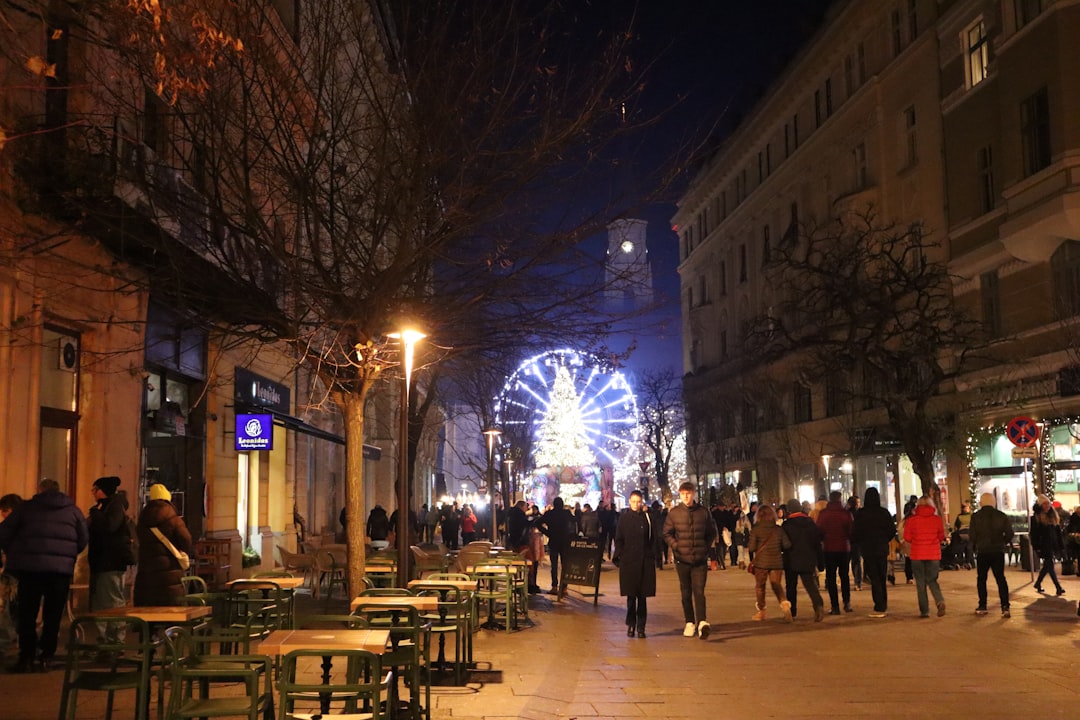
Transylvania's tech and student capital: Habsburg squares, huge festivals and salt-mine day trips.
- Best time to visit: May-June and September
- Daily budget (budget traveller): $60 to $120 USD
- Ideal trip length: 2 to 3 days
Cluj-Napoca is Romania's most energetic city: a university town of 100,000 students that grew into the country's tech hub, with Baroque squares, a Gothic church whose tower opens to climbers on set days, and a nightlife density that outpaces Bucharest. Untold and Electric Castle fill it each summer, while Turda salt mine and the Apuseni mountains sit within an hour.
Cluj-Napoca runs on students. Roughly 100,000 of them live here, and they are the reason a mid-sized Transylvanian city has specialty roasters on every other block, basement bars that stay busy on a Wednesday, and a tech scene that drew half of Romania's developers. The centre is a tight grid of Habsburg-era facades around Piața Unirii, where St Michael's Gothic tower rises over the square and a statue of Matthias Corvinus watches the terraces. You can cross the old town on foot in 20 minutes, which is the point: Cluj is a city you drift through, with a coffee in hand, rather than tick off.
The rhythm changes by season. In May and June the terraces on Piața Muzeului open, the hills turn green and Cetățuia fills with people at sunset. Mid-July and early August belong to Electric Castle (at Bonțida castle, just outside the city) and Untold, and for those weeks hotel prices triple and the centre turns into one long party. Outside festival dates the city is calm, cheap and entirely yours. A restaurant main costs 35 to 60 RON, a half-litre of beer 12 to 18 RON, and a specialty flat white about 14 RON.
Cluj is also the best launchpad in Transylvania. Turda Salt Mine is 30 km away, Cheile Turzii gorge is a 45 minute drive, Alba Iulia's star-shaped fortress is two hours by train, and the Apuseni mountains start just beyond the last suburb. Most of these need a little timing, since minibuses thin out after lunch and the gorge has no direct bus. This guide gives you the stations, schedules and tricks that make them work.
How many days in Cluj-Napoca?
For Cluj-Napoca, we recommend 2 to 3 days. With more time, add a day trip to Alba Iulia.
| Trip length | What you'll see | Itinerary |
|---|---|---|
| 2 days · Recommended | Piața Unirii; Botanical Garden, Central Park and Cetățuia sunset | Cluj-Napoca in 2 days |
| 3 days · Recommended | Adds: Turda Salt Mine | Cluj-Napoca in 3 days |
| 4 days | Adds: Hoia forest and Grigorescu | Cluj-Napoca in 4 days |
| 5 days | Adds: Cheile Turzii gorge | Cluj-Napoca in 5 days |
| 7 days | Adds: Fabrica de Pensule, Mărăști and the night out | Cluj-Napoca in 7 days |
Cluj-Napoca itinerary
Arrive and settle into Piața Unirii
Morning: Land at CLJ, take the city bus or a 25 to 35 RON Bolt to the centre. Drop bags, then a flat white at Meron or Camino.
Afternoon: Walk Piața Unirii, see the Matthias Corvinus statue, then admire St Michael's Church tower, which opens to climbers on set days, such as the Hungarian Cultural Days each August; I could not confirm regular opening. Poke into the Bánffy Palace art museum next door.
Evening: Dinner at Roata for varză à la Cluj. Drinks on the Piața Muzeului terraces, then bed early.
Botanical Garden, Central Park and Cetățuia sunset
Morning: Botanical Garden at opening (about 20 RON), the glasshouses and Japanese garden first.
Afternoon: Lunch at Joben Bistro or Samsara Foodhouse. Stroll Central Park, the rowing lake and the old casino building.
Evening: Walk up Cetățuia Hill for sunset over red roofs. Back down for dinner in the old town.
Turda Salt Mine
Morning: Minibus from the bus station by the train station (Autogara Beta) to Turda, about 40 min. Catch an early one to beat tour groups.
Afternoon: Salina Turda: ride the Ferris wheel and row the underground lake, bring a jacket, it is 12°C inside. Lunch in Turda's old town.
Evening: Minibus back. Cheap dinner of mici and beer near your hotel.
Hoia forest and Grigorescu
Morning: Bolt (20 to 30 RON) to Hoia-Baciu forest. Walk the trails early while mist is still on the trees.
Afternoon: Visit the Romulus Vuia open-air Ethnographic Park next door, then coffee in Grigorescu.
Evening: Dinner and a cinema or live gig at Casa Tiff or Form Space.
Cheile Turzii gorge
Morning: Bus to Turda, then taxi to the Mihai Viteazu entrance, or book a half-day tour (about 250 RON).
Afternoon: Hike the 3 km gorge path between limestone walls, with climbing ropes and lookouts.
Evening: Return to Cluj, long soak, then dinner at a Gheorgheni local like Tapas Bar or Hanul Vânătorilor.
Fabrica de Pensule, Mărăști and the night out
Morning: Slow morning, then walk to Fabrica de Pensule (Paintbrush Factory) for galleries and studios.
Afternoon: Lunch in Mărăști at a local meniu zilei spot, then Piața Mihai Viteazul market for fruit and cheese.
Evening: Bar crawl: Flying Circus, Bulgakov, then Diesel Club or Form Space if it's a weekend.
Slow morning and depart
Morning: Brunch at Meron, last walk through Piața Unirii. Buy palincă and Transylvanian wine for the bag.
Afternoon: Grab lunch at a bakery, collect bags and head to CLJ at least 2 hours before the flight.
Evening: Fly out. Or, if you've time, take the train to Alba Iulia for one more day.
Best neighbourhoods
- Centru (Piața Unirii): The main square with St Michael's Church, museums and cafe terraces.
- Piața Muzeului: The prettiest small square, packed with bars and coffee roasters.
- Mărăști & Gheorgheni: Residential districts with local prices and good everyday restaurants.
- Grigorescu: Quieter and green, close to Hoia forest and the Someș riverside path.
- Cetățuia Hill: The viewpoint above the river with the whole city laid out below.
Must-do experiences
- St Michael's Church tower: One of Romania's tallest church towers opens to climbers on set days, including the Hungarian Cultural Days each August, so check the schedule.
- Turda Salt Mine: Ride a Ferris wheel 120 metres underground in a vast salt chamber.
- Cetățuia Hill at sunset: Walk up for the classic panorama of red roofs and the Carpathians beyond.
- Botanical Garden: Wander 14 hectares of glasshouses, a Japanese garden and Roman stones.
Hidden gems
- Matthias Corvinus House, the birthplace of the Hungarian king on a quiet lane.
- Bánffy Palace's art museum, usually near-empty despite a strong collection.
- Central Park's rowing lake and the casino building turned cultural centre.
- The Hoia-Baciu forest trails, famous for folklore and genuinely eerie in fog.
Daily budget
- Accommodation: budget 90-150 RON / night (hostel dorm), mid-range 350-600 RON (central boutique double), splurge 900+ RON (Grand Hotel Italia, upscale central hotels). Book 3 to 4 months ahead for Untold and Electric Castle weeks, when prices can triple. Gheorgheni apartments are the best value.
- Food: budget 90-140 RON / day (meniu zilei + mici + bakery), mid-range 200-300 RON (one sit-down dinner), splurge 500+ RON (tasting menu with wine). The weekday lunch menu (meniu zilei) is soup plus main for 30-40 RON. A plate of mici is about 25 RON.
- Transport: budget 4-15 RON / day (walking + a bus ticket), mid-range 40-80 RON (Bolt rides + Turda minibus), splurge 250+ RON (private driver to Turda and Cheile Turzii). A Bolt across the centre is 15 to 25 RON. Skip the airport taxi rank.
- Activities: budget 20-50 RON / day (Botanical Garden, free viewpoints), mid-range 100-200 RON (Turda Salt Mine, museum), splurge 400+ RON (guided Apuseni or Cheile Turzii day). Turda Salt Mine is about 50 to 70 RON, with extra for boats and the wheel. Cetățuia, Piața Unirii and Central Park cost nothing.
- Drinks & nightlife: budget 30-45 RON (two beers + a palincă shot), mid-range 100-150 RON (Piața Muzeului bar hop), splurge 300+ RON (club table, cocktails, Form Space night). Beer is 12 to 18 RON, cocktails 30 to 40 RON. Bars fill from Wednesday, and clubs run until 4 or 5am.
Where to stay
- Social hostel in Centru (near Piața Unirii) (90-150 RON / night): Retro Hostel is a short walk from everything, with mixed dorms and a lively common room. Perfect for meeting people.
- Boutique hotel in Centru / Piața Muzeului (350-600 RON / night): Hotel Opera Plaza or Hotel Capitolina put you in the old town, quiet streets by day and a short walk from every bar.
- Apartment in Gheorgheni (250-420 RON / night): Residential, green and well-connected by bus. Real supermarkets, local restaurants and Lacul Gheorgheni nearby. Best value for 4+ nights.
- Splurge in Centru (900-1,500 RON / night): Grand Hotel Italia or another top central hotel, with spa, breakfast spread and Piața Unirii on foot.
What to eat
- Varză à la Cluj, layered cabbage and minced meat
- Papanași, fried doughnuts with sour cream and jam
- Mici, grilled minced-meat rolls with mustard
- Fetească Neagră red wine from Transylvanian vineyards
Day trips
- Turda Salt Mine (Salina Turda) (30 km, 40 min by minibus): A vast former salt mine with an underground lake, rowboats, a Ferris wheel and a sports hall in the Rudolf Mine. Stays about 12°C year round, so bring a jacket. Minibus from Autogara Beta (about 15 RON), then a short taxi or 25 min walk to the entrance. Tickets about 50 to 70 RON, cheaper on weekdays.
- Cheile Turzii (Turda Gorge) (45 km, about 1 hour): A 3 km limestone canyon with marked trails, climbing routes and rare plants. Easy to moderate walking, best in late spring and early autumn. Bus to Turda, then taxi (about 60 to 80 RON) to Mihai Viteazu entrance. Or book a tour at about 250 RON. Driving is easiest.
- Alba Iulia (100 km, about 2 hours by train): Alba Carolina Citadel is a star-shaped Vauban-style fortress with a Roman gate, Reunification Cathedral and, in summer, a changing of the guard. Train from Gara Cluj-Napoca (about 40 to 60 RON each way in second class), or a bus from Autogara Beta. Doable in a long day.
When to visit
- Spring (April - June): 10-24°C, fresh and green, occasional showers. Crowds: Moderate, rising through June. The best window. Terraces open, hills turn green, and TIFF film festival (early June) fills the cinemas. Prices stay normal.
- Summer (July - August): 24-32°C, hot days, sudden thunderstorms. Crowds: Very heavy during Electric Castle and Untold. Come for the festivals or skip it. Festival-week rooms triple in price and sell out months ahead. Outside those dates it is lively and fine.
- Autumn (September - October): 12-23°C, golden light, cool evenings. Crowds: Low to moderate, students return in October. The locals' pick. Students are back, bars are full, harvest wine is out and hotel rates drop.
- Winter (November - March): -6 to 4°C, snow likely, grey spells. Crowds: Low, except the Christmas market. Cheapest and cosiest. Mulled wine at the Piața Unirii Christmas market (late Nov to early Jan), then retreat into cafes. Turda's mine stays a steady 12°C.
Entry rules for your passport
Visa rules for Romania depend on the passport you travel on. Check the official source before you book: European Commission: Schengen visa policy
Getting there
Cluj-Napoca International Airport (CLJ) is about 8 km east of the centre and is a Wizz Air and Ryanair hub with direct flights across Europe. The city bus (line 5, check the CTP Cluj app for current service) reaches Piața Mihai Viteazul in about 25 to 30 minutes for roughly 4 RON. Bolt to the centre is 25 to 35 RON. Avoid airport taxis. By rail, Gara Cluj-Napoca is a 20 minute walk or short bus ride from the centre, with trains to Brașov (5 to 6 hours), Sighișoara (3.5 to 4 hours) and Budapest (6 to 7 hours). Buses from Autogara Beta, next to the station, are usually faster and cheaper to Turda, Sibiu, Alba Iulia and Oradea.
Border checks: non-EU visitors (other than Swiss, Norwegian, Icelandic, Liechtenstein, Andorran, Monegasque, San Marinese and Vatican citizens, and holders of an EU residence permit or long-stay visa) are registered in the EU's Entry/Exit System (EES) instead of getting a passport stamp. On your first crossing, officers take your photo and/or fingerprints, so allow extra time at passport control. ETIAS, the planned travel authorisation, is not in operation yet, so don't pay any website for one.
Getting around
Cluj-Napoca International Airport is 15 minutes from the centre with wide low-cost coverage across Europe. The historic core is small and entirely walkable, with cheap buses and trams reaching the outer districts. Turda salt mine is about 40 minutes by frequent minibus, and trains link Brașov and Sighișoara, though Romanian rail is slow so buses are often faster.
Safety
Cluj is safe with low violent crime and a strong student presence keeping the centre busy late. Watch for taxi overcharging at the airport, and use Bolt or Uber instead. Stray dogs exist on the outskirts but are far less common than reputation suggests. Pavements are uneven, and during Untold and Electric Castle accommodation prices multiply and the centre gets very crowded.
Solo travel tips
- Sit at the bar in a specialty cafe: Cluj's coffee scene is social. Camino, Meron and Narcoffee all have counter seats, and baristas switch to English the moment you hesitate. It's the easiest way to get local tips.
- Hostel pick: Retro Hostel: Central, relaxed and full of solos on a Transylvania loop. The common room is where Cetățuia sunset groups form. Book a few weeks ahead outside festival weeks.
- Use Bolt, not the airport taxi rank: Airport taxis quote 60+ RON for a 15 minute ride. Bolt is 25 to 35 RON. Open the app at arrivals and confirm the plate before getting in.
- Join the free walking tour: Cluj runs a daily free walking tour from Piața Unirii, usually at 11am and 5pm. It's a low-pressure way to meet other travellers and learn why the city has two names, Cluj and Kolozsvár.
- Solo female travellers: Cluj is one of Romania's safest cities. The centre is busy late and students walk everywhere. Use Bolt after midnight, keep an eye on your drink in clubs, and avoid empty park paths after dark.
- Meet people on a day trip: Turda and Cheile Turzii tours (around 250 RON for the gorge) are mostly solos and couples. The Piața Muzeului terraces on a Thursday night are the second best bet.
Cultural etiquette
- Learn two words: bună ziua (hello) and mulțumesc (thank you). Cluj has a sizeable Hungarian minority, so don't assume everyone speaks Romanian first.
- Tipping is about 10% at sit-down restaurants. Round up at cafes and for Bolt drivers.
- Cover shoulders and knees in Orthodox churches and men should remove hats. Women may be asked to cover their head in monasteries.
- When toasting, say noroc or sănătate and look people in the eye as you clink. Refusing a palincă shot is fine, sipping slowly is better.
- Lunch is 12 to 3pm, dinner 7 to 10pm. Kitchens in the centre close around 11pm, and bars carry on until 3 or 4am.
- Terraces can be smoky even where indoor smoking is banned. Ask for a table upwind or indoors.
- Tap water is fine in the city, but locals buy bottled. Don't assume a mici stand takes cards, carry small notes.
Frequently asked questions
How many days do you need in Cluj-Napoca?
Two days covers the city comfortably: one for Piața Unirii, St Michael's tower, the museums and Piața Muzeului bars, and one for the Botanical Garden, Cetățuia Hill and Central Park. Add a third day for Turda Salt Mine or a run into the Apuseni mountains.
Is Cluj-Napoca worth visiting?
Yes. It is Romania's most dynamic city, with Habsburg and Gothic architecture, a student population that fills hundreds of bars and specialty coffee shops, very low prices, and easy access to Transylvanian countryside, salt mines and mountains. It is also the best-connected airport for the region.
What is Cluj-Napoca famous for?
Untold and Electric Castle, two of Europe's biggest summer festivals; Romania's largest university and its biggest tech hub outside Bucharest; St Michael's Gothic church; the Hoia-Baciu forest and its paranormal folklore; and being the unofficial capital of Transylvania.
When is the best time to visit Cluj-Napoca?
May, June and September give warm days, green hills and open terraces. Festival season, in mid-July and early August, is electric but expensive and fully booked. Winter is cold with snow and a good Christmas market, and the shoulder months are the cheapest time to fly in.
How do you get from Cluj to Turda Salt Mine?
Frequent minibuses leave from the Cluj bus station to Turda in about 40 minutes, then a local bus or short taxi reaches the mine entrance. Driving takes around 35 minutes. Organised half-day tours combine it with the Turda Gorge, which is worth the extra time.
Is Cluj-Napoca good for nightlife?
It is arguably the best in Romania. The student population supports a huge number of bars, clubs and live venues clustered around Piața Muzeului and the streets off Piața Unirii, with drinks cheap and places busy from Wednesday onward. Summer adds rooftop bars and festival crowds.
Is Cluj-Napoca expensive?
No, it is very good value. Budget $60 to $120 a day. A restaurant main runs $7 to $12, beer around $2.50, specialty coffee $2.50, and central apartments are cheap outside festival weeks, when prices can triple and hotels sell out months in advance.
Tours and activities in Cluj-Napoca | Cluj-Napoca in 2 days | Cluj-Napoca in 3 days | Cluj-Napoca in 4 days | Cluj-Napoca in 5 days | Cluj-Napoca in 7 days
Can't decide? Compare Cluj-Napoca with...
Joy Plus home | Destinations | Itineraries | Activities | Flights | Budget planner | Calendar | Map | Blog | Lifetime access