Destinations / Europe
Coimbra, Portugal travel guide
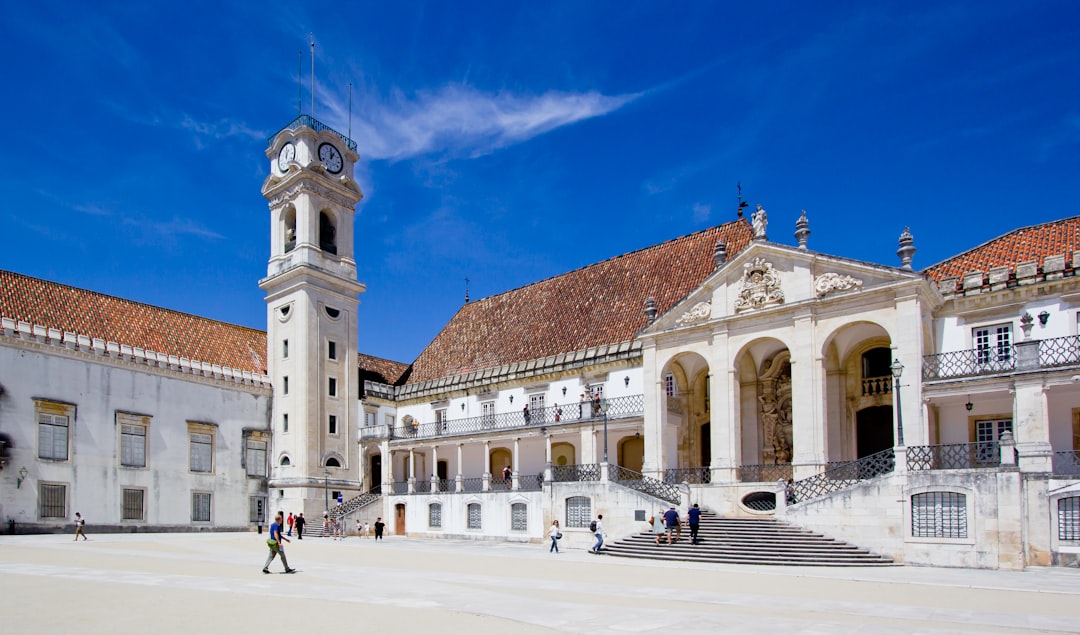
Portugal's ancient university city: a baroque library, black-caped students and melancholy fado.
- Best time to visit: April-June and September-October
- Daily budget (budget traveller): $80 to $150 USD
- Ideal trip length: 2 to 3 days
Coimbra stacks up a hillside above the Mondego river around one of Europe's oldest universities, a UNESCO site whose gilded Joanina Library is the single most beautiful room in Portugal. Student traditions still shape the city, from black academic capes to its own darker style of fado. The monastery ruins of Santa Clara are across the river, and Roman Conímbriga and the Serra da Estrela are within day-trip reach.
Coimbra is a hill with a university on top and a river at the bottom, and almost everything worth seeing sits on that single slope. The Paço das Escolas crowns it, with the gilded Biblioteca Joanina, a Royal Palace and a chapel that takes 40 minutes to see properly. Below it, Sé Velha squats like a Romanesque fortress. Below that, the Baixa runs flat to the Mondego with its pastelarias, arcaded shops and a covered market. Portugal's oldest university sits at the centre, and the whole city is arranged around its calendar, from the black capes to the Thursday-night bars.
The charm is that it still works as a town, not a set. Students in traje académico cross Praça da República on the way to lectures. Lunch is a prato do dia at €8 to €10 with a drink. Fado de Coimbra is sung by men with Portuguese guitar in small rooms like Fado ao Centro on Rua Quebra Costas, and the audience coughs softly rather than clapping. It is slower, more formal and more melancholy than Lisbon fado, and one of the few Portuguese musical traditions that has not been turned into a dinner show.
Coimbra sits on the Lisbon to Porto main line, so it works as a two-night stop or a week-long base. Roman Conímbriga, the belle-époque forest palace at Buçaco and the canal town of Aveiro are all one bus or train ride away. Do it in this order: climb by lift or bus, then walk down, book the Joanina slot before you land, and keep Thursday night free for the student bars. Avoid the first week of May unless you want Queima das Fitas, when hotels triple their rates and the city is loud until dawn.
How many days in Coimbra?
For Coimbra, we recommend 2 to 3 days.
| Trip length | What you'll see | Itinerary |
|---|---|---|
| 2 days · Recommended | Baixa and Praça 8 de Maio; The university, Sé Velha and Machado de Castro | Coimbra in 2 days |
| 3 days · Recommended | Adds: Botanical garden, Santa Clara and the river | Coimbra in 3 days |
| 4 days | Adds: Conímbriga Roman ruins | Coimbra in 4 days |
| 5 days | Adds: Aveiro and Costa Nova | Coimbra in 5 days |
| 7 days | Adds: Buçaco forest and Mealhada | Coimbra in 7 days |
Coimbra itinerary
Arrive, Baixa and Praça 8 de Maio
Morning: Arrive at Coimbra-B and take the connecting bus, free with your train ticket, to the centre. Drop bags, then coffee at Café Santa Cruz, in a former church on Praça 8 de Maio.
Afternoon: Walk Rua Ferreira Borges, look at the Mercado Municipal D. Pedro V (best before 1pm), then climb Arco de Almedina and Rua Quebra Costas. A pastel de Santa Clara at Pastelaria Briosa for the sugar hit.
Evening: Fado ao Centro at 6pm (about €10 with a glass of port). Dinner at Zé Manel dos Ossos in Beco do Forno, small, cash helps, go early.
The university, Sé Velha and Machado de Castro
Morning: Elevador do Mercado up to the Alta. Be at the Paço das Escolas at 9am for your timed Biblioteca Joanina slot. Royal Palace, Sala dos Capelos and São Miguel chapel follow. Climb the tower for the view.
Afternoon: Walk down to Sé Velha and its cloister (church free, cloister a couple of euros). Then Museu Nacional Machado de Castro and its Roman cryptoporticus. Closed Mondays, so swap days if needed.
Evening: Praça da República for a drink with the students. On Thursday, stay out, it is the traditional student night.
Botanical garden, Santa Clara and the river
Morning: Jardim Botânico at opening (about €4), then Jardim da Sereia for a shaded loop.
Afternoon: Cross the Pedro e Inês pedestrian bridge to Santa Clara. Visit Mosteiro de Santa Clara-a-Velha, the flooded Gothic convent, then walk to Quinta das Lágrimas gardens and the Fonte das Lágrimas.
Evening: Walk the Parque Verde do Mondego at sunset. Dinner in the Baixa, ask for leitão or chanfana.
Conímbriga Roman ruins
Morning: Bus from the Coimbra bus station on Avenida Fernão de Magalhães to Conímbriga (about 40 min). Wander the House of the Fountains mosaics before the school groups.
Afternoon: Conímbriga museum (about €5 for ruins + museum), then lunch at the small restaurant by the site. Bus back.
Evening: Easy dinner and an early night.
Aveiro and Costa Nova
Morning: Train from Coimbra-B to Aveiro (about 40-50 min depending on the service). Walk the canal and the Art Nouveau Casas Arte Nova, then a moliceiro boat ride (about €15).
Afternoon: Eat ovos moles, then bus to Costa Nova for the striped houses and the beach.
Evening: Train back, light dinner.
Buçaco forest and Mealhada
Morning: Bus to Luso, then walk or taxi up to Mata Nacional do Buçaco. Walk the Via Sacra and Fonte Fria.
Afternoon: Coffee or lunch at the Palace Hotel do Buçaco. Then a taxi or short train to Mealhada for leitão at Pedro dos Leitões.
Evening: Back in Coimbra, a last fado night at À Capella or a quiet drink in the Baixa.
Slow morning, depart
Morning: Pastelaria Briosa for arrufadas and coffee. Buy pastéis de Santa Clara to take home.
Afternoon: Last wander of the Alta lanes. Collect your luggage.
Evening: Take the connecting bus to Coimbra-B and your onward train.
Best neighbourhoods
- Alta (Upper Town): The university plateau with the Joanina Library, Royal Palace and student bars.
- Baixa (Lower Town): Riverside shopping streets, Rua Ferreira Borges and cheap eating around Praça do Comércio.
- Santa Cruz & Praça 8 de Maio: The monastery church, cafes and the city's most sociable square.
- Santa Clara: Across the river, with the flooded Gothic convent and views back to the old town.
- Celas & Solum: Modern residential districts with better-value stays and local restaurants.
Must-do experiences
- Biblioteca Joanina: Enter the gilded 18th-century library on a timed ticket, bats and all.
- University of Coimbra tour: See the Royal Palace, Sala dos Capelos and the Capela de São Miguel.
- Sé Velha old cathedral: Climb through the fortress-like Romanesque cathedral and its cloister.
- Fado de Coimbra performance: Hear the male, guitar-led student tradition, distinct from Lisbon fado.
Hidden gems
- Museu Nacional Machado de Castro, built over a huge Roman cryptoporticus you can walk through.
- Jardim Botânico, a vast 18th-century garden that most day trippers skip.
- Mosteiro de Santa Clara-a-Velha, the excavated convent that the river repeatedly flooded.
- Quinta das Lágrimas gardens, tied to the legend of Pedro and Inês.
Daily budget
- Accommodation: budget €20-30 / night (hostel dorm), mid-range €85-140 (boutique or Baixa hotel double), splurge €250+ (Quinta das Lágrimas). Rates triple in the first week of May (Queima das Fitas) and around graduation. Book that week three months out.
- Food: budget €18-26 / day (prato do dia + pastelaria), mid-range €40-60 (one proper dinner), splurge €90+ (Palace Hotel do Buçaco dinner or a Quinta das Lágrimas tasting). Lunch menus run €8-10 with soup, main and drink. Zé Manel dos Ossos is the classic, arrive before 12:30 or after 2pm.
- Transport: budget €3-6 / day (walking + one bus or lift), mid-range €10-20 (day trip by bus or train), splurge €60+ (private driver for Conímbriga + Buçaco + Mealhada). The Baixa is flat. Ride the Elevador do Mercado or a bus up to the Alta, then walk down. Skip the car, old town parking is a puzzle.
- Activities: budget €10-18 / day (free churches and one ticket every other day), mid-range €30-45 (university ticket, Machado de Castro, fado), splurge €80+ (private guided university tour, Aveiro moliceiro boat + guide). The university combined ticket (about €17) covers the Joanina Library, Royal Palace and São Miguel chapel. Book the timed slot online.
- Drinks & nightlife: budget €8 (bica, a glass of Bairrada, one beer), mid-range €20-30 (a student bar crawl on Thursday), splurge €60+ (Quinta das Lágrimas bar, port tasting). Coffee is €0.80-1, beer €1.50-2.50. Thursday night is the traditional student party night, term time only.
Where to stay
- Social hostel in Baixa (€20-32 / night): Serenata Hostel is a short walk from the Baixa restaurants, with a lively common area and mixed dorms. Flat walking in, steep walking up.
- Boutique hotel in Baixa / riverside (€90-150 / night): Hotel Astoria is a historic Art Nouveau hotel on Avenida Emídio Navarro, with river views from the upper rooms and the Baixa at your door.
- Apartment in Alta or Sé Velha lanes (€60-95 / night): A flat in the old town puts you inside the student quarter. Pick one with a lift or at the top of the hill, because the stairs are real. Best value for 4+ nights.
- Splurge in Santa Clara (€250-420 / night): Quinta das Lágrimas is a historic palace hotel with gardens tied to the legend of Pedro and Inês, a spa and a quiet riverside walk into town.
What to eat
- Leitão à Bairrada, suckling pig from nearby Mealhada
- Chanfana, goat slow-cooked in red wine
- Pastéis de Santa Clara and arrufadas pastries
- Bairrada sparkling wine and Baga reds
Day trips
- Conímbriga (16 km, about 40 min by bus): The best-preserved Roman city in Portugal. Mosaic floors, a water-fountain garden, a forum and a good museum. Go in the morning to beat school groups. Bus from the Coimbra bus station on Avenida Fernão de Magalhães, around €3 to €4 each way. Ruins plus museum about €5. Check the return times before you go, services thin out in the afternoon.
- Aveiro and Costa Nova (about 45 min by train): The Venice of Portugal, with moliceiro boat rides, Art Nouveau facades, ovos moles pastries and the striped beach houses of Costa Nova. Train from Coimbra-B to Aveiro, roughly €5 to €10 depending on service. Moliceiro boat about €15. Bus or bike to Costa Nova (15 to 20 min).
- Buçaco Forest and Mealhada (about 30 km, 1h by bus plus a short taxi or walk): A walled forest of cedars and Via Sacra chapels around the neo-Manueline Palace Hotel do Buçaco. Then the leitão capital of Portugal, Mealhada, for roast suckling pig at Pedro dos Leitões. Bus from Coimbra to Luso (about 1h, around €4 to €5), then walk or taxi (about €8 to €10) up to the forest. Mealhada is on the train line from Coimbra-B in about 15 min.
When to visit
- Spring (April - June): 15-25°C, bright, occasional showers in April. Crowds: Moderate, spikes in early May. The best window for walking the hill and the botanical garden. Queima das Fitas (early May) is a raucous week of student parades and concerts, so book ahead or avoid it.
- Summer (July - August): 28-36°C, can hit 40°C in heatwaves, little shade on the climb. Crowds: Light locally, tourists mostly on day trips. Hot and academically quiet. Do the university at 9am, siesta, then walk the river at dusk. Some student bars close and the night scene thins out.
- Autumn (September - October): 17-26°C, dry early, rain returns late October. Crowds: Moderate, students return mid-September. The locals' favourite. Term restarts, caloiros (freshers) fill the squares in costume, and the Bairrada harvest brings sparkling wine to every table.
- Winter (November - March): 5-14°C, wet and foggy by the river. Crowds: Low. Cheapest rooms and empty library slots, but the stone lanes are slick and the fog can hide the views. Fado rooms feel best now.
Entry rules for your passport
Visa rules for Portugal depend on the passport you travel on. Check the official source before you book: European Commission: Schengen visa policy
Getting there
Coimbra has no commercial airport. Fly into Porto (OPO, about 120km north) or Lisbon (LIS, about 200km south). From Porto, take the metro to Campanhã station (about 30 to 40 min, around €2.60 including the Andante card), then an Intercidades or Alfa Pendular to Coimbra-B in 1h to 1h20, roughly €17 to €22. From Lisbon, trains from Santa Apolónia or Oriente take 1h40 to 2h15 and cost from about €20 to €30 if you book ahead on the CP app. The central station closed for good on 12 January 2025, so all trains stop at Coimbra-B on the edge of town. A connecting bus, free with a train ticket, runs to the centre. Buses with Rede Expressos and FlixBus from Lisbon (Sete Rios) or Porto are slower but cheap, about €10 to €16. Driving is easy on the A1, but old town parking is hard, so leave the car at the Parque Verde.
Border checks: non-EU visitors (other than Swiss, Norwegian, Icelandic, Liechtenstein, Andorran, Monegasque, San Marinese and Vatican citizens, and holders of an EU residence permit or long-stay visa) are registered in the EU's Entry/Exit System (EES) instead of getting a passport stamp. On your first crossing, officers take your photo and/or fingerprints, so allow extra time at passport control. ETIAS, the planned travel authorisation, is not in operation yet, so don't pay any website for one.
Getting around
Coimbra sits on the main Lisbon-Porto line, about 1h40 from Lisbon and an hour from Porto; all trains now stop at Coimbra-B on the edge of town, since the central station closed in January 2025, and a connecting bus, free with a train ticket, runs to the centre. The lower town is flat and walkable, but reaching the university means steep stairs and lanes, so use the elevador do Mercado or a bus and walk down. Trains and buses cover Aveiro, Conímbriga and Buçaco.
Safety
Coimbra is safe and low-crime, with opportunistic theft around the station and busy student nightlife the only real concerns. The main hazard is the terrain: long stairways, steep cobbles and few flat routes up to the university, which is hard going in heat or with mobility limits. Summer afternoons can top 35C with little shade, and academic events can close university buildings.
Solo travel tips
- Go up by lift, come down on foot: The climb is the hardest part of the city. Take the Elevador do Mercado or any SMTUC bus up to the Alta, then walk down through the lanes. Your knees and your schedule will thank you.
- Sit at the front at Fado ao Centro: The room holds about 40 and the 6pm show comes with an English introduction. Solo travellers get talking to the performers afterwards, and the glass of port is included.
- Hostel pick: Serenata Hostel: It sits close to the Baixa, with a mix of solos and small groups and a common room that actually gets used. Book early if you land in May or September.
- Thursday is student night: Term-time Thursday is when the students go out. Praça da República and the lanes below the Alta fill up after 10pm. It is lively, friendly, and a good way to meet people, but quiet from late June to mid September.
- Solo female travellers: Coimbra is very safe. The only real hazard is the hill after dark: well-lit lanes are fine, but late-night stairways can be slick. Use a taxi or Bolt for the climb home, and watch drinks in busy student bars.
- Join a free walking tour on day one: A tip-based walking tour from the Praça 8 de Maio is the quickest way to learn the capes, the praxe traditions and the best places to eat. Most run in English once or twice a day.
Cultural etiquette
- At fado de Coimbra, don't clap. Tradition is to clear your throat softly (a light cough) as a sign of appreciation, and clapping after a song can read as rude.
- Students in black traje académico are not costumes. Ask before photographing them, and never touch or tug at a cape. Frayed, torn capes are earned.
- Praxe (student initiation rituals) happens in public squares in September and October. Don't film freshers or step into the circle, just walk around.
- Silence and no photography in the Biblioteca Joanina. Phones away, bags small, and arrive on time, because late entry is refused.
- Cover shoulders and knees in Sé Velha, Santa Cruz and Santa Clara. Visitors are welcome during services but not during the Mass itself.
- Lunch is 12:30 to 2:30pm, dinner 8 to 10:30pm. Many smaller restaurants shut on Sundays or Mondays, so check before climbing a hill.
- Tipping is 5-10% at sit-down meals and round up at cafés. Couvert (bread, olives, cheese) is charged if you touch it, so wave it away if you don't want it.
Frequently asked questions
How many days do you need in Coimbra?
Two days is right: one for the university, Joanina Library, Sé Velha and a fado performance, and one for Machado de Castro, the botanical garden, Santa Clara and the riverside. Add a third day for Conímbriga's Roman ruins, Buçaco forest or a quick trip to Aveiro.
Is Coimbra worth visiting?
Yes, especially if you like history. It has one of the world's oldest universities, the extraordinary Joanina Library, a Romanesque cathedral, Roman ruins nearby and its own fado tradition, all at lower prices and with far fewer crowds than Lisbon or Porto.
Do you need tickets for the Joanina Library?
Yes. Entry is by timed slot with limited numbers, usually as part of a university ticket that also covers the Royal Palace and São Miguel chapel. Book online ahead in summer, arrive on time because late entry is refused, and note that photography inside the library is not allowed.
How do you get from Lisbon or Porto to Coimbra?
Alfa Pendular and Intercidades trains take about 1h40 from Lisbon and 1 hour from Porto, arriving at Coimbra-B on the edge of town; the central station closed in January 2025, and a connecting bus, free with a train ticket, runs into the centre. Buses take longer but cost less. Driving is easy on the A1, though old town parking is difficult.
What is fado de Coimbra?
A distinct tradition sung only by men, historically students in academic capes, accompanied by Portuguese guitar. It is more serenade-like and formal than Lisbon fado, with themes of student life, the city and lost love. Small venues such as Fado ao Centro run nightly performances with English explanation.
When is the best time to visit Coimbra?
April to June and September to October offer mild weather and an active student city. Early May brings the Queima das Fitas student festival, which is fun but chaotic and books out hotels. July and August are hot and quieter academically, and winter is wet but very cheap.
Is Coimbra expensive?
No. It is one of Portugal's better-value cities at roughly $80 to $150 a day. Student-priced lunches run under $12, guesthouses are cheap outside festival week, the university combined ticket is modest and most walking sights cost nothing. Prices only spike during Queima das Fitas and graduation season.
More about Coimbra
- What To Do in Lisbon for 7 Days: Itinerary with Sintra, Cascais and Évora
- Hidden Gems in Lisbon: Quiet Viewpoints, Museums, Gardens and Markets
Tours and activities in Coimbra | Coimbra in 2 days | Coimbra in 3 days | Coimbra in 4 days | Coimbra in 5 days | Coimbra in 7 days
Can't decide? Compare Coimbra with...
Joy Plus home | Destinations | Itineraries | Activities | Flights | Budget planner | Calendar | Map | Blog | Lifetime access