Destinations / South America
Colonia del Sacramento, Uruguay travel guide
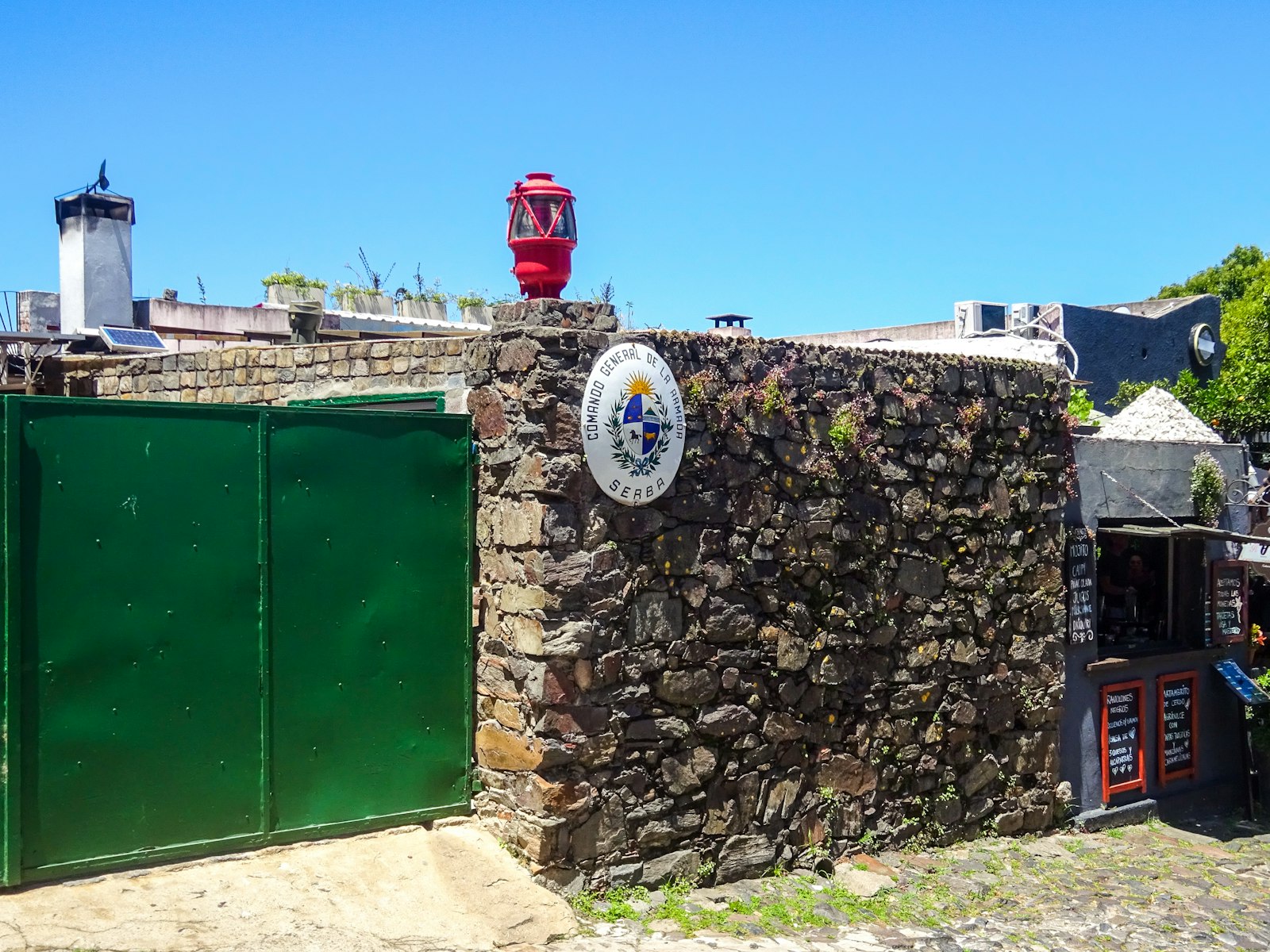
Uruguay's cobblestoned colonial gem on the Río de la Plata, a UNESCO-listed day trip from Buenos Aires.
- Best time to visit: October-April (spring to autumn, warm and pleasant)
- Daily budget (budget traveller): $50 to $140 USD
- Ideal trip length: 1 to 2 days
Colonia del Sacramento, founded by the Portuguese in 1680 on the banks of the Río de la Plata, is Uruguay's oldest town and one of South America's most enchanting colonial gems. Its UNESCO-listed Barrio Histórico is a dreamy tangle of cobbled streets, colourful colonial houses, vintage cars, sycamore-shaded plazas and a lighthouse with sweeping river views. Just a short ferry ride from Buenos Aires, it's a beloved escape where time slows down, perfect for wandering, riverside sunsets and long lunches. Joy Plus plans your ferry timings, old-town walk and the best spots for a leisurely day or overnight.
Colonia del Sacramento is a 15 minute walk from one end to the other, which is exactly why it works. Founded by the Portuguese in 1680 and fought over by Lisbon and Madrid for a century, the Barrio Histórico sits on a small peninsula on the Río de la Plata. It is a UNESCO site of crooked cobbles, whitewashed walls, bougainvillea and 1940s Chevrolets turned into flower planters. Most people see it as a day trip from Buenos Aires, fast ferry across, a lap of the old town, lunch, ferry home. That works, but you see the postcard and miss the town. The place is at its best after the last ferries leave and the streets go quiet and amber.
The smart play is to arrive on an early ferry and be on Calle de los Suspiros by 9:30am. The day-tripper wave lands around 10:30am and the lanes fill by noon, so you want to be done with the photos by then. Walk the peninsula, buy the single museum ticket (about UYU 100) and climb the lighthouse. Then eat properly: a chivito or a grilled provoleta at Lentas Maravillas, wine from the Colonia and Carmelo vineyards, and dulce de leche in whatever form it comes. Hire a bike or golf cart for the 5km out to Real de San Carlos, where the 1910 bullring, restored and reopened in December 2021 as a cultural venue, offers guided visits beside the river. Then be back on the Rambla for sunset with a mate or a cold Pilsen.
Colonia is easy, cheap by Buenos Aires hotel standards and genuinely safe. It is also a place where a little planning gets you a lot. Book your ferry two to three weeks ahead for Fridays and Sundays, bring your passport (immigration for both countries happens at the Buenos Aires terminal), and use foreign-card VAT discounts where they apply. Spend one night, or two if you can, and use the second day for a wine-country run to Carmelo, a drive to the brick-built British village of Conchillas, or a long Montevideo day. Joy Plus lines up the ferry, the old-town loop and the sunset seat so you spend the trip walking, not refreshing booking pages.
How many days in Colonia del Sacramento?
For Colonia del Sacramento, we recommend 1 to 2 days.
| Trip length | What you'll see | Itinerary |
|---|---|---|
| 2 days · Recommended | Ferry in, old town at golden hour; Lighthouse, museums, quiet lanes | Colonia del Sacramento in 2 days |
| 3 days | Adds: Bike to Real de San Carlos | Colonia del Sacramento in 3 days |
| 4 days | Adds: Carmelo wine day | Colonia del Sacramento in 4 days |
| 5 days | Adds: Conchillas and Bodega Irurtia | Colonia del Sacramento in 5 days |
| 7 days | Adds: Day out in Montevideo | Colonia del Sacramento in 7 days |
Colonia del Sacramento itinerary
Ferry in, old town at golden hour
Morning: Take the early fast ferry from Buenos Aires (Buquebus, Seacat or Colonia Express). Walk 10 minutes from the port to the Portón de Campo gate and the old town. Drop bags at your posada and have coffee and medialunas on Plaza Mayor.
Afternoon: Do the cobbles properly: Calle de los Suspiros, Basílica del Santísimo Sacramento, then the single museum ticket (Museo Portugués first). Long lunch on one of the side lanes.
Evening: Sunset on the Rambla Costanera with a mate or a beer at the Yacht Club. Dinner at Lentas Maravillas or Pulpería de los Faroles, then a slow walk home under the old street lamps.
Lighthouse, museums, quiet lanes
Morning: Faro de Colonia at opening, usually around 10am, for river views over the roofs. Walk the ruins of the Convento de San Francisco next door.
Afternoon: Finish the museums you skipped (most close by about 5pm, some on Tuesday). Wander Calle del Colegio and Calle Misiones de los Tapes. Late lunch at La Bodeguita.
Evening: Take the old town after the day-trippers go. Dinner by candlelight on a courtyard terrace, then a nightcap at a river bar.
Bike to Real de San Carlos
Morning: Rent a bike or golf cart and head north along the Rambla, 5km to Real de San Carlos. Take a guided visit of the restored Plaza de Toros, now a cultural venue, and see the old casino shell.
Afternoon: Swim or sit at the quiet river beach, then lunch near the hippodrome. Cycle back through the plazas.
Evening: Sunset at the Yacht Club marina. Light dinner and an early night.
Carmelo wine day
Morning: Catch a direct bus from Colonia's bus terminal to Carmelo (about 1h30). Walk the riverside plaza and the old bridge.
Afternoon: Tasting and lunch at Narbona Wine Lodge, just outside Carmelo, or a family bodega. Taste Tannat, Albariño and sparkling.
Evening: Bus back to Colonia. Easy dinner of pasta or grilled fish and an early night.
Conchillas and Bodega Irurtia
Morning: Taxi or rental car to Conchillas, the brick-built British quarry village on the river. Wander the silent streets and the old dockside.
Afternoon: Visit Bodega Irurtia, outside Colonia, for a tasting and long lunch among the vines.
Evening: Back to town. Sunset beer on the Rambla and a chivito dinner.
Day out in Montevideo
Morning: Early bus from Colonia terminal to Montevideo (about 2h30). Walk Ciudad Vieja, Plaza Independencia and the Mercado del Puerto.
Afternoon: Asado at the Mercado del Puerto, then the Rambla and the Palacio Salvo. Take an evening bus home.
Evening: Late bus back to Colonia. Quiet dinner near your posada, skip the big night.
Slow morning, ferry home
Morning: Last coffee on Plaza Mayor, a final loop through Calle de los Suspiros and the Portón de Campo.
Afternoon: Early lunch at Lentas Maravillas. Walk to the port with 90 minutes in hand for check-in and immigration.
Evening: Ferry back to Buenos Aires, watching the sunset from the deck.
Best neighbourhoods
- Barrio Histórico: The UNESCO-listed old town of cobbled lanes, colonial houses and the lighthouse.
- Calle de los Suspiros: The famous 'Street of Sighs', a picture-perfect cobbled lane.
- Rambla Costanera: The riverside promenade, ideal for sunset walks along the Río de la Plata.
- Plaza Mayor: The leafy central square surrounded by museums, cafés and historic buildings.
- Real de San Carlos: A quieter area on the edge of town with the restored 1910 bullring and beaches.
Must-do experiences
- Wander the Barrio Histórico: Lose yourself in cobbled streets, colonial facades and shaded plazas.
- Climb the lighthouse: Ascend the 19th-century faro for panoramic views over town and river.
- Walk Calle de los Suspiros: Stroll the most photographed cobbled street in Uruguay.
- Watch the sunset on the Rambla: Enjoy golden-hour light over the Río de la Plata from the riverfront.
- Rent a scooter or golf cart: Putter around town and out to the quieter Real de San Carlos.
- Linger over a long lunch: Relax in a courtyard restaurant with Uruguayan wine and grilled fare.
Hidden gems
- The Portón de Campo, the restored old town gate and drawbridge.
- Vintage cars repurposed as flower planters around the old town.
- The small museums clustered around Plaza Mayor on a single ticket.
- The 1910 bullring at Real de San Carlos, abandoned for a century and reopened in 2021 as a cultural venue, with guided visits.
Daily budget
- Accommodation: budget UYU 1,000 to 1,800 / night (dorm or simple guesthouse), mid-range UYU 4,500 to 8,000 (posada double in the Barrio Histórico), splurge UYU 12,000+ (Sheraton Colonia, Radisson Colonia). Foreign cards often get a VAT discount at hotels, so ask at check-in. Prices jump 30 to 50% on Argentine long weekends.
- Food: budget UYU 800 to 1,300 / day (chivito, empanadas, bakery stops), mid-range UYU 2,200 to 3,500 (sit-down lunch plus a courtyard dinner), splurge UYU 6,000+ (tasting menu, Tannat flight, river fish). A chivito runs UYU 450 to 700. Skip the Calle de los Suspiros terraces and eat on the side lanes or at the Rambla.
- Transport: budget UYU 0 to 300 / day (walk, local bus, bike), mid-range UYU 1,200 to 2,000 (golf cart or scooter by the hour), splurge UYU 4,000+ (private driver to Carmelo or Conchillas). The ferry from Buenos Aires is separate, roughly US$45 to 90 one way. The old town is all on foot, and cobbles are rough on wheels.
- Activities: budget UYU 150 to 300 (lighthouse, free walks, Portón de Campo), mid-range UYU 1,000 to 2,500 (museum ticket, Irurtia or Carmelo tasting), splurge UYU 5,000+ (private sunset sail, winery lunch with transfer). The single museum ticket (about UYU 100) covers around eight small museums. The lighthouse is around UYU 60.
- Drinks & nightlife: budget UYU 300 to 600 (beer or two on the Rambla), mid-range UYU 1,200 to 2,000 (wine with dinner plus a sunset bar), splurge UYU 3,500+ (bottle of Tannat at a river terrace). Nightlife is sunset terraces and low-key bars, not clubs. Ask for medio y medio or a Tannat from Colonia vineyards.
Where to stay
- Social hostel in Centro, near Plaza Mayor (UYU 1,000 to 1,800 / night): Hostel Colonial and similar guesthouses, shared kitchens and courtyards, a 5 to 10 minute walk to the cobbles. Dorm beds are limited, so book early.
- Boutique hotel in Barrio Histórico (UYU 4,500 to 8,000 / night): Posada del Gobernador or Posada Plaza Mayor, colonial courtyards and breakfast included, steps from the Plaza Mayor. Best value is a weekday in shoulder season.
- Apartment in Centro and Avenida General Flores (UYU 2,500 to 4,500 / night): Short-stay apartments a few blocks from the old town. A kitchen and a bike make a 3 to 5 night stay cheap and relaxed.
- Splurge in Real de San Carlos riverfront (UYU 12,000 to 20,000 / night): Sheraton Colonia Golf & Spa Resort or Radisson Colonia Hotel & Casino, pools, golf and river sunsets, a short drive from the old town.
What to eat
- Chivito, Uruguay's loaded steak sandwich
- Asado and grilled meats with local Tannat wine
- Fresh river fish and seafood
- Dulce de leche desserts and medialunas
Day trips
- Carmelo (75 km, about 1h30 by bus): River town and wine country. Tastings at Narbona Wine Lodge, quiet beaches on the Río Uruguay, and a good long lunch. Direct buses (Turil, Intertur) leave Colonia's bus terminal several times a day, UYU 300 to 400 each way. Check current times.
- Conchillas (45 km, about 45 min by car): Tiny British-built quarry village of brick houses, empty streets and a quiet riverside. Pair it with Bodega Irurtia. Taxi or rental car, about UYU 3,000 to 4,000 return with waiting. Public buses are infrequent.
- Montevideo (180 km, about 2h30 by bus): Ciudad Vieja, Plaza Independencia, Mercado del Puerto asado and the Rambla. Long but doable for a big day. COT, Turil or Cota buses from Colonia's terminal to Tres Cruces, around UYU 450 to 600 each way.
When to visit
- Spring (September to November): 14 to 24°C, bright, breezy river wind, occasional showers. Crowds: Light to moderate, building from October. Gardens and plazas green up, the light is soft and rooms are still cheap midweek. The best balance of weather and quiet.
- Summer (December to February): 24 to 32°C, humid, afternoon storms, strong sun on the Rambla. Crowds: Heavy, Argentine and Uruguayan holidays, packed weekends. Hot and busy but the river is warm and sunsets run past 8pm. Book ferries and beds early, and avoid the 11am to 4pm sun.
- Autumn (March to May): 15 to 25°C, dry spells, golden light. Crowds: Moderate, spikes at Easter week (Semana de Turismo). The local favourite. Warm days, cool evenings, quiet lanes in April and May. Dodge Semana de Turismo if you can.
- Winter (June to August): 6 to 15°C, damp, cold wind off the river, grey days. Crowds: Very low, restaurants open fewer days. Cheapest rooms and empty lanes, but cold and some places close Monday and Tuesday. Good for a cosy overnight with wine and asado.
Entry rules for your passport
Visa rules for Uruguay depend on the passport you travel on. Check the official source before you book: Uruguay Ministry of the Interior
Getting there
Most people arrive by ferry from Buenos Aires. Buquebus and Seacat Colonia sail from Dársena Norte in Puerto Madero (Av. Antártida Argentina 821), and Colonia Express from Dársena Sur near La Boca. Fast ferries take about 1 to 1h15, and a slower boat is also an option when they run. Fares run roughly US$45 to 90 one way in 2026, with Fridays and Sundays priciest. Book two to three weeks ahead and arrive 60 to 90 minutes early. Argentine and Uruguayan immigration are both done at the Buenos Aires terminal, so you walk straight off in Colonia. The Colonia port is a 10 minute walk from the Portón de Campo. From Montevideo, direct buses (COT, Turil, Cota) leave Tres Cruces terminal for Colonia in about 2h30, around UYU 450 to 600. Fly into Aeroparque (AEP) for the shortest ferry transfer, or Montevideo (MVD) and bus across.
Getting around
Colonia del Sacramento is small and wonderfully walkable, and the historic old town is best explored entirely on foot along its cobbled lanes. To reach quieter outlying areas like Real de San Carlos or nearby beaches, many visitors rent a scooter, bicycle or the town's popular golf carts, which are a fun way to potter around. Most travellers arrive by ferry from Buenos Aires across the Río de la Plata, a crossing of about an hour to an hour and a quarter on the fast ferries, with the terminal a short walk from the old town. Buses connect Colonia with Montevideo, about two and a half hours away, for onward travel through Uruguay.
Safety
Colonia del Sacramento is one of the safest and most relaxed destinations in South America, and violent crime is very rare, making it especially comfortable for solo travellers and families. The main things to keep in mind are practical: the cobbled streets are uneven, so wear sensible footwear, and the summer sun can be strong along the exposed riverfront, so use sun protection. As anywhere, keep an eye on your belongings in busier tourist spots and around the ferry terminal, but general awareness is enough. If arriving from Buenos Aires, remember it's an international crossing, so bring your passport and allow time for immigration formalities at the ferry port.
Solo travel tips
- Sit at the bar or on a terrace: Cafés and parrillas on Plaza Mayor and the Rambla have easy solo seating. Order a chivito and a Pilsen at a window table and the waiter will chat. Uruguayans are friendly and unhurried.
- Stay the night: The old town empties after the last ferries leave. You get the lanes, the lamps and the river to yourself, and posada hosts will give you better dinner tips than any app.
- Hostel pick: Hostel Colonial: Colonia has few dorm beds, so book early. A shared posada is the easiest way to meet other travellers. Ask the host about bike hire and a sunset spot.
- Rent a bike, not a car: A bike to Real de San Carlos is cheap, flat and a good way to meet other riders. Wear a helmet, as scooter renters will insist, and watch the cobbles.
- Solo female travellers: Colonia is one of the calmest towns in South America. Normal rules apply: keep your bag zipped in the ferry terminal, arrange rides by radio taxi after dark, and enjoy walking home through the lit old town.
- Join a wine or sunset sail: A group tasting at Bodega Irurtia or a sunset sail from the marina is the easiest way to find company. Ask your posada to book it.
Cultural etiquette
- Uruguay is not Argentina. Don't call it a province, and don't compare Colonia to Buenos Aires. Say 'Uruguay' and 'uruguayo' and you will get a warmer welcome.
- Mate is shared. If offered, drink it all and hand it back without touching the bombilla. A 'gracias' means you are done.
- Greet with a single cheek kiss, even in shops. A quick 'buen día' at the door goes a long way.
- Tipping is around 10% in restaurants, often not included. Leave it in cash. Round up for taxis and cafés.
- Lunch is 12:30 to 3pm, dinner after 9pm. Many shops close for a midday break, and showing up at 7pm will get you an empty dining room.
- Don't sit in or on the vintage cars and flower planters. They are photo props, not benches.
- Wear sensible shoes and don't wheel big cases over the cobbles. Leave them at your posada.
Frequently asked questions
How many days do you need in Colonia del Sacramento?
Colonia can be enjoyed as a day trip, and many visitors come over from Buenos Aires just for the day, which is enough to walk the compact historic old town, climb the lighthouse, stroll the riverfront and have a leisurely lunch. However, staying one night is highly rewarding, as the town becomes wonderfully peaceful once the day-trippers leave, and you can enjoy a sunset on the Rambla and an atmospheric evening in the cobbled streets. One to two days is ideal: a day for a quick taste, or an overnight for a more relaxed, romantic experience of Uruguay's oldest town.
How do you get from Buenos Aires to Colonia del Sacramento?
The easiest way is by ferry across the Río de la Plata from Buenos Aires, with several companies operating daily crossings. Most crossings take around one to one-and-a-quarter hours; slower, cheaper sailings, when they run, take closer to three. The ferry terminal in Colonia is just a short walk from the historic old town, making it very convenient. Remember this is an international crossing between Argentina and Uruguay, so you'll pass through immigration and need your passport. It's wise to book ferry tickets in advance, especially in summer and at weekends, and to arrive at the terminal with time to spare for check-in and border formalities.
What is Colonia del Sacramento known for?
Colonia del Sacramento is known as Uruguay's oldest town and one of the best-preserved colonial settlements in South America, with its Barrio Histórico recognised as a UNESCO World Heritage Site. Founded by the Portuguese in 1680, it's famous for its romantic cobbled streets, colourful colonial houses blending Portuguese and Spanish styles, the picturesque Calle de los Suspiros, a 19th-century lighthouse and shaded plazas dotted with vintage cars. It's also celebrated as an easy, atmospheric escape from Buenos Aires, offering riverside sunsets, relaxed cafés and a slow, timeless charm that makes it one of the most photogenic and beloved small towns on the continent.
Is Colonia del Sacramento worth visiting?
Yes, Colonia del Sacramento is well worth visiting, especially as a day trip or overnight escape from Buenos Aires. Its beautifully preserved colonial old town, cobbled streets, colourful houses and riverside setting make it one of the most charming and photogenic towns in South America. Wandering the Barrio Histórico, climbing the lighthouse and watching the sunset over the Río de la Plata are simple but memorable pleasures. While it's small and can be seen fairly quickly, its relaxed atmosphere, good food and romantic character make it a delightful contrast to the big-city buzz of Buenos Aires and a lovely introduction to Uruguay.
When is the best time to visit Colonia del Sacramento?
The best time to visit is spring to autumn, roughly October to April, when the weather is warm and pleasant for wandering the old town and enjoying the riverfront. The peak summer months of December to February are the warmest and liveliest, ideal for sunsets and outdoor dining, but also the busiest, particularly at weekends when day-trippers arrive from Buenos Aires. The shoulder months of spring and autumn offer comfortable temperatures and thinner crowds. Winter (June to August) is cooler and quieter, still atmospheric but less suited to lingering outdoors. For the nicest balance of weather and calm, aim for the shoulder seasons or midweek visits.
Can you visit Colonia del Sacramento as a day trip?
Yes, Colonia is one of the most popular day trips from Buenos Aires, and its compact size makes it easy to see the highlights in a single day. A fast ferry gets you across the Río de la Plata in around an hour, and the historic old town, lighthouse and riverfront are all within a short, walkable area from the ferry terminal. In a day you can wander the cobbled streets, visit a few small museums, climb the lighthouse and enjoy a relaxed lunch. That said, staying overnight lets you experience the town's magical quiet after the day crowds leave, so consider an overnight if you can.
Is Colonia del Sacramento safe for tourists?
Yes, Colonia del Sacramento is considered one of the safest destinations in South America, and violent crime is very rare, making it especially comfortable for solo travellers, couples and families. The main considerations are practical rather than security-related: the cobbled streets are uneven, so wear comfortable, sturdy footwear, and the summer sun along the open riverfront can be strong, so bring sun protection. As in any tourist area, keep a casual eye on your belongings in busier spots and around the ferry terminal, but you can generally relax. If arriving from Argentina, bring your passport for the international crossing and allow time for immigration.
Tours and activities in Colonia del Sacramento | Colonia del Sacramento in 2 days | Colonia del Sacramento in 3 days | Colonia del Sacramento in 4 days | Colonia del Sacramento in 5 days | Colonia del Sacramento in 7 days
Joy Plus home | Destinations | Itineraries | Activities | Flights | Budget planner | Calendar | Map | Blog | Lifetime access