Destinations / Oceania
Coromandel, New Zealand travel guide
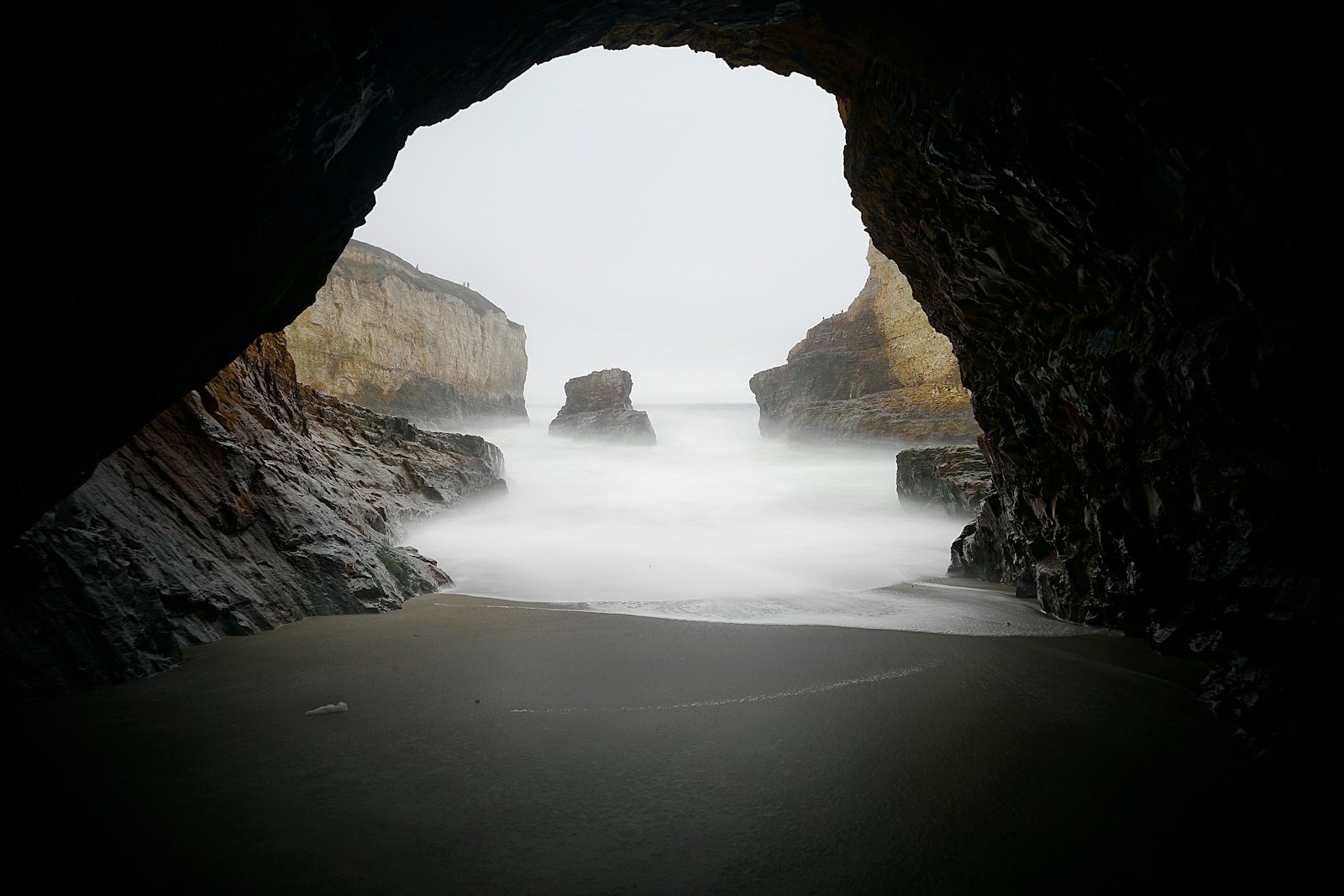
A rugged, bush-covered peninsula east of Auckland, where you walk down to Cathedral Cove, dig your own hot pool at low tide and eat smoked fish on a quiet harbour wharf.
- Best time to visit: February to April
- Daily budget (budget traveller): $85 to $265 USD
- Ideal trip length: 4 to 7 days
The Coromandel Peninsula sits across the Hauraki Gulf from Auckland. Thames, at its southern end, is about 90 minutes' drive away, and Whitianga is roughly two and a half hours. A steep, forested spine runs down the middle. The west coast faces the gulf and has quiet harbours, mussel farms and the old gold town of Coromandel. The east coast has the famous surf beaches: Hahei, Hot Water Beach, Tairua and Whangamatā. Most people come for Cathedral Cove and Hot Water Beach, and both are worth it. Stay longer and you get the slower side too: kauri forest on the 309 Road, the climb up the Pinnacles, empty bays at the far northern tip and fish and chips on the beach at dusk. This is road-trip country. Buses link only a few towns, so a car makes a huge difference. In January it fills up with Auckland families on holiday. Outside the summer holidays it is quiet, friendly and easy to explore alone. Hostels, campsites and holiday parks keep costs down, and many of the best things here are free.
The Coromandel Peninsula is about 85 kilometres long and only a few dozen wide, with a forested mountain range down the middle and coast on both sides. The west coast faces the Hauraki Gulf. Its harbours are calm, mussel farms float offshore, and the main settlement is Coromandel Town, a former gold-rush town. The east coast faces the Pacific and has the beaches people picture: the arch at Cathedral Cove, the steaming sand at Hot Water Beach, the surf at Whangamatā. Most visitors do a quick loop from Auckland and see the two big sights. That works if you are short of time. Stay a few more days and you get a different peninsula: kauri forest on the 309 Road, a sunrise from the Pinnacles, gravel roads to empty bays in the far north and smoked fish eaten on a wharf. Many of the best things here are free. With hostels, holiday parks and a bit of self-catering, it suits a solo budget well.
Logistics come down to one question: car or no car. With a car, a loop from Thames up the west coast to Coromandel Town, across the 309 Road to Whitianga and down the east coast through Hahei and Tairua takes in nearly everything, and SH25A brings you straight back to the Auckland side. Expect slow, twisting roads and allow extra time. Without a car, InterCity coaches reach Thames, Coromandel Town and Whitianga, and Go Kiwi runs a daily shuttle from Auckland to Whitianga. Base yourself in Whitianga, take the harbour ferry across to the Cooks Beach side and join tours for the rest. For Cathedral Cove, use the free Hahei Visitor Carpark and the Park & Ride shuttle. You can no longer park at the track entrance, and the beach route from Hahei is closed.
Timing shapes the trip. From Boxing Day to late January the peninsula fills with Auckland families. Campsites book out months ahead, prices rise and the roads to Hahei crawl. February to April is the best time for most people. The sea is warm, the light is soft and the crowds thin out. Winter is quiet, green and cheaper, but some businesses cut their hours. Weather is the wild card. Big storms in 2023 and again in 2026 closed roads and tracks, including Cathedral Cove for a time. Always check DOC alerts and road updates before you set off. English is spoken everywhere, and you will hear te reo Māori in place names and greetings. Nightlife is mostly a pub, a brewery or a beach at sunset. If you want a walk, a swim and fish and chips all in one day, this is a very good place to be.
Coromandel itinerary
Auckland to Thames and the Kauaeranga Valley
Morning: Pick up a hire car in Auckland and drive about 90 minutes to Thames. Coffee and supplies on Pollen Street, or the Saturday market if it is a Saturday.
Afternoon: Drive into the Kauaeranga Valley. Stop at the DOC visitor centre for track updates, then do one of the short valley walks to stretch your legs.
Evening: Back in Thames for dinner and an early night. Check the weather for tomorrow's big walk.
The Pinnacles
Morning: Start early from the road end at the top of the valley. The old pack track climbs steadily for about three hours to the Pinnacles Hut.
Afternoon: Scramble to the 759m summit on rungs and ladders, then walk back down. Allow seven to nine hours in all, or stay in the hut if you have booked a bunk.
Evening: Recover in Thames with a big plate of fish and chips. Rest your legs.
The coast road to Coromandel Town
Morning: Drive the coast road north along the Firth of Thames, with pōhutukawa leaning over the water. Stop at the Coromandel Oyster Company for a dozen to go.
Afternoon: Ride Driving Creek Railway (about NZ$57, book ahead) to the EyeFull Tower, then wander the old shopfronts in Coromandel Town.
Evening: Pick up smoked fish from The Coromandel Smoking Co. for a wharf picnic, or eat mussels at The Coromandel Mussel Kitchen if it is open.
The far north
Morning: Set off early on the mostly gravel road north to Port Jackson and Fletcher Bay. Check that your hire agreement covers unsealed roads, and fill up before you leave town.
Afternoon: Walk part of the Coromandel Coastal Walkway from Fletcher Bay for the clifftop views, then turn back. Check DOC first, because storms have damaged tracks in this area.
Evening: Drive back to Coromandel Town before dark. Easy dinner and an early night.
The 309 Road to Whitianga
Morning: Take the 309 Road across the ranges. Stop at Waiau Falls and the short walk to the Waiau Kauri Grove.
Afternoon: Check in at Whitianga, then take the little harbour ferry to Ferry Landing. Walk up to Shakespeare Cliff lookout and down to Lonely Bay for a swim.
Evening: Sunset on Buffalo Beach and dinner in town. Check tomorrow's low tide time for Hot Water Beach.
Cathedral Cove and Hot Water Beach
Morning: Drive to Hahei early. Park at the free Hahei Visitor Carpark, take the Park & Ride shuttle (about NZ$8 return) and walk 40-45 minutes down to Cathedral Cove before the crowds.
Afternoon: Join a guided kayak trip from Hahei Beach, or relax at Hahei. Then head to Hot Water Beach for low tide, hire a spade and dig your pool. Stay out of the surf.
Evening: Pizza and a craft beer at Hot Water Brewing Co., then back to Whitianga or a night in Hahei.
Tairua and back to Auckland
Morning: Drive south to Tairua and climb Paku for a final view over the harbour and Pauanui.
Afternoon: Lunch in Tairua, then take SH25A over the ranges and back to Auckland, roughly two hours away.
Evening: Drop the car in Auckland, or spend a final night in the city before flying on.
Best neighbourhoods
- Whitianga: The largest town on the east coast, set on Mercury Bay. It has supermarkets, a backpacker lodge, cafés, the Go Kiwi shuttle stop and the little passenger ferry across to Ferry Landing. It is the most practical base for Cathedral Cove and Hot Water Beach if you do not have your own car every day.
- Hahei and Cooks Beach: Hahei is a small beach village right next to the Cathedral Cove track and the marine reserve, with kayak and boat operators on the beach. Cooks Beach is a long, calm bay just to the west. Both are lovely in the evening once the day visitors leave, but they have few shops.
- Coromandel Town: A small, old gold-mining town on the west coast with wooden shopfronts, a harbour and an arty, relaxed feel. Driving Creek Railway is just up the road, and the town is the gateway to the remote far north. It is quieter and cheaper than the east coast.
- Thames: The southern gateway, with a supermarket, mining heritage, a Saturday market and the turn-off to the Kauaeranga Valley and the Pinnacles. It is a working town rather than a beach town, and good value for a first or last night.
- Tairua and Pauanui: Twin harbour towns on the southeast coast, facing each other across the estuary. Tairua has the short climb up Paku and a handful of cafés. Pauanui across the water is a planned holiday town with flat cycle paths and a long surf beach.
Must-do experiences
- Walk to Cathedral Cove: The track from the Grange Road entrance near Hahei takes about 40-45 minutes each way, with steep steps down to the beach and its huge rock arch. Parking at the top is drop-off only, so use the free Hahei Visitor Carpark and the summer Park & Ride shuttle. Check that the track is open before you go.
- Dig a hot pool at Hot Water Beach: Thermal water bubbles up through the sand for about two hours either side of low tide. Hire a spade from the beach shop, dig a hole and lie in it. Go at a quieter low tide early or late in the day, and do not swim in the surf here, because the rips are strong.
- Climb the Pinnacles: The old packhorse track up the Kauaeranga Valley climbs to an 80-bunk DOC hut, then a final scramble with ladders reaches the 759m summit. Do it as a long day walk, or book a bunk and go up for sunrise.
- Ride Driving Creek Railway: A narrow-gauge mountain railway, hand-built by potter Barry Brickell just north of Coromandel Town. The 75-minute trip climbs through regenerating forest, over bridges and through tunnels to the EyeFull Tower lookout. Adult tickets are about NZ$57.
- Take the Whitianga ferry to Shakespeare Cliff: The passenger ferry across the harbour mouth takes just a few minutes. From Ferry Landing, walk or cycle to the Shakespeare Cliff lookout for views over Mercury Bay, then drop down to the sheltered sand at Lonely Bay.
- Kayak the marine reserve: Guided sea kayak trips leave Hahei Beach for the sea caves and islands of Te Whanganui-o-Hei Marine Reserve and land at Cathedral Cove when the sea allows. It is a good way to see the cove if the track is shut.
- Walk over the rocks to New Chums Beach: From the northern end of Whangapoua Beach, a scramble around the rocks and a short bush track takes you to a long, undeveloped beach backed by pōhutukawa. Go around low tide and wear proper shoes.
Hidden gems
- The Waiau Kauri Grove on the 309 Road, a short forest walk to a stand of big kauri trees, with Waiau Falls just along the same road
- Paku summit in Tairua, a short, steep climb with views of the harbour, Pauanui and Slipper Island
- Opoutere Beach, a long, quiet surf beach reached by a footbridge and a short walk through pines, with a sandspit where shorebirds nest
- The Thames Saturday morning market on Pollen Street, for local produce, baking and coffee before a day in the valley
- Lonely Bay, a small, sheltered cove below Shakespeare Cliff that most people drive straight past
Daily budget
- Accommodation: budget NZ$35-55 / night (hostel dorm or DOC campsite), mid-range NZ$150-250 (motel room or holiday park cabin with bathroom), splurge NZ$400+ (beachfront lodge or resort). Late December and January are the most expensive months and book out early. Holiday parks are a good solo option, with kitchens and private cabins. Prices drop a lot from May to September.
- Food: budget NZ$40-60 / day (supermarket plus fish and chips), mid-range NZ$80-120 (café breakfast or lunch and a pub dinner), splurge NZ$150+ (seafood dinners and wine). Stock up at supermarkets in Thames or Whitianga, because small village shops cost more. Café mains are around NZ$22-35 and fish and chips about NZ$12-20. Treat these as rough guides.
- Transport: budget NZ$20-50 / day (coach or shuttle spread across the trip), mid-range NZ$70-130 (small hire car plus fuel), splurge NZ$200+ (scenic flights, private transfers). Go Kiwi from central Auckland to Whitianga starts at about NZ$91 one way. Hire cars cost roughly NZ$45-90 a day plus fuel at around NZ$2.50-3.00 a litre. The Cathedral Cove shuttle is about NZ$8 return.
- Activities: budget NZ$0-20 / day (beaches, tracks, spade hire), mid-range NZ$57-170 (Driving Creek Railway, guided kayak tour), splurge NZ$150+ (zipline, boat trips, private charters). Cathedral Cove, Hot Water Beach and DOC tracks are free. Driving Creek is about NZ$57 per adult, and Coromandel Zipline Tours about NZ$147. The Pinnacles Hut costs roughly NZ$30-40 a night.
- Drinks & nightlife: budget NZ$10-25 (supermarket beer on the beach), mid-range NZ$30-60 (a few pints at a pub or brewery), splurge NZ$80+ (wine tasting and cocktails). Nightlife is low-key: pubs, a brewery and the odd live band in summer. A pint costs roughly NZ$10-14. Many places close early outside the holidays, and alcohol bans apply in some public places over summer.
Where to stay
- Social hostel in Whitianga (NZ$35-120 / night): On The Beach Backpackers Lodge faces Buffalo Beach and has dorms, private rooms and a shared kitchen. It is a short walk from the shuttle stop, the shops and the harbour ferry, which makes it the best car-free base on the peninsula.
- Boutique hotel in Hahei (NZ$200-400 / night): The Church Hahei has cottages set in a garden around a converted old church. You are within reach of the Cathedral Cove shuttle and Hahei Beach, and close to Hot Water Beach for the low tide.
- Apartment in Coromandel Town or Cooks Beach (NZ$120-250 / night): A self-contained bach (holiday home) or studio rented through a local holiday-home site gives you a kitchen and space for a few slow days. It works well outside January, when weekly rates drop sharply.
- Splurge in Pauanui (NZ$350-600+ / night): Grand Mercure Puka Park Resort has chalets set among native bush near Pauanui Beach, with a pool and restaurant on site. Tairua is just across the estuary.
What to eat
- Green-lipped mussels: farmed in the sheltered west coast harbours and served steamed, in chowder or as fritters, including at The Coromandel Mussel Kitchen south of Coromandel Town
- Smoked fish and mussels from The Coromandel Smoking Co. in Coromandel Town, an easy picnic or self-catering stock-up
- Fresh oysters from the Coromandel Oyster Company on the coast road between Thames and Coromandel Town
- Fish and chips eaten on the beach, the classic Kiwi summer dinner and one of the cheapest hot meals around
- A craft beer and pizza at Hot Water Brewing Co. near Hot Water Beach, a relaxed stop after digging a pool
- Kūmara: New Zealand sweet potato, roasted or as chips, on most café and pub menus
Day trips
- Karangahake Gorge (About 1 hour from Thames by car, south via Paeroa): A steep river gorge full of gold-mining remains. Walk the historic tracks, through old rail tunnels and over swing bridges beside the river, or cycle a flat section of the Hauraki Rail Trail. Drive via Paeroa on SH2. There are free car parks at the walkway entrances. Bike hire is available along the rail trail if you want to ride.
- Fletcher Bay and the Coromandel Coastal Walkway (About 1.5-2 hours north of Coromandel Town, partly on gravel): The wild northern tip of the peninsula, with grassy headlands, empty bays and views to Great Barrier Island. The coastal walkway links Fletcher Bay and Stony Bay along cliffs and farmland. Drive yourself, and check that your hire agreement allows unsealed roads. Fuel up in Coromandel Town. Check DOC alerts first, because storms have closed tracks in this area.
- New Chums Beach and Whangapoua (About 25 minutes from Coromandel Town, 40 minutes from Whitianga): A long, undeveloped beach backed by pōhutukawa and bush, reached by a walk around the rocks from Whangapoua. There are no facilities, which is part of the appeal. Drive to Whangapoua and park near the northern end of the beach. Walk around the rocks and over the short track, about 30 minutes each way. Go near low tide and take water.
When to visit
- Summer (December - February): 20-26°C, warm and mostly sunny, with the odd tropical storm. Crowds: Very busy from Christmas to late January, easing in February. The classic beach season, with long evenings and the Cathedral Cove shuttle running daily. Book beds and campsites well ahead for the holidays. February is far calmer than January.
- Autumn (March - May): 15-23°C, settled spells, the warmest sea of the year in March. Crowds: Moderate in March, quiet by May apart from Easter. The best all-round window. Warm water, fewer people and easier bookings. Days shorten and showers increase from May.
- Winter (June - August): 10-16°C, cool, wetter, frosty inland mornings. Crowds: Low, mostly locals and weekenders. Cheap, quiet and good for forest walks and a near-empty Hot Water Beach. Some cafés and tours cut their hours, and heavy rain can close tracks and roads.
- Spring (September - November): 13-20°C, changeable, breezy, sunnier by November. Crowds: Low to moderate, busier on long weekends. Fresh green hills and good walking weather, but the sea is still cold. Pōhutukawa start to flower in late November. Pack layers.
Entry rules for your passport
Visa rules for New Zealand depend on the passport you travel on. Check the official source before you book: Immigration New Zealand
Getting there
Most international travellers fly into Auckland Airport (AKL). From there it is about 90 minutes' drive to Thames, roughly two and a half hours to Coromandel Town or Whitianga, and a little more to Hahei. Most visitors hire a car at the airport. Take SH1 south, then SH2 east, and follow SH25 to Thames, or turn off at Kopu onto SH25A for the east coast. SH25A reopened in 2024 after a huge storm slip. InterCity coaches run from central Auckland to Thames and continue to Coromandel Town and Whitianga, so check current timetables. Go Kiwi runs a daily shuttle to Whitianga. It leaves Queens Wharf in central Auckland at about 1:15pm and reaches Whitianga around 5:15pm, from about NZ$91. A service from Auckland Airport costs from about NZ$110. Barrier Air flies small planes between Auckland and Whitianga, for a quick but pricier option. A seasonal ferry has also run on selected days from downtown Auckland to the wharf near Coromandel Town, with a shuttle into town, but schedules change, so check before you plan around it. Most visitors need an NZeTA and must pay the visitor levy before flying to New Zealand.
Getting around
Public transport on the peninsula is very limited, so most visitors hire a car in Auckland. Small hire cars cost roughly NZ$45-90 a day, depending on season, and fuel has been around NZ$2.50-3.00 a litre. Traffic drives on the left. Roads are narrow, hilly and winding, and parts of the 309 Road and the far north are unsealed, so check that your hire agreement allows gravel roads. Allow more time than the map suggests. InterCity coaches link Auckland and Thames and run on to Coromandel Town and Whitianga, and Go Kiwi runs a daily shuttle between Auckland and Whitianga. Neither reaches every beach. In Whitianga you can walk, cycle and use the harbour ferry. For Cathedral Cove, park free at the Hahei Visitor Carpark and take the Park & Ride shuttle, about NZ$8 return, which runs in the busy season. Cycling is pleasant on the flat Hauraki Rail Trail near Thames, but the main peninsula roads are steep and busy in summer. Without a car, a base in Whitianga with day tours and shuttles works best.
Safety
The Coromandel is a safe place to travel alone, and serious crime against visitors is rare. The real risks are the sea, the roads and the weather. Hot Water Beach has strong rips and has seen many drownings, so dig your pool but stay out of the surf. Swim between the red and yellow flags at patrolled beaches. Drive slowly on the narrow, winding roads, pull over to let locals pass and take care on gravel. Heavy rain causes slips that close roads and tracks, sometimes for long periods. In 2026 storms shut the Cathedral Cove track for a time, and some side tracks remain closed. Check DOC alerts and roads before you set out. The Cathedral Cove track now closes automatically during orange or red weather warnings. Do not leave valuables in cars at trailheads or beach car parks. The UV is very strong, even on cloudy days. Phone signal drops out in the far north and on the 309 Road, so tell someone your plans before long walks. Dial 111 in an emergency.
Solo travel tips
- Base yourself in Whitianga if you have no car: It has the shuttle stop, supermarkets, a backpacker lodge, the harbour ferry and tour pickups. From here you can reach Cathedral Cove and Hot Water Beach on tours or shuttles.
- Plan around the tide: Hot Water Beach only works near low tide, and New Chums Beach is much easier then too. Check a tide chart every evening and build the next day around it.
- Go early to the big sights: Cathedral Cove and Hot Water Beach are packed by late morning in summer. An early start means fewer people, cooler walking and easier parking.
- Join a kayak or boat trip to meet people: Guided kayak trips from Hahei mix solo travellers with couples and small groups, and you share the paddling and the stories. Holiday park kitchens are also friendly places to swap tips.
- Safety for solo travellers: The main risks are rips, winding roads and sudden storms. Swim between the flags, stay out of the surf at Hot Water Beach, avoid driving unfamiliar roads after dark and check DOC alerts before every walk.
- Download offline maps: Phone signal is patchy on the 309 Road, in the Kauaeranga Valley and across the far north. Save maps, tide times and bookings offline, and tell your host where you are heading.
Cultural etiquette
- Greet people with 'kia ora' (hello). Māori place names are used everywhere, and the effort to say them properly is appreciated.
- Ngāti Hei are mana whenua (the local tribe) around Hahei, and Cathedral Cove is also known as Mautohe. Treat signs, carvings and closures on their land with respect.
- Te Whanganui-o-Hei is a no-take marine reserve. Do not fish, collect shellfish or take shells, rocks or anything else.
- Elsewhere, follow shellfish limits and respect any rāhui, a temporary ban on gathering seafood that iwi place on an area.
- Clean your shoes at the stations at track entrances to help stop kauri dieback, and stay on the marked tracks near kauri trees.
- Follow the local council's freedom camping rules. Only stay overnight in a vehicle at permitted sites, and leave nothing behind.
- Many beaches sit next to private baches and farmland. Use public access ways and close gates behind you.
Frequently asked questions
How do I get to the Coromandel without a car?
InterCity coaches run from Auckland to Thames and on to Coromandel Town and Whitianga. Go Kiwi runs a daily shuttle from central Auckland and Auckland Airport to Whitianga. The city service leaves Queens Wharf in the early afternoon and reaches Whitianga in the late afternoon, from about NZ$91. Barrier Air also flies from Auckland to Whitianga. Once you arrive, Whitianga is the easiest car-free base, because the ferry, cafés and tour pickups are all close by.
How many days do I need in the Coromandel?
Three days covers Thames, Cathedral Cove, Hot Water Beach and Coromandel Town at a brisk pace. Five days lets you add the Pinnacles or the 309 Road without rushing. A week gives you time for the remote far north, a kayak trip and a couple of slow beach days.
When is the best time to visit?
February to April is the sweet spot. The sea is at its warmest, the weather is often settled and the school holiday crowds have gone. Late December and January are the busiest weeks, with full campsites and higher prices. Winter is quiet and cheaper, but some cafés and tours shorten their hours or close.
Is Cathedral Cove open, and how do I get there?
Yes, the main Mautohe Cathedral Cove track from Grange Road reopened after a storm closure in early 2026. The old route from Hahei Beach is closed, as are the side tracks to Gemstone Bay and Stingray Bay. Park at the free Hahei Visitor Carpark on Pa Road and take the Park & Ride shuttle, about NZ$8 return for adults, or walk up, which adds about 30 minutes each way. The track can close during orange or red weather warnings, so check DOC on the day. Water taxis and kayak tours from Hahei are the alternative.
When should I go to Hot Water Beach?
Go within about two hours either side of low tide, when the hot springs under the sand are exposed. Check a tide chart the day before. Midday low tides in summer are very crowded, so an early morning or evening low tide is more pleasant. Spades can be hired near the beach. Do not swim in the surf, because the rips are dangerous.
Do I need to book the Pinnacles Hut?
Yes. The Pinnacles Hut is an 80-bunk DOC hut with a warden, and every bunk must be booked online in advance through DOC. Prices for the 2026/27 year run roughly NZ$30-40 per adult per night, highest from December to February. It fills fast on summer weekends. If you do not need the hut, the summit is a long but very doable day walk.
Is the Coromandel safe for solo female travellers?
Yes, it is relaxed and friendly, and solo women travel here all the time. The main precautions are practical: avoid driving unfamiliar roads after dark, lock valuables out of sight in the car and tell your host where you are walking. Hostels and holiday parks in Whitianga and Hahei are easy places to meet other travellers.
What entry rules apply to New Zealand in 2026?
Most visitors from visa-waiver countries need a New Zealand Electronic Travel Authority (NZeTA) before they fly, plus the International Visitor Conservation and Tourism Levy, which was raised to NZ$100 in 2024. Australians do not need an NZeTA. You will also need a passport valid for at least three months beyond your departure date and proof of onward travel. Rules change, so check Immigration New Zealand's official website before you book.
Tours and activities in Coromandel | Coromandel in 2 days | Coromandel in 3 days | Coromandel in 4 days | Coromandel in 5 days | Coromandel in 7 days
Joy Plus home | Destinations | Itineraries | Activities | Flights | Budget planner | Calendar | Map | Blog | Lifetime access