Destinations / South America
Cuenca, Ecuador travel guide
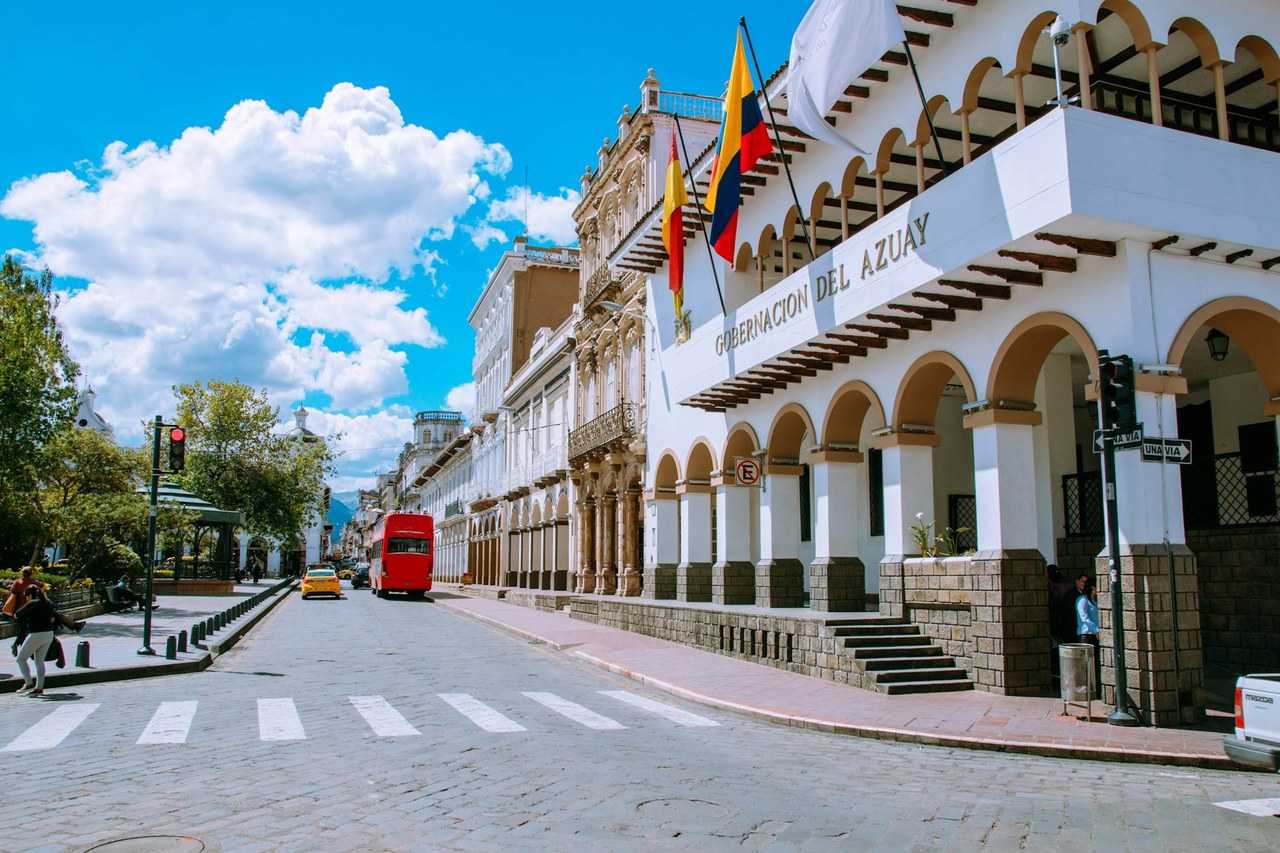
A UNESCO Andean gem of blue-domed cathedrals, cobbled streets and a relaxed, riverside colonial charm.
- Best time to visit: June to September and December to February
- Daily budget (budget traveller): $30 to $60 USD
- Ideal trip length: 2 to 3 days
Cuenca is Ecuador's most graceful city, a UNESCO-listed colonial centre of cobbled streets, flower-filled plazas and the iconic sky-blue domes of its New Cathedral. Set in a green Andean valley crossed by four rivers, it has a slow, cultured pace, with artisan markets, the real home of the 'Panama' hat, and easy access to the wild páramo lakes of Cajas National Park. Ecuador's tourism is growing fast and Cuenca, often overlooked for the Galápagos, is one of South America's most liveable and rewarding city stops. Joy Plus pairs the colonial centre with the markets and mountains around it.
Cuenca sits at 2,560m in a green Andean bowl, split by four rivers and held together by terracotta roofs and church domes. Santa Ana de los Cuatro Ríos de Cuenca was founded in 1557 on top of the Inca city of Tomebamba, and UNESCO gave the centre World Heritage status in 1999. Everything orbits Parque Calderón and the New Cathedral, whose sky-blue and white domes were tiled with imported Czech material. Locals will tell you the bell towers stayed stumpy because the architect miscalculated the foundations. Whether that's true or not, the unfinished silhouette is part of the charm.
This is a city for walking slowly. Calle Larga runs along the edge of El Barranco, with colonial balconies hanging above the Río Tomebamba. The Mercado 10 de Agosto serves hornado, mote pillo and fruit juice for pocket change. At Pumapungo you can walk through Inca and Cañari foundations beside a free museum and an aviary. The so-called Panama hat is Ecuadorian and woven from toquilla straw in the villages around here. You can watch one being blocked and steamed in a workshop, then buy it for a fraction of what it costs abroad.
Cuenca is cheap by any standard: a set-menu almuerzo is $3 to $4.50, the tram and city buses cost around $0.35, and many museums are free. Give it three days for the centre, plus one or two for the day trips. Cajas National Park is under an hour away, a cold, misty paramo with hundreds of lakes above 3,800m. Gualaceo and Chordeleg bring weavers, silversmiths and a big Sunday market. Altitude is the only thing that catches people out, so do nothing ambitious on day one. Pack a rain jacket whatever the month, because Andean weather changes by the hour.
How many days in Cuenca?
For Cuenca, we recommend 2 to 3 days. With more time, add a day trip to Ingapirca.
| Trip length | What you'll see | Itinerary |
|---|---|---|
| 2 days · Recommended | Parque Calderón and the river; Domes, convents and flowers | Cuenca in 2 days |
| 3 days · Recommended | Adds: Pumapungo, hats and Calle Larga | Cuenca in 3 days |
| 4 days | Adds: Cajas National Park | Cuenca in 4 days |
| 5 days | Adds: Gualaceo and Chordeleg | Cuenca in 5 days |
| 7 days | Adds: Turi viewpoint and San Sebastián; Market morning | Cuenca in 7 days |
Cuenca itinerary
Land softly, Parque Calderón and the river
Morning: Fly into Mariscal Lamar (CUE) and take a taxi to the centre, about $3-5. Drop your bags, drink water and order a mate de coca. Do not rush anything at 2,560m.
Afternoon: Stroll Parque Calderón and look at the New Cathedral. Take a slow almuerzo at Raymipampa on Benigno Malo, then wander down to the Río Tomebamba.
Evening: Walk Calle Larga at dusk, with the balconies lit above the water. Dinner at Café Eucalyptus or a simple locro de papa. Early night.
Domes, convents and flowers
Morning: Breakfast of mote pillo and a juice at Mercado 10 de Agosto (about $2.50). Climb the New Cathedral tower for the rooftop view (about $2).
Afternoon: Visit the Old Cathedral museum, then the Museo de las Conceptas, a working convent turned museum. Browse the Plaza de las Flores by the Carmen de la Asunción church. Almuerzo nearby.
Evening: Coffee at Café Austria, then a stroll through the lit-up centre. Dinner at Moliendo Café or a hornado counter at the market.
Pumapungo, hats and Calle Larga
Morning: Go to Pumapungo when it opens, a free museum with Inca and Cañari ruins, terraced gardens and an aviary. Check the opening hours the day before, since Sundays and Mondays can differ.
Afternoon: Visit a Panama hat workshop on Calle Larga, or tour the Homero Ortega factory (free). Try a hat on, ask about the weave grade, and buy a basic one for $25-60.
Evening: Sunset drinks at Wunderbar. Dinner at a Calle Larga restaurant with river views.
Cajas National Park
Morning: Take a Guayaquil-bound bus from the Terminal Terrestre (about $2-3, 45 min) and ask for the Toreadora visitor centre. Alternatively, book a guided tour for $35-60. Bring warm layers, it is cold up there.
Afternoon: Walk the easy Laguna Toreadora loop, then stop at the Tres Cruces viewpoint (4,167m). Be off the road by 4pm, and leave early if fog drops.
Evening: Warm up with trout at Dos Chorreras on the way back, or sit down to a hot caldo in town. Bed early.
Gualaceo and Chordeleg
Morning: Take a bus from the Terminal Terrestre to Gualaceo (about 45 min, around $1). If it's Sunday, the market is at its busiest. Look for weavers working on traditional shawls (macanas).
Afternoon: Hop to Chordeleg to browse the silver filigree shops. Lunch on roast cuy at a Gualaceo grill, about $10-15 for a whole one.
Evening: Bus back to Cuenca. Slow dinner near your hotel and a canelazo.
Turi viewpoint and San Sebastián
Morning: Take a taxi up to the Mirador de Turi for the postcard view of the domes and valley, about $3-4 each way. Walk down to the Turi church.
Afternoon: Visit San Sebastián, with the Museo de Arte Moderno on its plaza (free) and the galleries around it. Try a hand-whipped paila ice cream.
Evening: Dinner at Villa Rosa for a smarter night, or a casual crepe at Café Austria. Drinks at Eucalyptus.
Market morning and depart
Morning: Return to Mercado 10 de Agosto for a final breakfast, then pick up flowers and fruit near the Plaza de las Flores. Buy hat gifts or ceramics.
Afternoon: Last almuerzo at a place you liked. Taxi to Mariscal Lamar airport, $3-5, about 10 minutes.
Evening: Fly out, or take the evening bus to Guayaquil or Loja.
Best neighbourhoods
- Centro Histórico: The UNESCO old town of cobbled streets, churches and the blue-domed New Cathedral.
- Parque Calderón: The leafy main square framed by both the old and new cathedrals.
- El Barranco & Río Tomebamba: The scenic riverfront where colonial houses cling above the water.
- San Sebastián: A quieter artsy quarter with galleries and the modern art museum.
Must-do experiences
- New Cathedral: Marvel at the giant sky-blue domes and climb up for rooftop views over the city.
- Stroll the Río Tomebamba: Walk El Barranco's riverside path beneath the old colonial balconies.
- Panama hat museum: Learn that the famous hat is actually Ecuadorian, and watch (or buy) one being made.
- Cajas National Park: Take a day trip to the misty páramo of over 200 glacial lakes, just an hour away.
- Wander the historic centre: Cuenca's UNESCO old town is full of cobbled streets, flower markets and the blue-domed New Cathedral. Stroll the Río Tomebamba riverbanks and the artisan workshops.
- Day trip to Cajas National Park: A high-altitude wonderland of lakes, páramo and trails 30 minutes to an hour away, depending on the entrance. Hike among hundreds of glacial lagoons in the misty Andes.
Hidden gems
- The flower market beside the Carmen de la Asunción church.
- The ruins of Pumapungo, an Inca and Cañari site with gardens and a museum.
- Mirador de Turi for the classic panoramic view of the city and domes.
- Local ceramics workshops in the nearby village of San Bartolomé.
Daily budget
- Accommodation: budget $10-16 / night (hostel dorm), mid-range $55-110 (boutique double), splurge $180+ (Mansión Alcázar, Hotel Santa Lucía). Colonial courtyard hotels in the centre are the best value in the country. Rooms facing the street can be noisy, so ask for one on the patio.
- Food: budget $10-16 / day (market breakfast + almuerzo), mid-range $25-40 (café lunch, a proper dinner), splurge $60+ (Villa Rosa or a hotel dining room). The almuerzo is the hack: soup, a main, juice and often a small dessert for $3-4.50 between noon and 2pm. Restaurant bills add 10% service plus 15% IVA.
- Transport: budget $1-3 / day (tram and buses at about $0.35), mid-range $6-12 (taxis plus a day-trip bus), splurge $50-80 (private driver to Cajas or Ingapirca). Most of the centre is walkable. Taxis run on meters, and a hop across town is usually $2-4.
- Activities: budget $0-8 (Pumapungo is free, Turi is free, cathedral tower about $2), mid-range $25-45 (guided Cajas day, a museum or two), splurge $100+ (private hat workshop and driver, thermal baths, Ingapirca guide). Cajas park entry is free, and hat-factory tours are free if you wander in. You pay for the guide and the transport.
- Drinks & nightlife: budget $3-6 (Pilsener at a corner shop, canelazo), mid-range $12-25 (cocktails at Wunderbar or Eucalyptus), splurge $40+ (hotel bar plus late taxis). Cuenca goes to bed early and drinks quietly. A beer is $2-3 in most bars. Alcohol hits harder at altitude.
Where to stay
- Social hostel in Centro Histórico ($10-16 / night (dorm), $28-45 (private)): Guillerminas, a hostel a short walk from Parque Calderón. Dorms and a few privates, breakfast included, and a traveller crowd that does Cajas together.
- Boutique hotel in El Barranco / Calle Larga ($80-160 / night): Hotel Victoria and Hotel Carvallo, colonial buildings with patios and river or cathedral views. Quiet at night and walking distance to everything.
- Apartment in San Sebastián ($30-60 / night): Residential streets, a kitchen, and galleries on the doorstep. A weekly stay brings the price down, and you can shop at the market and cook.
- Splurge in Centro Histórico ($180-300 / night): Mansión Alcázar or Hotel Santa Lucía, restored colonial mansions with antique furniture, courtyards and good restaurants. Steps from the cathedral.
What to eat
- Hornado, slow-roasted pork served with potato and corn
- Mote pillo, hominy corn scrambled with eggs
- Cuy, roasted guinea pig, a traditional Andean delicacy
- Locro de papa, a creamy potato and cheese soup
Day trips
- Cajas National Park (45 min by bus): A cold, misty paramo of hundreds of glacial lakes, polylepis forest and trails above 3,800m. Walk the easy Laguna Toreadora loop and stop at the Tres Cruces viewpoint (4,167m). Free entry, but bring layers and leave before fog thickens. Take a Guayaquil-bound bus from the Terminal Terrestre, about $2-3, and ask for the Toreadora visitor centre. Flag a bus down for the return, with the last ones around 5pm. Guided tours cost $35-60.
- Gualaceo and Chordeleg (45 min by bus): Weaving, silver filigree and a big Sunday market. Gualaceo is known for traditional shawls (macanas) and roast cuy, and Chordeleg for its jewellery shops. Buses to Gualaceo leave the Terminal Terrestre frequently, around $1. A short bus or taxi connects to Chordeleg for about $0.50.
- Ingapirca (2 hours by bus): Ecuador's largest Inca site, with a Temple of the Sun and Cañari ruins. A long day, but worth it for the archaeology and the highland scenery. Direct buses leave from the Terminal Terrestre for about $3-4. Entry is around $6, usually including a guide. Check the return time before you go.
When to visit
- Dry season (June - September): 18-21°C days, 6-9°C nights, bright mornings, windy in July and August, showers still possible. Crowds: Moderate, busiest in July and August with Ecuadorian and expat holiday travel. The most reliable window for Cajas views and long walks. Book hostels and boutique hotels ahead in August.
- Festive shoulder (December - January): 19-22°C, sunny spells with afternoon showers. Crowds: Busy around Christmas, quieter in mid-January. The Pase del Niño Viajero parade on 24 December is the biggest procession in the country. Come for the atmosphere, not for guaranteed clear skies.
- Wet season (February - May): 14-20°C, frequent rain, March and April are the wettest. Crowds: Low, with a bump at Carnaval in February. Cheapest rooms and empty museums, but Cajas is often socked in. Good for markets, food and cooking classes. Landslides can slow the Guayaquil road.
- Late-year showers (October - November): 15-21°C, mixed sun and rain, cool nights. Crowds: Light, picking up around 3 November. Underrated. The Independence of Cuenca fiestas on 3 November bring fireworks, and Día de los Difuntos (2 November) brings colada morada and bread babies (guaguas de pan) in every bakery.
Entry rules for your passport
Visa rules for Ecuador depend on the passport you travel on. Check the official source before you book: Ecuador Ministry of Foreign Affairs
Getting there
Cuenca's Mariscal Lamar airport (CUE) is about 2km from the centre, and a taxi to the old town is $3-5 and takes 10 minutes. LATAM and Avianca fly in from Quito (about 55 min) and Guayaquil (about 40 min), with fares from roughly $40-90 depending on how early you book. The Terminal Terrestre on Avenida España is a short walk from the airport. Buses from Guayaquil take 3.5 to 4 hours over the Cajas pass for $8-10, and the daytime views are worth it. Buses from Quito run 9 to 10 hours overnight for $15-20. Loja is about 5 hours for $8-10. Rainy-season landslides can delay mountain roads, so leave buffer time before a flight. Citizens of the EU, UK, US, Canada and Australia generally enter visa-free for up to 90 days a year, but check current rules.
Getting around
Cuenca's historic centre is walkable, though the cobbles and gentle hills mean comfortable shoes help. The modern tram crosses the city, and taxis and ride apps are cheap. For Cajas National Park, buses run hourly toward Guayaquil and stop at the park, or join a guided day tour for the trails and lakes.
Safety
Cuenca is one of Ecuador's safest cities and very relaxed, but use normal urban precautions, keeping valuables discreet and using registered taxis or apps at night. It sits at about 2,560m, so ease into activity to adjust to the altitude, and pack layers as evenings are cool. Drink bottled or filtered water. A state of emergency over gang violence has also covered Azuay province, which includes Cuenca, so check your government's advice before you travel. Arriving overland from Peru or Colombia requires an apostilled police-record certificate.
Solo travel tips
- Take day one slowly: At 2,560m, a sunny stroll can leave you light-headed. Drink water, order mate de coca (legal and normal here), and skip the big hike on arrival. Save Cajas for day four when you're adjusted.
- Eat the almuerzo at the market: Mercado 10 de Agosto has counter seating where solo diners sit shoulder to shoulder. Ask what the set menu is, point at what looks good, and you'll end up chatting with a local over a $3 lunch.
- Hostel pick: Guillerminas and Wunderbar: Guillerminas, a short walk from Parque Calderón, has mostly shared rooms and a backpacker crowd. Wunderbar is the café-bar where travellers and expats compare notes. Between them, you'll find a Cajas buddy by day two.
- Do Cajas with a plan: Fog drops fast and paths blur above 3,800m. Go with a guided day tour or join other hikers from the hostel. Register at the ranger station, stay on marked trails and leave by mid-afternoon.
- Solo female travellers: Cuenca is one of Ecuador's most relaxed cities for women alone. Standard rules apply: use a registered taxi or ride app after dark, keep to lit streets, and avoid the empty riverside path late at night. Comments from men are rarely more than a stare.
- Find your tribe in class: Book a cooking class or a hat-weaving workshop, or take a week of Spanish at one of the city's language schools. Both are social, cheap and a quick route to friends. The Sunday market at Gualaceo is easy to do with a group.
Cultural etiquette
- Greet people. Say buenos días or buenas tardes when entering shops, taxis and restaurants, and shake hands or give a light cheek kiss where offered. Cuencanos are polite and fairly formal, so use usted until invited otherwise.
- Dress modestly in churches and convents. Cover shoulders, remove hats and skip flash photography during services.
- Ask before photographing people, especially market vendors and women in traditional dress. A smile and a purchase usually opens the door.
- The 'Panama' hat is Ecuadorian, so don't call it a Panama hat to the weaver without a grin. Ask about the grade of weave (basic hats $25-60, finer ones hundreds), and expect fixed prices in shops.
- Lunch is the main meal, 12 to 2pm, and many small shops close then. Dinner is light and early, usually 7 to 9pm.
- Tipping is modest. Restaurants add 10% service plus 15% IVA, so extra is optional. Round up taxis and tip guides $5-10.
- Pedestrians do not get priority. Look both ways on the cobbles, and put toilet paper in the bin where a sign asks you to.
Frequently asked questions
How many days do you need in Cuenca?
Two to three days lets you explore the historic centre, walk the riverfront and visit the Panama-hat workshops, with a day trip out to Cajas National Park.
Is Cuenca safe for solo travellers?
Yes, it's among Ecuador's safest cities and popular with long-stay expats. Use normal city precautions, keep valuables out of sight and use registered taxis or ride apps after dark.
When is the best time to visit Cuenca?
The drier months of June to September and December to February bring the clearest weather. Being in the Andes, Cuenca is mild year-round but can see rain and cool evenings any time, so pack layers.
Do I need a visa to visit Cuenca, Ecuador?
Citizens of the EU, UK, US, Canada and Australia can enter Ecuador visa-free as tourists for up to 90 days per year. Check current rules before travelling.
Does altitude affect visitors in Cuenca?
Cuenca sits at around 2,560m, so some feel mildly breathless at first. Take it easy on arrival, stay hydrated, and ease into the higher-altitude Cajas park, which climbs above 4,000m.
How do I get to Cuenca?
Cuenca has a small airport with flights from Quito. Many also arrive by bus from Guayaquil (about 4 hours over the Cajas pass) or Quito. The bus and tram network makes getting around the city easy.
Is Cuenca expensive to visit?
It's very affordable, around $30 to $60 a day. Set-menu almuerzo lunches cost just a few dollars, guesthouses are cheap, and most attractions have low or no entry fees.
Is Cuenca worth visiting?
Yes, it's Ecuador's most beautiful colonial city, relaxed, walkable and cultured, with great food and nearby nature. A favourite of both travellers and expats.
What is Cuenca famous for?
Its colonial architecture, and as the true home of the 'Panama' hat, which is actually Ecuadorian. Visit a hat workshop to see them made and buy one at the source.
Tours and activities in Cuenca | Cuenca in 2 days | Cuenca in 3 days | Cuenca in 4 days | Cuenca in 5 days | Cuenca in 7 days
Can't decide? Compare Cuenca with...
Joy Plus home | Destinations | Itineraries | Activities | Flights | Budget planner | Calendar | Map | Blog | Lifetime access