Destinations / Asia
Dhaka, Bangladesh travel guide
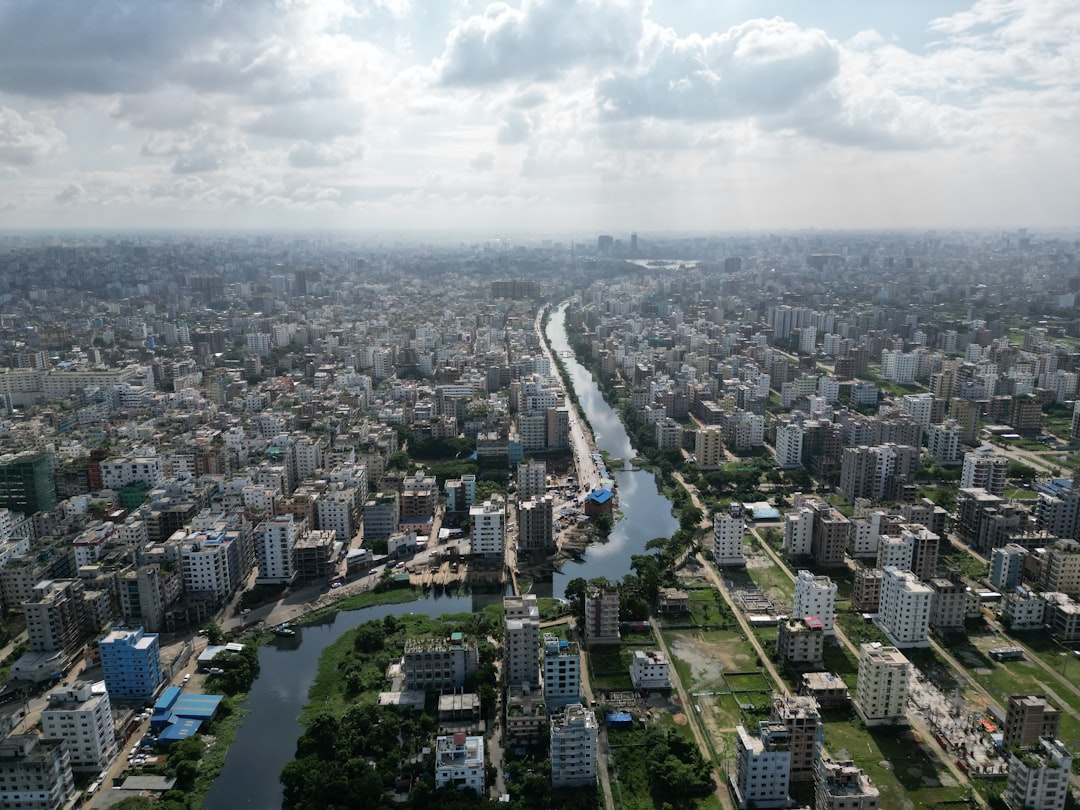
One of the world's most intense cities: rickshaw chaos, Mughal old town, Buriganga river life and unforgettable food.
- Best time to visit: November-February
- Daily budget (budget traveller): $20 to $50 USD
- Ideal trip length: 2 to 3 days
Dhaka is not an easy city, and that's exactly the point. The capital of Bangladesh is a full-sensory experience: half a million cycle rickshaws, a 17th-century old town, boatmen crossing the Buriganga at dawn and some of South Asia's most rewarding street food. Travellers who make the effort leave with stories nobody else has. Joy Plus builds the structure that makes the chaos navigable.
Dhaka does not charm you, it floods you. Roughly half a million cycle rickshaws, painted like moving billboards, jostle through lanes first laid down when the Mughals made this city a provincial capital in 1610. At 6am the Buriganga at Sadarghat is a crush of wooden rowboats, rust-streaked ferries and porters hauling jute and bananas up the ghats. By noon you are eating kacchi biryani off a steel plate in a lane the colour of old ginger. Most travellers skip Bangladesh's capital. The ones who come back with photographs nobody else has.
The honest logistics: this is a megacity of more than 20 million people, and it moves slowly. A 10km hop can take 90 minutes at rush hour, so the winning move is to cluster your days. Old Dhaka (Sadarghat, Ahsan Manzil, Lalbagh Fort, Armanitola, Shankhari Bazar) is one day. Shahbag, the National Museum and Dhaka University are another. The Metro Rail MRT Line 6 now runs Uttara to Motijheel with stops at Agargaon, Farmgate, Shahbag and Dhaka University, and it ignores the gridlock entirely. Fridays are the quiet day, roads half empty, which makes them perfect for sightseeing by car.
Come between November and February for dry, mild weather, but pack a mask, because winter air quality is often poor. Expect to be stared at, offered tea by strangers and asked, warmly, which country you are from. Stay in Gulshan or Banani for calm hotels, cafés and easy Uber pickups, then commute into the old city each morning before the heat and the crowds. Dress modestly, carry small notes for rickshaws, and let a good local guide handle the first day in Old Dhaka. Everything after that gets easier.
How many days in Dhaka?
For Dhaka, we recommend 2 to 3 days. With more time, add a day trip to Keraniganj and Zinjira.
| Trip length | What you'll see | Itinerary |
|---|---|---|
| 2 days · Recommended | Gulshan; Sadarghat at dawn and the river | Dhaka in 2 days |
| 3 days · Recommended | Adds: Lalbagh Fort and old-city lanes | Dhaka in 3 days |
| 4 days | Adds: Shahbag, museums and Dhaka University | Dhaka in 4 days |
| 5 days | Adds: Liberation War Museum and Louis Kahn's Parliament | Dhaka in 5 days |
| 7 days | Adds: Sonargaon or Savar day trip; Handloom shopping | Dhaka in 7 days |
Dhaka itinerary
Arrive and settle into Gulshan
Morning: Land at Hazrat Shahjalal (DAC), clear immigration (allow 1 to 2 hours), and grab a Grameenphone or Robi SIM at the arrivals hall. Uber to Gulshan, Tk 500-900, 45 to 90 minutes.
Afternoon: Check in, rest through the worst of the heat, then stroll around Gulshan 2 Circle and Gulshan Lake Park for a first look at the crowds and the skyline.
Evening: Early dinner at Sultan's Dine for kacchi biryani and borhani, then a quiet night. Tomorrow starts at 5:30am.
Sadarghat at dawn and the river
Morning: Be at Sadarghat by 6am with a local guide. Hire a rowboat for an hour (Tk 500-1,000) across the Buriganga toward Keraniganj, weaving between launches and cargo ferries. Breakfast of paratha and dal in a Sadarghat tea stall.
Afternoon: Ahsan Manzil, the pink riverside palace of the Nawabs, then a long lunch of kacchi at Haji Biryani in Nazira Bazar (arrive before 1pm, it sells out).
Evening: Walk the Bara Katra and Shankhari Bazar lanes as the lights come on. Uber back to Gulshan, avoid 5 to 7pm if possible.
Lalbagh Fort and old-city lanes
Morning: Lalbagh Fort at opening (around 10am): the Tomb of Bibi Pari, the Quila Mosque and the gardens, all empty of crowds. Walk the old mosque lanes of Chawkbazar.
Afternoon: Armenian Church of the Holy Resurrection in Armanitola (ask the caretaker to open it), then the glittering mosaic of Star Mosque (Tara Masjid) a few minutes away.
Evening: Bakarkhani and cha at a Nazira Bazar tea stall, then Dhakeshwari Temple for evening aarti. Dinner at Star Hotel & Kabab for old-city kebab.
Shahbag, museums and Dhaka University
Morning: Metro Line 6 to Shahbag station. National Museum for the Bengali history galleries and the Zainul Abedin art collection, then browse the bookshops of Aziz Super Market.
Afternoon: Walk Dhaka University: Curzon Hall, the Shaheed Minar language-movement memorial and the historic Madhur Canteen for singara and cha.
Evening: Rickshaw to Dhanmondi Lake for the evening promenade and street snacks. Dinner at Fakruddin Biryani or a Dhanmondi café.
Liberation War Museum and Louis Kahn's Parliament
Morning: Metro to Agargaon. Liberation War Museum: the best single hour you can spend understanding 1971 and modern Bangladesh. Foreigner entry is a few hundred taka.
Afternoon: Jatiya Sangsad Bhaban, Louis Kahn's monumental concrete Parliament. Photograph from outside, interior access needs advance permission. Walk Chandrima Uddan next door.
Evening: Bashundhara City or Jamuna Future Park for a mall-scale look at modern Dhaka, or an easy dinner at Banani 11. Early night.
Sonargaon or Savar day trip
Morning: Drive out to Panam Nagar in Sonargaon, 27km east: a ghost street of crumbling 19th-century merchant mansions. Leave by 7:30am.
Afternoon: Folk Art and Crafts Museum and Goaldi Mosque, lunch in Sonargaon. Alternatively spend the day at Savar and Dhamrai.
Evening: Back in Dhaka by 6pm. Rooftop dinner in Gulshan and a proper rest.
Handloom shopping and departure
Morning: Slow breakfast, then Aarong, Bangladesh's craft flagship, for jamdani cloth, nakshi kantha quilts and jute. Fixed prices, so no bargaining stress.
Afternoon: One last biryani and a mishti doi at Fakruddin or Nanna Biryani. Check out.
Evening: Leave for DAC at least 4 hours before your flight. Uber is fine, pre-book with your hotel for peace of mind.
Best neighbourhoods
- Old Dhaka (Puran Dhaka): The Mughal-era heart: Sadarghat riverfront, Ahsan Manzil, Lalbagh Fort and food lanes.
- Gulshan & Banani: Diplomatic quarter with international restaurants, cafés and the city's best hotels.
- Dhaka University & Shahbag: Bookshops, the national museum district and a lively student atmosphere.
- Dhanmondi: Residential lakeside neighbourhood popular for evening walks and local eateries.
- Motijheel: The commercial downtown core with colonial-era banks and office towers.
Must-do experiences
- Sadarghat riverfront at dawn: One of the world's busiest river ports: wooden boats, ferries and floating markets on the Buriganga.
- Lalbagh Fort: The unfinished 17th-century Mughal fort complex with gardens, mosque and museum.
- Ahsan Manzil (Pink Palace): The restored pink riverside palace of the Nawabs of Dhaka, now a museum.
- Old Dhaka street food walk: Bakarkhani bread, biryani at Haji's, and lassi in lanes unchanged for centuries.
Hidden gems
- A rowboat crossing of the Buriganga at sunrise among the cargo ferries.
- The Armenian Church of the Holy Resurrection, a quiet 18th-century survivor in Armanitola.
- Star Mosque's (Tara Masjid) glittering mosaic of china and glass.
- Dhaka Art Summit galleries and the Bengal Institute's architecture walks (seasonal).
Daily budget
- Accommodation: budget Tk 1,800-3,500 / night (basic guesthouse or small hotel), mid-range Tk 7,000-13,000 (Gulshan or Banani business hotel), splurge Tk 22,000+ (The Westin Dhaka, Pan Pacific Sonargaon). Gulshan and Banani cost more but save hours of Uber time. Check that the room has working AC and a backup generator.
- Food: budget Tk 700-1,200 / day (biryani, tehari, fuchka, tea), mid-range Tk 2,500-4,500 (cafés and a Gulshan dinner), splurge Tk 8,000+ (five-star hotel dining). A plate of Old Dhaka kacchi runs Tk 250-450, fuchka Tk 30-60, cha Tk 10-20. Hotel restaurants add 10% service plus 15% VAT.
- Transport: budget Tk 300-700 / day (rickshaws, Metro Rail, buses), mid-range Tk 1,500-3,000 (Uber and Pathao cars), splurge Tk 6,000-9,000 (car with driver for the day). Metro fares are Tk 20-100. Agree rickshaw fares before you sit (Tk 50-150 for short hops). Friday roads are empty, ideal for a driver day.
- Activities: budget Tk 500-1,000 / day (one or two monuments, shared rowboat), mid-range Tk 3,000-6,000 (half-day Old Dhaka guide, Sonargaon), splurge Tk 10,000+ (private guide, car, chartered sunrise boat). Foreigner tickets at Ahsan Manzil, Lalbagh Fort and the National Museum run roughly Tk 300-700. Bring cash and your passport.
- Drinks & nightlife: budget Tk 100-250 (cha, lassi, sugarcane juice, borhani), mid-range Tk 600-1,500 (specialty cafés in Gulshan and Banani), splurge Tk 3,000+ (licensed hotel bar). This is a mostly dry, early-to-bed city. Alcohol is limited to licensed hotel bars and clubs. Nightlife means tea stalls, rooftop restaurants and late dinners.
Where to stay
- Social hostel in Dhanmondi / Shahbag (Tk 1,800-3,500 / night): Dhaka has almost no true hostel scene. The closest thing is a clean budget guesthouse or small hotel near Dhanmondi Lake or Shahbag, close to the Metro and university cafés. Check recent reviews and confirm AC and hot water.
- Boutique hotel in Banani / Gulshan (Tk 9,000-18,000 / night): Smaller design-minded hotels like Lakeshore Hotel in Banani offer quiet rooms, good breakfast and a short ride to the best cafés. Best balance of comfort and price for a 3 to 5 night stay.
- Apartment in Gulshan / Dhanmondi (Tk 4,500-9,000 / night): Serviced apartments with kitchens and a security guard, ideal for stays of a week or more. Lakeside Dhanmondi gives a local feel with café and walking access.
- Splurge in Gulshan / Karwan Bazar (Tk 20,000-38,000 / night): The Westin Dhaka in Gulshan or Pan Pacific Sonargaon near Karwan Bazar: pools, spas, reliable power, the best breakfast buffets in the city and an oasis after the chaos.
What to eat
- Old Dhaka biryani, kacchi-style with mutton and fragrant rice
- Bakarkhani, the flaky, slightly sweet Mughal-era bread
- Bharta plates: mashed mustard-oil vegetables and fish, Bangladesh's soul food
- Fuchka (pani puri) filled with spiced chickpeas and tamarind water
Day trips
- Sonargaon (Panam Nagar) (27km east, 1.5 to 3 hours by car): Bengal's former medieval capital, with a street of crumbling Hindu merchant mansions, the Folk Art and Crafts Museum and the Goaldi Mosque. Atmospheric, empty and very photogenic. Hire a car with driver for Tk 5,000-7,000 return, or take a local bus from Mohakhali or Gulistan for about Tk 60-100 each way.
- Savar and Dhamrai (35km northwest, 1.5 to 2.5 hours by car): The National Martyrs' Memorial (Jatiya Smriti Soudha) honours 1971's dead in a stark architectural landmark. Nearby Dhamrai is famed for its brass casting workshops and a historic Rath Yatra chariot festival. Car with driver Tk 4,000-6,000 return. Go on a Friday to avoid the worst traffic.
- Keraniganj and Zinjira (Across the river, 20 minutes by boat): Cross the Buriganga by wooden boat to Keraniganj, where small shipyards build river boats by hand. The ruins of Zinjira Palace are nearby. A good half-day contrast to the old city. Rowboat from Sadarghat, Tk 20-30 per person on the public crossing or Tk 500-1,000 per hour for a private hire.
When to visit
- Winter (November - February): 12-27°C, dry and sunny, cool mornings and evenings. Crowds: Highest of the year, but still light by global standards. The best window by far. Comfortable for long walks, with the Ekushey Book Fair and Language Martyrs' Day on 21 February. Pack an N95 mask, because AQI in December and January is frequently unhealthy.
- Pre-monsoon heat (March - May): 27-38°C, humid, sudden nor'wester thunderstorms. Crowds: Low, with a city-wide exodus at Eid. Hard going by midday, so start at dawn and rest 12 to 4. Pohela Boishakh (14 April) is the exception: the Bengali New Year parade is unforgettable. Eid al-Adha lands around 16 or 17 May in 2027, and Ramadan runs about 8 February to 9 March.
- Monsoon (June - September): 26-33°C, heavy rain, high humidity, waterlogged streets. Crowds: Very low. Doable only if you are flexible. Rickshaw routes flood and traffic worsens, but the city is green and hotels discount heavily. It is hilsa season, the national fish at its peak.
- Autumn (October): 25-32°C, lingering showers fading by the end of the month. Crowds: Low to moderate. The locals' shoulder pick. Rain is easing, skies clear, and Durga Puja fills Dhakeshwari Temple and Old Dhaka with lights and drums.
Entry rules for your passport
Visa rules for Bangladesh depend on the passport you travel on. Check the official source before you book: Bangladesh Department of Immigration and Passports
Getting there
Hazrat Shahjalal International Airport (DAC) is about 17km north of Gulshan and 30 to 90 minutes away depending on traffic. Direct flights come from Dubai, Doha, Istanbul, Singapore, Bangkok, Kuala Lumpur, Kolkata, Delhi and London. An Uber or Pathao car to Gulshan costs about Tk 500-900, and to Old Dhaka about Tk 800-1,300. Pre-book through your hotel to skip the airport taxi scrum. Metro Rail MRT Line 6 has a station at Uttara North, a short Uber from the airport, then runs south to Motijheel for Tk 20-100, avoiding traffic completely. Most nationalities need a visa. Some can get one on arrival or via the online system, but rules change often, so confirm with the official Bangladesh immigration site before booking. Carry a printed hotel booking and a return ticket.
Getting around
Hazrat Shahjalal International Airport is 30 to 90 minutes from Gulshan depending on traffic, which is severe at peak hours. Rickshaws and CNG auto-rickshaws cover short hops; Uber and Pathao (local app) work for cars and motorbikes. The metro (MRT Line 6) runs from Uttara to Motijheel in about 40 minutes, stopping at Farmgate, Shahbagh and Dhaka University, and beats the traffic on that axis. Hire a car with driver for full sightseeing days. Most nationalities need a visa; many can get a visa on arrival, but confirm eligibility before flying.
Safety
Dhaka is generally safe for visitors in the main districts, and violent crime against tourists is rare, but petty theft happens in crowds. Traffic is the biggest daily hazard. Dress modestly, avoid political gatherings and hartals (strikes), drink bottled water only, and check your government's current travel advice before you go. As of October 2026 the United States rates Bangladesh Level 2 (Exercise increased caution) and says do not travel to the Chittagong Hill Tracts, areas near the Myanmar border or the refugee camps near Cox's Bazar.
Solo travel tips
- Hire a guide for your first Old Dhaka day: A good guide shortens a chaotic day, translates for you, and gets you into the Armenian Church and the old-city lanes. Expect Tk 3,000-6,000 for a half day. Book through your hotel or a recognised operator, not a tout.
- Use Uber and Pathao, not street cars: In-app fares are transparent and trackable, which matters when you are alone. Pathao bike rides cut through traffic but are risky; take a car at night. Share your ride status with someone at home.
- Solo female travellers: Dhaka is manageable for women alone if you dress modestly (shoulders and knees covered, a scarf in your bag), expect stares, and avoid walking Old Dhaka after dark. Use app rides, sit in the family sections of restaurants, and ignore catcalls rather than engage.
- Sit at a tea stall: Plastic stools, a Tk 15 cup of cha and 10 minutes. Within minutes someone will ask where you are from. That's how you meet Dhaka, and it costs nothing.
- Pick Fridays for car-based sightseeing: The weekend here is Friday and Saturday. Friday morning roads are the emptiest of the week, so a driver can cover Sonargaon or Savar in half the time. Just plan around midday prayers.
- Stay in Gulshan or Banani, not Old Dhaka: Solo, you will want a calm, safe base with reliable AC, wifi and a café. Gulshan and Banani give you that, plus easy Uber pickups. Commute into the old city at dawn and be back by late afternoon.
Cultural etiquette
- Dress modestly: shoulders and knees covered, loose clothes, a scarf for women in mosques. Remove shoes at mosques and temples.
- Use your right hand to eat, pass money and hand over items. The left is considered unclean.
- Greet with 'Assalamu alaikum' and a small nod. Men should wait for a woman to offer a handshake before extending theirs.
- During Ramadan, do not eat, drink or smoke in public in daylight. Many restaurants close until sunset, and Chawkbazar's iftar market is the reward.
- Ask before photographing people, especially women, and never photograph military installations, bridges or police.
- Agree rickshaw and CNG fares before you get in. It is normal and expected, not rude. Keep small notes (Tk 10, 20, 50) ready.
- Accepting tea and sweets when offered is polite. Refusing too firmly can offend, so take a sip and smile.
Frequently asked questions
Is Dhaka worth visiting?
For adventurous travellers, yes. Dhaka offers experiences you can't find anywhere else: the Sadarghat river port, Mughal monuments without crowds, and a street food scene that rivals anywhere in South Asia. It's intense and not polished, but deeply rewarding for the curious.
How many days do you need in Dhaka?
Two to three. One day for Old Dhaka (Sadarghat, Ahsan Manzil, Lalbagh Fort, food lanes), one for the museums, Star Mosque and university area, and a buffer day for traffic, rest or a trip to the shipyards of Keraniganj or Sonargaon, the old capital of Bengal nearby.
Is Dhaka safe for tourists?
The main visitor districts (Gulshan, Banani, Old Dhaka by day) are generally safe, and Bangladeshis are famously hospitable. The real risks are traffic accidents, petty theft in crowds and water/food hygiene. Check your government's advisory, avoid political gatherings and use registered transport.
Do you need a visa for Bangladesh?
Most visitors need one. Many nationalities (including US, UK, EU, Canada, Australia) are eligible for visa on arrival for tourism, but rules change and queues can be long; an embassy visa in advance is smoother. Verify current rules on Bangladesh's official immigration site before booking.
When is the best time to visit Dhaka?
November to February: dry, mild (20-28°C) and the most comfortable. March to May is very hot and humid; the monsoon runs June to October with heavy downpours and flooding that can snarl the city.
What is Sadarghat?
Dhaka's historic river port on the Buriganga, one of the busiest passenger waterfronts on earth. Thousands of wooden rowboats, overnight launches and cargo ferries converge here. Go at dawn with a local guide, hire a rowboat for an hour, and watch the city come alive from the water.
What food should I try in Dhaka?
Kacchi biryani in Old Dhaka, bakarkhani bread, bharta (mashed dishes with mustard oil), hilsa fish curry, fuchka street snacks, and mishti doi (sweet baked yogurt). Stick to busy vendors with high turnover for street food.
Tours and activities in Dhaka | Dhaka in 2 days | Dhaka in 3 days | Dhaka in 4 days | Dhaka in 5 days | Dhaka in 7 days
Joy Plus home | Destinations | Itineraries | Activities | Flights | Budget planner | Calendar | Map | Blog | Lifetime access