Destinations / Africa
Diani Beach, Kenya travel guide
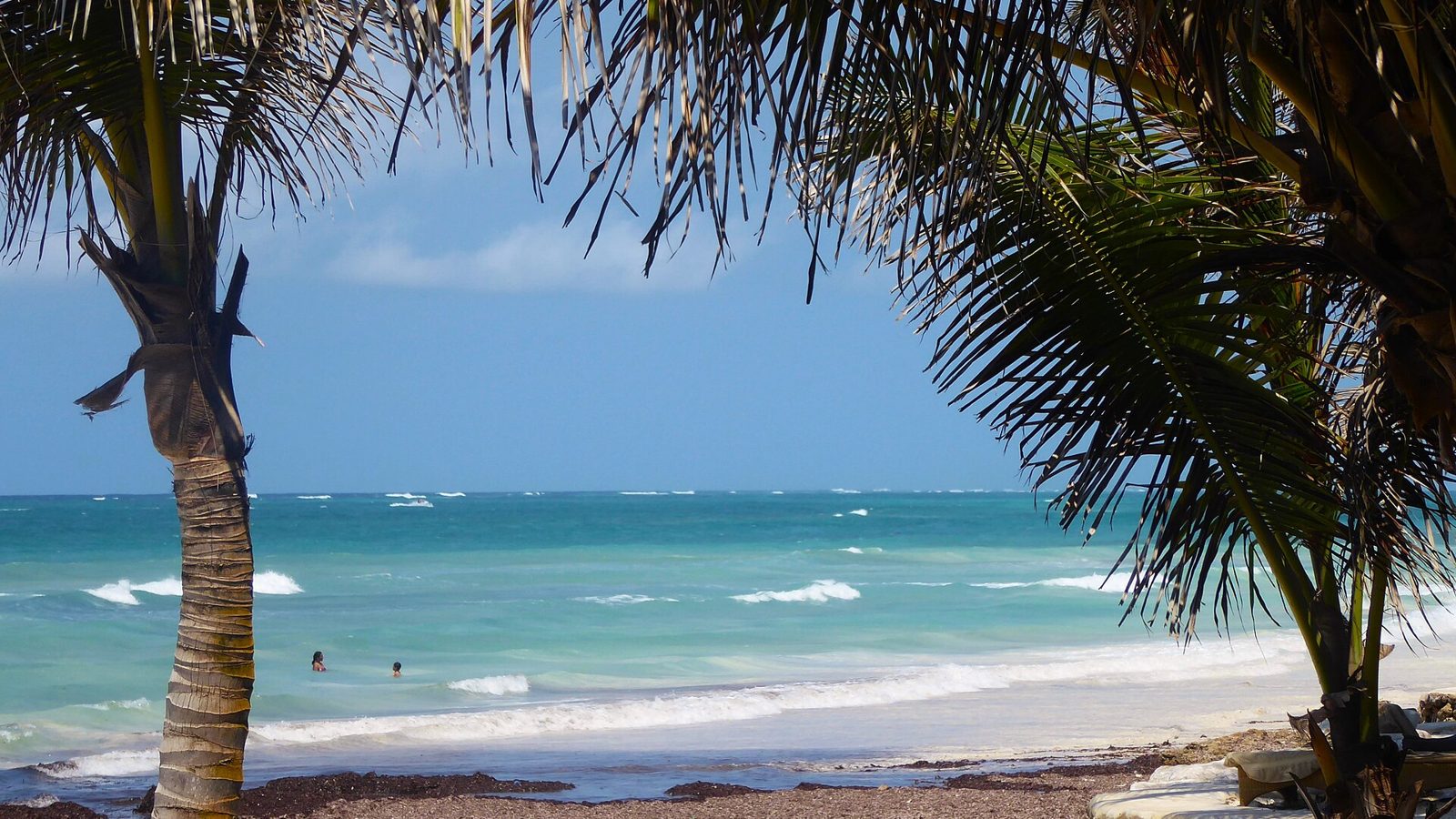
A long strip of white sand on Kenya's south coast, sheltered by a coral reef and backed by forest full of colobus monkeys. You walk the reef at low tide, sail a dhow to the dolphins at Kisite and eat grilled fish in a beach bar as the sun goes down.
- Best time to visit: December to March and July to October
- Daily budget (budget traveller): $45 to $200 USD
- Ideal trip length: 4 to 7 days
Diani Beach is about 30km south of Mombasa, on the coast of Kwale County. It is roughly 17km of fine white sand with a coral reef offshore, so the sea inside it stays fairly calm and turns into shallow pools at low tide. Behind the beach, one long road runs parallel to the sea, lined with hotels, villas, small shopping centres and beach bars, and patches of coastal forest where black-and-white colobus monkeys cross on rope bridges over the traffic. The working town of Ukunda sits at the inland end, along with the airstrip, the banks and the matatus. Most people come to do very little, but there is plenty to fill a week. You can snorkel the reef, take a dhow trip to the Kisite-Mpunguti marine park for dolphins and coral, spend a morning in the Shimba Hills forest looking for elephants and sable antelope, or try kitesurfing when the trade winds blow. Diani is not a backpacker town in the Southeast Asian sense. The cheapest beds are a short walk from the sand, and you will meet a lot of persistent beach sellers. Still, a cheap treehouse or dorm, Swahili food in Ukunda and tuk-tuks along the beach road make it a good solo base on the coast.
Diani is the best-known beach on Kenya's south coast, and for good reason. The sand is fine and bright, the water inside the reef is warm and clear, and coastal forest comes almost down to the shore. Colobus, Sykes monkeys and baboons live among the hotels, and you will often see colobus crossing the beach road on rope bridges. The coast here is Swahili, mostly Muslim and much slower than Nairobi, with old coral-stone mosques, dhows and coconut palms. Many visitors fly in for a resort week after a safari and barely leave the pool. Stay longer, travel on your own and you get a better version: reef walks at dawn, cheap pilau in Ukunda, dolphins at Kisite and a sundowner with people you met that afternoon.
Getting here is easier than it used to be. Several daily flights link Nairobi with Ukunda Airport, which is minutes from the beach. Jambojet flies from JKIA and Safarilink from Wilson. The cheaper option is the SGR Madaraka Express from Nairobi to Mombasa. Economy costs KES 1,500, about $12 USD, and the journey takes roughly 5 hours. From Mombasa Terminus, a transfer over the Dongo Kundu bypass takes 1 to 1.5 hours and avoids the Likoni ferry. Once you are here, use tuk-tuks. Base yourself on the central beach road for bars and buses, in Galu for quiet and kitesurfing, or near Ukunda for the cheapest food.
Timing shapes the trip. December to March brings the calmest, clearest sea and the most visitors. July to October is breezy and slightly cooler, the best time for kitesurfing and the season when humpback whales pass offshore. April to June is the long rainy season. Some places close, others drop their prices, and seaweed can pile up on the beach. Kenya has also changed its entry rules, with an eTA and, since October 2026, compulsory local health insurance for most visitors. Diani is not a party town, but evenings are lively at the beach bars. If you want a reef walk, a dhow trip and fresh fish under the palms, it is hard to beat on this coast.
Diani Beach itinerary
Arrive and find your feet
Morning: Fly from Nairobi to Ukunda (about 1 hour 15 minutes), or take the morning SGR train to Mombasa and a transfer south. Drop your bag and get cash in Ukunda.
Afternoon: Walk the sand along the central beach and have a first swim at high tide. Pick up water, fruit and snacks at a supermarket on the beach road.
Evening: Have a sundowner at Forty Thieves Beach Bar, then dinner nearby. Take a tuk-tuk home rather than walking along the beach.
Colobus and the reef
Morning: Take the Colobus Conservation tour (about KES 1,000) to learn why there are rope bridges over the road. Go early, when the monkeys are active.
Afternoon: Check the tide table and walk out over the reef flats at low tide in reef shoes, or take a short boat trip to snorkel the reef edge.
Evening: Eat cheaply in Ukunda, with pilau, mishkaki and fresh juice, then head back to the beach road for a drink.
Dhow trip to Kisite-Mpunguti
Morning: Get picked up early for the drive to Shimoni (about 1.5 hours), then sail out to the marine park. Look for dolphins on the way and snorkel the coral gardens.
Afternoon: Have a seafood lunch on Wasini Island, then walk through the village and over the coral flats. Stop at the Shimoni caves if there is time.
Evening: Back in Diani by late afternoon. Take a slow evening and an early night after the sun and salt.
Shimba Hills
Morning: Leave early for Shimba Hills National Reserve ($50 USD entry, paid online) and look for sable antelope and elephants while it is still cool.
Afternoon: Walk with a ranger down to Sheldrick Falls, then have lunch at a viewpoint over the forest and the coast.
Evening: Return to Diani for a swim and dinner on the beach road.
Kongo Mosque and Tiwi
Morning: Take a tuk-tuk to the north end of the beach road to see the Kongo Mosque under the baobabs. Dress modestly and ask before taking photos.
Afternoon: Continue to Tiwi Beach for the rock pools at low tide and a quiet lunch. Bring water and cash, as there are few services.
Evening: Back to Diani. Treat yourself to dinner at Ali Barbour's Cave Restaurant if your budget allows.
Galu, Kaya Kinondo and the wind
Morning: Visit Kaya Kinondo with a local guide and walk through the sacred forest. Follow the guide's rules on clothing and behaviour.
Afternoon: Spend the afternoon on Galu Beach. In windy months, book a trial kitesurf lesson. Otherwise, swim and read under the palms.
Evening: Have a quiet dinner in Galu, then take a pre-booked tuk-tuk back if you are staying further north.
Slow morning and depart
Morning: Have a last early walk on the beach before the sellers arrive, and a breakfast of mahamri and chai.
Afternoon: Fly back to Nairobi from Ukunda, or take a transfer to Mombasa Terminus for the afternoon train. Check times the day before.
Evening: Arrive in Nairobi, or stay a night in Mombasa's old town on the way.
Best neighbourhoods
- Central Diani Beach Road: The middle stretch of the beach road, with the big resorts, Forty Thieves and other beach bars, supermarkets and most of the restaurants. Tuk-tuks and matatus pass all day, so getting around is easy. It is the most social part of Diani and suits a first visit, though the beach here has the most sellers.
- Galu and Kinondo: The quieter southern end of the beach, where the road gets rougher and the sand gets wider and emptier. This is where the kitesurf schools, smaller boutique hotels and villas are, and Kaya Kinondo is close by. It is calm and beautiful, but you will need a tuk-tuk for most evenings out.
- Ukunda: The busy market town at the junction of the main Mombasa road and the beach road. You will find the airstrip, banks, ATMs, the matatu stage, cheap Swahili cafés and local guesthouses. Nobody comes here for the views, but it is the cheapest place to eat and the base for buses north to Likoni and south to Shimoni.
- North Diani and the Kongo river: The northern end of the beach road, near the old Kongo Mosque and the mouth of the Mwachema river. There are a few older hotels and private villas, and the beach feels wilder. It is quiet and good for walks, but there is little nightlife and you will rely on tuk-tuks.
- Tiwi Beach: A separate, much quieter beach just north of Diani, reached down a sandy track off the main road. There are rock pools at low tide, a handful of cottages and simple lodges, and very few people. It suits you if you want to switch off completely, but bring supplies and do not walk the track alone after dark.
Must-do experiences
- Walk the reef at low tide: Check the tide table and head out on the lowest tide of the day. The lagoon inside the reef drains into warm pools full of starfish, sea cucumbers and small fish. Wear reef shoes and look, don't touch. Local boat crews offer short snorkelling trips to the reef edge, so agree the price before you set off.
- Visit Colobus Conservation: This small charity on the beach road rescues injured monkeys and builds the rope bridges you see over the road. A guided tour costs about KES 1,000 for foreign visitors and lasts around an hour. It runs Monday to Saturday from about 8.30am to 4pm, and the money goes straight into the work.
- Sail a dhow to Kisite-Mpunguti: Drive south to Shimoni, then sail out to the marine park for snorkelling over coral gardens and a good chance of seeing dolphins. Most trips include lunch on Wasini Island. Park entry is $25 USD for foreign adults and is paid online. Full-day trips from Diani usually cost about $90 to $150 USD.
- Look for sable antelope in Shimba Hills: This coastal rainforest reserve rises behind the coast, about an hour inland. It is the only place in Kenya to see sable antelope, and elephants are common. Non-resident entry is $50 USD a day, paid online. Add the guided walk down to Sheldrick Falls.
- Walk into Kaya Kinondo: Kaya Kinondo is a sacred forest of the Digo people, part of the Mijikenda kaya forests listed by UNESCO. You can only go in with a local guide, and you will be asked to wrap a kanga over your clothes and follow a few rules. It is quiet, shady and full of old trees and birdsong.
- See the Kongo Mosque at the north end: This old coral-stone mosque stands under huge baobabs near the mouth of the Mwachema river. It is one of the oldest buildings on this coast and still in use. Dress modestly, ask before going in or taking photos, and combine it with a walk along the quiet northern beach.
- Watch the sunset at a beach bar: Diani's beach faces east, so you will not see the sun drop into the sea. You will still get the soft evening light and the busiest hour of the day. Forty Thieves is the best-known bar, and there are cheaper places along the beach road. A Tusker costs a few dollars.
Hidden gems
- Ukunda market and the cafés around the matatu stage, where a plate of pilau or chapati and beans costs a fraction of beach road prices
- Galu Beach at sunrise, when the sand is empty apart from fishermen and the occasional kitesurfer rigging up
- Tiwi's rock pools at low tide, a short tuk-tuk ride north but feeling like a different coast
- The Shimoni caves, which local guides link to the slave trade, a short walk from the jetty before or after a Kisite trip
- Msambweni, a quiet fishing area further south with long empty beaches and a few simple places to stay
Daily budget
- Accommodation: budget $15-35 / night (dorm, treehouse or simple guesthouse), mid-range $70-150 (beach road hotel or apartment), splurge $300+ (beachfront villa or luxury resort in Galu). Prices jump from mid-December to early January and at Easter. Many places quote in US dollars. Low season deals from April to June can be very good.
- Food: budget $10-20 / day (Ukunda cafés, street snacks, supermarket fruit), mid-range $30-50 (beach bar lunch and a sit-down dinner), splurge $80+ (seafood dinner at Ali Barbour's or a resort restaurant). A plate of pilau or chapati and beans in Ukunda costs a few dollars. Beach road restaurants charge several times more. Prices are rough guides.
- Transport: budget $2-8 / day (matatus and short tuk-tuk rides), mid-range $10-25 (tuk-tuks day and night), splurge $60-130 (one-way flight from Nairobi to Ukunda). SGR economy from Nairobi to Mombasa costs KES 1,500, about $12 USD. A taxi from Mombasa Terminus to Diani costs roughly $40-60 USD. Agree tuk-tuk fares before you set off.
- Activities: budget $0-10 / day (beach, reef walks, Colobus Conservation at about KES 1,000), mid-range $50-100 (Shimba Hills trip, snorkelling, Kaya Kinondo), splurge $100-150+ (Kisite dhow trip, whale shark trip, kitesurf lessons). KWS park fees are paid online only. Kisite-Mpunguti costs $25 USD and Shimba Hills $50 USD for foreign adults. Check what your tour price includes.
- Drinks & nightlife: budget $3-6 (a Tusker or soda at a local bar), mid-range $15-30 (a few drinks at a beach bar), splurge $50+ (cocktails and a big night at the resorts). Beer costs much more at beach bars than in Ukunda. Nightlife centres on Forty Thieves and a few bars on the central beach road, busiest at weekends.
Where to stay
- Social hostel in Central Diani Beach Road ($15-40 / night): Stilts Eco-Lodge has simple treehouses and budget rooms set in the forest, a short walk from the beach. It has a relaxed, social feel, and monkeys are common, so lock away your food.
- Boutique hotel in Galu ($200-350 / night): The Maji Beach Boutique Hotel is a small, design-led hotel on a quiet stretch of sand at the southern end. It is good if you want calm, good food and staff who can arrange trips.
- Apartment in Central beach road and Galu ($50-120 / night): Self-catering apartments in gated complexes give you a kitchen, a pool and security guards. Check how far the unit is from the beach and whether the price includes cleaning and power backup.
- Splurge in Galu and Kinondo ($350-800+ / night): Almanara Luxury Resort has villas and suites on a wide, quiet beach, with private pools at the top end. It is a short tuk-tuk ride from the central bars when you want company.
What to eat
- Samaki wa kupaka: grilled fish in a spiced coconut sauce, the classic Swahili coast dish, best with rice or chapati
- Pilau and biryani: spiced rice dishes sold cheaply in Ukunda cafés, especially on Fridays
- Mahamri and chai: lightly sweet coconut doughnuts with spiced tea, the usual local breakfast
- Viazi karai and mishkaki: battered potatoes and grilled meat skewers from street stalls in the evening
- Fresh seafood at a beach restaurant: prawns, lobster or crab at places such as Ali Barbour's Cave Restaurant, a proper splurge, so ask the price first
- Madafu and fresh juice: a young coconut cut open on the beach, or passion fruit and mango juice from almost any café
Day trips
- Kisite-Mpunguti Marine Park and Wasini Island (About 75km south of Diani, 1.5 hours by road to Shimoni, then a boat): The best snorkelling on the south coast, with coral gardens, reef fish, turtles and a good chance of dolphins. Most trips stop on Wasini Island for a seafood lunch and a walk through the village. Join a full-day dhow trip from Diani with pickup, usually about $90 to $150 USD. Park entry is $25 USD for foreign adults and is paid online through KWS, so check whether it is included.
- Shimba Hills National Reserve (About 40km inland, roughly 1 hour by road): Coastal rainforest and grassy hills with elephants, buffalo and Kenya's only sable antelope. A guided walk to Sheldrick Falls makes a good break from the beach heat. Join a half-day or full-day tour with transport, or hire a driver for the day. Non-resident entry is $50 USD a day, paid online only, with no cash at the gate.
- Mombasa Old Town and Fort Jesus (About 35km north, 1 to 1.5 hours by road): Kenya's oldest city, with narrow Swahili lanes, carved wooden doors, spice shops and the 16th-century Portuguese fort, which is a UNESCO World Heritage Site. Take a taxi over the Dongo Kundu bypass, or a matatu to Likoni, the ferry across and a tuk-tuk to the old town. Leave Mombasa well before dark.
When to visit
- Hot dry season (December - March): 29-33°C, hot, humid and mostly sunny, sea around 28°C. Crowds: Busy, very busy at Christmas, New Year and Easter. The best sea conditions of the year and the best visibility for snorkelling. Prices peak over the holidays, so book flights and rooms early.
- Long rains (April - June): 26-30°C, heavy showers, especially in May. Crowds: Low. Cheap and green, but rain, seaweed and choppy seas can spoil boat trips. Some hotels and restaurants close for a few weeks.
- Cool dry season (July - October): 26-29°C, breezy and drier, sea around 25-26°C. Crowds: Moderate, busier in August. Great for kitesurfing and whale watching, with comfortable heat for Shimba Hills. Wind can make the reef choppy on some days.
- Short rains (November): 28-31°C, short showers, often clearing by afternoon. Crowds: Low to moderate. A good shoulder month with fair prices and quiet beaches. Flights are often cheapest, and the busy season starts in December.
Entry rules for your passport
Visa rules for Kenya depend on the passport you travel on. Check the official source before you book: Kenya Directorate of Immigration Services
Getting there
Ukunda Airport (UKA), often called Diani Airport, is the closest airport and sits right next to the beach. There are several flights a day from Nairobi. Jambojet flies from Jomo Kenyatta International (JKIA), and Safarilink flies from Wilson Airport, usually with a morning and an afternoon departure. The flight takes about 1 hour 10 minutes to 1 hour 25 minutes, and one-way fares are about KES 6,500 to 16,000. Check which Nairobi airport your flight uses. Seats sell out around Christmas, New Year and Easter. The cheapest option is the SGR Madaraka Express from Nairobi Terminus to Mombasa Terminus at Miritini. Economy costs KES 1,500, about $12 USD, first class costs KES 4,500, and there are several trains a day taking about 5 hours. Book on the Kenya Railways site. From Mombasa Terminus or Moi International Airport, a taxi to Diani takes 1 to 1.5 hours over the Dongo Kundu bypass and costs roughly $40-60 USD. On a tight budget, you can take a matatu to Likoni, cross on the Likoni ferry (free for foot passengers) and take another matatu to Ukunda, but it is slow and crowded with luggage. Long-distance buses from Nairobi also run to Mombasa and Ukunda, but they take 8 to 10 hours.
Getting around
Diani is a long, narrow place, and almost everything sits on or just off the beach road, which runs from Ukunda junction to the sea and then north and south along the coast. Tuk-tuks are the easiest way around. A short hop on the beach road usually costs KES 200 to 500, more at night or from the south end of Galu. Agree the price before you get in. Matatus run up and down the beach road and to Ukunda for small fares, and boda bodas (motorbike taxis) are cheaper still but riskier, so insist on a helmet. Bolt and Uber cover parts of Diani, but cars can be slow to arrive. Walking along the sand by day is pleasant, but do not walk the beach or the quiet stretches of road after dark. Use a tuk-tuk your hotel trusts and save the driver's number. For Mombasa, take a matatu to Likoni and the ferry across, or a taxi over the Dongo Kundu bypass. For Shimoni and Kisite, most people join an organised trip with transport included.
Safety
Diani is generally relaxed, but you need more street sense than in a European beach town. The most common hassle is the beach boys, sellers who offer trips, souvenirs and friendship. A firm, friendly 'no thank you' usually works, and it helps to book trips through your accommodation or a known operator. Bag snatching and theft happen, especially on the beach and on dark roads, so leave valuables at home and do not walk the sand after dark. Sea urchins and sharp coral are the main hazards on the reef, and currents can be strong at the reef edge and at river mouths. Sykes monkeys and baboons will steal food from balconies. Kwale is a malaria area, so talk to a travel clinic about tablets and use repellent at dusk. Do not drink the tap water. Kenya's emergency numbers are 999 and 112. Kenya now requires a local inbound health insurance policy for most visitors, and it is not a substitute for proper travel insurance with medical evacuation.
Solo travel tips
- Plan around the tides: Low tide is when you can walk the reef and see the rock pools, and high tide is when you can swim properly. Check the tide table each evening and plan the next day around it.
- Book trips through people you trust: Dhow trips, snorkelling and Shimba Hills tours are sold everywhere on the beach. Book through your accommodation or a well-reviewed operator, and check what the price includes, especially park fees.
- Keep tuk-tuk numbers in your phone: Find one or two reliable drivers through your hostel or hotel and use them every evening. It is safer than flagging down strangers at night and usually just as cheap.
- Eat where the locals eat: Breakfast, lunch and juice in Ukunda cost a fraction of beach road prices. Save the beach restaurants for one or two dinners and the seafood splurge.
- Safety for solo travellers: The main risks are theft on the beach, walking alone after dark, strong currents at the reef edge and malaria. Carry little, travel by tuk-tuk at night, swim where others are swimming and use repellent at dusk.
- Meet people on the water: Shared dhow trips, kitesurf schools, dive shops and backpacker common rooms are the easiest places to meet other travellers. Beach bars on Friday and Saturday nights are busy and friendly.
Cultural etiquette
- Greet people before you ask for anything. 'Jambo' or 'habari' works everywhere, and 'asante' means thank you. People really appreciate a few words of Swahili.
- Swimwear is fine on the beach, but cover your shoulders and knees in Ukunda, in villages and at mosques.
- Ask before you photograph people, especially women, fishermen and anyone at a mosque, and accept a no.
- Bargain with a smile at markets and with beach sellers and tuk-tuk drivers, but do not push too hard for small sums.
- During Ramadan, avoid eating, drinking or smoking in public in Ukunda and the villages during the day.
- Use your right hand to give and receive money and food, and to shake hands.
- Kenya bans plastic carrier bags, so bring a cloth bag. Take your rubbish with you from the beach and the reef.
Frequently asked questions
How do I get to Diani Beach and from the airport to my room?
The quickest way is a flight from Nairobi to Ukunda Airport (UKA), which sits right next to Diani. Jambojet flies from Jomo Kenyatta International (JKIA) and Safarilink from Wilson Airport. The flight takes about 1 hour 10 minutes to 1 hour 25 minutes, and one-way fares usually run about KES 6,500 to 16,000. From the airstrip, a tuk-tuk or taxi takes 5 to 15 minutes to most hotels. The cheaper option is the SGR train to Mombasa, then a road transfer of about 1 to 1.5 hours.
How many days do I need in Diani Beach?
Three nights is enough for the beach, a reef walk, Colobus Conservation and a dhow trip to Kisite. Five nights lets you add Shimba Hills and Kaya Kinondo without rushing. A week works well if you want a kitesurf course, a day in Mombasa or just a few slow days.
When is the best time to visit Diani Beach?
December to March is hot, dry and sunny, with the clearest water. It is also the busiest time, especially around Christmas, New Year and Easter. July to October is cooler and windy, which is good for kitesurfing, and humpback whales pass offshore. The long rains from April to June bring heavy showers and seaweed, and some places close or cut prices. November has shorter rains and quieter beaches.
How do I deal with the beach boys?
Expect to be approached often, especially on the central stretch of the beach. Most sellers are harmless and just want to sell trips or souvenirs. Be polite but firm, keep walking and do not hand over money in advance for a trip you have not checked. Book boat trips through your accommodation or a well-reviewed operator, and walk on the beach in front of busier hotels if you want fewer interruptions.
Is the sea good for swimming?
Yes, mostly. The reef keeps the lagoon fairly calm, and the water is warm all year. Tides make a big difference. At high tide you can swim properly, and at low tide the lagoon becomes shallow pools that are better for wading. Wear reef shoes for urchins, watch for currents near the reef edge and river mouths, and expect seaweed in some months.
How do I visit Kisite-Mpunguti Marine Park?
Most people join a full-day dhow trip from Diani, which includes transport to Shimoni, snorkelling gear, dolphin spotting and a seafood lunch on Wasini Island. Expect about $90 to $150 USD, so check whether the $25 USD park fee is included. KWS fees are paid online only, not in cash at the gate. Trips depend on calm seas, so keep a spare day in case of cancellation.
Is Diani Beach safe for solo female travellers?
Many women travel here alone without problems, but expect a lot of attention on the beach and some persistent flirting. Dress modestly in Ukunda and away from the sand, use trusted tuk-tuk drivers at night and do not walk the beach after dark. Be wary of fast friendships that end with requests for money. Social hostels and kitesurf schools are easy places to meet other travellers.
What entry rules apply to Kenya in 2026?
Kenya no longer issues visas on arrival. Most visitors, including those from the UK, US, EU and Australia, need an approved Electronic Travel Authorisation (eTA) from the official site, etakenya.go.ke. The standard fee is $30 USD, and you should apply about two weeks before you travel. Most African citizens are exempt. Since 6 October 2026, eTA applicants also have to buy Kenya's mandatory inbound travel health insurance, about $44 USD, and airlines may check it. These rules have changed fast, so check official Kenyan sources and your own government's travel advice.
Tours and activities in Diani Beach | Diani Beach in 2 days | Diani Beach in 3 days | Diani Beach in 4 days | Diani Beach in 5 days | Diani Beach in 7 days
Can't decide? Compare Diani Beach with...
Joy Plus home | Destinations | Itineraries | Activities | Flights | Budget planner | Calendar | Map | Blog | Lifetime access