Destinations / Europe
Dijon, France travel guide
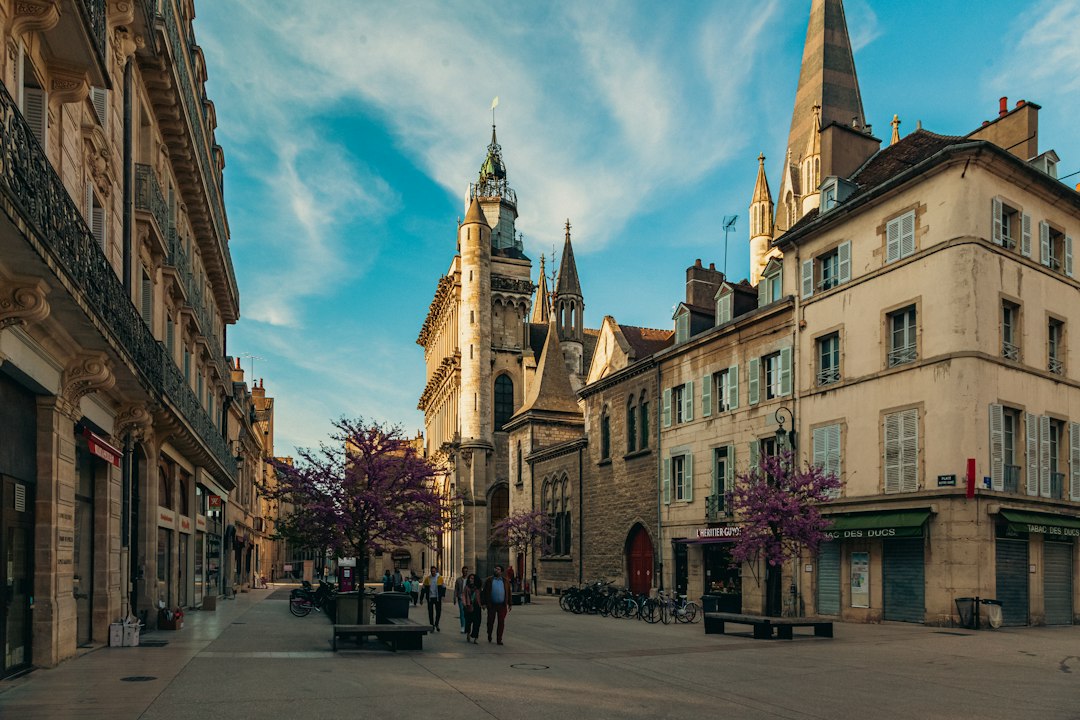
Burgundy's noble capital: glazed roof tiles, grand ducal palaces and world-class wine cellars.
- Best time to visit: May to October
- Daily budget (budget traveller): $85 to $195 USD
- Ideal trip length: 2 to 4 days
Dijon is the historic capital of the Dukes of Burgundy, an aristocratic city of honey-coloured limestone, medieval timber framing and showstopping polychrome glazed roofs. Often overlooked by travellers tearing south from Paris towards the Côte d'Azur, it sits just 1 hour 35 minutes away by TGV. It is one of France's premier gastronomic havens, boasting the expansive Cité Internationale de la Gastronomie et du Vin, vibrant covered food markets and direct railway access to the world-renowned Côte de Nuits vineyards.
Dijon carries itself with the quiet, assured elegance of an imperial capital that never had to shout. For two centuries under the Valois Dukes, this city governed an empire stretching from the Swiss border to the North Sea, amassing wealth that still shines through its preserved architectural fabric. Honey-hued limestone mansions stand beside half-timbered merchant dwellings, crowned by the geometric diamond patterns of colourful glazed terracotta tiles that define traditional Burgundian roofs. Compact and almost entirely pedestrianised, the city centre is small enough to navigate without transport, yet broad enough in scope to absorb days of aimless wandering.
The city's greatest asset is its culinary soul. Dijon is an anchor point of French dining culture, certified by UNESCO and celebrated through the striking Cité Internationale de la Gastronomie et du Vin. The food here is unapologetically hearty, crafted around farm butter, blackcurrants, pungent cheeses and rich braises. At Les Halles Centrales, designed in metal lattice by the company of Gustave Eiffel, vendors hawk slabs of garlicky jambon persillé, wedges of pungent Époisses cheese and pots of sharp stone-ground mustard. World-famous vineyards start just outside the southern ring road, where the prestigious Côte de Nuits stretches toward Beaune.
Dijon functions as the ideal base for exploring eastern France. Paris is a brief 95-minute sprint away on the TGV, while Lyon, Basel and Strasbourg sit within comfortable rail hops. Unlike the tourist-clogged villages of Provence or the Dordogne, Dijon remains an authentic, living working city driven by university students, wine merchants and independent craftspeople. By staying two or three nights, you get past the superficial mustard souvenir stalls to discover serene courtyards, cavernous medieval cellars and unpretentious neighborhood bistros that honour the culinary heritage of Burgundy.
Dijon itinerary
Ducal treasures and the historic core
Morning: Arrive at Dijon-Ville station via TGV. Walk 10 minutes up Rue de la Liberté to Place Darcy and admire the triumphal arch. Follow the brass owl markers of the Owl's Trail into the pedestrian heart, reaching the church of Notre-Dame to make a wish on the famous carved stone owl on Rue de la Chouette.
Afternoon: Head to the grand semicircular Place de la Libération, designed by Jules Hardouin-Mansart. Step inside the Palais des Ducs to explore the Musée des Beaux-Arts, admiring the lavish tombs of Duke Philip the Bold and John the Fearless. Climb the Tour Philippe le Bon for a view across the city.
Evening: Enjoy an aperitif of Kir (blackcurrant liqueur topped with Aligoté white wine) at a terrace cafe facing the ducal fountains. Book dinner at an unpretentious bistro for a rich plate of boeuf bourguignon paired with a local Pinot Noir.
Markets, mustard and grand cuisine
Morning: Start at 8:30am at Les Halles Centrales (open Tuesday, Thursday, Friday and Saturday). Grab an espresso at an indoor zinc counter and assemble a breakfast of gougères, fresh goat cheese and brioche. Browse the stalls of butchers, fishmongers and produce growers.
Afternoon: Stroll down Rue Verrerie to photograph the 15th-century half-timbered houses, then drop into the Edmond Fallot boutique for an interactive mustard tasting. Walk south to the Cité Internationale de la Gastronomie et du Vin to tour the food culture exhibitions and sample wines at the Cave de la Cité.
Evening: Dine at one of the lively bistros near Place Emile Zola, such as Chez Léon, sampling traditional escargots de Bourgogne swimming in garlic and parsley butter, followed by regional cheeses.
Day trip to the Côte de Beaune
Morning: Catch a 20-minute TER regional train from Dijon-Ville south to Beaune. Walk into the rampart-encircled town to visit the magnificent Hospices de Beaune (Hôtel-Dieu), marvelling at its vibrant glazed-tile courtyard and Rogier van der Weyden's altarpiece.
Afternoon: Sample Premier Cru vintages in the historic labyrinthine cellars beneath the town at Marché aux Vins or Patriarche Père et Fils. Linger over a casual lunch of jambon persillé and sourdough in the market square before browsing the independent wine shops.
Evening: Take the late afternoon train back to Dijon. Unwind with a glass of crisp regional Chablis at a quiet wine bar on Rue Monge, accompanied by a board of local charcuterie.
Cycling the Route des Grands Crus
Morning: Hire an electric hybrid bike near the station and cycle south along the Voie des Vignes cycle path. Pass through Marsannay-la-Côte and Fixin, pedalling straight between stone walls and pristine vineyard parcels.
Afternoon: Arrive in Gevrey-Chambertin, home to nine Grand Cru vineyards. Stop for a rustic lunch in the village square, then visit a local domaine for a pre-booked cellar tour and structured tasting of world-class red Burgundy.
Evening: Pedal back to Dijon along the low-traffic vineyard roads. Freshen up and finish your trip with a celebratory dinner at an inventive modern bistro, sampling local seasonal cooking and artisan pain d'épices dessert.
Best neighbourhoods
- Centre Historique (Ducal Quarter): The pedestrian heart surrounding the Palais des Ducs and Place de la Libération, packed with medieval lanes, boutique shops and wine bars.
- Les Halles and Jean-Jacques Rousseau: The culinary and antique hub centred around the lively metallic covered market designed in the Eiffel style, surrounded by bustling bistros.
- Monge and Cité de la Gastronomie: The southern district anchored by historic timber-framed houses, canal paths and the sprawling culinary exhibition centre.
Must-do experiences
- Follow the Owl's Trail (Parcours de la Chouette): Track the 22 brass markers embedded in the pavements through medieval lanes, finishing by rubbing the lucky carved stone owl on Notre-Dame.
- Explore the Musée des Beaux-Arts in the Ducal Palace: Wander the vast Ducal Palace to inspect the tombs of the Dukes of Burgundy with their intricate alabaster mourners, entirely free of charge.
- Graze through Les Halles Centrales: Sample artisan Comté, jambon persillé and gougères from regional producers inside the historic metal-framed market on Tuesday, Thursday, Friday or Saturday.
- Climb the Tour Philippe le Bon: Tackle the 316 steps of the 15th-century ducal watchtower for sweeping panoramic views across the tiled rooftops towards the Jura mountains.
- Taste vintages at the Cité Internationale de la Gastronomie: Use a prepaid card at the monumental cellar to taste dozens of grand cru and premier cru Burgundy wines by the glass.
- Cycle the Route des Grands Crus to Gevrey-Chambertin: Rent an electric bike and follow the signposted vineyard trails south through world-famous Pinot Noir country.
Hidden gems
- Hôtel de Vogüé, an ornate 17th-century parliamentary mansion featuring classic Burgundian glazed tilework
- The peaceful Romanesque crypt resting underneath Saint-Bénigne Cathedral
- Jardin de l'Arquebuse, a lush botanical garden and arboretum tucked behind the train station
- Puits de Moïse (Well of Moses), Claus Sluter's masterwork of medieval sculpture at the former Charterhouse of Champmol
Daily budget
- Accommodation: budget €30-55 / night (hostel bed or simple budget room near station), mid-range €90-160 (charming boutique hotel or renovated historic flat), splurge €230-450+ (luxury 5-star hotel like Grand Hôtel La Cloche). Hotel prices rise during major wine trade fairs and holiday weekends in spring. Booking a central apartment lets you cook ingredients from the market.
- Food: budget €18-30 / day (bakery breakfast, market picnic, casual sandwich), mid-range €45-75 (cafe breakfast, plat du jour lunch, traditional bistro dinner), splurge €120+ (fine dining multicourse tasting menu with wine pairings). Fixed lunch menus (formules) are exceptional value, often offering two generous courses for €18 to €24 in top-flight bistros.
- Transport: budget €0-4 / day (walking, occasional €1.70 tram ticket), mid-range €10-25 (regional TER return train to Beaune, plus city trams), splurge €45-90+ (electric bicycle hire or private vineyard shuttle). The historic centre is walkable. A return regional train ticket from Dijon to Beaune costs roughly €18 to €20.
- Activities: budget €0-10 (free entry to city museums, €5 to climb Philippe le Bon tower), mid-range €15-35 (Cité de la Gastronomie exhibitions, cellar tasting flights), splurge €75-150+ (guided small-group wine tour with vineyard cellar visits). Permanent collections in Dijon's municipal museums, including the Musée des Beaux-Arts, are completely free to enter.
- Drinks & nightlife: budget €4-9 (glass of regional Aligoté or draft beer at a neighbourhood bar), mid-range €18-35 (bottle of village-level Burgundy shared or premium glasses), splurge €60+ (premier cru or grand cru vintages at dedicated wine bars). House wines (pichet) in bistros are reliable and cheap. Wine bars like La Cave Se Rebiffe offer fantastic selections by the glass.
Where to stay
- Social hostel in Station area or Port du Canal (€30-65 / night): Simple, clean rooms or dorm beds located a short walk from the TGV platforms and the canal footpaths. Perfect for travellers watching transit costs.
- Boutique hotel in Centre Historique / Place de la Libération (€95-170 / night): Atmospheric properties converted from 17th-century townhouses, offering stone fireplaces, exposed timber beams and instant access to walking lanes.
- Apartment in Les Halles / Jean-Jacques Rousseau (€85-150 / night): Renovated historic flats with small modern kitchens, ideally placed to stock up on fresh morning produce, cheeses and bread from the covered market.
- Splurge in Place Darcy (€220-420 / night): Grand 19th-century establishments like the Grand Hôtel La Cloche, featuring refined dining rooms, tranquil spa facilities and polished service right at the entrance to the old quarter.
What to eat
- Jambon persillé, a coarse terrine of ham set in seasoned white-wine parsley jelly
- Boeuf bourguignon served with buttery tagliatelle in an authentic local wine bistro
- Fresh warm gougères, savoury choux pastry puffs loaded with grated Gruyère or Comté
- Traditional pain d'épices spiced honey cake from the historic Mulot & Petitjean shop on Place Bossuet
Day trips
- Beaune (20 min by train): The capital of Burgundy wine, circled by medieval ramparts. Tour the 15th-century Hospices de Beaune with its flamboyant roof tiles, explore deep cellars, and browse top-tier wine boutiques. Frequent TER regional trains operate directly from Dijon-Ville station to Beaune, costing approximately €9 to €10 each way.
- Côte de Nuits Vineyard Trail (15 to 45 min by bike or bus): The golden hillside producing Burgundy's most legendary red wines. Cycle past premier cru plots in Marsannay, Fixin and Gevrey-Chambertin, stopping for quiet cellar tastings. Rent a bike in Dijon and follow the marked Voie des Vignes route, or take Mobigo bus line 113 south toward Nuits-Saint-Georges.
When to visit
- Spring (April - June): 9-22°C, mild days, occasional April showers, crisp evenings. Crowds: Moderate, picking up around May holiday weekends. A lovely time to explore. The vineyard rows are leafing out in vivid green, patio seating opens across Place de la Libération, and market stalls fill with fresh asparagus and spring cheeses.
- Summer (July - August): 17-29°C, warm to hot, generally sunny with sporadic thunderstorms. Crowds: Busy with European road-trippers, though quiet during late August breaks. Great for cycling down the vineyard routes and evening wine terrace dining, but book ahead because popular small restaurants fill early and afternoon heat can be intense.
- Autumn (September - November): 7-20°C, cooler mornings, crisp afternoons, turning chilly by November. Crowds: Substantial wine tourism in September and October, falling off by November. The golden window for Burgundy. The vendange (grape harvest) occurs in September, hillsides turn bright amber, and warming stews like boeuf bourguignon come into their own.
- Winter (December - March): 0-8°C, frequent cloud, frosty mornings and occasional snow. Crowds: Very low outside the festive December Christmas market. Cold and quiet, but ideal for slow visits to the Ducal Palace and hearty indoor dining by fireplace hearths. Vineyard tasting rooms often operate on limited hours.
Entry rules for your passport
Visa rules for France depend on the passport you travel on. Check the official source before you book: European Commission: Schengen visa policy
Getting there
Dijon enjoys outstanding rail connections across western Europe. High-speed TGV Inoui and Lyria trains link Dijon-Ville directly with Paris Gare de Lyon in 1 hour 35 minutes, Lyon Part-Dieu in 1 hour 40 minutes, and Zurich in 2 hours 25 minutes. If arriving from Charles de Gaulle Airport (CDG), direct TGVs bypass central Paris entirely and reach Dijon in roughly 2 hours. Regional TER lines run frequently to Beaune, Auxerre and Besançon. For travellers arriving by long-distance coach, FlixBus and BlaBlaCar Bus stop near the university or station. Long-term car parking is best found in underground garages like Darcy-Liberté or Condorcet, as central vehicle traffic is strictly controlled.
Border checks: non-EU visitors (other than Swiss, Norwegian, Icelandic, Liechtenstein, Andorran, Monegasque, San Marinese and Vatican citizens, and holders of an EU residence permit or long-stay visa) are registered in the EU's Entry/Exit System (EES) instead of getting a passport stamp. On your first crossing, officers take your photo and/or fingerprints, so allow extra time at passport control. ETIAS, the planned travel authorisation, is not in operation yet, so don't pay any website for one.
Getting around
Dijon is effortlessly walkable, with a vast pedestrianised core. Divia operates two modern tram lines (T1 and T2) and numerous bus routes. Single tickets cost €1.70 when purchased from platform machines or via contactless tap-to-pay on board. A free electric shuttle, DiviaCity, loops regularly through the historic centre. TER regional trains run hourly from Dijon-Ville to nearby vineyard towns like Beaune and Nuits-Saint-Georges.
Safety
Dijon is exceptionally safe and welcoming for solo travellers. Standard precautions against pickpockets are advised around Dijon-Ville railway station and during peak Saturday crowds in Les Halles. Most central streets become quiet after 10pm once restaurants close, but streets remain well lit and safe. Keep an eye out for silent trams when crossing paved thoroughfares.
Solo travel tips
- Embrace the zinc bar counter: Traditional French bistros and wine bars in Dijon excel at bar seating. Eating solo at the zinc counter at Les Halles or neighbourhood wine bars gives you immediate conversation with the host and makes dining alone effortless.
- Utilise self-service wine dispensers: The Cave de la Cité at the Cité de la Gastronomie uses Enomatic card-operated dispensers. This setup allows solo visitors to taste rare Grand Cru wines in 30ml, 60ml or 120ml pours without needing to buy full bottles.
- Pick a central hostel or guesthouse: Look for accommodation within the inner ring road or directly beside Place Darcy. You will be able to stroll safely back from late dinners without relying on evening buses or hailing taxis.
- Join small-group vineyard tours: If you do not want to navigate wine tastings or cycling routes alone, book a half-day minibus tour through the Dijon Tourist Office. These excursions offer a hassle-free way to meet fellow travellers while exploring countryside cellars.
- Safety for solo female travellers: Dijon ranks among France's safer regional hubs. Street harassment is rare, and the city centre is lively until late. The only area requiring casual vigilance late at night is the immediate plaza outside the main railway station.
- Take advantage of free municipal culture: Dijon is extraordinarily generous with museum admissions. Solo days can be spent exploring the Musée des Beaux-Arts, the Musée Archéologique and the Musée de la Vie Bourguignonne without paying a single euro in ticket fees.
Cultural etiquette
- Always greet shopkeepers, market vendors and waitstaff with a polite 'Bonjour Madame' or 'Bonjour Monsieur' upon entering, and say 'Merci, au revoir' when leaving.
- Rub the carved stone owl on the north side of Notre-Dame church with your left hand only, as local tradition insists that touching it with your right hand cancels your wish.
- Respect French lunch and dinner windows. Bistros serve lunch strictly between 12:00pm and 2:00pm, and dinner from 7:30pm to 9:30pm. Outside these hours, seek out brasseries advertising 'service continu'.
- Do not rush wine tastings. Swirl, smell, sip and discuss the vintage thoughtfully. Spitting excess wine into provided spittoons (crachoirs) is entirely standard and expected.
- Tipping is modest. A service charge is included by law in all bills (service compris). Leaving €1 to €2 on the table for good cafe service or €3 to €5 after a pleasant meal is appreciated but never mandatory.
- Keep speaking volumes moderate on public transport, in quiet museums and inside historic church sanctuaries.
- Handle bread properly at the table. Break baguettes into bite-sized pieces with your fingers rather than slicing them with a butter knife, and rest bread on the table beside your plate rather than on it.
Frequently asked questions
How do I reach Dijon from Paris?
High-speed TGV trains depart regularly from Paris Gare de Lyon, reaching Dijon-Ville station in just 1 hour 35 minutes. Advance one-way fares cost between €25 and €70. Trains run hourly during peak periods.
Which area is best to stay in Dijon?
Stay in the historic centre around Place de la Libération or near Les Halles to easily walk to museums, bistros and wine cellars. Staying within a short walk of Dijon-Ville station is also convenient for catching morning trains to Beaune.
How many days should I spend in Dijon?
Two to three days is ideal. Dedicate one full day to the historic quarter, the Ducal Palace and Les Halles, a second day to the Cité de la Gastronomie and city museums, and a third day for cycling or taking the train into the Côte de Nuits vineyards.
When is the best time of year to visit?
May to October offers the best conditions. Spring brings pleasant warmth and outdoor cafe life, while September and October are glorious for harvest season in the nearby vineyards. Winters are chilly with grey skies, though holiday markets add charm.
Is Dijon good for solo travellers?
Dijon is fantastic for solo travellers. Its compact size makes it simple to navigate on foot, the free municipal museums are world class, and dining alone at wine bars or market stalls is comfortable and completely routine for locals.
Do I need to hire a car in Dijon?
No. The city centre is largely pedestrianised and best explored on foot or by tram. Regional TER trains connect Dijon to Beaune in 20 minutes, and local tour operators or bicycle rentals make visiting the vineyards seamless without driving.
What is the typical daily budget for Dijon?
Budget travellers spend €80 to €100 per day staying in hostels or budget hotels and eating market lunches. Mid-range travellers spend €140 to €200 per day for a comfortable boutique hotel, traditional bistro meals and structured wine tastings.
Do I need a visa to visit Dijon?
France is in the Schengen area. Visitors from the UK, the US, Canada, Australia and many other countries can stay up to 90 days in any 180 without a visa, and since October 2025 non-EU travellers are registered in the EU's Entry/Exit System (photo and fingerprints) instead of getting a passport stamp, so allow extra time at your first border. ETIAS pre-travel authorisation is not yet required. Check the rules for your nationality before booking.
Tours and activities in Dijon | Dijon in 2 days | Dijon in 3 days | Dijon in 4 days | Dijon in 5 days | Dijon in 7 days
Can't decide? Compare Dijon with...
Joy Plus home | Destinations | Itineraries | Activities | Flights | Budget planner | Calendar | Map | Blog | Lifetime access