Destinations / Africa
Djerba, Tunisia travel guide
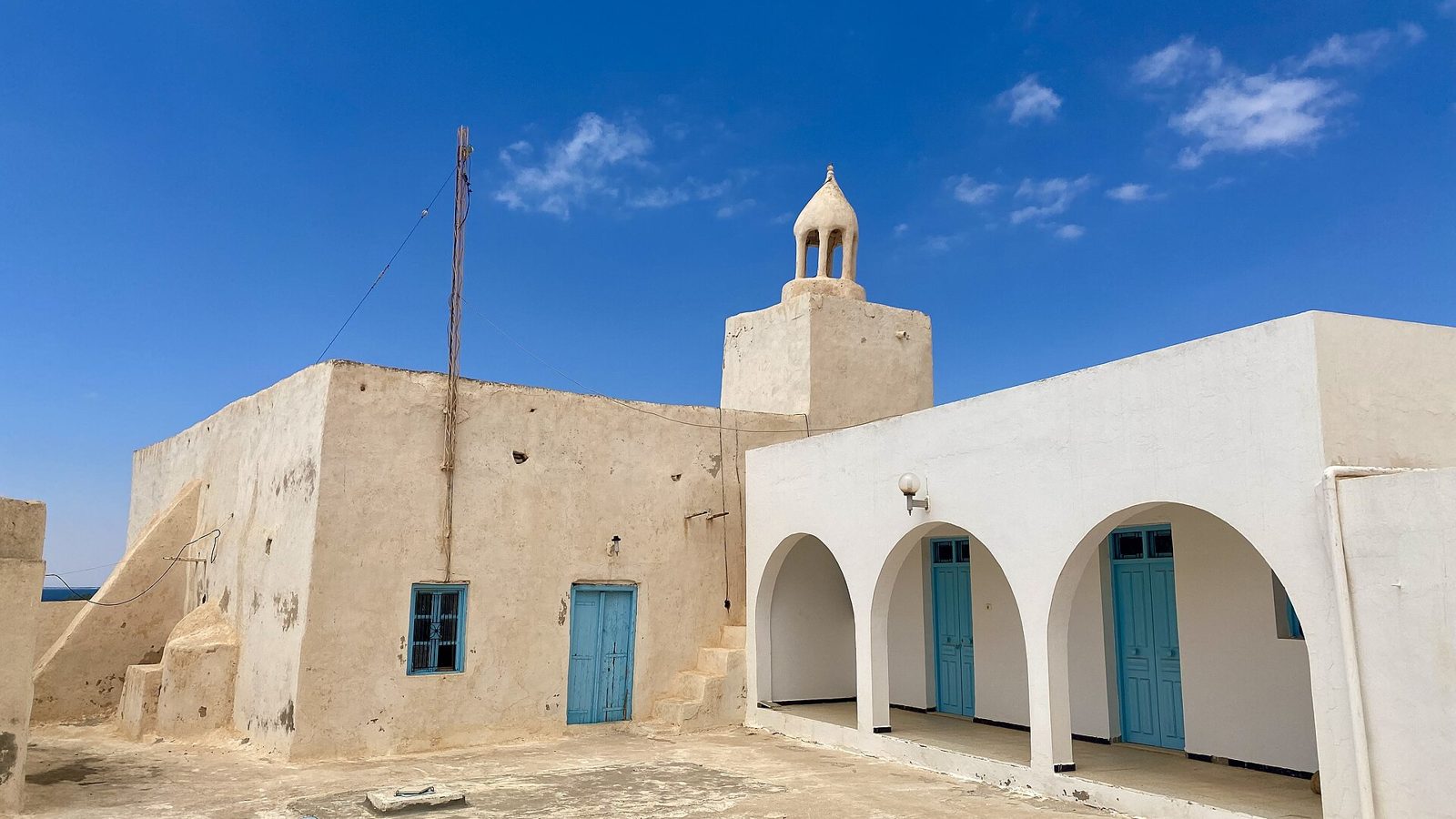
A flat, sunny island off Tunisia's south coast, with whitewashed villages, old Ibadi mosques and long sandy beaches. You wander the souks of Houmt Souk, look for murals in the lanes of Erriadh and eat grilled fish by the harbour for a few dinars.
- Best time to visit: April to June and September to October
- Daily budget (budget traveller): $35 to $150 USD
- Ideal trip length: 4 to 7 days
Djerba is the largest island in North Africa. It lies in the Gulf of Gabès, close to the Tunisian mainland, and a Roman causeway and a short car ferry link the two. It is flat, dry and full of palms and olive trees. Low white houses called menzels sit behind earth walls, and small fortified mosques dot the countryside. These buildings are the reason the island became a UNESCO World Heritage Site in 2023. Most visitors fly straight to the big hotels on the east coast and barely leave the beach. That is a shame, because the best of Djerba is inland and in the villages. Houmt Souk, the main town, has covered souks, old caravanserais and a seafront fort. Erriadh is home to El Ghriba, one of the oldest synagogues in Africa, and to Djerbahood, an open-air gallery of murals by artists from around the world. Guellala has made pottery for centuries. Djerba is cheap, relaxed and easy to get around by taxi or bike. It does take some planning, though, because the dinar is a closed currency and buses are slow, and some sights close on certain days. A solo traveller can live well here on very little.
Djerba is a low, sun-baked island of about 514 square kilometres, home to around 170,000 people. For a long time it was a place where different communities lived side by side: Amazigh (Berber) villages, Ibadi Muslims with their small fortified mosques and one of the oldest Jewish communities in North Africa. In 2023 UNESCO listed the island's settlement pattern as a World Heritage Site, from the walled menzel farmhouses to the mosques scattered through the fields. Most visitors stay in the beach hotels on the east coast and book a half-day island tour. Spend a few nights in Houmt Souk or Erriadh instead and you get a different island: the fish auction at dawn, murals in quiet lanes, potters at work in Guellala and tea on a shady square in the evening. Djerba is also very cheap. A local meal costs a few dollars, and the main sights cost about $3 each.
Getting here is easy if you fly. Djerba-Zarzis Airport has direct flights from Europe, plenty of them in summer, plus regular flights from Tunis. It is about 8km from Houmt Souk, a short taxi ride. Overland, louages from Tunis change at Gabès, then roll onto the car ferry from Jorf to Ajim, which is free for foot passengers. From Zarzis and the south, the road crosses the Roman causeway at El Kantara. On the island, metered taxis are the backbone of getting around, with most rides costing 5 to 15 TND. A hired bike is perfect on the flat roads between villages. Base yourself in Houmt Souk for food, transport and atmosphere, in Erriadh for peace and street art, or at Sidi Mahrez if a beach and a pool matter most.
Timing matters here more than you might expect. Spring and autumn are warm and pleasant, July and August are hot and busy, and winter is mild and almost empty, though too cool for most people to swim. Flamingos gather on Ras Rmel in the cooler months. El Ghriba closes on Saturdays and fills with pilgrims at Lag BaOmer, and Midoun's market is on Fridays. During Ramadan, life slows by day and comes alive after sunset. The dinar is a closed currency, so you will deal in cash and keep your exchange receipts. Arabic and French are the main languages, and English is spoken in hotels and some shops. Djerba is not a party island. Evenings mean seafood, mint tea and a stroll, with a few hotel bars if you want a drink.
Djerba itinerary
Arrive and find Houmt Souk
Morning: Land at Djerba-Zarzis Airport, change some cash and keep the receipt. Take a taxi (about 20 TND) to your guesthouse in Houmt Souk.
Afternoon: Wander the covered souks and old fondouks, then climb the ramparts of Borj El Kebir (about 7 to 8 TND) for views over the harbour.
Evening: Mint tea on a shady square, then grilled fish at a simple restaurant near the market. Ask the price per kilo first.
El Ghriba and Djerbahood
Morning: Be at the fish market early for the auction, then take a taxi to Erriadh. Visit El Ghriba (about 10 TND, closed Saturdays) before the tour buses arrive.
Afternoon: Walk the murals of Djerbahood, with a cool drink in a village café when the sun gets strong. Leave time for the quieter back lanes.
Evening: Taxi back to Houmt Souk. Brik and riz djerbien at a local restaurant for a few dinars.
Guellala and the south coast
Morning: Taxi or bus to Guellala. Watch the potters at work and buy a piece or two at village prices.
Afternoon: Visit the Guellala Museum on the hill (about 10 TND) and look out from the terrace towards the mainland.
Evening: Drive or taxi via El Kantara to catch the sunset over the Roman causeway, then head back for dinner.
Bike through the villages
Morning: Hire a bike in Houmt Souk (about 20 TND a day) and ride inland past menzels and palm groves towards Fadhloun Mosque.
Afternoon: Continue to Midoun for lunch. On a Friday, catch the weekly market. Rest through the hottest hours.
Evening: Ride or taxi back before dark. A quiet dinner and an early night.
Ras Rmel and the beach
Morning: Take a walk-on boat from Houmt Souk port to Ras Rmel (around 20 TND). Look for flamingos in the cooler months.
Afternoon: Swim and laze on the Flamingo Island sand, with a fish lunch on board or on the beach, depending on the trip.
Evening: Back in town, a slow stroll along the harbour and a dessert from the souk pastry shops.
Desert day trip
Morning: Early pickup for a guided 4x4 day trip to Matmata's underground houses and the hilltop village of Chenini. Check current travel advice before you book.
Afternoon: Lunch on the road, then see Ksar Ghilane or the ksour around Tataouine. Some tours include the Star Wars sets.
Evening: Return late. Dinner close to your guesthouse and an early night.
Beach morning and depart
Morning: Taxi to Sidi Mahrez for a last swim on the island's best sandy beach.
Afternoon: Buy dates, spices or pottery in Houmt Souk, then change spare dinars back at the airport with your receipts.
Evening: Fly home, or take a louage via Ajim and Gabès to your next stop on the mainland.
Best neighbourhoods
- Houmt Souk: The island's main town and the most useful base without a car. You have the covered souks, the fish market, cafés on shady squares, the Borj El Kebir fort and the louage station. It is busy by day and calm at night, and guesthouses in old fondouks and courtyard houses cost far less than beach hotels.
- Erriadh and Djerbahood: A quiet village about 7km south of Houmt Souk, home to El Ghriba synagogue and hundreds of murals painted on its walls since 2014. A few boutique guesthouses in restored houses make it a lovely, peaceful base. It is very quiet after dark, so plan on taxis for dinner in town.
- Sidi Mahrez and the Zone Touristique: The long strip of resort hotels along the north-east coast, with the island's best sandy beaches. It suits you if you want a pool, a sea view and an easy beach day. Food and drink cost more here, and you will need taxis to reach the villages and Houmt Souk.
- Midoun: The second town, inland from the eastern beaches, with a weekly Friday market, a few bars and easy access to Djerba Explore and the Aghir coast. It is less pretty than Houmt Souk but well placed between the beaches and the countryside.
- Ajim and the west coast: The fishing town by the ferry to the mainland, known for sponge diving and as a Star Wars filming location. It is not a place to stay for long, but it is the gateway for louages and day trips south, and the coast nearby is very quiet.
Must-do experiences
- Get lost in the Houmt Souk souks: Walk the covered lanes selling blankets, pottery, jewellery and spices, then look into the old fondouks, the inns where traders once slept around a courtyard. It costs nothing to wander. Go early in the morning to catch the fish auction at the market, when sellers shout prices for the day's catch.
- Visit El Ghriba synagogue: This blue-tiled synagogue in Erriadh is said to be the oldest in Africa and is still a place of pilgrimage. Expect a security check at the gate and a fee or donation of around 10 TND (about $3.50). Cover your shoulders and legs, and women may be asked to cover their hair. It is closed on Saturdays.
- Walk the murals of Djerbahood: In 2014 artists from around the world painted the walls of Erriadh, and new works keep appearing. It is free and takes a couple of hours on foot. Go in the morning or late afternoon, as there is little shade in the middle of the day.
- Climb the walls of Borj El Kebir: The fort on the Houmt Souk seafront was built in the Middle Ages and rebuilt by the Ottomans. Entry is about 7 to 8 TND (under $3). Walk the ramparts for views over the harbour and the sea, then have a coffee in town afterwards.
- See the potters of Guellala: The south coast village has made pottery for centuries, and some workshops still dig clay from underground. Watching the potters is free, and the pots are cheaper here than in Houmt Souk. The Guellala Museum on the hill above, about 10 TND, covers island customs, weddings and dress.
- Take a boat to Ras Rmel: Wooden 'pirate ships' leave Houmt Souk port for the sand spit known as Flamingo Island. A walk-on ticket at the port is around 20 TND, about half what hotels charge for the same trip. From roughly November to March you are more likely to see flamingos.
- Cycle between the villages: Djerba is flat, so hire a bike in Houmt Souk for about 20 TND a day. Ride past menzels, palm groves and old Ibadi mosques such as Fadhloun. Set off early, carry plenty of water and avoid the midday heat in summer.
Hidden gems
- Fadhloun Mosque, a whitewashed Ibadi mosque and school standing on its own in the fields near Midoun, one of the best examples of the island's fortified religious buildings
- The fish auction in Houmt Souk's market hall early in the morning, when local buyers bid loudly for strings of fish
- The quiet back lanes of Erriadh beyond the main mural route, where newer pieces sit next to old doors painted Djerba blue
- The view from the Guellala Museum terrace on Djerba's highest hill, out across the channel to the mainland
- Sunset on the Roman causeway at El Kantara, where the road crosses the shallow sea and fishermen work the tidal flats
Daily budget
- Accommodation: budget $15 to $25 USD / night (hostel dorm or simple room), mid-range $40 to $90 USD (guesthouse in a restored house or 3-star hotel), splurge $150+ USD (beachfront 5-star resort with thalasso spa). Local pensions cost about 60 to 90 TND a room. Out-of-season all-inclusive deals in the hotel zone can be good value. Book boutique guesthouses in Erriadh early in spring and autumn.
- Food: budget $8 to $15 USD / day (brik, fricassé, local lunches), mid-range $20 to $35 USD (café meals and a grilled fish dinner), splurge $50+ USD (hotel restaurants, whole fish and wine). A local meal is about 8 to 15 TND and a fish dinner 25 to 45 TND, depending on the weight. Ask the price per kilo before choosing fish. Alcohol is mostly sold in hotels and licensed restaurants.
- Transport: budget $2 to $7 USD / day (bike hire, buses, a short taxi), mid-range $10 to $20 USD (several taxis a day), splurge $40 to $90 USD (private driver or car hire). The airport taxi to Houmt Souk is about 20 TND. Bike hire is around 20 TND a day. The Jorf to Ajim ferry is free on foot, and the louage from Tunis is about 32 to 40 TND.
- Activities: budget $0 to $5 USD / day (souks, Djerbahood, beaches, Borj El Kebir), mid-range $5 to $15 USD (El Ghriba, Guellala Museum, Ras Rmel boat), splurge $60 to $150 USD (guided desert 4x4 trip or catamaran). Borj El Kebir is about 7 to 8 TND, the Guellala Museum about 10 TND and Djerba Explore about 37 TND. The walk-on boat to Ras Rmel at the port is around 20 TND. Desert tours cost far more.
- Drinks & nightlife: budget $1 to $3 USD (mint tea or coffee on a square), mid-range $8 to $20 USD (a few beers in a hotel bar), splurge $30+ USD (cocktails and wine at a resort). A cappuccino costs about 2 TND. Supermarkets do not sell alcohol on Fridays. Nightlife is mostly hotel bars in the tourist zone and a few bars in Midoun.
Where to stay
- Social hostel in Houmt Souk and Erriadh ($15 to $25 USD / night (dorm)): A handful of small hostels and coliving spaces in Houmt Souk and Djerbahood offer dorm beds, shared kitchens and rooftops. They are the easiest places to meet other travellers and are close to the souks or the murals.
- Boutique hotel in Erriadh ($90 to $180 USD / night): Dar Dhiafa is a restored set of old houses in the middle of Djerbahood, with two pools and a Tunisian restaurant. Houmt Souk is about ten minutes away by taxi.
- Apartment in Houmt Souk old town ($40 to $80 USD / night): Guesthouses and rooms in old courtyard houses, such as Dar Lola, put you a few minutes' walk from the souks, fish market and taxis. Expect simple rooms with plenty of character.
- Splurge in Sidi Mahrez and the Zone Touristique ($150 to $350+ USD / night): Big beachfront resorts such as Radisson Blu Palace Resort & Thalasso have pools, spas and the island's best sand on the doorstep. Out-of-season deals can be good value.
What to eat
- Brik à l'oeuf: a crisp fried pastry with a runny egg, tuna and parsley, eaten with your fingers for a couple of dinars at snack bars in Houmt Souk
- Riz djerbien: the island's own steamed rice dish with greens, herbs, spices and pieces of meat or liver, best at small local restaurants at lunchtime
- Grilled fish: sea bream, sea bass or mullet sold by weight at the harbour restaurants. Ask the price per kilo first, and expect around 25 to 45 TND for a fish dinner
- Fish couscous: semolina with a spicy tomato broth and a whole fish on top, a southern classic usually found at lunchtime
- Fricassé and lablabi: a small fried sandwich filled with tuna, egg and harissa, and a cheap chickpea soup that makes a good breakfast
- Mint tea with pine nuts and Djerba's dried fruit, almonds and pastries from the souks, with a glass of bouha fig spirit in the hotel bars if you drink
Day trips
- Zarzis (About 20 minutes over the El Kantara causeway from southern Djerba, around an hour from Houmt Souk): A working coastal town with long, empty beaches, olive groves and a small museum. It feels much less touristy than Djerba and gives you a taste of everyday southern Tunisia. Take a louage from Houmt Souk or a taxi across the causeway. Agree a return fare if the driver waits. Zarzis is excluded from the UK government's border-zone warnings, but check the latest advice.
- Matmata (About 2 to 2.5 hours by road via the Ajim ferry and Gabès): A Berber village famous for its underground pit houses, one of which was a set for Luke Skywalker's home in Star Wars. You can visit a family home and the old hotel set. The easiest way is a guided 4x4 day trip from Djerba. Independently, take a louage to Gabès, then another to Matmata. Allow a full day and set off early.
- Chenini and Tataouine (About 2.5 to 3 hours by road): Hilltop Berber villages and ksour, old fortified granaries, in the dry hills of the south. Chenini's houses climb a ridge above a white mosque, and the landscape is unlike anything on the island. Join a guided day or overnight tour from Djerba, often combined with Ksar Ghilane. Check current travel advice for the region before booking, as some border areas further south are restricted.
When to visit
- Spring (March - May): 20-27°C, sunny and breezy, sea still cool until late May. Crowds: Low to moderate, busier at Easter and during the Lag BaOmer pilgrimage. Great for cycling, villages and sightseeing in comfort. Beach days are possible by May. Check El Ghriba access around the pilgrimage.
- Early summer (June): 27-31°C, dry, sea around 23-25°C. Crowds: Moderate, rising towards July. A sweet spot for beaches and sightseeing together. Explore early and late, and swim in the middle of the day.
- High summer (July - August): 30-35°C, hot and humid, sea up to about 28°C. Crowds: Busy in the hotel zone, with many Tunisian and European families. Best for pure beach time, but the heat makes village days and cycling hard. Resort prices peak. Houmt Souk stays good value.
- Autumn and winter (September - February): September and October 26-30°C, winter around 16-18°C by day. Crowds: Moderate in autumn, very quiet in winter. September and October are the locals' pick, with a warm sea and fewer people. Winter is cheap and peaceful, the best time for flamingos, but too cool to swim for most.
Entry rules for your passport
Visa rules for Tunisia depend on the passport you travel on. Check the official source before you book: Tunisia Ministry of Foreign Affairs (visa list, PDF)
Getting there
Djerba-Zarzis International Airport (DJE) is about 8km from Houmt Souk. It has direct flights from several European cities, plenty of them in summer, and Tunisair Express flies from Tunis in about an hour. A taxi from the airport to Houmt Souk costs around 20 TND (about $7). There is no train to the island, as the line ends at Gabès. From Tunis, the cheapest route is by louage: one shared minibus to Gabès, about 22 to 26 TND, and another on to Djerba, about 10 to 14 TND. The whole trip takes around 5.5 to 6 hours. The Gabès louage drives onto the Jorf to Ajim car ferry, and the short crossing is included in the fare. On foot, the ferry is free. SRTGN buses from Tunis take about 8 hours for around 38 TND, ferry included, and night buses are common. From Zarzis and the south, the road crosses the Roman causeway at El Kantara. If you drive, carry an International Driving Permit, and expect summer queues at the ferry, which the causeway avoids.
Getting around
Djerba is about 25km across and mostly flat, but the sights are spread out, so walking only works inside Houmt Souk and Erriadh. Yellow taxis are the easiest way around. They are cheap and usually use the meter, which starts at under 1 TND plus about 0.60 TND per kilometre. Houmt Souk to Erriadh or Guellala costs roughly 5 to 10 TND, and the hotel zone 10 to 15 TND. Insist on the meter, or agree a fare before you get in. There is no reliable ride-hailing app. Local buses link Houmt Souk with Midoun, Ajim, Guellala and the hotel zone, but they are slow and infrequent. Shared louages run between the towns and to the mainland, and they leave when full. Bikes and scooters are good for the villages, and bike hire in Houmt Souk is about 20 TND a day. If you rent a car, roads are quiet outside Houmt Souk, but you will need an International Driving Permit, and drink-driving limits are strict. To reach the mainland, use the El Kantara causeway in the south-east or the Ajim to Jorf ferry, which is free for foot passengers and cheap for cars.
Safety
Djerba is one of the calmest parts of Tunisia, and the UK, US and French governments do not advise against travel to the island. The restricted zones are far away on the mainland near the Libyan and Algerian borders. Security is visible, especially at El Ghriba, where a gunman killed five people in May 2023. Expect checkpoints and bag checks. Check your government's latest advice before you go. In 2026, for example, the US Embassy warned Americans to avoid Djerba around 7 October. Day to day, the main problems are pushy sellers in the souks, taxis that skip the meter and petty theft on beaches. Agree prices and keep valuables in the room safe. The summer sun is strong, so carry water and cover up. Ask about currents on beaches without lifeguards or flags. Drink bottled water. Same-sex relationships are illegal in Tunisia, so LGBT+ travellers should be discreet. Emergency numbers are 197 for police, 190 for an ambulance and 198 for the fire service. A UK GHIC or EU EHIC is not valid here, so take out travel insurance with medical cover.
Solo travel tips
- Stay in Houmt Souk, not the resorts: Town gives you cheap food, taxis on every corner, the louage station and real island life. You can always take a taxi to the beach for a day, but going the other way is harder.
- Get the meter running: Most Djerba taxi drivers use the meter, but check it is on before you set off. For trips with waiting time, like El Ghriba or Guellala, agree a price for the round trip first.
- Treat cash as king: Change enough money at the start, keep every exchange receipt and carry small notes. Souks, taxis and cafés rarely take cards, and you cannot take dinars home.
- Plan around opening days: El Ghriba is closed on Saturdays, Midoun's market is on Fridays and Ramadan changes everything. Fix those days first, then fit the beach around them.
- Safety for solo travellers: Dress modestly away from the beach, say no to sellers firmly and with a smile, and take taxis rather than walking empty roads at night. Keep valuables out of sight on the sand.
- Meet people on a tour or in a café: Small-group bike tours, food walks and desert trips are easy ways to meet other travellers. Guesthouse owners in Erriadh and Houmt Souk are often happy to chat and share tips over tea.
Cultural etiquette
- Greet people with 'aslema' (hello) or 'salam alaykum', and say 'shukran' or 'merci' to thank them. French is widely spoken, and a little goes a long way.
- Cover your shoulders and knees in town, villages and religious sites. Swimwear is for the beach and the hotel pool only.
- Dress modestly at El Ghriba and remove your shoes where asked. Non-Muslims cannot usually enter working mosques, so admire them from outside.
- Ask before photographing people, especially women and older villagers, and respect a no.
- Haggle in the souks with good humour. Start well below the first price, and walk away politely if you can't agree.
- During Ramadan, avoid eating, drinking or smoking in public in the daytime outside tourist areas.
- Use your right hand to eat, pass food and hand over money, and accept a glass of tea if it is offered in a shop or home.
Frequently asked questions
How do I get to Djerba and from the airport to my room?
Most people fly into Djerba-Zarzis Airport (DJE). There are direct flights from Europe, especially in summer, and Tunisair Express flies from Tunis in about an hour. The airport is about 8km from Houmt Souk. Taxis wait outside, and a ride into town costs around 20 TND (about $7), more to the hotel zone. Change some money at the airport first, as you cannot buy dinars abroad. Overland, take a louage from Tunis to Gabès and another on to Djerba via the Jorf to Ajim ferry. The trip takes about 5.5 to 6 hours and costs roughly 32 to 40 TND in total.
How many days do I need in Djerba?
Two or three days covers Houmt Souk, El Ghriba, Djerbahood and Guellala. Four to five days adds a boat to Ras Rmel, a bike day through the villages and some proper beach time. A week lets you slow down and add a trip to Zarzis or a day or overnight trip into the desert around Matmata, Chenini and Ksar Ghilane.
When is the best time to visit Djerba?
April to June and September to October are best. It is warm, the sea is swimmable from about June to October, and the island is not too crowded. July and August are hot, often well over 30°C, and the resorts fill up. Winter is mild and quiet, around 16 to 18°C by day. It is not beach weather, but it is good for cycling, the villages and flamingos on Ras Rmel. During Ramadan, many cafés close by day, and opening hours change.
How does money work in Djerba?
The Tunisian dinar (TND) is a closed currency. You cannot buy it before you travel or take it out of the country. In late 2026, $1 was worth about 3 TND. Change money at the airport, banks or official bureaux, or use ATMs in Houmt Souk and Midoun. Keep your exchange receipts, because you need them to change leftover dinars back at the airport, and only part of what you exchanged can be converted. Hotels take cards, but souks, taxis and small restaurants want cash.
Can I visit El Ghriba synagogue?
Yes. It is open to visitors every day except Saturday, usually from about 9am to noon and again in the afternoon. It closes on major Jewish holidays. Expect a security check and a fee or donation of around 10 TND. Cover your shoulders and knees. During the Lag BaOmer pilgrimage in spring, access is limited to registered pilgrims, so check before you go.
Can I get around Djerba without a car?
Yes. Base yourself in Houmt Souk and use metered taxis, which are cheap. Most trips across the island cost 5 to 15 TND. Hire a bike for the flat villages, and use louages for Ajim, Midoun and the mainland. Local buses exist but are slow. For the desert, a guided 4x4 day trip is much easier than public transport.
Is Djerba safe for solo female travellers?
Generally yes, and many women travel here alone. Expect some staring and comments in the souks, and the occasional persistent seller. Dress modestly away from the beach and the hotel pools, with shoulders and knees covered, and be firm but polite if you are not interested. Use metered taxis at night rather than walking along empty roads, and sit in the back. Cafés in the villages are mostly male spaces, but restaurants and tourist cafés are fine.
What entry rules apply to Tunisia in 2026?
Citizens of the UK, the US, Canada and most EU countries can visit Tunisia visa-free for up to 90 days. Many sources advise a passport valid for at least six months from entry, and you should make sure you get an entry stamp. Carry proof of onward travel and accommodation. Other nationalities may need a visa, so check with the nearest Tunisian embassy. Rules can change, so confirm them on your government's travel advice pages before you book.
Tours and activities in Djerba | Djerba in 2 days | Djerba in 3 days | Djerba in 4 days | Djerba in 5 days | Djerba in 7 days
Joy Plus home | Destinations | Itineraries | Activities | Flights | Budget planner | Calendar | Map | Blog | Lifetime access