Destinations / Europe
Dolomites, Italy travel guide
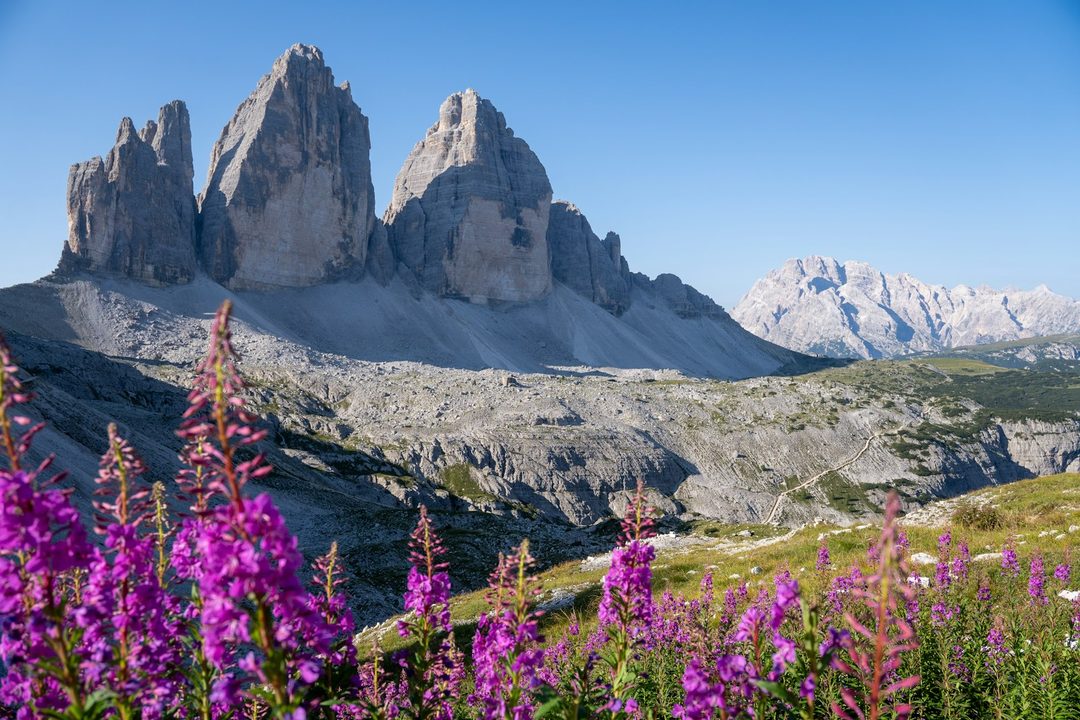
Italy's dramatic alpine playground: jagged limestone peaks, high-altitude rifugios, and world-class hiking trails.
- Best time to visit: June to September
- Daily budget (budget traveller): $85 to $215 USD
- Ideal trip length: 4 to 7 days
Straddling the northeastern corner of Italy, the Dolomites offer some of the most dramatic mountain scenery on earth. Unlike the rounded peaks of the western Alps, this UNESCO World Heritage region is defined by its sheer, pale limestone towers that glow pink at sunset, a phenomenon locals call the enrosadira. For the solo traveller, the region is brilliantly accessible, split roughly between the glamorous eastern base of Cortina d'Ampezzo and the Tyrolean flavoured western valleys like Val Gardena. You do not need to be a hardcore mountaineer to enjoy the heights; an extensive network of cable cars and well marked trails means you can easily reach high altitude rifugios for a plate of hearty dumplings and panoramic views. Whether you are navigating the new booking systems for the iconic Tre Cime di Lavaredo or riding the gondola up to the sweeping Seceda ridgeline, the Dolomites provide a deeply rewarding, fresh air escape.
Straddling the northeastern corner of Italy, the Dolomites offer some of the most dramatic mountain scenery on earth. Unlike the rounded peaks of the western Alps, this UNESCO World Heritage region is defined by its sheer, pale limestone towers that glow pink at sunset, a phenomenon locals call the enrosadira. For the solo traveller, the region is brilliantly accessible, split roughly between the glamorous eastern base of Cortina d'Ampezzo and the Tyrolean flavoured western valleys like Val Gardena. You do not need to be a hardcore mountaineer to enjoy the heights; an extensive network of cable cars and well marked trails means you can easily reach high altitude rifugios for a plate of hearty dumplings and panoramic views.
The region is a fascinating cultural melting pot. Depending on which valley you find yourself in, you might hear Italian, German, or Ladin, an ancient Rhaeto Romance language still spoken by the local population. This blend of influences is most evident in the local cuisine, where Mediterranean pasta dishes sit comfortably alongside heavy Austrian style meats and strudels. Solo travellers will find the mountain hut culture incredibly welcoming. Stopping at a rifugio for a midday beer and a slice of cake is a daily ritual, offering a great chance to chat with other hikers from around the globe.
While the Dolomites are a paradise for outdoor enthusiasts, they do require a bit of logistical savvy. Recent years have seen a push towards sustainable tourism, meaning you can no longer simply drive up to the most famous landmarks. With the 2025 introduction of mandatory online reservations for the Tre Cime di Lavaredo toll road and 2026 time slotted tickets for the Seceda cable car, planning ahead is essential. Whether you choose to base yourself in a lively town or a quiet alpine village, this region promises a deeply rewarding, fresh air escape that feels entirely different from the rest of Italy.
Dolomites itinerary
Arrival in Cortina d'Ampezzo
Morning: Arrive via the Cortina Express bus and check into your accommodation.
Afternoon: Wander the upscale pedestrian street of Corso Italia and take the Faloria cable car for your first panoramic view.
Evening: Enjoy a classic Italian pizza and an early night to prepare for hiking.
The Iconic Tre Cime
Morning: Take the early bus or drive your pre booked car up the €40 toll road to Rifugio Auronzo. Hike the relatively flat Tre Cime di Lavaredo loop.
Afternoon: Detour to the Cadini di Misurina viewpoint for a dramatic photo opportunity before heading back down.
Evening: Relax your legs at a local wine bar in Cortina with a board of local cheeses and speck.
History at Cinque Torri
Morning: Head to Bai de Dones and take the chairlift up to Cinque Torri. Hike around the five towers and explore the restored WWI trenches.
Afternoon: Take the Lagazuoi cable car up to 2,752 metres to explore the incredible network of wartime tunnels carved into the mountain.
Evening: Enjoy a hearty Tyrolean dinner of canederli dumplings in a cosy local tavern.
Moving West to Val Gardena
Morning: Transfer from Cortina to Ortisei in Val Gardena via bus or car, enjoying the spectacular drive over the mountain passes.
Afternoon: Settle into your new base and explore the wood carving shops and charming Tyrolean architecture of Ortisei.
Evening: Try some Schlutzkrapfen pasta at a traditional South Tyrolean restaurant.
The Seceda Ridgeline
Morning: Ride the time slotted Ortisei to Seceda cable car up to the famous sweeping ridgeline. Hike along the Odle peaks towards the Firenze hut.
Afternoon: Stop for a late lunch of Kaiserschmarrn at a high altitude rifugio, soaking in the sun on the terrace.
Evening: Head back down to Ortisei for a relaxed evening stroll and some local gelato.
Alpe di Siusi Meadows
Morning: Take the gondola up to Alpe di Siusi, Europe's largest high altitude alpine meadow. Rent an e-bike to cover more ground.
Afternoon: Cycle past wooden hay barns and grazing cows, stopping at Malga Sanon for fresh mountain yoghurt and spectacular views of the Sassolungo peak.
Evening: Treat yourself to a celebratory farewell dinner, perhaps trying some local venison or wild mushroom risotto.
Departure
Morning: Pick up some local speck and alpine cheese from a deli in Ortisei to take home as souvenirs.
Afternoon: Catch the bus down to Bolzano or back to Venice for your onward journey.
Evening: Depart the Dolomites, taking one last look at the jagged peaks as you head towards the airport.
Best neighbourhoods
- Cortina d'Ampezzo: The glamorous 'Queen of the Dolomites' in the east, offering upscale boutiques, excellent bus connections, and easy access to Tre Cime and Cinque Torri.
- Ortisei (Val Gardena): A charming, wood carved village in the west with a strong South Tyrolean identity, serving as the perfect launchpad for the Seceda and Alpe di Siusi cable cars.
- Corvara (Alta Badia): A relaxed, centrally located alpine hub surrounded by the jagged peaks of the Sella Massif, ideal for foodies and serious hikers tackling the Alta Via 2.
Must-do experiences
- Hike the Tre Cime di Lavaredo loop: Walk the relatively flat, highly scenic circuit around these three iconic freestanding limestone towers.
- Ride the cable car to Seceda: Take the time slotted gondola from Ortisei to witness the dramatic, sweeping grassy ridgeline that drops off into a sheer cliff.
- Explore the WWI tunnels at Lagazuoi: Take the cable car up to Rifugio Lagazuoi and descend through the fascinating, restored open air museum of First World War tunnels.
- Wander the meadows of Alpe di Siusi: Rent an e-bike or walk across Europe's largest high altitude alpine meadow, dotted with wooden huts and grazing cows.
- Marvel at the Cinque Torri: Hike around these five distinct rock formations, a favourite spot for local rock climbers and history enthusiasts.
- Relax at Lago di Braies: Arrive early to walk the perimeter of this famous emerald green alpine lake, framed by the towering peak of Croda del Becco.
Hidden gems
- The quieter, equally stunning hike to the jagged peaks of Cadini di Misurina, starting from the same car park as Tre Cime
- The secluded Vallunga valley behind Selva di Val Gardena, offering peaceful, flat walking trails away from the cable car crowds
- A hearty Ampezzo lunch at the family run Rifugio Averau, renowned for having some of the best high altitude food in the region
- The vibrant turquoise waters of Lago di Sorapis, reachable via a slightly challenging but rewarding cliffside trail
Daily budget
- Accommodation: budget €40 to €65 / night (hostel dorm in Cortina or basic valley B&B), mid-range €100 to €180 (comfortable traditional hotel in Ortisei), splurge €250+ (luxury spa resort or private chalet). Accommodation is expensive. Booking half board, where breakfast and dinner are included, often provides the best value.
- Food: budget €20 to €35 / day (bakery pastries, supermarket picnic lunches, pizza), mid-range €50 to €80 (sit down rifugio lunch and a hearty Tyrolean dinner), splurge €120+ (Michelin starred dining in Cortina or Alta Badia). Mountain huts are surprisingly affordable for lunch, offering huge portions of pasta or dumplings for around €15.
- Transport: budget €10 to €20 / day (local buses using a regional transit card), mid-range €40 to €60 (bus fares plus one cable car ride per day), splurge €100+ (renting a car, paying the €40 Tre Cime toll, and multiple daily lifts). The Cortina Express and local buses are cheap, but cable cars add up quickly.
- Activities: budget €0 to €10 (hiking is free, minor parking fees), mid-range €30 to €50 (museum entries, e-bike rental for a half day), splurge €150+ (guided via ferrata climbs or private alpine guides). Nature is the main attraction, so your activity budget will largely depend on how many cable cars you choose to take.
- Drinks & nightlife: budget €5 to €15 (a few beers or an Aperol Spritz at a mountain hut), mid-range €20 to €40 (wine tasting in town or evening cocktails), splurge €70+ (premium Italian wines and upscale apres ski bars). Nightlife is generally very quiet and focused on relaxed drinks after a long day of hiking.
Where to stay
- Social hostel in Cortina d'Ampezzo (€40 to €65 / night): Cortina has a few budget friendly options and historic alpine hostels that attract international backpackers and solo hikers looking to share trail tips.
- Alpine Guesthouse in Ortisei (Val Gardena) (€90 to €140 / night): Traditional family run B&Bs offer cosy wooden rooms, incredible breakfast spreads, and a warm, welcoming atmosphere for solo travellers.
- Apartment in Corvara (Alta Badia) (€100 to €160 / night): Renting a small apartment gives you access to a kitchen, which is perfect for saving money on dinners and preparing your own packed lunches.
- Splurge in San Cassiano (€250+ / night): Upscale boutique spa hotels offering infinity pools facing the peaks, saunas to soothe sore muscles, and exceptional half board dining.
What to eat
- Canederli: hearty Tyrolean bread dumplings flavoured with speck or cheese, usually served in a rich beef broth
- Schlutzkrapfen: half moon shaped pasta pockets stuffed with spinach and ricotta, drenched in melted butter and chives
- Kaiserschmarrn: a fluffy, shredded pancake dusted with icing sugar and served with a side of tart plum or apple compote
- Speck Alto Adige: lightly smoked, dry cured ham that features heavily on every alpine charcuterie board
Day trips
- Lago di Braies (1 hour by car or 2 hours by bus from Cortina): Famous for its emerald waters reflecting the Croda del Becco peak. Arrive before 8am to beat the massive crowds and walk the peaceful perimeter trail. Take the local buses from Cortina via Dobbiaco, or drive and pay for the pre booked parking.
- Bolzano (1 hour by bus from Ortisei): The vibrant capital of South Tyrol, home to mediaeval castles, bustling produce markets, and the fascinating South Tyrol Museum of Archaeology, where you can see Ötzi the Iceman. Take the direct SAD bus from Val Gardena straight into the centre of Bolzano.
- Marmolada Glacier (1.5 hours by car from Cortina): The highest peak in the Dolomites, known as the Queen of the Dolomites. You can take a spectacular three stage cable car up to 3,265 metres for views over the glacier. Drive or take the local bus to Malga Ciapela, where the base station for the cable car is located.
When to visit
- Spring (May to mid June): 10 to 18°C, melting snow and blooming wildflowers. Crowds: Low, but many facilities remain closed. Beautiful for valley walks, but many high altitude trails and cable cars remain closed until mid June.
- Summer (Late June to August): 15 to 25°C, warm days with frequent afternoon thunderstorms. Crowds: High, requiring advance bookings for everything. The best time for guaranteed access to all trails and rifugios, though you must book transport and accommodation well in advance.
- Autumn (September to October): 8 to 16°C, crisp air and golden larch trees. Crowds: Moderate to low, offering a peaceful experience. The absolute best season for serious hikers, offering stable weather, clear skies, and quieter trails before the snow arrives.
- Winter (December to March): -5 to 5°C, heavy snow and freezing temperatures. Crowds: High around the ski resorts. A winter sports paradise with world class skiing, but completely unsuitable for traditional hiking.
Entry rules for your passport
Visa rules for Italy depend on the passport you travel on. Check the official source before you book: European Commission: Schengen visa policy
Getting there
The Dolomites are best accessed from northern Italy or Austria. Venice Marco Polo Airport is the most popular international gateway. From there, the Cortina Express bus runs directly to Cortina d'Ampezzo in about two hours, with tickets costing around €30. Alternatively, you can fly into Innsbruck, Austria, or Verona, Italy. From these airports, you can take a fast train to Bolzano, which acts as the main transport hub for the western Dolomites. From Bolzano, frequent local buses connect to Val Gardena and Alta Badia. If you choose to rent a car, the drive from Venice is straightforward, but be prepared for steep, winding mountain passes and strict parking regulations once you enter the national park areas.
Border checks: non-EU visitors (other than Swiss, Norwegian, Icelandic, Liechtenstein, Andorran, Monegasque, San Marinese and Vatican citizens, and holders of an EU residence permit or long-stay visa) are registered in the EU's Entry/Exit System (EES) instead of getting a passport stamp. On your first crossing, officers take your photo and/or fingerprints, so allow extra time at passport control. ETIAS, the planned travel authorisation, is not in operation yet, so don't pay any website for one.
Getting around
While renting a car offers maximum flexibility, the Dolomites are highly accessible via public transport. The Cortina Express bus connects Venice Marco Polo Airport directly to Cortina d'Ampezzo for around €30. Locally, the Südtirolmobil network and Dolomiti Bus run frequent services between towns and major trailheads. If you are driving, note that the Tre Cime di Lavaredo toll road now costs €40 for cars and requires a mandatory online reservation with your licence plate in advance. Similarly, the popular Ortisei-Furnes-Seceda cable car introduced a time slotted online booking system for summer 2026 to manage crowds.
Safety
The Dolomites are extremely safe in terms of crime, but the alpine environment demands respect. Weather can change rapidly; a sunny morning can turn into a violent afternoon thunderstorm. Always pack waterproofs and start your hikes early. Stick to marked trails, as the limestone scree can be incredibly unstable. Altitude sickness is rare but possible at the highest rifugios, so stay hydrated. If you are driving, be prepared for narrow, winding mountain passes and aggressive local drivers.
Solo travel tips
- Book your transport early: The 2026 rules mean you must book the Tre Cime toll road and the Seceda cable car online in advance. Do not just turn up, or you will be turned away.
- Start your hikes at dawn: Summer afternoons in the mountains frequently bring heavy thunderstorms. Start hiking by 8am to ensure you are safely off the exposed peaks by mid afternoon.
- Carry cash for the rifugios: While many mountain huts now accept cards, the Wi-Fi connections at high altitudes can drop out. Always carry enough euros to cover your lunch and emergency snacks.
- Pack layers for every season: The weather changes rapidly. You might be hiking in a t-shirt at noon and need a fleece and a waterproof jacket by 2pm.
- Use the local bus network: If you want to save money and avoid the stress of narrow mountain roads, use the excellent Südtirolmobil buses. Many accommodations provide a free guest card for regional transit.
- Learn a few words of German: In Val Gardena and Alta Badia, German is more commonly spoken than Italian. A polite 'Danke' or 'Guten Morgen' goes a long way with the locals.
Cultural etiquette
- Always greet fellow hikers on the trail with a friendly 'Salve' in Italian areas or 'Hallo' in German speaking valleys.
- Respect the mountain environment by leaving no trace. Take all your rubbish with you, as there are no bins on the trails.
- Do not step off the marked paths in alpine meadows, as this damages the fragile high altitude flora and disrupts grazing livestock.
- When dining at a rifugio, it is customary to share large tables with other hikers. It is a great way to meet people.
- Tipping is not strictly required but rounding up the bill or leaving a few euros for good service is appreciated in restaurants.
- Dress appropriately for dinner. While hiking gear is fine for lunch, Italians prefer a smart casual look when dining out in town during the evening.
- Be mindful of cyclists and fast drivers on the winding mountain passes. If you are driving slowly to admire the view, use pull outs to let locals pass.
Frequently asked questions
How do I get to the Dolomites from the airport?
Venice Marco Polo is the most convenient international gateway. From there, the Cortina Express bus runs directly to Cortina d'Ampezzo in about two hours. Alternatively, you can fly into Innsbruck or Verona and take a train to Bolzano, connecting to local buses.
Do I need to rent a car?
Not necessarily. While a car makes reaching remote trailheads easier, the local bus network is excellent, especially in Val Gardena. Many hotels also provide free bus passes to guests.
How does the Tre Cime toll road work in 2026?
You can no longer just turn up. You must book a 12 hour time slot online in advance using your vehicle's licence plate. The toll is €40 for cars, €26 for motorbikes, and €60 for campers.
When is the best time to visit for hiking?
Late June to September is the primary hiking season when all rifugios and cable cars are open, and the trails are mostly free of snow. September offers cooler weather and fewer crowds.
Do I need to book cable cars in advance?
Historically no, but starting in summer 2026, the popular Ortisei-Furnes-Seceda cableway requires pre booking a specific 30 minute time slot online. Other lifts may follow suit, so always check ahead.
What language is spoken in the Dolomites?
It depends on the valley. Cortina d'Ampezzo is Italian speaking, while Val Gardena and Alta Badia predominantly speak German and the ancient Ladin language. English is widely understood in tourist areas.
Are the mountain huts (rifugios) open year round?
No. Most rifugios open in mid June and close by late September or early October. A few remain open for the winter ski season, but spring and late autumn are shoulder seasons with very limited facilities.
What entry rules apply to travellers visiting Italy in 2026?
EU citizens enjoy freedom of movement. Non EU citizens can visit visa free for up to 90 days. As of April 2026, you must register your entry through the new EU Entry/Exit System (EES), which collects fingerprints and facial scans at the border. The ETIAS pre authorisation system has been delayed again and is not required for 2026.
More about Dolomites
Tours and activities in Dolomites | Dolomites in 2 days | Dolomites in 3 days | Dolomites in 4 days | Dolomites in 5 days | Dolomites in 7 days
Can't decide? Compare Dolomites with...
Joy Plus home | Destinations | Itineraries | Activities | Flights | Budget planner | Calendar | Map | Blog | Lifetime access