Destinations / Middle East
Dubai, United Arab Emirates travel guide
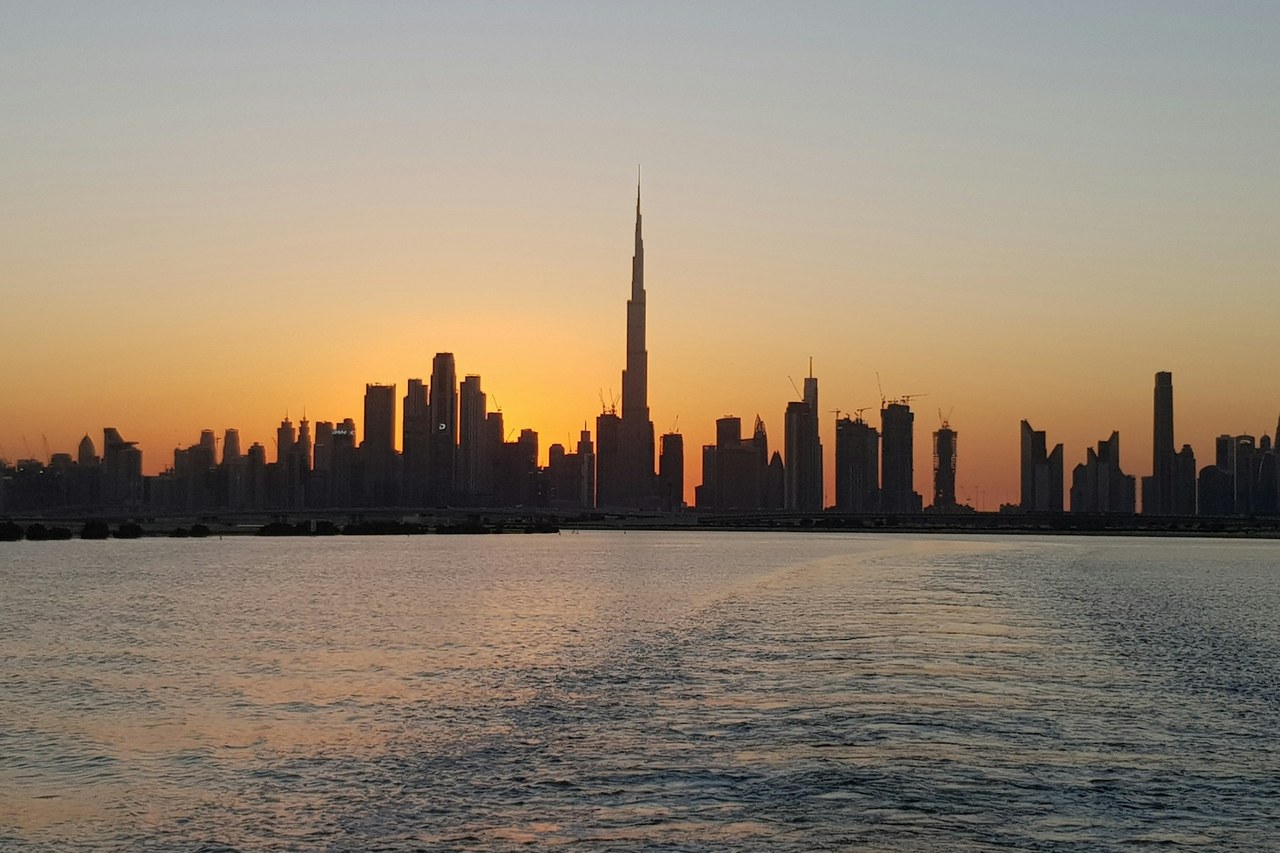
The future city in the desert. Luxury, souks, and sand dunes under 45 minutes from downtown.
- Best time to visit: November-March
- Daily budget (budget traveller): $120 to $300 USD
- Ideal trip length: 3 to 5 days
Dubai is the city that built the impossible out of sand. The world's tallest building, man-made islands, a ski slope in a mall - and then a traditional souk where you haggle for saffron 15 minutes away. Joy Plus balances the spectacle with the authentic: a dawn desert safari, an abra ride on the Creek, and dinner in Al Fahidi's restored wind-tower houses.
Dubai gets sold as a mall with a skyline, and about half of that is fair. The other half is a city where roughly nine in ten residents were born somewhere else, which means you can eat Keralan fish curry at 1am, drink karak chai with Pakistani taxi drivers, and still be on a 555m viewing deck within the hour. The trick is knowing that two Dubais sit a 15 minute metro ride apart. One is Downtown: glass, fountains, air-conditioned bridges. The other is Al Fahidi, Deira and Satwa: wind-tower courtyards, wooden abras crossing the Creek for a dirham or two, and spice sacks stacked on the pavement.
Heat runs the schedule. From November to March you can do almost anything outdoors, but even then the smart rhythm is outside before 10am and after 4pm, with malls, museums and long lunches in the middle. In summer it flips: outdoor time is limited to the first hour of daylight and after dark. Dubai is expensive at the top and cheap at the bottom. A hotel weekend brunch can cost AED 600, while a chicken shawarma in Satwa is AED 12, the Dubai Fountain show is free, and the public beaches cost nothing. Pick one splurge a day and let the cafeterias and souks carry the rest.
For 2027, plan around the calendar. Ramadan should run from about 8 February to 8 March, with Eid al-Fitr right after, and Eid al-Adha lands around 16 May. Daytime dining gets quieter, nightlife is muted, and iftar tables at sunset are one of the best things you can do. The weekend is Saturday and Sunday, with Friday a half working day, so attractions are busiest then. Give it four to five days: two for old Dubai and Downtown, one for the desert, one for beaches and Jumeirah, and one for Abu Dhabi or Hatta. Joy Plus sequences all of this so you are never queuing in 40°C at 1pm.
How many days in Dubai?
For Dubai, we recommend 3 to 5 days. With more time, add a day trip to Sharjah.
| Trip length | What you'll see | Itinerary |
|---|---|---|
| 2 days | Al Fahidi and the Creek; Downtown, Burj Khalifa and the fountain | Dubai in 2 days |
| 3 days · Recommended | Adds: Alserkal Avenue and the desert | Dubai in 3 days |
| 4 days · Recommended | Adds: Jumeirah mosque, beach, Burj Al Arab | Dubai in 4 days |
| 5 days · Recommended | Adds: Abu Dhabi day trip | Dubai in 5 days |
| 7 days | Adds: Hatta mountains and the Marina; Satwa, Dubai Frame | Dubai in 7 days |
Dubai itinerary
Arrive, Al Fahidi and the Creek
Morning: Land at DXB, Red Line from Terminal 3 toward Life Pharmacy, change at Union to the Green Line for Al Fahidi. Drop bags, then breakfast in the lanes of the Al Fahidi Historical Neighbourhood.
Afternoon: Coffee Museum, then a late Emirati lunch of machboos at Arabian Tea House. Wander the wind-tower courtyards and galleries. Book a cultural meal at the Sheikh Mohammed Centre for Cultural Understanding if you want local company.
Evening: Kebabs at Al Ustad Special Kebab, then the Bur Dubai abra (a dirham or two) across to Deira for the spice and gold souks, lit up after 7pm. Early night, tomorrow is Downtown.
Downtown, Burj Khalifa and the fountain
Morning: Slow start, then Metro Red Line to Burj Khalifa/Dubai Mall and the air-conditioned walkway. See the mall's waterfall sculpture before the crowds arrive.
Afternoon: Dubai Mall: aquarium glass tunnel or just the souk section, lunch at Souk Al Bahar. Be at the Burj Khalifa for a Level 124 slot about 45 minutes before sunset (around 4:30-5pm in winter).
Evening: Fountain show from the Souk Al Bahar bridge (after dark, with shows through the evening). Dinner at Thiptara on the lake, book a fountain-view table.
Alserkal Avenue and the desert
Morning: Taxi to Alserkal Avenue in Al Quoz (AED 25-35 from Downtown). Galleries, then coffee at Nightjar. Check opening days, most galleries close Mondays.
Afternoon: Pickup around 3pm for a small-group safari in the Dubai Desert Conservation Reserve. Platinum Heritage runs vintage Land Rovers and a conservation-minded dinner. Cheaper shared tours are AED 120-220.
Evening: Dunes at sunset, falconry, camp dinner under the stars. Back at your hotel around 9:30pm.
Jumeirah mosque, beach, Burj Al Arab
Morning: Guided visit to Jumeirah Mosque (mornings, not Fridays, cover up). Then Careem or RTA bus 8 down Jumeirah Beach Road.
Afternoon: Kite Beach: free beach, food trucks, Salt burger. Walk to Umm Suqeim for the Burj Al Arab photo, then late seafood at Bu Qtair by the fishing harbour (cash, no frills).
Evening: Madinat Jumeirah souk and canals. Dinner at Pierchic at the end of its pier (book ahead), or a Bur Dubai curry if the budget is tight.
Abu Dhabi day trip
Morning: E100 bus from Al Ghubaiba to Abu Dhabi, or a Careem intercity ride. Sheikh Zayed Grand Mosque at opening, free entry with a pass booked online in advance. Abayas are no longer lent to women, so come covered or buy one for about AED 45.
Afternoon: Lunch on Saadiyat, then Louvre Abu Dhabi (about AED 63). Check Monday closures.
Evening: Back to Dubai by 8pm. Simple dinner near your hotel, Dubai traffic is brutal at 6pm.
Hatta mountains and the Marina
Morning: Drive or take the RTA Hatta bus for the mountain dam. Kayaking is about AED 50-100, then a stroll through Hatta Heritage Village.
Afternoon: Lunch in Hatta town, a short wadi walk, then drive back before 4pm.
Evening: Dubai Marina Walk, tram to JBR, a rooftop sundowner at Barasti or the Bar 44 views from Grosvenor House.
Satwa, Dubai Frame, depart
Morning: Shawarma at Al Mallah in Satwa, then wander the tailors and fabric shops. Or a heartier plate at Ravi Restaurant.
Afternoon: Dubai Frame in Zabeel Park (about AED 50), then last souk shopping at the Bur Dubai textile souk.
Evening: Red Line from Union to Terminal 3 (AED 5-8), or a Careem for AED 35-60. Be at DXB 3 hours before an international flight.
Best neighbourhoods
- Downtown Dubai: Burj Khalifa, Dubai Mall, fountains, the postcard Dubai.
- Al Fahidi & Bur Dubai: The original Dubai. Wind towers, abras on the Creek, the textile souk.
- Jumeirah: Beaches, the Burj Al Arab, the most beautiful mosque views.
- Dubai Marina: Skyscrapers, yacht clubs, the Walk, nightlife.
- Deira: The spice souk, gold souk, and the real multi-cultural Dubai.
Must-do experiences
- Burj Khalifa at sunset (book Level 148): The observation deck at 555m. The city turns gold, then neon.
- Desert safari with dune bashing and Bedouin dinner: Book a small-group operator. The sunset over the dunes is unforgettable.
- Abra ride across Dubai Creek (a dirham or two): The cheapest, most authentic experience in the city.
- Dubai Fountain show after dark: Shows run through the evening. Stand at the bridge between Dubai Mall and Souk Al Bahar for the best angle.
- Wander old Dubai: the Creek and souks: Cross the Creek by traditional abra for a dirham or two, then the spice and gold souks of Deira. The old town shows the city before the skyscrapers, far more atmospheric than another mall.
Hidden gems
- Alserkal Avenue - warehouses turned galleries in Al Quoz.
- The Coffee Museum in Al Fahidi.
- Hatta kayaking in the mountain dam (75 to 90 minutes' drive from downtown).
- Ravi Restaurant in Satwa - Pakistani food, $5 feast, Anthony Bourdain-approved.
Daily budget
- Accommodation: budget AED 110-200 / night (dorm bed or tiny room in Bur Dubai, Karama, Deira), mid-range AED 450-900 (boutique or 4-star in Al Fahidi, Downtown, Marina), splurge AED 2,000+ (Jumeirah Al Qasr, Armani Hotel, Burj Al Arab from AED 7,000). Taxes add roughly 20% plus a Tourism Dirham fee of AED 7-20 per room per night. Prices drop 40 to 60% from June to September.
- Food: budget AED 50-90 / day (shawarma AED 12-18, biryani AED 20-30, karak AED 2-3), mid-range AED 200-350 (cafeteria lunch, one nice dinner at AED 150-250), splurge AED 700+ (Trèsind Studio tasting menu, from AED 1,350). Karama and Satwa cafeterias are the local hack: full plates for AED 15-30. Hotel weekend brunch is AED 300-700, treat it as the day's splurge.
- Transport: budget AED 20-25 / day (Nol day pass, metro + bus + abra), mid-range AED 60-120 (metro plus Careem or Uber hops), splurge AED 800+ (chauffeured car for the day, or private Abu Dhabi run). Buy a Nol Silver card (AED 25 including credit). Street taxis start around AED 12, airport pickups AED 25. Only rent a car for Hatta.
- Activities: budget AED 50-120 / day (abra a dirham or two, souks, fountain, beaches, Coffee Museum), mid-range AED 300-600 (Burj Khalifa Level 124 from about AED 190-300, shared desert safari AED 120-220), splurge AED 1,200+ (sunrise balloon, Platinum Heritage desert dinner from about AED 600, Level 148). Book Burj Khalifa online, sunset slots cost the most. Dubai Frame is about AED 50. Most beaches are free.
- Drinks & nightlife: budget AED 40-80 (karak, fresh juice, shisha at Al Fahidi, one happy-hour beer), mid-range AED 150-300 (Marina sundowner, two cocktails at AED 60-90), splurge AED 600+ (brunch with house drinks, a night at Cé La Vi or Barasti). Alcohol only in licensed hotels, bars and restaurants, never on the street or beach. Beer runs AED 40-60. Zero tolerance for drink-driving.
Where to stay
- Social hostel in Al Fahidi / Bur Dubai (AED 90-160 / dorm bed): The few dorm hostels cluster around Bur Dubai and Karama. Walk to the abra and the old souks, Al Fahidi metro is close. For a more social lobby on a budget, Rove Downtown fills the gap.
- Boutique hotel in Al Fahidi (AED 450-850 / night): XVA Art Hotel sits in a restored wind-tower courtyard with a gallery and a rooftop cafe. Quiet, atmospheric, five minutes to the Creek and the abra.
- Apartment in Dubai Marina or JLT (AED 450-800 / night): Holiday homes with a kitchen and a balcony, on the metro and tram. Check the listing shows a DTCM permit number. Best value for stays of five nights or more.
- Splurge in Jumeirah beachfront (AED 2,500-8,000+ / night): Jumeirah Al Qasr or Mina A'Salam at Madinat Jumeirah have private beach, canals and Burj Al Arab views. Burj Al Arab itself is the full spectacle.
What to eat
- Shawarma at Al Mallah (Satwa)
- Emirati machboos at Arabian Tea House (Al Fahidi)
- Gold-flake cappuccino at a Downtown café (at least once)
- Weekend brunch at a hotel - it's a Dubai institution
Day trips
- Abu Dhabi (140km, 1h30 to 2h): Sheikh Zayed Grand Mosque at opening (free, but pre-book the pass online, cover up), then Louvre Abu Dhabi (about AED 63) and lunch on Saadiyat Island. Go outside peak traffic to avoid long drives. E100 bus from Al Ghubaiba to Abu Dhabi Central, about AED 25. Or Careem or Uber intercity at AED 300-450 one way.
- Hatta (130km, 1h15 to 1h30 by car): Mountain dam, kayaking, heritage village and wadi walks. The cool, rocky side of the UAE with real hills. Rent a car (best), or use the RTA Hatta bus from Al Ghubaiba or Union. Kayaking is about AED 50-100 on arrival.
- Sharjah (30km, 30 to 45 min): Heart of Sharjah old town, Museum of Islamic Civilisation (about AED 10), Sharjah Art Museum and the souks. Dry emirate: no alcohol at all. Bus E303 from Union or E307 from Al Ghubaiba to Sharjah Jubail, about AED 12. Avoid 5 to 9pm when traffic is gridlocked.
When to visit
- Winter (November to March): 22-30°C days, 14-20°C nights, sea 22-25°C, rare short downpours. Crowds: Peak, heaviest 20 Dec to 5 Jan and during the Dubai Shopping Festival. The window. Beach, desert and terrace dining all work. Book hotels 6 to 8 weeks out, New Year rates double. Ramadan 2027 (about 8 Feb to 8 Mar) means quieter daytime dining and subdued nightlife.
- Spring (April to May): 34-42°C, dry in April, humid and heavy by late May. Crowds: Low to moderate, spike around Eid al-Adha (about 16 May in 2027). April works with 7am starts and afternoons in malls or pools. May is a pool-and-AC month. Hotel rates fall fast once the season ends.
- Summer (June to September): 40-48°C, 60-90% humidity on the coast. Crowds: Lowest, mostly Gulf and Indian families escaping their own heat. Hotels 40 to 60% cheaper and attractions empty, but midday outside is genuinely dangerous. Only go if you plan around AC, night walks and indoor activities.
- Autumn (October): 32-38°C days, humid, sea around 29°C. Crowds: Moderate, building toward November. The residents' pick. Sea is bath-warm, rates are 30 to 40% under peak, and evenings are finally pleasant enough for the Marina Walk and rooftop bars.
Entry rules for your passport
Visa rules for the United Arab Emirates depend on the passport you travel on. Check the official source before you book: UAE Ministry of Foreign Affairs
Getting there
Dubai International (DXB) sits about 15km from Downtown. Terminals 1 and 3 have Red Line metro stations, 20 to 30 minutes to Burj Khalifa/Dubai Mall for roughly AED 5-8 with a Nol card. Terminal 2 needs a taxi or shuttle. A Careem or Uber to Downtown is AED 55-85, a street taxi AED 60-80 including the AED 25 airport fee. From Abu Dhabi airport, take a taxi or local bus to Abu Dhabi Central, where the E100 bus to Al Ghubaiba is about AED 25 and takes two hours. Many passports (UK, EU, US) get a free visa on arrival for 30 to 90 days, but check yours before booking. Avoid unmarked airport touts.
Getting around
The metro is clean and covers the main strip (Red Line). Taxis and Uber are everywhere and affordable. Rent a car only if you're going to the desert or Hatta. The Creek abras are the most fun way to cross old Dubai.
Safety
Check official advice before booking: a war between the US and Iran began on 28 February 2026 and Iran has struck targets in Gulf states. An agreement was announced in June, but strikes resumed in July. Airports have reopened and airlines are flying scheduled services, though flights can still be cancelled at short notice. The US raised its advice for the Gulf states to 'Reconsider travel' in March 2026, and European regulators have issued an advisory for this airspace. Day to day the city itself is extremely safe, with one of the lowest crime rates in the world. Solo travellers, including women, are very comfortable. Respect local dress codes in souks and religious sites (cover shoulders and knees).
Solo travel tips
- Eat at the cafeterias: Karama and Satwa are full of Indian, Pakistani and Filipino cafeterias with counters, steel plates and AED 15-30 meals. Sit at the counter, order a karak chai, and you'll share a table within minutes.
- Use the Women and Children cabin: Every metro train has a pink-marked Women and Children cabin. Men get fined for entering. Dubai Taxi also runs pink-roofed cabs with women drivers, bookable through the RTA app or Careem.
- Dubai hostels are thin, so social-hack the stay: Dorm options are few and scattered. Book early and check recent reviews. Otherwise a budget room near Al Fahidi and join the weekend brunch crowd, walking tours, or a small-group desert safari to meet people.
- Play the heat like a game: Outdoors before 10am and after 4pm, malls and museums between. Metro stations and the Downtown walkway are air-conditioned. Carry water, most attractions refuse entry if you look heat-struck.
- Safety is excellent, rules are strict: Crime is almost nil, solo women are common and comfortable. The risks are legal: drinking in public, kissing in public, photographing strangers, rude gestures, drone use without a permit. Learn them before you land.
- Find your tribe at Kite Beach or Alserkal: Kite Beach has volleyball, kitesurf lessons and a free outdoor gym, all easy to join. Alserkal Avenue runs weekend markets and gallery openings, an easy place for a conversation.
Cultural etiquette
- Dress modestly in malls, souks and old Dubai: shoulders and knees covered. Swimwear is for beaches and pools only. Mosques need full coverage, and women get a headscarf and abaya lent at Jumeirah, but Sheikh Zayed no longer lends abayas (buy one for about AED 45).
- Ramadan 2027 should run from about 8 February to 8 March. Eating, drinking and smoking in public during daylight is discouraged, though most restaurants are open. Join an iftar at sunset, it's the best meal of the month.
- Keep public affection to a hand-hold. Kissing and cuddling in public can lead to fines or worse. Couples sharing a hotel room are fine.
- Don't photograph locals, especially women, without asking. Skip government buildings, palaces and airports. Drones need a permit, so leave them at home.
- Greet with your right hand and wait for a woman to offer hers first. Eat with your right hand at traditional meals. A hand on the chest and a nod works for everyone.
- Drinking is only in licensed venues, never in the street or on the beach. Zero tolerance for drink-driving. Codeine, tramadol and some other medications are banned or need prior approval, so carry prescriptions in original packaging.
- Weekend is Saturday and Sunday, with Friday a half working day and prayers at 12:45pm. Mosque tours often pause on Friday mornings. Swearing and rude gestures, in person or online, can bring fines.
Frequently asked questions
How many days do you need in Dubai?
Three days for the highlights, five if you want to add a desert overnight, a day trip to Abu Dhabi, and slow down for the souks and beaches.
Is Dubai expensive?
It can be. Hotels $100-500/night, meals $15-100. But street food, the metro, and free attractions (beaches, souks, the fountain show) keep costs manageable. Brunch is the splurge.
Is Dubai safe for solo female travellers?
From crime, yes: it is virtually non-existent, and solo women travellers are common and comfortable. Dress modestly in older areas and religious sites; beachwear is fine at pools and beaches only. The risk in 2026 is the regional conflict: check official advice and your flight before you travel.
What's the best time of year to visit Dubai?
November to March is the sweet spot - 22-28°C, blue skies, perfect for desert, beach and outdoor dining. April and October are shoulder season (warmer but bearable). Avoid June-August: 42-48°C, humid, only liveable in malls and pools.
Can you drink alcohol in Dubai?
Yes - in licensed hotel bars, restaurants and clubs (which is most upscale venues). You cannot drink in public, on the beach or in the street. Dubai made the personal alcohol licence free in 2023 but did not abolish it, and the 30% alcohol sales tax came back on 1 January 2025. Public drunkenness is taken seriously.
Is Dubai or Abu Dhabi better for tourists?
Dubai for energy, shopping, nightlife and variety. Abu Dhabi for the Sheikh Zayed Mosque, Louvre Abu Dhabi, Yas Island theme parks and a calmer pace. Most travellers base in Dubai and do Abu Dhabi as a long day trip (90 minutes by car each way).
What should I wear in Dubai?
It's liberal for the Gulf, but dress modestly in public, malls and souks, shoulders and knees covered. Beachwear is fine at pools and beaches only, and cover up when visiting mosques.
Tours and activities in Dubai | Dubai in 2 days | Dubai in 3 days | Dubai in 4 days | Dubai in 5 days | Dubai in 7 days
Can't decide? Compare Dubai with...
- Dubai vs Singapore
- Doha vs Dubai
- Dubai vs Abu Dhabi
- Dubai vs Istanbul
- Muscat vs Dubai
- Bangkok vs Dubai
- Dubai vs Bali
- Dubai vs Malé
- Dubai vs Ras Al Khaimah
- Hong Kong vs Dubai
Joy Plus home | Destinations | Itineraries | Activities | Flights | Budget planner | Calendar | Map | Blog | Lifetime access