Destinations / South America
El Calafate, Argentina travel guide
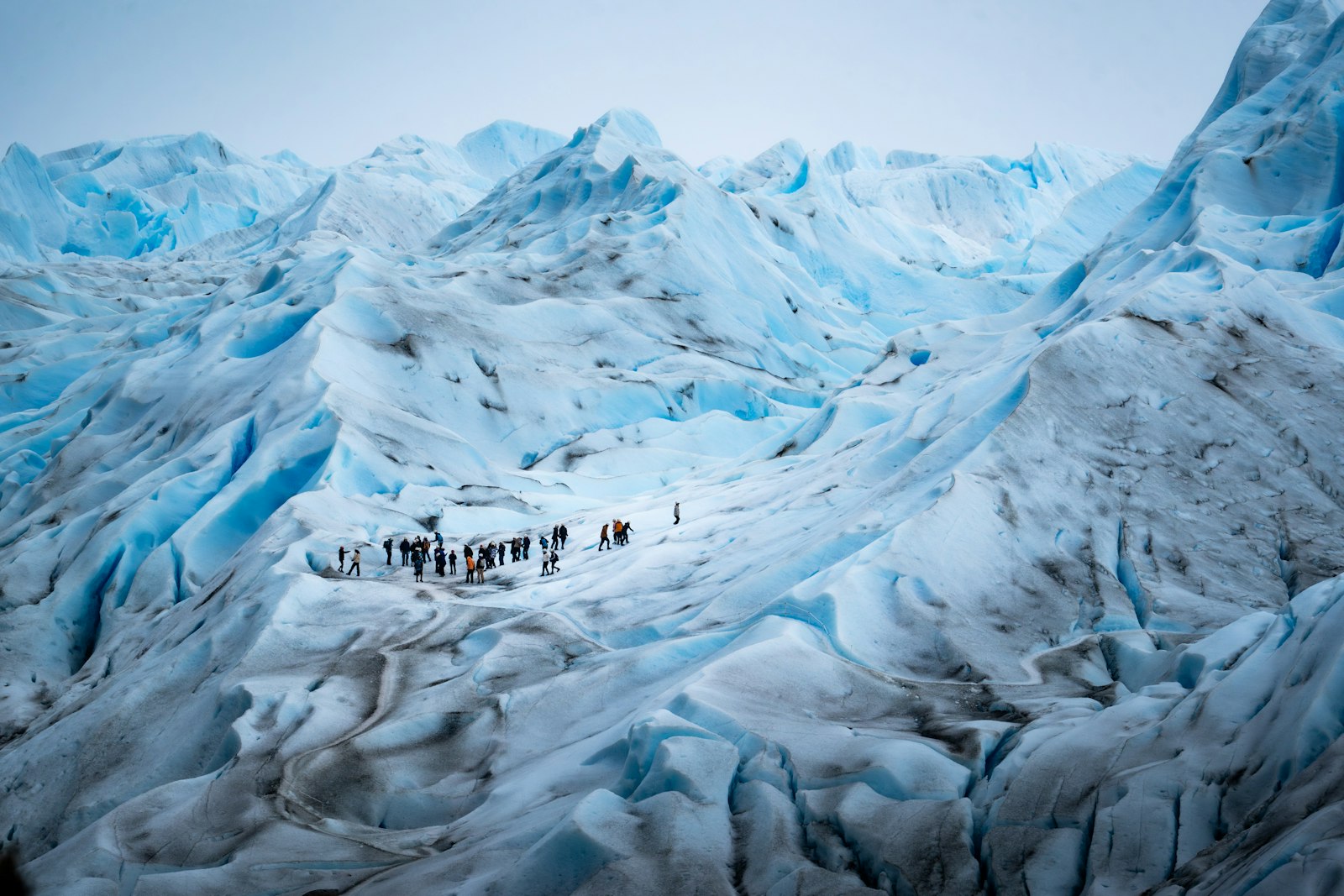
Argentine Patagonia's glacier capital, gateway to the mighty Perito Moreno Glacier.
- Best time to visit: October-April (austral spring to autumn, milder weather)
- Daily budget (budget traveller): $70 to $200 USD
- Ideal trip length: 3 to 4 days
El Calafate, on the shore of turquoise Lake Argentino in southern Patagonia, is the gateway to one of the planet's great natural wonders: the Perito Moreno Glacier. Part of Los Glaciares National Park, this colossal wall of ice regularly calves thunderous chunks into the water before viewers on cliffside boardwalks. Long famous as one of the few glaciers that was not shrinking, it has been retreating since about 2019. Beyond the glacier, El Calafate is a base for boat trips among icebergs, ice-trekking, and excursions to the trekking hub of El Chaltén. The town itself is a cosy strip of lodges, chocolate shops and Patagonian restaurants. Joy Plus plans your glacier visit, boat trips and Patagonian adventures.
El Calafate is a wind-scoured frontier town of about 25,000 people on the south shore of Lago Argentino, and it exists for one reason: ice. The Perito Moreno Glacier sits 80km west, a wall roughly 5km wide and 60 to 70m tall. It was long famous as one of the few big glaciers on the planet that was not shrinking, but it has been retreating since about 2019, and it sheds house-sized slabs into the lake with a crack you hear before you see. Everything else here, the chocolate shops, the lamb on spits in restaurant windows, the tour agencies along Avenida del Libertador, is built around getting you to that ice and feeding you afterwards. Local lore says 'quien come el calafate, vuelve': eat the dark berry that gave the town its name and you will return. Order the sour.
Plan the place as a hub, not a destination. The town takes an afternoon to walk. The real trip happens on day-long loops: the Perito Moreno boardwalks, a boat from Punta Bandera to the Upsala and Spegazzini fronts, a crampon walk on the ice itself, or the three-hour road north to El Chaltén and the Fitz Roy trails. Distances are long, buses leave at fixed hours (many at 8am), and the wind decides whether a boat sails. Spend three days minimum, four if you want a hike, and keep one buffer day. Weather in Patagonia is not a suggestion.
Money is the other thing to plan. Argentina prices in pesos that move month to month, so every figure below is a 2026 estimate. Check current rates before you book. Expect Calafate to cost more than Buenos Aires or Mendoza: it is remote, everything is trucked in, and glacier excursions are priced like the bucket-list items they are. The good news is the town itself is cheap to enjoy. Supermarket picnics, a lamb dinner split between two, free viewpoints and the hostel bus-sharing network keep a glacier trip surprisingly civilised on a mid-range wallet.
How many days in El Calafate?
For El Calafate, we recommend 3 to 4 days. With more time, add a day trip to Punta Bandera boat cruise.
| Trip length | What you'll see | Itinerary |
|---|---|---|
| 2 days | Town and flamingos; Perito Moreno boardwalks | El Calafate in 2 days |
| 3 days · Recommended | Adds: On the ice | El Calafate in 3 days |
| 4 days · Recommended | Adds: Boats to Upsala and Spegazzini | El Calafate in 4 days |
| 5 days | Adds: El Chaltén day | El Calafate in 5 days |
| 7 days | Adds: Glaciarium and town day; Estancia day | El Calafate in 7 days |
El Calafate itinerary
Arrive, town and flamingos
Morning: Land at FTE, 23km from town. Shuttle to your hotel is about ARS 15,000 per person, a remis ARS 30,000 to 35,000. Drop bags, walk Avenida del Libertador, pick up a picnic kit at La Anónima.
Afternoon: Laguna Nimez reserve (about ARS 15,000, opens around 8am). Flamingos, upland geese and a lake boardwalk. Warm up with a hot chocolate at Rocher.
Evening: Lamb at La Tablita (Coronel Rosales 24, across the creek bridge, book ahead). Calafate sour at Librobar. Bed early, tomorrow is a glacier day.
Perito Moreno boardwalks
Morning: Be at the bus terminal by 7:45 for the 8:00 shuttle (Cal Tur or Taqsa, about ARS 50,000 return). You will be on the boardwalks around 9:30, before the big groups arrive at 10:30.
Afternoon: Walk the upper and lower circuits (about 4km of walkways). Add the 30-minute Safari Náutico boat from Bajo de las Sombras (about ARS 60,000). Eat your sandwiches, park cafés are expensive.
Evening: Return shuttle departs around 15:30 to 17:30. Dinner at Mi Viejo on Libertador, share a half lamb.
On the ice
Morning: Hielo y Aventura picks up from your hotel (8:30 to 10:00). Minitrekking is about 90 minutes in crampons on the glacier, roughly ARS 300,000 to 350,000. Big Ice (18 to 50 years only) is longer, ARS 400,000 to 450,000.
Afternoon: The ice walk finishes with a whisky poured over glacier ice and an alfajor. Back in town by 16:30. Hot shower, nap.
Evening: Pizza and a pint at La Cocina on Libertador, or empanadas at the hostel.
Boats to Upsala and Spegazzini
Morning: Transfer to Punta Bandera, 50km from town. Todo Glaciares or Solo Patagonia full-day cruises (about ARS 190,000 to 240,000 plus park fee) depart 8:30 to 9:30.
Afternoon: Cruise among icebergs to the Spegazzini front and, when ice allows, Upsala. Short stops for photos, lunch aboard is extra.
Evening: Back by 17:00 to 18:00. Quiet dinner at Isabel Cocina al Disco, slow-cooked dishes from a plow disc.
Glaciarium and town day
Morning: Glaciarium, 6km from town. The ice museum (about ARS 40,000 to 50,000) is good on glacier science. Take the free shuttle from Libertador, check times.
Afternoon: Glaciobar, 30 minutes in a -10°C bar with ice cups and drinks, about ARS 45,000 to 60,000. Then browse chocolate shops and the Centro de Interpretación Histórica.
Evening: Sunset walk on the lakefront Costanera. Dinner at Casimiro Biguá on Libertador.
El Chaltén day
Morning: 7:00 to 8:00 bus with Chaltén Travel or Cal Tur (about ARS 50,000 to 65,000 each way, 3 hours, short stop at La Leona roadhouse). Arrive 11:00.
Afternoon: Easy loop: Mirador de los Cóndores (30 minutes up) then Laguna Capri (about 2 hours return) for the best Fitz Roy views. Lunch at a bakery for sandwiches.
Evening: Last bus back 19:00 to 20:00. Arrive near midnight, so keep dinner light.
Estancia day, depart
Morning: Half-day at Estancia Nibepo Aike on the Lago Roca road: horse ride, sheep working and landscape. Self-drive or tour pickup.
Afternoon: Asado lunch with lamb over open flame (ARS 110,000 to 160,000 per person). Return around 15:00.
Evening: Shuttle to FTE. Pick up chocolates and calafate jam at the airport shop.
Best neighbourhoods
- Town centre (Avenida del Libertador): The main strip with restaurants, chocolate shops, tour agencies and lodges.
- Lakefront: The shore of Lake Argentino with the Laguna Nimez bird reserve and views.
- Perito Moreno sector: The national park area with the glacier boardwalks, about 80km from town.
- Punta Bandera: The port for boat trips out to the Upsala and Spegazzini glaciers.
- El Chaltén: The trekking village to the north, gateway to Mount Fitz Roy.
Must-do experiences
- See the Perito Moreno Glacier: Walk the boardwalks facing the vast ice wall and watch it calve.
- Take a glacier boat trip: Cruise close to towering ice fronts and floating icebergs on Lake Argentino.
- Go ice-trekking: Strap on crampons for a guided mini-trek on the glacier's surface.
- Day-trip to El Chaltén: Head to the trekking hub for hikes beneath Mount Fitz Roy.
- Visit Laguna Nimez: Spot flamingos and Patagonian birdlife at the lakeside reserve.
- Sample Patagonian lamb: Feast on slow-roasted cordero in a local parrilla.
Hidden gems
- The Glaciarium ice museum with its bar carved from glacier ice.
- Estancia visits for a taste of traditional Patagonian ranch life.
- The quieter Upsala and Spegazzini glaciers reached by boat.
- Sunset over Lake Argentino from the Laguna Nimez boardwalks.
Daily budget
- Accommodation: budget ARS 30,000-45,000 / night (hostel dorm), mid-range ARS 150,000-260,000 (boutique or 4-star double), splurge ARS 900,000+ (EOLO, Los Notros). Peak January rates run 30% higher. Hostel kitchens save ARS 20,000 a day on food.
- Food: budget ARS 35,000-50,000 / day (supermarket picnic, empanadas, pizza), mid-range ARS 70,000-110,000 (one lamb dinner with wine), splurge ARS 180,000+ (estancia asado, tasting menu). La Anónima supermarket on Libertador for glacier sandwiches. Ask for 'media porción' at parrillas.
- Transport: budget ARS 50,000-60,000 on glacier day (return shuttle), walking otherwise, mid-range ARS 90,000-150,000 (shuttles plus a remis or two), splurge ARS 300,000+ (rental car at ARS 90,000-130,000 a day plus fuel). Town is walkable. Fuel runs roughly ARS 1,300 to 1,600 per litre. The El Chaltén return bus is ARS 100,000+.
- Activities: budget ARS 50,000-80,000 (park entry, Laguna Nimez), mid-range ARS 250,000-450,000 (Safari Náutico plus a boat cruise or Minitrekking), splurge ARS 550,000+ (Big Ice, estancia day, Glaciobar). Park entry for foreigners is roughly ARS 45,000 to 60,000 and is separate from tours. Check the current fee.
- Drinks & nightlife: budget ARS 10,000-15,000 (supermarket Malbec, a craft pint), mid-range ARS 30,000-50,000 (Librobar cocktails, calafate sours), splurge ARS 90,000+ (Glaciobar ice bar, good wine with dinner). Nightlife is low-key. Most bars wind down by 1am and many stay open only until midnight in winter.
Where to stay
- Social hostel in Upper town (Calle Moyano and Los Pioneros) (ARS 30,000-50,000 / night): America del Sur or Calafate Hostel. A kitchen, a tour desk and a mixed solo crowd. Walk down to Libertador in 5 minutes.
- Boutique hotel in Town centre (ARS 150,000-260,000 / night): Xelena Hotel & Suites or Hotel Kosten Aike. Warm, central, good breakfast and fast glacier transfers from the lobby.
- Apartment in Lakefront (Bahía Redonda) (ARS 90,000-160,000 / night): Cabaña or apartment with a kitchen, a wood stove and lake views. Best value for 4+ nights and lets you cook with supermarket food.
- Splurge in Perito Moreno sector / Ruta 11 (ARS 900,000-1,500,000+ / night): EOLO or Los Notros. Steppe or glacier views from your room, all-inclusive meals and guided access.
What to eat
- Slow-roasted Patagonian lamb (cordero patagónico)
- Calafate berry desserts, jams and sours
- Hearty locro and cazuela stews
- Argentine steak and Malbec wine
Day trips
- El Chaltén and Fitz Roy (213km, about 3 hours by bus): Argentina's trekking capital. Easy loops to Mirador de los Cóndores and Laguna Capri give you Fitz Roy views in one day. Serious hikers should stay overnight and do Laguna de los Tres (20km, 8 to 10 hours). Chaltén Travel or Cal Tur from the bus terminal, 7:00 to 8:00 departure, about ARS 50,000 to 65,000 each way. Book a few days ahead in summer.
- Punta Bandera boat cruise (Upsala and Spegazzini) (50km, about 1 hour to the port): A full-day boat among icebergs to the Spegazzini wall and, when ice allows, the Upsala Glacier. Quieter than Perito Moreno and a good complement. Todo Glaciares or Solo Patagonia, about ARS 190,000 to 240,000 plus park fee. Hotel pickup around 8:30 to 9:30.
- Lago Roca and Estancia Nibepo Aike (about 55km, 1 hour on partly gravel road): A working Patagonian estancia on the shores of Lago Roca. Horse riding, sheep dog demos and a full asado lunch with lamb over open fire. Estancia tours with pickup, ARS 110,000 to 160,000 per person with lunch, or self-drive by rental car on Ruta 15.
When to visit
- Spring (October - November): 2-14°C, cold mornings, strong gusts, snow patches linger. Crowds: Light, building late November. Underrated and cheap. Everything is running, lodging is 20 to 30% below peak, but pack a proper windbreaker.
- Summer (December - February): 7-22°C, up to 17 hours of daylight, windy. Crowds: Heavy, January is Argentine holiday peak. Best weather, worst crowds. Buses and Big Ice sell out, so book 2 to 3 weeks ahead and take the first shuttle.
- Autumn (March - April): 2-16°C, calmer winds, golden lenga forests. Crowds: Moderate, thins out after Easter. The sweet spot. Autumn colour, easier bookings and softer light on the ice. Late March is ideal.
- Winter (May - September): -6 to 5°C, snow possible, 8 hours of daylight. Crowds: Very low, small bump in July school holidays. Quiet and dramatic, glacier still open and cheap, but El Chaltén largely shuts and some boats run less.
Entry rules for your passport
Visa rules for Argentina depend on the passport you travel on. Check the official source before you book: Argentina Ministry of Foreign Affairs
Getting there
El Calafate's Comandante Armando Tola airport (FTE) is 23km east of town. Aerolíneas Argentinas, Flybondi and JetSMART fly from Buenos Aires Aeroparque (AEP) in about 3h15, and Aerolíneas also links Ushuaia and Bariloche. One-way fares run about ARS 150,000 to 350,000, cheaper if booked 2 to 3 months ahead. Airport shuttles drop at hotels for about ARS 15,000 per person and take 25 minutes. A remis (taxi) is ARS 30,000 to 35,000 for the car. Overland, Calafate is 4 hours from Río Gallegos and about 5 to 6 hours by bus from Puerto Natales in Chile via the Cerro Castillo border, so combine it with Torres del Paine. The long-distance bus terminal sits above Avenida del Libertador, and from here shuttles leave for Perito Moreno, El Chaltén and Chile. If you land at Ezeiza in Buenos Aires, allow 3 to 4 hours to cross to Aeroparque.
Getting around
El Calafate is small and its centre is easily walkable, with most restaurants, shops and agencies along the main avenue. Reaching the attractions, though, requires transport, as the Perito Moreno Glacier is about 80 kilometres away. Most visitors get there via organised tours or shuttle buses, or by hiring a car for flexibility. Boat trips depart from Punta Bandera port, reached by transfer. The town has a small airport about 20 kilometres east, with flights from Buenos Aires and other Patagonian hubs. Day trips or transfers to the trekking village of El Chaltén take around three hours by road. Book tours and transport in advance during the busy summer season.
Safety
El Calafate is a safe, tourist-oriented town with very low crime, so the main considerations are practical and environmental. The Patagonian weather is changeable and can be cold and windy even in summer, so bring warm, waterproof layers and sturdy footwear for glacier excursions. On the Perito Moreno boardwalks, stay behind barriers, calving ice can send dangerous waves and the ice is unstable. Ice-trekking should only be done with licensed guides and proper equipment. Roads to the glacier and El Chaltén are long and sometimes affected by weather, so allow buffer time. The strong sun and wind can be deceptive, so use sun protection. Overall, it's a very comfortable and safe destination, including for solo travellers.
Solo travel tips
- Share the glacier shuttle: Ask at your hostel front desk for who is going to Perito Moreno tomorrow. You'll find buddies for the 8:00 bus and the boardwalks without paying for a private guide.
- Hostel pick: America del Sur or Calafate Hostel: America del Sur (Puerto Deseado 153) runs communal dinners and tour desk help. Calafate Hostel (Gobernador Moyano 1226) has a bar and a mixed solo crowd. Both book group excursions.
- Order 'media porción': Parrilla portions are built for two or three. Ask for half portions, sit at the counter at Mi Viejo, or split a lamb with someone from your hostel.
- Keep one buffer day: High wind cancels boats and some flights. Leave a gap before your departure so a cancelled cruise does not wreck the trip.
- Solo female travellers: El Calafate is very safe. Libertador is busy until midnight and well lit. Use a remis from a radio dispatcher after dark. Skip the dark lake Costanera past 11pm and hitchhiking on remote roads.
- El Chaltén is easier in a group: Join the 9am free walking talk at the Chaltén visitor centre or tag onto a small group on Laguna Capri. On the long Laguna de los Tres day, share the trail with others.
Cultural etiquette
- Stay behind the barriers on the boardwalks. Calving ice can create sudden waves and the ice front is unstable. Rangers will tell you off.
- Tip 10% at restaurants. It is not included, so leave it in cash. Taxis and remis drivers do not expect a tip, just round up.
- Cubierto (cover charge) is added to your bill at most restaurants. It is not bread you can send back, so factor in ARS 3,000 to 5,000.
- Dinner starts at 9pm, or 8:30pm in tourist-heavy places. Lunch is 12:30 to 3pm. Show up at 7pm and you eat alone.
- If someone offers mate, accept. Drink it all, say thanks only when you're finished, and don't stir the bombilla.
- No drones in national park areas, and never take ice from the glacier or leave litter. Tap water in town is safe, so skip bottled.
- Greet with a single cheek kiss, even for acquaintances. Men often shake hands. A friendly 'buen día' when entering shops goes a long way.
Frequently asked questions
How many days do you need in El Calafate?
Three to four days is ideal for El Calafate. Set aside a full day for the star attraction, the Perito Moreno Glacier, walking the boardwalks and ideally adding a boat trip or ice-trek. Another day allows a boat excursion to the more remote Upsala and Spegazzini glaciers, plus time to enjoy the town, the Glaciarium museum and the Laguna Nimez reserve. Many travellers add one or two days for a trip to El Chaltén, the trekking capital beneath Mount Fitz Roy, about three hours away. If you plan to combine glaciers and serious hiking, budget five days or more across the wider region.
When is the best time to visit El Calafate?
The best time is the austral spring to autumn, roughly October to April, when the weather is milder, days are longer and all tours and services are fully operating. Peak season is December to February, with the warmest temperatures but the biggest crowds and highest prices. The shoulder months, October, November, March and April, offer fewer visitors, lower prices and often beautiful conditions, with autumn colours in March and April, though the weather is cooler and more variable. Winter (June to August) is cold and quiet with reduced services, though the glacier is still accessible. For the best balance, aim for the shoulder seasons.
What is El Calafate known for?
El Calafate is known above all as the gateway to the Perito Moreno Glacier, one of the world's most spectacular and accessible glaciers, part of Los Glaciares National Park and a UNESCO World Heritage Site. Visitors come to walk the boardwalks facing its immense ice wall, watch it calve into Lake Argentino, take boat trips among icebergs and go ice-trekking on its surface. The town is also a base for exploring other glaciers like Upsala and Spegazzini, and for trips to the trekking mecca of El Chaltén. It's famous too for Patagonian lamb and the calafate berry that gives the town its name.
How do you get to the Perito Moreno Glacier from El Calafate?
The Perito Moreno Glacier lies about 80 kilometres west of El Calafate, roughly a 90-minute drive, within Los Glaciares National Park. The most common ways to visit are on an organised tour, by shuttle bus, or by hiring a car for independence. Tours and shuttles include transport to the park, where you pay an entrance fee (about US$30 to US$35 for foreigners in 2026) and explore an extensive network of boardwalks with viewpoints facing the glacier. Optional add-ons include boat trips that bring you close to the ice front and guided mini-treks on the glacier itself. Set aside a full day, dress warmly and book in advance during the busy summer season.
Is El Calafate worth visiting?
Yes, El Calafate is absolutely worth visiting, largely because of the extraordinary Perito Moreno Glacier, which many travellers rank among the most awe-inspiring natural sights on Earth. Standing on the boardwalks as thunderous chunks of ice calve into the lake is unforgettable, and the range of glacier boat trips and ice-treks makes it highly rewarding. Beyond the glacier, it's a comfortable, well-equipped base for exploring Argentine Patagonia, including the world-class trekking around El Chaltén. While the town itself is modest and prices are high, the natural wonders on its doorstep make El Calafate a must for any Patagonia itinerary.
Can you visit El Calafate and El Chaltén together?
Yes, and many travellers do, as they complement each other perfectly. El Calafate is the glacier hub, home to Perito Moreno and boat trips on Lake Argentino, while El Chaltén, around three hours' drive north, is Argentina's trekking capital, offering superb day hikes beneath the dramatic peaks of Mount Fitz Roy and Cerro Torre. Regular buses and transfers connect the two, so you can base in El Calafate for the glaciers and spend two or three days in El Chaltén for hiking. Combining them gives you the best of southern Patagonia, ice and mountains, and is a very popular itinerary. Allow at least five days for both. The national park fee is also charged on El Chaltén's trails, and there it can only be paid online by card.
Is El Calafate safe for tourists?
Yes, El Calafate is a very safe, tourist-friendly town with very low crime, so travellers, including solo visitors, generally feel extremely comfortable. The main things to manage are practical and environmental rather than security-related. Patagonian weather is changeable and can be cold and windy even in summer, so pack warm, waterproof layers and good footwear. On the Perito Moreno boardwalks, stay behind the barriers, as calving ice can create dangerous waves. Only ice-trek with licensed guides and proper gear. Roads to attractions are long and occasionally weather-affected, so allow buffer time. Use sun protection against the strong Patagonian sun and wind. Overall, it's a relaxed and secure destination.
Do I need health insurance to enter Argentina?
Yes. Since a decree of May 2025, foreign visitors must hold health insurance covering their stay and declare it on entry. Standard travel insurance with medical cover is generally accepted; carry the certificate. Public hospitals now treat non-residents free only in emergencies.
Tours and activities in El Calafate | El Calafate in 2 days | El Calafate in 3 days | El Calafate in 4 days | El Calafate in 5 days | El Calafate in 7 days
Can't decide? Compare El Calafate with...
Joy Plus home | Destinations | Itineraries | Activities | Flights | Budget planner | Calendar | Map | Blog | Lifetime access