Destinations / South America
El Chaltén, Argentina travel guide
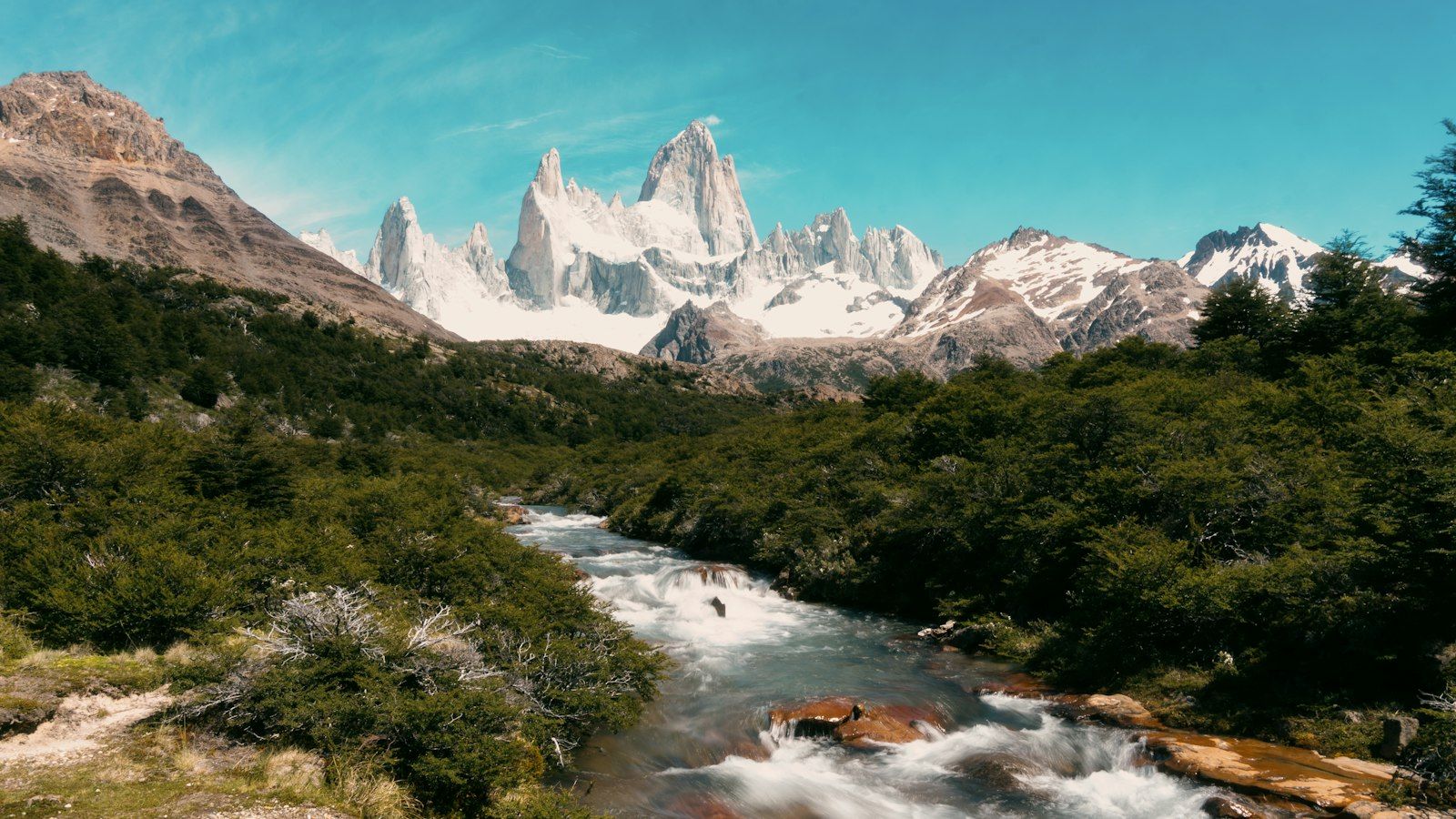
Argentina's trekking capital, a small windy village at the foot of Fitz Roy where world-class trails start at the end of the main street.
- Best time to visit: November to April, with late February to early April the sweet spot
- Daily budget (budget traveller): $75 to $300 USD
- Ideal trip length: 4 to 7 days
El Chaltén only dates from 1985. It was founded partly to secure Argentina's claim to this corner of Patagonia, and today it calls itself the Capital Nacional del Trekking. The name fits. The village sits inside the northern sector of Los Glaciares National Park, and the trails to Laguna de los Tres under Fitz Roy and to Laguna Torre under Cerro Torre both start a few minutes' walk from the bakery. You will not need a car, a guide or a tour bus. You need good boots, a windproof jacket and a weather forecast you check every evening. The village is small and practical: one main avenue of hostels, outdoor shops, brewpubs and pizza places, with condors circling the ridge above. Solo travellers fit in easily, because almost everyone here is doing the same thing, walking all day and comparing blisters over a pint at night. It is not cheap. Argentina's prices move fast, and since 2024 the park has charged foreign visitors for trail access. But the hiking itself costs nothing extra, and many people rate it among the best in South America. Come between November and April, plan your big hikes for the clear days, and expect the wind.
El Chaltén is a village built around a single activity. Nearly every business on Avenida San Martín exists to feed, house, equip or rehydrate hikers, and nearly everyone you meet has come to see Fitz Roy, the 3,405 m granite tower the Tehuelche called Chaltén. The trails here are remarkable because there is no approach. You walk out of your hostel door, past the last bakery, and you are on the path to Laguna de los Tres. There is no shuttle, no permit lottery and no compulsory guide. That freedom is what makes El Chaltén one of the best solo destinations in Patagonia: you set your own pace, and by evening the brewpubs are full of people who were on the same trail as you.
The catch is cost and weather. Argentina's prices change quickly. In October 2026 a one-way bus from El Calafate was AR$70,000 and a hostel dorm bed in high season cost around ARS 30,000 to 55,000. On top of that, Los Glaciares National Park now charges foreign visitors ARS 50,000 a day for trail access, or ARS 175,500 for a 7-day Flexipass. That makes the weekly pass the obvious buy for anyone staying four days or more. The weather is the bigger variable. Fitz Roy can sit inside cloud for days, and the wind on the moraine below Laguna de los Tres is regularly strong enough to stop people. Build in at least one spare day, check the forecast every evening, and move your big hike to the clearest morning.
The season runs roughly November to April. December to February gives you light until about 10pm but also the biggest crowds and fiercest gusts. Late February to early April is the local favourite: quieter trails, more stable spells and, from late March, lenga forests turning red and gold. From May the village largely shuts down for winter, with snow on the trails and only a handful of places open. Come prepared, start early, and El Chaltén gives you about as much big-mountain scenery per peso as anywhere in South America.
How many days in El Chaltén?
For El Chaltén, we recommend 4 to 7 days. With more time, add a day trip to Perito Moreno Glacier.
| Trip length | What you'll see | Itinerary |
|---|---|---|
| 2 days | Bus from El Calafate, sunset over the village; Laguna Torre warm-up | El Chaltén in 2 days |
| 3 days | Adds: Laguna de los Tres under Fitz Roy | El Chaltén in 3 days |
| 4 days · Recommended | Adds: Rest day: waterfall and Lago Viedma views | El Chaltén in 4 days |
| 5 days · Recommended | Adds: Lago del Desierto and Glaciar Huemul | El Chaltén in 5 days |
| 7 days · Recommended | Adds: Loma del Pliegue Tumbado; Last coffee and back to El Calafate | El Chaltén in 7 days |
El Chaltén itinerary
Bus from El Calafate, sunset over the village
Morning: Take a morning bus from El Calafate terminal (Caltur, Chaltén Travel or TAQSA, about AR$70,000, roughly 3 hours). Sit on the left for Lago Viedma and the first views of the Fitz Roy massif.
Afternoon: Check in, then walk across the bridge to the Centro de Visitantes Ceferino Fonzo for trail conditions and the forecast. Buy the 7-day Flexipass (ARS 175,500 for foreigners) online or by card. Stock up on snacks on Avenida San Martín.
Evening: Climb to Mirador de los Cóndores (about 45 minutes) for sunset over the village. Dinner and a house beer at La Cervecería Chaltén.
Laguna Torre warm-up
Morning: Start by 8am from the Laguna Torre trailhead on the west side of the village. Walk up the Río Fitz Roy valley past Mirador Cerro Torre, about 9 km each way with little climbing.
Afternoon: Lunch at the lake shore, watching icebergs drift off the Torre glacier. Extend to Mirador Maestri only if the moraine is dry and the wind is calm. Back by mid-afternoon.
Evening: Stretch, eat early and check tomorrow's forecast. Pizza at Patagonicus, then bed by 10pm.
Laguna de los Tres under Fitz Roy
Morning: Leave by 6:30am from the north end of Avenida San Martín. Detour to Laguna Capri (about 2 hours in) for the first reflection of Fitz Roy, then continue to Campamento Poincenot.
Afternoon: Tackle the final steep hour of climbing to Laguna de los Tres. Look over the left edge down to Laguna Sucia. Turn back if gusts make the moraine unsafe. Allow 8 to 10 hours in total.
Evening: Celebrate with Patagonian lamb or steak at La Tapera. If the day was cloudy, swap with Day 6 and try again.
Rest day: waterfall and Lago Viedma views
Morning: Slow breakfast at La Wafleria, then walk north along Ruta 23 to Chorrillo del Salto, an easy forest waterfall about an hour each way.
Afternoon: Back via the visitor centre, then climb past Mirador de los Cóndores to Mirador de las Águilas for the long view south over Lago Viedma.
Evening: Something lighter at Cúrcuma, or fresh pasta at Maffia Trattoria. Book tomorrow's shuttle at the terminal.
Lago del Desierto and Glaciar Huemul
Morning: Early shuttle up gravel Ruta 23 to Punta Sur on Lago del Desierto (37 km, about 1 to 1.5 hours, roughly ARS 35,000-45,000 return).
Afternoon: Pay the private-land fee (about US$10-11 in pesos) and hike to Laguna Huemul under the glacier, about 1.5 to 2 hours return. Add a boat trip on the lake if it runs that day, and bring cash.
Evening: Back in the village by late afternoon. Burger and fries at B&B Burger Joint, then an early night.
Loma del Pliegue Tumbado
Morning: Start by 8am from Portal Los Cóndores. Climb steadily through lenga forest and onto open slopes, about 1,000 m of ascent.
Afternoon: From the ridge, Fitz Roy and Cerro Torre stand side by side with Lago Viedma below. It is very exposed, so go only on a calm, clear day. Allow 7 to 8 hours return.
Evening: Farewell dinner of lamb at Patagonia Rebelde or Fuegia, plus a last pint with your trail friends.
Last coffee and back to El Calafate
Morning: Lie in, then a final short walk to the Fitz Roy trailhead viewpoint or a coffee on Avenida San Martín. Buy alfajores and calafate jam for the road.
Afternoon: Midday or early-afternoon bus to El Calafate (about 3 hours). Confirm the time the day before.
Evening: Dinner in El Calafate and an early night. Your Flexipass also covers the park's southern zone while valid, so check whether Perito Moreno Glacier tomorrow is covered.
Best neighbourhoods
- Avenida San Martín (village centre): The main street and the spine of the village, lined with hostels, outdoor gear shops, bakeries, brewpubs and the town's few supermarkets. Everything is within a 15-minute walk, and the north end leads straight onto the Fitz Roy trail.
- North end (Fitz Roy trailhead): The top of Avenida San Martín, where the trail to Laguna Capri and Laguna de los Tres begins. Staying up here saves 10 to 15 minutes on your earliest starts, and the streets are quieter at night.
- West side (Laguna Torre trailhead): The higher, residential streets towards the Laguna Torre trail, with guesthouses, cabañas and self-catering apartments. A good choice if you want a kitchen and a little distance from the main street.
- South end (bus terminal and visitor centre): Close to the bus terminal and to the Centro de Visitantes and Portal Los Cóndores across the river, where the Mirador de los Cóndores and Loma del Pliegue Tumbado trails start. Handy for arrival and departure days.
- Ruta 23 north to Lago del Desierto: The gravel road running up the Río de las Vueltas valley past Chorrillo del Salto and remote estancias to Lago del Desierto, 37 km away. You visit by shuttle rather than stay, unless you are splurging on a lakeside lodge.
Must-do experiences
- Hike to Laguna de los Tres: The big one. Walk about 10 km each way past Laguna Capri and Campamento Poincenot, then climb a brutal final hour up loose moraine to a glacial lake right under the granite towers of Fitz Roy. Allow 8 to 10 hours.
- Walk to Laguna Torre: A gentler, mostly flat route up the Río Fitz Roy valley to a grey lake full of icebergs, with Cerro Torre's needle above it when the clouds lift. Allow 6 to 7 hours return.
- Watch sunset from Mirador de los Cóndores: A 45-minute climb from the visitor centre gives you the whole village, the river and the Fitz Roy massif in one view. Condors often ride the thermals overhead.
- Climb Loma del Pliegue Tumbado: A long, steady climb of about 1,000 m to a windswept ridge with Fitz Roy and Cerro Torre side by side and Lago Viedma below. Only go on a clear, calm day.
- Day trip to Lago del Desierto and Glaciar Huemul: Take a shuttle 37 km up Ruta 23 to a long forested lake near the Chilean border, then hike up to the turquoise lagoon under the Huemul glacier, which is on private land with a small entry fee.
- Walk to Chorrillo del Salto: An easy walk north of the village to a 20-metre waterfall in a lenga forest. It is the perfect recovery outing after a long day on the trail.
- Rest day at the brewpub: Order a locro and a house beer at La Cervecería Chaltén, swap trail notes with the next table, and watch the rain sweep down the valley.
Hidden gems
- Starting the Laguna de los Tres hike from Hostería El Pilar on Ruta 23 and walking back to town, a one-way route past the Piedras Blancas glacier viewpoint with fewer people than the main trail (confirm shuttle drop-offs at the terminal)
- Mirador de las Águilas, a short extension beyond Mirador de los Cóndores with a wide view south over Lago Viedma that most visitors skip
- Mirador Maestri, the moraine path beyond Laguna Torre that takes you closer to the Torre glacier, but only in good conditions and with care on the loose ground
- Laguna Sucia, a dark green lake below Laguna de los Tres. Look down on it from the left side of the viewpoint for a very different angle on the massif
Daily budget
- Accommodation: budget ARS 30,000-55,000 / night (hostel dorm bed), mid-range ARS 180,000-320,000 (small hotel double or private room), splurge ARS 600,000+ (Los Cerros del Chaltén, Aguas Arriba Lodge). Peso prices rise fast and many places quote in US dollars, so check the rate at booking. Rates peak December to February and dip in shoulder months. Book January months ahead. Hostel private rooms often cost as much as a small hotel.
- Food: budget ARS 30,000-45,000 / day (bakery, supermarket, one cheap meal), mid-range ARS 60,000-100,000 (café lunch, sit-down dinner), splurge ARS 150,000+ (lamb dinner with Malbec at La Tapera). Groceries in the village are pricey and the choice is limited, so stock up on trail snacks in El Calafate. Empanadas from bakeries make the cheapest trail lunch. Dinner starts late, rarely before 8pm.
- Transport: budget ARS 0-10,000 / day (walking, plus AR$70,000 each way to El Calafate), mid-range ARS 35,000-45,000 (Lago del Desierto or El Pilar shuttle), splurge ARS 150,000+ (private transfer from El Calafate). Every main trail starts on foot from the village, so you rarely pay for local transport. The El Calafate bus is the big cost. A small El Chaltén terminal fee has applied in the past. Day visitors arriving by car or tour pay a municipal urban use tax of about ARS 3,000, but bus passengers and overnight guests are exempt.
- Activities: budget ARS 25,000 / day (7-day Flexipass at ARS 175,500), mid-range ARS 60,000-115,000 (Lago del Desierto boat, Huemul fee), splurge ARS 225,000+ (guided Laguna de los Tres day, glacier ice trek). Park fees for foreigners since 1 June 2026: ARS 50,000 a day, 100,000 for 3 days, 175,500 for 7 days. Pay by card or QR, never cash. The Glaciar Huemul trail is on private land with its own fee of about US$10-11 in pesos.
- Drinks & nightlife: budget ARS 8,000-15,000 (one craft pint), mid-range ARS 25,000-45,000 (a few beers or a bottle of Malbec), splurge ARS 70,000+ (wine-led dinner, cocktails). Nightlife means brewpubs and wine bars, not clubs. Most hikers are in bed by 11pm ahead of early starts. Supermarket wine and beer are much cheaper than bar prices.
Where to stay
- Social hostel in Avenida San Martín (ARS 30,000-55,000 / night): Rancho Grande Hostel (Av. San Martín 724) and Hostel Pioneros del Valle (Av. San Martín 451) are the classic trekker bases, with dorms, kitchens and common rooms full of people planning the next day's hike.
- Boutique hotel in Village centre (ARS 180,000-320,000 / night): Small hotels such as Chaltén Suites Hotel sit a short walk from the restaurants and trailheads, with a proper breakfast and a quiet room for early starts.
- Apartment in West side, towards the Laguna Torre trail (ARS 120,000-220,000 / night): Cabañas and self-catering apartments in the higher residential streets give you a kitchen to cook trail lunches and dinners, which makes a real difference to your budget at El Chaltén's restaurant prices.
- Splurge in Hillside above the village, or Lago del Desierto (ARS 600,000-3,000,000+ / night): Los Cerros del Chaltén Boutique Hotel looks over the valley from the hillside, while the remote Aguas Arriba Lodge on Lago del Desierto offers all-inclusive isolation with Fitz Roy on the horizon.
What to eat
- Cordero patagónico: Patagonian lamb slow-roasted on an iron cross over a wood fire, the region's signature dish and the classic post-hike reward
- Locro: a thick, warming stew of corn, beans, squash and meat, ideal on a cold, windy evening and a staple at La Cervecería Chaltén
- Empanadas: baked or fried pastry pockets of beef, lamb or cheese, sold by the dozen in bakeries and perfect to pack for a trail lunch
- Trucha: lake trout, often grilled or served with a butter and herb sauce, a lighter alternative to the region's beef and lamb
- Craft beer: El Chaltén takes its brewing seriously, and a cold pint of local ale after a 20 km day is almost compulsory
- Calafate: the dark Patagonian berry that gives El Calafate its name, eaten as jam, in ice cream or in sour cocktails
Day trips
- Lago del Desierto and Glaciar Huemul (37 km north of El Chaltén on gravel Ruta 23, about 1 to 1.5 hours): A long, forested lake close to the Chilean border. From Punta Sur, a well-marked trail climbs onto a moraine with views back to Fitz Roy and reaches Laguna Huemul under its hanging glacier in under an hour. Optional boat trips run on the lake, some combined with a walk to the Vespignani glacier viewpoint. Las Lengas shuttles or tours from the El Chaltén terminal, roughly ARS 35,000-45,000 return. The Huemul trail is on private land with a fee of about US$10-11 paid in pesos. Boat trips cost extra, may need cash and do not sail every day, so confirm the day before.
- Perito Moreno Glacier (About 80 km from El Calafate, roughly 3 hours from El Chaltén plus the bus back to El Calafate): Los Glaciares' most famous glacier, with walkways facing the ice wall where huge chunks crash into Lago Argentino. Better done the day after you leave El Chaltén than as a same-day return. Bus back to El Calafate, overnight, then take a shuttle or tour to the glacier. Your Los Glaciares Flexipass covers the southern zone while valid. Otherwise buy a park entry pass, and check current fees on the Parques Nacionales website.
- Viedma Glacier boat trip (A short drive south of El Chaltén to Bahía Túnel on Lago Viedma): Argentina's largest glacier, reached by boat across Lago Viedma. Some tours add a panoramic walk or an ice trek on the glacier itself, which is a fine option on a day when Fitz Roy is hidden in cloud. Book through operators in El Chaltén, with transfers from the village. Viedma Adventure has been advertised from around ARS 145,000. Ice trekking costs considerably more, so check current prices and the minimum fitness requirements.
When to visit
- Spring (October - November): 2-15°C, very windy, snow lingering on higher trails, long days. Crowds: Low to moderate, building through November. Good value and quiet, with the park fee back from October. Expect snow on Pliegue Tumbado and the final climb to Laguna de los Tres early on, and check which businesses have reopened.
- Summer (December - February): 6-20°C, light until about 10pm, strongest gusts of the year. Crowds: Peak, especially January. Every trail open and every business running, but book buses and beds early. The long evenings let you start late on bad-weather mornings and still finish in daylight.
- Autumn (March - April): 2-14°C, calmer spells, cold nights, shorter days. Crowds: Moderate, thinning fast after Easter. The sweet spot. Lenga forests turn red and gold from late March, the trails empty out, and clear calm days are common. Some places start closing in late April.
- Winter (May - September): -5 to 5°C, snow and ice, short days. Crowds: Very quiet, many businesses closed. For experienced winter hikers only. Most restaurants and hostels close, shuttles stop, and the exposed sections can be icy and dangerous. Check what is open before you travel.
Entry rules for your passport
Visa rules for Argentina depend on the passport you travel on. Check the official source before you book: Argentina Ministry of Foreign Affairs
Getting there
Fly into El Calafate (FTE), the gateway airport for the region, with domestic flights mainly from Buenos Aires and other Patagonian hubs. From there, El Chaltén is about 215 to 220 km north on paved roads. Regular buses from El Calafate terminal take roughly 2 hours 40 minutes to 3 hours. Caltur, Chaltén Travel and TAQSA run the route, with several departures a day in high season, and the published one-way fare was AR$70,000 in October 2026. Las Lengas runs door-to-door shuttles from El Calafate airport. Regular bus passengers are exempt from El Chaltén's urban use tax for day visitors, because the terminal fee covers it. Coming from Chile, buses link Puerto Natales with El Calafate. Adventurous travellers in high summer can also cross from Villa O'Higgins on foot via Lago del Desierto, which needs careful planning with boats on both sides. Most visitors need no visa, but carry proof of onward travel and check the official migration website before you fly.
Getting around
El Chaltén is about 1.5 km end to end and completely walkable, and the main trails to Laguna de los Tres, Laguna Torre, Mirador de los Cóndores and Loma del Pliegue Tumbado start on foot from the village. You do not need a car. To reach the village, take a bus from El Calafate, about 215 to 220 km and roughly three hours on paved road. Caltur, Chaltén Travel and TAQSA run the route, and the published one-way fare was AR$70,000 in October 2026. Las Lengas runs door-to-door shuttles from El Calafate airport. For Lago del Desierto, Hostería El Pilar and other points along gravel Ruta 23, use the Las Lengas shuttles or a tour from the terminal. Taxis (remises) exist but are few. In high season, book buses a few days ahead and check return times, because timetables change between months.
Safety
El Chaltén is one of the safest places in Argentina, and crime against visitors is rare. The real risks are in the mountains. Wind is the big one: gusts on exposed ridges and the final climb to Laguna de los Tres can knock you off your feet, so turn back if it is too strong. Weather changes fast, even in summer, so carry a windproof shell, warm layers, gloves and a hat on every hike. The Patagonian sun is fierce, so use high-factor sunscreen and sunglasses. Start long hikes early, tell your hostel your route and download offline maps, because there is no phone signal on most trails. Stay on marked paths, do not feed the foxes, and give space to the endangered huemul deer if you are lucky enough to see one. Pack out all rubbish, including toilet paper, and never light fires in the park. Rangers can close trails in bad weather, so check at the visitor centre.
Solo travel tips
- Stay on Avenida San Martín: The main street puts you within a few minutes of both main trailheads, the bus terminal and the brewpubs. Hostels like Rancho Grande and Pioneros del Valle are full of solo hikers, so finding a hiking partner usually takes one breakfast.
- Let the forecast run your week: Check the mountain forecast every evening and put Laguna de los Tres on the clearest, calmest morning. Use cloudy days for Laguna Torre, Chorrillo del Salto or a rest. Always build in one spare day.
- Buy the 7-day Flexipass: At ARS 50,000 a day, four day passes cost more than the 7-day Flexipass at ARS 175,500. Pay online or by card or QR, because the booths do not take cash. It also covers the park's southern zone, including Perito Moreno, while it is valid.
- Bring cash from El Calafate: The village's few ATMs charge steep fees and can run dry on busy weekends. Withdraw pesos in El Calafate, keep some for shuttles and boats, and pay by card everywhere else.
- Safety when hiking alone: Tell your hostel your route and return time, download offline maps and carry a headtorch, a shell and warm layers even in January. Turn back on the final climb to Laguna de los Tres if the wind is pushing you around. Plenty of people do.
- Eat dinner like a local: Restaurants fill from 8pm and Argentines eat late. Arrive early after a long hike or expect to queue. Sharing a big lamb dish at the bar is an easy way to meet other hikers.
Cultural etiquette
- Greet people with 'Buen día' or 'Hola' when you walk into a shop or café. Argentines often greet friends with a single kiss on the cheek, but a handshake is fine with strangers.
- If someone offers you mate, the shared herbal tea, drink the whole gourd and hand it back. Only say 'gracias' when you have had enough, because it means 'no more for me'.
- Dinner is late. Restaurants get busy from 8pm and locals often eat at 9pm or 10pm.
- Follow Leave No Trace. Pack out all rubbish including toilet paper, use the latrines at campsites and never light fires in the park.
- Do not feed foxes or birds, and keep well back from huemul deer, an endangered species and a national symbol.
- Tipping about 10% is normal in restaurants when service is not included. Some places add a cover charge ('cubierto') for bread and table service.
- British visitors should avoid joking about the Falklands, which Argentines call the Malvinas. It remains a sensitive subject.
Frequently asked questions
How do I get from El Calafate airport to El Chaltén?
El Calafate airport (FTE) is about 220 km from El Chaltén. Las Lengas runs door-to-door shuttles from the airport. Otherwise, take a taxi or airport shuttle into El Calafate and catch a regular bus from the terminal with Caltur, Chaltén Travel or TAQSA. The journey takes about three hours, and the published one-way fare was AR$70,000 in October 2026. Check current timetables, as late flights may not connect.
How many days do I need in El Chaltén?
Four days is the minimum to have a fair chance of seeing Fitz Roy clear, because cloud and wind regularly wipe out a day or two. Six or seven days lets you do Laguna de los Tres, Laguna Torre, Loma del Pliegue Tumbado and Lago del Desierto, with spare days for bad weather.
When is the best time to visit El Chaltén?
November to April is the main season, when most hostels, restaurants and shuttles are open. December to February brings the longest days and the most people, plus strong winds. Late February to early April is often the best balance, with thinner crowds and red and gold lenga forests from late March. Many businesses close from May to September.
Do I have to pay to hike in El Chaltén?
Yes. Los Glaciares National Park charges for trail access at portals around the village in high season, and charging resumed in October 2026. Since 1 June 2026 foreign visitors have paid ARS 50,000 for a day pass, ARS 100,000 for a 3-day Flexipass and ARS 175,500 for a 7-day Flexipass. Pay online in advance or by card or QR at the booths. Cash is not accepted. The Flexipass also covers the park's southern zone during its validity. Fees change, so check the Parques Nacionales website.
Do I need cash in El Chaltén?
Bring some. Cards and QR payments are widely accepted, but the village has very few ATMs. They charge high fees and can run out of cash in peak season. Withdraw pesos in El Calafate before you come up, and keep cash for small shops, some shuttles and the Lago del Desierto boat.
Can I hike in El Chaltén without a guide?
Yes. The main trails are well marked and most people hike them independently. Start early, carry enough water, food and warm layers, and check the forecast and trail status at the visitor centre. Guides are worth it for the glaciers, ice treks and the multi-day Huemul Circuit, which requires registration and river-crossing equipment.
Is El Chaltén safe for solo female travellers?
Yes, El Chaltén is very safe and full of solo hikers of every age. The usual precautions apply in the evenings, but the bigger concern is hiking alone. Tell someone your route and return time, start early, avoid the exposed sections in high wind, and consider teaming up with people from your hostel for the longer days.
What entry rules apply to travellers visiting Argentina in 2026?
Citizens of the UK, EU, US, Canada, Australia and many other countries can usually visit Argentina visa-free for up to 90 days with a valid passport. Argentina has also widened visa-free tourist entry for some nationalities, including India and China, if they hold certain valid US visas or a Green Card. Airlines may ask for proof of onward travel, and travel insurance with medical cover is strongly advised. Rules change, so always confirm on the official Argentine government migration website (argentina.gob.ar/migraciones) and check your own government's travel advice before you book.
Tours and activities in El Chaltén | El Chaltén in 2 days | El Chaltén in 3 days | El Chaltén in 4 days | El Chaltén in 5 days | El Chaltén in 7 days
Joy Plus home | Destinations | Itineraries | Activities | Flights | Budget planner | Calendar | Map | Blog | Lifetime access